
Writing
Wolfgang Bauer
Born — Died
1941-03-18 — 2005-08-26
Place of birth
Graz, Austria
Known for
Writing
Credits
7 titles
Known for
 4.6
German boarding school student Pauli hopes to lose his virginity while visiting his father in Italy.
Julia
1974
 7.3
The film follows Kaspar Hauser, who lived the first seventeen years of his life chained in a tiny cellar with only a toy horse to occupy his time, devoid of all human contact except for a man who wears a black overcoat and top hat who feeds him.
The Enigma of Kaspar Hauser
1974
No synopsis available yet.
Magic Graz
1972
 9.0
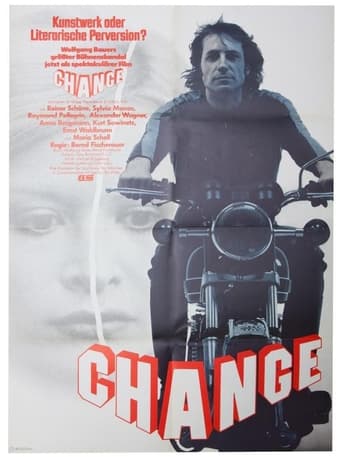
Based on the drama by Wolfgang Bauer. Fery Kaltenböck is a painter of the Viennese avant-garde in the post-1968 milieu. His lack of success plunges him into depression. Out of frustration, he builds the Pölten painter Blasius Okopenko into a star, only to subsequently destroy him and gain fame through the scandal. But his plans fail because he underestimated Okopenko. When Kaltenböck realizes that he is becoming the manipulated man, depression and conscience drive him to suicide, and he hangs himself.
Change
1975
 5.0
A Dublin student writes a novel about a tavern keeper about the parishioners in his tavern (including the student), who in turn write novels featuring the innkeeper and the student, and other novel composers about other novelists.
At Swim-Two-Birds
1997
No synopsis available yet.
In Zeiten wie diesen
1989
Film credits
1970s · 2 titles
7.3The film follows Kaspar Hauser, who lived the first seventeen years of his life chained in a tiny cellar with only a toy horse to occupy his time, devoid of all human contact except for a man who wears a black overcoat and top hat who feeds him.
The Enigma of Kaspar Hauser
1974
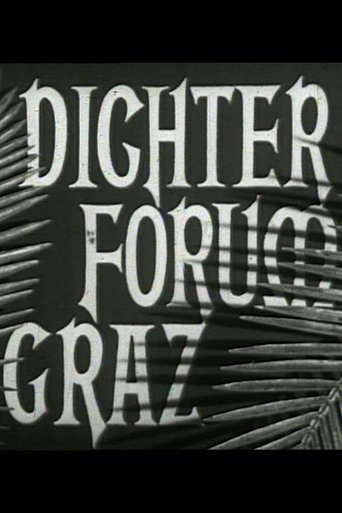
No synopsis available yet.
Magic Graz
1972
Behind the camera
4.6German boarding school student Pauli hopes to lose his virginity while visiting his father in Italy.
Julia
1974
9.0Based on the drama by Wolfgang Bauer. Fery Kaltenböck is a painter of the Viennese avant-garde in the post-1968 milieu. His lack of success plunges him into depression. Out of frustration, he builds the Pölten painter Blasius Okopenko into a star, only to subsequently destroy him and gain fame through the scandal. But his plans fail because he underestimated Okopenko. When Kaltenböck realizes that he is becoming the manipulated man, depression and conscience drive him to suicide, and he hangs himself.
Change
1975
No synopsis available yet.
In Zeiten wie diesen
1989