

Acting
Antoine Balpêtré
Born — Died
1898-05-03 — 1963-03-29
Place of birth
Lyon, Rhône, France
Known for
Acting
Credits
51 titles
Antoine Balpêtré (3 May 1898 – 28 March 1963) was a French stage and film actor. He appeared in 52 films between 1933 and 1963. Source: Article "Antoine Balpêtré" from Wikipedia in English, licensed under CC-BY-SA 3.0.
Known for
 7.0
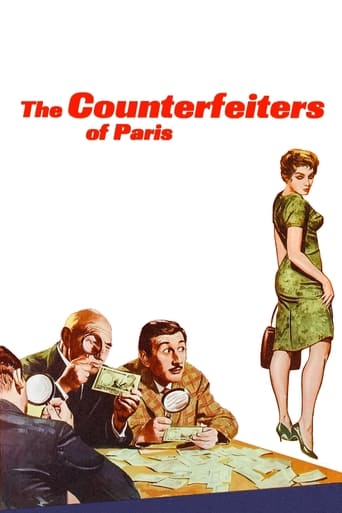
7.0"Le Dabe" retired many years ago and now he lives in the Tropics where he owns stables and horses. He is a very rich man. He was the king of all money counterfeiters. He is contacted from Paris to organize a new job. He says no. But when he finds out the the currency that should be counterfeited is the Dutch florin, he accepts immediately. He retired after having counterfeited 100 florin notes just before the Queen Wilhelmina retired them from circulation. He flies to Paris. But the gang is not to be trusted, at least not all of them.
The Counterfeiters of Paris
1961
 7.5
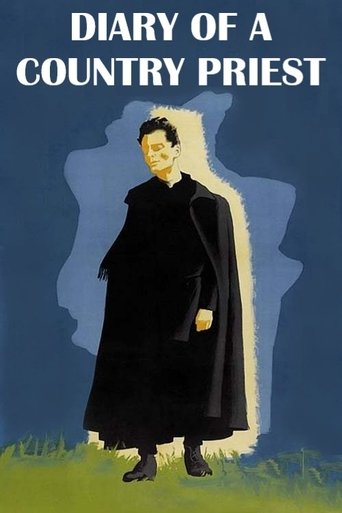
7.5An inexperienced, sickly priest shows up in the rural French community of Ambricourt, where he joins the community's clergy. But the locals don't take kindly to the priest, and his ascetic ways and unsociable demeanor make him an outcast. During Bible studies at the nearby girls school, he is continually mocked by his students. Then his attempt to intervene in a family feud backfires into a scandal. His failures, compounded with his declining health, begin to erode his faith.
Diary of a Country Priest
1951
 7.5
7.5Three stories about pleasure. The first one is about a man hiding his age behind a mask to keep going to balls and fancying women - pleasure and youth. Then comes the long tale of Madame Tellier taking her girls (whores) to the country for attending her niece's communion - pleasure and purity. And lastly, Jean the painter falls in love with his model - pleasure and death.
Le Plaisir
1952
 7.5
7.5Remy Germain is a doctor in a French town who becomes the focus of a vicious smear campaign, as letters accusing him of having an affair and performing unlawful abortions are mailed to village leaders. The mysterious writer, who signs each letter as "Le Corbeau" (The Raven) soon targets the whole town, exposing everyone's dark secrets.
Le Corbeau
1943
 6.3
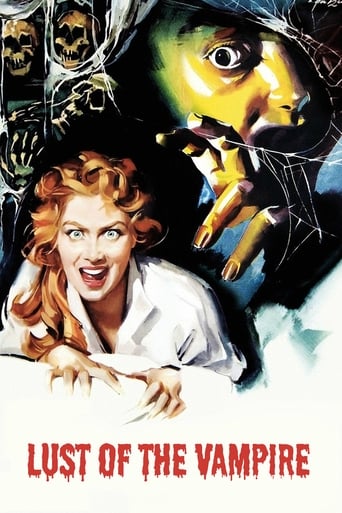
6.3A mad scientist captures young women and drains their blood, in order to keep alive an ancient, evil duchess.
Lust of the Vampire
1957
 6.2
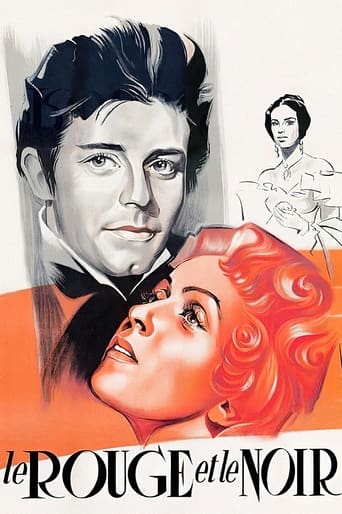
6.2It's no holds barred for Julian in pursuit of upward mobility. Although expected to channel career aspirations into the Church of the post-Napoleonic era, his intensely romantic liaisons propel him forward at a pace he cannot control.
Le Rouge et le Noir
1954
Film credits

1960s · 7 titles
7.0"Le Dabe" retired many years ago and now he lives in the Tropics where he owns stables and horses. He is a very rich man. He was the king of all money counterfeiters. He is contacted from Paris to organize a new job. He says no. But when he finds out the the currency that should be counterfeited is the Dutch florin, he accepts immediately. He retired after having counterfeited 100 florin notes just before the Queen Wilhelmina retired them from circulation. He flies to Paris. But the gang is not to be trusted, at least not all of them.
The Counterfeiters of Paris
1961
 6.1
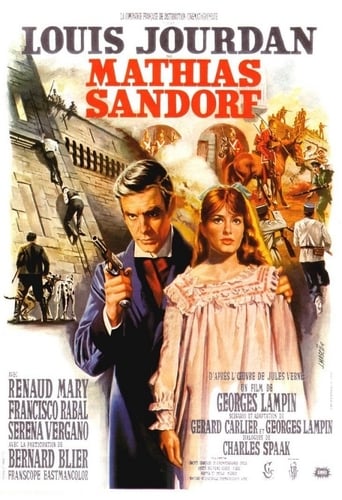
6.11868. Revolutionary Mathias Sandorf is determined to oust the dictatorship oppressing his country. The people see him as their liberator. Denounced by his banker, Mathias is arrested and sentenced to death. He manages to escape and takes refuge in a fishing village where he prepares a new uprising.
Mathias Sandorf
1963
 5.3
5.3A group of people visit a weird old man who is a student of the black arts. The man lives in an ancient, cursed castle. Soon people in the group start being killed off.
The Burning Court
1962
 8.0
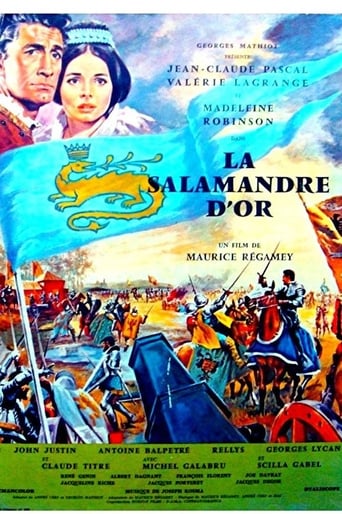
8.0In 1525, on the evening of the Battle of Pavia, François 1er was taken prisoner by the armies of Charles-Quint, with the Constable de Bourbon on their side. His mother, regent of the kingdom, commissioned the king's loyal equerry, Antoine de Montpezat, to raise a ransom of two million ecus and send it to Madrid. Despite the treachery of Vandoeuvre, governor of Languedoc and supporter of the connétable de Bourbon, who has his eye on the French throne, Montpezat accomplishes his mission and is reunited with his fiancée, who had almost married the traitor Vandoeuvre.
La salamandre d'or
1962
 6.3
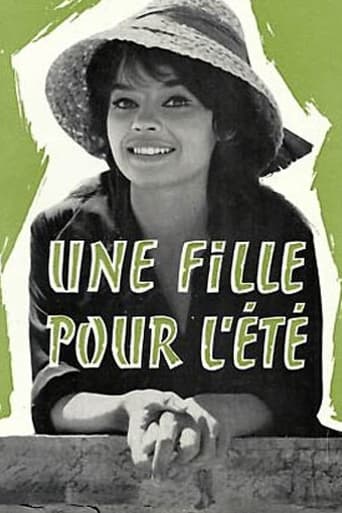
6.3Philippe, a little known artist, has a mistress, Viviane, a woman he does not love. When he learns the bailiffs are about to seize his paintings, Philippe decides to leave alone for the French Riviera and spend, as he regularly does, comfortable and carefree holidays in the luxurious villa of his friend Paule. But, on his way, he meets Manette, a beautiful but poor girl to whom he offers to become his companion for the Summer. Manette accepts the strange deal in exchange for bed and board. As Philippe always comes in the company of his mistress of the time, the presence of Manette does not pose a problem. But the young woman soon feels ill-at-ease in such a dubious environment. moreover, she realizes that she is falling in love with Philippe, who might not be so cynical as he wants to appear.
A Mistress for the Summer
1960
 6.5
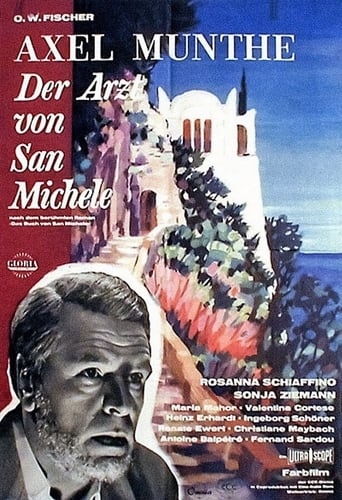
6.5A biographical drama is based on the 1929 autobiography of Swedish doctor Axel Martin Fredrik, The Story of San Michele. It follows the physician, psychiatrist, and adventurer as he travels the distances from Lapland to his Villa San Michele on Capri, with special stops in Paris and Rome. Personal physician to Queen Victoria, also physician to the Swedish royal family (he spent his last years living in the Royal Palace in Sweden), "Axel Munthe" knew everyone from the poorest clients to the most well-endowed. His love of animals, his support of bird sanctuaries, his involvement with architecture as he constructs his impressive villa throughout five summers, and his interests in archaeology and hypnotism are all explored.
Story of San Michele
1962
 9.0
9.0A young woman is forced into espionage so that her father can escape blackmail. The love of an aviator helps her regain her freedom and secure the arrest of the members of the network, whose leader commits suicide before the police arrive.
L’espionne sera à Nouméa
1963
1950s · 25 titles
7.5An inexperienced, sickly priest shows up in the rural French community of Ambricourt, where he joins the community's clergy. But the locals don't take kindly to the priest, and his ascetic ways and unsociable demeanor make him an outcast. During Bible studies at the nearby girls school, he is continually mocked by his students. Then his attempt to intervene in a family feud backfires into a scandal. His failures, compounded with his declining health, begin to erode his faith.
Diary of a Country Priest
1951
7.5Three stories about pleasure. The first one is about a man hiding his age behind a mask to keep going to balls and fancying women - pleasure and youth. Then comes the long tale of Madame Tellier taking her girls (whores) to the country for attending her niece's communion - pleasure and purity. And lastly, Jean the painter falls in love with his model - pleasure and death.
Le Plaisir
1952
6.3A mad scientist captures young women and drains their blood, in order to keep alive an ancient, evil duchess.
Lust of the Vampire
1957
6.2It's no holds barred for Julian in pursuit of upward mobility. Although expected to channel career aspirations into the Church of the post-Napoleonic era, his intensely romantic liaisons propel him forward at a pace he cannot control.
Le Rouge et le Noir
1954
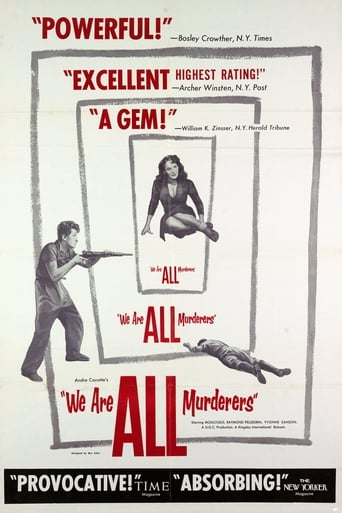 6.7
6.7Originally titled Nous Sommes Tout des Assassins, We Are All Murderers was directed by Andre Cayette, a former lawyer who detested France's execution system. Charles Spaak's screenplay makes no attempt to launder the four principal characters (Marcel Mouloudji, Raymond Pellegrin, Antoinine Balpetre, Julien Verdeir): never mind the motivations, these are all hardened murderers. Still, the film condemns the sadistic ritual through which these four men are brought to the guillotine. In France, the policy is to never tell the condemned man when the execution will occur--and then to show up without warning and drag the victim kicking and screaming to his doom, without any opportunity to make peace with himself or his Maker. By the end of this harrowing film, the audience feels as dehumanized as the four "protagonists." We Are All Murderers was roundly roasted by the French law enforcement establishment, but it won a special jury prize at the 1952 Cannes Film Festival.
We Are All Murderers
1952
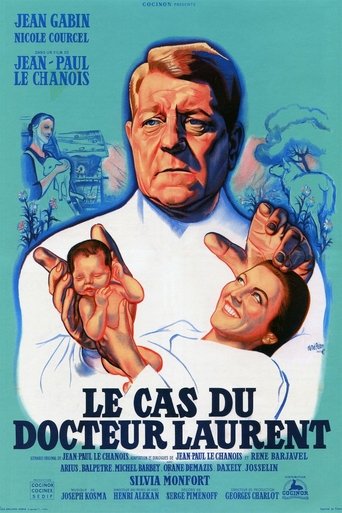 7.1
7.1A Paris-based doctor tries to spread the gospel of Natural Childbirth. Working in a cloistered rural community, Gabin runs up against the stone walls of fear and prejudice. His theories are proven sound when unwed mother Nicole Courcel gives birth within Gabin's methodology. The childbirth sequence is filmed straight-on with a delicate combination of taste and frankness. Nonetheless, the lurid ad campaign of Cas Du Dr. Laurent sensationalized this sequence all out of proportion.
The Case of Dr. Laurent
1957
 6.4
6.4Tsar Alexandre II meets a young student, Katia. He understands that he loves her and try to send her away but they end up seeing each other again and becomes his mistress. With the help of Katia, Alexandre prepares a liberal constitution, but these reforms make him hostile to the more privileged subjects without satirising the revolutionaries against the regime.
Katia
1959
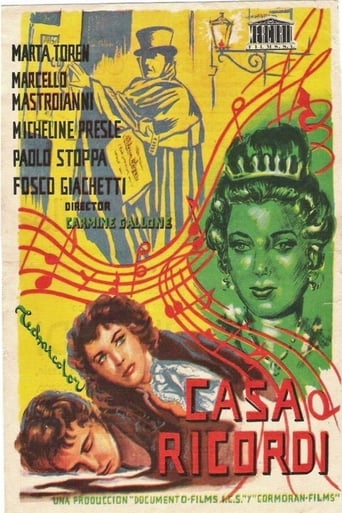 6.3
6.3The film covers a hundred years in the lives of the Ricordi family, the Milan publishing house of the title, and the various composers and other historic personalities, whose careers intersected with the growth of the Ricordi house. It beautifully draws the parallel between the great music of the composers, the historic and social upheavals of their times, as well as the "smaller stories" of the successive generations of Ricordi.
House of Ricordi
1954
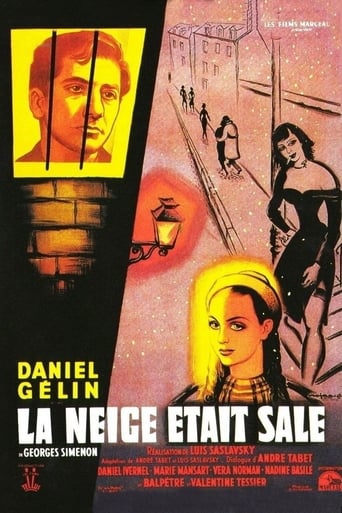 6.3
6.3"La neige était sale" is based on a novel and play by the phenomenally prolific Georges Simenon. Upon learning that his mother was a prostitute, Frank (Daniel Gélin) dejectedly vows that he, too, will live a life of debauchery. Part of his self-degradation program is to kill someone, and since the story takes place during the Nazi occupation of France, he chooses a German officer as his victim. His steady descent into psychosis and depravity becomes his ultimate undoing.
Stain on the Snow
1953
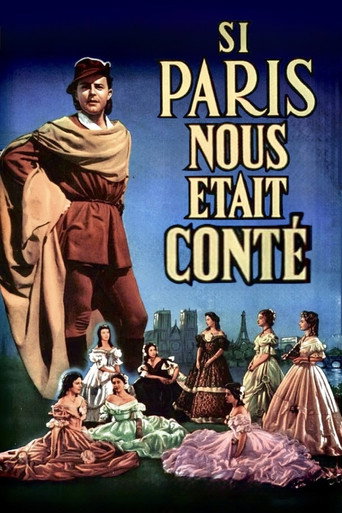 5.9
5.9Historical film directed and written by Sacha Guitry follows the the history of Paris from its founding through the significant events in the city's history.
If Paris Were Told to Us
1956
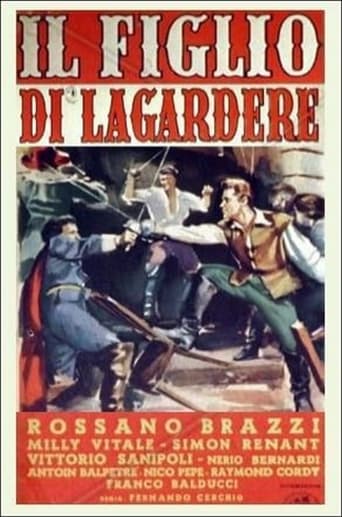 7.0
7.020 years after the assassination of his father, the son of Lagardère seeks revenge.
Son of the Hunchback
1952
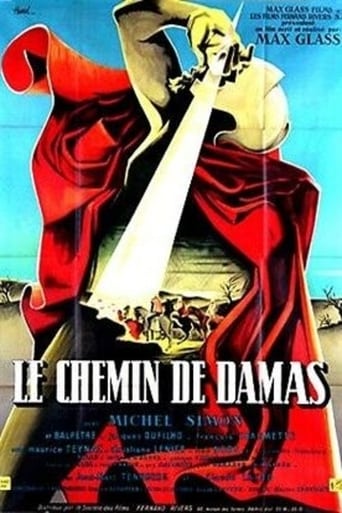 8.0
8.0Saul De Tarse is a Roman soldier who is making rough all over. He arrives at the Golgotha when the apostles remove the cross. He ruthlessly persecutes the Christians, even though they are his own friends.
The Road to Damascus
1952
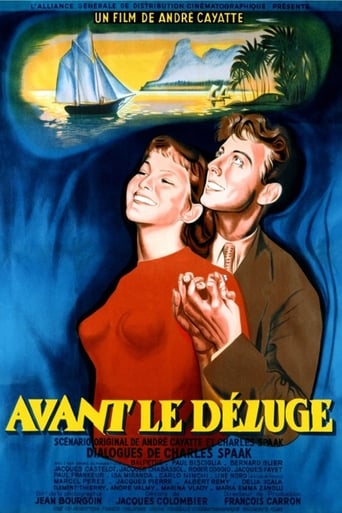 6.6
6.6The title of this French "reality" drama, which translates to Before the Deluge, is a play on Louis XVI's famous prognostication, "Apres moi, le deluge." Set in 1950, the film concentrates on five Parisian adolescents. Certain that the next war will herald the apocalypse, the youngster make plans to run off to a desert island and set up a new society. This, however, will require money, which is why the boys decide to pull off a "necessary" robbery. Idealism collapses in the face of cold reality, as the five youths suffer from the consequences of their actions. Avant le Deluge was one of a group of films cowritten by director Andre Cayatte and Charles Spaak which endeavored to explore the touchy social issues of the day: others in the Cayatte-Spaak canon include the euthanasia-themed Justice est Faite and the capital-punishment tract Nous sommes tous des assassins.
Before the Deluge
1954
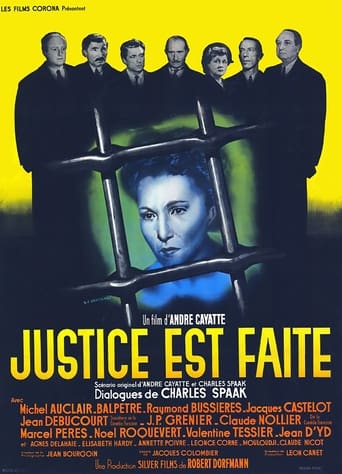 6.3
6.3Elsa Lundenstein is accused of having murdered her lover. The jury discusses the case vividly. All members are somehow prejudiced because of personal life experience and subsequently each member reads something different into the presented facts.
Justice Is Done
1950
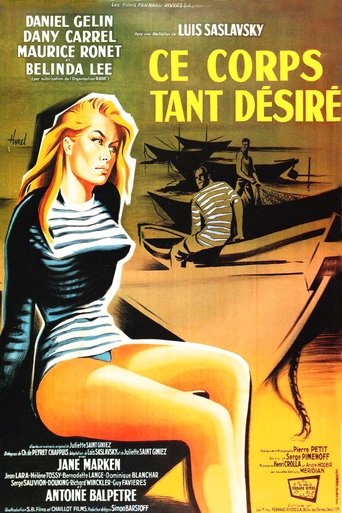 6.2
6.2A man falls in love with Lina , a hot girl with a racy past who creates a sensation among the workers.
This Desired Body
1959
 7.8
7.8A poor fisherman entrusts his children Piero and Nino for money to the Frenchman Neroni who recruits young men to work in his glass factory.
Il piccolo vetraio
1955
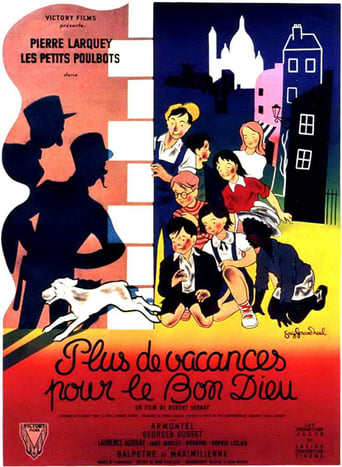 9.0
9.0Montmartre in the summertime. A group of street urchins idles outside while the other kids of the neighborhood are away on holiday.To keep the gang busy, Pivolo, their leader, has an idea : they are going to kidnap Aunt Faguet's doggy. Just for the fun of it. A few days pass after the crime is accomplished and one of them suddenly realizes that a reward is being offered by the aunt to anyone who would bring her her pet back. Mademoiselle Hélène, the kind-hearted social worker, does it for them and gives them the reward money, which is instantly exchanged for lollipops, nougat and merry-go-round and cinema tickets. So, why not continue? That's what they do, abducting several dogs, until they realize they are becoming ... too rich! They can't buy themselves luxurious gifts or else their parents are bound to suspect something. Instead, they decide to do good by helping poor people around them. One day, Pierrot, a member of the gang, gets run down by a cyclist and becomes blind.
No More Vacation for the Good Lord
1950
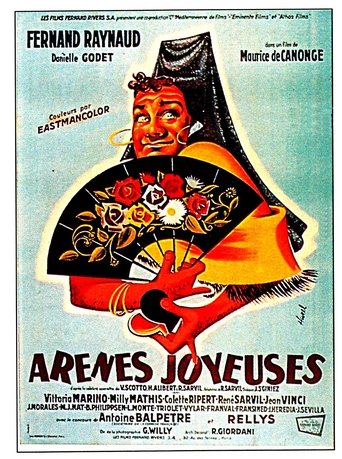 7.0
7.0A watchman with a sensitive heart, Fernand falls in love with Violette and Pervenche, two of the daughters of his boss, Maître Arno. At a bullfight starring three attractive Spaniards, the girls and their sister Marguerite - with whom Fernand's companion Rémy is in love - compete in charm, to the despair of both suitors. Followed by Marina, a pretty girl who seems to take a keen interest in Fernand, the two friends decide to retire to Les Martigues, far from their belles. But soon annoyed by Marina's insistence, Fernand returns to Maître Arno's manade, while Rémy decides to become a bullfighter to win back Marguerite.
Happy Arenas
1958
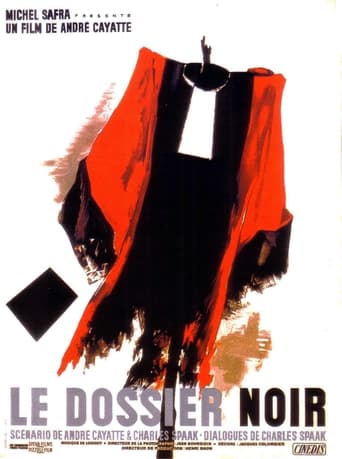 6.3
6.3In the 1950s, in a small provincial town, a young inexperienced judge clashes with an influential notable during an investigation into a suspicious death. His perseverance to get to the truth will cause a huge scandal.
Black Dossier
1955
 6.7
6.7Liana, an architecture graduate, is about to get married until she is confronted with the fact she is sacrificing the rest of her life for a man she barely knows. So begins a series of romantic encounters in which Liana tries to find her freedom and happiness, but which will ultimately lead her to a tragic fate.
A Free Woman
1954
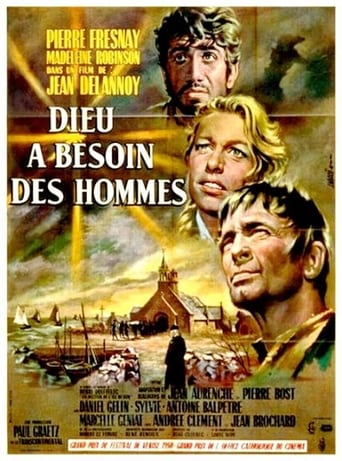 6.5
6.5The inhabitants of the windswept island of Sein, in the 19th-century Brittany, follow their own religion without need for clergy, but as strangers arrive, their faith and beliefs face a deep crisis.
God Needs Men
1950
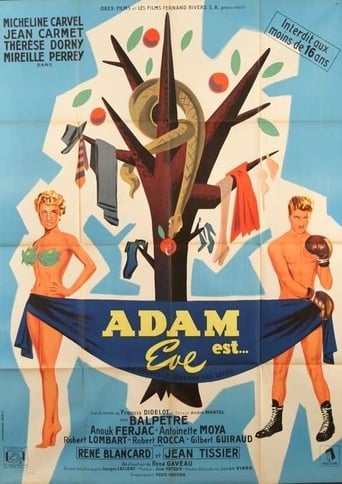 5.0
5.0A newlywed boxer disappears shortly after the wedding. Only to return two years later as a whole new woman.
Adam Is... Eve
1954
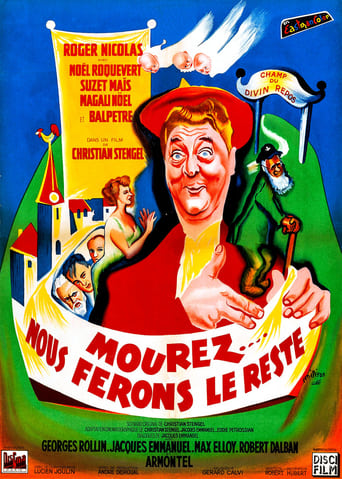 10.0
10.0Unable to go to America where he dreamed of making his fortune, Ulysse Sylvain decided to apply the methods that had been successful across the Atlantic to his parents' village. He posed as a buisinessman, won the confidence of the notables and transformed the village in the American style, complete with pin-ups, cowboys and so on. Tourists flocked to the village, but Ulysse's greatest idea was to put the cemetery into operation in the American style, and to attract customers with a splash of advertising. Concessions sold out fast, and everyone wanted their place for eternity... However, administrative obstacles are about to cause a catastrophe that Ulysses will avoid at the last moment.
Die... We'll Do the Rest
1954
 4.6
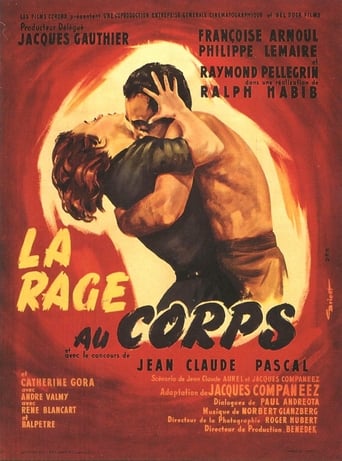
4.6A dam is under construction in the Pyrénées mountains. All the workers only have eyes for pretty, sensual Clara, the canteen waitress. And what she exchanges with many of them is more than just looks, this is for sure. Nevertheless, despite her frivolity, Clara falls truly in love with Tonio Borelli, the site foreman. The latter takes her to Paris and they marry. But Clara soon realizes that the call of the flesh still consumes her...
Tempest in the Flesh
1954
 4.8
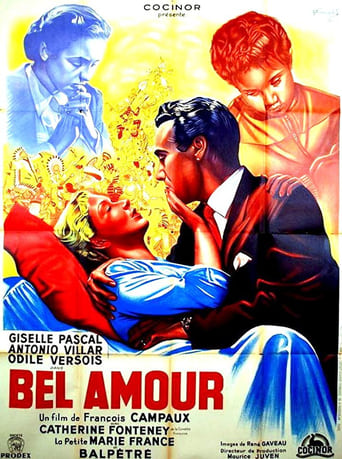
4.8Dr. Claude Moulin leaves his wife and child for a younger woman but the child needs attention and the wife falls very ill.
Beautiful Love
1951
1940s · 14 titles
7.5Remy Germain is a doctor in a French town who becomes the focus of a vicious smear campaign, as letters accusing him of having an affair and performing unlawful abortions are mailed to village leaders. The mysterious writer, who signs each letter as "Le Corbeau" (The Raven) soon targets the whole town, exposing everyone's dark secrets.
Le Corbeau
1943
 6.7
6.7A struggling artist buys a talisman that gives him love, fame and wealth. The talisman is a severed left hand, and it works perfectly, in fact, magically. But of course there is nothing free in this world, and after one year the devil comes and asks for his due.
Carnival of Sinners
1943
 7.2
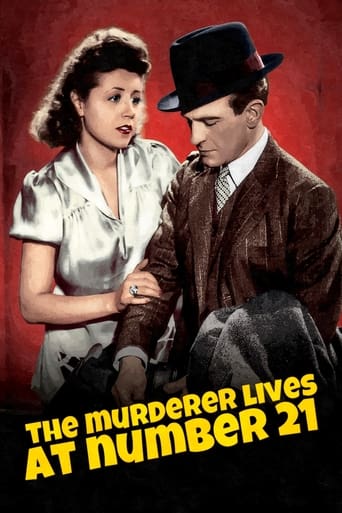
7.2Paris, France. Commissaire Wens follows the lead of a ruthless murderer to an unexpected place.
The Murderer Lives at Number 21
1942
 9.0
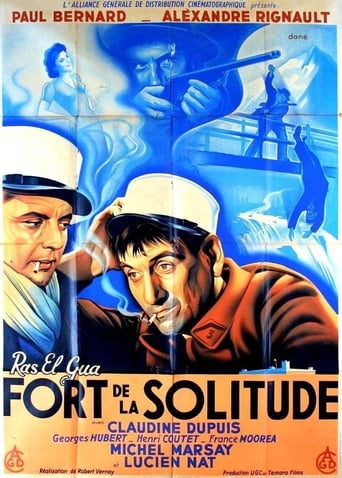
9.0On the borders of the desert, Péhu, a rather blunt creature on the verge of death, confesses to Charles Sigouane that some time before he stole and killed for the sake of a woman named Marie. Péhu recovers against all odds and returns to France with a view to finding Marie and to retrieve a loot he has hidden somewhere.
Fort De La Solitude
1948
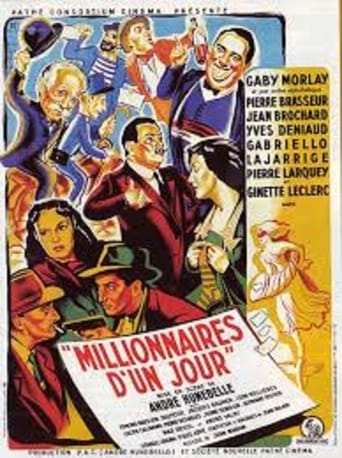 6.0
6.0A typographer makes a mistake by printing the winning number of the national lottery. Many people believe they have won the jackpot. Pursued by his newspaper editor, the worker appears in court where all mystified people are invited to testify.
Millionaires for One Day
1949
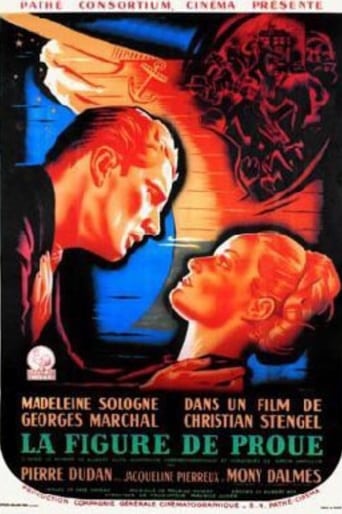 8.0
8.0At sea, sailors have got to make do with what they have. François is in love with.... the figurehead, the bust of a gorgeous woman.
The Figurehead
1948
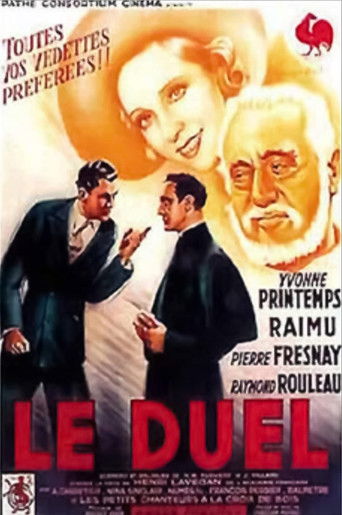 9.0
9.0A widow is loved by a doctor whose brother, an ecclesiastic unconsciously in love with the young woman, persuades her to enter a convent. Brought back on the straight and narrow by a missionary, the priest blesses his brother's marriage.
The Duel
1941
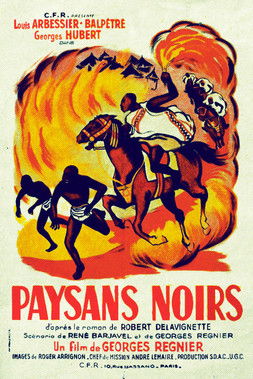 10.0
10.0In Ivory Coast, an administrator is appointed to replace a colleague who has just been assassinated. The newly appointed administrator, Guillon, clashes with a powerful elite that extorts money from farmers who refuse to cultivate the land. A peanut processing plant, nearing completion, unfolds against a backdrop of ethnic rivalries and resistance from the rural population to the changes imposed by the colonial regime, which is striving to modernize traditional agriculture to demand increased production. Aided by a doctor and an engineer, Guillon succeeds in restoring the confidence of the Black farmers after thwarting the schemes of those who dared to stand in his way.
Paysans Noirs
1949
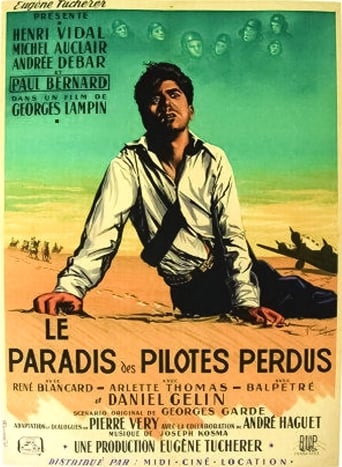 9.0
9.0A plane flying to Dakar is caught in a storm and has to land in the desert. Deprived of a radio, he is unable to give his position and the water reserves are limited to two days. Each, among the military crew and the civilian passengers, experiences the ordeal according to his character.
The Hell of Lost Pilots
1949
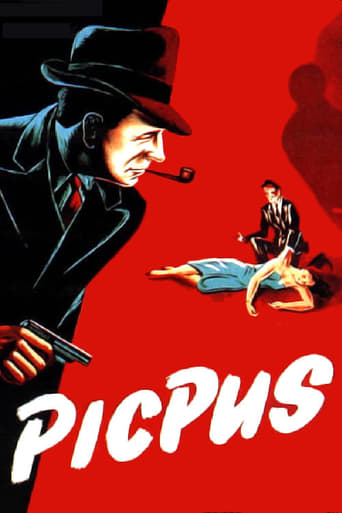 5.3
5.3Picpus is a street and a subway stop where a number of murders have been committed. Maigret tries to find the killer.
Picpus
1943
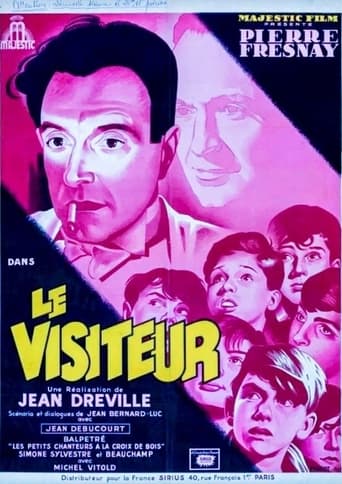 6.7
6.7Louberger, director of an orphanage, is full of praise for a former boarder, Mr. Sauval, who has become their benefactor. One night he arrives and he does not seem to be exactly the man described by Louberger. He has in fact become a crooked lawyer and he is wanted for a crime he has just committed. Despite his efforts he will not escape the police but he will manage to remain, in the eyes of the children, at the height of his legend.
Tainted
1946
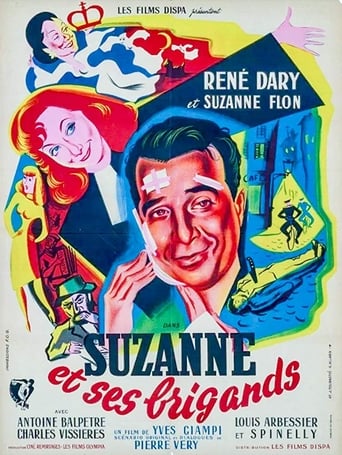 7.0
7.0Suzanne is a lawyer, she's just got her degree and she is married to a cop. We follow her through three investigations.
Suzanne and Her Brigands
1949
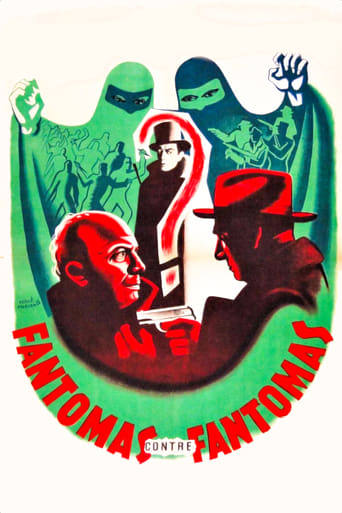 7.1
7.1Everyone in Paris thinks Fantomas is dead. A wave of extortion, blackmail and murder all point to the master criminal. Inspector Juve and his reporter friend Fandor set out to find the truth.
Fantomas Against Fantomas
1949
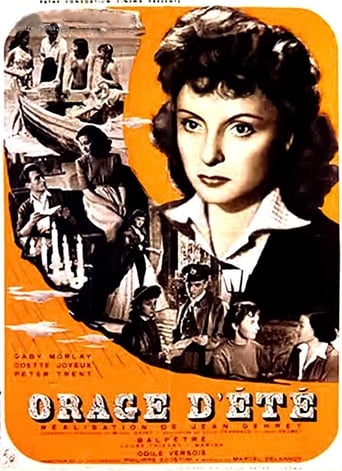 7.0
7.0An attractive Englishman who is spending his holidays in France, breaks into a French family.
Summer Storm
1949
1930s · 4 titles
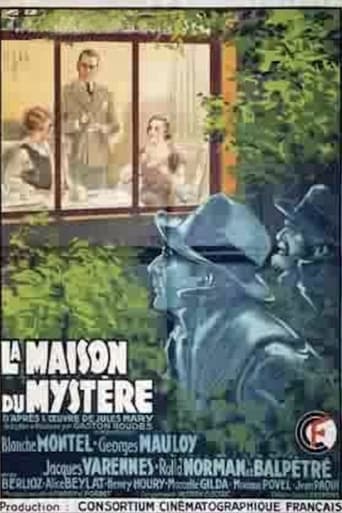 10.0
10.0Julien Villandrit owns a textile factory whose manager, Henri Corrandi, is his childhood friend. Both love the same woman, Régine de Bettigny, who grants her hand to Villandrit. Mad with jealousy, Corradin will use all means to break up the couple: he does not hesitate to compromise Régine, to send Julien to prison for a crime he did not commit, to spread misfortune. But despite a long and painful separation, Julien and Régine will find each other, still bound by the same love.
La maison du mystère
1934
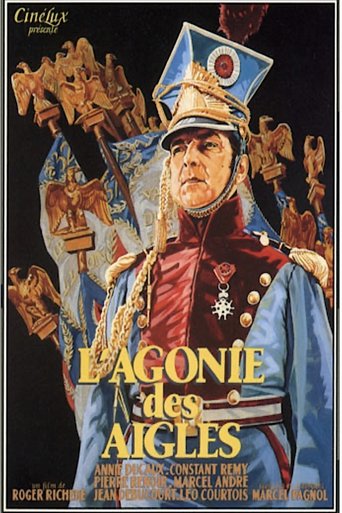 6.4
6.4Under the regime of Louis XVIII. Years after Waterloo, Napoleon's loyal officers live in retirement on half-pay. Useless and idle, they have lost their prestige and keep meeting in the hope of the Emperor’s return. When Napoleon dies, they decide to plot the rise to power of Napoleon II.
L'Agonie des aigles
1933
 7.2
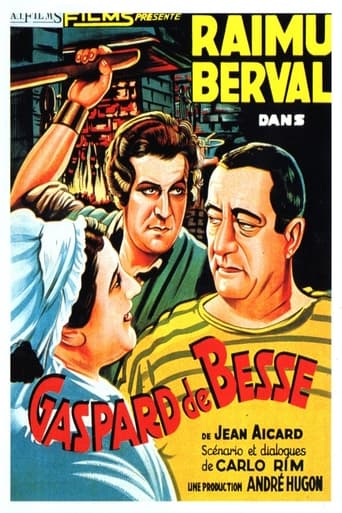
7.2The gratuitous murder of his father and the misery of the people, aggravated by a succession of bad harvests, lead Gaspard, a great admirer of Mandrin and blacksmith by profession, to revolt. With his companion Samplan, he finds himself at the head of a handful of soldiers dissatisfied with their fate and a band of brigands. They steal money from the rich to give it to the poor, like highwaymen, vindicators with a big heart. In their eyes, things cannot go on like this, in this country which seems given over to the decadence of the nobility and the whims of an indolent king. Gaspard and his troupe are responsible for making it known.
Dawn Over France
1935
 7.0
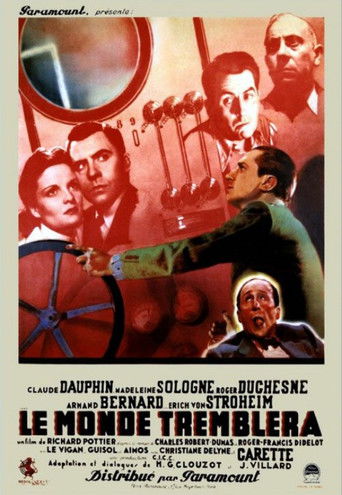
7.0In this sci-fi film, a scientist invents a prescient machine that can tell people when they will die. Oddly enough, the people do not want to know and therefore begin to riot…
The World Will Shake
1939