

Writing
Jean Aurenche
Born — Died
1903-09-10 — 1992-09-29
Place of birth
Pierrelatte, Drôme, France
Known for
Writing
Credits
43 titles
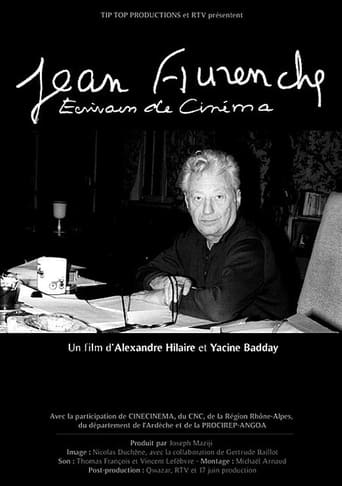
Jean Aurenche (1903–1992) was a French screenwriter. During his career, he wrote 80 films for directors such as René Clément, Bertrand Tavernier, Marcel Carné, Jean Delannoy and Claude Autant-Lara. He is often associated with the screenwriter Pierre Bost, with whom he had a fertile partnership from 1940 to 1975. In the 1920s and 1930s, Jean Aurenche was friends with some members of the surrealist groups. His sister Marie-Berthe was the wife of Max Ernst and Max Ernst soon became friend with Jean Aurenche. Later, he even appeared in some film commercials directed by Jean Aurenche (for the "Nicolas" Wine, the "Barbes" stores and so on...). Jean Aurenche was also a close friend of Jean Cocteau…
Known for
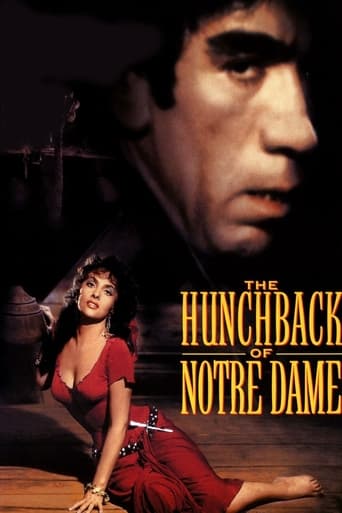 6.7
6.7In 1482 Paris, Frollo, Chief Justice of benevolent King Louis XI, becomes infatuated by the beauty of Esmeralda, a young Romani girl. The hunchback Quasimodo, Frollo's protégé and bell-ringer of Notre Dame, lives in peace among the bells in the heights of the immense cathedral until he's involved by the twisted magistrate in his malicious plans to free himself from Esmeralda's alleged spell, which he believes to be the Devil's work.
The Hunchback of Notre Dame
1956
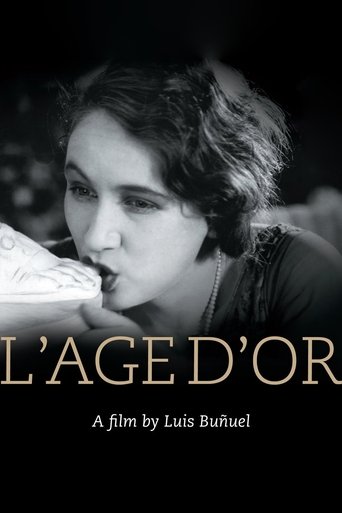 6.8
6.8The film consists of a series of tightly interlinked vignettes, the most sustained of which details the story of a man and a woman who are passionately in love. Their attempts to consummate their passion are constantly thwarted, by their families, by the Church and bourgeois society in general.
L'Âge d'or
1930
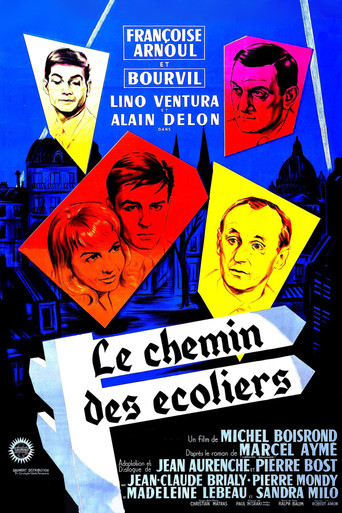 6.2
6.2This movie is a Marcel Aymé adaptation and it deals with the not-so-glorious side of the Occupation: black market, war profiteers, cracking open bottles of Champagne while most of the Parisians are almost starving.
Way of Youth
1959
 4.1
4.1Pauline Bonaparte, sister of the famous Napoleon, embarks on a series of amourous escapades, including an engagement to the Conventionnel Fréron; her relationship with the comté de Canouville; and her marriage to General Leclerc, whom she follows to Saint-Domingue.
Imperial Venus
1962
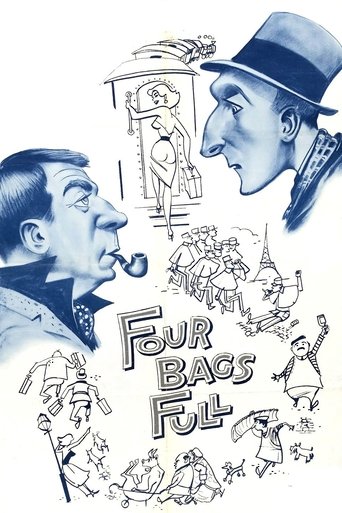 7.3
7.3Two unlikely companions must smuggle four suitcases filled with contraband pork across Nazi-occupied Paris.
La Traversée de Paris
1956
 6.9
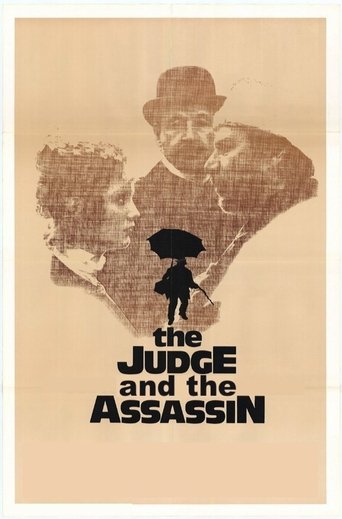
6.9France, 1893. Joseph Bouvier attempts to shoot his love who refused to marry him and to commit suicide. Upon release from the filthy asylum where he was placed, with bullets still remaining in his head, he wanders the country roads and rapes and murders many teenagers over years. The judge Rousseau captures him, but to serve his ambition seeks to avoid that Bouvier is simply declared insane.
The Judge and the Assassin
1976
Film credits

Behind the camera
6.7In 1482 Paris, Frollo, Chief Justice of benevolent King Louis XI, becomes infatuated by the beauty of Esmeralda, a young Romani girl. The hunchback Quasimodo, Frollo's protégé and bell-ringer of Notre Dame, lives in peace among the bells in the heights of the immense cathedral until he's involved by the twisted magistrate in his malicious plans to free himself from Esmeralda's alleged spell, which he believes to be the Devil's work.
The Hunchback of Notre Dame
1956
6.2This movie is a Marcel Aymé adaptation and it deals with the not-so-glorious side of the Occupation: black market, war profiteers, cracking open bottles of Champagne while most of the Parisians are almost starving.
Way of Youth
1959
4.1Pauline Bonaparte, sister of the famous Napoleon, embarks on a series of amourous escapades, including an engagement to the Conventionnel Fréron; her relationship with the comté de Canouville; and her marriage to General Leclerc, whom she follows to Saint-Domingue.
Imperial Venus
1962
7.3Two unlikely companions must smuggle four suitcases filled with contraband pork across Nazi-occupied Paris.
La Traversée de Paris
1956
6.9France, 1893. Joseph Bouvier attempts to shoot his love who refused to marry him and to commit suicide. Upon release from the filthy asylum where he was placed, with bullets still remaining in his head, he wanders the country roads and rapes and murders many teenagers over years. The judge Rousseau captures him, but to serve his ambition seeks to avoid that Bouvier is simply declared insane.
The Judge and the Assassin
1976
 7.0
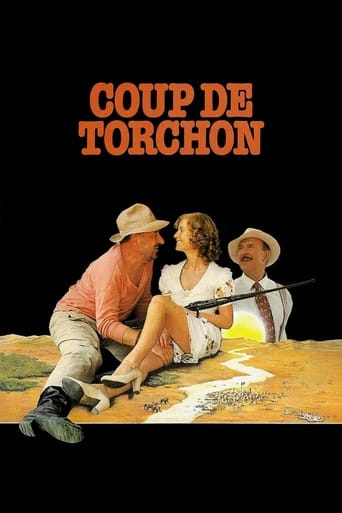
7.0A pathetic police chief, humiliated by everyone around him, suddenly wants a clean slate in life, and resorts to drastic means to achieve it.
Coup de Torchon
1981
 6.2
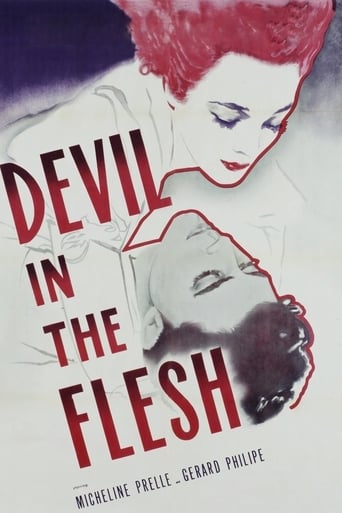
6.2In France during World War I, Marthe waits for her husband, Jacques, while he fights on the front lines. Marthe then begins a tempestuous affair with 17-year-old François, with whom she had a dalliance before marrying Jacques. Jealous François struggles with the fact that Marthe is married, while she tries to prove her devotion to her young, hotheaded lover. Things become even more complex when Marthe becomes pregnant with Jacques' baby.
Devil in the Flesh
1947
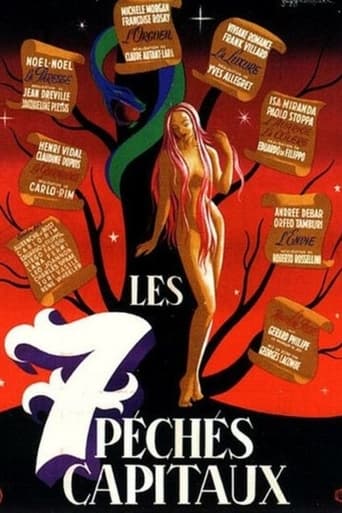 6.0
6.0A compilation of segments covers the seven deadly sins of greed, wrath, envy, pride, lust, sloth, and gluttony.
The Seven Deadly Sins
1952
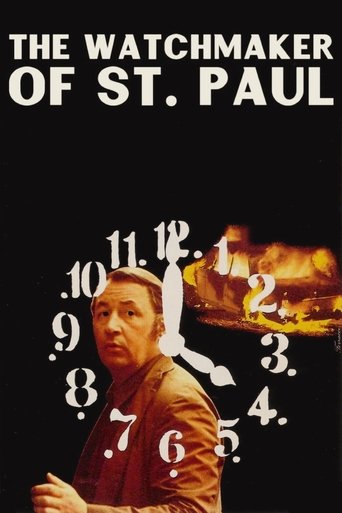 6.9
6.9Michel Descombes is a watchmaker who lives in Lyon with his teenage son Bernard. When the police visit and inform him that Bernard has killed a man and is on the run with a girl, Michel realises that he knew far less about his son than he thought.
The Watchmaker of St. Paul
1974
 7.8
7.8A tale of the tender relationship between a twelve-year-old boy and the fourteen-year-old upperclassman who is the object of his desire, all set within the rigid atmosphere of a Jesuit-run school.
This Special Friendship
1964
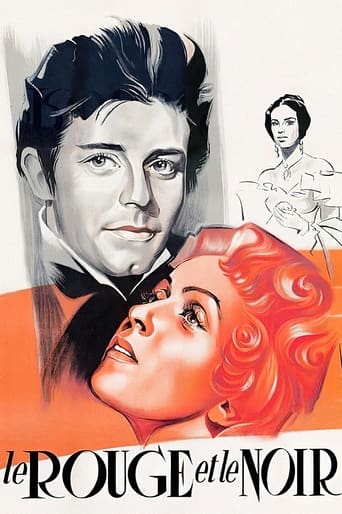 6.3
6.3It's no holds barred for Julian in pursuit of upward mobility. Although expected to channel career aspirations into the Church of the post-Napoleonic era, his intensely romantic liaisons propel him forward at a pace he cannot control.
Le Rouge et le Noir
1954
 5.0
5.0A collection of sketches that tells the story of prostitution through the ages.
The Oldest Profession
1967
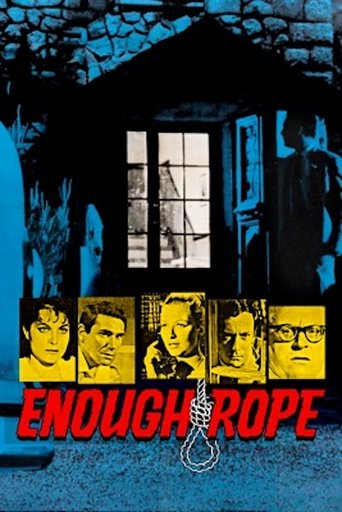 5.8
5.8Two total strangers suspect each other of murdering their own wives. Based on Patricia Highsmith's 1954 novel The Blunderer.
Enough Rope
1963
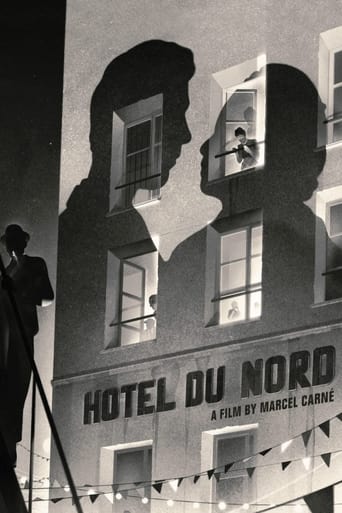 7.1
7.1On the meandering Canal St. Martin, at the Parisian Hôtel du Nord, a nearly fatal gunshot separates a dejected young couple. But, amid a sad but beautiful panorama of lively characters, love has the final say. Can life be a fairy tale?
Hôtel du Nord
1938
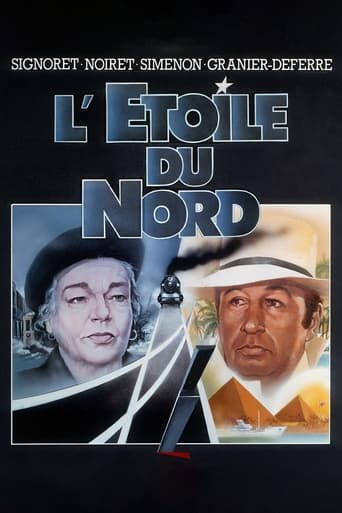 6.3
6.3Edouard Binet, an aimless Frenchman, has been travelling in North Africa for many years, and is sailing to Belgium. En route, he meets Sylvie Baron. He introduces her to Nemrod Lobetoum, a rich Egyptian carrying valuable jewelry, and Sylvie and Nemrod become friends. Their friendship escalates to love, which makes Edouard jealous. Days later, Edouard arrives at a rooming house owned by Mme. Louise Baron, Sylvie's mother, wearing blood-stained clothes. It appears that Nemrod was killed on a train after he arrived in France, but Edouard denies any knowledge of what happened. Sylvie suspects that Edouard is responsible for Nemrod's death, but by now her mother has become Edouard's ally.
The North Star
1982
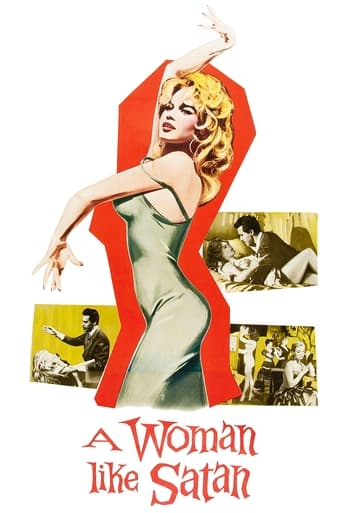 5.5
5.5Handsome and rich Spanish gentleman abandons his wife and riches for his love of a young girl of poor stock who taunts and degrades him.
A Woman Like Satan
1958
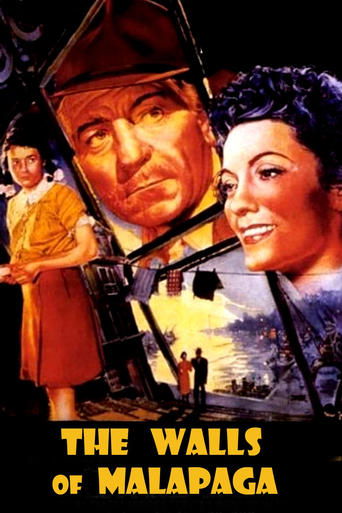 6.6
6.6After murdering his mistress and being hunted by the authorities in France, Pierre stows away aboard a ship bound for Genoa. Though he's immediately robbed after arriving, things look up for Pierre when he meets kindhearted Cecchina, who introduces him to her mother, Marta. Pierre and Marta fall in love, but police are closing in and the new couple may not have much time left.
The Walls of Malapaga
1949
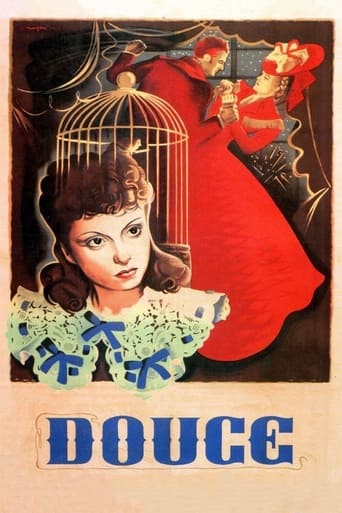 7.2
7.2In Paris in 1887, Irène works as a governess to Douce, the grand-daughter of the dowager Countess de Bonafé. Douce believes she is in love with Fabien, the handsome manager of the estate. However she cannot hope to marry him because of their class difference. Douce's widowed father, the Count de Bonafé, has a wooden leg, and is infatuated with Irène. Douce discovers that Fabien is planning to flee to Quebec with Irène, and also finds out that the Count has asked Irène to marry him. So Douce tells Fabien this and convinces him to run away with her, causing consternation in the family.
Douce
1943
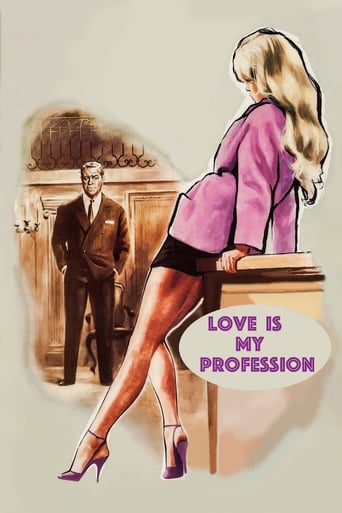 6.3
6.3Leading lawyer Andre Gobillot takes the case of Yvette, a young criminal. As he works on her defence, an unexpected romance blooms between them, only to be cut short by a tragedy.
Love Is My Profession
1958
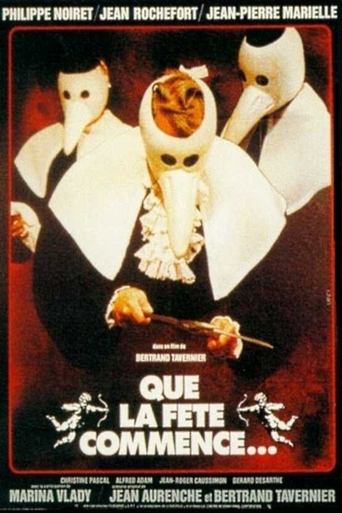 6.4
6.4A look at 18th-century France, when the depravity of the authorities contributed to social oppression, and the uprisings flared up one after another.
Let Joy Reign Supreme
1975
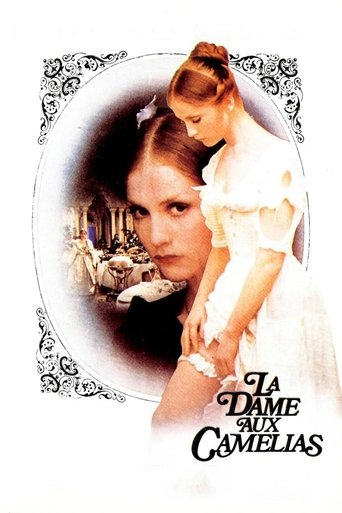 6.1
6.1A young girl from the provinces, comes to Paris with one goal: to become a part of the rich bourgeoisie. To achieve this she will use her unique beauty and charm.
Lady of the Camelias
1981
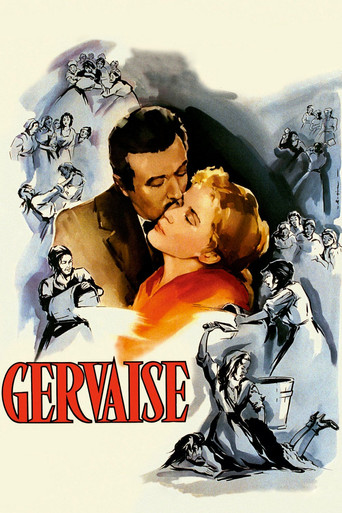 6.7
6.7Gervaise Macquart is a beautiful Parisian laundress and mother whose lover, Lantier, walks out on her. She eventually marries Henri Coupeau, a roofer who has an unfortunate accident. As her now crippled husband descends into alcoholism, Gervaise tries to make ends meet on her own. Life becomes even more complicated when Lantier returns and befriends Henri. Meanwhile, the man she really loves is sent to prison.
Gervaise
1956
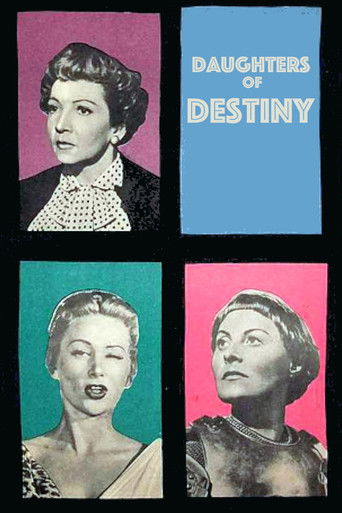 4.6
4.6Three stories, very different in space and time. Lysistrata, a dancer from ancient times, Jeanne d'Arc, medieval warrior and Elisabeth, American war widow who comes on pilgrimage in Italy.
Daughters of Destiny
1954
 6.2
6.2In a village in the Ardennes, during the German occupation, finding rations is becoming almost impossible. Clovis, an ordinary labourer, decides to cross the occupied zone to bring back enough potatoes to feed his family. His plan is a success but Clovis rapidly becomes obsessed with storing the precious tubers.
Potatoes
1969
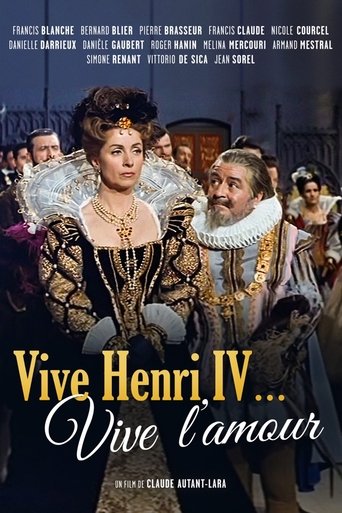 5.6
5.6Henri IV falls in love with the young Charlotte de Montmorency, 40 years his junior. The king decided to marry her off to his nephew, Henri de Condé, so that he could later make her his mistress.
Long Live Henry IV... Long Live Love!
1961
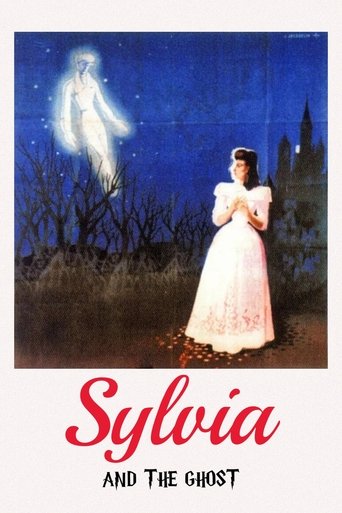 6.9
6.9A teenager becomes fixated on a painting of the handsome suitor who died in a duel for her grandmother's love. On her sixteenth birthday, her father hires three men who pretend to be the ghost of the suitor to entertain her. Little do they know, the ghost of the suitor himself is roaming the castle halls.
Sylvia and the Ghost
1946
 6.8
6.8A group of travelers, including a monk, stay in a lonely inn in the mountains. The host confesses the monk his habit of serving poisoned soup to the guests, to rob their possessions and to bury them in the backyard.
The Red Inn
1951
 5.6
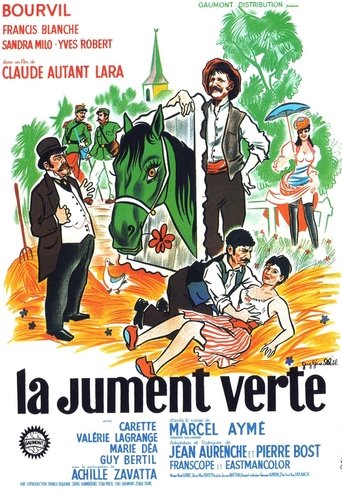
5.6A green mare makes the fortune of her owner, the horse dealer Haudouin. Shortly after his death, war broke out in 1870. One day, his neighbor Zèphe Maloret denounces Honoré, Haudouin's son, a maverick, to the Prussians. Following this denunciation, their non-commissioned officer enters the Haudouin home and rapes the mother while Honoré is hidden under the bed. The resentment already existing between the Haudouin and Maloret families turns to hatred... A letter recalling the events is lost, which doesn't help matters.
The Green Mare
1959
 6.4
6.4Albert is a Franciscan monk and a medical orderly at a monastery in France. Although he is German, the kindly monk helps hide French resistance members. Albert tries to maintain the delicate balance between the warring factions by helping out the afflicted and not getting involved in political ideology.
Franciscan of Bourges
1968
 5.8
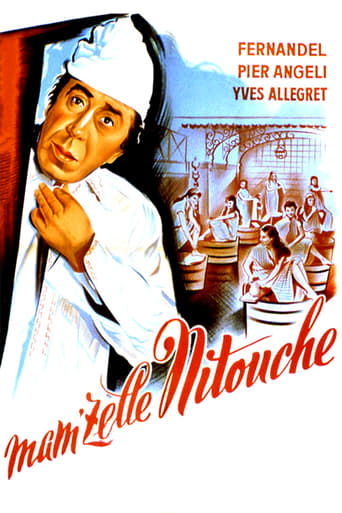
5.8Celestin works as an organist at a girl's school. By day, Celestin is the meek and mild target of the girls' incessant practical jokes. By night, however, he is the celebrated composer of popular operas -- and the romantic vis-à-vis of a celebrated stage star. When schoolgirl Denise stumbles onto Celestin's secret, she threatens to tell all -- but only if Celestin refuses to escort her to the opening night of his latest opera. As a result, Denise falls in love with a handsome young soldier, while Celestin is accidentally shipped off to an army camp. A series of silly coincidences brings happiness to all concerned by fade-out time.
Mademoiselle Nitouche
1954
 6.6
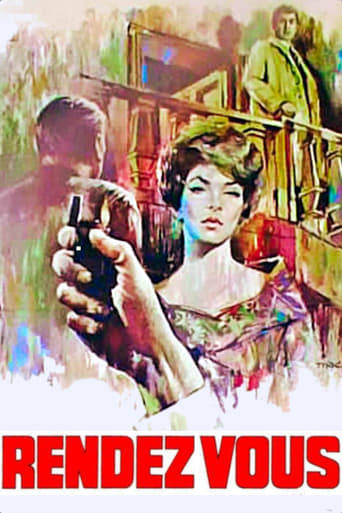
6.6When the spoiled daughter of an oil magnate is murdered, Pierre must determine whether the killer is his own ex, the dead woman's lover or somebody else entirely.
Rendezvous
1961
 7.9
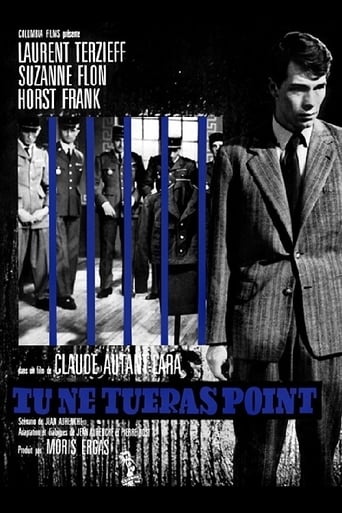
7.9At the end of World War II, a French pacifist is arrested for refusing to fight. In prison, he befriends a German priest arrested for murder of a French Resistance fighter. They discuss morality, obedience, and religion.
Thou Shalt Not Kill
1961
 8.5
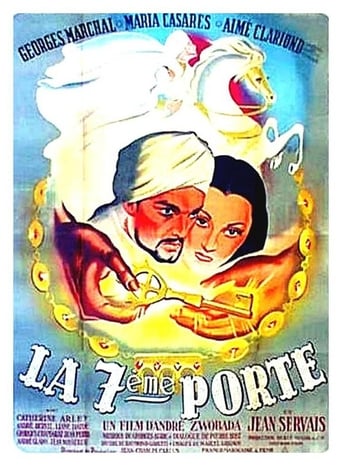
8.5An old man about to die gives all his fortune to a young beggar he meets in an Arabian town. He takes him to his house (now the poor man's property) and he strongly advises him not to open one of the doors, the seventh door. "I could throw the key into the sea" says the young lad" No use, you'd dive to get it back". The young man is curious and he cannot resist temptation: he opens the forbidden door. A strange world is waiting for him where a girl, Leila, will be his guide .
The Seventh Door
1947
 6.7
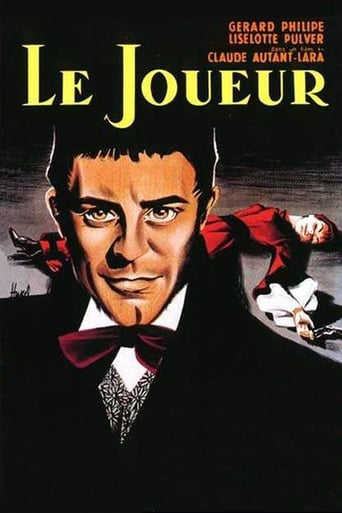
6.7In 1866, a young Muscovite named Alexei Ivanovitch arrives in Baden Baden, then the gambling capital of Austria, and is soon engaged by General Zagorianski to look after his children. Alexei discovers that his employer is a compulsive gambler who has been almost ruined by his addiction. The only money the General has is provided by the Marquis de Grieux, an adventurer who intends to marry Zagorianski’s sister, Pauline. In doing so, de Grieux hopes to profit from the vast inheritance that will come the General’s way from his Aunt Antonina, who is presently very ill. Alexei is appalled by this society which lives only for money. He loves Pauline and wants to take her to a healthier place, but when she refuses to marry him, he begins to gamble at the casino…
The Gambler
1958
 5.3
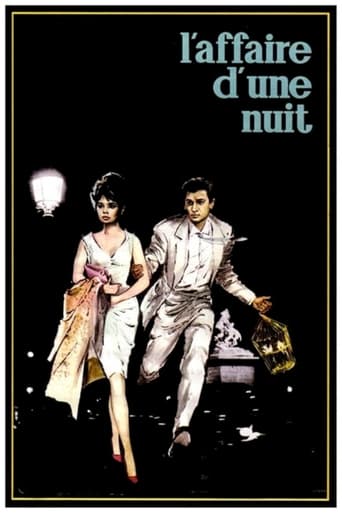
5.3Michel Ferréol reluctantly meets up with an old school friend, Antoine Fiesco. Michel didn’t like Antoine much when they were at school and tries to get away by making an excuse. He changes his mind when Antoine introduces him to his wife, a beautiful brunette named Christine.
It Happened All Night
1960
 8.0
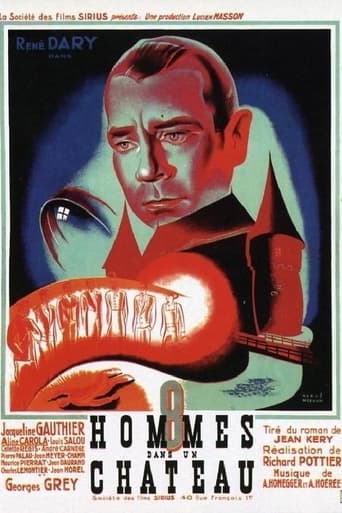
8.0The Paladines write crime novels together. In a cinema, they happen to see a report on the consequences of a shipwreck in which Lieutenant Dupuis tells about the death of an old man in the lifeboat carrying the survivors. Husband and wife agree that this could be the starting point of a new story and go and see Dupuis to get more details about the drama. When they come to his hotel Dupuis is dead with a bullet in his head. Police characterizes the death as suicide but Paladine has found a train ticket in the dead man's pocket. With his wife he takes the train to the specified destination, somewhere in the provinces...
Eight Men in a Castle
1942
 5.7
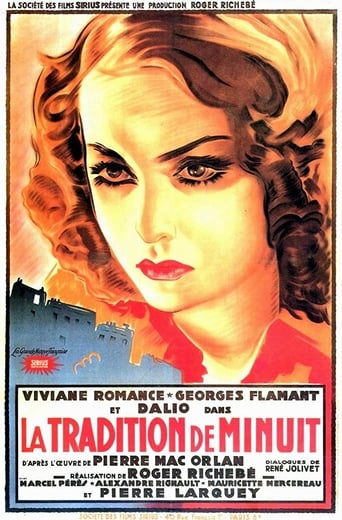
5.7Five people are gathered in a cafe because of a phone call they have all received. The plot thickens when they discover a dead body in a bedroom upstairs.The five people all become suspects.
La Tradition de minuit
1939
 6.8
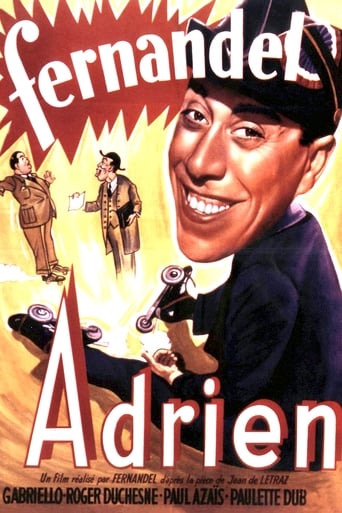
6.8Adrien Moulinet, a modest encashing agent in the Nortier bank, is also an inventor in his spare time. His latest revolutionary creation is the motorized roller skate. His problem is to be able to market them. Jules Petitpas, a jobless adman, is the right man for that.
Adrien
1943
 7.0
7.0No synopsis available yet.
Levitan: That Night
1932
7.0No synopsis available yet.
Levitan: That Night
1932