
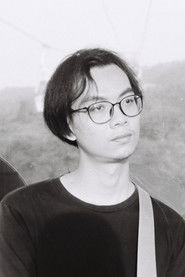
Directing
Tsai Ting-li
Place of birth
Tainan, Taiwan
Known for
Directing
Credits
3 titles
Ting Li Tsai was born in Tainan, Taiwan. His father is Taiwanese, and his mother is Vietnamese; this mix of cultural heritage inspired him to be a visual storyteller. He is the director of the short film “Southern Journey,” which was nominated for a film festival award, inspired by the conflict he observed between his parents when he was growing up.
Known for
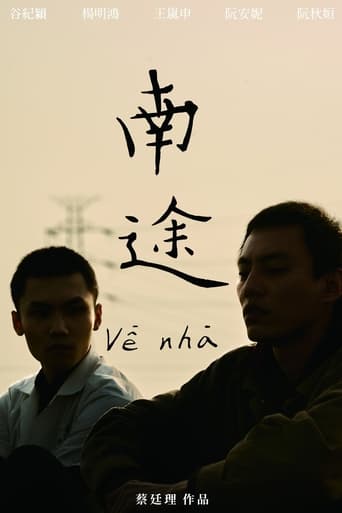 NR
No synopsis available yet.
Southern Journey
2022
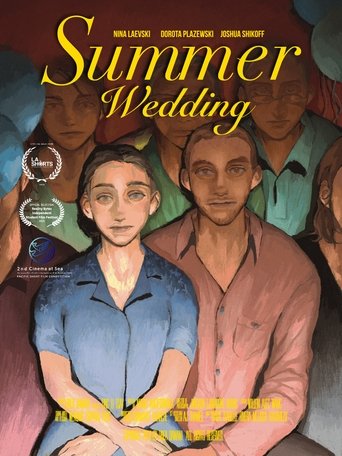 NR
Stefania struggles to take a pregnancy test amidst constant interruptions. When her fiancé unexpectedly confronts her, secrets are revealed, leading to a pivotal confrontation with her mother.
Summer Wedding
2025
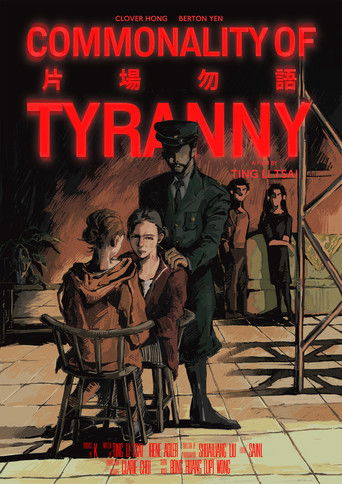 NR
During the production of a political thriller set in 1960s Taiwan, Mei, a passionate screenwriter, clashes with her director, Lin, and the studio executive who demand the removal of politically sensitive content. As Mei pushes to retain the truth of her grandfather's story, a man both rumored to have executed and saved victims during the White Terror- she becomes entangled in a surreal spiral where the fictional officer on screen begins speaking directly to her conscience. While the crew continues filming under pressure, Mei must decide whether to conform or resist, knowing that to alter the truth is betraying his legacy and identity. As the lines blur between the film set and real life, she faces the unspoken truth: tyranny isn't just historical, systemic, cyclical, and personal.
Commonality of Tyranny
2026
Behind the camera
NRNo synopsis available yet.
Southern Journey
2022
NRStefania struggles to take a pregnancy test amidst constant interruptions. When her fiancé unexpectedly confronts her, secrets are revealed, leading to a pivotal confrontation with her mother.
Summer Wedding
2025
NRDuring the production of a political thriller set in 1960s Taiwan, Mei, a passionate screenwriter, clashes with her director, Lin, and the studio executive who demand the removal of politically sensitive content. As Mei pushes to retain the truth of her grandfather's story, a man both rumored to have executed and saved victims during the White Terror- she becomes entangled in a surreal spiral where the fictional officer on screen begins speaking directly to her conscience. While the crew continues filming under pressure, Mei must decide whether to conform or resist, knowing that to alter the truth is betraying his legacy and identity. As the lines blur between the film set and real life, she faces the unspoken truth: tyranny isn't just historical, systemic, cyclical, and personal.
Commonality of Tyranny
2026