
Directing
Oleg Karpov
Place of birth
Tashkent, Uzbekistan
Known for
Directing
Credits
10 titles
Known for
 NR
Having gone to Samarkand in search of traces of colonial culture, of which there were quite a few left there, having carefully photographed them, we suddenly discovered that it was not the dead buildings that were much more interesting, but the living carriers of this very colonial culture. The result is a film about people who live on the ruins of an empire.
To Live and to Die in Samarkand
2007
 4.5
Portrait of a typical European feminist - Olga Lipovskaya (1954-2021), journalist, translator, poet, founder of the women's non-profit organization St. Petersburg Center for Gender Issues (an educational and resource center for women and women's organizations), editor of the samizdat magazine Women's Reading.
Grandmother of Russian Feminism
2007
 NR
Rites and rituals have, for decades or even centuries, ingrained behavioral models into our subconscious, which at first glance may seem harmless. But how relevant are they to the place and time we live? What role do they play in shaping gender stereotypes? Weddings, circumcision, beshik-toy, and many other rituals and ceremonies of the peoples of Uzbekistan—what roles do they assign to men and women? We were quite interested in observing all of this.
Men and Women: in Rites and Rituals
2006
 NR
Travel to Copenhagen
Live and not die in Copenhagen
2013
 NR
The Burden of Virginity explores the deeply rooted traditions surrounding virginity in Uzbekistan, focusing on the expectations placed on brides to remain "pure" until their wedding day. The film follows the story of a young Uzbek woman who faces public humiliation and familial rejection after failing to prove her virginity. Her ordeal leads her to contemplate suicide, highlighting the extreme pressures imposed by societal customs.
The Burden of Virginity
2008
 NR
Karimov is dead - but we are not yet. Tashkent of the post-Karimov era.
Timelessness Light
2018
Behind the camera
NRHaving gone to Samarkand in search of traces of colonial culture, of which there were quite a few left there, having carefully photographed them, we suddenly discovered that it was not the dead buildings that were much more interesting, but the living carriers of this very colonial culture. The result is a film about people who live on the ruins of an empire.
To Live and to Die in Samarkand
2007
4.5Portrait of a typical European feminist - Olga Lipovskaya (1954-2021), journalist, translator, poet, founder of the women's non-profit organization St. Petersburg Center for Gender Issues (an educational and resource center for women and women's organizations), editor of the samizdat magazine Women's Reading.
Grandmother of Russian Feminism
2007
NRRites and rituals have, for decades or even centuries, ingrained behavioral models into our subconscious, which at first glance may seem harmless. But how relevant are they to the place and time we live? What role do they play in shaping gender stereotypes? Weddings, circumcision, beshik-toy, and many other rituals and ceremonies of the peoples of Uzbekistan—what roles do they assign to men and women? We were quite interested in observing all of this.
Men and Women: in Rites and Rituals
2006
NRTravel to Copenhagen
Live and not die in Copenhagen
2013
NRThe Burden of Virginity explores the deeply rooted traditions surrounding virginity in Uzbekistan, focusing on the expectations placed on brides to remain "pure" until their wedding day. The film follows the story of a young Uzbek woman who faces public humiliation and familial rejection after failing to prove her virginity. Her ordeal leads her to contemplate suicide, highlighting the extreme pressures imposed by societal customs.
The Burden of Virginity
2008
NRKarimov is dead - but we are not yet. Tashkent of the post-Karimov era.
Timelessness Light
2018
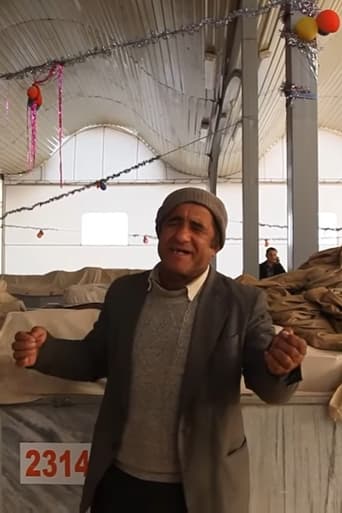
A film about unobvious space-time connections
More than alive
2011
 NR
Chronicles of the cultural life of Tashkent (2007 – 2015). From the murder of Mark Weil to the wedding of Alisher Usmanov. Tashkent Biennale, apartment buildings, video art festival, conversations about nothing, amateur performances and operational shooting, advertising and much more. Tashkent, which no longer exists, just as these people are no longer in it.
Neither live nor die in Tashkent
2015
Filmed in Bukhara.
Hydrophobia
2008
 NR
About Russians living in Fergana, why they are not going to leave and what they see as the meaning of their presence on the land of Turkestan
Live and live in Fergana
2009