Acting
Ian McNaught-Davis
Place of birth
Wakefield, West Yorkshire, England, UK
Known for
Acting
Credits
17 titles
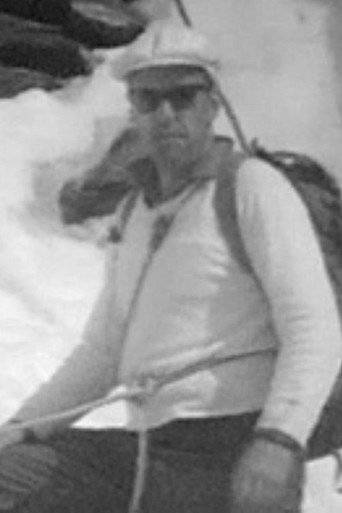
Ian McNaught-Davis was a British television presenter, mountaineer and Alpinist.
Known for
 8.3
8.3Grandstand was a British television sport programme. Broadcast between 1958 and 2007, it was one of the BBC's longest running sports shows, alongside BBC Sports Personality of the Year. Its first presenter was Peter Dimmock. There were only four main presenters of the programme during its long history: David Coleman, Frank Bough, Des Lynam, and Steve Rider. Changes in the structure of the programme during its last few years, however, meant it did not have a regular main presenter during this time. Among the more occasional hosts were Alan Weeks, David Icke, Clare Balding, Hazel Irvine, Bob Wilson, David Vine, Barry Davies, Dougie Donnelly, Harry Carpenter, Harry Gration, John Inverdale, Tony Gubba, Helen Rollason, Ray Stubbs and Sue Barker. The last editions of Grandstand were broadcast over the weekend of 27–28 January 2007.
Grandstand
1958
 NR
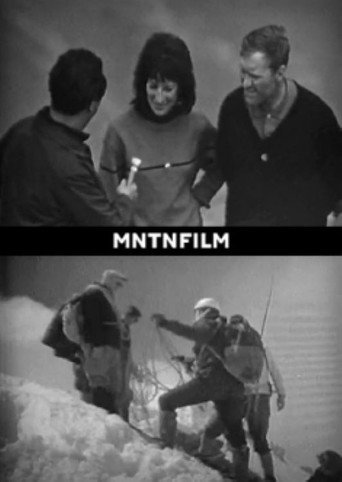
NRA climb to mark the 100th anniversary of the first ascent of the Matterhorn, live on TV. The programme, a coproduction of the Swiss, French, Italian and British televisions, was shown throughout Europe, in the United States and in Japan in a series of 5 broadcasts between 8 and 16h. This film, by the Swiss television, is a summary of the live broadcasts in a in a single program. Ian McNaught-Davis roped with the guide Heinrich Taugwalder and Jean Juge with Robert Bichler narrating the ascent while they climb by the original Whymper route. They follow the progression of Michel Darbellay and Hilti von Allmen who climb the north face by the Schmidt route. The program ends when all the teams meet at the summit.
The Matterhorn Live
1965
 NR
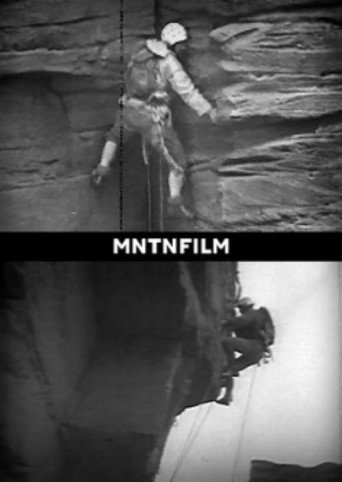
NRIn July of 1967, 15 million people watched one of the most audacious BBC outside broadcasts ever undertaken - the climbing of the Old Man of Hoy. Chris Bonington and Tom Patey, took the East Face; Joe Brown and Ian McNaught-Davis, the South Face; Peter Crew and Douglas Haston took the South-East Arête. A further crew of four climbers- Hamish MacInnes, John Cleare, Rusty Baillie and Ian Clough carried cameras and transmitters. The live broadcast consisted of 6 connections between 7th and 9th of july whose titles were: The Old Man and The Climbers, Six Men, The Bivouac, Six Men-One Challenge, The first man to the summit, The Challenge and the Conquest. One week later BBC broadcasted a 30-minute program with the highlights of the live coverage.
The Old Man of Hoy
1967
 NR
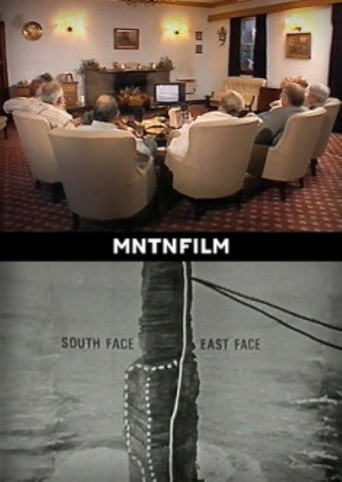
NRCommemorative program for the 25th anniversary of the live broadcast of the ascent of the Old Man of Hoy. In July of 1967, 15 million people watched one of the most audacious BBC outside broadcasts ever undertaken - the climbing of the 'Old Man of Hoy'. Chris Bonnington and Tom Patey, took the East Face; Joe Brown and Ian McNaught-Davis, the South Face; Peter Crew and Douglas Haston took the South-East Arête. A further crew of four climbers- Hamish MacInnes, John Cleare, Rusty Baillie and Ian Clough carried cameras and transmitters. 25 years later, BBC gathers the protagonists to recover the footage and to look back on the achievement.
The Old Man of Hoy
1992
In April 1966, the BBC broadcast a live program showing Joe Brown, Tom Patey, Ian McNaught-Davis, Chris Bonington, and the American Royal Robbins climbing of the awesome sea-cliffs of Gogarth on Anglesey. The climb was transmitted live through 3 connections over the course of 9th of April as part of the long-running Saturday afternoon sports strand, Grandstand. The vertical wall, composed of unreliably loose rock and guarded by guillemots and seagulls, proved to be a true test for the climbers. The cliff plunges directly into the sea and to climb up it required descending a rope, finding footholds near the bottom and then locating a viable route up the face.
Climb of Red Wall
1966
 NR
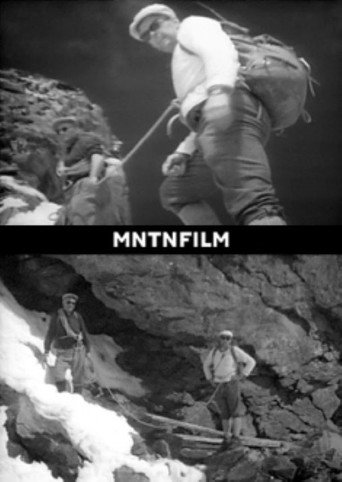
NRA climb to mark the 100th anniversary of the first ascent of the Matterhorn, live on TV. The program, a co-production of the Swiss, French, Italian and British televisions, was shown throughout Europe, in the United States and in Japan in a series of 5 broadcasts between 8 and 16h. This film is the re-edited version by the BBC of all the broadcasts in a single program. Ian McNaught-Davis roped with the guide Heinrich Taugwalder and Jean Juge with Robert Bichler narrate the ascent while they climb by the original Whymper route. They follow the progression of Michel Darbellay and Hilti von Allmen who climb the north face by the Schmidt route. All them meet at the summit.
Men Against the Matterhorn
1965
Film credits

2000s · 3 titles
 NR
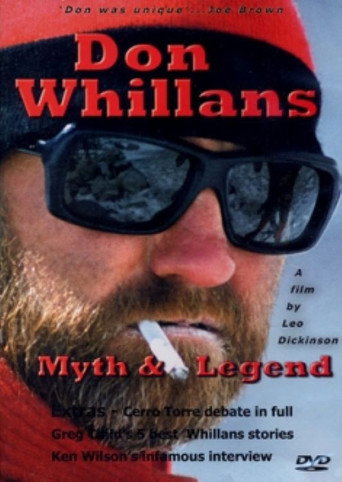
NRDon Whillans was one of the leading rock climbers of his generation. This film examines Don’s gritstone horrors, his hard routes in Wales, then follows him to the Alps and beyond on several of his epic expeditions. But it also focuses on Don’s unique humor, his devastating oneliners that pricked pomposity wherever he found it and poked fun at those who deserved it. Don may have died 20 years ago but the myth surrounding Whillans can still be heard whenever climbers reminisce about a time when hard men were hard and legends were being made. Perhaps his partner Joe Brown best sums him up, 'Don was unique'.
Don Whillans - Myth and Legend
2006
 NR
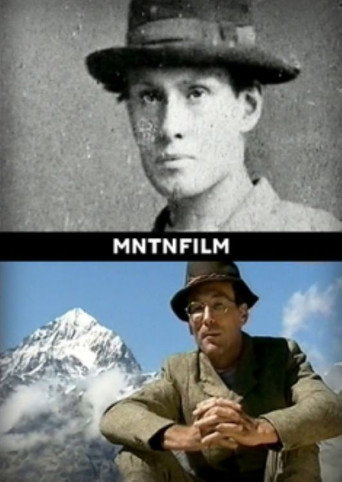
NR"Edward Whymper's relentless siege of the Matterhorn in 1865 ended in controversy when four of his companions plunged to their deaths an hour after leaving the summit... The documentary is the second episode of 'Mountain men', a British documentary series looking at the achievements of pioneering mountaineers. The series, accompanied by unique archival materials, detailed maps, and photographs, invites us to follow in the footsteps of these fearless explorers, and tells us their stories with all the romance and audacity, bravado and suffering, courage and miscalculation intact."
The Misfit and the Matterhorn
2001
 NR
NRLeo Dickinson’s re-editing of the classic first ascent of the Central Tower of Paine in Patagonia, filmed by Vic Bray. The 44-year-old original footage was salvaged from a loft and shows Chris Bonington and Don Whillans in action. Readings from Don’s journal add depth and a recreation of a double rope snapping incident adds the necessary spice.
The Towers of Paine
2007
1970s · 3 titles
 NR
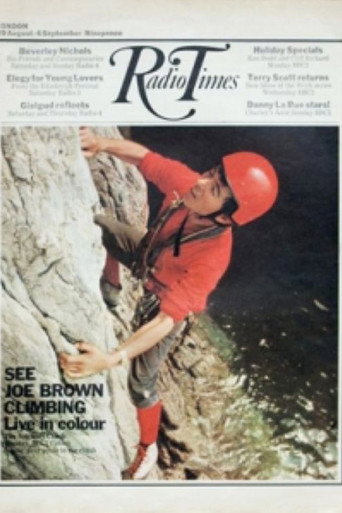
NRIn August 1970 a spectacular rock climb was televised live on BBC in color. Seven climbers attempted three different routes on the cliffs of Anglesey. The event, presented by Christopher Brasher was transmitted live through 4 connections over the course of 31st of august. The routes climbed were: Spider's Web, by Joe Brown and Ian McNaught-Davis; Wen Slab, by Peter Crew and Don Whillans; and Tyrannosaurus Rex, by Laurie and Les Holliwell, and Janet Rogers. This was the first color live climbing program on BBC, following on from the success of earlier programs such as the ascent of the Old Man of Hoy in 1967.
The Anglesey Climb
1970
 10.0
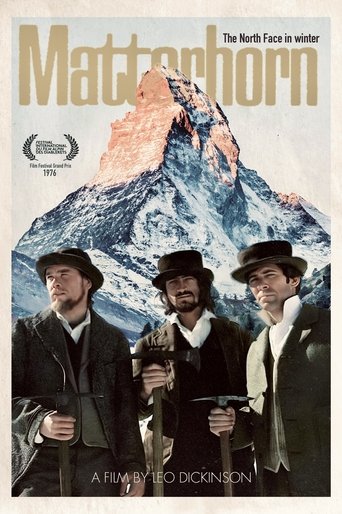
10.0The first filmed winter ascent of the north face of the Matterhorn. To set the scene, the tragic story of Edward Whymper's first ascent is skillfully pieced together. The modern expedition, a team of three British climbers, is also plagued with epics: Eric Jones is hit by an avalanche and can only come to a dangerous stop at the edge of a 1000 foot drop. Then the worst storm ever recorded in Zermatt hits the Matterhorn. With time and weather against them, the team is forced to climb in the dark as thunderstorms rumble around them. This adventure captures the skill and courage of the climbers, their agony and tension, and the beauty of the assault on this spectacular mountain. Grand Prize at the Les Diablerets festival (Switzerland) in 1976.
Matterhorn - The North Face In Winter
1976
In 1976 a British expedition made mountaineering history, becoming the first kayakers to descend the Dudh Kosi river that runs off Mount Everest. High in the Himalayas, and at incredible speed, six Olympic-class canoeists battled with white water over rocks, waterfalls and treacherous whirlpools. As they struggled to negotiate a 30-pound canoe over a river with 30mph waterfalls, the threat of capsizing was ever present.
Dudh Kosi: Relentless River of Everest
1977
1960s · 7 titles
NRA climb to mark the 100th anniversary of the first ascent of the Matterhorn, live on TV. The programme, a coproduction of the Swiss, French, Italian and British televisions, was shown throughout Europe, in the United States and in Japan in a series of 5 broadcasts between 8 and 16h. This film, by the Swiss television, is a summary of the live broadcasts in a in a single program. Ian McNaught-Davis roped with the guide Heinrich Taugwalder and Jean Juge with Robert Bichler narrating the ascent while they climb by the original Whymper route. They follow the progression of Michel Darbellay and Hilti von Allmen who climb the north face by the Schmidt route. The program ends when all the teams meet at the summit.
The Matterhorn Live
1965
NRIn July of 1967, 15 million people watched one of the most audacious BBC outside broadcasts ever undertaken - the climbing of the Old Man of Hoy. Chris Bonington and Tom Patey, took the East Face; Joe Brown and Ian McNaught-Davis, the South Face; Peter Crew and Douglas Haston took the South-East Arête. A further crew of four climbers- Hamish MacInnes, John Cleare, Rusty Baillie and Ian Clough carried cameras and transmitters. The live broadcast consisted of 6 connections between 7th and 9th of july whose titles were: The Old Man and The Climbers, Six Men, The Bivouac, Six Men-One Challenge, The first man to the summit, The Challenge and the Conquest. One week later BBC broadcasted a 30-minute program with the highlights of the live coverage.
The Old Man of Hoy
1967
In April 1966, the BBC broadcast a live program showing Joe Brown, Tom Patey, Ian McNaught-Davis, Chris Bonington, and the American Royal Robbins climbing of the awesome sea-cliffs of Gogarth on Anglesey. The climb was transmitted live through 3 connections over the course of 9th of April as part of the long-running Saturday afternoon sports strand, Grandstand. The vertical wall, composed of unreliably loose rock and guarded by guillemots and seagulls, proved to be a true test for the climbers. The cliff plunges directly into the sea and to climb up it required descending a rope, finding footholds near the bottom and then locating a viable route up the face.
Climb of Red Wall
1966
NRA climb to mark the 100th anniversary of the first ascent of the Matterhorn, live on TV. The program, a co-production of the Swiss, French, Italian and British televisions, was shown throughout Europe, in the United States and in Japan in a series of 5 broadcasts between 8 and 16h. This film is the re-edited version by the BBC of all the broadcasts in a single program. Ian McNaught-Davis roped with the guide Heinrich Taugwalder and Jean Juge with Robert Bichler narrate the ascent while they climb by the original Whymper route. They follow the progression of Michel Darbellay and Hilti von Allmen who climb the north face by the Schmidt route. All them meet at the summit.
Men Against the Matterhorn
1965
 NR
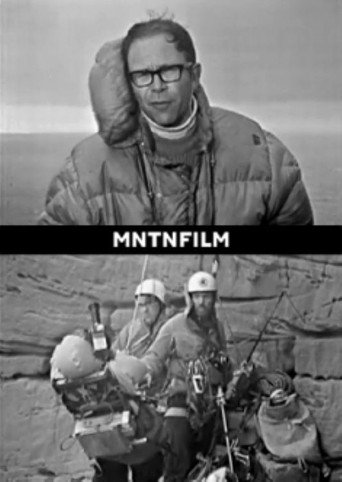
NRA making of the live broadcast of the ascent of the Old Man of Hoy. In July of 1967, 15 million people watched one of the most audacious BBC outside broadcasts ever undertaken - the climbing of the 'Old Man of Hoy'. This is an account of how the BBC-1 television programme was organised, together with recordings made during the broadcast, and interviews with those who helped to make it possible as well as those who did the actual climb.
How They Climbed the Old Man of Hoy
1967
Portrait of British mountaineer Joe Brown, who demonstrates his climbing technique and discusses his philosophy of climbing. The film was shot in and around Llanberis, where he lived, and on the cliffs of South Stack Lighthouse in Anglesey. Brown is regarded as the outstanding pioneering English rock climber of the 1950s and early 1960s. He established an unprecedented number of classic new routes in Snowdonia and the Peak District that were at the leading edge of the hardest grades. He made the first ascent of Kangchenjunga in 1955 and and other big achievements in the Alps and Himalayas.
Joe: A Profile of a Mountaineer
1968
On 28 September 1963, the BBC broadcast a live program of an ascent of Snowdon's Clogwyn du'r Arddu, 'the finest crag in Britain south of Scottish border'. It starred the French climber Robert Paragot alongside the cream of British talent: Joe Brown, Don Whillans, and Ian Mcnaught-Davis. The program had commentary by Chris Brasher and it was transmitted on Grandstand between Davis Cup tennis and Horse racing from Newbury. Grandstand presenter David Coleman introduced the climb as a TV first -the first-ever live coverage of UK mountaineering. Unfortunately, the action was clouded by rain and mist, and many of the cameras failed on the day of the broadcast, so most of the images of the climb ended being a kind of blurred haze.
4 Men, 1 Face
1963