Acting
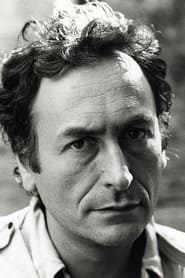
Antoine Vitez
Born — Died
1930-12-20 — 1990-04-30
Place of birth
Paris, France
Known for
Acting
Credits
18 titles
Antoine Vitez (December 20, 1930–April 30, 1990) was a French actor, director, and poet. He was born in Paris, France and became an actor at the age of 19. He was director of the Théâtre national de Chaillot for seven years before being named to head the Comedie Francaise, a French theater company. Description above from the Wikipedia article Antoine Vitez, licensed under CC-BY-SA, full list of contributors on Wikipedia.
Known for
 8.0
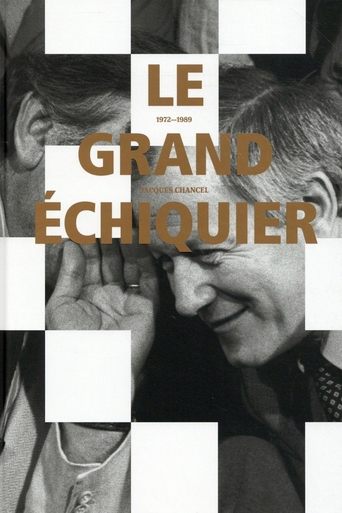
Le Grand Échiquier is a French variety television program created and presented by Jacques Chancel. It aired at 8:30 pm on the first channel of the ORTF from January 12, 1972 to July 12, 1972, then on the second color channel of the ORTF from September 1972 to December 1974, and finally on Antenne 2 from January 1975 to December 21, 1989. The program returned to France 2 on December 20, 2018 and is hosted by Anne-Sophie Lapix.
Le Grand Échiquier
1972
 7.3
In 1950s communist Czechoslovakia, a government minister, a war veteran long a loyal party man, leads a relatively comfortable life with his wife. However, he soon finds himself under surveillance, then under arrest. Unclear what his offense is, agents for the totalitarian regime interrogate and torture him, aiming to use their unending power to gain a false confession for these supposed crimes against the state.
The Confession
1970
 7.6
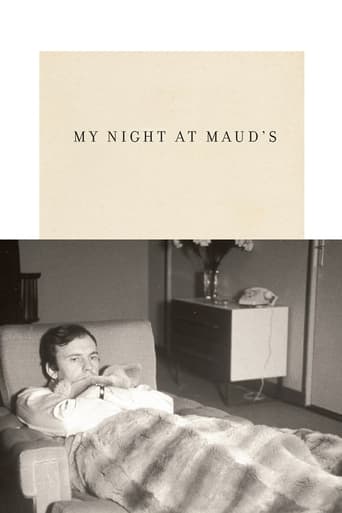
Devout Roman Catholic Jean-Louis subscribes to an austere moral code influenced by the philosophy of 17th-century physicist Blaise Pascal. When he spots a pretty girl at church, he promises to one day marry her. But then an old friend introduces him to alluring divorcee Maud. After a conversation about love and credo, the chaste Jean-Louis spends the night at Maud's, conflicted about his desires.
My Night at Maud's
1969
 6.5
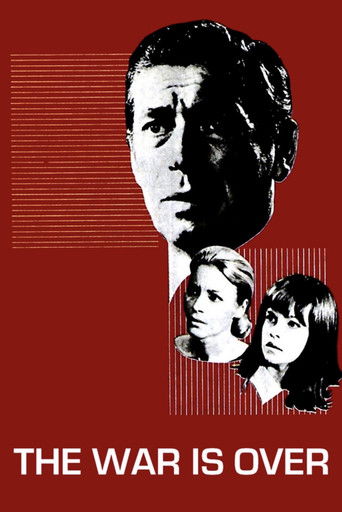
On his way from Madrid to Paris, Diego, a chief of the Spanish Communist Party, is arrested at the border for an ID check but manages to flee. When he arrives in Paris, he searches for one of his comrades to prevent him from going to Madrid where he could be arrested.
The War Is Over
1966
 6.7
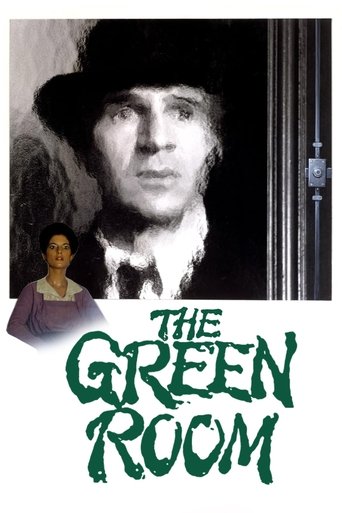
A widower maintains a memorial room filled with his late wife's belongings. When fire destroys it, he transforms a chapel into a new shrine to preserve her memory.
The Green Room
1978
 5.5
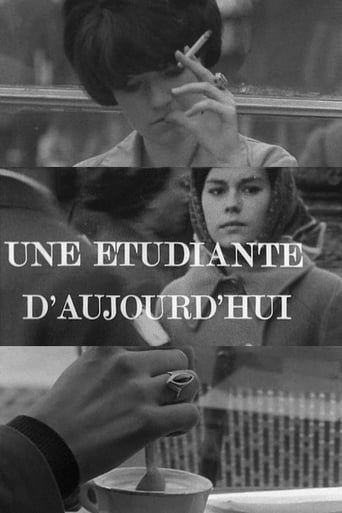
Eric Rohmer directs this short documentary that narrates the presence of women in French universities as of the time of its release -- 1966. During the film's short run, the narrator continues to point out that during the advent of World War II, only 21,000 women attended college and made only a 30 % of the student body, a number that by the 1964-1965 school year had passed the 120,000 mark. Instead of opting to live according to what was expected of them, now they were joining the work force, trading in aprons for lab jackets and becoming professionals even after getting married.
A Modern Coed
1966
Film credits
1980s · 3 titles
 5.6
Postwar France was slow to recover from the after-effects of the World War Two. The economy was doing poorly, and many people were poor and homeless, sleeping under bridges, etc. The winter of 1953-54 proved particularly difficult for these people, as it was one of the coldest on record. Father Pierre (Lambert Wilson), a parish priest, on seeing the suffering of these people (and their frequent death from the cold), was moved to write the French government seeking help for them. When his letter, which was published in the newspapers, succeeded in rousing overwhelming popular support for helping the homeless, he was able to form a charitable group (still active today) titled "Les Chiffoniers d'Emmaus," or "The Ragpickers of Emmaus" to channel help to them. This biographical film tells the true story of Abbe Pierre's successful efforts in those years.
Hiver 54, l'abbé Pierre
1989
 8.0
This two-part film revolves around the correspondence between Antoine Vitez and the filmmaker
Paroles tues ou aimer Paris en étrangère
1989
 NR
No synopsis available yet.
Le Soulier de Satin
1987
1970s · 5 titles
7.3In 1950s communist Czechoslovakia, a government minister, a war veteran long a loyal party man, leads a relatively comfortable life with his wife. However, he soon finds himself under surveillance, then under arrest. Unclear what his offense is, agents for the totalitarian regime interrogate and torture him, aiming to use their unending power to gain a false confession for these supposed crimes against the state.
The Confession
1970
6.7A widower maintains a memorial room filled with his late wife's belongings. When fire destroys it, he transforms a chapel into a new shrine to preserve her memory.
The Green Room
1978
 5.0
Young aristocrat Arnaud de Maule hires female private detective Claude Alphand to investigate a strange cult, the Church of the Final Revival, that tried to recruit his girlfriend Chloé, who then disappeared, and it now stalks him.
See Here My Love
1979
 8.0
A youngish sales employee of a computer firm is blackmailed into helping a group of mysterious Bulgarian industrialists who have come to his office. A government contract is being sought for a businessman who is in danger of bankruptcy.
La Nuit bulgare
1972
Short by Bernard Eisenschitz
Printemps 58
1974
1960s · 7 titles
7.6Devout Roman Catholic Jean-Louis subscribes to an austere moral code influenced by the philosophy of 17th-century physicist Blaise Pascal. When he spots a pretty girl at church, he promises to one day marry her. But then an old friend introduces him to alluring divorcee Maud. After a conversation about love and credo, the chaste Jean-Louis spends the night at Maud's, conflicted about his desires.
My Night at Maud's
1969
6.5On his way from Madrid to Paris, Diego, a chief of the Spanish Communist Party, is arrested at the border for an ID check but manages to flee. When he arrives in Paris, he searches for one of his comrades to prevent him from going to Madrid where he could be arrested.
The War Is Over
1966
5.5Eric Rohmer directs this short documentary that narrates the presence of women in French universities as of the time of its release -- 1966. During the film's short run, the narrator continues to point out that during the advent of World War II, only 21,000 women attended college and made only a 30 % of the student body, a number that by the 1964-1965 school year had passed the 120,000 mark. Instead of opting to live according to what was expected of them, now they were joining the work force, trading in aprons for lab jackets and becoming professionals even after getting married.
A Modern Coed
1966
A woman comes home from a long illness (read: a long absence). The city hasn't changed, the man she's returning to has. She will have to learn how to live all over again.
Le Passage
1965
 7.4
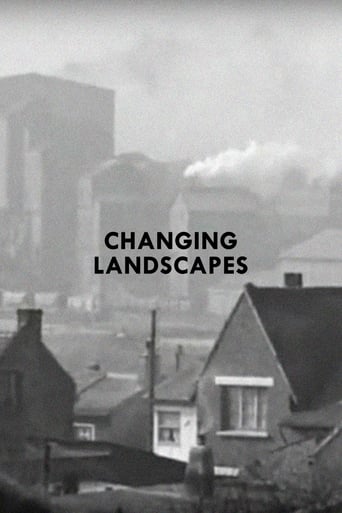
A sophisticated and beautifully constructed account of landscape change in and around Paris in the early 1960s. The film raises complex issues about the meaning and experience of modern landscapes and the enigmatic characteristics of features such as canals, pylons and deserted factories. Rohmer also explores the role of landscape within different traditions of modern art and design and refers to specific architects, artists and engineers.
Changing Landscapes
1964
 NR
The film traces the history of witchcraft through Michelet's text, paintings, engravings, and film clips by Carl Th. Dreyer and Ingmar Bergman.
La Sorcière de Michelet
1969
 7.0
Documentary on “Perceval, the Story of the Grail”, written by Chrétien de Troyes in the 12th century.
Perceval ou le Conte du Graal
1965