
Directing
Þrándur Thoroddsen
Known for
Directing
Credits
7 titles
Known for
There is a long tradition of hunting seals in Iceland. This film is about one such hunting trip on the South-east coast of Iceland where farmers catch the seals in nets in the glacial waters stemming from Vatnajökull, Europe's biggest glacier.
Seal Hunting
1990
This film is about one fo the eruptions of the well-known volcano, Hekla, in Southern Iceland. Usually the damage caused by Hekla is in the form of ashfall which ruins farmland and causes poisoning of animals. In some of the bigger eruptions, even farmlands in central Europe were affected by ash from Hekla. The eruption in this film occurred in 1970 and lasted a few weeks.
Hekla, Ancient Gateway to Hell
1973
 NR
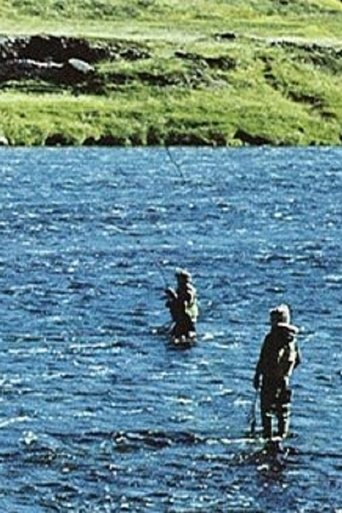
The film shows in detail how Icelandic rivers are cultivated, with particular emphasis on maintaining fish stock. There are scenes from a salmon hatchery, the release of the young salmon, the catch of adult fish for egg collection and the salmon ladders. The second half of the film shows fishing in two of Iceland's finest rivers. There are many underwater shots which include the salmon taking the bait and its fight for survival.
Will There Be Salmon Tomorrow?
1983
In the 1960s, the famous Icelandic film director Thrandur Thoroddsen, "a friend of all Poles visiting the island", as Tomasz Walat described him in his article, took up studies at the Łódź Film School.
In Iceland
—
Behind the camera
There is a long tradition of hunting seals in Iceland. This film is about one such hunting trip on the South-east coast of Iceland where farmers catch the seals in nets in the glacial waters stemming from Vatnajökull, Europe's biggest glacier.
Seal Hunting
1990
There is a long tradition of hunting seals in Iceland. This film is about one such hunting trip on the South-east coast of Iceland where farmers catch the seals in nets in the glacial waters stemming from Vatnajökull, Europe's biggest glacier.
Seal Hunting
1990
This film is about one fo the eruptions of the well-known volcano, Hekla, in Southern Iceland. Usually the damage caused by Hekla is in the form of ashfall which ruins farmland and causes poisoning of animals. In some of the bigger eruptions, even farmlands in central Europe were affected by ash from Hekla. The eruption in this film occurred in 1970 and lasted a few weeks.
Hekla, Ancient Gateway to Hell
1973
NRThe film shows in detail how Icelandic rivers are cultivated, with particular emphasis on maintaining fish stock. There are scenes from a salmon hatchery, the release of the young salmon, the catch of adult fish for egg collection and the salmon ladders. The second half of the film shows fishing in two of Iceland's finest rivers. There are many underwater shots which include the salmon taking the bait and its fight for survival.
Will There Be Salmon Tomorrow?
1983
In the 1960s, the famous Icelandic film director Thrandur Thoroddsen, "a friend of all Poles visiting the island", as Tomasz Walat described him in his article, took up studies at the Łódź Film School.
In Iceland
—