
Acting
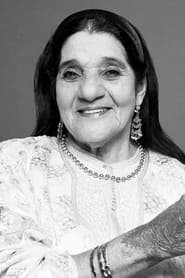
Cheikha Remitti
Born — Died
1923-05-08 — 2006-05-15
Place of birth
Tessala, Algeria
Known for
Acting
Credits
3 titles
Cheikha Remitti (in arabic : شيخة ريميتي), or simply called Rimitti, whose real name is Sadia Bedief, born on May 8, 1923 in Tessala, near Sidi-Bel-Abbès, in Algeria, and died on May 15, 2006 in Paris 18e, is an Algerian musician and singer of raï. She was nicknamed the "Granny of Raï", of which she was the major female and feminist figure in the history of music in North Africa. Cheikha Remitti was born in Algeria in Tessala (a town located near Sidi Bel-Abbès, in Oranie) on May 8, 1923. She is originally from Ammi Moussa, Wilaya of Relizane of the large Berber tribe Beni-Ouragh. Cheikha Rimitti was one of the first women to sing, like men, to a background of gasba flute and long galal dru…
Known for
 10.0
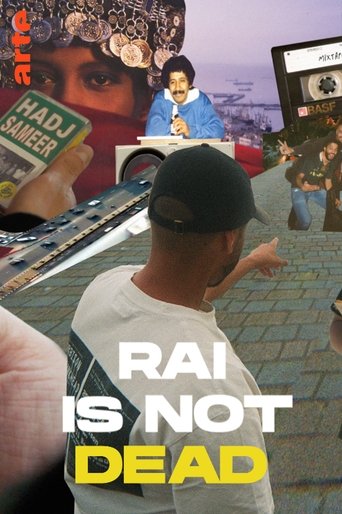
What musical genre can claim to have gone, in the space of fifty years, from a hidden cabaret in Oran to Super Bowl halftime? Born in Algeria at the end of the Second World War, the raï wave spread from the cabarets of western Algeria to the cassette shops of Barbès in Paris, before sweeping the world at the end of the 1980s. its hybridization, the intoxicating music traveled from Algerian and French weddings to the biggest international stages, before suddenly disappearing from the radar at the dawn of the new millennium. Icons that have disappeared, including Cheikha Remitti and Prince Hasni, to young heirs, passing by the star Khaled, the collector Hadj Sameer trace the tumultuous course of this musical genre, between clandestinity, planetary glory and resistance.
Raï Is Not Dead
2023
 10.0
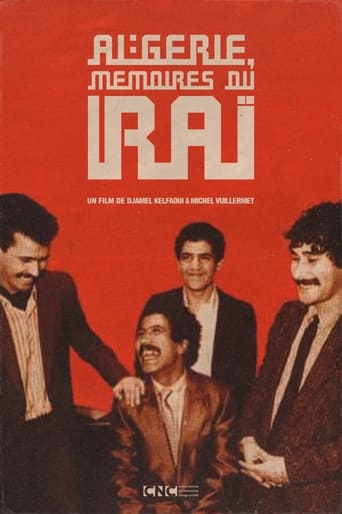
In the 1980s, Algeria experienced a tumultuous social context which reached its peak during the riots of October 88. This wave of protest, with youth as its figurehead, echoed the texts of raï singers. Thirst for freedom, misery of life and the aspirations of youth are among the main themes of their works which will inspire an entire generation. More than music, raï celebrates the Arabic language and becomes a vector of Algerian culture, thus providing the cultural weapons of emerging Algerian nationalism With Cheb Khaled, Cheb Mami and Chaba Fadela as leaders of the movement, raï is also a way of telling and reflecting the essence of Algeria in these difficult times. While the threat weighs on artists in Algeria, their exile allows raï to be exported internationally and thus, to bring the colors of Algeria to life throughout the world.
Algeria, Memoirs of Raï
2001
 10.0
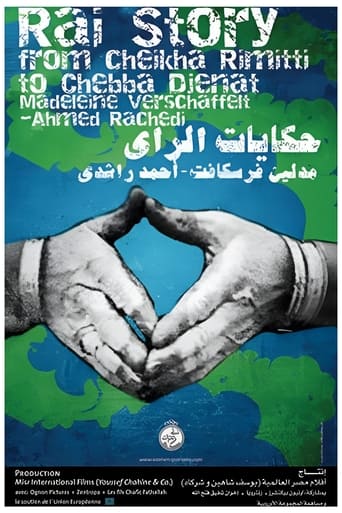
Raï Story is a musical journey in search of the Raï legend, Cheikha Remitti, in Oran, Algeria, where the Raï musical tradition began. In 1923, the first Raï singers performed behind screens during ceremonies to protect their identity. It was only when the music of singer Cheikha Remitti began to gain popularity among the general public that Raï music was made public, in the 1940s. Cheikha Remitti, who lives between Paris and Oran, is nowhere to be found, the filmmakers then decide to meet producers, musicians, singers like Cheba Dalila or Cheba Djenet, for whom Remitti created a wake. The opportunity, through these unique stories, illustrated with archive images, to retrace the important place of women in this musical tradition and the transformation of Raï music from the 1960s to 2000.
Raï Story: From Cheikha Rimitti to Cheba Djenet
2004
Film credits
2000s · 2 titles
10.0In the 1980s, Algeria experienced a tumultuous social context which reached its peak during the riots of October 88. This wave of protest, with youth as its figurehead, echoed the texts of raï singers. Thirst for freedom, misery of life and the aspirations of youth are among the main themes of their works which will inspire an entire generation. More than music, raï celebrates the Arabic language and becomes a vector of Algerian culture, thus providing the cultural weapons of emerging Algerian nationalism With Cheb Khaled, Cheb Mami and Chaba Fadela as leaders of the movement, raï is also a way of telling and reflecting the essence of Algeria in these difficult times. While the threat weighs on artists in Algeria, their exile allows raï to be exported internationally and thus, to bring the colors of Algeria to life throughout the world.
Algeria, Memoirs of Raï
2001
10.0Raï Story is a musical journey in search of the Raï legend, Cheikha Remitti, in Oran, Algeria, where the Raï musical tradition began. In 1923, the first Raï singers performed behind screens during ceremonies to protect their identity. It was only when the music of singer Cheikha Remitti began to gain popularity among the general public that Raï music was made public, in the 1940s. Cheikha Remitti, who lives between Paris and Oran, is nowhere to be found, the filmmakers then decide to meet producers, musicians, singers like Cheba Dalila or Cheba Djenet, for whom Remitti created a wake. The opportunity, through these unique stories, illustrated with archive images, to retrace the important place of women in this musical tradition and the transformation of Raï music from the 1960s to 2000.
Raï Story: From Cheikha Rimitti to Cheba Djenet
2004