
Directing
Jorge Suárez Rivas
Known for
Directing
Credits
27 titles
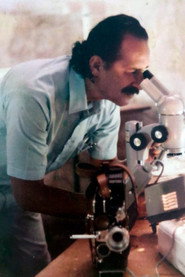
Jorge Suárez Rivas (1933–2011) was a Peruvian documentarian and a member of the first generation of short filmmakers under Peru’s Film Law 19327.
Known for
 NR
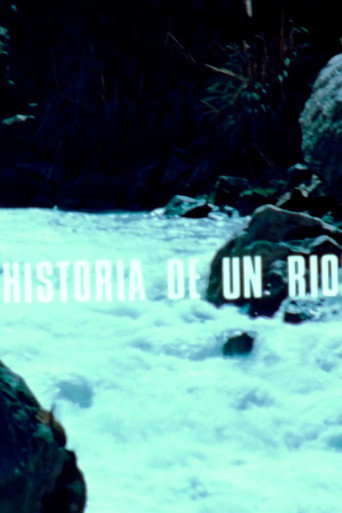
Tracking the Rímac River, which originates in the Andean snow-capped mountains at 5,000 meters above sea level and runs for 125 kilometers before emptying into the Pacific Ocean, crossing a wide range of ecosystems found throughout Peru’s diverse geography, and highlighting its influence on both human life and nature along its entire course.
History of a River
1980
 NR
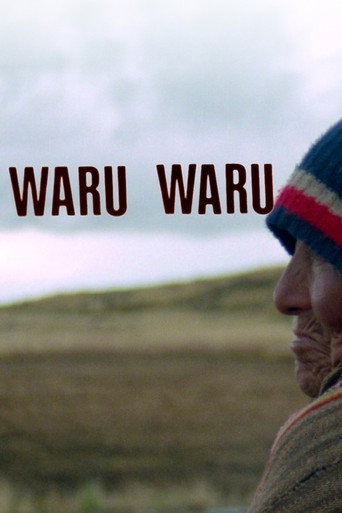
Waru Waru is the name given by the inhabitants of the Puno highlands to an ancient agricultural technique that allows them to make use of the vast flood-prone plains. By raising the land into large ridges and using dikes, canals, and drainage systems, they are able to create favorable conditions for farming.
Waru Waru
1985
 NR
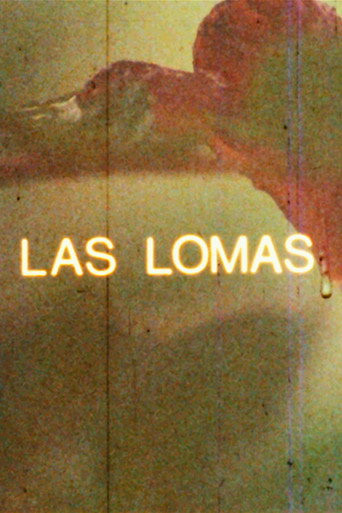
For three months of the year, from August to October, vast areas of the coastal desert—Lachay, Chilca, and Atocongo—transform into a beautiful and colorful landscape. The fog that rolls in from the sea makes this transformation possible.
Las Lomas
1978
 NR
The loss of the carmine dyeing technique, which reached great development during the Inca era.
Carmine Cochineal
1983
The richness of the Paracas National Park and its surroundings, where it is possible to appreciate the remains of ancient pre-Columbian agricultural techniques – Las Hoyas – that allowed the desert to be cultivated.
Playas del Sur
1981
Very few tree varieties have managed to adapt to the harsh conditions of the Peruvian coastal desert. The carob tree is one of them, being the main resource in the economy of the towns of Batanes, Tabanco, Catacaos, Sullana, and others; to achieve this, it has developed some morphological characteristics such as very long roots that can reach up to 30 meters in length.
El Algarrobo
1987
Behind the camera
NRTracking the Rímac River, which originates in the Andean snow-capped mountains at 5,000 meters above sea level and runs for 125 kilometers before emptying into the Pacific Ocean, crossing a wide range of ecosystems found throughout Peru’s diverse geography, and highlighting its influence on both human life and nature along its entire course.
History of a River
1980
NRWaru Waru is the name given by the inhabitants of the Puno highlands to an ancient agricultural technique that allows them to make use of the vast flood-prone plains. By raising the land into large ridges and using dikes, canals, and drainage systems, they are able to create favorable conditions for farming.
Waru Waru
1985
NRFor three months of the year, from August to October, vast areas of the coastal desert—Lachay, Chilca, and Atocongo—transform into a beautiful and colorful landscape. The fog that rolls in from the sea makes this transformation possible.
Las Lomas
1978
NRThe loss of the carmine dyeing technique, which reached great development during the Inca era.
Carmine Cochineal
1983
The richness of the Paracas National Park and its surroundings, where it is possible to appreciate the remains of ancient pre-Columbian agricultural techniques – Las Hoyas – that allowed the desert to be cultivated.
Playas del Sur
1981
Very few tree varieties have managed to adapt to the harsh conditions of the Peruvian coastal desert. The carob tree is one of them, being the main resource in the economy of the towns of Batanes, Tabanco, Catacaos, Sullana, and others; to achieve this, it has developed some morphological characteristics such as very long roots that can reach up to 30 meters in length.
El Algarrobo
1987
 NR
Colored cotton was already being cultivated in Peru since the pre-ceramic era, that is, 4,500 years ago, and was the basis of the textile development of pre-Hispanic cultures.
Algodón País
1985
 NR
On the rocky shores of the Peruvian coast, it is still possible to observe a wide variety of marine organisms that once occupied the earliest links in the chain of life on our planet.
On the Shore
1976
 NR
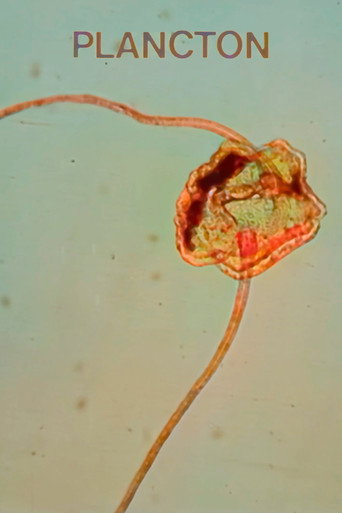
The Peruvian sea, due to the sediments carried by rivers flowing down from the Andes, is very rich in mineral nutrients that serve as food for microscopic phytoplankton and zooplankton. These organisms are the first link in the food chain.
Plancton
1977
Short film.
Materos de Cochas Chico
1974
 NR
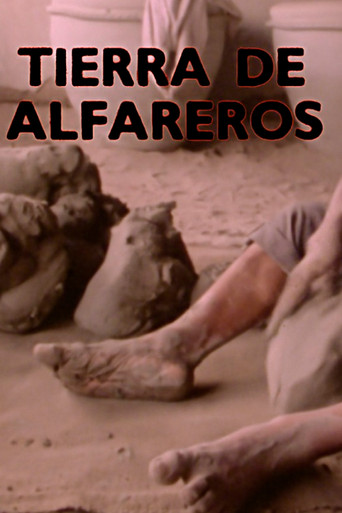
In Simbilá, on the northern coast of Peru, families of potters continue to preserve millenia-old traditions. With a wooden paddle and a stone, they mold clay into everyday objects for contemporary life.
Land of Potters
1983
 NR
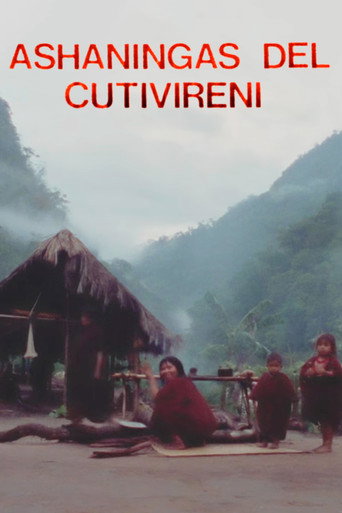
In Satipo, in the jungle region of Junín, live the Asháninka, an ancestral ethnic group of the Upper Amazon. Surrounded by the encroaching civilization of the white man, they are living the final days of their original culture, which is rooted in harmony with nature.
Ashaningas of the Cutivireni
1989
A multidisciplinary professional group coordinates efforts to conserve and renew the natural resources of the Cerros de Amotape national sanctuary, which contains unique flora and fauna.
Bosques de Amotape, Inicios de un Parque Nacional
1988
Ramón is one of the few remaining lagoons on the Peruvian coast. Located in the heart of the Bayovar desert, it is home to a large number of migratory birds.
Laguna Ramón
1987
Describe the botanical characteristics acquired by plants that develop at 4800 meters above sea level, in the Ticlio and San Mateo lagoons, where temperature and atmospheric pressure conditions are extreme.
Plantas Altoandinas de Orilla de Laguna
1986
 NR
In Chulucanas, a small town on the northern coast of Peru, a group of young ceramicists studies and revives techniques from the ancient Vicús, Mochica, and Chimú cultures.
Ceramistas del Alto Piura
1984
 NR
The ancient Inca stone citadel of Machu Picchu is home to a great variety of flowers; in orchids alone, there are several dozen species.
Flora de Machu Picchu
1980
The dance of the black people of the town of El Carmen de Chincha as a transcendent popular expression.
Baila Negro
1975
Research to obtain food for human consumption from microalgae in Andean lagoons.
Microalgas y Nutrición
1978
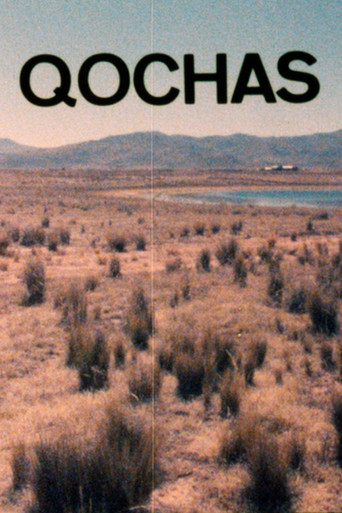 NR
In the plains of the Azángaro province, on the Peruvian altiplano, one can observe the traces of a very ancient and complex technique. These are the Q’ochas; from natural depressions, a complex and intricate system of canals and dikes is constructed, creating agricultural conditions in this inhospitable region.
Q'ochas
1988
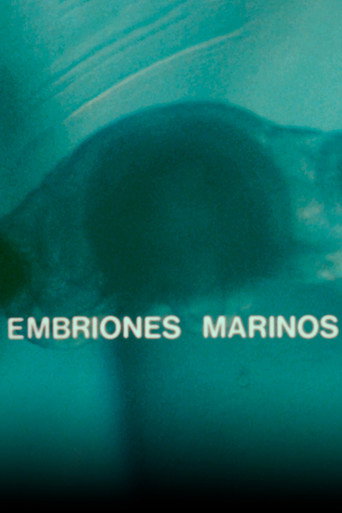 NR
This film, shot through a microscope, reveals one of the most surprising aspects of marine life: embryonic development. We observe the development of the silverside and the squid.
Embriones Marinos
1986
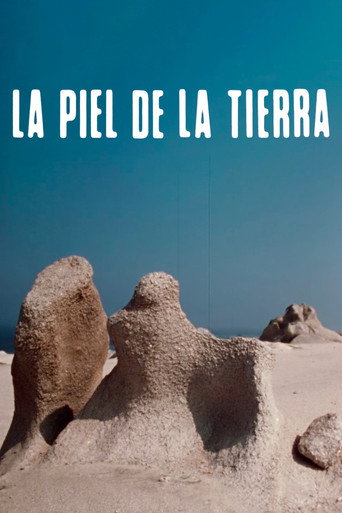 NR
Modifications that the Earth’s crust constantly undergoes due to the action of natural elements such as rain, wind, etc.
The Skin of the Earth
1980
The Amazon rainforest is one of the most complex ecosystems on the planet due to its diversity, richness, and extreme fragility. The introduction of new agricultural technologies affects this fragile ecosystem and the way of life of traditional communities.
Dilema del Trópico Amazónico
1984
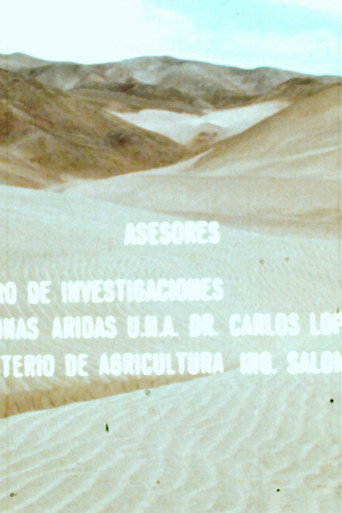 NR
It is a vision of the human groups that live in the deserts of the northern coast of Peru, of the desertification processes and the reforestation work in the area.
Las Arenas y el Hombre
1978
The Piura Department contains the last foothills of the Tropical Dry Forest, which juts out like a wedge into the coastal desert. It is home to a wide variety of flora and fauna, including the white-tailed deer.
El Angolo
1982
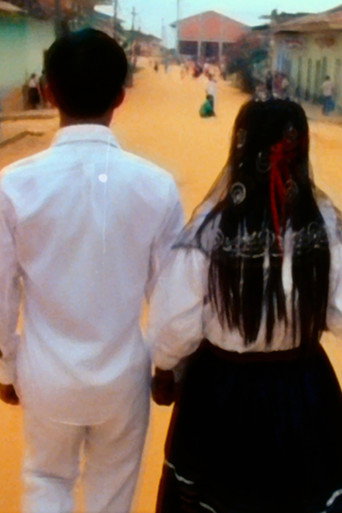 NR
In the department of San Martín, in the high jungle, live the Lamista natives. The film deals with the coexistence of the Lamista culture with the mestizo culture and the problems that this proximity generates.
Lamas, Tradición y Cambio
1982
Short film.
Palmeras de la Amazonia Peruana
1990