
Acting
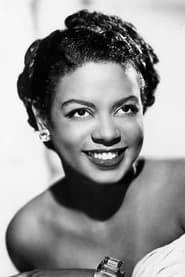
Hazel Scott
Born — Died
1920-06-11 — 1981-10-02
Place of birth
Port of Spain, Trinidad, Trinidad and Tobago
Known for
Acting
Credits
17 titles
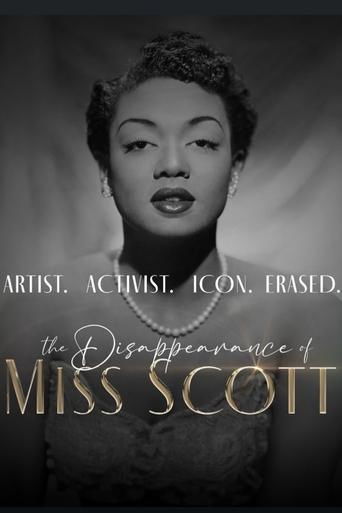
Hazel Dorothy Scott was a Trinidad-born jazz and classical pianist, singer, actress, television pioneer, and civil rights advocate. Born on June 11, 1920, in Port of Spain, Trinidad, she moved to Harlem, New York, as a child and became a celebrated prodigy, studying piano at Juilliard at an unusually young age. Known for her dazzling ability to “swing the classics,” Scott blended classical technique with jazz improvisation and rose to fame at New York’s Café Society. In Hollywood, Scott refused degrading roles and insisted on appearing as herself, using her public image to challenge racist portrayals of Black women. She also refused to perform before segregated audiences and used contract c…
Known for
 5.8
5.8The Mike Douglas Show is an American daytime television talk show hosted by Mike Douglas that originally aired only in the Cleveland area during much of its first two years on the air. It then went into syndication in 1963 and remained on television until 1982. It was distributed by Westinghouse Broadcasting and for much of its run, originated from studios of two of the company's TV stations in Cleveland and Philadelphia.
The Mike Douglas Show
1961
 6.8
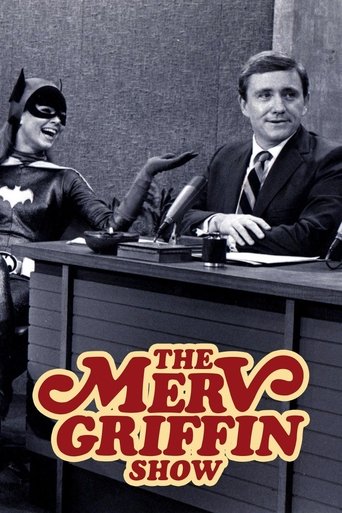
6.8No synopsis available yet.
The Merv Griffin Show
1962
 6.8
6.8The Dick Cavett Show has been the title of several talk shows hosted by Dick Cavett on various television networks.
The Dick Cavett Show
1968
 6.8
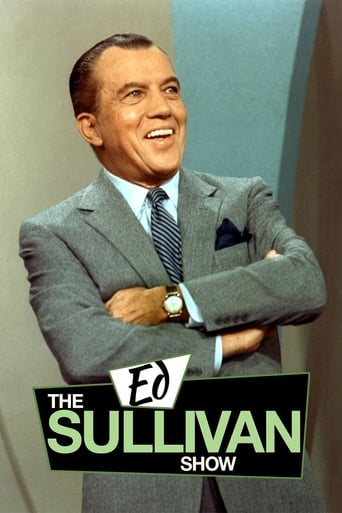
6.8The Ed Sullivan Show is an American TV variety show that originally ran on CBS from Sunday June 20, 1948 to Sunday June 6, 1971, and was hosted by New York entertainment columnist Ed Sullivan. It was replaced in September 1971 by the CBS Sunday Night Movie, which ran only one season and was eventually replaced by other shows. In 2002, The Ed Sullivan Show was ranked #15 on TV Guide's 50 Greatest TV Shows of All Time.
The Ed Sullivan Show
1948
CBS Playhouse is an American anthology drama series that aired on CBS from 1967 to 1970. Airing twelve plays over the course of its run, the series was nominated for a number of awards and featured many noteworthy actors and playwrights.
CBS Playhouse
1966
 5.0
5.0No synopsis available yet.
Reflets de Cannes
1954
Film credits
1950s · 2 titles
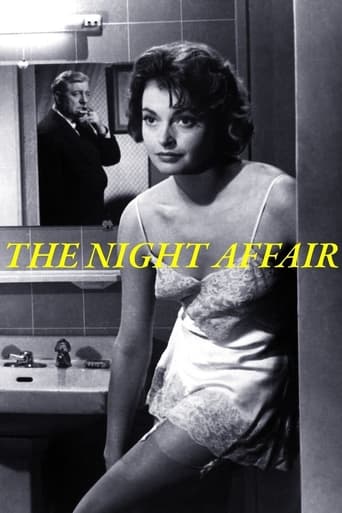 6.2
6.2Vallois, a vice inspector for the Paris police, takes special interest in the plight of drug-addicted Lucky (Najda Tiller), whom he considers to be more victim than criminal. Taking it upon himself to wean Lucky away from narcotics, Vallois also wins her love -- and, incidentally, smashes the dope ring responsible for her addiction.
The Night Affair
1958
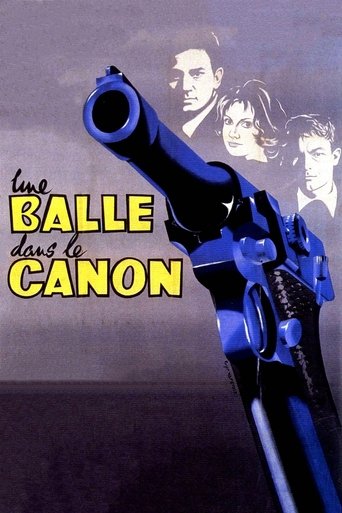 5.4
5.4Back from Indochina, Tony and Dick, two French soldiers, are now in possession of more than 20 million, entrusted by a trafficker. They buy a nightclub in the district of Montparnasse but are soon hunted by the thug who wants to recover his money.
A Bullet in the Gun Barrel
1958
1940s · 5 titles
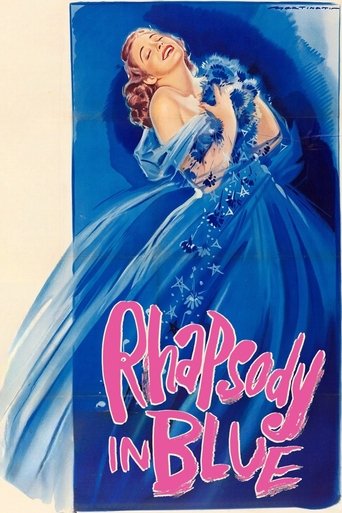 6.6
6.6Fictionalized biography of George Gershwin and his fight to bring serious music to Broadway.
Rhapsody in Blue
1945
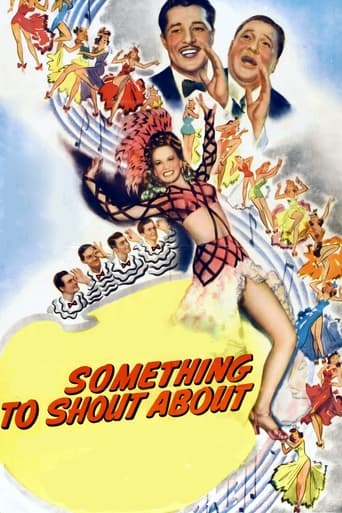 6.5
6.5A press agent, a composer and a landlord of a theatrical boardinghouse revive vaudeville on Broadway.
Something to Shout About
1943
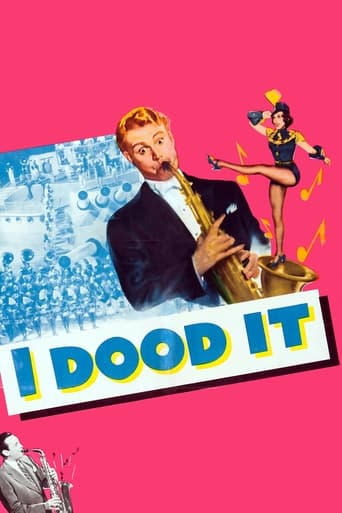 5.1
5.1Constance Shaw, a Broadway dance star, and Joseph Rivington Reynolds, a keen fan of hers, marry after she breaks up with her fiancé. Connie thinks Joseph owns a gold mine, but he actually works as a presser at a hotel valet shop. When everyone learns what he really is, Joseph is banned from the theater. When he sneaks in again, he learns of a plot to set off a bomb in the adjoining munitions warehouse.
I Dood It
1943
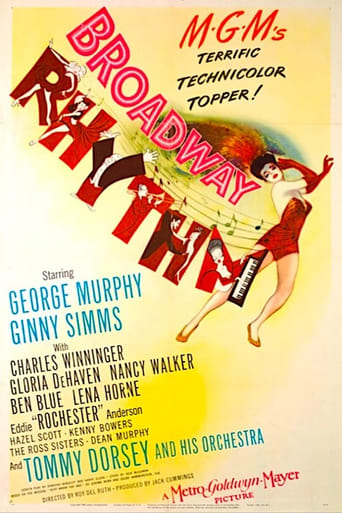 6.3
6.3Broadway producer Johnny Demming is only interested in big-name talent and scoffs that his sister, father and other small-time talent could be used in a successful show.
Broadway Rhythm
1944
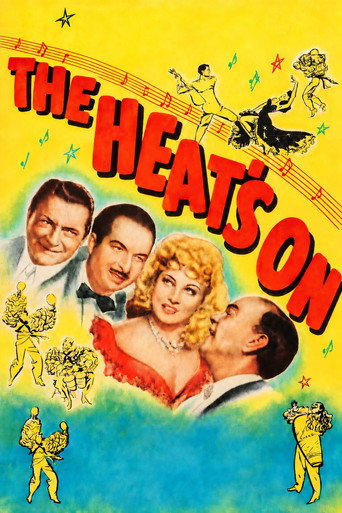 4.8
4.8Temperamental stage diva Fay Lawrence is reluctantly persuaded by a Broadway producer to star in his latest production.
The Heat's On
1943
Series credits
5.8The Mike Douglas Show is an American daytime television talk show hosted by Mike Douglas that originally aired only in the Cleveland area during much of its first two years on the air. It then went into syndication in 1963 and remained on television until 1982. It was distributed by Westinghouse Broadcasting and for much of its run, originated from studios of two of the company's TV stations in Cleveland and Philadelphia.
The Mike Douglas Show
1961
6.8No synopsis available yet.
The Merv Griffin Show
1962
6.8The Dick Cavett Show has been the title of several talk shows hosted by Dick Cavett on various television networks.
The Dick Cavett Show
1968
6.8The Ed Sullivan Show is an American TV variety show that originally ran on CBS from Sunday June 20, 1948 to Sunday June 6, 1971, and was hosted by New York entertainment columnist Ed Sullivan. It was replaced in September 1971 by the CBS Sunday Night Movie, which ran only one season and was eventually replaced by other shows. In 2002, The Ed Sullivan Show was ranked #15 on TV Guide's 50 Greatest TV Shows of All Time.
The Ed Sullivan Show
1948
CBS Playhouse is an American anthology drama series that aired on CBS from 1967 to 1970. Airing twelve plays over the course of its run, the series was nominated for a number of awards and featured many noteworthy actors and playwrights.
CBS Playhouse
1966
5.0No synopsis available yet.
Reflets de Cannes
1954
The Hazel Scott Show was an early American television program broadcast on the now defunct DuMont Television Network. The series ran during the summer of 1950, and is most notable for being the first U.S. network television series to be hosted by a African American woman.
The Hazel Scott Show
1950