
Acting
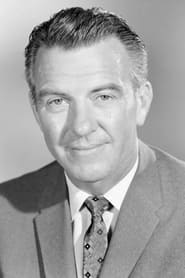
Hugh Beaumont
Born — Died
1909-02-16 — 1982-05-14
Known for
Acting
Credits
100 titles
From Wikipedia, the free encyclopedia Eugene Hugh Beaumont (February 16, 1909 – May 14, 1982) was an American actor and television director. He was also licensed to preach by the Methodist church. Beaumont is best known for his portrayal of Ward Cleaver on the 1957-1963 television series Leave It to Beaver. He had earlier played the role of the private detective Michael Shayne in a series of films in the 1940s.
Known for
 6.9
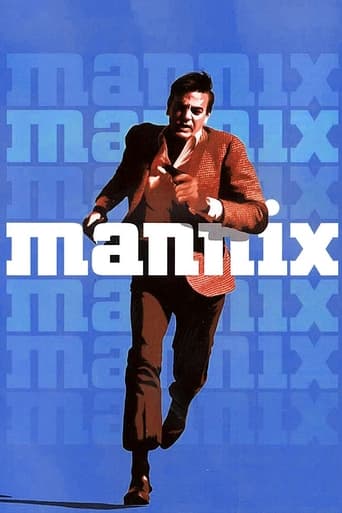
6.9Mannix is an American television detective series that ran from 1967 through 1975 on CBS. Created by Richard Levinson and William Link and developed by executive producer Bruce Geller, the title character, Joe Mannix, is a private investigator. He is played by Mike Connors. Mannix was the last series produced by Desilu Productions.
Mannix
1967
 6.3
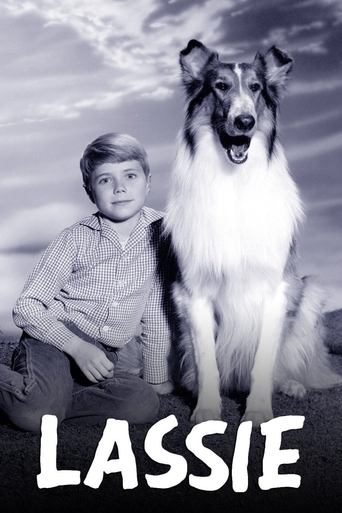
6.3Lassie is the pet of Jeff Miller, an 11-year-old farm boy. The two become best friends and enjoy family adventures in the American countryside, teaching each other about love, nature and commitment.
Lassie
1954
 6.6
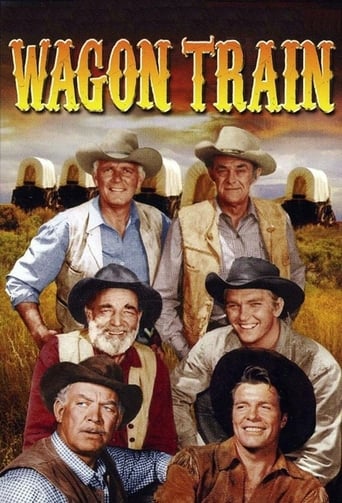
6.6The series initially starred veteran movie supporting actor Ward Bond as the wagon master, later replaced upon his death by John McIntire, and Robert Horton as the scout, subsequently replaced by lookalike Robert Fuller a year after Horton had decided to leave the series. The series was inspired by the 1950 film Wagon Master directed by John Ford and starring Ben Johnson, Harry Carey Jr. and Ward Bond, and harkens back to the early widescreen wagon train epic The Big Trail starring John Wayne and featuring Bond in his first major screen appearance playing a supporting role. Horton's buckskin outfit as the scout in the first season of the television series resembles Wayne's, who also played the wagon train's scout in the earlier film.
Wagon Train
1957
 6.5
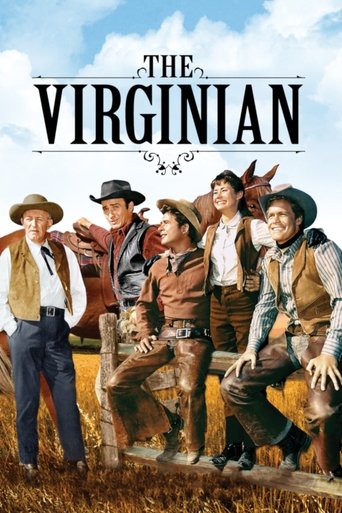
6.5The Shiloh Ranch in Wyoming Territory of the 1890s is owned in sequence by Judge Henry Garth, the Grainger brothers, and Colonel Alan MacKenzie. It is the setting for a variety of stories, many more based on character and relationships than the usual western.
The Virginian
1962
 5.9
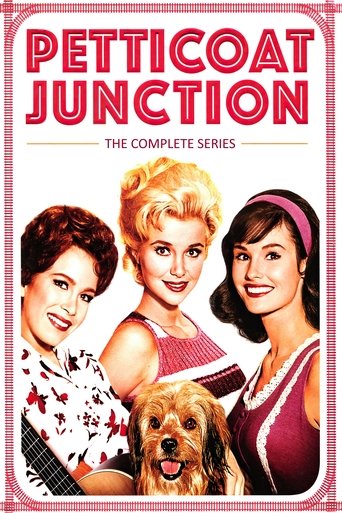
5.9The Bradley family are proud owners of the Shady Rest Hotel. Kate and her three young daughters do the job of running the hotel.
Petticoat Junction
1963
 6.9
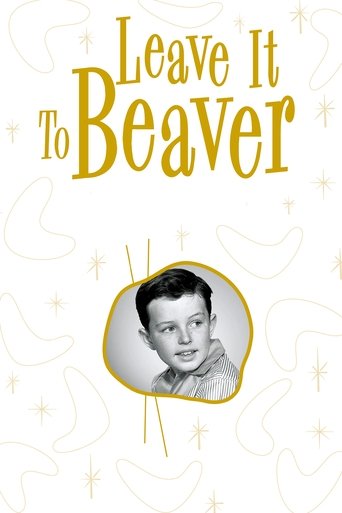
6.9An inquisitive and often naïve boy, Theodore 'The Beaver' Cleaver, has adventures at home, in school, and around his suburban neighborhood. The show also starred Barbara Billingsley and Hugh Beaumont as Beaver's parents, June and Ward Cleaver, and Tony Dow as Beaver's brother Wally. The show has attained an iconic status in the US, with the Cleavers exemplifying the idealized suburban family of the mid-20th century.
Leave It to Beaver
1957
Film credits
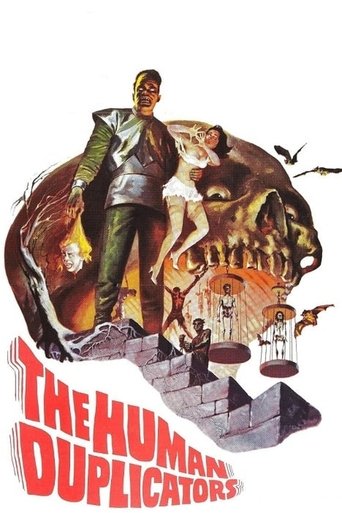
1950s · 18 titles
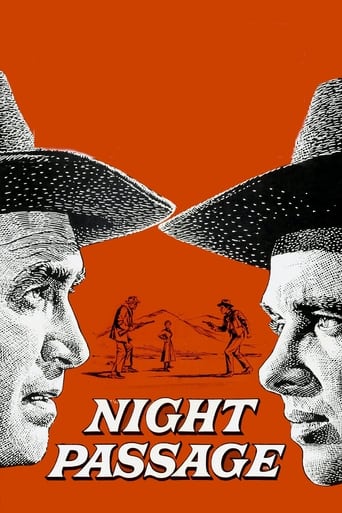 6.5
6.5Grant MacLaine, a former railroad troubleshooter, lost his job after letting his outlaw, the Utica Kid, escape. After spending five years wandering the west and earning his living playing the accordion, he is given a second chance by his former boss.
Night Passage
1957
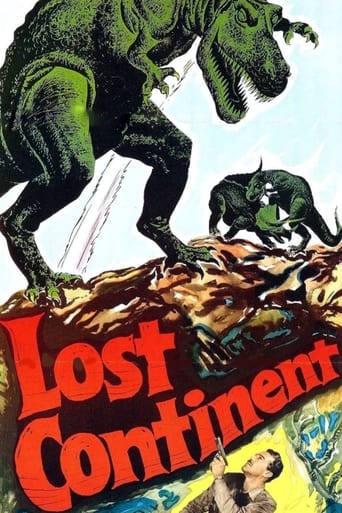 3.6
3.6When an experimental atomic rocket crashes somewhere off-radar, its three developing scientists are joined by three Air Force men in tracking it down to a small Pacific island, where it apparently has landed on the plateau of the island's steep-walled, taboo mountain.
Lost Continent
1951
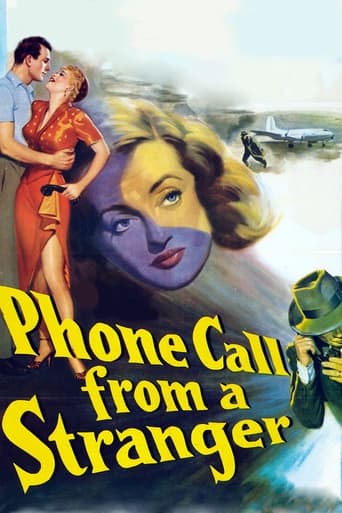 6.4
6.4Four strangers board a plane and become fast friends, but a catastrophic crash leaves only one survivor. He then sets off on a journey to discover who these people were, but ultimately discovers the devastating truth about himself.
Phone Call from a Stranger
1952
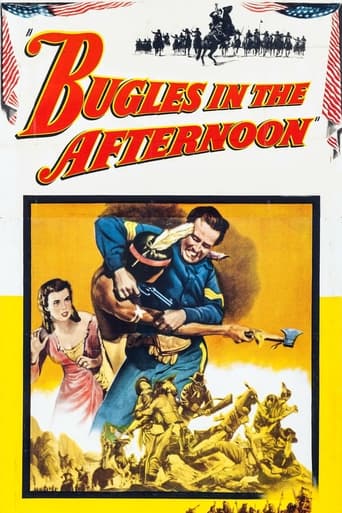 5.4
5.4Old enemies stationed together at an Army post vie for the same woman.
Bugles in the Afternoon
1952
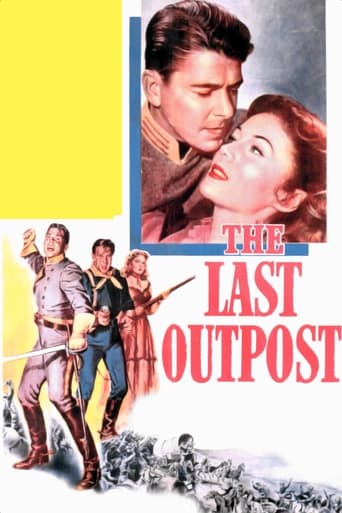 6.1
6.1The cavalry defend a small town from indians.
The Last Outpost
1951
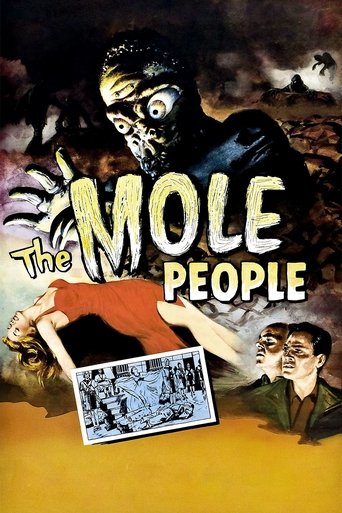 5.2
5.2A party of archaeologists discovers the remnants of a five millennia-old mutant Sumerian civilization living beneath a glacier atop a mountain in Mesopatamia.
The Mole People
1956
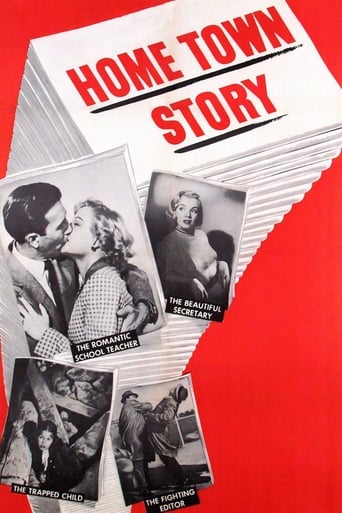 4.9
4.9Blake Washburn blames manufacturer MacFarland for his defeat in the race for re-election to the state legislature. He takes over his uncle's newspaper to take on big business as an enemy of the people. Miss Martin works in the "Herald" newspaper office. When tragedy strikes, Blake must re-examine his views.
Home Town Story
1951
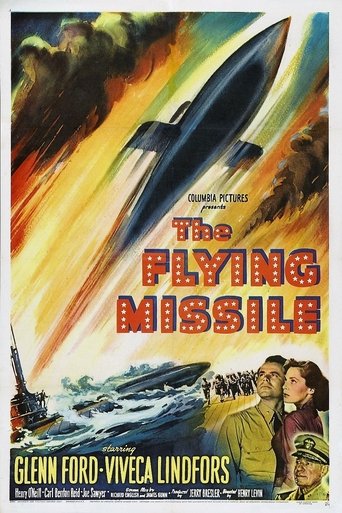 5.3
5.3A Navy commander experiments with launching missiles from submarines.
The Flying Missile
1950
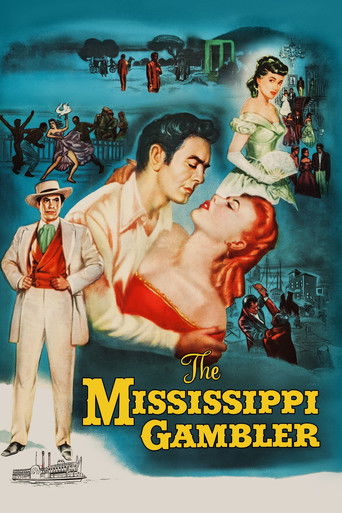 7.2
7.2Mark Fallon, with partner Kansas John Polly, tries to introduce honest gambling on the riverboats. His first success makes enemies of the crooked gamblers and of fair Angelique Dureau, whose necklace he won. Later in New Orleans, Mark befriends Angelique's father, but she still affects to despise him as his gambling career brings him wealth. Duelling, tragedy, and romantic complications follow.
The Mississippi Gambler
1953
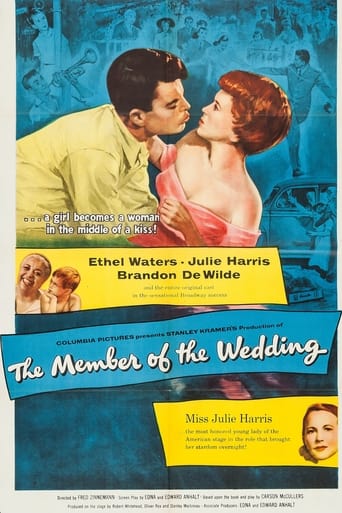 6.3
6.3Tomboy, Frances 'Frankie' Addams, dreams of running away with her brother and new fiancée away from the Deep South.
The Member of the Wedding
1952
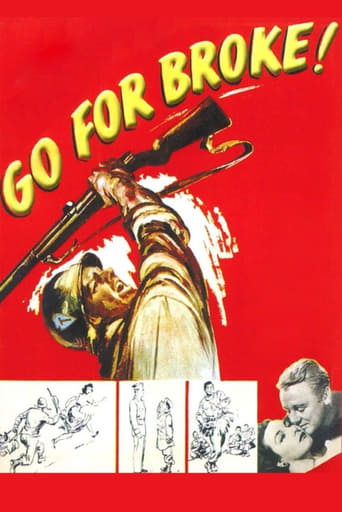 5.9
5.9A tribute to the U.S. 442nd Regimental Combat Team, formed in 1943 by Presidential permission with Japanese-American volunteers. We follow the training of a platoon under the rueful command of Lt. Mike Grayson who shares common prejudices of the time. The 442nd serve in Italy, then France, distinguishing themselves in skirmishes and battles; gradually and naturally, Grayson's prejudices evaporate with dawning realization that his men are better soldiers than he is.
Go for Broke!
1951
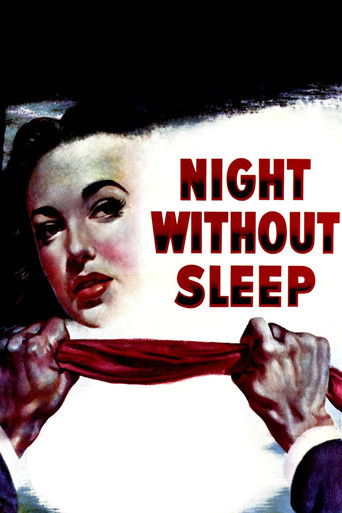 5.8
5.8Upon awaking in the morning, a man finds his thoughts clouded by the possibility that he committed a murder.
Night Without Sleep
1952
 5.5
5.5Pier 23 was one of three hour-long mysteries produced by Lippert Productions for both TV and theatrical release. Each of the three films was evenly divided into two half-hour "episodes," and each starred Hugh Beaumont as San Francisco-based amateur sleuth Dennis O'Brien. In Pier 23, O'Brien first tackles the case of a wrestler who has died of a suspicious heart attack after refusing to lose a match. He then agrees to help a priest talk an escaped criminal into returning to prison.
Pier 23
1951
 7.2
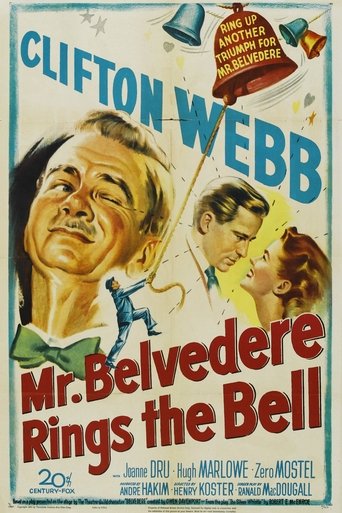
7.2Posing as a man over 70, a lecturer (Clifton Webb) enters an old-folks home to prove age is a state of mind.
Mr. Belvedere Rings the Bell
1951
 7.0
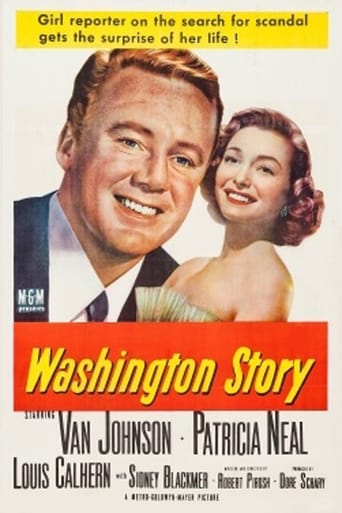
7.0A reporter (Patricia Neal) suspects the "nice guy" image of a respected Congressman (Van Johnson) is all a facade and sets out to uncover the truth.
Washington Story
1952
 5.6
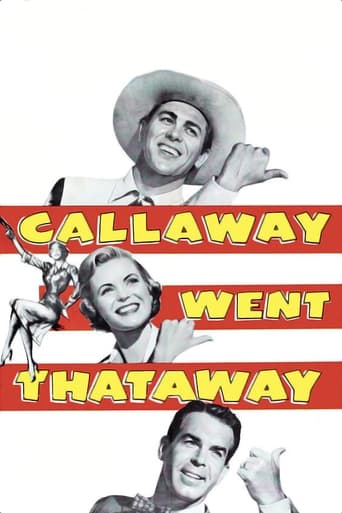
5.6Two smart marketing people resurrect some old films starring cowboy Smoky Callaway and put them on television. The films are a big hit and the star is in demand. Unfortunately no one can find him. When a lookalike sends in a photo, the marketing team hires him to impersonate Callaway. Things get sticky when the real Callaway eventually shows up.
Callaway Went Thataway
1951
 5.7
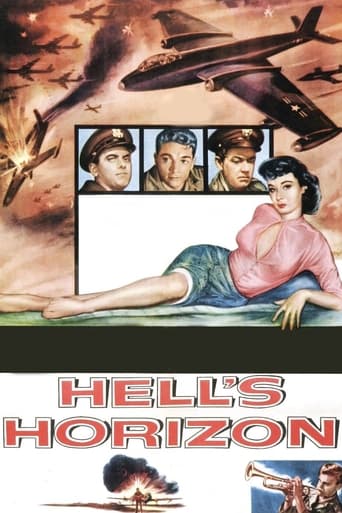
5.7The pilot, co-pilot, and crew of a bomber try to hit a Korean bridge in bad weather.
Hell's Horizon
1955
 7.0
7.0Not to be confused with the 1929 film The Overland Telegraph, this Western from director Lesley Selander stars Tim Holt as a cowboy appropriately named Tim Holt. In order to hinder the construction of a new telegraph line for his own financial gain, scheming shopkeeper Paul Manning (George Nader) enlists the assistance of a gang of outlaws led by Brad Roberts (Hugh Beaumont in one of his many pre-Leave it to Beaver roles). Unfortunately for the bad guys, Holt and his cohort Chito Rafferty (Richard Martin) sense that there's foul play afoot and embark on an investigation.
Overland Telegraph
1951
1940s · 41 titles
 6.9
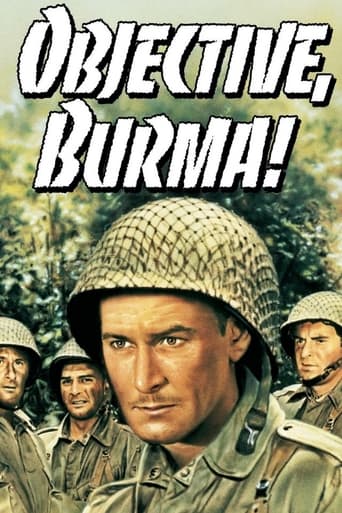
6.9A group of men parachute into Japanese-occupied Burma with a dangerous and important mission: to locate and blow up a radar station. They accomplish this well enough, but when they try to rendezvous at an old air-strip to be taken back to their base, they find Japanese waiting for them, and they must make a long, difficult walk back through enemy-occupied jungle.
Objective, Burma!
1945
 6.7
6.7Soon after a veteran returns from war, his cheating wife is found dead. He evades police in an attempt to find the real murderer.
The Blue Dahlia
1946
 6.4
6.4After young Mary Gibson discovers that her older sister Jacqueline has disappeared, she leaves her boarding school and heads to New York City to track down her sibling. But Mary gets drawn deeper into the mystery.
The Seventh Victim
1943
 5.9
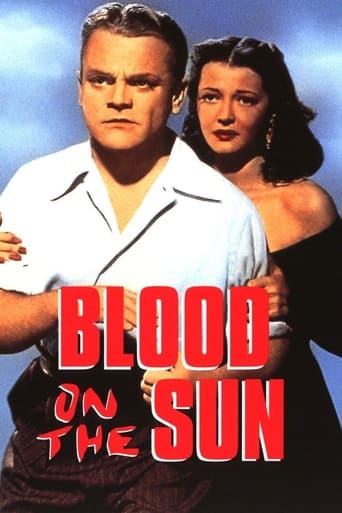
5.9Nick Condon, an American journalist in 20s Tokyo, publishes the Japanese master plan for world domination. Reaction from the understandably upset Japanese provides the action, but this is overshadowed by the propaganda of the time.
Blood on the Sun
1945
 5.8
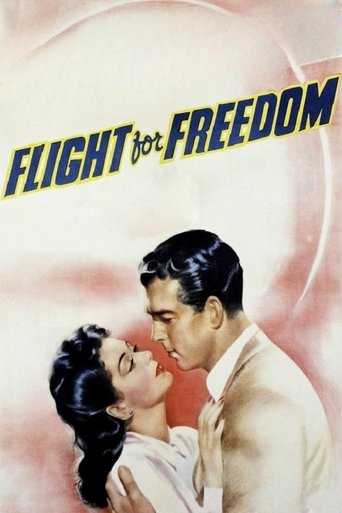
5.8A fictionalized biopic about aviation pioneer Amelia Earhart. A female pilot breaks the Los Angeles to New York record and attracts the interest of the U.S. Navy, who want to send her on a spy mission.
Flight for Freedom
1943
 6.8
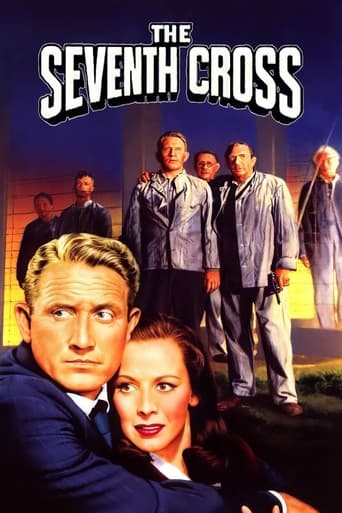
6.8In Nazi Germany in 1936 seven men escape from a concentration camp. The camp commander puts up seven crosses and, as the Gestapo returns each escapee he is put to death on a cross. The seventh cross is still empty as George Heisler attempts an escape to freedom in Holland.
The Seventh Cross
1944
 7.3
7.3War hero flier Bob Collins goes on a war bond selling tour with two buddies, and substitute "chaperone" Ivy Hotchkiss. Bob's a cheerful Lothario with several girls in every town on the tour. After some amusing escapades, Bob and Ivy become romantically involved, agreeing it's "just fun up in the air." Then Ivy finds out the real reason why it shouldn't be anything more.
You Came Along
1945
 7.1
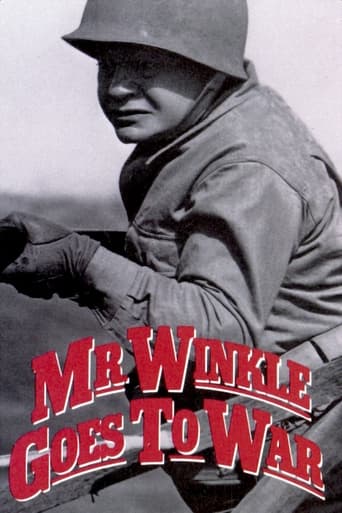
7.1Wilbert Winkle, a henpecked, mild-mannered, middle-aged bank clerk and handyman finds himself in the midst of battle in the South Pacific.
Mr. Winkle Goes to War
1944
7.1Wilbert Winkle, a henpecked, mild-mannered, middle-aged bank clerk and handyman finds himself in the midst of battle in the South Pacific.
Mr. Winkle Goes to War
1944
 6.0
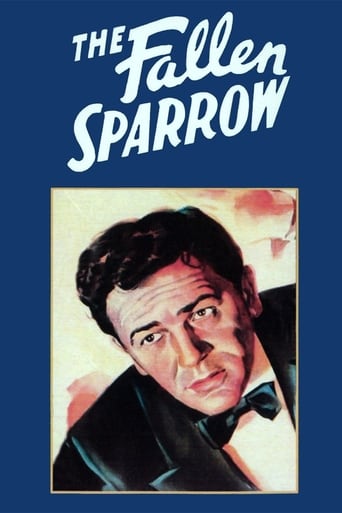
6.0Imprisoned during the Spanish Civil War, John "Kit" McKittrick is released when a New York City policeman pulls some strings. Upon returning to America, McKittrick hears that a friend has committed suicide, and he begins to smell a rat. During his investigation, McKittrick questions three beautiful women, one of whom has a tie to his refugee past. Pursued by Nazi operatives, McKittrick learns of the death of another friend, and begins to suspect the dark Dr. Skaas.
The Fallen Sparrow
1943
 6.5
6.5Hat check man Louis Blore is in love with nightclub star May Daly. May, however, is in love with a poor dancer but wants to marry for money. When Louis wins the Irish Sweepstakes, he asks May to marry him and she accepts even though she doesn't love him. Soon after, Louis has an accident and gets knocked on the head, where he dreams that he's King Louis XV pursuing the infamous Madame Du Barry.
Du Barry Was a Lady
1943
 5.8
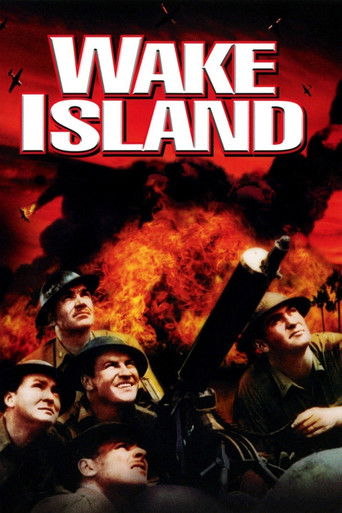
5.8In late 1941, with no hope of relief or re-supply, a small band of United States Marines tries to keep the Japanese Navy from capturing their island base.
Wake Island
1942
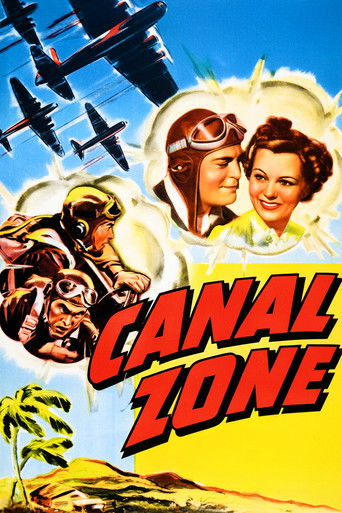 6.0
6.0A cocky pilot at a Panama Canal bomber station clashes with his trainer over recklessness and a woman. After causing a fatal crash while hungover, he seeks redemption when his rivals crash in the jungle.
Canal Zone
1942
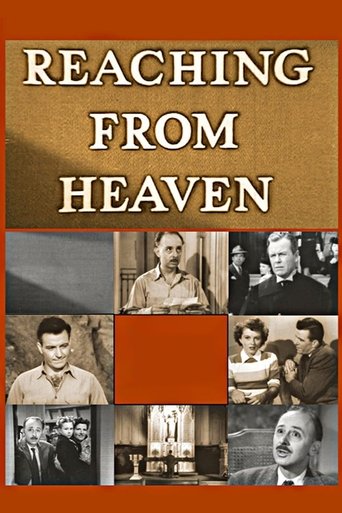 8.0
8.0Just as church services are letting out, a shabbily-dressed stranger is run over by an automobile in front of the church. The stranger is helped mentally and physically by the minister and congregation members, who help him regain his self-confidence and also to accept the death of his wife as she was about to embark from Europe, as a displaced person, to join him in America.
Reaching from Heaven
1948
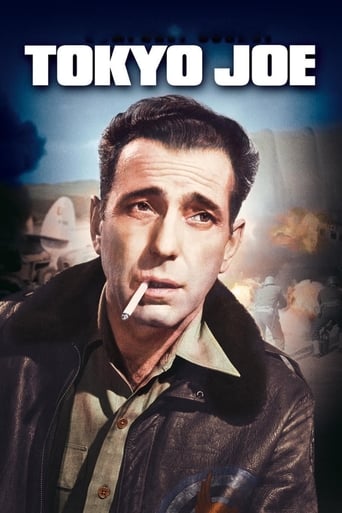 6.1
6.1An American veteran returns to Tokyo to try to pick up the threads of his pre-World War II life there, but finds himself squeezed between criminals and the authorities.
Tokyo Joe
1949
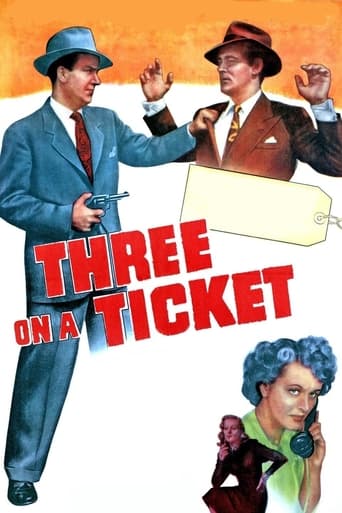 6.0
6.0A private detective, who has been shot, stumbles into the office of Michael Shayne (Hugh Beaumont), and dies before Shayne can question him. Shayne finds a baggage ticket in his hand. He claims it and finds the checked-bag contains the loot from a robbery. Now, he has about fifty minutes left of the running time to find the crooks, bring them to justice and return the money to the rightful owners. And needs all of it.
Three on a Ticket
1947
 6.5
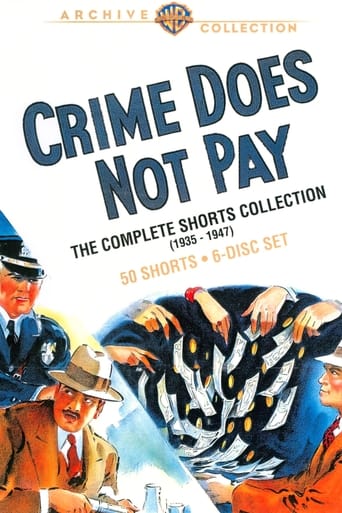
6.5This entry in MGM's "Crime Does Not Pay" series deals with shady companies selling fake merchandise.
Buyer Beware
1940
7.5An FBI agent goes undercover to investigate the sabotage of American cargo ships.
Keep 'Em Sailing
1942
 8.0
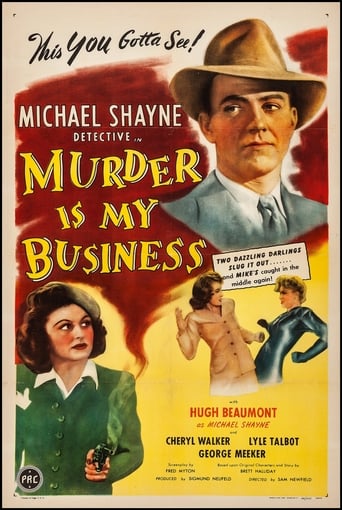
8.0Michael Shayne is a private detective who is disliked greatly by Pete Rafferty, local chief of police detectives. Rafferty notifies the newspaper press that he is going to close Shayne's agency, just as Michael is about to be hired by the wealthy Eleanor Ramsey, who is being blackmailed. She is the stepmother of what she considers to be two grown-up brats, Dorothy and Ernest, and she considers their father to be of little value to the world himself. They all conspire to get their hands on her money, even to the extent of attempting to hire Shayne to frame an insurance robbery. Mrs. Ramsey is murdered, and Rafferty is trying to pin the killing on Shayne, despite the fact that suspicion points to Buell Renslow, brother of the slain woman. Shayne's secretary, the fetching Phyllis Hamilton, decides to do a little detective work to help her boss.
Murder Is My Business
1946
 6.0
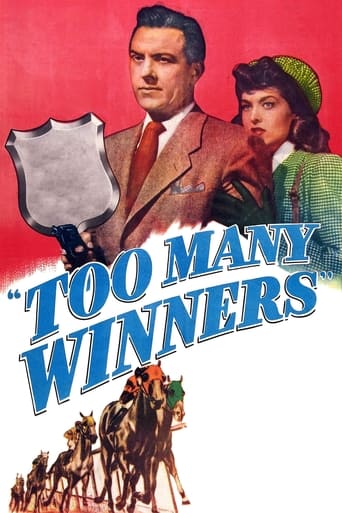
6.0Michael Shayne mystery involving counterfeit tickets at a race track.
Too Many Winners
1947
 6.5
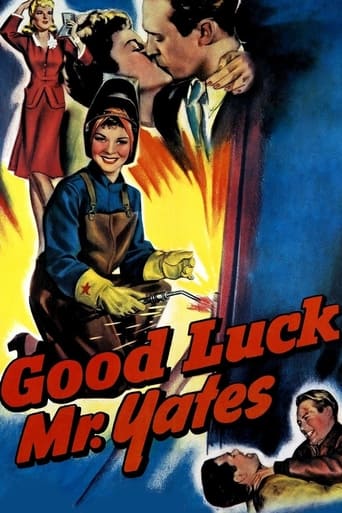
6.5A 4F military school teacher's lie about being accepted for active duty causes problems on the home front.
Good Luck, Mr. Yates
1943
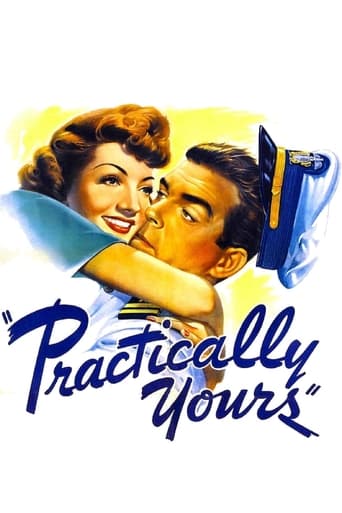 7.0
7.0In this screwball comedy a WW2 US pilot bombs a Japanese aircraft carrier, is assumed to be dead, and then is misquoted in the press as fondly remembering his days back home walking his dog Piggy. Instead of his dog Piggy he is thought to be in love with Peggy, a girl he worked with. The usual farce ensues after he returns home alive and tries to play along with the mistake to save embarrassment for all.
Practically Yours
1944
 6.1
6.1A young man graduates from the police academy at the top of his class. He then teams up with some local thieves and uses his knowledge of police procedures to pursue a career of undetected crime.
A Gun in His Hand
1945
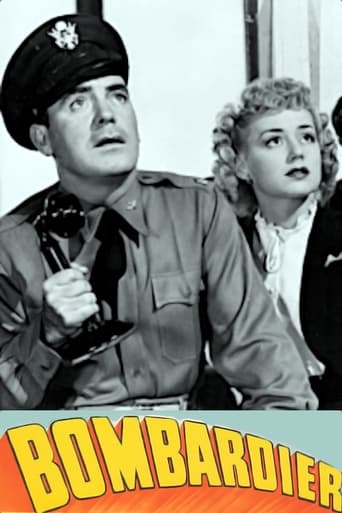 5.7
5.7A documentary/drama about the training of bombardiers during WWII. Major Chick Davis proves to the U.S. Army the superiority of high altitude precision bombing, and establishes a school for bombardiers. Training is followed in semi-documentary style, with personal dramas in subplots. The climax is a spectacular sequence.
Bombardier
1943
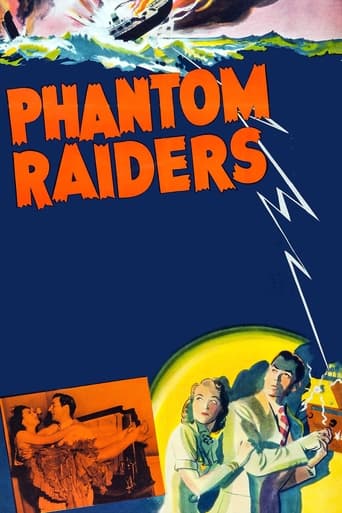 6.1
6.1In this second Carter mystery, a mysterious rash of cargo ships sinking in Panama leads insurers Llewellyns of London to hire vacationer Nick Carter and his eccentric associate Bartholomew to investigate. Nick recognizes influential nightclub owner Al Taurez as a shady operator, but getting the goods on him depends on slick diversions involving the heavyweight champ of the Pacific Tuna Fleet, a Panamanian bombshell armed with American slang, a young couple in love and a whole raft of crooks and cutthroats.
Phantom Raiders
1940
 6.7
6.7A beautician and her crooked boyfriend attempt to rob the bookie operation located in the back room, but when the plan goes wrong, they frame an innocent man.
Railroaded!
1947
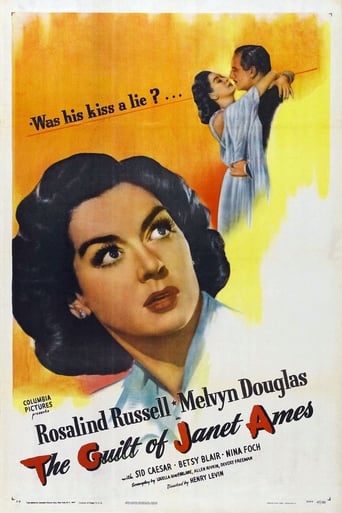 5.8
5.8A hard-drinking reporter tries to help the embittered widow of the soldier who had saved his life during the war.
The Guilt of Janet Ames
1947
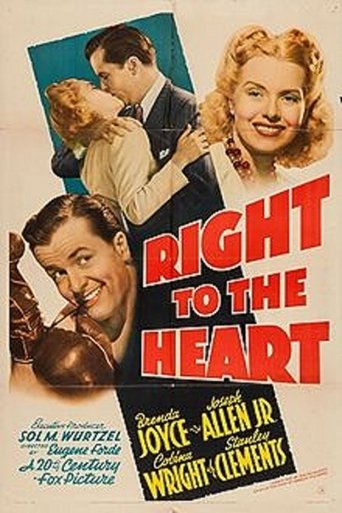 7.0
7.0John T. Bromley III is a young man from high society who is physically humiliated by a prizefighter before his socialite sweetheart, Jenny Killian. He goes to a training camp to redeem his self-respect and ensure his success in a return engagement with the fighter.
Right to the Heart
1942
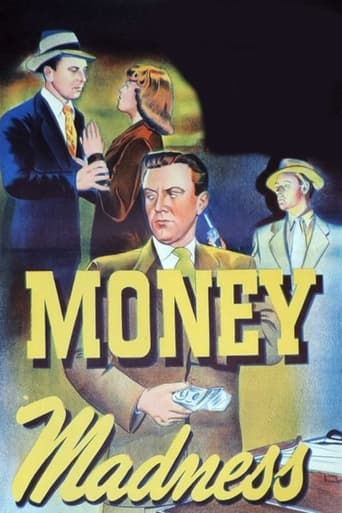 4.7
4.7A murderous bank robber on the run from the law hides out in a small town.
Money Madness
1948
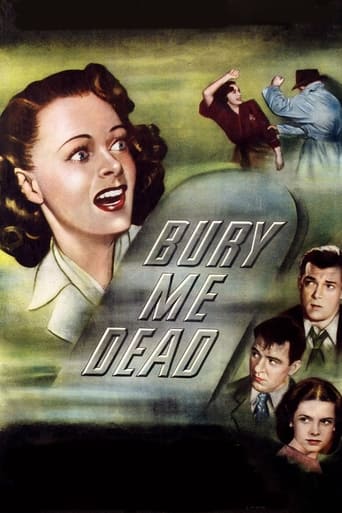 4.7
4.7A woman watches her own funeral, then sets out with her lawyer to learn who was in the casket.
Bury Me Dead
1947
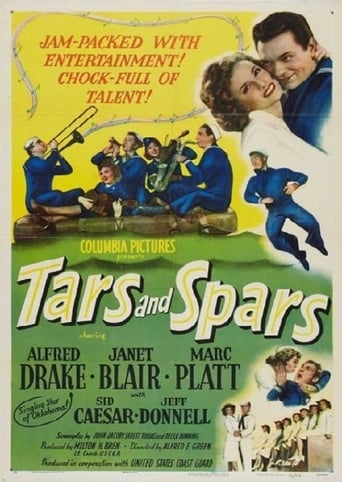 5.8
5.8Howard Young is a coast guardsman who has been on shore duty for three years despite his efforts to be sent into action. His nearest approach to sea duty was on a harbor-moored life raft for 21 days as part of an experiment with a new type of vitamin gum for the government. He meets Christine Bradley, a SPAR, sent to take over his communications job and, by things he leaves unsaid, she thinks his life-raft experience was the result of a ship-wreck at sea.
Tars and Spars
1946
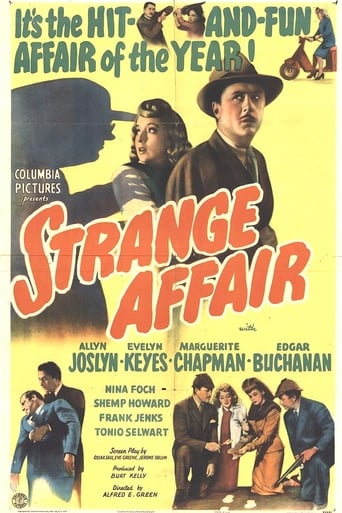 6.2
6.2Eminent psychiatrist Dr. Brenner invites cartoonist Bill Harrison and his wife, Jack, to a banquet honoring war refugees. Bill volunteers to pick up fellow psychiatrist Dr. Baumler at the train station, but the man vanishes when he has Bill stop so he can use a pay phone. At the dinner, Bill and Jack are seated with Brenner's daughter, Freda, and, to Bill's surprise, another man is introduced as Baumler -- who dies moments later.
Strange Affair
1944
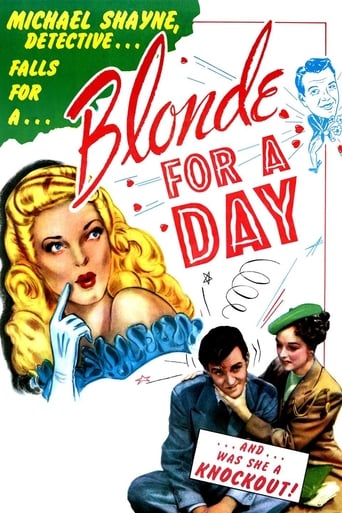 5.8
5.8Newspaper reporter Tim Rourke keeps writing articles that attack the police department for its failure to solve a chain of murders, which nearly leads to the reporter's death. He calls in private detective Michael Shayne, who turns up a blonde and a blackmailer.
Blonde for a Day
1946
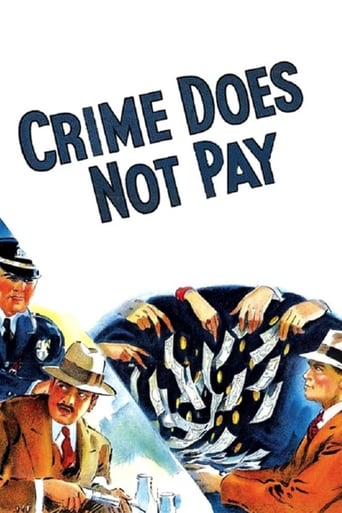 6.7
6.7This entry in MGM's "Crime Does Not Pay" series deals with illegal gambling and bookmaking.
Jack Pot
1940
 8.0
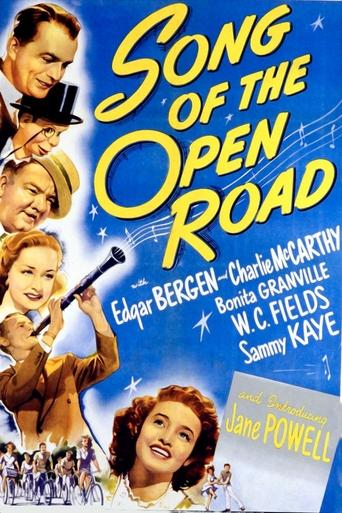
8.0A beautiful child star tires of life in the spotlight and so disguises herself and sneaks off to join a Civilian Conservation Corps camp to work with normal kids. It doesn't take her long to discover that being "normal" isn't easy as it looks. When a crop is in danger of being ruined because there are not enough people to harvest it, the girl employs some of her famous colleagues to lend a hand. Songs include: "Too Much in Love," "Here It Is Monday," "Delightfully Dangerous," "Hawaiian War Chant" and "Notre Dame."
Song of the Open Road
1944
 6.3
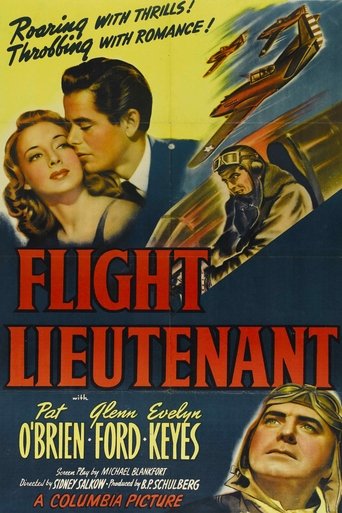
6.3A disgraced pilot determines to regain the respect of both his son, now a test pilot for the Army, and the men he once flew with.
Flight Lieutenant
1942
6.2This MGM Crime Does Not Pay series short features a big city crime boss's attempt to use his crime "machine" to fraudulently win reelection for the current corrupt mayor. By using several illegal tactics, and aided by voter apathy, the crime boss nearly continues his control of the city.
You, the People
1940
 4.9
4.9Head over heels in love with a stern and cold older businessman's young wife, a reporter is seduced into conspiring to murder him so she can inherit his estate, while pinning the murder on another businessman.
Apology for Murder
1945
 6.3
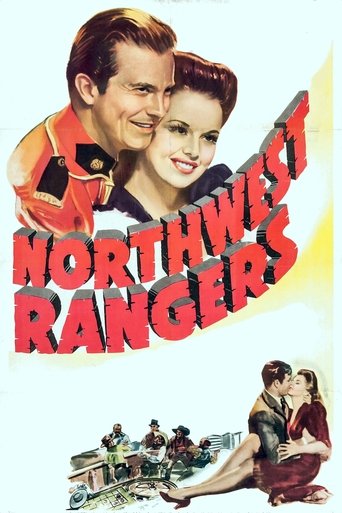
6.3Boyhood friends grow up into different professions: one a dedicated Canadian Mountie, the other a notorious gambler.
Northwest Rangers
1942
 6.0
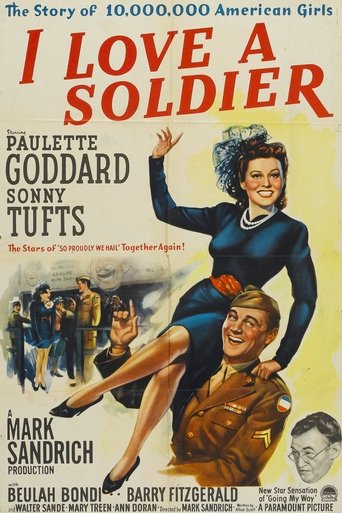
6.0During World War II in San Francisco, Eve Morgan and her single girlfriends spend their days welding ships and their nights dancing with soldiers and sailors shipping out that night. Eve is determined to avoid any romantic entanglements until the war is over she refuses to spend her days and nights worrying about getting bad news about a man she has fallen for. But she doesn't count on meeting a soldier who is determined to change her mind.
I Love a Soldier
1944
 5.4
5.4Five officer candidates fight to prove their mettle during training.
There's Something About a Soldier
1943
Series credits
6.9Mannix is an American television detective series that ran from 1967 through 1975 on CBS. Created by Richard Levinson and William Link and developed by executive producer Bruce Geller, the title character, Joe Mannix, is a private investigator. He is played by Mike Connors. Mannix was the last series produced by Desilu Productions.
Mannix
1967
6.9Mannix is an American television detective series that ran from 1967 through 1975 on CBS. Created by Richard Levinson and William Link and developed by executive producer Bruce Geller, the title character, Joe Mannix, is a private investigator. He is played by Mike Connors. Mannix was the last series produced by Desilu Productions.
Mannix
1967
6.9Mannix is an American television detective series that ran from 1967 through 1975 on CBS. Created by Richard Levinson and William Link and developed by executive producer Bruce Geller, the title character, Joe Mannix, is a private investigator. He is played by Mike Connors. Mannix was the last series produced by Desilu Productions.
Mannix
1967
6.3Lassie is the pet of Jeff Miller, an 11-year-old farm boy. The two become best friends and enjoy family adventures in the American countryside, teaching each other about love, nature and commitment.
Lassie
1954
6.6The series initially starred veteran movie supporting actor Ward Bond as the wagon master, later replaced upon his death by John McIntire, and Robert Horton as the scout, subsequently replaced by lookalike Robert Fuller a year after Horton had decided to leave the series. The series was inspired by the 1950 film Wagon Master directed by John Ford and starring Ben Johnson, Harry Carey Jr. and Ward Bond, and harkens back to the early widescreen wagon train epic The Big Trail starring John Wayne and featuring Bond in his first major screen appearance playing a supporting role. Horton's buckskin outfit as the scout in the first season of the television series resembles Wayne's, who also played the wagon train's scout in the earlier film.
Wagon Train
1957
6.5The Shiloh Ranch in Wyoming Territory of the 1890s is owned in sequence by Judge Henry Garth, the Grainger brothers, and Colonel Alan MacKenzie. It is the setting for a variety of stories, many more based on character and relationships than the usual western.
The Virginian
1962
6.5The Shiloh Ranch in Wyoming Territory of the 1890s is owned in sequence by Judge Henry Garth, the Grainger brothers, and Colonel Alan MacKenzie. It is the setting for a variety of stories, many more based on character and relationships than the usual western.
The Virginian
1962
6.5The Shiloh Ranch in Wyoming Territory of the 1890s is owned in sequence by Judge Henry Garth, the Grainger brothers, and Colonel Alan MacKenzie. It is the setting for a variety of stories, many more based on character and relationships than the usual western.
The Virginian
1962
5.9The Bradley family are proud owners of the Shady Rest Hotel. Kate and her three young daughters do the job of running the hotel.
Petticoat Junction
1963
5.9The Bradley family are proud owners of the Shady Rest Hotel. Kate and her three young daughters do the job of running the hotel.
Petticoat Junction
1963
6.9An inquisitive and often naïve boy, Theodore 'The Beaver' Cleaver, has adventures at home, in school, and around his suburban neighborhood. The show also starred Barbara Billingsley and Hugh Beaumont as Beaver's parents, June and Ward Cleaver, and Tony Dow as Beaver's brother Wally. The show has attained an iconic status in the US, with the Cleavers exemplifying the idealized suburban family of the mid-20th century.
Leave It to Beaver
1957
 6.8
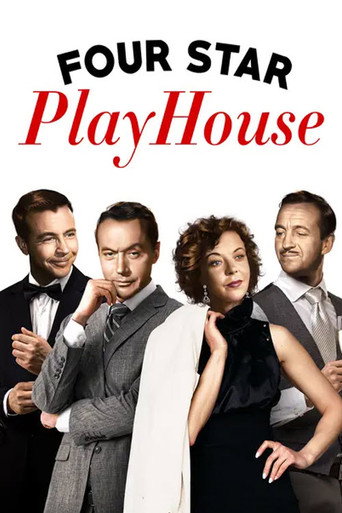
6.8Four Star Playhouse is an American television anthology series that ran from 1952 to 1956, sponsored in its first bi-weekly season by The Singer Company; Bristol-Myers became an alternate sponsor when it became a weekly series in the fall of 1953. The original premise was that Charles Boyer, Ida Lupino, David Niven, and Dick Powell would take turns starring in episodes. However, several other performers took the lead from time to time, including Ronald Colman and Joan Fontaine. Blake Edwards was among the writers and directors who contributed to the series. Edwards created the recurring character of illegal gambling house operator Willie Dante for Dick Powell to play on this series. The character was later revamped and spun off in his own series starring Howard Duff, then-husband of Lupino. The pilot for Meet McGraw, starring Frank Lovejoy, aired here, as did another episode in which Lovejoy recreated his role of Chicago newspaper reporter Randy Stone, from the radio drama Nightbeat.
Four Star Playhouse
1952
6.8Four Star Playhouse is an American television anthology series that ran from 1952 to 1956, sponsored in its first bi-weekly season by The Singer Company; Bristol-Myers became an alternate sponsor when it became a weekly series in the fall of 1953. The original premise was that Charles Boyer, Ida Lupino, David Niven, and Dick Powell would take turns starring in episodes. However, several other performers took the lead from time to time, including Ronald Colman and Joan Fontaine. Blake Edwards was among the writers and directors who contributed to the series. Edwards created the recurring character of illegal gambling house operator Willie Dante for Dick Powell to play on this series. The character was later revamped and spun off in his own series starring Howard Duff, then-husband of Lupino. The pilot for Meet McGraw, starring Frank Lovejoy, aired here, as did another episode in which Lovejoy recreated his role of Chicago newspaper reporter Randy Stone, from the radio drama Nightbeat.
Four Star Playhouse
1952
6.8Four Star Playhouse is an American television anthology series that ran from 1952 to 1956, sponsored in its first bi-weekly season by The Singer Company; Bristol-Myers became an alternate sponsor when it became a weekly series in the fall of 1953. The original premise was that Charles Boyer, Ida Lupino, David Niven, and Dick Powell would take turns starring in episodes. However, several other performers took the lead from time to time, including Ronald Colman and Joan Fontaine. Blake Edwards was among the writers and directors who contributed to the series. Edwards created the recurring character of illegal gambling house operator Willie Dante for Dick Powell to play on this series. The character was later revamped and spun off in his own series starring Howard Duff, then-husband of Lupino. The pilot for Meet McGraw, starring Frank Lovejoy, aired here, as did another episode in which Lovejoy recreated his role of Chicago newspaper reporter Randy Stone, from the radio drama Nightbeat.
Four Star Playhouse
1952
6.8Four Star Playhouse is an American television anthology series that ran from 1952 to 1956, sponsored in its first bi-weekly season by The Singer Company; Bristol-Myers became an alternate sponsor when it became a weekly series in the fall of 1953. The original premise was that Charles Boyer, Ida Lupino, David Niven, and Dick Powell would take turns starring in episodes. However, several other performers took the lead from time to time, including Ronald Colman and Joan Fontaine. Blake Edwards was among the writers and directors who contributed to the series. Edwards created the recurring character of illegal gambling house operator Willie Dante for Dick Powell to play on this series. The character was later revamped and spun off in his own series starring Howard Duff, then-husband of Lupino. The pilot for Meet McGraw, starring Frank Lovejoy, aired here, as did another episode in which Lovejoy recreated his role of Chicago newspaper reporter Randy Stone, from the radio drama Nightbeat.
Four Star Playhouse
1952
6.8Four Star Playhouse is an American television anthology series that ran from 1952 to 1956, sponsored in its first bi-weekly season by The Singer Company; Bristol-Myers became an alternate sponsor when it became a weekly series in the fall of 1953. The original premise was that Charles Boyer, Ida Lupino, David Niven, and Dick Powell would take turns starring in episodes. However, several other performers took the lead from time to time, including Ronald Colman and Joan Fontaine. Blake Edwards was among the writers and directors who contributed to the series. Edwards created the recurring character of illegal gambling house operator Willie Dante for Dick Powell to play on this series. The character was later revamped and spun off in his own series starring Howard Duff, then-husband of Lupino. The pilot for Meet McGraw, starring Frank Lovejoy, aired here, as did another episode in which Lovejoy recreated his role of Chicago newspaper reporter Randy Stone, from the radio drama Nightbeat.
Four Star Playhouse
1952
 3.8
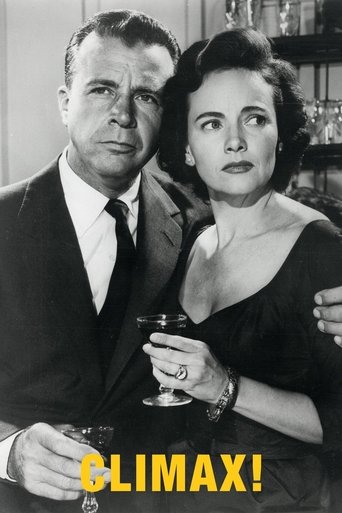
3.8Climax! is an American anthology series that aired on CBS from 1954 to 1958. The series was hosted by William Lundigan and later co-hosted by Mary Costa. It was one of the few CBS programs of that era to be broadcast in color. Many of the episodes were performed and broadcast live.
Climax!
1954
 6.4
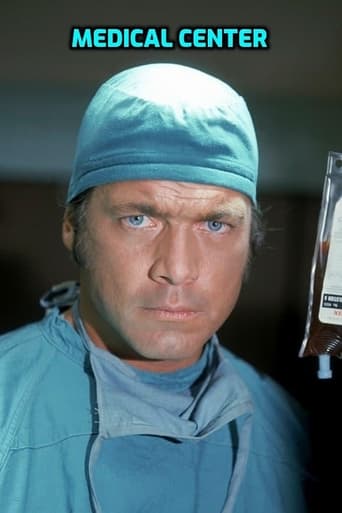
6.4Medical Center is a medical drama series which aired on CBS from 1969 to 1976. It was produced by MGM Television.
Medical Center
1969
 6.6
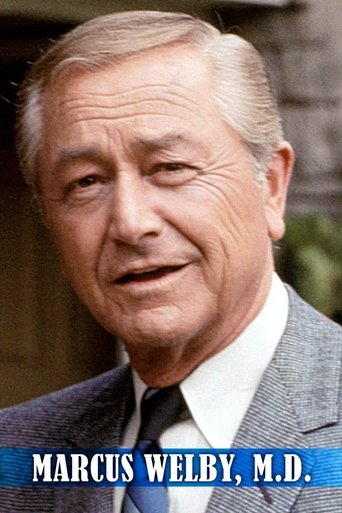
6.6Marcus Welby, M.D. is an American medical drama television program that aired on ABC from September 23, 1969, to July 29, 1976. It starred Robert Young as a family practitioner with a kind bedside manner and James Brolin as the younger doctor he often worked with, and was produced by David Victor and David J. O'Connell. The pilot, A Matter of Humanities, had aired as an ABC Movie of the Week on March 26, 1969.
Marcus Welby, M.D.
1969
 6.7
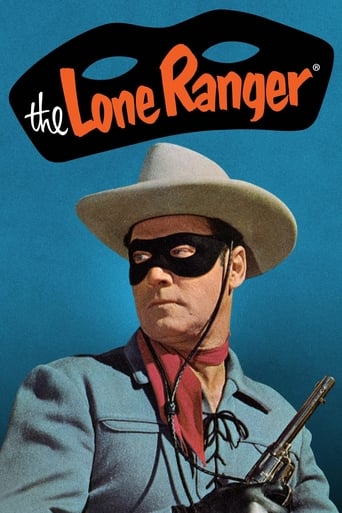
6.7The Lone Ranger is an American western television series that ran from 1949 to 1957, starring Clayton Moore with Jay Silverheels as Tonto. The live-action series initially featured Gerald Mohr as the episode narrator. Fred Foy served as both narrator and announcer of the radio series from 1948 to its finish and became announcer of the television version when story narration was dropped there. This was by far the highest-rated television program on the ABC network in the early 1950s and its first true "hit".
The Lone Ranger
1949
 6.6
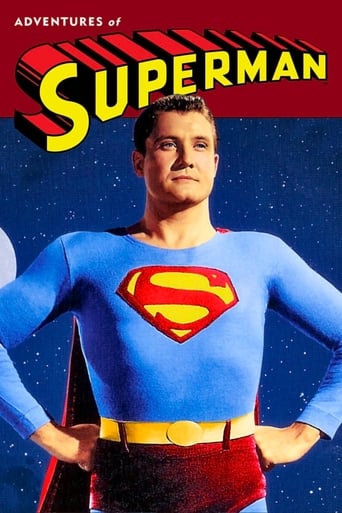
6.6It's a bird! It's a plane! It's a syndicated TV adaptation of the beloved DC Comics superhero! You know the drill: When he isn't fighting for truth, justice and the American way, the man in tights dons a suit and glasses for his secret identity as Daily Planet newspaper reporter Clark Kent, who works alongside friends Lois Lane and Jimmy Olsen for gruff boss Perry White.
Adventures of Superman
1952
 7.8
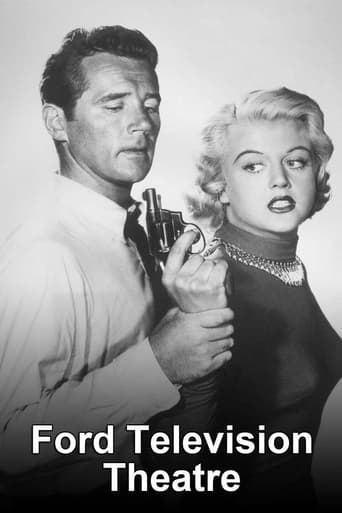
7.8This show started in New York City, with Broadway actors and actresses. It then moved to Hollywood, California, where Hollywood actors and actresses headed the cast.
The Ford Television Theatre
1952
 7.5
7.5Studio 57 is an American anthology series that was broadcast on the now-defunct DuMont Television Network from September 1954 to September 1955, and in syndication from 1955 to 1956.
Studio 57
1954
 6.5
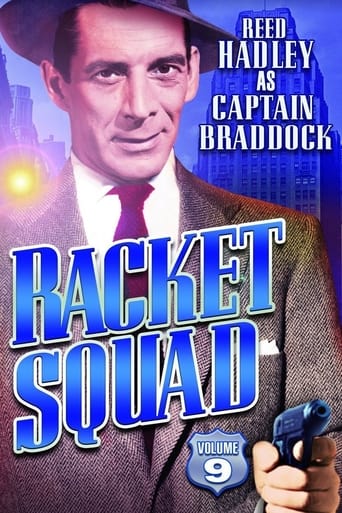
6.5Racket Squad is an American TV crime drama series starring Reed Hadley as Captain John Braddock, a fictional detective working for the San Francisco, California Police Department. The show aired in syndication for a season before being picked up by CBS for three seasons. The series was filmed at Hal Roach Studios in Culver City, California, and was sponsored by cigarette manufacturer Philip Morris, hence there was a pack of the sponsor's brand on Braddock's desk at the beginning and end of the episode, as well as occasional scenes of him or other characters "lighting up".
Racket Squad
1951
 6.7
6.7Lux Video Theatre is an American anthology series that was produced from 1950 until 1959. The series presented both comedy and drama in original teleplays, as well as abridged adaptations of films and plays.
Lux Video Theatre
1950
 6.2
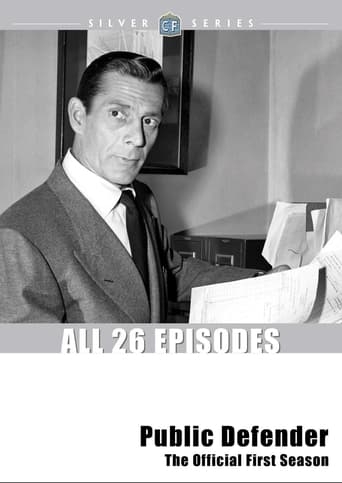
6.2The Public Defender is a half-hour 69-episode television dramatic series starring Reed Hadley as Bart Matthews, an attorney for the indigent. The series aired on CBS from March 11, 1954 to June 23, 1955, a season and a half.
Public Defender
1954
6.2The Public Defender is a half-hour 69-episode television dramatic series starring Reed Hadley as Bart Matthews, an attorney for the indigent. The series aired on CBS from March 11, 1954 to June 23, 1955, a season and a half.
Public Defender
1954
6.2The Public Defender is a half-hour 69-episode television dramatic series starring Reed Hadley as Bart Matthews, an attorney for the indigent. The series aired on CBS from March 11, 1954 to June 23, 1955, a season and a half.
Public Defender
1954
 4.6
4.6Cavalcade of America is an anthology drama series that was sponsored by the DuPont Company, although it occasionally presented a musical, such as an adaptation of Show Boat, and condensed biographies of popular composers. It was initially broadcast on radio from 1935 to 1953, and later on television from 1952 to 1957. Originally on CBS, the series pioneered the use of anthology drama for company audio advertising. Cavalcade of America documented historical events using stories of individual courage, initiative and achievement, often with feel-good dramatizations of the human spirit's triumph against all odds. This was consistent with DuPont's overall conservative philosophy and legacy as an American company dating back to 1802. The company's motto, "Maker of better things for better living through chemistry," was read at the beginning of each program, and the dramas emphasized humanitarian progress, particularly improvements in the lives of women, often through technological innovation.
Cavalcade of America
1952
4.6Cavalcade of America is an anthology drama series that was sponsored by the DuPont Company, although it occasionally presented a musical, such as an adaptation of Show Boat, and condensed biographies of popular composers. It was initially broadcast on radio from 1935 to 1953, and later on television from 1952 to 1957. Originally on CBS, the series pioneered the use of anthology drama for company audio advertising. Cavalcade of America documented historical events using stories of individual courage, initiative and achievement, often with feel-good dramatizations of the human spirit's triumph against all odds. This was consistent with DuPont's overall conservative philosophy and legacy as an American company dating back to 1802. The company's motto, "Maker of better things for better living through chemistry," was read at the beginning of each program, and the dramas emphasized humanitarian progress, particularly improvements in the lives of women, often through technological innovation.
Cavalcade of America
1952
4.6Cavalcade of America is an anthology drama series that was sponsored by the DuPont Company, although it occasionally presented a musical, such as an adaptation of Show Boat, and condensed biographies of popular composers. It was initially broadcast on radio from 1935 to 1953, and later on television from 1952 to 1957. Originally on CBS, the series pioneered the use of anthology drama for company audio advertising. Cavalcade of America documented historical events using stories of individual courage, initiative and achievement, often with feel-good dramatizations of the human spirit's triumph against all odds. This was consistent with DuPont's overall conservative philosophy and legacy as an American company dating back to 1802. The company's motto, "Maker of better things for better living through chemistry," was read at the beginning of each program, and the dramas emphasized humanitarian progress, particularly improvements in the lives of women, often through technological innovation.
Cavalcade of America
1952
The George Gobel Show is an American television series hosted George Gobel that aired on NBC from 1954 to 1960.
The George Gobel Show
1954
 6.1
6.1Topper is an American fantasy sitcom based on the 1937 film of the same name. The series was broadcast on CBS from October 9, 1953 to July 15, 1955, and stars Leo G. Carroll in the title role.
Topper
1953
 5.3
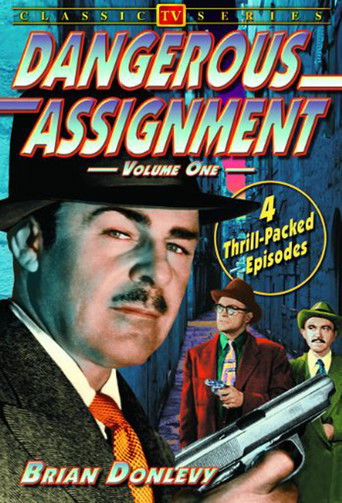
5.3A U.S. government agent travels the world on undercover missions in this 1950s series. Star Brian Donlevy originated the role on radio in the '40s.
Dangerous Assignment
1952
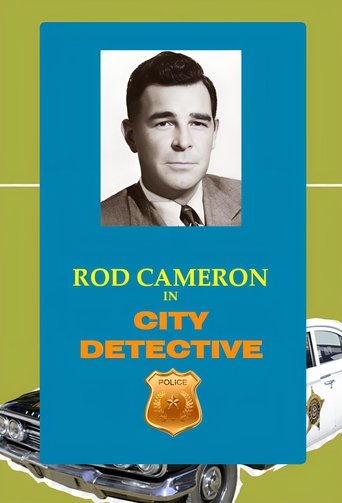 7.5
7.5Crime drama starring Rod Cameron as 43-year-old Bart Grant, a tough 1950s New York City police lieutenant.
City Detective
1953
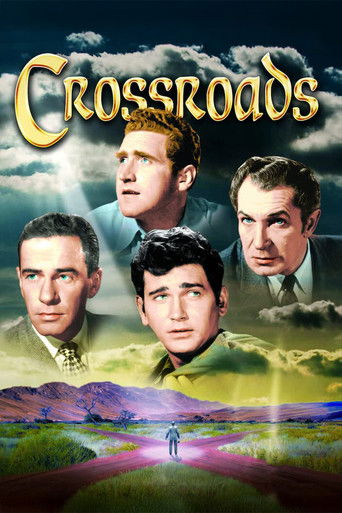 6.8
6.8An anthology series based on the activities of clergymen from different denominations.
Crossroads
1955
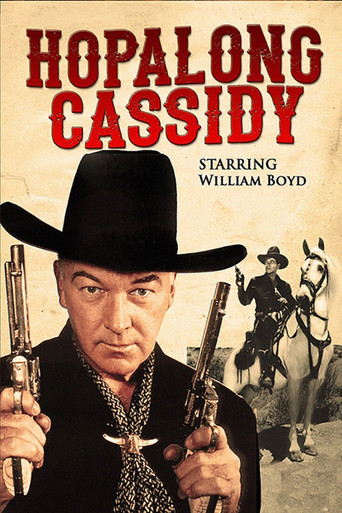 5.3
5.3Hopalong Cassidy was television's first western program. The series aired on NBC and stared William Boyd as the cowboy Hopalong Cassidy.
Hopalong Cassidy
1952
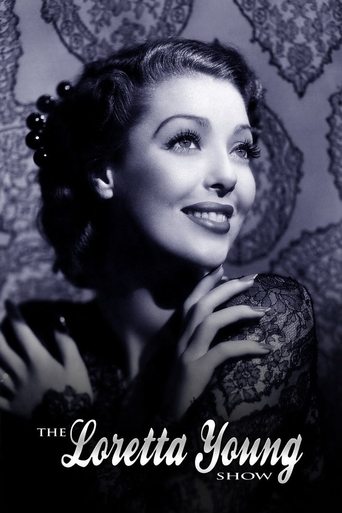 6.6
6.6Letter to Loretta is an American anthology drama series telecast on NBC from September 1953 to June 1961 for a total of 165 episodes. The filmed show was hosted by Loretta Young who also played the lead in various episodes. Letter to Loretta was sponsored by Procter & Gamble from 1953 through 1960. The final season's sponsor was Warner-Lambert's Listerine.
Letter to Loretta
1953
6.6Letter to Loretta is an American anthology drama series telecast on NBC from September 1953 to June 1961 for a total of 165 episodes. The filmed show was hosted by Loretta Young who also played the lead in various episodes. Letter to Loretta was sponsored by Procter & Gamble from 1953 through 1960. The final season's sponsor was Warner-Lambert's Listerine.
Letter to Loretta
1953
6.6Letter to Loretta is an American anthology drama series telecast on NBC from September 1953 to June 1961 for a total of 165 episodes. The filmed show was hosted by Loretta Young who also played the lead in various episodes. Letter to Loretta was sponsored by Procter & Gamble from 1953 through 1960. The final season's sponsor was Warner-Lambert's Listerine.
Letter to Loretta
1953