

Directing
Harald Braun
Born — Died
1901-04-26 — 1960-09-24
Place of birth
Berlin, Germany
Known for
Directing
Credits
42 titles
Known for
 9.0
9.0The Bambi, often called the Bambi Award and stylised as BAMBI, is a German award presented annually by Hubert Burda Media to recognize excellence in international media and television to personalities in the media, arts, culture, sports, and other fields "with vision and creativity who affected and inspired the German public that year", both domestic and foreign. First held in 1948, it is the oldest media award in Germany. The trophy is named after Felix Salten's book Bambi, A Life in the Woods and its statuettes are in the shape of the novel's titular fawn character. They were originally made of porcelain until 1958, when the organizers switched to using gold, with the casting done by the art casting workshop of Ernst Strassacker in Süßen.
Bambi
1948
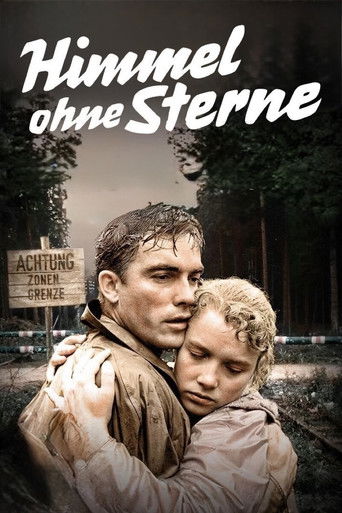 6.9
6.9Anna is a factory worker in East Germany, but her five-year-old son Jochen lives with his grandparents in the West. Anna wants him to live with her, so she abducts him. Along the way she meets Carl, who helps her cross the border, and they fall in love.
Sky Without Stars
1955
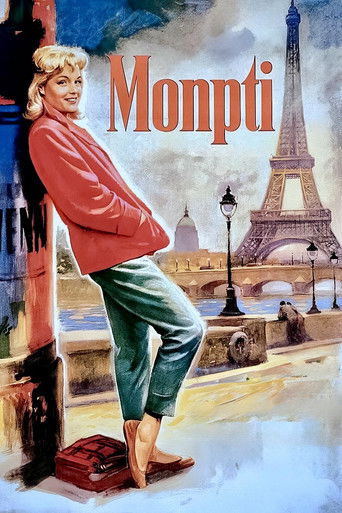 5.9
5.9A poor Hungarian artist falls in love with a wealthy mysterious Parisian girl.
Monpti
1957
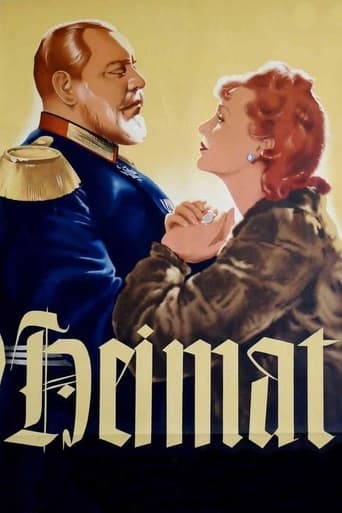 7.5
7.5In 1885, famous New York Metropolitan Opera singer Maddalena dall' Orto is scheduled to perform at a festival in the German residence of Ilmingen. It soon becomes obvious that she is non other than Magda von Schwartze, who left the town eight years ago against her father's wishes to become a singer.
Homeland
1938
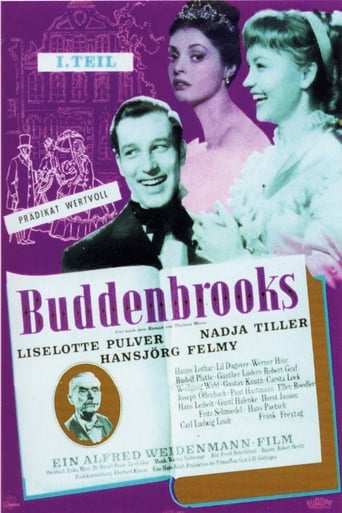 5.8
5.8First part of two of the saga of the troubled Buddenbrook family and their business in mid 19th century Germany.
Buddenbrooks - 1. Teil
1959
 6.9
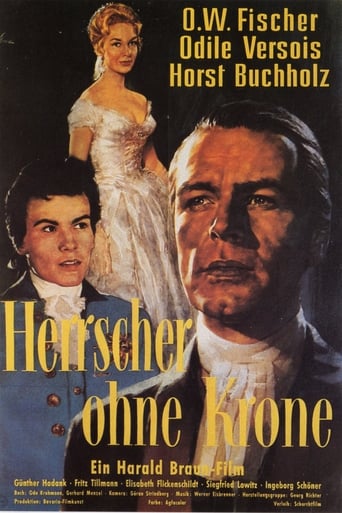
6.9The film portrays the interaction of Johann Friedrich Struensee, a doctor treating the mentally ill Christian VII of Denmark, and his English consort Caroline Matilda.
King in Shadow
1957
Series credits
9.0The Bambi, often called the Bambi Award and stylised as BAMBI, is a German award presented annually by Hubert Burda Media to recognize excellence in international media and television to personalities in the media, arts, culture, sports, and other fields "with vision and creativity who affected and inspired the German public that year", both domestic and foreign. First held in 1948, it is the oldest media award in Germany. The trophy is named after Felix Salten's book Bambi, A Life in the Woods and its statuettes are in the shape of the novel's titular fawn character. They were originally made of porcelain until 1958, when the organizers switched to using gold, with the casting done by the art casting workshop of Ernst Strassacker in Süßen.
Bambi
1948
9.0The Bambi, often called the Bambi Award and stylised as BAMBI, is a German award presented annually by Hubert Burda Media to recognize excellence in international media and television to personalities in the media, arts, culture, sports, and other fields "with vision and creativity who affected and inspired the German public that year", both domestic and foreign. First held in 1948, it is the oldest media award in Germany. The trophy is named after Felix Salten's book Bambi, A Life in the Woods and its statuettes are in the shape of the novel's titular fawn character. They were originally made of porcelain until 1958, when the organizers switched to using gold, with the casting done by the art casting workshop of Ernst Strassacker in Süßen.
Bambi
1948
Behind the camera
6.9Anna is a factory worker in East Germany, but her five-year-old son Jochen lives with his grandparents in the West. Anna wants him to live with her, so she abducts him. Along the way she meets Carl, who helps her cross the border, and they fall in love.
Sky Without Stars
1955
5.9A poor Hungarian artist falls in love with a wealthy mysterious Parisian girl.
Monpti
1957
7.5In 1885, famous New York Metropolitan Opera singer Maddalena dall' Orto is scheduled to perform at a festival in the German residence of Ilmingen. It soon becomes obvious that she is non other than Magda von Schwartze, who left the town eight years ago against her father's wishes to become a singer.
Homeland
1938
5.8First part of two of the saga of the troubled Buddenbrook family and their business in mid 19th century Germany.
Buddenbrooks - 1. Teil
1959
6.9The film portrays the interaction of Johann Friedrich Struensee, a doctor treating the mentally ill Christian VII of Denmark, and his English consort Caroline Matilda.
King in Shadow
1957
6.9The film portrays the interaction of Johann Friedrich Struensee, a doctor treating the mentally ill Christian VII of Denmark, and his English consort Caroline Matilda.
King in Shadow
1957
6.9The film portrays the interaction of Johann Friedrich Struensee, a doctor treating the mentally ill Christian VII of Denmark, and his English consort Caroline Matilda.
King in Shadow
1957
 6.7
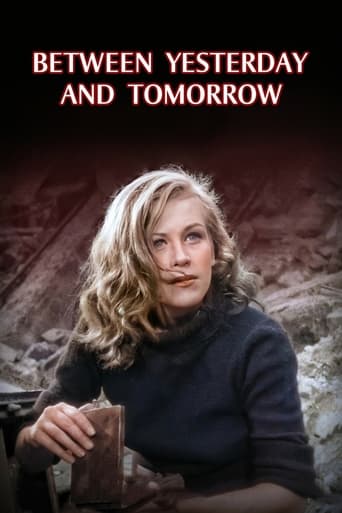
6.7A group of people gathers back in the post-war ruins of a luxurious Munich hotel they inhabited at one point or another years before; each trying to cope with the tragic consequences of the war and their own actions.
Between Yesterday and Tomorrow
1947
6.7A group of people gathers back in the post-war ruins of a luxurious Munich hotel they inhabited at one point or another years before; each trying to cope with the tragic consequences of the war and their own actions.
Between Yesterday and Tomorrow
1947
 8.0
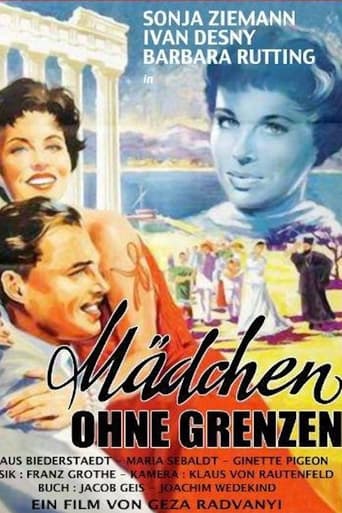
8.0Helga, a stewardess, meet a passenger, Eric, during a flight to Athens. They fall in love, but he is married. Later Helga is involved in a flight crash. One of the severely injured passengers is Eric's wife Maria.
Mädchen ohne Grenzen
1955
 6.8
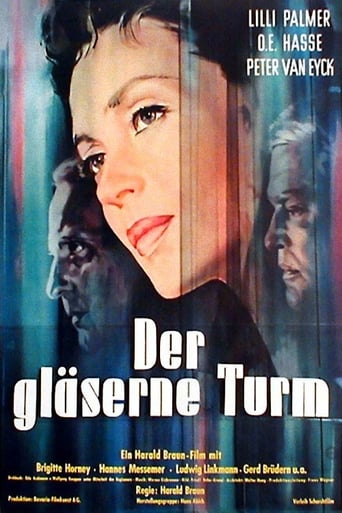
6.8Katja Fleming has given up her job as an actress and married the business man Robert Fleming. But the cold that surrounds her in her modern, luxurious high-rise makes her lonely. Then she meets the author John Lawrence, who wants to convince her to perform in his new play.
The Glass Tower
1957
6.8Katja Fleming has given up her job as an actress and married the business man Robert Fleming. But the cold that surrounds her in her modern, luxurious high-rise makes her lonely. Then she meets the author John Lawrence, who wants to convince her to perform in his new play.
The Glass Tower
1957
No synopsis available yet.
Eurydice
1957
In a town in Connetticut in 1906, newspaper publisher Miller has problems with his sixteen-year-old son Richard, who reads Wilde, Shaw, Swinburne and Ibsen. Richard loves the neighbor's daughter with touching naivety, which the neighbor finds sinful. The problems of puberty are solved idyllically with a great deal of understanding and bourgeoisie. The everyday life of an average family with small disasters and small victories oscillates between heart and sentimentality and the wilderness of awakening love is nothing more than a teasing maze.
O Wildnis
1959
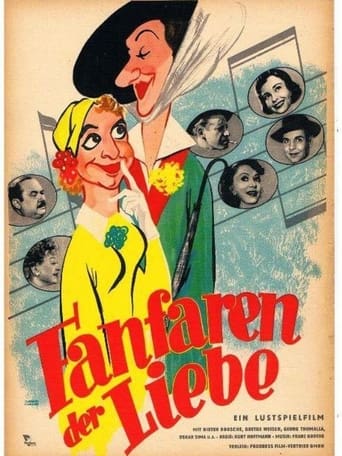 5.0
5.0Two out of work musicians put on drag to get work in an all girl band. Inevitable comical romantic complications ensue.
Fanfares of Love
1951
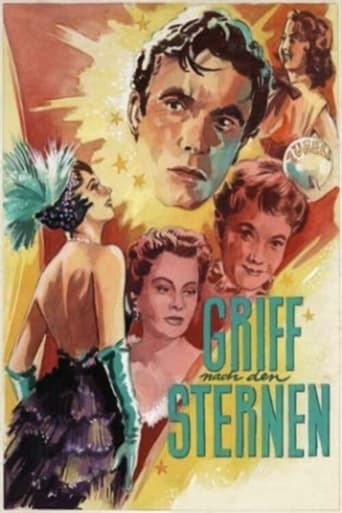 9.0
9.0No synopsis available yet.
Reaching for the Stars
1955
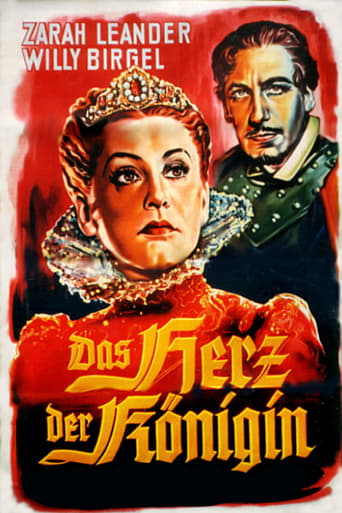 6.3
6.3As the title "The Queen's Heart" suggests, this early German black and white version of Mary Queen of Scott's eventful reign and death focuses on her emotional perception rather lyrically, with some songs, mainly by her.
The Heart of a Queen
1940
Xanten am Rhein, 1870/1871. Roffer Rottwinkel has two sons. His favorite is Mathias, whom he prefers to Lonius, a quiet and introspective man. Lonius, for his part, is shyly revering Christine ... and his brother's in love with her, too. For this reason, the father sends Lonius away, to fight in the Franco-Prussian War, which turns the introverted boy into a brave and strong man. Highly decorated, he returns home. In the meantime, his brother Mathias and Christine are unhappily married. Mathias is slipping more and more and finally becomes a con man. As Lonius is still very much in love with Christine, he wishes to save his father's business from ruin and rebels against his brother, who now goes to extremes.
Between Heaven and Earth
1942
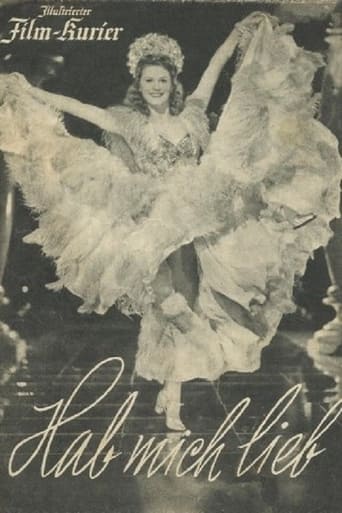 7.5
7.5A showgirl aspiring to greater things endeavours to sort out her financial and romantic problems.
Make Love to Me
1942
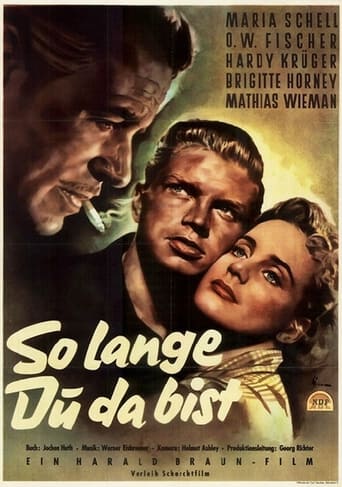 5.4
5.4An actress used to playing only bit parts becomes the center of attention when a movie director buys her life story as a film project, she is now faced with a psychological crisis.
As Long as You're Near Me
1953
5.4An actress used to playing only bit parts becomes the center of attention when a movie director buys her life story as a film project, she is now faced with a psychological crisis.
As Long as You're Near Me
1953
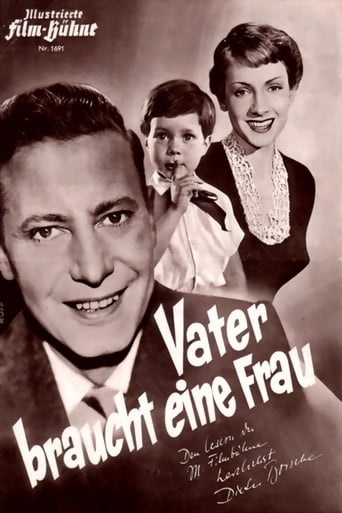 6.8
6.8A widowed father advertises for a new maid, but his children secretly seek a woman to be his new wife.
Father Needs a Wife
1952
6.8A widowed father advertises for a new maid, but his children secretly seek a woman to be his new wife.
Father Needs a Wife
1952
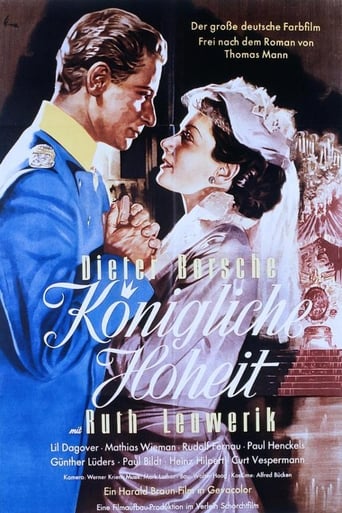 8.0
8.0An American heiress in Europe falls in love with a German prince, but he is required to marry someone else for reasons of state convenience.
Königliche Hoheit
1953
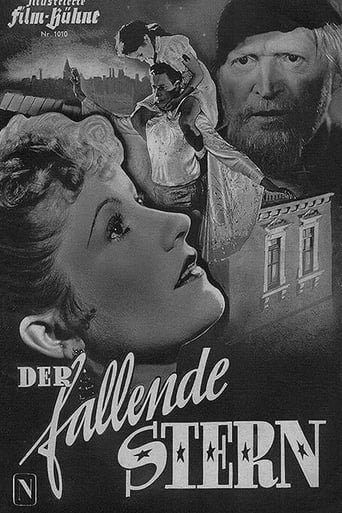 9.0
9.0A woman with a troubled past connects with two refugees while working at a homeless camp after World War II.
The Fallen Star
1950
 10.0
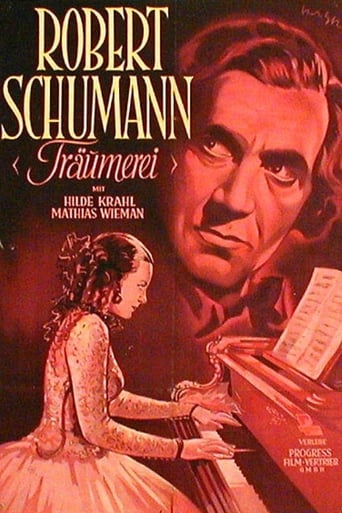
10.0A musical film based on biographical facts about Clara Wieck's love for composer Robert Schumann (1810-1856), her marriage against her will, Schumann's triumph, and his tragic end due to mental illness. The film is beautiful and entertaining, full of noble spirit and beautiful words about art and love, which only conflict in a theoretical context; not least thanks to its solid cast, this film is quite serious and far from kitsch. Completed in 1944, during World War II, the film was rejected by the Nazi leadership, but was eventually released and enjoyed success with an audience already weary of war.
Träumerei
1944
10.0A musical film based on biographical facts about Clara Wieck's love for composer Robert Schumann (1810-1856), her marriage against her will, Schumann's triumph, and his tragic end due to mental illness. The film is beautiful and entertaining, full of noble spirit and beautiful words about art and love, which only conflict in a theoretical context; not least thanks to its solid cast, this film is quite serious and far from kitsch. Completed in 1944, during World War II, the film was rejected by the Nazi leadership, but was eventually released and enjoyed success with an audience already weary of war.
Träumerei
1944
 5.8
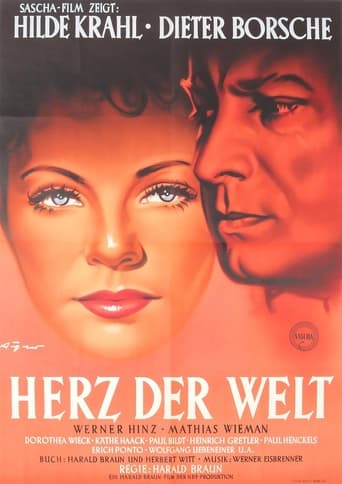
5.8Directed by Harald Braun and told from the perspective of Bertha von Suttner, the first female to receive the Nobel Peace Prize, The Alfred Nobel Story - No Greater Love chronicles the life of scientist, inventor, and businessman Alfred Nobel. Nobel built a massive fortune throughout his life, and while much if it was amassed by his inventions--dynamite being perhaps the most notable--he was also revered for his discoveries within the fields of science and economics. Upon his death, Nobel decided that his fortune was simply too great to continue in the form of an inheritance or single charitable donation, opting instead to use the money as reward for the greatest contributors to physics, chemistry, medicine, literature, and, of course, peace.
No Greater Love
1952
5.8Directed by Harald Braun and told from the perspective of Bertha von Suttner, the first female to receive the Nobel Peace Prize, The Alfred Nobel Story - No Greater Love chronicles the life of scientist, inventor, and businessman Alfred Nobel. Nobel built a massive fortune throughout his life, and while much if it was amassed by his inventions--dynamite being perhaps the most notable--he was also revered for his discoveries within the fields of science and economics. Upon his death, Nobel decided that his fortune was simply too great to continue in the form of an inheritance or single charitable donation, opting instead to use the money as reward for the greatest contributors to physics, chemistry, medicine, literature, and, of course, peace.
No Greater Love
1952
5.8Directed by Harald Braun and told from the perspective of Bertha von Suttner, the first female to receive the Nobel Peace Prize, The Alfred Nobel Story - No Greater Love chronicles the life of scientist, inventor, and businessman Alfred Nobel. Nobel built a massive fortune throughout his life, and while much if it was amassed by his inventions--dynamite being perhaps the most notable--he was also revered for his discoveries within the fields of science and economics. Upon his death, Nobel decided that his fortune was simply too great to continue in the form of an inheritance or single charitable donation, opting instead to use the money as reward for the greatest contributors to physics, chemistry, medicine, literature, and, of course, peace.
No Greater Love
1952
 5.2
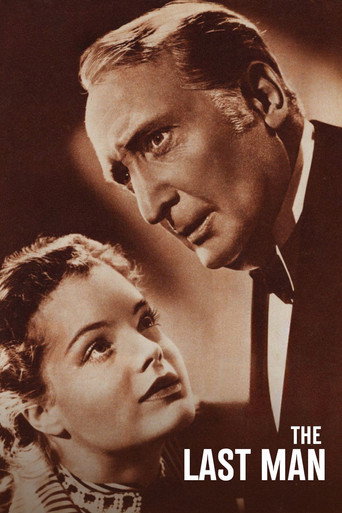
5.2Old Karl Knesebeck has long been head waiter and rules his waiters with an iron fist at the hotel. When the business passes into the hands of the heirs after the owner's death, he's in a difficult position. The unscrupulous Alwin makes advances toward Niddy, the owner's daughter, whose well-being Knesebeck watches over like a father. Alwin demotes the old man to toilet attendant – a tragedy that Knesebeck tries to salvage, especially since Niddy is about to marry Alwin and another man would actually be better for her...
The Last Man
1955
 7.5
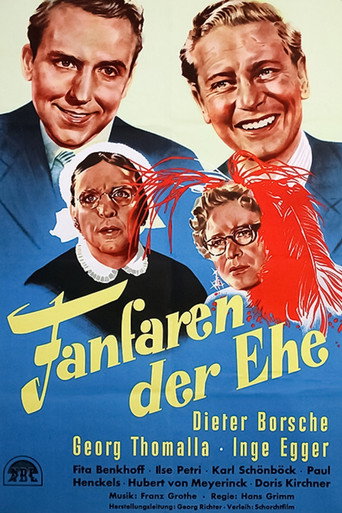
7.5Two married women musicians get work on a cruise ship; their husbands dress as women to be able to join them.
Fanfaren der Ehe
1953
 6.3
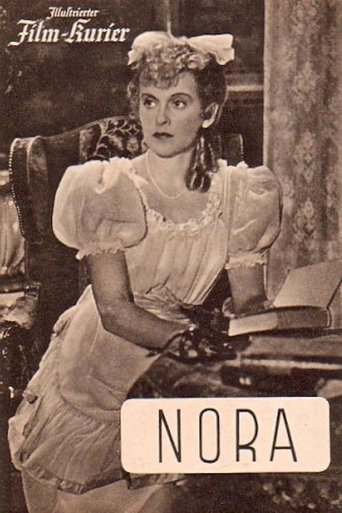
6.3The film is an adaptation of Henrik Ibsen's play A Doll's House. The film uses Ibsen's alternate ending where the unhappy couple are reconciled at the end
Nora
1944
6.3The film is an adaptation of Henrik Ibsen's play A Doll's House. The film uses Ibsen's alternate ending where the unhappy couple are reconciled at the end
Nora
1944
No synopsis available yet.
Kabale und Liebe
1959
This is a German version of Thornton Wilder's play, Our Town.
Unsere kleine Stadt
1954
 8.0
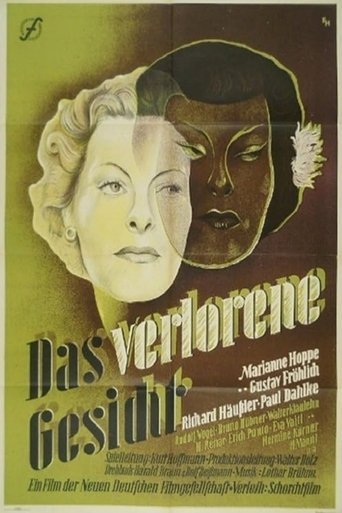
8.0A clearly confused girl is found wandering around Stuttgart and can't be understood, because she's speaking in a foreign language. The police take her to some doctors, who eventually believe they're dealing with a Tibetan. Doctor von Aldenhoff takes the stranger in and begins to educate her according to western European standards. In her new home, the girl, Luscha, gets to know Robert Lorm, a rather well-travelled man, and falls in love with him. Eventually, she decides quite unilaterally that they're going to build a new home and life together. A plaster of paris mask of the girl's face is made for the doctors to keep as a remembrance of Luscha. But as soon as the mold is removed from her face, she suddenly seems to become an entirely different woman.
The Lost Face
1948
An aging Southern Belle complicates life for her ambitious son and crippled daughter because of her own warped views of what life should be.
The Glass Menagerie
1958
 6.0
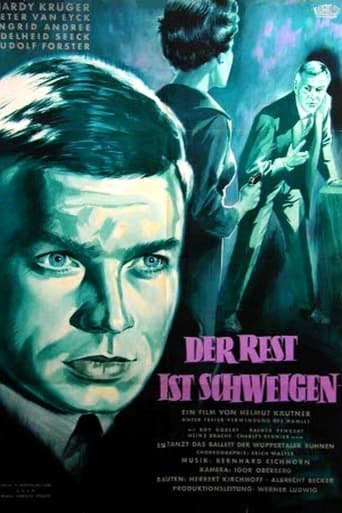
6.0A "mufti" version of Hamlet, with young Hardy Krüger trying to prove that his uncle has killed his father. Direct references to the Shakespeare original abound, right down to the re-enactment of the crime for the benefit of the Uncle and the periodic appearances of the ghost of the hero's father.'
The Rest Is Silence
1959
 10.0
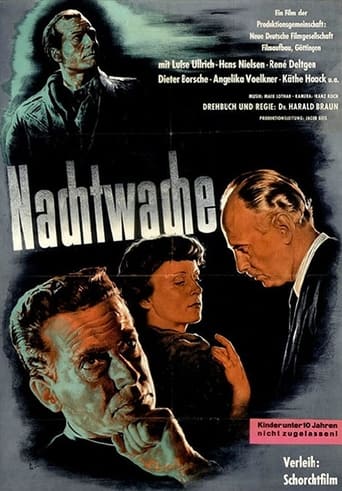
10.0In a hospital, the Protestant pastor Heger and the Catholic chaplain von Imhoff are responsible for pastoral care. Cornelie, a senior doctor, has lost her faith in God after the death of her daughter in the war. One day, Cornelie's former lover and father of her deceased daughter, the actor Gorgas, turns up to visit his friend von Imhoff. During these days, Gorgas invites Heger's ten-year-old daughter to visit him at the fairground, where she has a fatal accident on the swing boat. Hegers seems to be broken by this stroke of fate, but finds support in von Imhoff, who even gives him the strength to stop Gorgas from committing suicide. Cornelie regains her faith and stays with Heger.
Nachtwache
1949