
Production
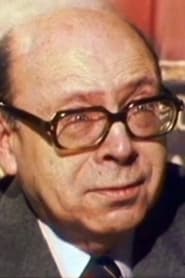
Georges de Beauregard
Born — Died
1920-12-23 — 1984-09-10
Place of birth
Marseille, Bouches-du-Rhône, France
Known for
Production
Credits
38 titles
Georges de Beauregard (23 December 1920 Marseille – 10 September 1984 Paris) was a French film producer who produced works by many of the French New Wave directors. In 1968, he was a member of the jury at the 18th Berlin International Film Festival. In 1983 he was awarded a Special César Award, the French national film prize. The second place prize at the annual FIDMarseille film festival is named for de Beauregard. Source: Article "Georges de Beauregard" from Wikipedia in English, licensed under CC-BY-SA.
Known for
 7.5
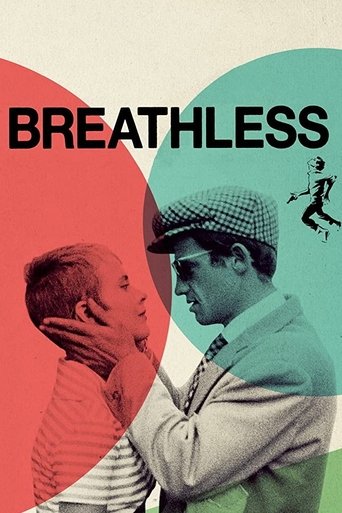
7.5A small-time thief steals a car and impulsively murders a motorcycle policeman. Wanted by the authorities, he attempts to persuade a girl to run away to Italy with him.
Breathless
1960
 7.7
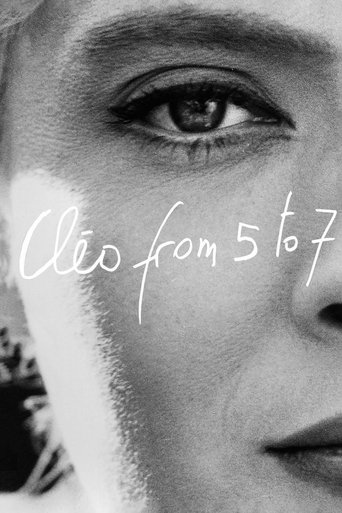
7.7Agnès Varda eloquently captures Paris in the sixties with this real-time portrait of a singer set adrift in the city as she awaits test results of a biopsy. A chronicle of the minutes of one woman’s life, Cléo from 5 to 7 is a spirited mix of vivid vérité and melodrama, featuring a score by Michel Legrand and cameos by Jean-Luc Godard and Anna Karina.
Cléo from 5 to 7
1962
 7.0
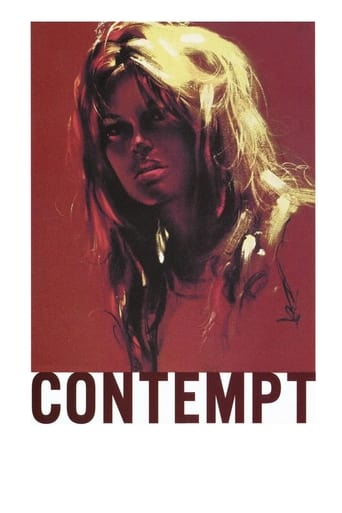
7.0Art film producer Jeremy Prokosch, unhappy with the work of his director, hires Fritz Lang (as himself) to direct an adaptation of The Odyssey, but when it seems that the legendary filmmaker is making a picture destined to bomb, he brings in a screenwriter to energise the script. The professional intersects with the personal when a rift develops between the writer and his wife.
Contempt
1963
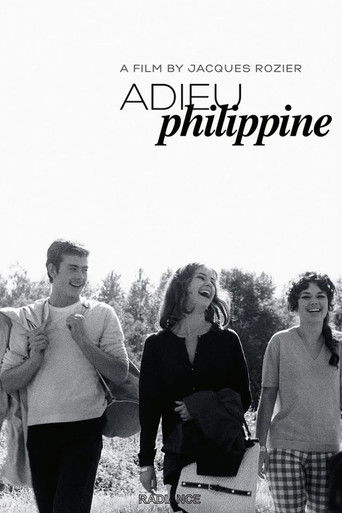 6.8
6.8Michel is a young technician in the fledgling TV industry and is due for military service in two months at the time of the Algerian War. Juliette and Liliane are inseparable best friends, and aspiring actresses, who hang around outside the TV studio. Michel invites them in to watch, flirts with them both, and dates them separately and together. When Michel goes on a holiday to Corsica, just before he is drafted, the girls follow.
Adieu Philippine
1962
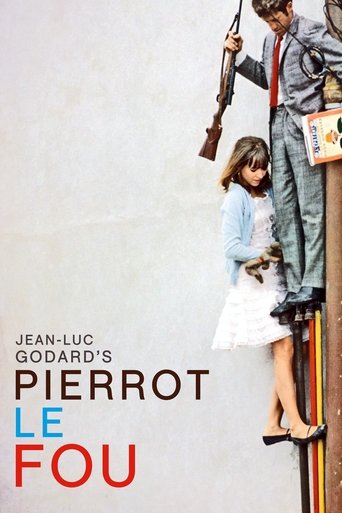 7.3
7.3Pierrot escapes his boring society and travels from Paris to the Mediterranean Sea with Marianne, a girl chased by hit-men from Algeria. They lead an unorthodox life, always on the run.
Pierrot le Fou
1965
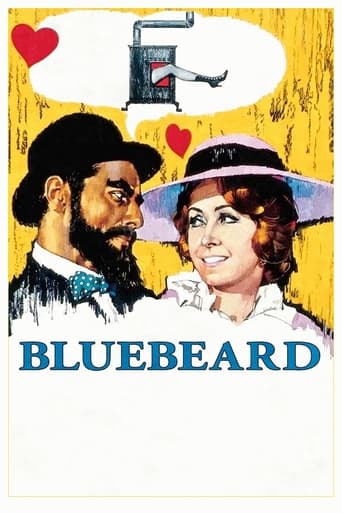 6.4
6.4Paris, France, during the First World War. While thousands of soldiers die every day on the battlefields, Henri Landru, a seemingly respectable furniture dealer, married and father of four children, relentlessly feeds his own sinister factory of death.
Bluebeard
1963
Film credits
1960s · 3 titles
7.7Agnès Varda eloquently captures Paris in the sixties with this real-time portrait of a singer set adrift in the city as she awaits test results of a biopsy. A chronicle of the minutes of one woman’s life, Cléo from 5 to 7 is a spirited mix of vivid vérité and melodrama, featuring a score by Michel Legrand and cameos by Jean-Luc Godard and Anna Karina.
Cléo from 5 to 7
1962
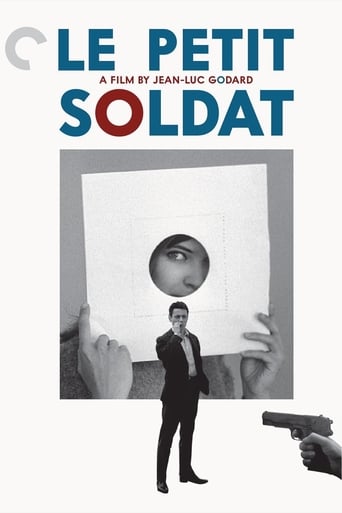 6.9
6.9Despite his lack of political convictions, photojournalist Bruno Forestier is roped into a paramilitary group waging a shadow war in Geneva against the Algerian independence movement.
Le Petit Soldat
1963
 6.5
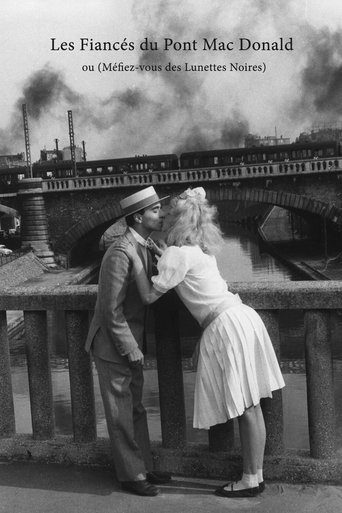
6.5A subtitle warns, "beware of dark sunglasses." Anna and her lover, whose looks in bowler and bow tie are reminiscent of a young Buster Keaton, kiss chastely on a bridge overlooking the Seine. He dons sunglasses and waves as she runs down a stairway to the river's edge, then watches in horror as she's knocked flat and loaded into the back of a hearse. In vain, he gives chase. Disconsolate, he buys a large funeral wreath and a handkerchief from sympathetic vendors. He removes the glasses to wipe his eyes and realizes they are the cause of all his woe. He replays the farewell without the glasses.
Fiancés on the Bridge
1962
Behind the camera
7.5A small-time thief steals a car and impulsively murders a motorcycle policeman. Wanted by the authorities, he attempts to persuade a girl to run away to Italy with him.
Breathless
1960
7.7Agnès Varda eloquently captures Paris in the sixties with this real-time portrait of a singer set adrift in the city as she awaits test results of a biopsy. A chronicle of the minutes of one woman’s life, Cléo from 5 to 7 is a spirited mix of vivid vérité and melodrama, featuring a score by Michel Legrand and cameos by Jean-Luc Godard and Anna Karina.
Cléo from 5 to 7
1962
7.0Art film producer Jeremy Prokosch, unhappy with the work of his director, hires Fritz Lang (as himself) to direct an adaptation of The Odyssey, but when it seems that the legendary filmmaker is making a picture destined to bomb, he brings in a screenwriter to energise the script. The professional intersects with the personal when a rift develops between the writer and his wife.
Contempt
1963
6.8Michel is a young technician in the fledgling TV industry and is due for military service in two months at the time of the Algerian War. Juliette and Liliane are inseparable best friends, and aspiring actresses, who hang around outside the TV studio. Michel invites them in to watch, flirts with them both, and dates them separately and together. When Michel goes on a holiday to Corsica, just before he is drafted, the girls follow.
Adieu Philippine
1962
7.3Pierrot escapes his boring society and travels from Paris to the Mediterranean Sea with Marianne, a girl chased by hit-men from Algeria. They lead an unorthodox life, always on the run.
Pierrot le Fou
1965
6.4Paris, France, during the First World War. While thousands of soldiers die every day on the battlefields, Henri Landru, a seemingly respectable furniture dealer, married and father of four children, relentlessly feeds his own sinister factory of death.
Bluebeard
1963
 7.3
7.3Longing for a baby, a stripper pursues another man in order to make her boyfriend jealous.
A Woman Is a Woman
1961
 7.1
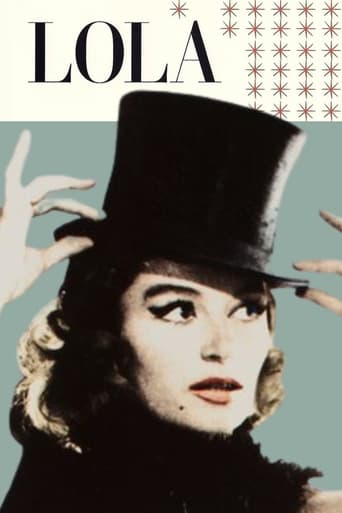
7.1A bored young man meets with his former girlfriend, now a cabaret dancer and single mother, and soon finds himself falling back in love with her.
Lola
1961
 7.1
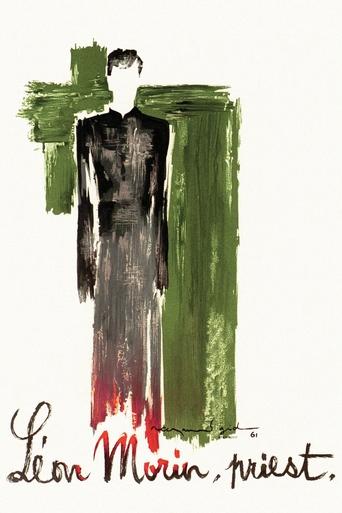
7.1Barny, although a Marxist, is intrigued by the mysteries of religion. In confession, she teases a priest, Léon Morin, but he is a young and intelligent man and ready to discuss anything.
Léon Morin, Priest
1961
 5.2
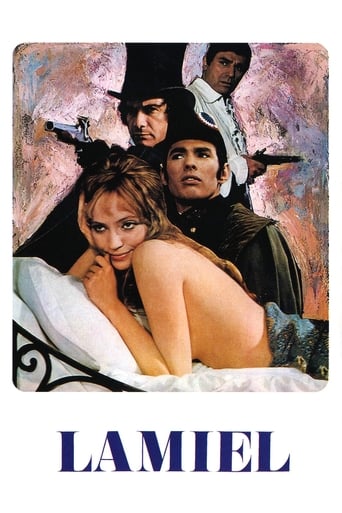
5.2Lamiel is a poor orphan girl who climbs to the social elite in this 19th-century costume drama. Sansfin, provincial doctor, lives vicariously through her, as he oversees the progress of his female protégé. Defiant and rebellious, Lamiel goes to Paris to escape boredom and to know love.
Lamiel
1967
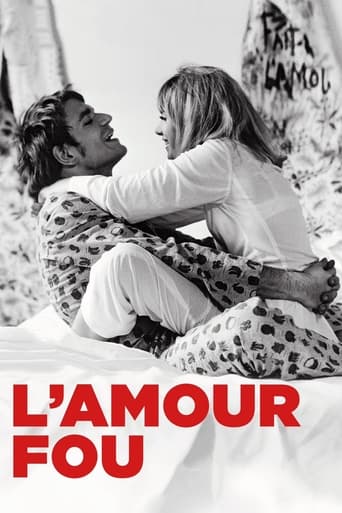 6.5
6.5A troubled marriage is tested by the couple's involvement in a theatrical production of Racine’s Andromaque.
L'Amour fou
1969
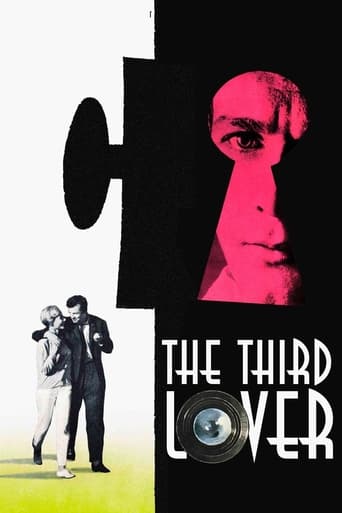 6.4
6.4On a work assignment in Germany, failed journalist Albin crosses paths with Andreas, a successful writer, and his wife Hélène, who quickly becomes the apple of Albin’s eye. While Andreas is off on a business trip, Albin tries to seduce Hélèn and, eventually, take over Andreas’ life.
The Third Lover
1962
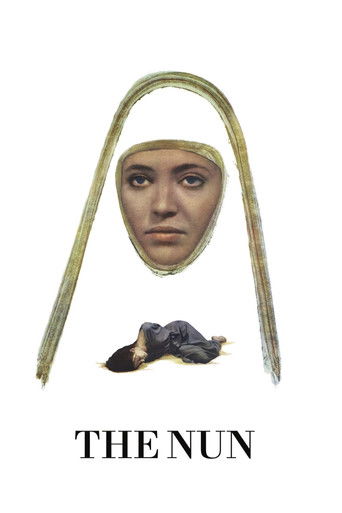 7.2
7.2In eighteenth-century France, a girl is forced against her will to take vows as a nun. Three mothers superior treat her in radically different ways, ranging from maternal concern, to sadistic persecution, to lesbian desire.
The Nun
1967
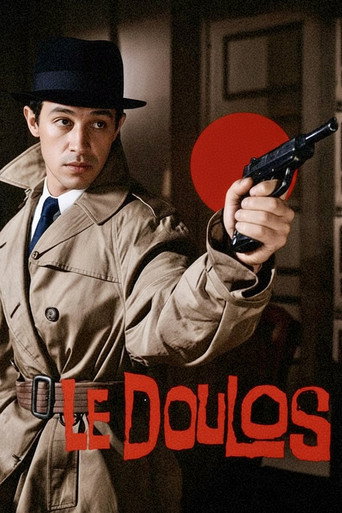 7.4
7.4Enigmatic gangster Silien may or may not be responsible for informing on Faugel, who was just released from prison and is already involved in what should be a simple heist. By the end of this brutal, twisting, and multilayered policier, who will be left to trust?
Le Doulos
1962
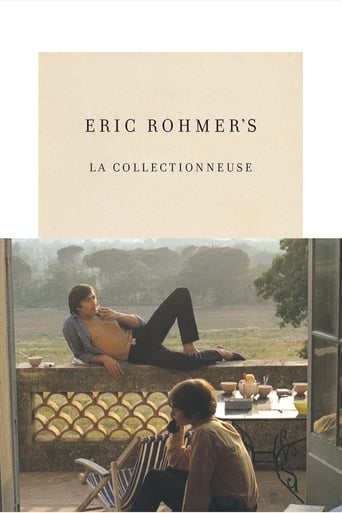 6.9
6.9Bombastic, womanising art dealer Adrien and his painter friend Daniel go on holiday at a 17th-century villa on the Riviera. But their idyll is disturbed by the presence of the bohemian Haydée, accused of being a 'collector' of men.
La Collectionneuse
1967
 6.0
6.0No synopsis available yet.
Prêtres interdits
1973
 6.0
6.0Jean-Luc Godard mixes video and film in his Grenoble studio, discussing how he secured funding for the film. The action unfolds on two monitors, as a young working-class couple lives in a claustrophobic, high-rise apartment complex and marital discord is set off by the wife’s infidelity.
Number Two
1975
 5.9
5.9Reichau, a former army captain, is back in France after serving three years in prison for belonging to the OAS (Secret Armed Organization), a dissident paramilitary group during the Algerian War. Marked by his past, he does not believe in the values of his country any more. At a loss to know what to do with his life, he agrees one day to take part in a heist set up by Pierre, a pilot, the very man who gave him away in Oran. The operation, in which Yo, a gorgeous woman, participates, consists in stealing a bag containing 55 million francs during a Paris-Bordeaux flight...
Objective: 500 Million
1966
 6.1
6.1Paula Nelson goes to Atlantic City to meet her lover, Richard Politzer, but finds him dead and decides to investigate his death. In her hotel room, she meets Typhus, whom she ends up knocking out. His corpse is later found in the apartment of David Goodis, a writer. Paula is arrested and interrogated. From then on, she encounters many gangsters.
Made in U.S.A
1967
 6.2
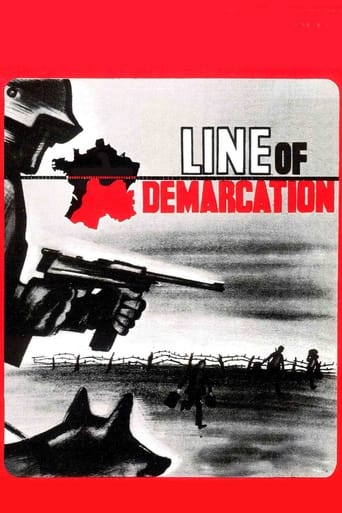
6.2It is based on upon the memoir Mémoires d'un agent secret de la France libre et La Ligne de démarcation by Gilbert Renault under his pseudonym Colonel Rémy. A small village in the Jura is split by the river Loue which creates the line of demarcation between Nazi occupied France and freedom. A French officer, Pierre, is released by the Nazi soldiers to find his chateau converted into a German command centre. Whilst he is obliged to co-operate with the enemy, his wife Mary supports the resistance movement and is willing to risk her life for it. The Nazis step up their activity against the resistance, insisting that any who attempt to cross the line of demarcation will be shot. When his wife is arrested, Pierre decides to switch his allegiance.
Line of Demarcation
1966
 4.2
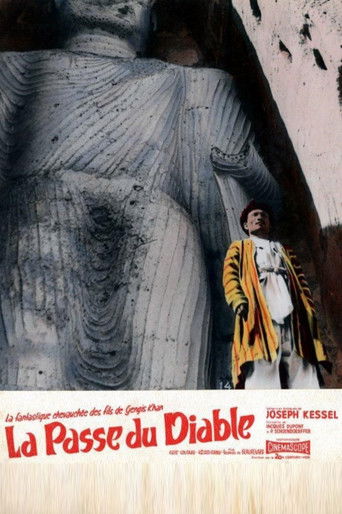
4.2Rahim's older brother Mokhi refuses to take him to Kabul's big bouzkachi game. Rahim decides to go there on his own. Guided by the angel of death, Azrael, Rahim follows a difficult path to Kabul.
The Devil's Pass
1959
6.9Despite his lack of political convictions, photojournalist Bruno Forestier is roped into a paramilitary group waging a shadow war in Geneva against the Algerian independence movement.
Le Petit Soldat
1963
 6.5
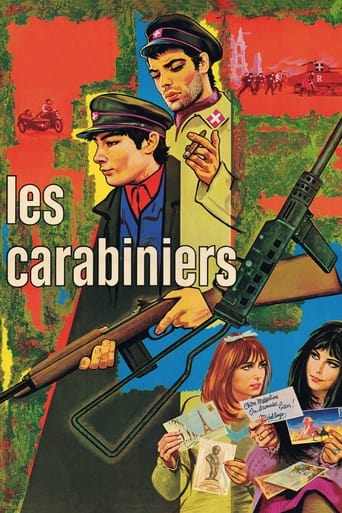
6.5During a war in an imaginary country, unscrupulous soldiers recruit poor farmers with promises of an easy and happy life. Two of these farmers write to their wives of their exploits.
The Carabineers
1963
 5.7
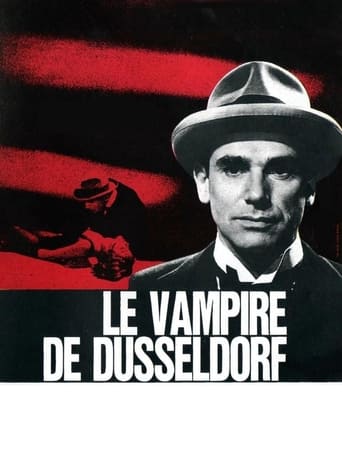
5.7A true story of Peter Kurten, a serial killer who committed nine murders and many other offenses in Dusseldorf during the Great Depression era.
The Vampire of Dusseldorf
1965
 6.1
6.1During the making of a video film about a communist printing press, a union member and a leftist activist discuss how to present their information, especially how to caption two specific images: one of a protest in Portugal, the other of a strike in France. One of them decides to write to his son, a manual worker living outside of Paris with his girlfriend, telling the young man about his troubles.
How's It Going?
1978
6.5A subtitle warns, "beware of dark sunglasses." Anna and her lover, whose looks in bowler and bow tie are reminiscent of a young Buster Keaton, kiss chastely on a bridge overlooking the Seine. He dons sunglasses and waves as she runs down a stairway to the river's edge, then watches in horror as she's knocked flat and loaded into the back of a hearse. In vain, he gives chase. Disconsolate, he buys a large funeral wreath and a handkerchief from sympathetic vendors. He removes the glasses to wipe his eyes and realizes they are the cause of all his woe. He replays the farewell without the glasses.
Fiancés on the Bridge
1962
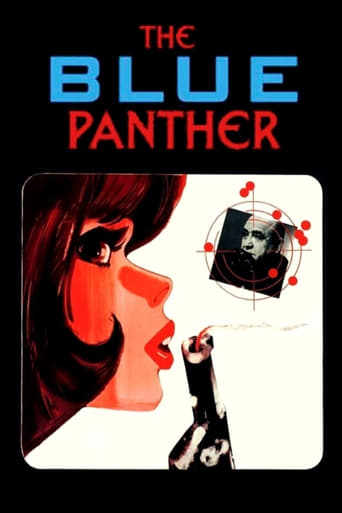 5.0
5.0Marie-Chantal travels by train to her cousin's place to spend a winter holiday, when a stranger entrusts her with false jewels that contain a virus powerful enough to destroy all humankind.
The Blue Panther
1965
 7.3
7.3In Laos, 1954, eight days before the french defeat in the Indochina war, the 317th platoon – four french soldiers and 41 laotian combatants – has been ordered to leave its outpost and to retreat for the plains of Diên Biên Phu, where the french army is getting stucked. Led by the inexperienced and idealistic sous-lieutenant Torrens, fresh out of the military academy, and by adjutant Willsdorf, a WWII veteran of the Werhmacht, the group must cross 150 kilometers of jungle. But dripping rainwater, hostile nature, and the Viêt-minh ambushes expose them to constant danger.
The 317th Platoon
1965
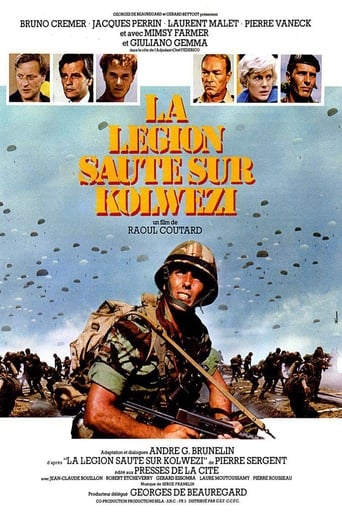 5.6
5.6In May 1978, the mining town of Kolwezi in Katanga, Zaire (now Democratic Republic of Congo, the former Belgian Congo) is under attack from a group of communist guerillas coming from nearby Angola. The Europeans who work for the Belgian mining company and the Blacks who live in the town are taken as hostages by the invaders, who start a blood bath, shooting Europeans as well as Africans. Many of the Europeans being French, the French decide to organize a counter-attack, and to send a Regiment of Paratroopers from the Foreign Legion. The movie follows the stories of Delbart, a former non-commissioned officer, who was about to go back to France with his African wife and his child, Damrémont, who was Delbart's replacement, Bia, a Zairian doctor, and Annie, an American married to a Belgian engineer as well as Non com Legion officer Federico and the French Ambassador and the Military Attaché.
Operation Leopard
1980
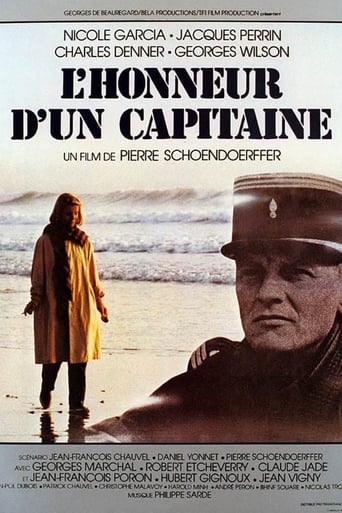 6.1
6.1During a televised debate on the Algerian war in the early 1980s, Professor Paulet denounced the methods of Captain Caron, killed in action in 1957. The widow of the captain, Patricia, decided to file a defamation suit.
A Captain's Honor
1982
 NR
NRA chance encounter on a park bench in early Spring. Two takes on waiting and love.
Encore un hiver
1979
 6.6
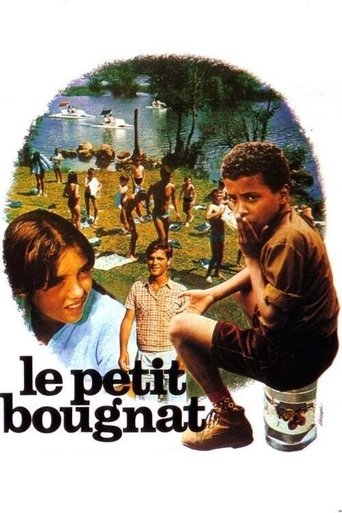
6.6When the long awaited departure day arrives, le Petit Bougnat, a child coal merchant eager to go to summer camp, realizes that his mother forgot to register his name with the rest of the group. Desperate to join them, the young coal merchant tries to find a way to integrate himself with the other campers. On the opposite end of the spectrum is Rose (Isabelle Adjani), who refuses to join the kids and goes so far as to run away from the bus. While the coal merchant is busy avoiding authorities who want to remove him from the rest of the group, Rose continues to sulk and search for a way back home. Despite her initial doubtfulness, Rose eventually comes to see the charms of the camp, and walks away from an offer to leave.
Le Petit Bougnat
1970
 7.0
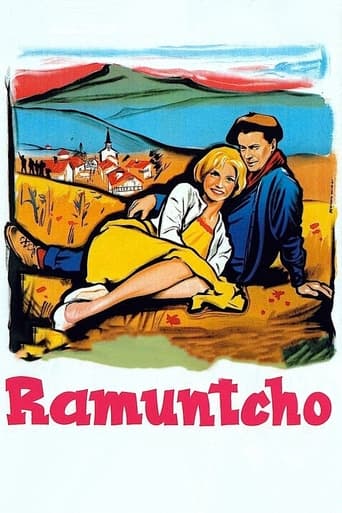
7.0Love and adventure story about contraband runners in the Basque province of France.
Ramuntcho
1958
 6.0
6.0Though a piece of meat figures in this film the real subject is, before you judge something not just a steak, think twice, as for instance the way two people in a situation present themselves to each other.
An Overcooked Steak
1960
 5.5
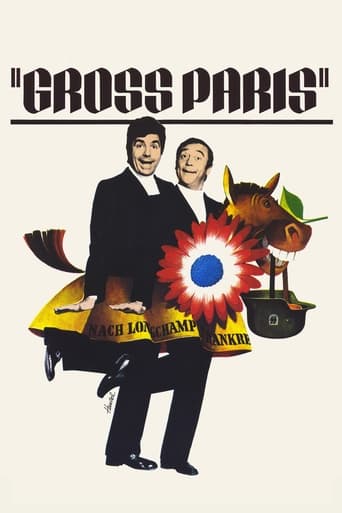
5.5Bernard, a journalist, and his friend Jules, a butcher by trade, are both passionate about horse racing.
Gross Paris
1974