

Directing
Maria Eugenia Tamés
Born — Died
1946-01-18 — 2022-08-28
Place of birth
Ciudad de México, México
Known for
Directing
Credits
4 titles
Known for
 7.0
It focuses on the struggle of seamstresses whose workplaces in Mexico City were affected by the devastating 1985 earthquake and exposes their employers' refusal to pay fair compensation.
We Don't Ask You for a Trip to the Moon
1986
 6.0
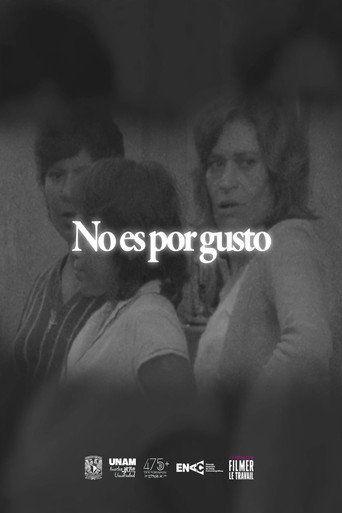
The first documentary directed by Maria del Carmen de Lara, together with feminist producer, scriptwriter and director Maria Eugenia Tamés. A direct cinema experience, based on research on the harsh reality of sex workers in Mexico at the time. Testimonies from several women, who have different life paths, but share the violence to which they’re exposed: precariousness, prison, mistreatment, discrimination and dehumanisation.
No es por gusto
1981
Behind the camera
7.0It focuses on the struggle of seamstresses whose workplaces in Mexico City were affected by the devastating 1985 earthquake and exposes their employers' refusal to pay fair compensation.
We Don't Ask You for a Trip to the Moon
1986
7.0It focuses on the struggle of seamstresses whose workplaces in Mexico City were affected by the devastating 1985 earthquake and exposes their employers' refusal to pay fair compensation.
We Don't Ask You for a Trip to the Moon
1986
6.0The first documentary directed by Maria del Carmen de Lara, together with feminist producer, scriptwriter and director Maria Eugenia Tamés. A direct cinema experience, based on research on the harsh reality of sex workers in Mexico at the time. Testimonies from several women, who have different life paths, but share the violence to which they’re exposed: precariousness, prison, mistreatment, discrimination and dehumanisation.
No es por gusto
1981