
Directing
Pere Portabella
Born
1927-01-01 (99)
Place of birth
Figueres, Catalonia, Spain
Known for
Directing
Credits
56 titles
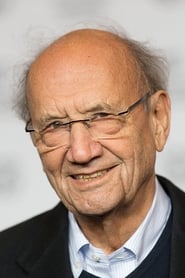
Pere Portabella (born in 1927) is a Catalan director, producer, and politician. In 1977, he was elected Senator in Spain's first democratic elections and participated in the writing of the Spanish Constitution. As a filmmaker, his style is experimental, reaching new aspects of film language, often with a poetic tone and social content. Portabella is hailed as an essential figure in the political and cultural history of Spain.
Known for
 6.1
6.1An atmospheric essay, which is an alternative version of Count Dracula, a film directed by Jess Franco in 1970; a ghostly narration between fiction and reality.
Vampir Cuadecuc
1972
 NR
NRNo synopsis available yet.
La gran il·lusió, relat intermitent del cinema català
2019
 5.0
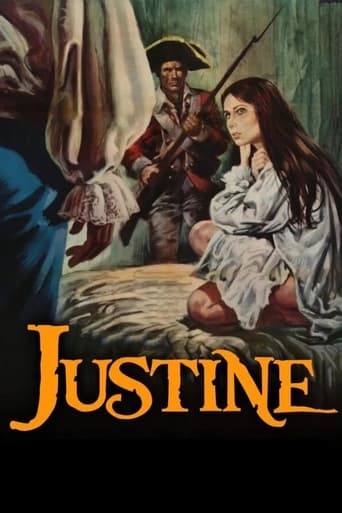
5.0Without a family, penniless and separated from her sister, a beautiful chaste woman will have to cope with an endless parade of villains, perverts and degenerates who will claim not only her treasured virtue but also her life.
Marquis de Sade: Justine
1969
 NR
NRNo synopsis available yet.
Savis i sàvies
2008
 7.2
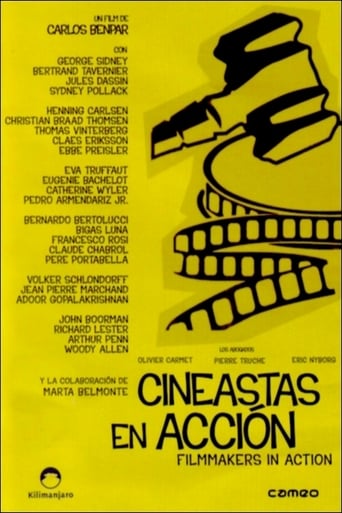
7.2What is the state of cinema and what being a filmmaker means? What are the measures taken to protect authors' copyright? What is their legal status in different countries? (Sequel to “Filmmakers vs. Tycoons.”)
Filmmakers in Action
2006
 5.9
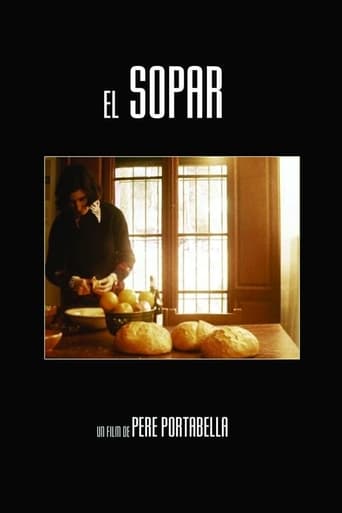
5.9Five ex-political prisoners meet secretly in a country house one afternoon in 1974 on the same day that Salvador Puig Antich is executed, to talk about their experiences in prison.
The Dinner
1974
Film credits
2020s · 3 titles
 NR
NRNo synopsis available yet.
Poetes, 50 anys després
2022
 NR
NRNo synopsis available yet.
Els tapissos de Miró
2023
 NR
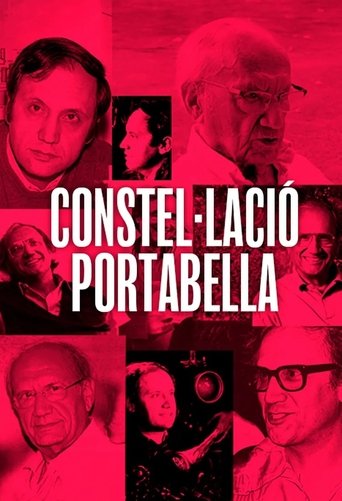
NRConstel·lació Portabella traces the exciting life of the great Catalan film director and artist Pere Portabella , which traverses the cultural and political history of the country and the last seventy years, letting us be carried away by the passion, the intellect intelligence and curiosity.
Constel·lació Portabella
2024
2010s · 3 titles
 5.8
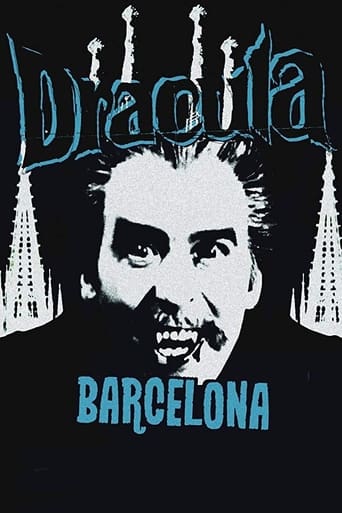
5.8In 1969, Jesús Franco and Christopher Lee shot Count Dracula in Barcelona. At the same time, Pere Portabella became aware of this filming, vampirizing it in Cuadecuc, Vampir. Genre and Art-house films had never been so close. Drácula Barcelona tells the story of these two movies.
Drácula Barcelona
2017
 4.0
4.0No synopsis available yet.
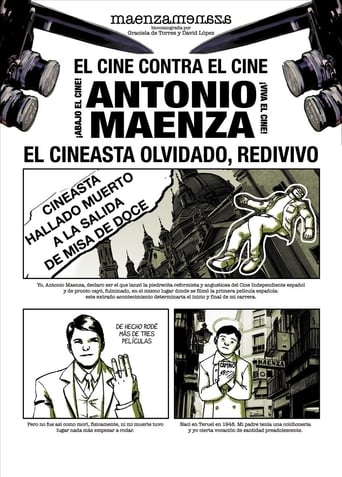
Materialista, idealista, cinematógrafo, magnetófono, buen chico y sádico
2012
 7.0
7.0No synopsis available yet.
In girum imus nocte et consumimur igni: filmbiografía de Antonio Maenza
2012
2000s · 2 titles
7.2What is the state of cinema and what being a filmmaker means? What are the measures taken to protect authors' copyright? What is their legal status in different countries? (Sequel to “Filmmakers vs. Tycoons.”)
Filmmakers in Action
2006
 6.0
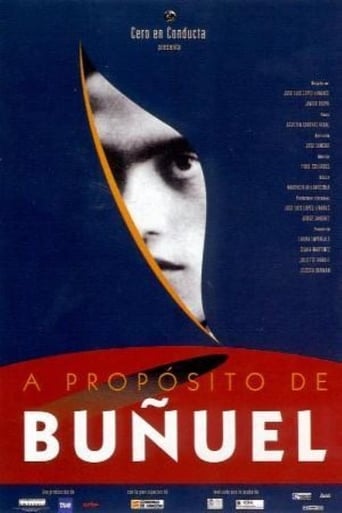
6.0Surrealist master Luis Buñuel is a towering figure in the world of cinema history, directing such groundbreaking works as Un Chien Andalou, Exterminating Angels, and That Obscure Object of Desire, yet his personal life was clouded in myth and paradox. Though sexually diffident, he frequently worked in the erotic drama genre; though personally quite conservative, his films are florid, flamboyant, and utterly bizarre.
Speaking of Buñuel
2000
1980s · 1 titles
1960s · 4 titles
5.0Without a family, penniless and separated from her sister, a beautiful chaste woman will have to cope with an endless parade of villains, perverts and degenerates who will claim not only her treasured virtue but also her life.
Marquis de Sade: Justine
1969
 6.5
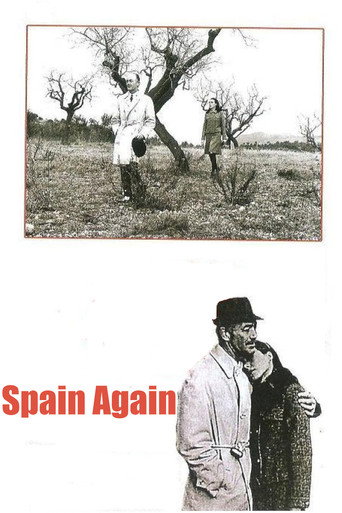
6.5David is a physician who returns to Spain 30 years after his involvement in the Spanish Civil War. Now a member of a medical convention, he looks up old friends and finds his former lover, now a married woman with a flamenco-dancing daughter. He and the daughter have an immediate and mutual attraction to each other. He considers running away with the exotic beauty before asking his wife to join him for an extended vacation after the convention .
Spain Again
1969
 NR
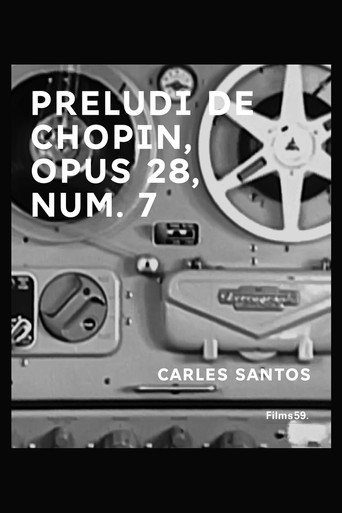
NRA tape recorder captures a voice (the narration is by Pere Portabella) rigorously and exhaustively reading all the symbols that appear in the piano score of Chopin's piece. The text, five or six pages long, was written by Carles Santos for a tribute book to the gallery owner Joan Prats after his death, a book that also included texts by Antoni Tàpies, Joan Brossa, Joan Miró, and others. Santos even staged a performance of it in New York, and after reading it, he would play Chopin's prelude on the piano.
Preludi de Chopin, Opus 28, Núm. 7
1969
 7.5
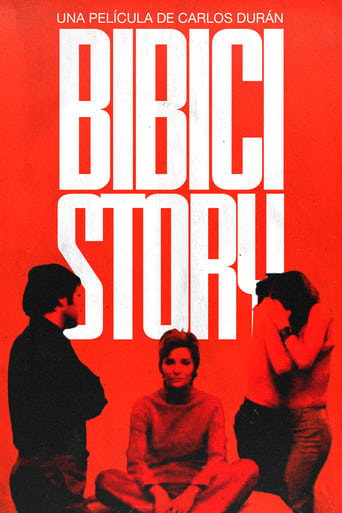
7.5While waiting to get started on the production of his feature Liberxina 90 (1970), Carlos Duran shot this short (with very expressive support by several Escuela de Barcelona professors): a grimly colourful satire on modern society as such, and on its fascist Spanish variety in particular. "The intrusion into the private life of a human being, of the distinct tendencies that exist in the society we live in, until they fall into chaos." Carlos Durán
BiBici Story
1969
Series credits
Behind the camera
6.1An atmospheric essay, which is an alternative version of Count Dracula, a film directed by Jess Franco in 1970; a ghostly narration between fiction and reality.
Vampir Cuadecuc
1972
6.1An atmospheric essay, which is an alternative version of Count Dracula, a film directed by Jess Franco in 1970; a ghostly narration between fiction and reality.
Vampir Cuadecuc
1972
6.1An atmospheric essay, which is an alternative version of Count Dracula, a film directed by Jess Franco in 1970; a ghostly narration between fiction and reality.
Vampir Cuadecuc
1972
5.9Five ex-political prisoners meet secretly in a country house one afternoon in 1974 on the same day that Salvador Puig Antich is executed, to talk about their experiences in prison.
The Dinner
1974
5.9Five ex-political prisoners meet secretly in a country house one afternoon in 1974 on the same day that Salvador Puig Antich is executed, to talk about their experiences in prison.
The Dinner
1974
 5.9
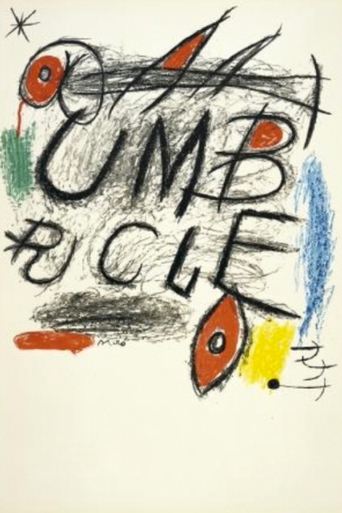
5.9This film turns on two basic axes: the inquiry into ways of cinematographic representation and a critical image of official Spain at the time of the Franco dictatorship. “Montage of attractions” and Brechtianism in strong doses. Umbracle is made up of fragments (some are archive footage) that resound rather than progress by unusual links, with dejá vu scenes that promise us more but remain tensely unfinished. Jonathan Rosembaun said: “few directors since Resnais have played so ruthlessly with the unconscious narrative expectations to bug us”. Learning from the feeling of strangeness caused by Rossellini as he threw well known actors into savage scenery in southern Europe. Portabella makes Christopher Lee wander around a dream-like Barcelona. Without a doubt Portabella’s most structurally complex and most profoundly political film, that is ferociously poetic.
Umbracle
1972
5.9This film turns on two basic axes: the inquiry into ways of cinematographic representation and a critical image of official Spain at the time of the Franco dictatorship. “Montage of attractions” and Brechtianism in strong doses. Umbracle is made up of fragments (some are archive footage) that resound rather than progress by unusual links, with dejá vu scenes that promise us more but remain tensely unfinished. Jonathan Rosembaun said: “few directors since Resnais have played so ruthlessly with the unconscious narrative expectations to bug us”. Learning from the feeling of strangeness caused by Rossellini as he threw well known actors into savage scenery in southern Europe. Portabella makes Christopher Lee wander around a dream-like Barcelona. Without a doubt Portabella’s most structurally complex and most profoundly political film, that is ferociously poetic.
Umbracle
1972
 6.2
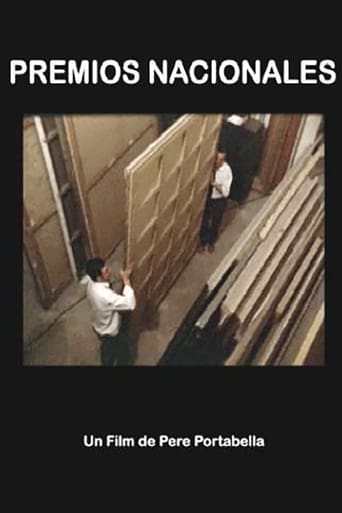
6.2With musical accompaniment from the zarzuela 'The drum Grenadiers' by Ruperto Chapí, a pair of custodians are in the basement of the National Library of Madrid showing some canvas awarded with the National Prize for Painting between 1941 and 1969.
The National Prizes
1969
6.2With musical accompaniment from the zarzuela 'The drum Grenadiers' by Ruperto Chapí, a pair of custodians are in the basement of the National Library of Madrid showing some canvas awarded with the National Prize for Painting between 1941 and 1969.
The National Prizes
1969
 6.4
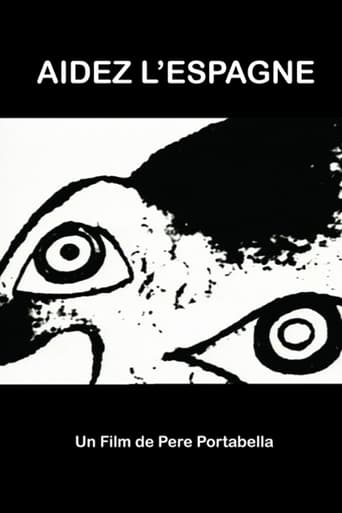
6.4The Colegio de Arquitectos de Catalunya commissioned Pere Portabella to make this film for the Joan Miró retrospective exhibit in 1969. There were heated discussions on whether it would be prudent to screen the film during the exhibit. Portabella took the following stance: "either both films are screened or they don't screen any" and, finally, both Miro l'Altre and Aidez l'Espagne were shown. The film was made by combining newsreels and film material from the Spanish Civil War with prints by Miró from the series "Barcelona" (1939-1944). The film ends with the painter's "pochoir" known as Aidez l'Espagne.
Aidez l'Espagne
1969
6.4The Colegio de Arquitectos de Catalunya commissioned Pere Portabella to make this film for the Joan Miró retrospective exhibit in 1969. There were heated discussions on whether it would be prudent to screen the film during the exhibit. Portabella took the following stance: "either both films are screened or they don't screen any" and, finally, both Miro l'Altre and Aidez l'Espagne were shown. The film was made by combining newsreels and film material from the Spanish Civil War with prints by Miró from the series "Barcelona" (1939-1944). The film ends with the painter's "pochoir" known as Aidez l'Espagne.
Aidez l'Espagne
1969
 4.8
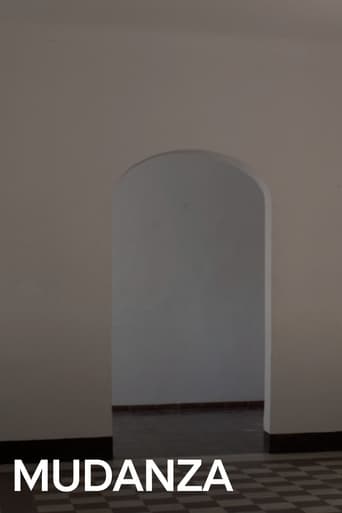
4.8"Mudanza" (Removal) came to be made after the curator Hans Ulrich Obrist was asked for involvement in a project in the Huerta de San Vicente, the home and museum of the García-Lorca family in Granada. The film records the removal of furniture and objects from the building, leaving visitors able to move freely amongst its empty spaces and a silence charged with feeling and resonance and the take from the experience whatever they demand from it - thus making poet Federico García Lorca's emotive and historic absence even more powerful, evident and heartfelt.
Mudanza
2008
4.8"Mudanza" (Removal) came to be made after the curator Hans Ulrich Obrist was asked for involvement in a project in the Huerta de San Vicente, the home and museum of the García-Lorca family in Granada. The film records the removal of furniture and objects from the building, leaving visitors able to move freely amongst its empty spaces and a silence charged with feeling and resonance and the take from the experience whatever they demand from it - thus making poet Federico García Lorca's emotive and historic absence even more powerful, evident and heartfelt.
Mudanza
2008
4.8"Mudanza" (Removal) came to be made after the curator Hans Ulrich Obrist was asked for involvement in a project in the Huerta de San Vicente, the home and museum of the García-Lorca family in Granada. The film records the removal of furniture and objects from the building, leaving visitors able to move freely amongst its empty spaces and a silence charged with feeling and resonance and the take from the experience whatever they demand from it - thus making poet Federico García Lorca's emotive and historic absence even more powerful, evident and heartfelt.
Mudanza
2008
 5.4
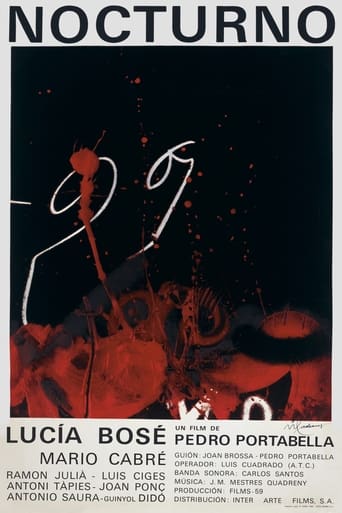
5.4Portabella’s first feature, co-scripted by poet Joan Brossa, became one of the most influential works of the Barcelona avant-garde, although like all his early films, it circulated only in an underground fashion. Eschewing dialogue, the director constructs a non-narrative story in fragments that reveal the daily lives of an adulterous couple interspersed with a cryptic stream of unrelated imagery. The title of this homage to directors including Eisenstein, Antonioni, Bergman, and Buñuel refers to the 29 “black years” of the Franco dictatorship. — chicago.cervantes.es
Nocturne 29
1969
5.4Portabella’s first feature, co-scripted by poet Joan Brossa, became one of the most influential works of the Barcelona avant-garde, although like all his early films, it circulated only in an underground fashion. Eschewing dialogue, the director constructs a non-narrative story in fragments that reveal the daily lives of an adulterous couple interspersed with a cryptic stream of unrelated imagery. The title of this homage to directors including Eisenstein, Antonioni, Bergman, and Buñuel refers to the 29 “black years” of the Franco dictatorship. — chicago.cervantes.es
Nocturne 29
1969
 6.8
6.8A beautiful, sometimes faintly bonkers celebration and contemplation of the role Bach’s music plays in the world today. Blending historical reconstruction with very loosely linked ‘dramatic’ scenes and documentary sequences, the film constitutes a playful, painterly sequence of variations on the argument that Johann Sebastian changed the way the world hears thanks to his extraordinary ear for harmony.
The Silence Before Bach
2007
6.8A beautiful, sometimes faintly bonkers celebration and contemplation of the role Bach’s music plays in the world today. Blending historical reconstruction with very loosely linked ‘dramatic’ scenes and documentary sequences, the film constitutes a playful, painterly sequence of variations on the argument that Johann Sebastian changed the way the world hears thanks to his extraordinary ear for harmony.
The Silence Before Bach
2007
6.8A beautiful, sometimes faintly bonkers celebration and contemplation of the role Bach’s music plays in the world today. Blending historical reconstruction with very loosely linked ‘dramatic’ scenes and documentary sequences, the film constitutes a playful, painterly sequence of variations on the argument that Johann Sebastian changed the way the world hears thanks to his extraordinary ear for harmony.
The Silence Before Bach
2007
 8.1
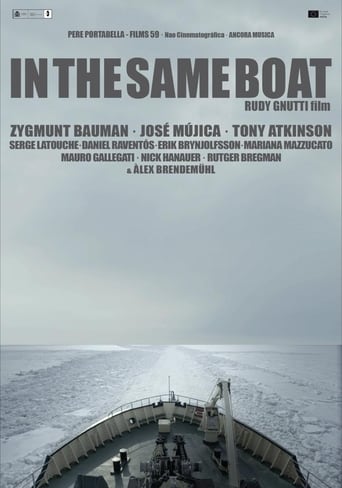
8.1A documentary about the technological progress responsibility in employment destruction, analyzed by philosopher Zygmunt Bauman and others.
In the same boat
2016
 6.8
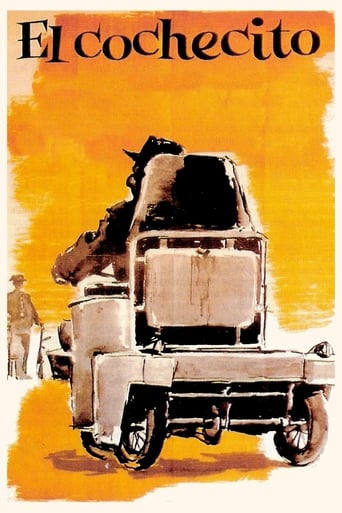
6.8Don Anselmo, a retired old man, decides to buy a motorized disabled stroller since all his pensioner friends own one. His family strongly refuses him to purchase the vehicle, so don Anselmo decides to take extreme measures to achieve his goal…
The Wheelchair
1960
Commissioned by the Maeght Gallery with the exhibition of Joan Miró, organized by the French Ministry of Cultural Affairs at the Grand Palais, which opened on May 17, 1974 in Paris. This film was shot in six days in Montroig del Camp (at the Miró) and Tarragona during the implementation process, by Josep Royo, a tapestry by Joan Miró. Five people worked for eight months in the realization of this tapestry, using wool 1200kg and 600kg for the warp. The total weight of 3500kg and a half was six meters wide by 11 meters long. They need a purpose built weaving loom. The day of the attack on the World Trade Center in New York on September 11, 2001, the tapestry was placed in the lobby of one of the towers when they were demolished.
Miró tapís
1973
Commissioned by the Maeght Gallery with the exhibition of Joan Miró, organized by the French Ministry of Cultural Affairs at the Grand Palais, which opened on May 17, 1974 in Paris. This film was shot in six days in Montroig del Camp (at the Miró) and Tarragona during the implementation process, by Josep Royo, a tapestry by Joan Miró. Five people worked for eight months in the realization of this tapestry, using wool 1200kg and 600kg for the warp. The total weight of 3500kg and a half was six meters wide by 11 meters long. They need a purpose built weaving loom. The day of the attack on the World Trade Center in New York on September 11, 2001, the tapestry was placed in the lobby of one of the towers when they were demolished.
Miró tapís
1973
 NR
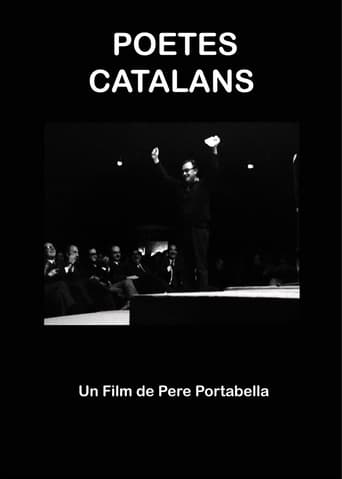
NRAt underground film of the 1st Popular Festival of Catalan Poetry filmed in the Proce Theater in Barcelona on May 25, 1970, in solidarity with political prisoners. The participating poets were: Agustí Bartra, Joan Oliver (Pere IV), Salvador Espriu, Joan Brossa, Francesc Vallverdú and Gabriel Ferrater.
Catalan Poets
1970
 6.4
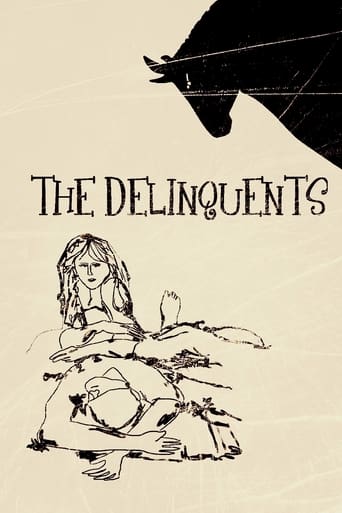
6.4A group of friends who are struggling to survive in the slums of Madrid commit petty crime in order to finance the debut as a bullfighter of one of them.
The Delinquents
1960
 4.7
4.7A multi-part feature on the governing body of Spain, the Popular Party under Jose María Aznar. Themes include the bombing of Iraq, immigration, U.S. fire in Baghdad, and the manipulation of the media.
With Good Reason
2004
 10.0
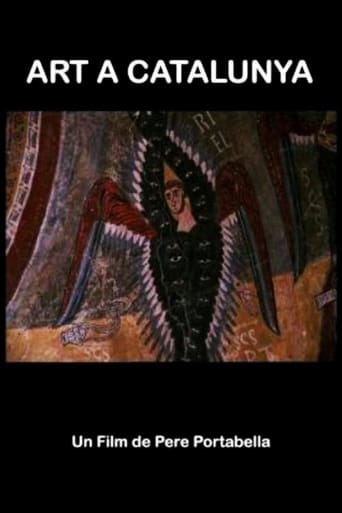
10.0An itinerary through the great creations of Catalan art: Romanesque, Gothic, Modernist and Contemporary; with interviews to Catalan creators such as architect Ricardo Bofill, poet Pere Gimferrer, sculptor Susana Solano, and painter Antoni Tàpies.
Art a Catalunya
1992
10.0An itinerary through the great creations of Catalan art: Romanesque, Gothic, Modernist and Contemporary; with interviews to Catalan creators such as architect Ricardo Bofill, poet Pere Gimferrer, sculptor Susana Solano, and painter Antoni Tàpies.
Art a Catalunya
1992
 4.9
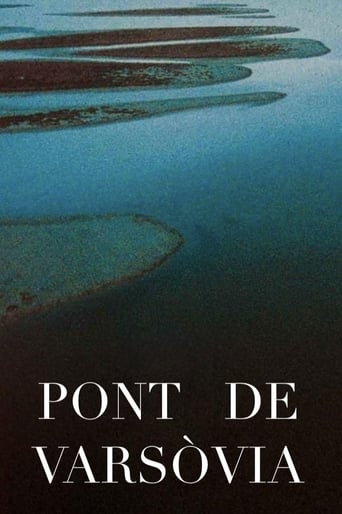
4.9A female professor, a writer, and an orchestra conductor--three characters, two couples--attend a grand literary cocktail party. The writer has just won the prize for his book "Warsaw Bridge." The winner answers the journalist's questions one after another, but he is unable to come up with a synthesis of the plot of his book. They will simply have to read it.
Warsaw Bridge
1990
4.9A female professor, a writer, and an orchestra conductor--three characters, two couples--attend a grand literary cocktail party. The writer has just won the prize for his book "Warsaw Bridge." The winner answers the journalist's questions one after another, but he is unable to come up with a synthesis of the plot of his book. They will simply have to read it.
Warsaw Bridge
1990
 NR
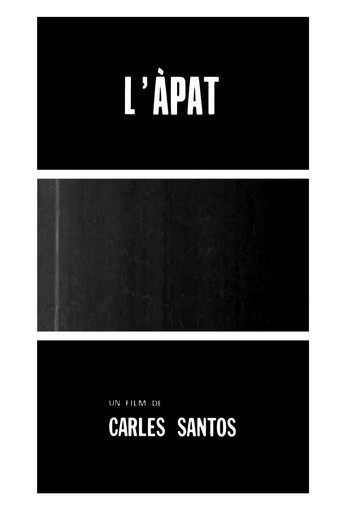
NRThe first of the conceptual short films directed by Carles Santos and produced by Pere Portabella. Here, only the soundtrack allows us to know what is happening. An empty frame serves as a container for everyday noises such as traffic, the uncorking of a bottle or the clatter of cutlery, thus giving the feeling that we can hear people sitting and eating at the table. The sound was recorded with a conventional tape deck and the person eating is Carles Santos himself.
L’àpat
1967
 6.0
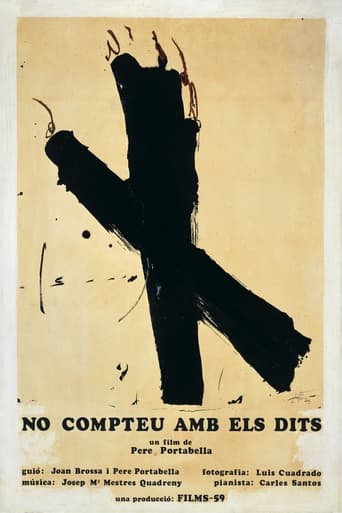
6.0Pere Portabella’s first work as a director starts with the following phrase: “defeated…but not conquered”. This may or should be taken as an allusion to the technical K.O. taken by Portabella from Franco’s regime during the sixties as regards his work as a producer. Through the extremely raging playthings of the words of Catalan poet Joan Brossa, Portabella attempts to dismantle the forms of advertising discourse of that time.
Don't Count On Your Fingers
1967
6.0Pere Portabella’s first work as a director starts with the following phrase: “defeated…but not conquered”. This may or should be taken as an allusion to the technical K.O. taken by Portabella from Franco’s regime during the sixties as regards his work as a producer. Through the extremely raging playthings of the words of Catalan poet Joan Brossa, Portabella attempts to dismantle the forms of advertising discourse of that time.
Don't Count On Your Fingers
1967
 6.7
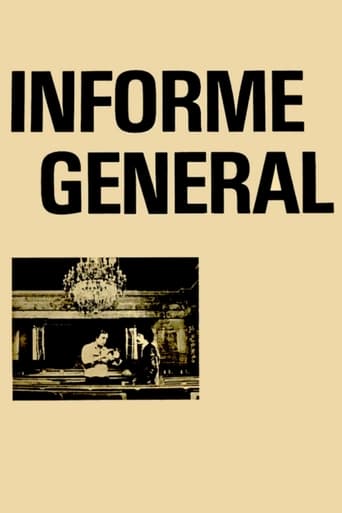
6.7How does a country go from a dictatorship to a democracy? A detailed report on the political representation in the heart of the Spanish Transition, only a few months after General Franco’s death, when the sincere democratic vocation of Spanish people must effort to destroy, one heavy brick after another, the wall that those who supported the dictatorship and those who fought it from the exile built with resentment, hatred and prejudices.
General Report
1977
6.7How does a country go from a dictatorship to a democracy? A detailed report on the political representation in the heart of the Spanish Transition, only a few months after General Franco’s death, when the sincere democratic vocation of Spanish people must effort to destroy, one heavy brick after another, the wall that those who supported the dictatorship and those who fought it from the exile built with resentment, hatred and prejudices.
General Report
1977
6.7How does a country go from a dictatorship to a democracy? A detailed report on the political representation in the heart of the Spanish Transition, only a few months after General Franco’s death, when the sincere democratic vocation of Spanish people must effort to destroy, one heavy brick after another, the wall that those who supported the dictatorship and those who fought it from the exile built with resentment, hatred and prejudices.
General Report
1977
 5.0
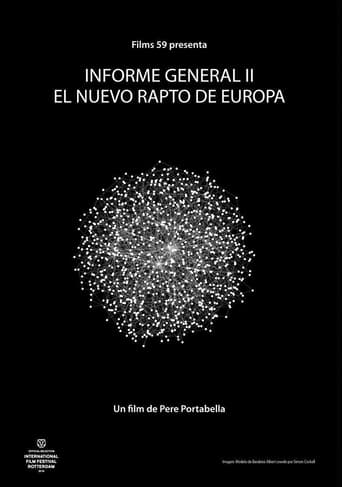
5.0Portabella is putting forward the second part of one of his historic works, the “General report on certain matters of interest for a public screening”, which peeked out in 1976 at the start of the political transition process after Franco’s death. This second “Report” is made in the context of a severe systemic crisis in the cultural, economic-financial, political and energy fields. Above all, it nevertheless bears witness to the way civil society is coming out of this crisis with a new prominence, consisting quite simply in ordinary people’s recovering politics.
General Report II: The New Abduction of Europe
2015
5.0Portabella is putting forward the second part of one of his historic works, the “General report on certain matters of interest for a public screening”, which peeked out in 1976 at the start of the political transition process after Franco’s death. This second “Report” is made in the context of a severe systemic crisis in the cultural, economic-financial, political and energy fields. Above all, it nevertheless bears witness to the way civil society is coming out of this crisis with a new prominence, consisting quite simply in ordinary people’s recovering politics.
General Report II: The New Abduction of Europe
2015
5.0Portabella is putting forward the second part of one of his historic works, the “General report on certain matters of interest for a public screening”, which peeked out in 1976 at the start of the political transition process after Franco’s death. This second “Report” is made in the context of a severe systemic crisis in the cultural, economic-financial, political and energy fields. Above all, it nevertheless bears witness to the way civil society is coming out of this crisis with a new prominence, consisting quite simply in ordinary people’s recovering politics.
General Report II: The New Abduction of Europe
2015
 NR
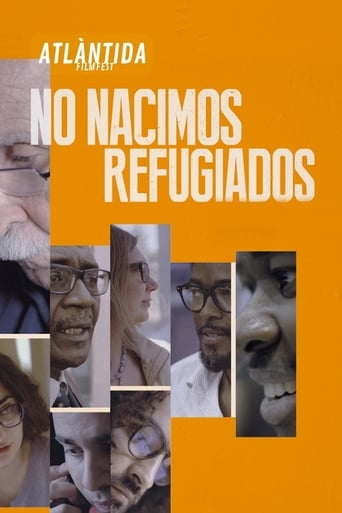
NREight people from very different backgrounds cross paths in Barcelona, Spain. Lawyers, musicians, translators, security guards, call center agents. They are all immigrants. Some have just arrived, others arrived years ago, leaving behind a war, a dictatorship or some sort of social or cultural discrimination. They all chose exile over submission.
We Were Not Born Refugees
2020