
Directing
Juan Luis Buñuel
Born — Died
1934-11-09 — 2017-12-06
Place of birth
Paris, France
Known for
Directing
Credits
23 titles
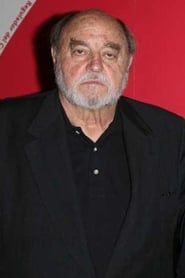
Juan Luis Buñuel (9 November 1934, Paris – 6 December 2017, Paris) was a film and television director, screenwriter, and actor. His films include Expulsion of the Devil (Au rendez-vous de la mort joyeuse, 1973) and La Femme aux bottes rouges (1974). Buñuel was the son of the filmmaker Luis Buñuel. Buñuel's son Diego also became a filmmaker. After his career in film, he tried out sculpting. Source: Article "Juan Luis Buñuel" from Wikipedia in English, licensed under CC-BY-SA 3.0.
Known for
 5.0
5.0No synopsis available yet.
Ciné regards
1978
 6.1
6.1While traveling in Paris, author Henry Miller and his wife, June, meet Anais Nin, and sexual sparks fly as Nin starts an affair with the openly bisexual June. When June is forced to return to the U.S., she gives Nin her blessing to sleep with her husband. Then, when June returns to France, an unexpected, and sometimes contentious, threesome forms.
Henry & June
1990
 6.7
6.7When they realize the times are changing, five crooks decide to switch from bank robberies to personality abductions.
Money Money Money
1972
 5.7
5.7An elderly millionaire manipulates an avant-garde writer and a happily married man.
The Woman with Red Boots
1974
 8.0
8.0This documentary traces the relationship of Buñuel with American culture and Hollywood. The program proposes a chronological journey through the Aragonese filmmaker stays in the U.S., the characters he met, the films he made and he could never do. The program also includes new material-unpublished until 2012 - the Aragonese director filmed in the U.S. in the early 1940s and where he can be seen playing one of their children or enjoying a short holiday in a cottage.
Buñuel in Hollywood
2000
 6.7
6.7Betty is visited by a strange salesman the day she is going away on a trip. He stays in the house as a series of bizarre events occur with his arrival.
Familiarities
1969
Film credits
2010s · 3 titles
 7.0
7.0No synopsis available yet.
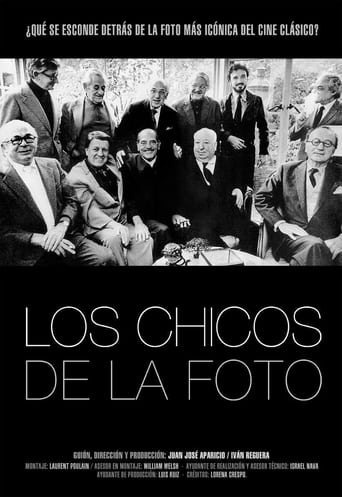
Los chicos de la foto
2014
 10.0
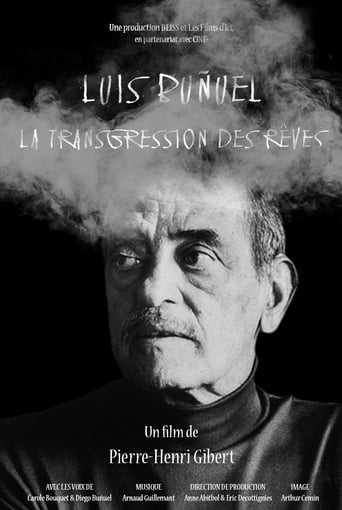
10.0Based on unpublished interviews with the family, Jean-Claude Carrière, his writer and biographer, family archives, mini-fictions that dramatize the memories evoked and in constant echo with the upcoming films whose images seem to crystallize over the narrative, we wish to reinterpret Luis Buñuel's work through these decisive years, revealing hidden coherence, originality and beauty.
Luis Buñuel, la transgression des rêves
2018
The documentary feature containing an interview with Bunuel's son: Juan-Luis.
A Slice of Buñuel
2014
2000s · 3 titles
8.0This documentary traces the relationship of Buñuel with American culture and Hollywood. The program proposes a chronological journey through the Aragonese filmmaker stays in the U.S., the characters he met, the films he made and he could never do. The program also includes new material-unpublished until 2012 - the Aragonese director filmed in the U.S. in the early 1940s and where he can be seen playing one of their children or enjoying a short holiday in a cottage.
Buñuel in Hollywood
2000
 6.3
6.3No synopsis available yet.
Orson Welles in the Land of Don Quixote
2000
 5.7
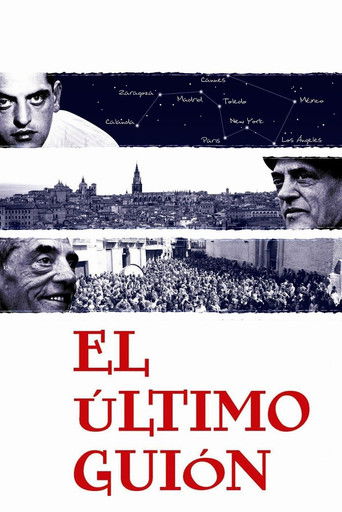
5.7A loosely chronological visual “scrapbook” marking the 25th anniversary of the death of Luis Buñuel.
The Last Script: Remembering Luis Buñuel
2008
1990s · 3 titles
6.1While traveling in Paris, author Henry Miller and his wife, June, meet Anais Nin, and sexual sparks fly as Nin starts an affair with the openly bisexual June. When June is forced to return to the U.S., she gives Nin her blessing to sleep with her husband. Then, when June returns to France, an unexpected, and sometimes contentious, threesome forms.
Henry & June
1990
 3.6
3.6Retired billionaire, Rooney, feels his family loves only his money and not him. He plans to live as an adult baby with his wet nurse, Sagebrecht. When thieves break into his mansion and hit him on the head, he starts to grow younger.
The Milky Life
1993
 9.0
9.0Famed film director Luis Bunuel (1900-1983) is the subject of this French documentary, with anecdotal interviews edited thematically into sections highlighting Bunuel's contradictions --"Surrealist and Moralist," "Iconoclast and Traditionalist," "Sadist and Sentimentalist."
Les paradoxes de Buñuel
1998
1970s · 1 titles
Series credits
Behind the camera
5.7An elderly millionaire manipulates an avant-garde writer and a happily married man.
The Woman with Red Boots
1974
5.7An elderly millionaire manipulates an avant-garde writer and a happily married man.
The Woman with Red Boots
1974
 6.5
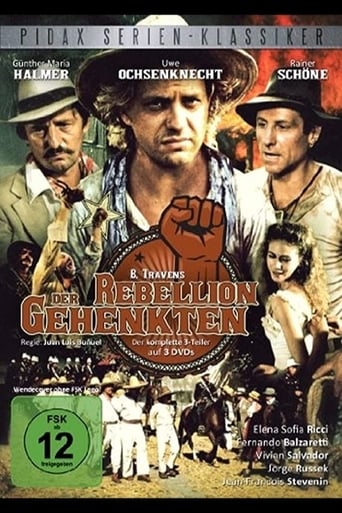
6.5The drama of the Indians of tropical Mexico in the early twentieth century. The Rebellion of the Hanged is the intense story of the rise of the oppressed pawns and their struggle to achieve freedom and independence.
La rebelión de los colgados
1986
 6.7
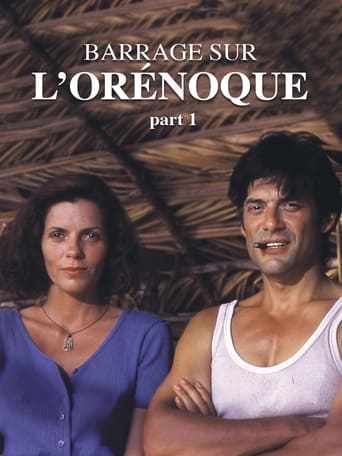
6.7After the accidental death of her husband, Dominique Vallorie agrees to take over the construction of an important dam on the Orinoco River. She does not know that by accepting to go to Venezuela, her life as a woman and engineer will change. Through a great love story she will assert herself despite all the pitfalls on the way.
The Orinoco Dam
1996
 5.7
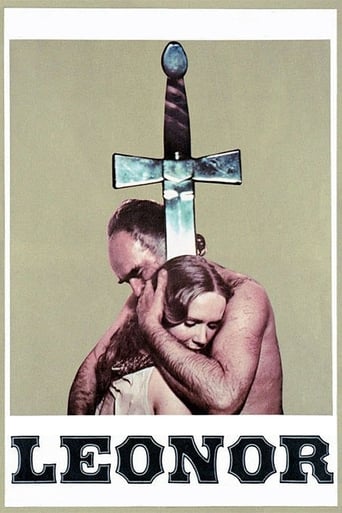
5.7Richard is a medieval nobleman. After his first wife dies in an accident and is buried in the family vault, he remarries and has children by his second wife. A mad longing for his first wife Leonor comes over him, and he sells his soul to the devil for a chance to get her back. But when she returns, she is a murderous vampire.
Leonor
1975
5.7Richard is a medieval nobleman. After his first wife dies in an accident and is buried in the family vault, he remarries and has children by his second wife. A mad longing for his first wife Leonor comes over him, and he sells his soul to the devil for a chance to get her back. But when she returns, she is a murderous vampire.
Leonor
1975
 5.3
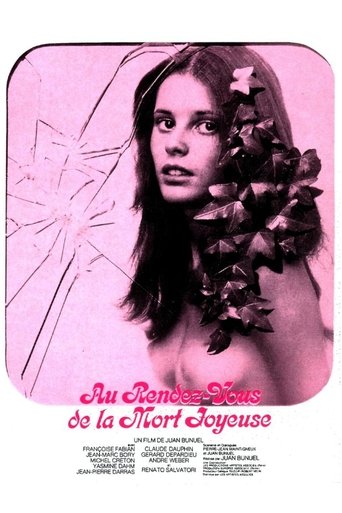
5.3The premise deals with a family living in a country-house which turns out to be 'alive' – to the point where a TV crew is brought in to 'capture' the paranormal phenomena
At the Meeting with Joyous Death
1973
5.3The premise deals with a family living in a country-house which turns out to be 'alive' – to the point where a TV crew is brought in to 'capture' the paranormal phenomena
At the Meeting with Joyous Death
1973
9.0Famed film director Luis Bunuel (1900-1983) is the subject of this French documentary, with anecdotal interviews edited thematically into sections highlighting Bunuel's contradictions --"Surrealist and Moralist," "Iconoclast and Traditionalist," "Sadist and Sentimentalist."
Les paradoxes de Buñuel
1998
"A film by Juan-Luis Buñuel shot in 1964 documenting Calanda, the Spanish town where his father Luis Buñuel was born. The people of Calanda, during the Easter week, play the drums without cease for twenty-four hours." - Luis Buñuel Film Institute
Calanda
1967