

Directing
Luis García Berlanga
Born — Died
1921-07-12 — 2010-11-13
Place of birth
Valencia, España
Known for
Directing
Credits
63 titles
One of the best known filmmakers in the world and director of some of the most famous films of Spanish cinema, tender in his vision of the characters, but satirical to the point of biting in his social analysis, clearly critical despite the censorship of the Franco regime. He was born in 1921 into a wealthy Valencian family. After the Second World War, he studied at the Escuela Oficial de Cine (IIEC/EOC), where he would later become a professor. There he met Juan Antonio Bardem, and together they made their first film. His narrative ability, together with the sharpness of his satire, bordering on nonsense, made him a popular filmmaker, but also valued by critics. Nevertheless, within his com…
Known for
 5.0
5.0No synopsis available yet.
Ciné regards
1978
 7.4
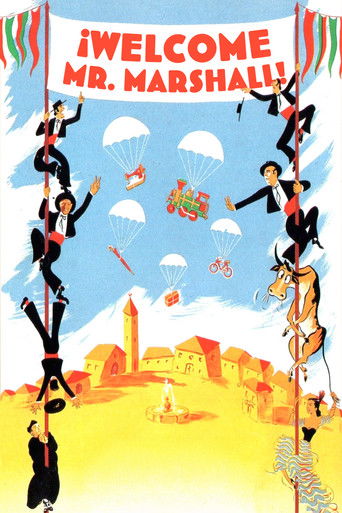
7.4A small Spanish town, Villar del Río, is alerted to the upcoming visit of American diplomats and its ruling townsmen begin preparations to impress the American visitors, in the hopes of benefiting under the Marshall Plan. Hoping to demonstrate the side of Spanish culture with which the visiting foreign officials would be more familiarized, the Castilian citizens don unfamiliar Andalusian costumes, hire a renowned flamenco performer, and re-decorate their town in Andalusian style, meantime waiting for their uncertain arrival.
Welcome Mr. Marshall!
1953
 5.7
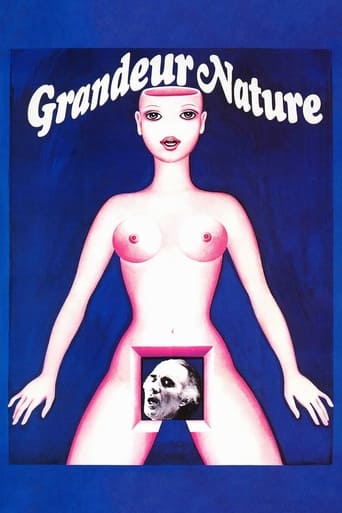
5.7Michel is a middle-aged man with money and social standing. But he dreams of owning a doll to be his lover. When he finally gets one, he realizes he has become a slave to his own fantasy.
Life Size
1974
 7.7
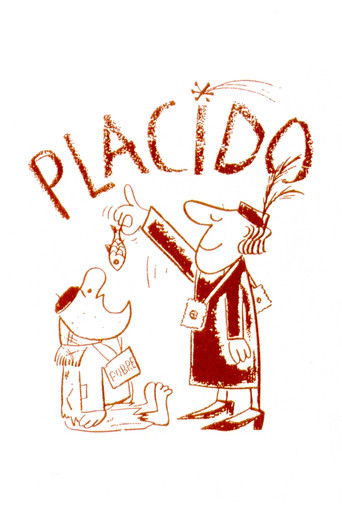
7.7In a small Spanish town, during the Christmas holidays, a group of rich old ladies organize a peculiar event that consists of inviting a homeless person to sit down to dinner at their wealthy table. Plácido, a humble worker, is hired by the organizers to participate in a parade with his three-wheeled vehicle, a seemingly simple mission that will not be easy for him to accomplish.
Placido
1962
 7.6
7.6An undertaker gets married to an old executioner's daughter and, although he doesn't like it, must continue the profession of his father-in-law after his retirement.
The Executioner
1963
 6.8
6.8How the cinema industry does not respect the author's work as it was conceived, how manipulates the motion pictures in order to make them easier to watch by an undemanding audience or even how mutilates them to adapt the original formats and runtimes to the restrictive frame of the television screen and the abusive requirements of advertising. (Followed by “Filmmakers in Action.”)
Filmmakers vs. Tycoons
2005
Film credits
2020s · 2 titles
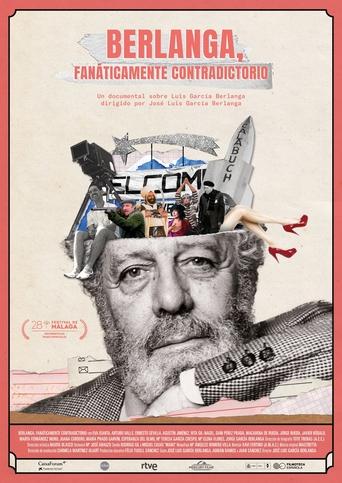
2010s · 2 titles
Documentary about Spanish director Luis García Berlanga's "The Executioner" (1963)
The Invisible Half: Luis García Berlanga's The Executioner
2012
 6.5
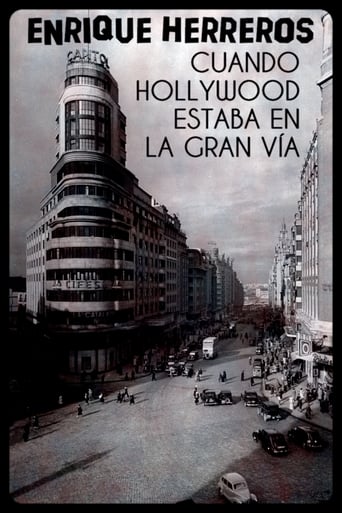
6.5The story of Enrique Herreros (1903-1977), cartoonist, advertiser, poster designer, talent manager, actor, producer and filmmaker, and the most daring of mountaineers; the man who, along with his companions from the so-called “other Generation of '27,” brought Hollywood to Madrid's Gran Vía, turning a grey and sinister post-war city into the capital of an incipient and ambitious cultural industry.
Enrique Herreros
2011
2000s · 5 titles
6.8How the cinema industry does not respect the author's work as it was conceived, how manipulates the motion pictures in order to make them easier to watch by an undemanding audience or even how mutilates them to adapt the original formats and runtimes to the restrictive frame of the television screen and the abusive requirements of advertising. (Followed by “Filmmakers in Action.”)
Filmmakers vs. Tycoons
2005
A documentary on the revolutionary life and career of director Juan Antonio Bardem, including interviews with many of his colleagues, including Luis Garcia Berlanga.
Calle Bardem
2005
 7.0
7.0No synopsis available yet.
From Kuleshov to Berlanga
2004
 5.0
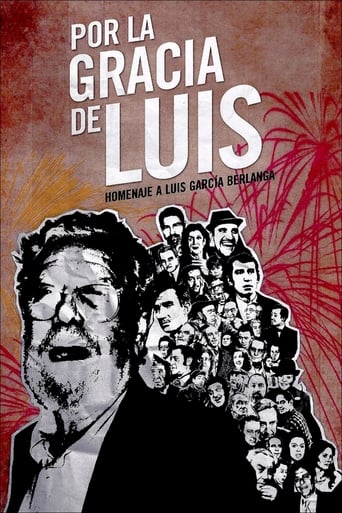
5.0A walk through the work of Luis García Berlanga (1921-2010) that is neither a documentary nor a narrative movie, but a tribute to one of the greatest directors of Spanish cinema. Anything can happen: the performers are not themselves, but their characters; there are no interviews, but greetings; a series of entrances and exits. A joyful reunion, a celebration of life.
Por la gracia de Luis
2009
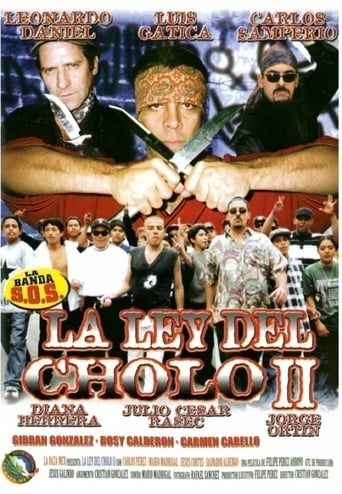 4.0
4.0No synopsis available yet.
La ley del cholo II
2000

1980s · 4 titles
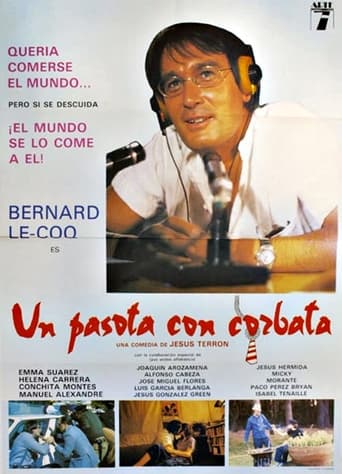 9.0
9.0No synopsis available yet.
A Tied Blasé
1981
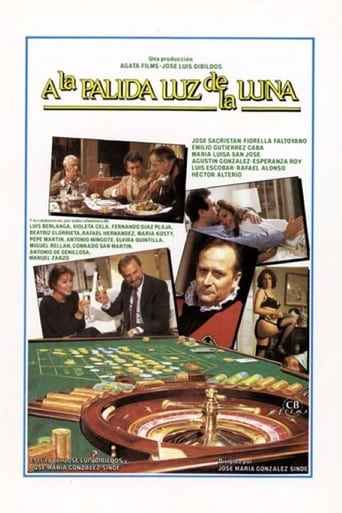 4.2
4.2Carmen leaves her husband Julio to go live with an intellectual who has made a career in the United States. While, Julio goes away to live of rent to house of an aristocrat come to less. After meeting several colorful characters, Julio decides to recover Carmen.
A la pálida luz de la luna
1985
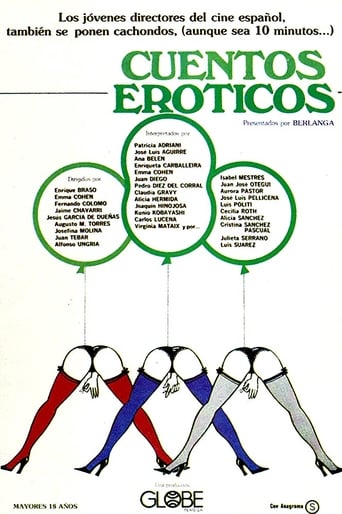 4.1
4.1A set of nine stories whose central theme is eroticism. The different directors of the film deal from philosophical aspects to others that are almost pornographic, but always with a common denominator: sensuality.
Erotic Stories
1980
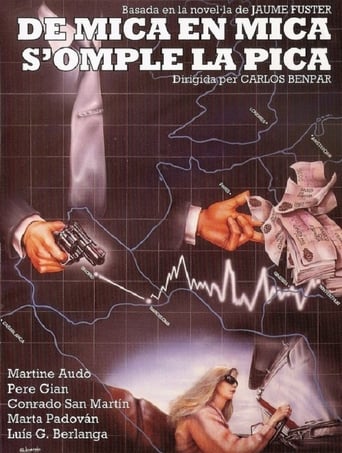 4.3
4.3A young man who likes the good life and easy money gets a proposition to represent a shady business company in Europe.
De mica en mica s’omple la pica
1984

1960s · 6 titles
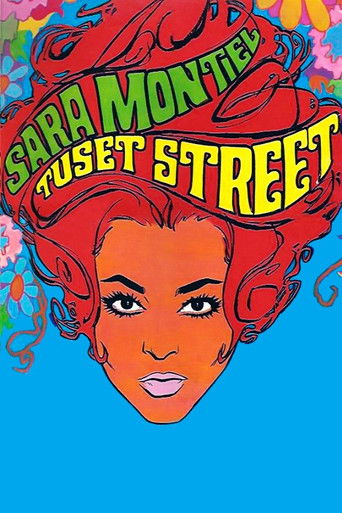 4.5
4.5Barcelona 1967. The pop culture revolution. Jordi (Patrick Bauchau) is a rich playboy who runs around with a bunch of high-end hippies, smoking, drinking, dancing and daydreaming about Tuset Street, an effort to develop a popular street in the newer section of Barcelona after the models of Haight Ashbury Street in San Francisco and Carnaby Street in London. Jordi and his gang represent the new Barcelona, wealthy, artificial and striving for imported sophistication. On the older side of the city is El Paralelo, the theater district. At El Molino, one of its many music halls, performs Violeta (Sara Montiel), a showgirl in the old style tradition who supplements her singing income with prostitution. Somehow Violeta represents the old values, the "real world" living along side an artificial creation such as Tuset.
Tuset Street
1968
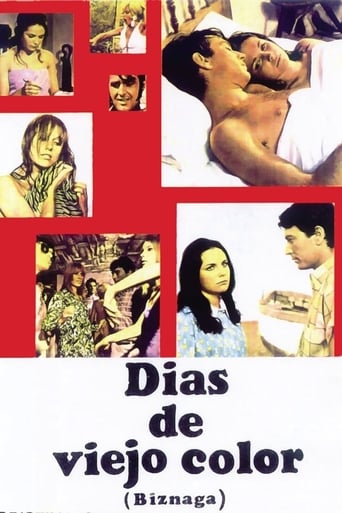 4.6
4.6In the Easter holidays of 1967, three friends come to Torremolinos willing to flirt and experience strong emotions. Contact with a new environment, in which while some find the lies that hide behind the luxury and splendor and dangers that accompany life easier, others find true love.
Días de viejo color
1968
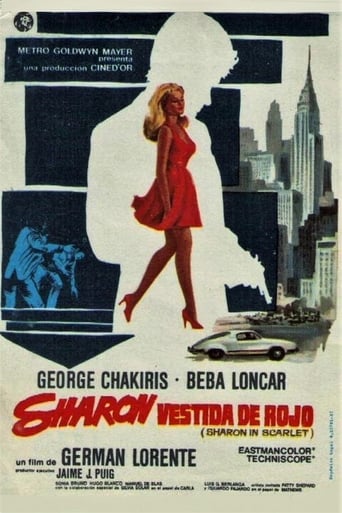 9.0
9.0No synopsis available yet.
Sharon in Scarlet
1969
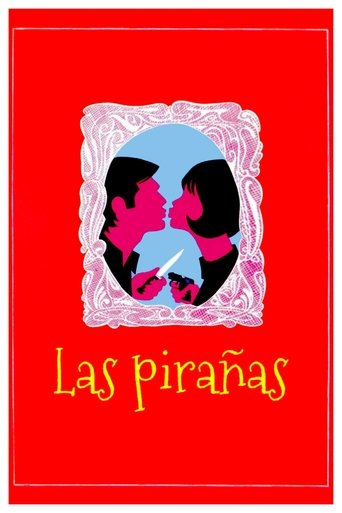 6.4
6.4Ricardo is an executive who has great success with women and behaves almost like a play-boy. His wife Carmen, an attractive housewife without children, feels ignored by him and seeks solace from her mother, who proposes Carmen a change in the way she acts in order to not permanently lose her husband or fall into madness.
Las pirañas
1967
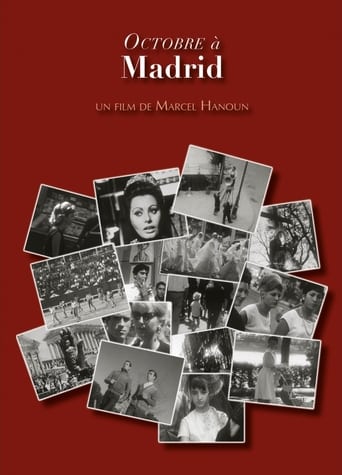 6.2
6.2Initially a made-to-order documentary on Spain, the film becomes an open-ended work-in-the-making about the creative process. “Settling in the Spanish capital to make a documentary, Hanoun sketches out for us the different steps involved in making a film. The author turns his hesitations, his doubts and difficult working conditions into the constituents of his work”. (Raphaël Bassan)
October in Madrid
1965
 8.0
8.0Lucas, shy and repressed, and sanctimonious Enriqueta are parents of nine children, so he decide to convince her to take the contraceptive pill.
No somos de piedra
1968
Series credits
Behind the camera
7.4A small Spanish town, Villar del Río, is alerted to the upcoming visit of American diplomats and its ruling townsmen begin preparations to impress the American visitors, in the hopes of benefiting under the Marshall Plan. Hoping to demonstrate the side of Spanish culture with which the visiting foreign officials would be more familiarized, the Castilian citizens don unfamiliar Andalusian costumes, hire a renowned flamenco performer, and re-decorate their town in Andalusian style, meantime waiting for their uncertain arrival.
Welcome Mr. Marshall!
1953
7.4A small Spanish town, Villar del Río, is alerted to the upcoming visit of American diplomats and its ruling townsmen begin preparations to impress the American visitors, in the hopes of benefiting under the Marshall Plan. Hoping to demonstrate the side of Spanish culture with which the visiting foreign officials would be more familiarized, the Castilian citizens don unfamiliar Andalusian costumes, hire a renowned flamenco performer, and re-decorate their town in Andalusian style, meantime waiting for their uncertain arrival.
Welcome Mr. Marshall!
1953
5.7Michel is a middle-aged man with money and social standing. But he dreams of owning a doll to be his lover. When he finally gets one, he realizes he has become a slave to his own fantasy.
Life Size
1974
5.7Michel is a middle-aged man with money and social standing. But he dreams of owning a doll to be his lover. When he finally gets one, he realizes he has become a slave to his own fantasy.
Life Size
1974
7.7In a small Spanish town, during the Christmas holidays, a group of rich old ladies organize a peculiar event that consists of inviting a homeless person to sit down to dinner at their wealthy table. Plácido, a humble worker, is hired by the organizers to participate in a parade with his three-wheeled vehicle, a seemingly simple mission that will not be easy for him to accomplish.
Placido
1962
7.7In a small Spanish town, during the Christmas holidays, a group of rich old ladies organize a peculiar event that consists of inviting a homeless person to sit down to dinner at their wealthy table. Plácido, a humble worker, is hired by the organizers to participate in a parade with his three-wheeled vehicle, a seemingly simple mission that will not be easy for him to accomplish.
Placido
1962
7.6An undertaker gets married to an old executioner's daughter and, although he doesn't like it, must continue the profession of his father-in-law after his retirement.
The Executioner
1963
7.6An undertaker gets married to an old executioner's daughter and, although he doesn't like it, must continue the profession of his father-in-law after his retirement.
The Executioner
1963
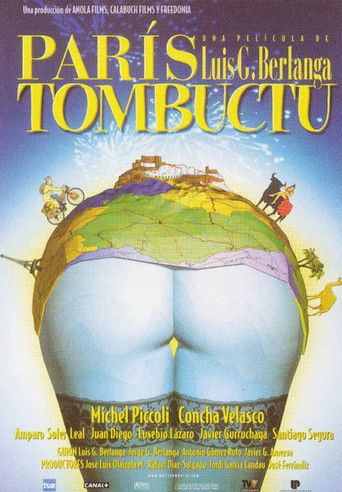 5.8
5.8The frustration and vital weariness of Michel des Assantes, a prestigious plastic surgeon in Paris, is unbearable: he has a wife whom he does not love, a son who is foreign to him and friends whom he despises but, at the same time, he is incapable of taking his own life. One day, he buys a bike from a bizarre cyclist who was to make the Paris-Timbuktu route and sets out to make the journey: then, Timbuktu becomes for him the Promised Land.
París-Tombuctú
1999
5.8The frustration and vital weariness of Michel des Assantes, a prestigious plastic surgeon in Paris, is unbearable: he has a wife whom he does not love, a son who is foreign to him and friends whom he despises but, at the same time, he is incapable of taking his own life. One day, he buys a bike from a bizarre cyclist who was to make the Paris-Timbuktu route and sets out to make the journey: then, Timbuktu becomes for him the Promised Land.
París-Tombuctú
1999
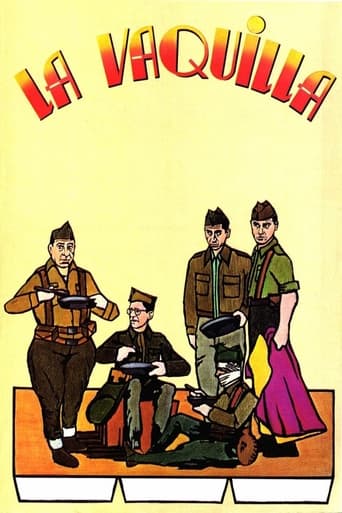 6.7
6.7During the Spanish Civil War a platoon of mismatched Republican soldiers cross the front-line to steal the bull that the enemy is going to fight on the local holiday of the nearby village. In addition to ruining the Nationalist faction's celebration they want the animal in order to butcher it and feed their famished troops. They get caught in the process and have to go through a series of funny and pathetic incidents before they can get back to their side.
The Heifer
1985
6.7During the Spanish Civil War a platoon of mismatched Republican soldiers cross the front-line to steal the bull that the enemy is going to fight on the local holiday of the nearby village. In addition to ruining the Nationalist faction's celebration they want the animal in order to butcher it and feed their famished troops. They get caught in the process and have to go through a series of funny and pathetic incidents before they can get back to their side.
The Heifer
1985
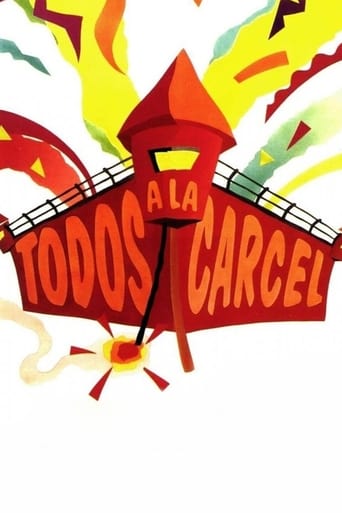 6.3
6.3A prison in Valencia hosts an event recognizing political prisoners jailed during Franco’s reign. The reunion proves more raucous than the organizers intended.
Everyone Off to Jail
1993
6.3A prison in Valencia hosts an event recognizing political prisoners jailed during Franco’s reign. The reunion proves more raucous than the organizers intended.
Everyone Off to Jail
1993
 7.5
7.5Professor Hamilton, a naive Nuclear scientist who once thought bombs were good for humanity, realizes his mistake and runs away from his inventions. He hides in Calabuch, a beautiful seaside town where people still believe in humor and friendship.
The Rocket from Calabuch
1956
7.5Professor Hamilton, a naive Nuclear scientist who once thought bombs were good for humanity, realizes his mistake and runs away from his inventions. He hides in Calabuch, a beautiful seaside town where people still believe in humor and friendship.
The Rocket from Calabuch
1956
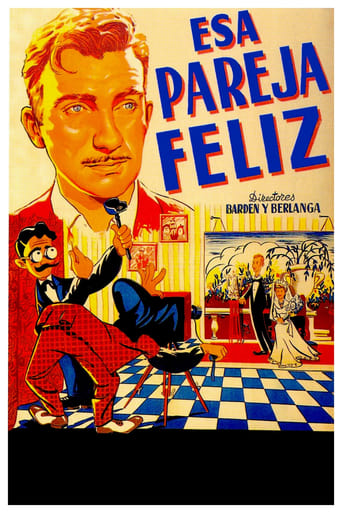 6.6
6.6Juan and Carmen are a humble couple living in Madrid. She does the housework and he works as an electrician in a film studio. Their dreams of wellness come true when they win a contest sponsored by a soap brand.
That Happy Couple
1953
6.6Juan and Carmen are a humble couple living in Madrid. She does the housework and he works as an electrician in a film studio. Their dreams of wellness come true when they win a contest sponsored by a soap brand.
That Happy Couple
1953
 6.3
6.3Madrid, Spain, 1949. The Circo Americano arrives in the city. While the big top is pitched in a vacant lot, the troupe parades through the grand avenues: the band, a witty impersonator, the Balodys, acrobats, jugglers, acrobatic skaters, clowns and… Buffallo Bill.
El circo
1950
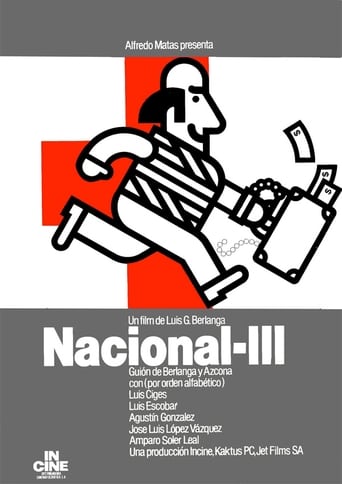 6.2
6.2In order to solve economic problems, "Leguineche" family decide to move to France with their limited belongings.
National III
1982
6.2In order to solve economic problems, "Leguineche" family decide to move to France with their limited belongings.
National III
1982
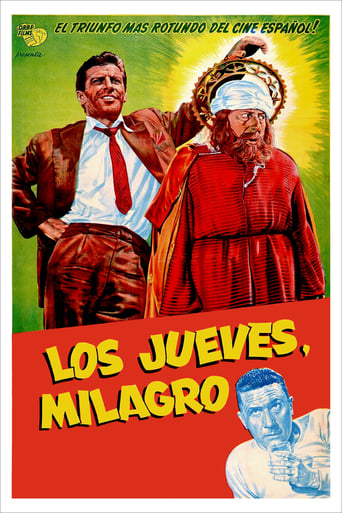 6.8
6.8In Fontecilla, a Spanish village in decline, the mayor and other illustrious citizens hatch a crazy plan to revitalize tourism.
Miracles of Thursday
1957
6.8In Fontecilla, a Spanish village in decline, the mayor and other illustrious citizens hatch a crazy plan to revitalize tourism.
Miracles of Thursday
1957
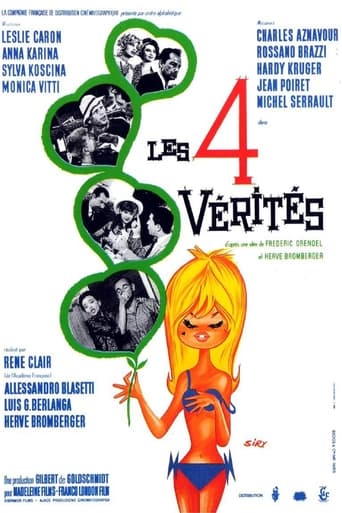 4.2
4.2"Les quatre vérités" aka "The Four Truths" is a movie anthology that consists of four segments, all loosely parodying fables from the 17th-century French poet Jean de la Fontaine. The US cut usually features only 3 segments.
The Four Truths
1962
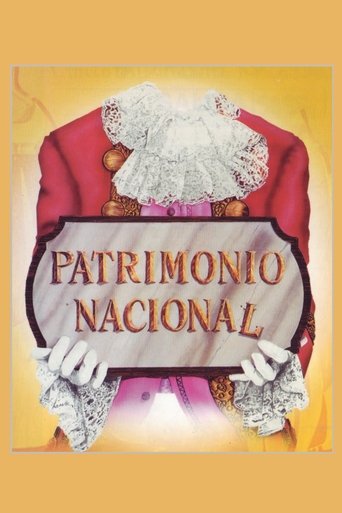 7.1
7.1After the death of General Franco, the Leguineche family leaves their estate of Los Tejadillos, where they have remained for decades in voluntary exile, with the purpose of returning to Madrid to actively participate in the social events of the aristocracy and to get closer to the closest circle of the Spanish monarch. The obsession of the old marquis is centered on getting in touch with the most illustrious surnames, to ascend socially and to resume the pomp and courtly life that his family lost a long time ago. To this end, he decides to move into an old palace he owns, located in the center of the capital, but not before overcoming the difficulties posed by his wife, who deeply hates both her husband and her son. To regain control of the palace, the Marquis of Leguineche tries to handicap his wife, arguing an incurable mental illness, and then undertake a reform of the place in order to adapt it to aristocratic life.
National Heritage
1981
7.1After the death of General Franco, the Leguineche family leaves their estate of Los Tejadillos, where they have remained for decades in voluntary exile, with the purpose of returning to Madrid to actively participate in the social events of the aristocracy and to get closer to the closest circle of the Spanish monarch. The obsession of the old marquis is centered on getting in touch with the most illustrious surnames, to ascend socially and to resume the pomp and courtly life that his family lost a long time ago. To this end, he decides to move into an old palace he owns, located in the center of the capital, but not before overcoming the difficulties posed by his wife, who deeply hates both her husband and her son. To regain control of the palace, the Marquis of Leguineche tries to handicap his wife, arguing an incurable mental illness, and then undertake a reform of the place in order to adapt it to aristocratic life.
National Heritage
1981
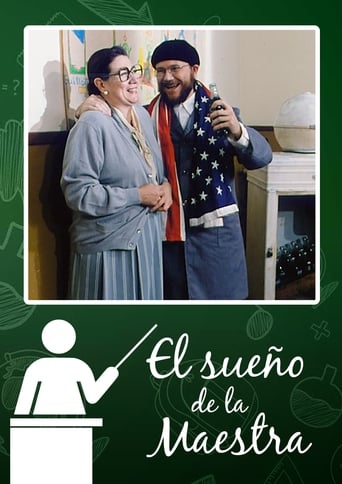 5.4
5.4The teacher explains to her students, step by step and with full details and live examples, how are the different types of execution: the electric chair, the garrote, the gallows ..
El sueño de la maestra
2002
5.4The teacher explains to her students, step by step and with full details and live examples, how are the different types of execution: the electric chair, the garrote, the gallows ..
El sueño de la maestra
2002
 8.0
8.0This excellent short film written by the magnificent filmmaker duo of Luis García Berlanga and screenwriter Rafael Azcona was to be part of a series entitled Los Pícaros (The Rogues) which was never continued. These two artists were responsible for such masterpieces of Spanish cinema as Plácido and El verdugo (The Executioner). Here, Berlanga and Azcona collaborated for the first time, setting the stage for the post-war "Berlanguiana" vision that would develop. José Luis López Vázquez plays Julián, a seedy swindler, who with his cronies tries to sell a streetcar to a rich but naive farmer, a newcomer to the city. High jinx ensue. With this film begins the great stage of Berlanga's filmmaking in which he mixes a little social criticism and notes of anti-clericalism with a great deal of farce.
Streetcar for Sale
1959
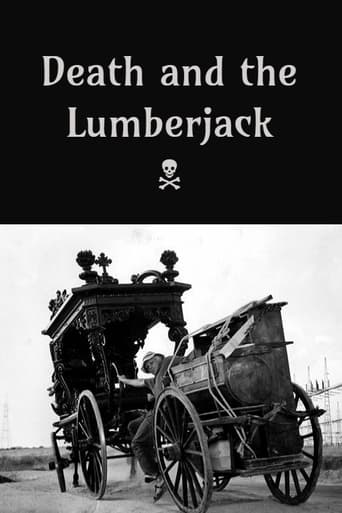 6.5
6.5An organ grinder called “El Rubio” has the crank of his street organ confiscated because he did not have his identification papers in order. From then on, a journey full of misfortune begins in which he tries hard to find a crank like the impounded one, to allow him to work again.
Death and the Lumberjack
1963
 6.8
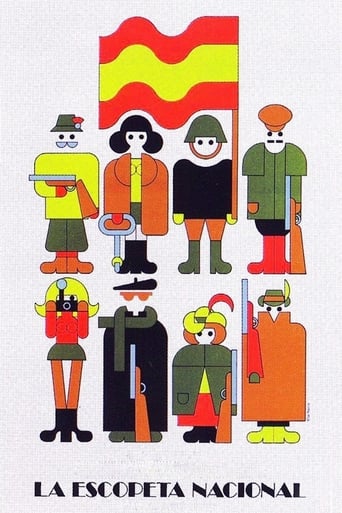
6.8A catalan manufacturer of intercoms travels to Madrid, accompanied by his mistress, to attend a hunt that he has organized. Its main purpose is to mix with people of high society to improve their business. All seems well until the owner of the farm shows full authority over James, who is the real organizer of the meeting. The celebration is diverse characters who live next to absurd situations.
The National Shotgun
1978
6.8A catalan manufacturer of intercoms travels to Madrid, accompanied by his mistress, to attend a hunt that he has organized. Its main purpose is to mix with people of high society to improve their business. All seems well until the owner of the farm shows full authority over James, who is the real organizer of the meeting. The celebration is diverse characters who live next to absurd situations.
The National Shotgun
1978
 4.7
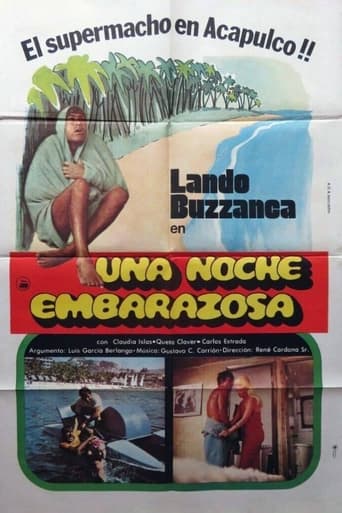
4.7An Italian taxicab driver is used as a "breeding man" to save the inheritance of a wealthy family in Mexico.
Una noche embarazosa
1977
6.4Ricardo is an executive who has great success with women and behaves almost like a play-boy. His wife Carmen, an attractive housewife without children, feels ignored by him and seeks solace from her mother, who proposes Carmen a change in the way she acts in order to not permanently lose her husband or fall into madness.
Las pirañas
1967
6.4Ricardo is an executive who has great success with women and behaves almost like a play-boy. His wife Carmen, an attractive housewife without children, feels ignored by him and seeks solace from her mother, who proposes Carmen a change in the way she acts in order to not permanently lose her husband or fall into madness.
Las pirañas
1967
 5.8
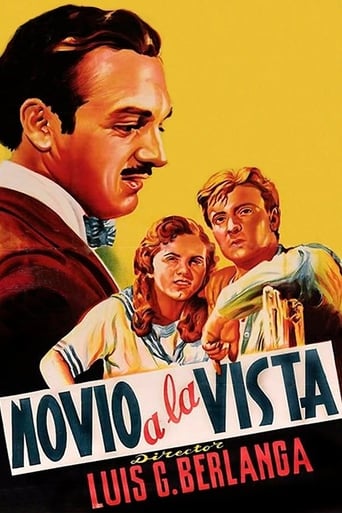
5.8In 1918, a young woman is taken to a coastal resort by her parents to find her a suitable husband.
Boyfriend in Sight
1954
5.8In 1918, a young woman is taken to a coastal resort by her parents to find her a suitable husband.
Boyfriend in Sight
1954
 5.8
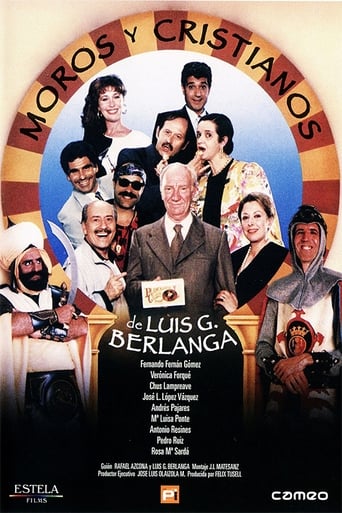
5.8A peculiar family, which owns a nougat factory, decides to set out on a trip to Madrid in order to advertise its products in a Food Fair. Besides the disapproval from the family head and company founder, events are not as expected.
Moors and Christians
1987
5.8A peculiar family, which owns a nougat factory, decides to set out on a trip to Madrid in order to advertise its products in a Food Fair. Besides the disapproval from the family head and company founder, events are not as expected.
Moors and Christians
1987
 6.0
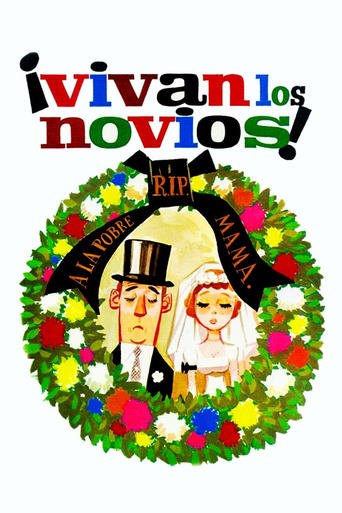
6.0Leo Pozas, native from Burgos and high bank clerk, arrives to a town on the Costa Brava, with his mother to marry Loli. Unexpectedly, Leo's mother died. This may mean the suspension of the wedding, a year of mourning and, perhaps, another relief, so that Leo and Loli hide the corpse of the old betrothal until after the wedding...
Long Live the Bride and Groom
1970