
Directing
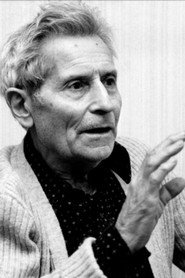
Georges Franju
Born — Died
1912-04-12 — 1987-11-05
Place of birth
Fougères, Ille-et-Vilaine, France
Known for
Directing
Credits
48 titles
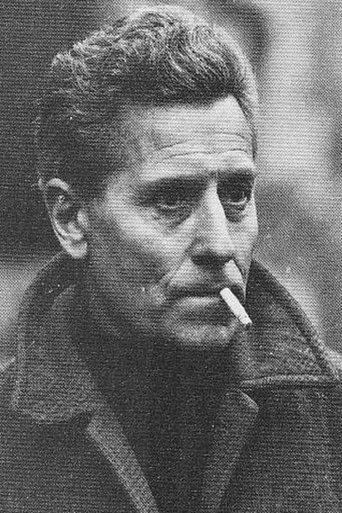
Georges Franju was a French filmmaker. He was born in Fougères, Ille-et-Vilaine. Before working in French cinema, Franju had several different jobs. Franju was also briefly in the military in Algeria and was discharged in 1932. On his return, Franju studied to become a set designer and later created backdrops for music halls including Casino de Paris and the Folles Bergère. In the mid-thirties, Franju and Henri Langlois met through Franju's twin brother Jacques Franju. As well as creating the 16 mm short film Le Métro, Langlois and Franju also started a short-lived film magazine and created a film club called Le Cercle du Cinema with 500 francs he borrowed from Langlois' parents. The club …
Known for
 8.7
8.7No synopsis available yet.
Cinépanorama
1956
 NR
NRNo synopsis available yet.
Pour le plaisir
1964
 7.6
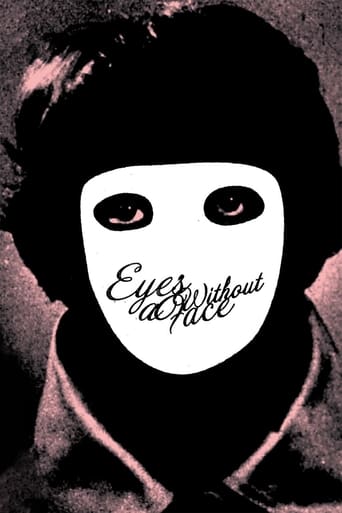
7.6Dr. Génessier is riddled with guilt after an accident that he caused disfigures the face of his daughter, the once beautiful Christiane, who outsiders believe is dead. Dr. Génessier, along with accomplice and laboratory assistant Louise, kidnaps young women and brings them to the Génessier mansion. After rendering his victims unconscious, Dr. Génessier removes their faces and attempts to graft them on to Christiane's.
Eyes Without a Face
1960
 6.5
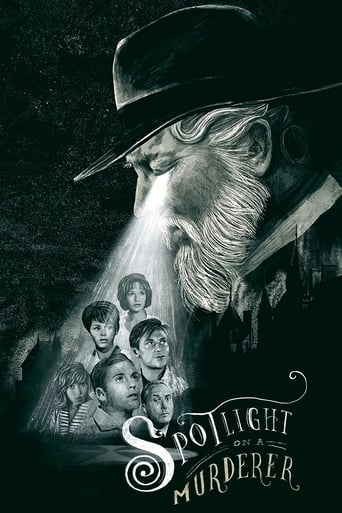
6.5An old count hides just before he dies to annoy his heirs. The heirs search a manor for the count's body and are killed off one by one. Jean-Marie, his fiancée Micheline, and Edwige investigate the deaths and search for the count's body.
Spotlight on a Murderer
1961
 6.8
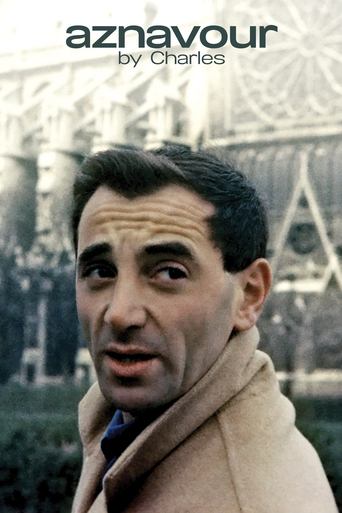
6.8In 1948, French singer Charles Aznavour (1924-2018) receives a Paillard Bolex, his first camera. Until 1982, he will shoot hours of footage, his filmed diary. Wherever he goes, he carries his camera with him. He films his life and lives as he films: places, moments, friends, loves, misfortunes.
Aznavour by Charles
2019
 6.9
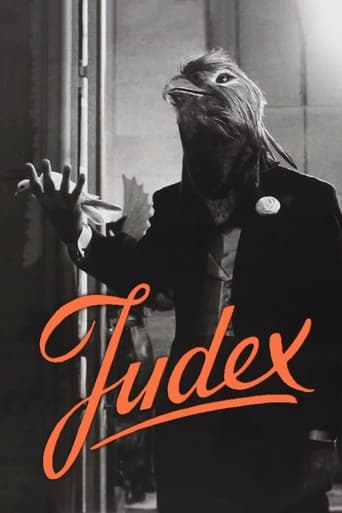
6.9Georges Franju's Judex is an arch, playful tribute to the serials of the influential silent filmmaker Louis Feuillade. Franju shuffles through the plot of Feuillade's lengthy serial of the same name, about an adventurer named Judex whose revenge against the corrupt banker Favraux unleashes a complicated series of schemes.
Judex
1963
Film credits
2010s · 2 titles
6.8In 1948, French singer Charles Aznavour (1924-2018) receives a Paillard Bolex, his first camera. Until 1982, he will shoot hours of footage, his filmed diary. Wherever he goes, he carries his camera with him. He films his life and lives as he films: places, moments, friends, loves, misfortunes.
Aznavour by Charles
2019
 6.0
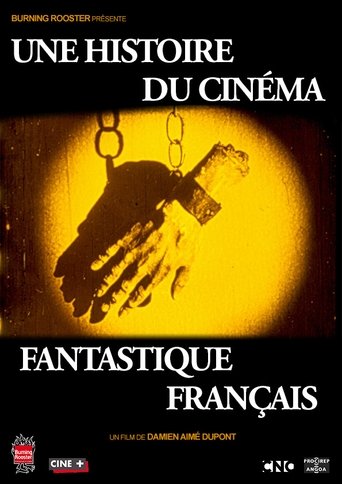
6.0The story of the French fantasy cinema from Méliès to Raw.
The Story of French Fantasy Cinema
2019
1960s · 2 titles
 NR
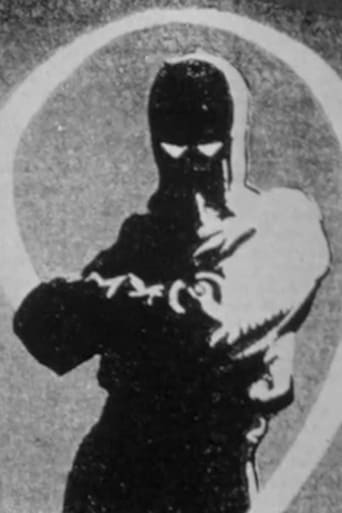
NRA portrait of feuilleton author, Marcel Allain, creator of one of Franju’s favourite heroes: Fantômas.
Rendez-vous avec Fantômas
1966
 8.0
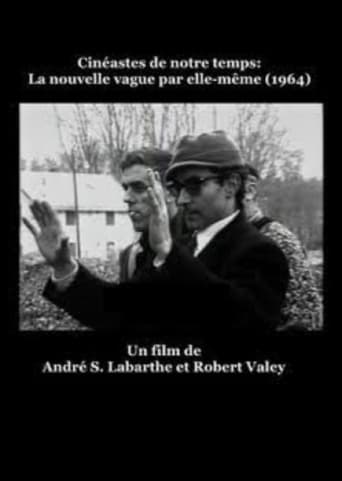
8.0Made for Cinéastes de notre temps series. In 1964, several French New Wave auteurs discuss the success and crisis of the wave. Featuring Claude Chabrol, François Truffaut, Jacques Rivette, Jean-Luc Godard, Jacques Rozier, Jacques Demy, Agnès Varda, Jean Rouch, and many others.
La Nouvelle Vague par elle-même
1964
Series credits
Behind the camera
7.6Dr. Génessier is riddled with guilt after an accident that he caused disfigures the face of his daughter, the once beautiful Christiane, who outsiders believe is dead. Dr. Génessier, along with accomplice and laboratory assistant Louise, kidnaps young women and brings them to the Génessier mansion. After rendering his victims unconscious, Dr. Génessier removes their faces and attempts to graft them on to Christiane's.
Eyes Without a Face
1960
6.5An old count hides just before he dies to annoy his heirs. The heirs search a manor for the count's body and are killed off one by one. Jean-Marie, his fiancée Micheline, and Edwige investigate the deaths and search for the count's body.
Spotlight on a Murderer
1961
6.5An old count hides just before he dies to annoy his heirs. The heirs search a manor for the count's body and are killed off one by one. Jean-Marie, his fiancée Micheline, and Edwige investigate the deaths and search for the count's body.
Spotlight on a Murderer
1961
6.9Georges Franju's Judex is an arch, playful tribute to the serials of the influential silent filmmaker Louis Feuillade. Franju shuffles through the plot of Feuillade's lengthy serial of the same name, about an adventurer named Judex whose revenge against the corrupt banker Favraux unleashes a complicated series of schemes.
Judex
1963
 7.5
7.5An early example of ultra-realism, this movie contrasts the quiet, bucolic life in the outskirts of Paris with the harsh, gory conditions inside the nearby slaughterhouses. Describes the fate of the animals and that of the workers in graphic detail.
Blood of the Beasts
1949
7.5An early example of ultra-realism, this movie contrasts the quiet, bucolic life in the outskirts of Paris with the harsh, gory conditions inside the nearby slaughterhouses. Describes the fate of the animals and that of the workers in graphic detail.
Blood of the Beasts
1949
 7.5
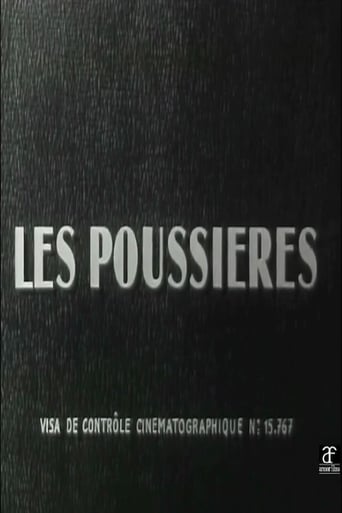
7.5The planet is filled with dust and particles of all kinds, natural or originated by man. Such a state of things has of course a great many consequences for public health, with diseases like silicosis, inherent in various human activities, some of which are detailed (farming, notably the treatment of flax; industrial activity, particularly porcelain and cement work, coal mining).
Dust of Life
1953
7.5The planet is filled with dust and particles of all kinds, natural or originated by man. Such a state of things has of course a great many consequences for public health, with diseases like silicosis, inherent in various human activities, some of which are detailed (farming, notably the treatment of flax; industrial activity, particularly porcelain and cement work, coal mining).
Dust of Life
1953
 6.8
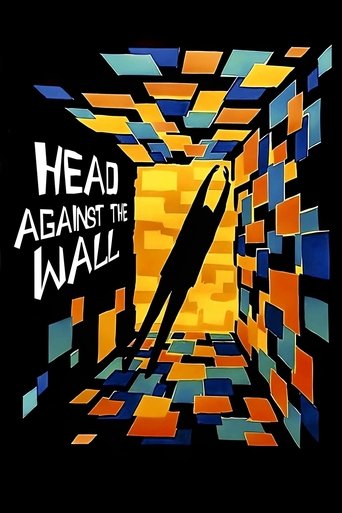
6.8An aimless young man is committed to a psychiatric hospital by his father in an attempt to cure him of his delinquent tendencies.
Head Against the Wall
1959
 6.5
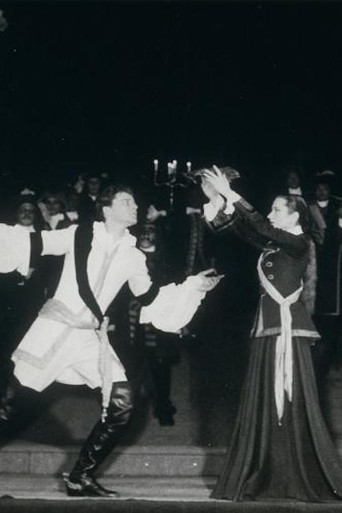
6.5The T.N.P., the Théâtre National Populaire, an important experimental theater directed by Jean Vilar. Franju combines sequences from theatrical performances with documentary images, creating links and confrontations between theater and the real world.
Le Théâtre National Populaire
1956
 5.9
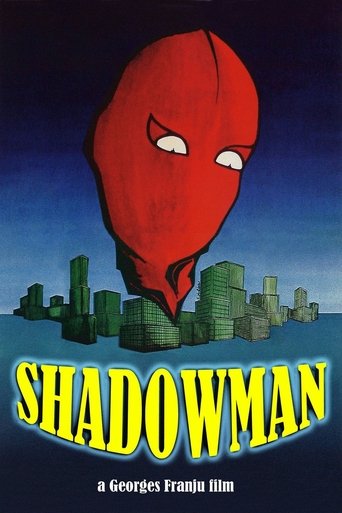
5.9Clad in a featureless red mask, The Man Without A Face is involved in a single-minded pursuit of the fabled treasure of the Knights Templar in this tribute to the pulp adventure stories of Louis Feuillade.
Shadowman
1974
 7.5
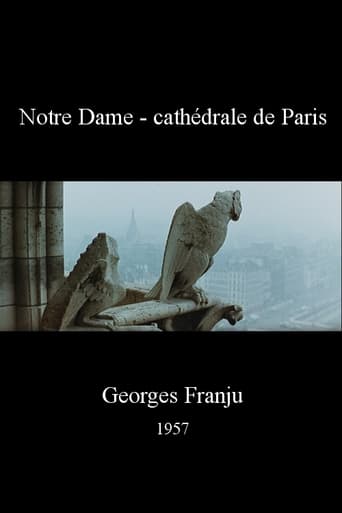
7.5An in-depth tour of the cathedral, combining history, architecture and contemplation.
Notre Dame, cathédrale de Paris
1957
7.5An in-depth tour of the cathedral, combining history, architecture and contemplation.
Notre Dame, cathédrale de Paris
1957
 7.3
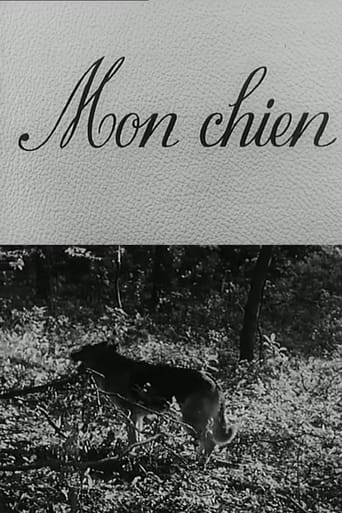
7.3A family goes on holiday, abandoning the little girl’s dog.
Mon chien
1955
7.3A family goes on holiday, abandoning the little girl’s dog.
Mon chien
1955
 NR
NRShot as something of an afterthought to Le Theatre national populaire, during the fortnight in July 1956, when Franju and his crew had to wait between the two Avignon theatrical performances that were to feature in the longer film.
Sur le pont d’Avignon
1956
NRShot as something of an afterthought to Le Theatre national populaire, during the fortnight in July 1956, when Franju and his crew had to wait between the two Avignon theatrical performances that were to feature in the longer film.
Sur le pont d’Avignon
1956
 4.3
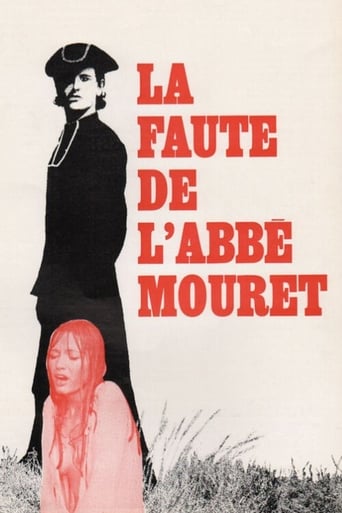
4.3Serge Mouret is a frail and devout young priest in a tough country parish. When he falls down and loses his memory, he is nursed back to health by Albine, the beautiful carefree niece of the outspoken atheist Jeanbernat. After Serge and Albine fall in love, Serge recovers his memory and realizes the grave sin he has committed.
The Demise of Father Mouret
1970
4.3Serge Mouret is a frail and devout young priest in a tough country parish. When he falls down and loses his memory, he is nursed back to health by Albine, the beautiful carefree niece of the outspoken atheist Jeanbernat. After Serge and Albine fall in love, Serge recovers his memory and realizes the grave sin he has committed.
The Demise of Father Mouret
1970
 6.9
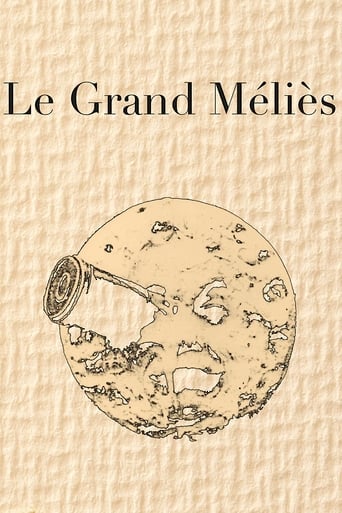
6.9A biographical film about cinematic illusionist Georges Méliès featuring Méliès’s widow, Jeanne d’Alcy, as herself, and their son André as his own father.
Le Grand Méliès
1952
6.9A biographical film about cinematic illusionist Georges Méliès featuring Méliès’s widow, Jeanne d’Alcy, as herself, and their son André as his own father.
Le Grand Méliès
1952
 6.6
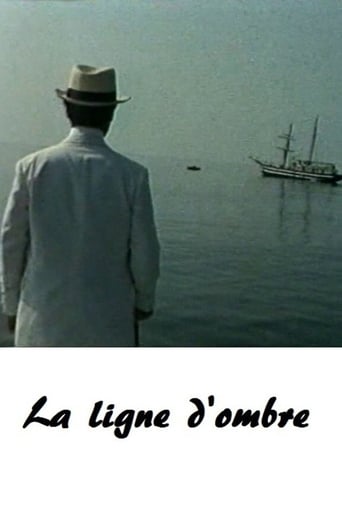
6.6Story of a young, inexperienced ship captain named Marlow, who struggles in solitude during the voyage with disease, insubordinate crew and vagaries of weather.
The Shadow Line
1973
6.6Story of a young, inexperienced ship captain named Marlow, who struggles in solitude during the voyage with disease, insubordinate crew and vagaries of weather.
The Shadow Line
1973
 6.7
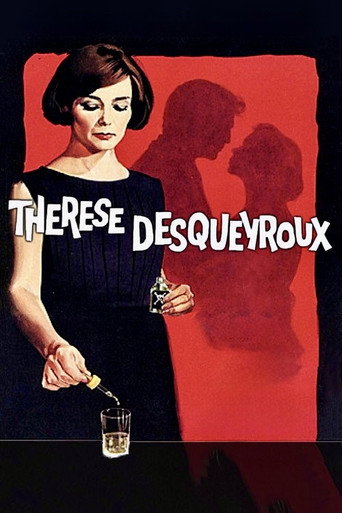
6.7Thérèse is living in a provincial town, unhappily married to Bernard, a dull, pompous man whose only interest is preserving his family name and property. They live in an isolated country mansion surrounded by servants. Early in her marriage her only comforts are her fondness for Bernard's pine-tree forest, which was her primary reason for marrying him, and her love for her sister-in-law and Bernard's half-sister, Anne. The movie recounts in flashback the circumstances that led to her being charged with poisoning her husband.
Therese
1962
6.7Thérèse is living in a provincial town, unhappily married to Bernard, a dull, pompous man whose only interest is preserving his family name and property. They live in an isolated country mansion surrounded by servants. Early in her marriage her only comforts are her fondness for Bernard's pine-tree forest, which was her primary reason for marrying him, and her love for her sister-in-law and Bernard's half-sister, Anne. The movie recounts in flashback the circumstances that led to her being charged with poisoning her husband.
Therese
1962
 9.0
9.0A man comes back to his old haunts and surveys the changes around him
La Discorde
1978
NRA portrait of feuilleton author, Marcel Allain, creator of one of Franju’s favourite heroes: Fantômas.
Rendez-vous avec Fantômas
1966
 7.0
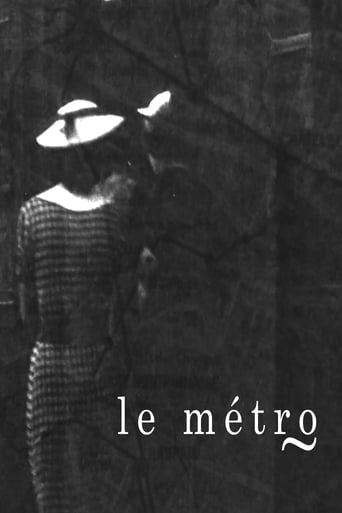
7.0This silent film on the Paris Metro was the first foray into film by Georges Franju and only foray into the realization of the future creator of the Cinémathèque Française, Henri Langlois.
The Metro
1934
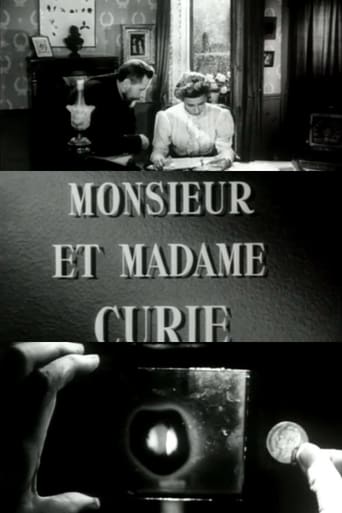 5.7
5.7The life and work of the pioneering scientists, told through the words of Marie Curie.
Monsieur and Madame Curie
1956
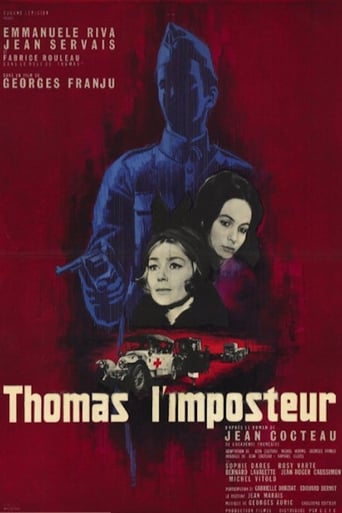 6.5
6.5In the First World War, when Paris is expected to fall to the Germans, the attractive widow, Princesse de Bormes, organises a convoy of cars to evacuate the wounded from the front, and bring them back to her villa in Paris to recuperate. The authorities will not give them passes until an innocent 16-year-old boy, Guillaume Thomas de Fontenoy, joins them and is mistaken as the nephew of the popular General de Fontenoy. The Princess is enraptured by Thomas and her daughter, Henriette, falls in love with him. However Thomas feels impelled to see more of the action of the war.
Thomas the Impostor
1965
 10.0
10.0The movie "L'instant de la paix" consists of three segments: 1. "Les rideaux blancs" (France) 2. "Berlin N 65" (West Germany) 3. "Matura" (Poland)
The Moment of Peace
1965
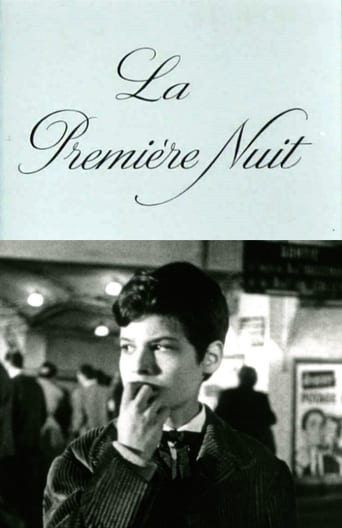 6.8
6.8A residential area schoolboy discovers the odd universe of the Parisian metro. At one point, he glimpses the beautiful face of a blond-haired girl. Later on, he falls asleep and possibly dreams his first love dream…
The First Night
1958
 5.9
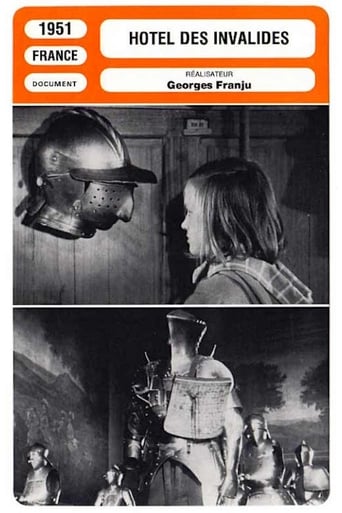
5.9A short documentary tour of Paris’s Hôtel des Invalides that uses ironic narration and museum imagery to question the logic and legacy of war.
Hôtel des Invalides
1952
5.9A short documentary tour of Paris’s Hôtel des Invalides that uses ironic narration and museum imagery to question the logic and legacy of war.
Hôtel des Invalides
1952
 8.0
8.0A lyrical evocation of times past and a reflection on the inevitable passing of time through the recollections of an old fisherman.
About a River
1955
8.0A lyrical evocation of times past and a reflection on the inevitable passing of time through the recollections of an old fisherman.
About a River
1955
 NR
NRTelevision documentary about Gustave Eiffel.
Le Magicien du fer
1967
 8.0
8.0A travelling company makes its way round the small villages of France. Shot for the program Cinéma 16 broadcast by the French channel FR3, where Franju adapted an argument written by one of his favourite actors, Pierre Brasseur, and worked with his fetish actress, Edith Scob.
Le Dernier Mélodrame
1979
 7.0
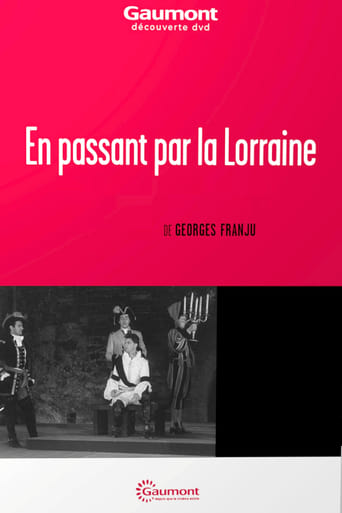
7.0This Government-commissioned documentary was intended to reflect the modernisation of French industry. However, in Franju’s hands it became an ode to fire and a fascinating portrayal of industrial architecture.
Passing through Lorraine
1950
7.0This Government-commissioned documentary was intended to reflect the modernisation of French industry. However, in Franju’s hands it became an ode to fire and a fascinating portrayal of industrial architecture.
Passing through Lorraine
1950