

Acting
Paco Ibáñez
Born
1934-11-20 (91)
Place of birth
València, Comunitat Valenciana, Spain
Known for
Acting
Credits
8 titles
Francisco "Paco" Ibáñez (born 20 November 1934 in Valencia) is a Spanish singer and musician. He never composed his own lyrics, but used famous poems, like those of Federico García Lorca, Luis Cernuda, Rafael Alberti or Miguel Hernández. He also sang compositions from Georges Brassens. He went to France in 1952 and recorded his first album in 1964. During the events in France of May 1968, he performed in the Sorbonne and became known as a rebel artist. The youngest of four siblings, he was born to a Valencian father and a Basque mother. He spent his first years in Barcelona, only returning there in 1994 after a long exile; his family had had to flee to France after the Spanish civil war du…
Known for
 6.8
No synopsis available yet.
Champs-Elysées
1982
 6.0
A talk show presented by Michel Drucker
Les Rendez-vous du dimanche
1975
 8.0
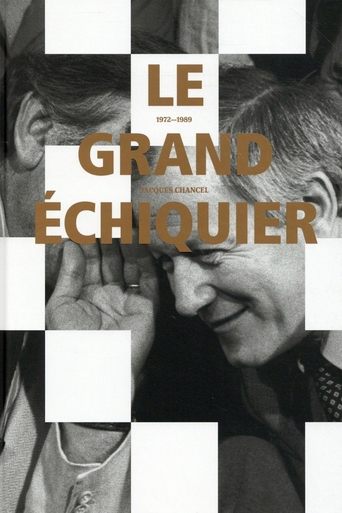
Le Grand Échiquier is a French variety television program created and presented by Jacques Chancel. It aired at 8:30 pm on the first channel of the ORTF from January 12, 1972 to July 12, 1972, then on the second color channel of the ORTF from September 1972 to December 1974, and finally on Antenne 2 from January 1975 to December 21, 1989. The program returned to France 2 on December 20, 2018 and is hosted by Anne-Sophie Lapix.
Le Grand Échiquier
1972
 8.0
No synopsis available yet.
Discorama
1959
 NR
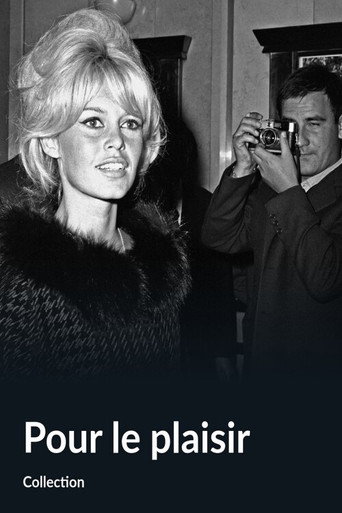
No synopsis available yet.
Pour le plaisir
1964
 9.0
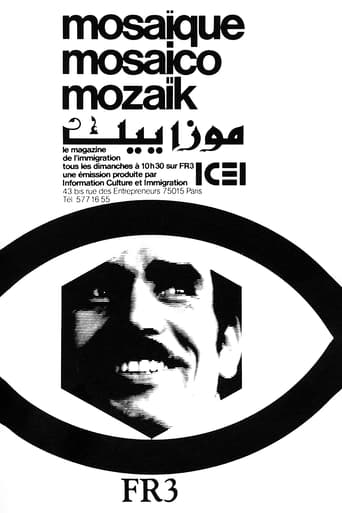
Broadcast from 1977 to 1987 on FR3, every Sunday morning, for 1h30, Mosaïque is a variety show with a set where music groups from the countries of origin of immigration perform, and which broadcasts reports on these countries and on immigrants who live in France. When it was created, it aimed to promote the cultures of origin of immigrants, but also to make them better known to the rest of the population. However, the program was never financed by public television which considers that it was aimed at a specific audience and was therefore not part of a public service mission. It received financial support from the Ministry of Labor, through its subsidy to the National Office for the Cultural Promotion of Immigrants, ONPCI (later becoming Information Culture and Immigration, ICEI, in 1977, then Agency for the Development of Intercultural Relations , ADRI). , in 1982).
Mosaïque
1976
Film credits
2010s · 2 titles
 7.4
A deeply moving story about love, loss and literature, this documentary follows the days of José Saramago, the Nobel-laureate Portuguese novelist, and his wife, Pilar del Río. The film shows their whirlwind life of international travel, his passion for completing his masterpiece "The Elephant's Journey", and how their love quietly sustains them throughout.
José & Pilar
2010
 NR
No synopsis available yet.
Concert "Volem acollir"
2017
Series credits
6.8No synopsis available yet.
Champs-Elysées
1982
6.0A talk show presented by Michel Drucker
Les Rendez-vous du dimanche
1975
8.0Le Grand Échiquier is a French variety television program created and presented by Jacques Chancel. It aired at 8:30 pm on the first channel of the ORTF from January 12, 1972 to July 12, 1972, then on the second color channel of the ORTF from September 1972 to December 1974, and finally on Antenne 2 from January 1975 to December 21, 1989. The program returned to France 2 on December 20, 2018 and is hosted by Anne-Sophie Lapix.
Le Grand Échiquier
1972
8.0No synopsis available yet.
Discorama
1959
NRNo synopsis available yet.
Pour le plaisir
1964