
Acting
Lucien Nat
Born — Died
1895-01-11 — 1972-07-23
Place of birth
Paris, France
Known for
Acting
Credits
51 titles
Known for
 10.0
10.0Les Cent Livres des Hommes (ORTF, 1969-1973) was a series of literary programs created by Claude Santelli and Françoise Verny, and produced notably by Santelli, Jean Archimbaud, and Serge Moati. Planned for one hundred episodes but completed at thirty-nine, the series aimed to introduce great literary works, 'chefs-d’œuvre', to a younger audience through a mix of dramatization, reading, and documentary techniques. It marked a transfer of cultural legitimacy from writers and critics to a generation of television producers, offering a new model of educational and creative literary broadcasting - 'télévision d’auteur'.
Les Cent Livres des Hommes
1970
 7.8
7.8A tale of the tender relationship between a twelve-year-old boy and the fourteen-year-old upperclassman who is the object of his desire, all set within the rigid atmosphere of a Jesuit-run school.
This Special Friendship
1964
 7.9
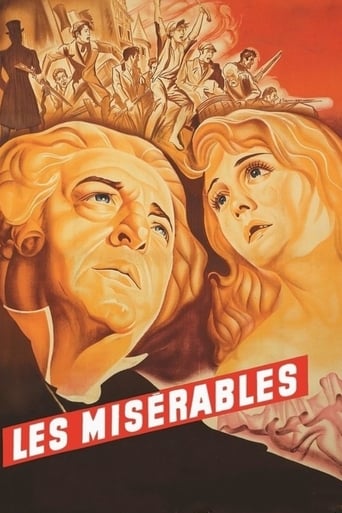
7.9In 19th century France, Jean Valjean, a man imprisoned for stealing bread, must flee a relentless policeman named Javert. The pursuit consumes both men's lives, and soon Valjean finds himself in the midst of the student revolutions in France.
Les Misérables
1934
 6.1
6.1Paris, France. Commissaire Wens is put in charge of the investigation into the murder of one of six friends who, in the past, made a very profitable promise.
The Last One of the Six
1941
 6.7
6.7An ex-convict who wants to make an honest life for himself is pursued by the implacable hatred of a policeman.
Les Misérables
1972
 6.7
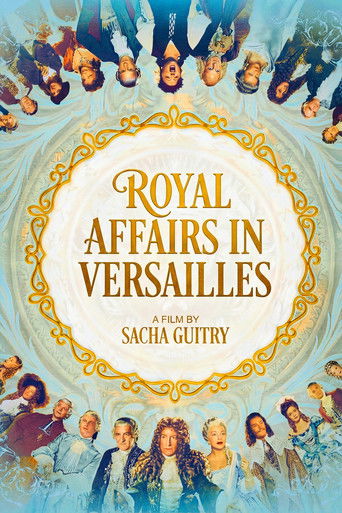
6.7Witty narration follows the history of Versailles Palace; founded by Louis XIII, enlarged by autocratic Louis XIV, whose personal affairs and amours, and those of his two successors, are pursued in more detail to the start of the Revolution, after which the story is brought rapidly up to date.
Royal Affairs in Versailles
1953
Film credits
1960s · 7 titles
7.8A tale of the tender relationship between a twelve-year-old boy and the fourteen-year-old upperclassman who is the object of his desire, all set within the rigid atmosphere of a Jesuit-run school.
This Special Friendship
1964
 4.4
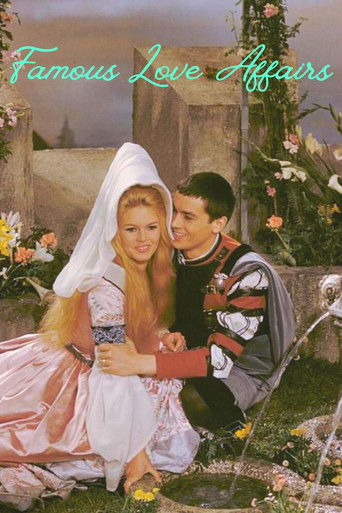
4.4An anthology of four historical love affairs: at Versailles, Louis XIV shares his mistress with one of his subjects; a courtesan tries to disfigure her lover with acid; a medieval wife faces the wrath of her husband's father, who has her condemned to death; and a stage actress provides advice on life and love to her young colleague.
Famous Love Affairs
1961
 7.0
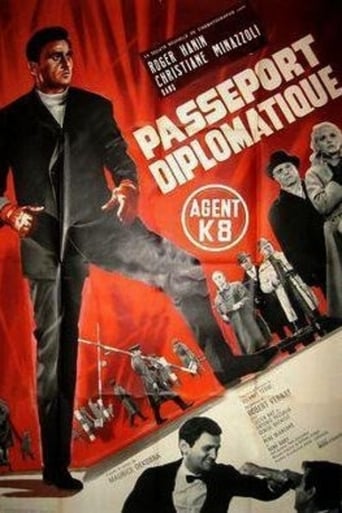
7.0The daughter of a foreign diplomat in Paris is courted by two men. One of them entrusts her with a harmless commission for Poland, as she has a diplomatic passport. But it's a trap, and the girl is forced to work for Eastern spies.
Operation Diplomatic Passport
1965
 6.4
6.4This telefilm in black and white is diffused on the first French chain the November 6th 1965. It undoubtedly remains the most known adaptation of the Dom Juan of Molière.
Dom Juan
1965
 10.0
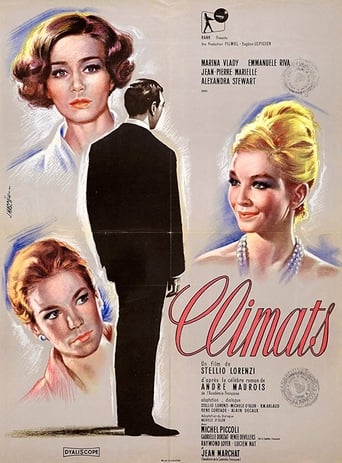
10.0The Marcenat couple seem to have everything they need to be happy. However, Odile's frivolity and Philippe's jealousy drive the couple apart. Philippe, manager of the family printing business, finds solace in Isabelle, a long-time employee at the paper mill. Isabelle's routine life, entirely devoted to her work, leads Philippe to strike up a romantic relationship with the playful young Misa. But, faced with Isabelle's grief, Philippe puts an end to the romance. When Odile, inconsolable since their break-up, finally commits suicide, Philippe realizes that she was his true love.
Climates of Love
1962
 6.7
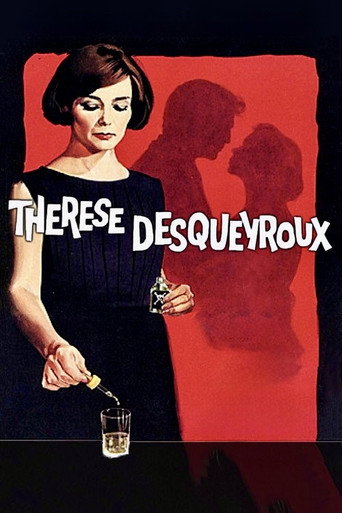
6.7Thérèse is living in a provincial town, unhappily married to Bernard, a dull, pompous man whose only interest is preserving his family name and property. They live in an isolated country mansion surrounded by servants. Early in her marriage her only comforts are her fondness for Bernard's pine-tree forest, which was her primary reason for marrying him, and her love for her sister-in-law and Bernard's half-sister, Anne. The movie recounts in flashback the circumstances that led to her being charged with poisoning her husband.
Therese
1962
 7.0
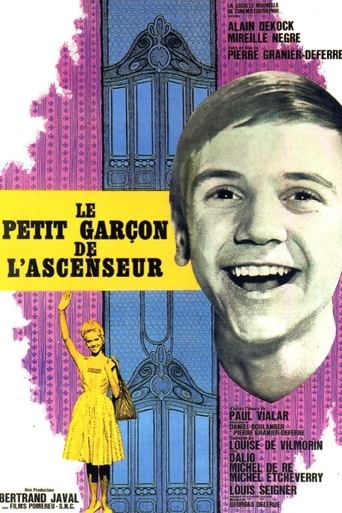
7.0A young boy is hired as a lift attendant in a grand hotel when his mother dies. To fulfill his dream, he takes part in a competition organized by the manager, and wins 1st prize: a two-day stay in one of the princely suites. He wants to share the experience with his young girlfriend, the florist, but discovers that she has betrayed him and returns to her elevator.
The Little Boy from the Lift
1962
1950s · 15 titles
6.7Witty narration follows the history of Versailles Palace; founded by Louis XIII, enlarged by autocratic Louis XIV, whose personal affairs and amours, and those of his two successors, are pursued in more detail to the start of the Revolution, after which the story is brought rapidly up to date.
Royal Affairs in Versailles
1953
 6.7
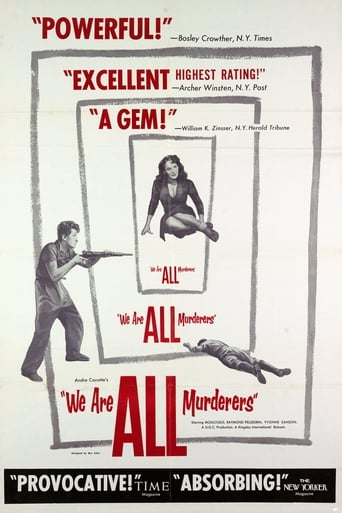
6.7Originally titled Nous Sommes Tout des Assassins, We Are All Murderers was directed by Andre Cayette, a former lawyer who detested France's execution system. Charles Spaak's screenplay makes no attempt to launder the four principal characters (Marcel Mouloudji, Raymond Pellegrin, Antoinine Balpetre, Julien Verdeir): never mind the motivations, these are all hardened murderers. Still, the film condemns the sadistic ritual through which these four men are brought to the guillotine. In France, the policy is to never tell the condemned man when the execution will occur--and then to show up without warning and drag the victim kicking and screaming to his doom, without any opportunity to make peace with himself or his Maker. By the end of this harrowing film, the audience feels as dehumanized as the four "protagonists." We Are All Murderers was roundly roasted by the French law enforcement establishment, but it won a special jury prize at the 1952 Cannes Film Festival.
We Are All Murderers
1952
 5.7
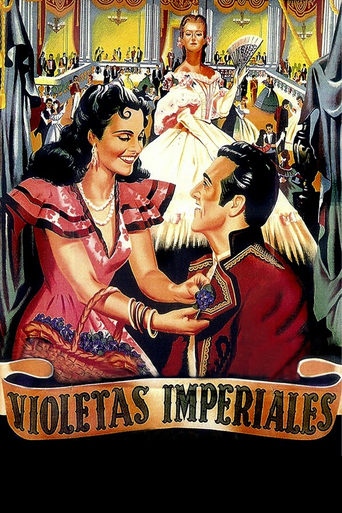
5.7Violeta, an Andalusian gypsy, foretells a lady she will become empress. The lady is Eugenia de Montijo, and when she marries emperor Luis Napoleón of France she takes the young girl with her. The empress'cousin readily makes her his focus of attention, then she discovers a criminal attempt against the empress.
Imperial Violets
1952
 5.9
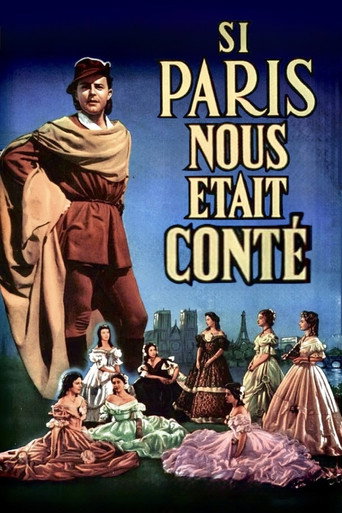
5.9Historical film directed and written by Sacha Guitry follows the the history of Paris from its founding through the significant events in the city's history.
If Paris Were Told to Us
1956
 7.5
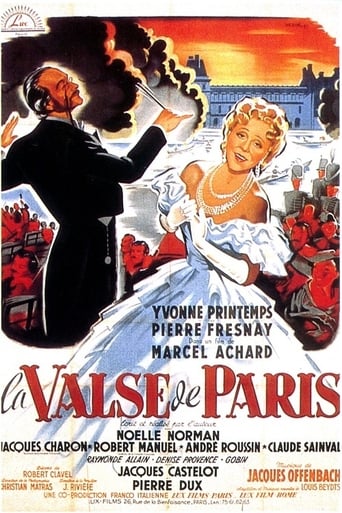
7.5A fictitious biography of Jacques Offenbach and Hortense Schneider.
Paris Waltz
1950
 6.3
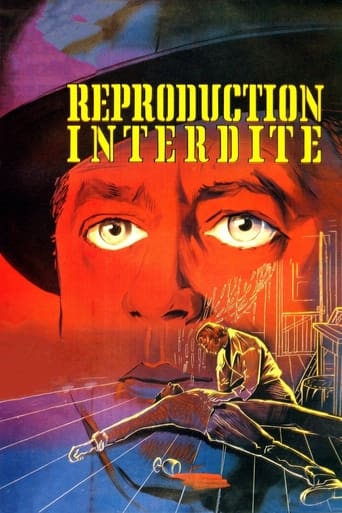
6.3An art dealer in dire straits, after being ripped off by two crooks, one of whom owns a genuine painting by Gauguin while the other is an expert copyist, finds them again and, instead of killing them as he originally intended, joins in their game – with ultimately disastrous results.
Reproduction interdite
1957
Vassili Mikhailovich Ordynov, a poor and reclusive young man, must look for new accommodation. By chance, he meets a middle-aged man, Mourine, and a young woman, Catherine, who accepts him as a sub-tenant...
The Landlady
1958
 6.3
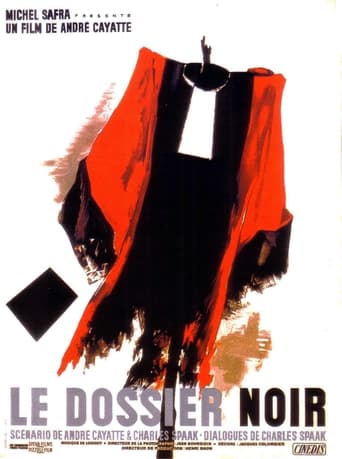
6.3In the 1950s, in a small provincial town, a young inexperienced judge clashes with an influential notable during an investigation into a suspicious death. His perseverance to get to the truth will cause a huge scandal.
Black Dossier
1955
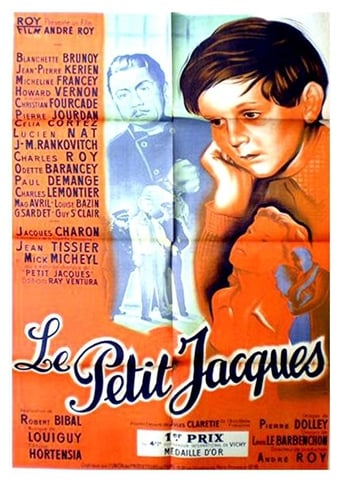 9.0
9.0Noël Rambert is overwhelmed by fate. Marthe, his wife, has left him. His son, little Jacques, sickly and touching, has psychic gifts. Life is not a happy one. A crime is committed. Poor Rambert is unjustly suspected. A good-looking man convinces him to confess his guilt. In doing so, he secures his child's future. Resigned to everything, the sad Rambert is ready for the scaffold. The little medium brings the truth to light and Mme Mortal denounces her husband, Daniel Mortal, the man behind the despicable bargain, as the murderer. Happiness returns with a bang, as the repentant Marthe Rambert continues to watch over little Jacques during the ordeal.
Le Petit Jacques
1953
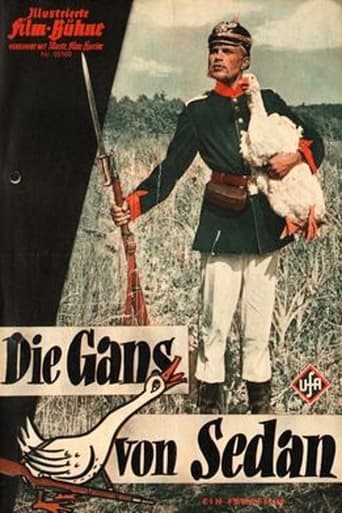 10.0
10.0Summer 1870. Following the French defeat at Sedan. Léon, a soldier in a detachment isolated in the Ardennes forest, is sent in search of water. When he discovers the most peaceful of rivers, he decides to undress and bathe in it. At bend of the river he catches sight of another naked swimmer. It's a Prussian! Both men start bickering a bit: aren't they supposed to be arch enemies? But they soon fraternize. Unfortunately the patrol has not vanished in the haze and they hear it coming. Each man gets hold of his uniform and runs away in two opposite directions. The only trouble is that Fritz the Prussian has donned the French uniform and Leon the Prussian one!
Without Trumpet or Drum
1959
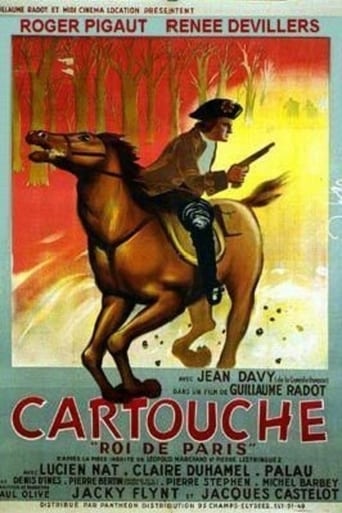 NR
NRThe romantic life of the head of a bandit gang, wanted by the police. Cartouche gets away with being deported to Louisiana after unmasking a plot by a Duke against the throne.
Cartouche, King of Paris
1950
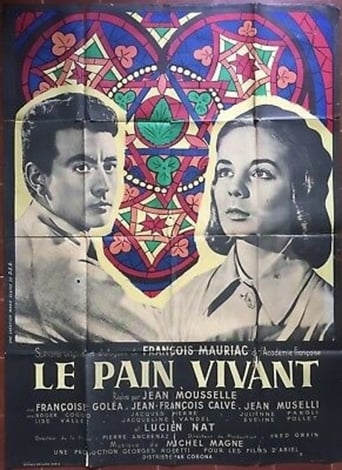 7.0
7.0The practice of Eucharistic Adoration brought a group of San Antonio groups closer to Jesus. Hear the stories from those who experienced the Lord's presence through their devotion.
The Living Bread
1955
 6.1
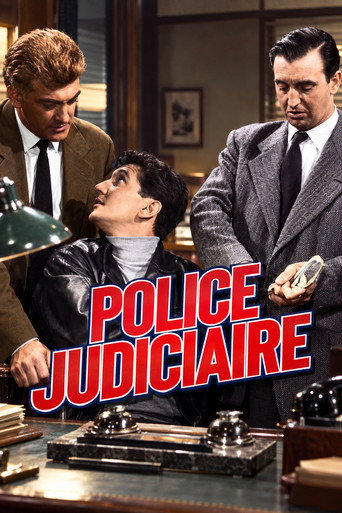
6.1The detectives of the Paris Judicial Police, based at the Quai des Orfèvres, are mobilized by four criminal cases. A double murder, perpetrated in a hotel on the Place de Clichy, intrigues the investigators. The owner and a little maid were murdered in cold blood.
Police Judiciaire
1957
 8.3
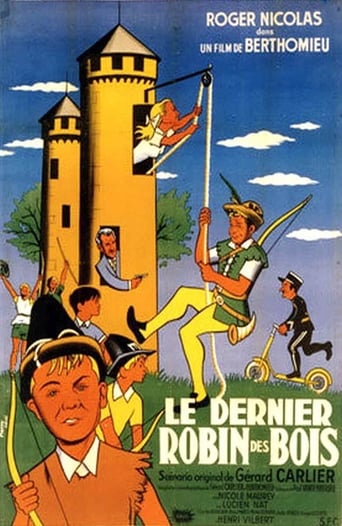
8.3While Ludovic Dubois, a young summer camp monitor in Saint-Benoît, entertains the children by playing Robin Hood, the lord's niece is kidnapped by her uncle, in the castle next door. Helped by the children and the customs inspector, the last of the Robin Hoods will free the "Princess Isabelle", and will end up marrying her.
The Last Robin Hood
1953
 6.2
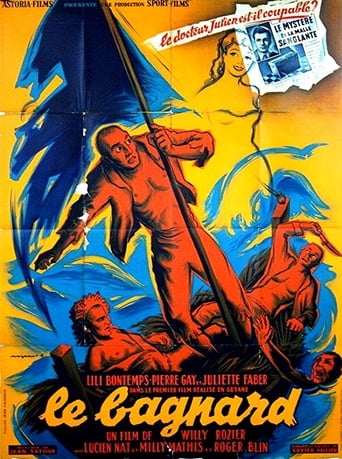
6.2The practice of Dr. Julien, a GP of Marseilles, consists mainly of drug-addicts. One day, one of his patient dies at his surgery and Julien yields to the temptation : he steals the dead man's money and hides the corpse in a trunk. But the whole thing is discovered and ... misinterpreted. The doctor is condemned for killing the junkie and sent to the Cayenne convict prison, from which he escapes. The Indians give him shelter and he is soon given the opportunity to return their good deed when a yellow fever epidemic strikes their tribe. A young woman helps to fight the disease and, thanks to her, Julien starts considering that a new life is possible for him.
The Convict
1951
1940s · 20 titles
6.1Paris, France. Commissaire Wens is put in charge of the investigation into the murder of one of six friends who, in the past, made a very profitable promise.
The Last One of the Six
1941
 8.0
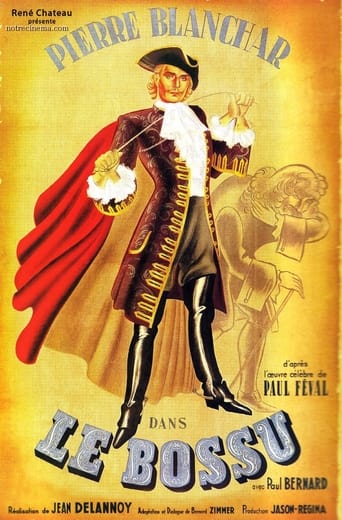
8.0The knight Henri de Lagardère wants to avenge the death of his friend, the duke Philippe de Nevers assassinated by the prince de Gonzague, a few years before.
The Hunchback
1944
 6.8
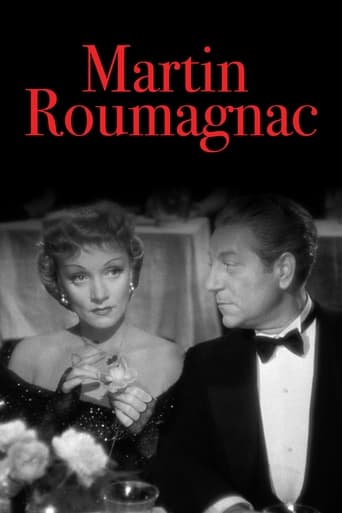
6.8The local building-contractor Martin Roumagnac is fascinated by the fashionable Blanche Ferrand. To impress Blache, Martin presents her with a villa. However, this ruins him financially. Despite Martin's many efforts for the now femme-fatal Blanche, she is not able to chose between him and the rich consul De Laubry.
Martin Roumagnac
1946
 9.0
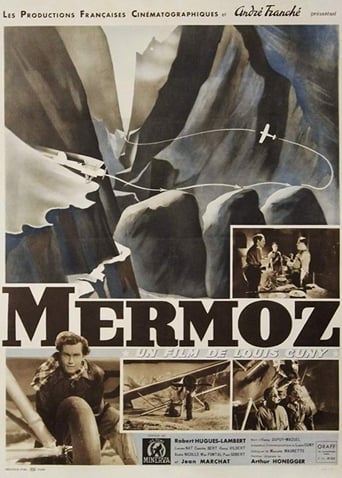
9.0Biography and apology of the famous pilot, nicknamed by some the Archangel, who organized the airmail network of South America, flew the first over the Andes Cordillera, maintained the mystique of the South Atlantic, militated in the Crosses of Fire and perished at the controls of "La Croix du Sud" during its twenty-fourth crossing.
Mermoz
1943
 6.7
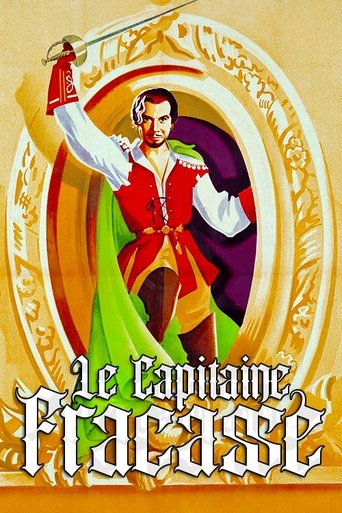
6.7Out of love for an actress, Isabelle, the Baron de Sigognac joins a traveling troop en route to Paris. When an actor dies, he takes over his role: that of Captain Fracasse.
Captain Fracasse
1943
 5.5
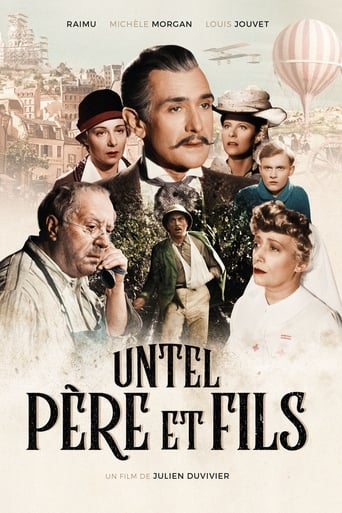
5.5The story of how the people of Paris cope with the strains and struggles of war, from the siege of the city by the Prussians during the Franco-Prussian War of 1871 to the invasion by the Germans in World War II.
The Heart of a Nation
1943
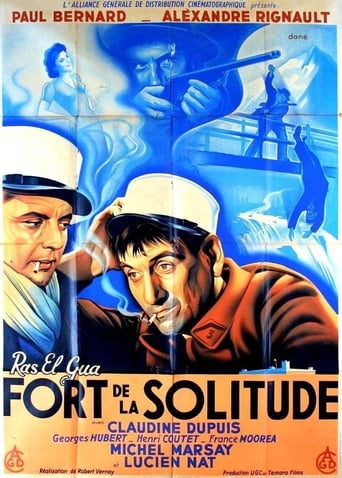 9.0
9.0On the borders of the desert, Péhu, a rather blunt creature on the verge of death, confesses to Charles Sigouane that some time before he stole and killed for the sake of a woman named Marie. Péhu recovers against all odds and returns to France with a view to finding Marie and to retrieve a loot he has hidden somewhere.
Fort De La Solitude
1948
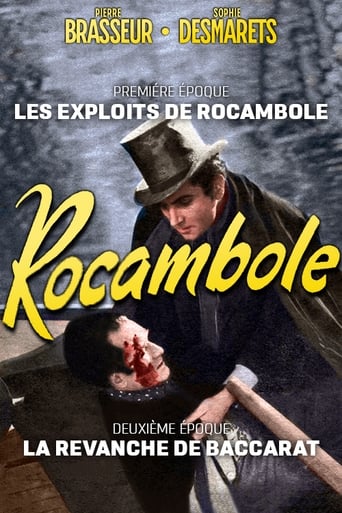 7.0
7.0In Paris, in the middle of the 19th century, the Comte de Chamery died of poisoning, leaving a considerable fortune to his long-dead son. Sir William, the count's murderer, hires a young rogue, Rocambole, to pretend to be the deceased's son. The two accomplices have the Count's fortune handed over to them. But their trickery is discovered by an intriguer, Baccarat, who finds the real Count of Chamery, a young painter without fortune, in love with Carmen de Montevecchio. Rocambole, who stops at nothing, kills Sir William, gets rid of Armand and makes Carmen love him. But Baccarat is determined not to let him continue his villainies.
The Revenge of Baccarat
1948
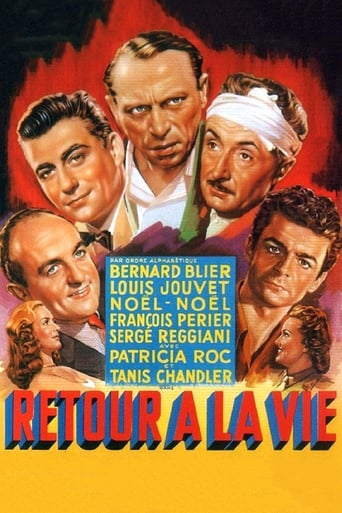 6.4
6.4In France in 1946, the difficult return to civilian life of five deportees and prisoners of war after having lived through the hell of the Second World War.
Return to Life
1949
 7.5
7.5Mathilde Stangerson just married her fiance, when she heard that Larsan, her cruel former husband, whom she believed to be dead, is actually very much alive. Taking refuge to her castle, she appealed to the journalist Rouletabille to protect her.
The Perfume of the Lady in Black
1949
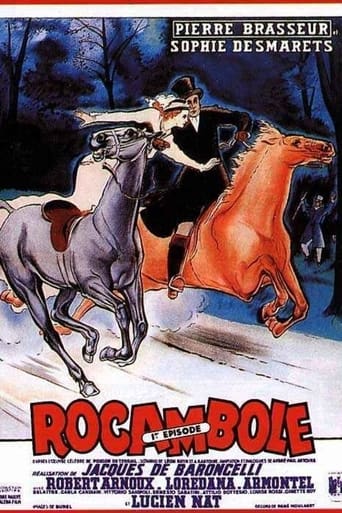 7.0
7.0In the 19th century, a thug from the slums of Paris pretends to be a young aristocrat, but is unmasked by a demi-mondaine, from the same background as him.
Rocambole
1948
 5.9
5.9For 15 years after Waterloo, a baron refuses to accept the defeat. He reluctantly marries one of 2 Bourbon sisters but lands up dueling with the wife's former lover. Finally he gets a chance to prove himself again in battle.
Pontcarral, Empire Colonel
1942
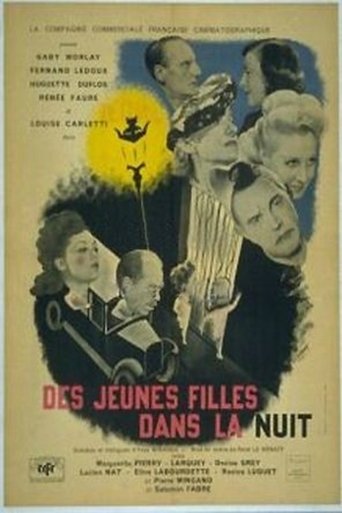 7.0
7.0Six young boarding girls return home unexpectedly after their college has been destroyed by fire. Their unexpected presence arouses melodramatic reactions.
Des jeunes filles dans la nuit
1943
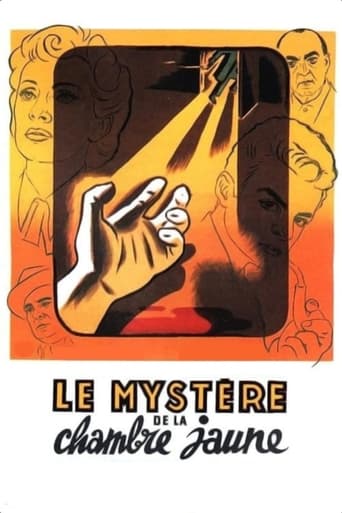 7.0
7.0A young reporter solves a mystery crime. The fictional reporter is Joseph Rouletabille. He works on a complex, and seemingly impossible, crime in which the criminal appears to disappear from a locked room.
The Mystery of the Yellow Room
1949
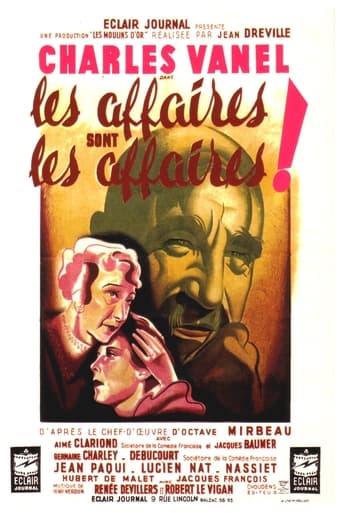 6.8
6.8Isidore Lechat is a ruthless self-made man whose money allows him to humiliate the others, particularly a ruined noble: he wants his daughter to marry this marquis's son but the girl is in love with a young scientist.
Business Is Business
1942
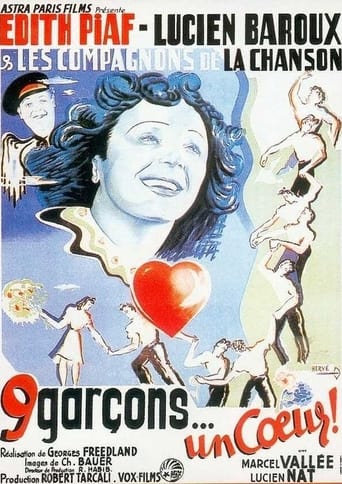 7.0
7.0During the Christmas season, Christine, a singer and her friends find themselves penniless. She falls asleep and dreams that she goes to heaven, followed by her friends...
Nine Boys, One Heart
1948
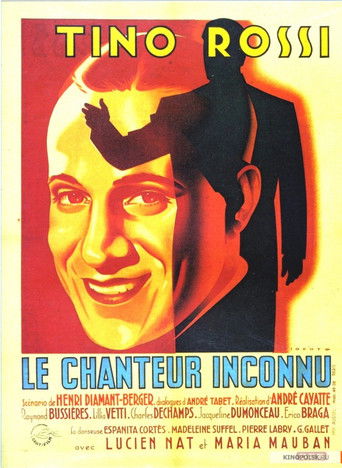 5.5
5.5Julien Mortal, a singer from Portugal suffering from amnesia, made a career in France under the name of Paolo. One day, he discovers the truth about his past: a man tried to assassinate him.
The Unknown Singer
1947
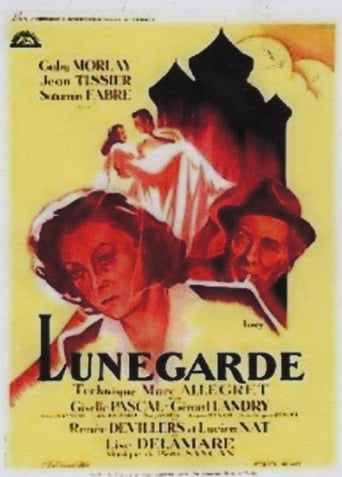 4.5
4.5A drifting woman hangs out in the suburbs of Marseille. A young engineer picks her up drunk and takes her to the hospital. He does not know then that it is the Countess Armance de Lunegarde, driven from her home and performing as a gummy in third-rate music halls.
Lunegarde
1946
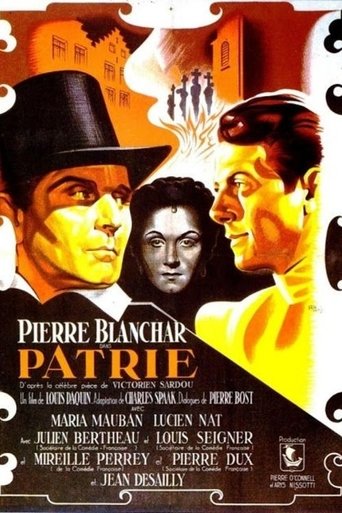 6.0
6.0Brussels in the year 1568, as the Flemish people are fighting against the tyranny of the Spanish occupiers. Led by Count de Rysoor, the revolt against the ruthless Duke of Alba, is meant to help Prince William of Orange to get into the city and come to power. Now, the count's lieutenant, has an affair with Elisabeth, Rysoor's wife. For the time being, the count, who thinks of his homeland first, turns a blind eye. But such a relationship might well undermine the whole rebellion movement.
Homeland
1946
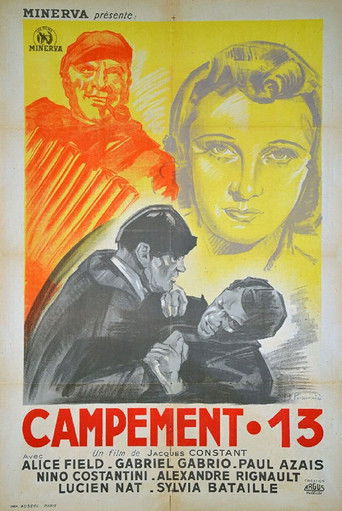 8.0
8.0In a camp of sailors, the suicidal and solitary life of Greta, which makes men lose their heads.
Camp Thirteen
1940
1930s · 6 titles
7.9In 19th century France, Jean Valjean, a man imprisoned for stealing bread, must flee a relentless policeman named Javert. The pursuit consumes both men's lives, and soon Valjean finds himself in the midst of the student revolutions in France.
Les Misérables
1934
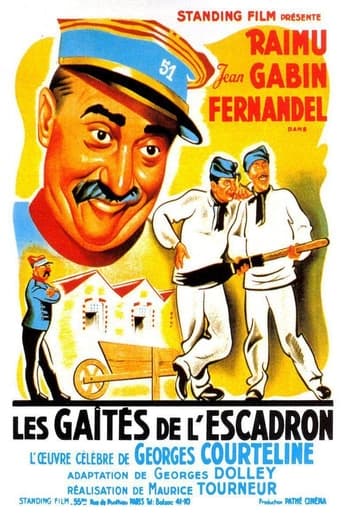 6.4
6.4Based on the popular stage play by Georges Courteline. The film is set in 1885. It focuses on a group of troops, a mix of regulars and reservists, and their different responses to the daily military routines. A crisis emerges when a General pays a visit while two deserters are still absent.
Fun in the Barracks
1932
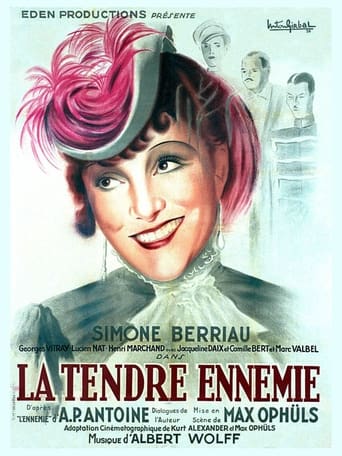 6.0
6.0Line, Annette's daughter, is about to marry a man she's not in love with. At the engagement party three ghosts revisit their disastrous relationships with Annette and decide to take action to help Line.
The Tender Enemy
1936
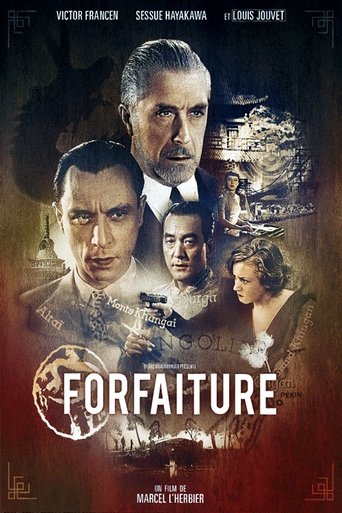 6.6
6.6Denise Moret joins her husband, Pierre, in Mongolia where he works as a civil engineer. One night she loose a lot of money on the roulette and therefore is forced to borrow money from Prince Lee-Lang. The Prince immediately begins to flirt and make advances towards Denise. Advances she rejects.
Forfaiture
1937
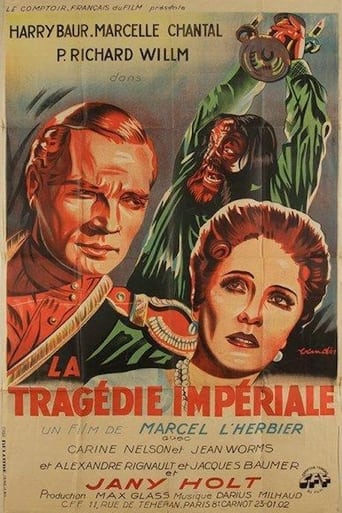 5.8
5.8Story of the Siberian monk Gregory Rasputin and the hold he exerted over the court of the last Russian czar, Nicholas.
Rasputin
1938
 7.0
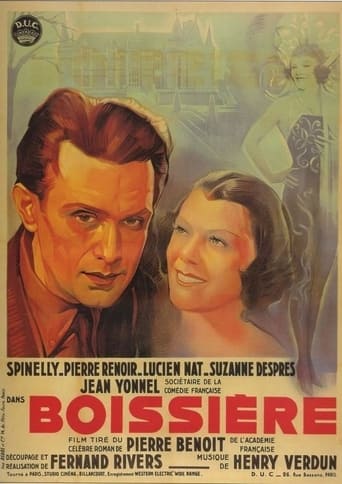
7.0In 1914, during the First World War, the rich chatelaine de Boissière, with a sulphurous past, took in Jean le Barois, a young soldier lost in territory occupied by the Germans, who was none other than the son of the man she loved, then ruined. The young man, after having despised her, falls madly in love with the woman who pushed his father to suicide.
Boissière
1937
Series credits
10.0Les Cent Livres des Hommes (ORTF, 1969-1973) was a series of literary programs created by Claude Santelli and Françoise Verny, and produced notably by Santelli, Jean Archimbaud, and Serge Moati. Planned for one hundred episodes but completed at thirty-nine, the series aimed to introduce great literary works, 'chefs-d’œuvre', to a younger audience through a mix of dramatization, reading, and documentary techniques. It marked a transfer of cultural legitimacy from writers and critics to a generation of television producers, offering a new model of educational and creative literary broadcasting - 'télévision d’auteur'.
Les Cent Livres des Hommes
1970
6.7An ex-convict who wants to make an honest life for himself is pursued by the implacable hatred of a policeman.
Les Misérables
1972
 10.0
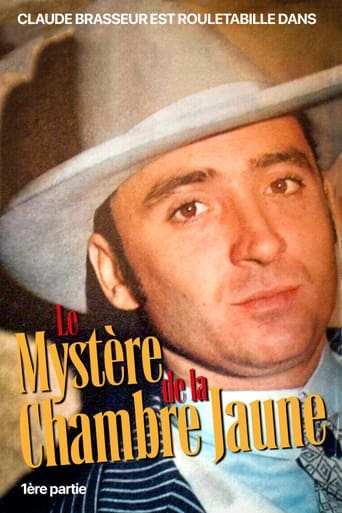
10.0No synopsis available yet.
Le Mystère de la chambre jaune
1965