
Acting
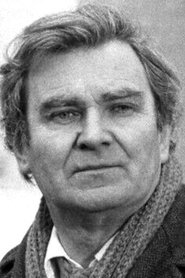
Marc Eyraud
Born — Died
1924-03-01 — 2005-02-15
Place of birth
Saint-Étienne, Loire, France
Known for
Acting
Credits
40 titles
Marc Eyraud (1 March 1924 – 15 February 2005) was a French film actor. He appeared in 60 films between 1956 and 1995. Source: Article "Marc Eyraud" from Wikipedia in English, licensed under CC-BY-SA.
Known for
 NR
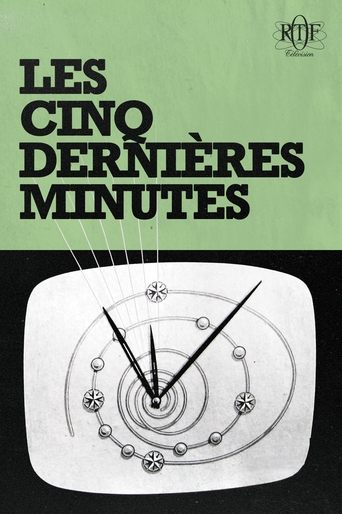
NRLes Cinq Dernieres Minutes is a crime based French television series
Les Cinq Dernières Minutes
1958
 7.3
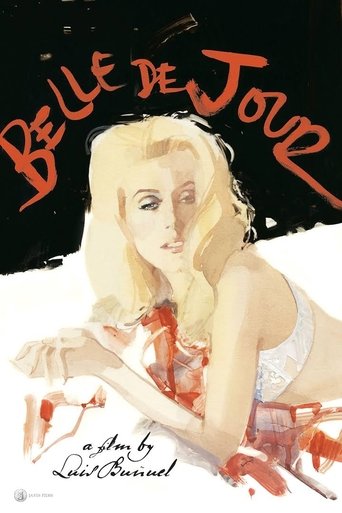
7.3Beautiful young housewife Séverine Serizy cannot reconcile her masochistic fantasies with her everyday life alongside dutiful husband Pierre. When her lovestruck friend Henri mentions a secretive high-class brothel run by Madame Anais, Séverine begins to work there during the day under the name Belle de Jour. But when one of her clients grows possessive, she must try to go back to her normal life.
Belle de Jour
1967
 7.4
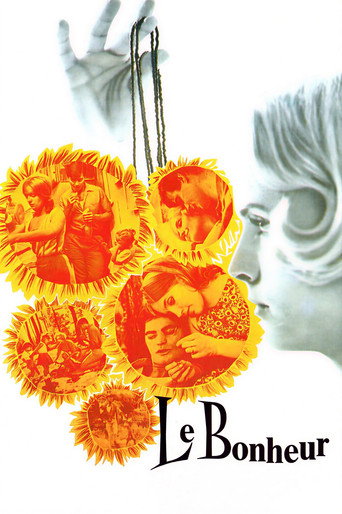
7.4Though married to the good-natured, beautiful Thérèse, young husband and father François finds himself falling unquestioningly into an affair with an attractive postal worker. One of Agnès Varda's most provocative films, 'Le bonheur' examines, with a deceptively cheery palette and the spirited strains of Mozart, the ideas of fidelity and happiness in a modern, self-centered world.
Happiness
1965
 10.0
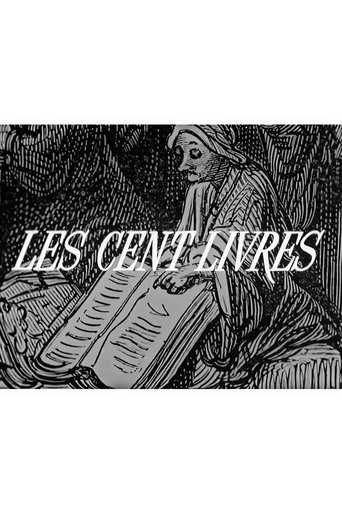
10.0Les Cent Livres des Hommes (ORTF, 1969-1973) was a series of literary programs created by Claude Santelli and Françoise Verny, and produced notably by Santelli, Jean Archimbaud, and Serge Moati. Planned for one hundred episodes but completed at thirty-nine, the series aimed to introduce great literary works, 'chefs-d’œuvre', to a younger audience through a mix of dramatization, reading, and documentary techniques. It marked a transfer of cultural legitimacy from writers and critics to a generation of television producers, offering a new model of educational and creative literary broadcasting - 'télévision d’auteur'.
Les Cent Livres des Hommes
1970
 6.4
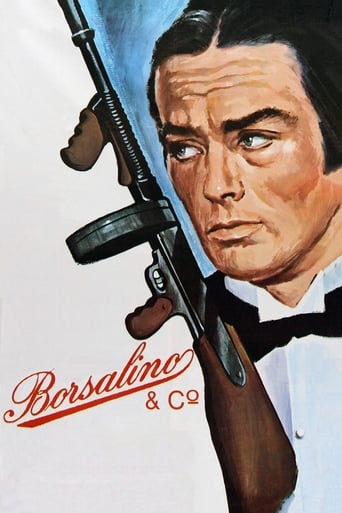
6.4Marseille. Heaps of flowers and funeral wreaths... "A man who no longer defends his colors is no longer a man."
Borsalino and Co.
1974
 7.1
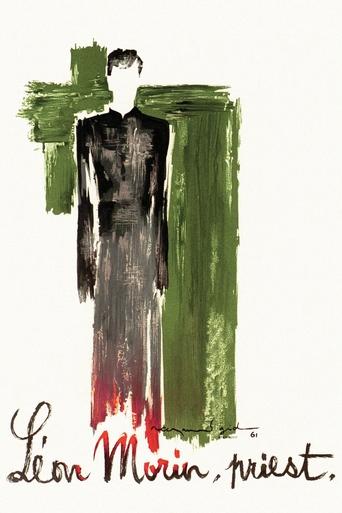
7.1Barny, although a Marxist, is intrigued by the mysteries of religion. In confession, she teases a priest, Léon Morin, but he is a young and intelligent man and ready to discuss anything.
Léon Morin, Priest
1961
Film credits

1970s · 21 titles
6.4Marseille. Heaps of flowers and funeral wreaths... "A man who no longer defends his colors is no longer a man."
Borsalino and Co.
1974
 4.7
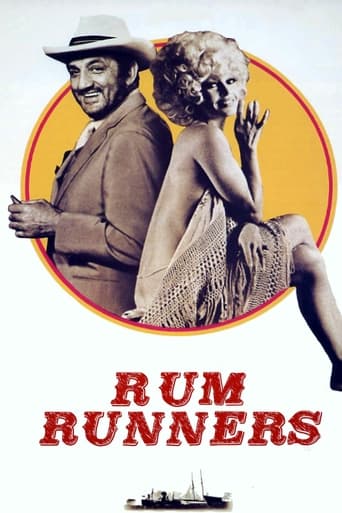
4.7During the prohibition era, Cornelius, a bootlegger, is on the run from the American coastguards. He comes across a silent film actress, Linda, on the set of a movie and falls in love with her.
Rum Runners
1971
 6.2
6.2Two thieves, Hugo Sennart and Yan Kuq, wanted by the same police inspector, cross paths by chance.
The Gypsy
1975
 6.8
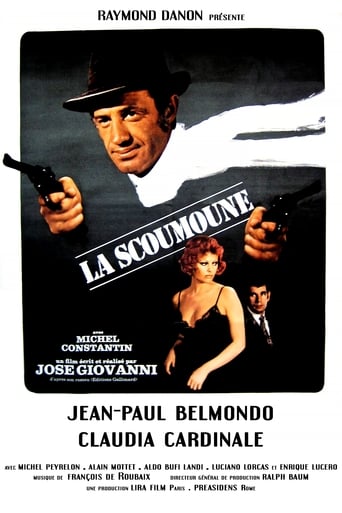
6.8For more than 15 years, two Marseille friends and criminals battle the law, rival gangs, prison authorities and even mined beaches in order to survive.
The Pariah
1972
 7.1
7.1The film chronicles Perceval's knighthood, maturation and eventual peerage amongst the Knights of the Round Table, and also contains brief episodes from the story of Gawain and the crucifixion of Christ.
Perceval
1978
 5.2
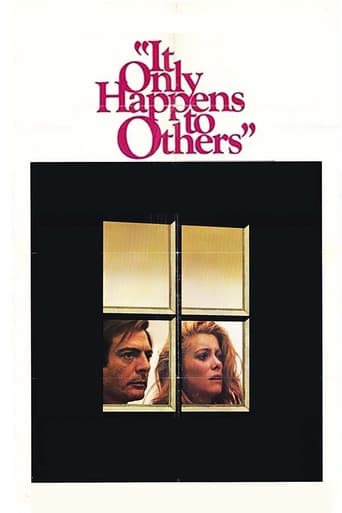
5.2Catherine and Marcello are secluded in their house, living under the candlelight. Unable to accept the injustice behind the loss of their nine-month-old baby, they face a slow but definite self-destruction.
It Only Happens to Others
1971
 6.1
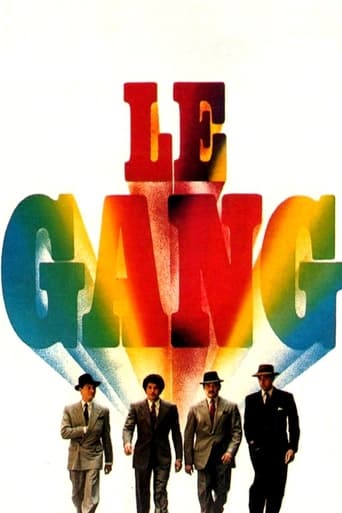
6.1In 1945, as World War Two comes to a close, five small time crooks unite to form a gang. After several bold robberies they become notorious as "the front-wheel drive gang". The police attempt to stop their crime spree with little success, but how long will their luck last?
The Gang
1977
 5.9
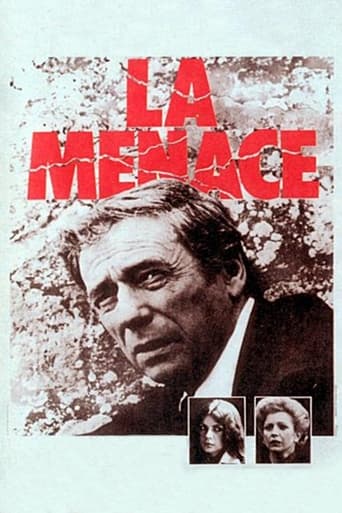
5.9Henri Savin has managed a trucking company for his lover, Dominique Montlaur, for many years. Now he is planning to leave her for Julie Manet, the woman he has made pregnant, and Dominique is hysterical. She first threatens suicide, then shows up at a meeting of Savin and Julie. Dominique tries everything she can think of to break Savin and Julie apart, to no avail. Frustrated in her efforts, she jumps off a cliff and dies. Savin insists that he and Julie lie to the police about the encounter, although Dominique's death was a suicide and therefore they had no direct hand in it. Detective Waldeck investigates Dominique's death.
La Menace
1977
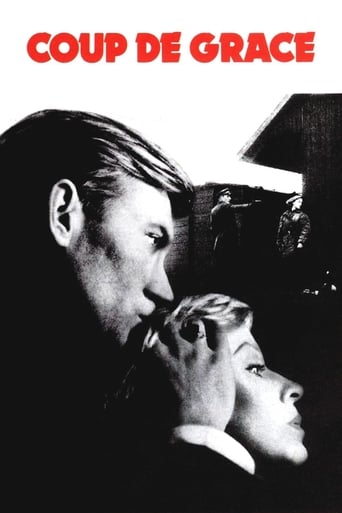 6.4
6.4A countess loves her brother's Prussian-officer friend in the 1919 Baltic area.
Coup de Grâce
1976
 7.3
7.3In 1950s communist Czechoslovakia, a government minister, a war veteran long a loyal party man, leads a relatively comfortable life with his wife. However, he soon finds himself under surveillance, then under arrest. Unclear what his offense is, agents for the totalitarian regime interrogate and torture him, aiming to use their unending power to gain a false confession for these supposed crimes against the state.
The Confession
1970
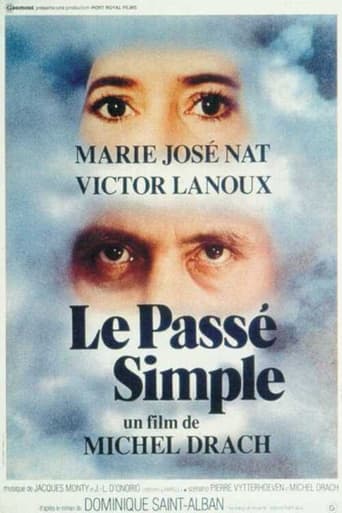 6.9
6.9When François' wife Cecile was leaving him because of his affairs with other women, she had an auto accident. In this drama, he makes uses of her amnesia to try to win her back and misleads her at every turn in her quest to recover her memories.
Replay
1977
 9.3
9.3Arnolphe plans to marry Agnès, his ward, a naive and submissive young girl, whom he keeps recluse in a convent. His plans are threatened when Horace confesses his feelings for Agnès.
L'École des femmes
1973
 8.0
8.0Returning late from a romantic date, a man searches for every possible and unimaginable excuse to explain his lateness to his wife. His guilt turns on him when he finds out she's not home. The character created by Sasha Guitry in 1915, eaten away by jealousy, then imagines all her adventures.
La Jalousie
1976
 6.2
6.2Aloise creates a series of haunting drawings while she is incarcerated in an institution for the insane in turn-of-the-century Switzerland. She endures torments as a musically gifted girl and later as a young woman; her developing madness and the barbaric treatments of the time are shown.
Aloïse
1975
No synopsis available yet.
Des yeux, par milliers, braqués sur nous
1971
No synopsis available yet.
La Belle au bois dormant
1973
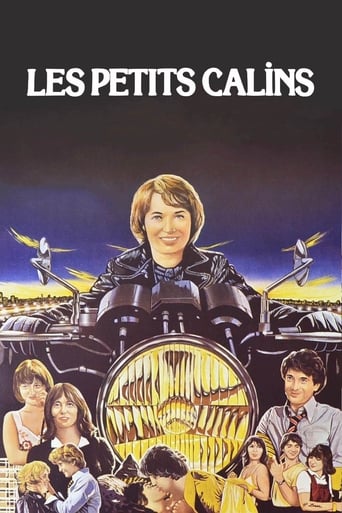 5.0
5.0Sylvie, Corinne and Sophie all live in the same accommodation in Paris. The first sells clothes on the steps. The second works in a factory restaurant and the third is divorced, has a child and does odd jobs.
The Little Wheedlers
1978
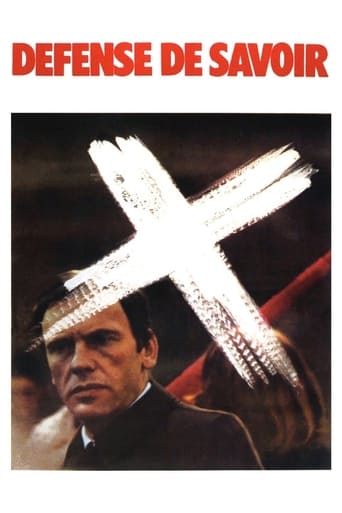 5.9
5.9When a woman is accused of murder, the investigation slowly reveals numerous political connections. Laubret, the court-appointed defense lawyer, does everything in his power to expose the truth.
Défense de savoir
1973
 5.4
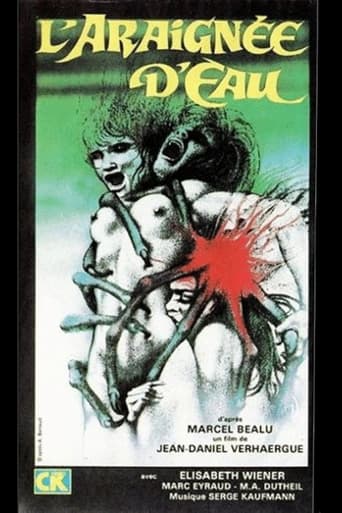
5.4Bernard is in love with a water spider. He wants to replace his wife Catherine with the spider because she bores him. The spider transforms into a tarantula and later in a mysterious mute girl named Nadie. He falls in love with the girl/spider and finally he has to choose between his wife or the spider.
The Water Spider
1971
 NR
NRNo synopsis available yet.
Cinéma 16 Une vieille maîtresse
1975
 6.0
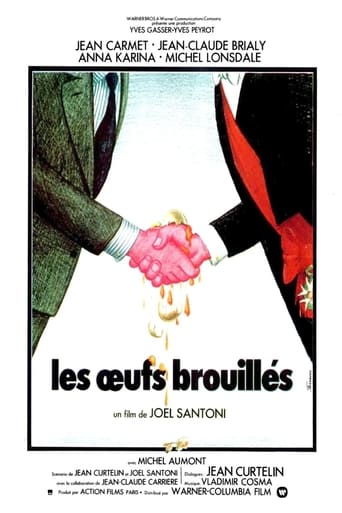
6.0Brumaire, the director of public relations at the Élysée, is trying to boost the rating of his government.
Scrambled Eggs
1976
1960s · 14 titles
7.3Beautiful young housewife Séverine Serizy cannot reconcile her masochistic fantasies with her everyday life alongside dutiful husband Pierre. When her lovestruck friend Henri mentions a secretive high-class brothel run by Madame Anais, Séverine begins to work there during the day under the name Belle de Jour. But when one of her clients grows possessive, she must try to go back to her normal life.
Belle de Jour
1967
7.4Though married to the good-natured, beautiful Thérèse, young husband and father François finds himself falling unquestioningly into an affair with an attractive postal worker. One of Agnès Varda's most provocative films, 'Le bonheur' examines, with a deceptively cheery palette and the spirited strains of Mozart, the ideas of fidelity and happiness in a modern, self-centered world.
Happiness
1965
7.1Barny, although a Marxist, is intrigued by the mysteries of religion. In confession, she teases a priest, Léon Morin, but he is a young and intelligent man and ready to discuss anything.
Léon Morin, Priest
1961
 7.1
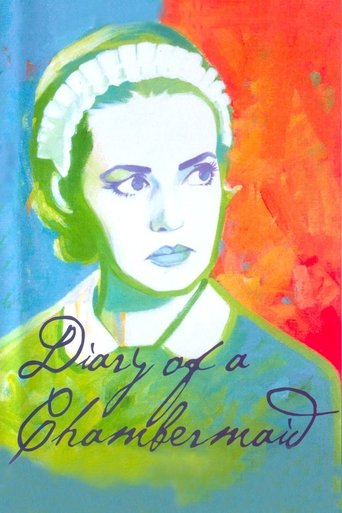
7.1Celestine has a new job as a chambermaid for the quirky M. Monteil, his wife and her father. When the father dies, Celestine decides to quit her job and leave, but when a young girl is raped and murdered, Celestine believes that the Monteils' groundskeeper, Joseph, is guilty, and stays on in order to prove it. She uses her sexuality and the promise of marriage to get Joseph to confess -- but things do not go as planned.
Diary of a Chambermaid
1964
 7.1
7.1In eighteenth-century France, a girl is forced against her will to take vows as a nun. Three mothers superior treat her in radically different ways, ranging from maternal concern, to sadistic persecution, to lesbian desire.
The Nun
1967
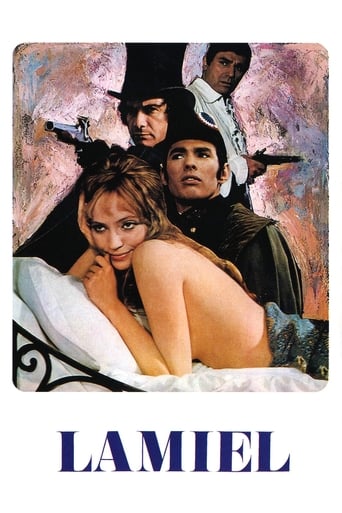 5.2
5.2Lamiel is a poor orphan girl who climbs to the social elite in this 19th-century costume drama. Sansfin, provincial doctor, lives vicariously through her, as he oversees the progress of his female protégé. Defiant and rebellious, Lamiel goes to Paris to escape boredom and to know love.
Lamiel
1967
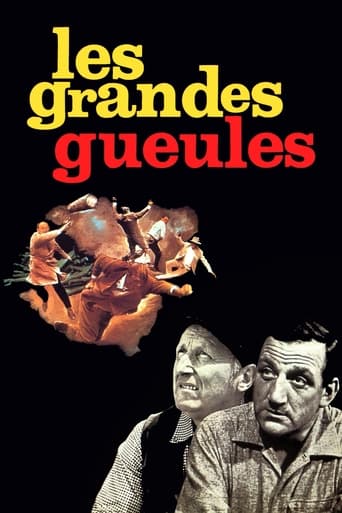 7.9
7.9Hector Valentin returns to France from Canada when he inherits a small sawmill. He has difficulties restarting the run-down operation which has inefficient workers and is hampered by the dirty tactics of its bigger...
The Wise Guys
1965
 6.2
6.2In a village in the Ardennes, during the German occupation, finding rations is becoming almost impossible. Clovis, an ordinary labourer, decides to cross the occupied zone to bring back enough potatoes to feed his family. His plan is a success but Clovis rapidly becomes obsessed with storing the precious tubers.
Potatoes
1969
 6.4
6.4Tulipe, is an old man who lives alone in an old railway carriage in the Argentueil region of Paris. His main passions are gardening and oil painting, but he also has a secret source of income. His godson discovers that Tulipe is actually a master forger, producing perfect copies of 10 franc notes. His godson’s girlfriend sees this as an opportunity to get very rich – but she must persuade Tulipe to forge 500 franc notes. Assuming Tulipe’s agreement, his godson and his girlfriend buy an expensive new car and luxury villa in provincial France – but there is a cruel turn of fate in store for them when Tulipe strikes up a friendship with a millionaire playboy.
The Gardener of Argenteuil
1966
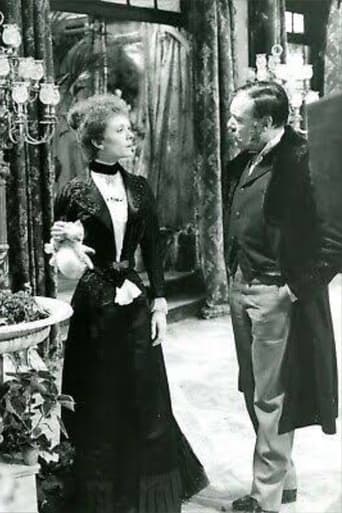 NR
NRHedda and Tesman have just returned from their honeymoon and the relationship is already in trouble. Trapped but determined, Hedda tries to control those around her, only to see her own world unravel.
Hedda Gabler
1967
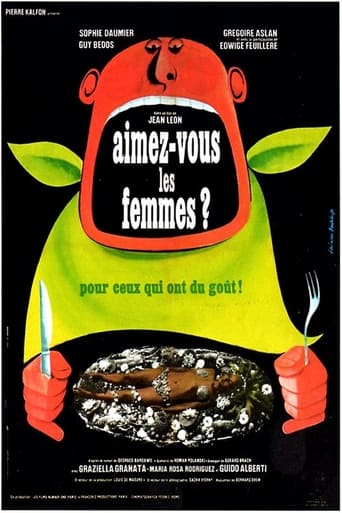 4.1
4.1A writer discovers a link between a vegetarian restaurant and a series of mysterious deaths.
A Taste for Women
1964
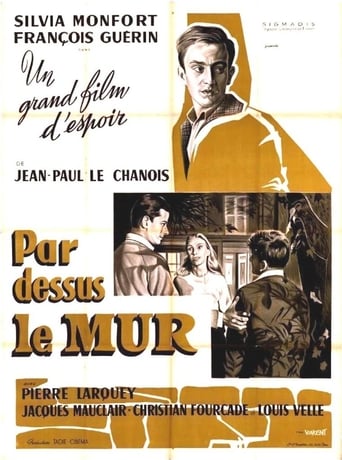 7.3
7.3Simone and Jean have just married and, looking for a home in the Paris region, are lucky enough to find a house with a garden in a residential suburb. Expecting their first child, the young couple began to observe how the parents of neighboring families were raising theirs.
Over the Wall
1961
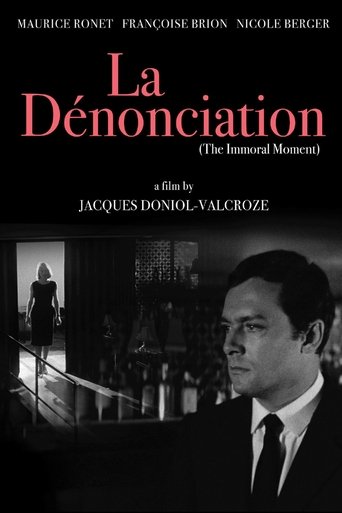 5.2
5.2Michel Jussieu, a film producer, returns one morning to the cabaret where he forgot his sweater. He discovers the corpse of an extreme right-wing journalist, but immediately he is knocked out. He wakes up in the police station ...
The Immoral Moment
1962
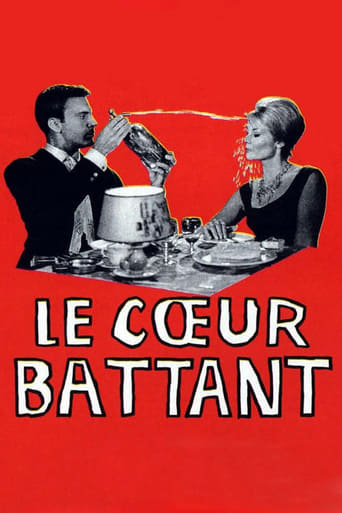 6.1
6.1Wishing to find an old love that resurfaced, Juan, a Chilean diplomat, Dominique asks his friend François to act as an intermediary.
The French Game
1960
1950s · 2 titles
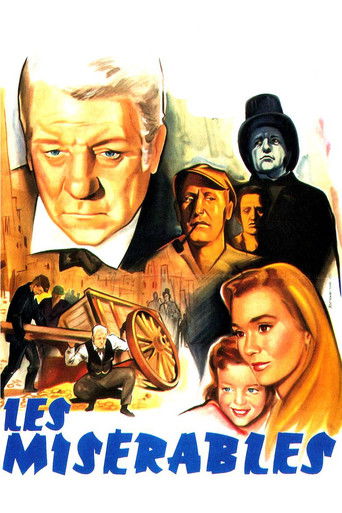 7.2
7.2In 19th century France, Jean Valjean, a man imprisoned for stealing bread, must flee a relentless policeman named Javert. The pursuit consumes both men's lives, and soon Valjean finds himself in the midst of the student revolutions in France.
Les Misérables
1958
 5.9
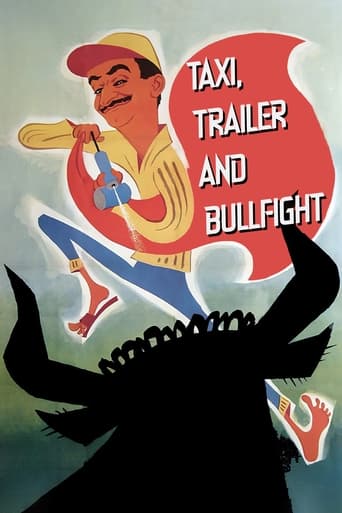
5.9A chaotic family go on holiday to Spain and get mixed up with a gang of diamond thieves.
Taxi, Trailer and Bullfight
1958
Series credits
NRLes Cinq Dernieres Minutes is a crime based French television series
Les Cinq Dernières Minutes
1958
10.0Les Cent Livres des Hommes (ORTF, 1969-1973) was a series of literary programs created by Claude Santelli and Françoise Verny, and produced notably by Santelli, Jean Archimbaud, and Serge Moati. Planned for one hundred episodes but completed at thirty-nine, the series aimed to introduce great literary works, 'chefs-d’œuvre', to a younger audience through a mix of dramatization, reading, and documentary techniques. It marked a transfer of cultural legitimacy from writers and critics to a generation of television producers, offering a new model of educational and creative literary broadcasting - 'télévision d’auteur'.
Les Cent Livres des Hommes
1970