
Acting
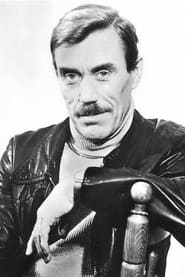
Martin Trettau
Born — Died
1930-01-12 — 2007-08-01
Place of birth
Brieg, Silesia, Germany
Known for
Acting
Credits
48 titles
Known for
 6.2
6.2Polizeiruf 110 is a long-running German language detective television series. The first episode was broadcast 27 June 1971 in the German Democratic Republic, and after the dissolution of Fernsehen der DDR the series was picked up by ARD. It was originally created as a counterpart to the West German series Tatort, and quickly became a public favorite.
Polizeiruf 110
1971
No synopsis available yet.
Sankt Urban
1969
 9.5
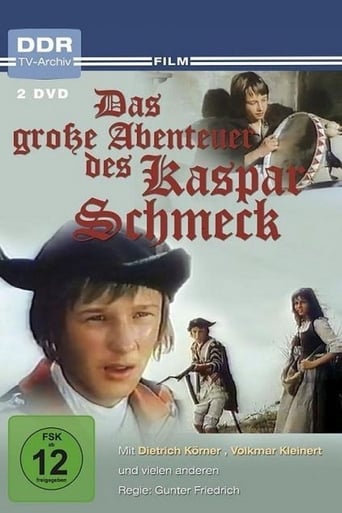
9.5Das große Abenteuer des Kaspar Schmeck is a German television series.
Das große Abenteuer des Kaspar Schmeck
1982
 NR
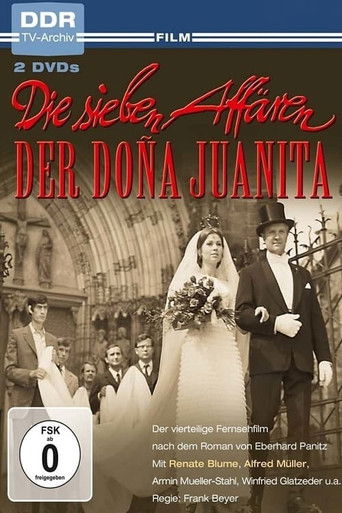
NRShe is called Dona Juanita: the attractive young architect Anita Nachtigall, who manages a department on a large construction site with great success. She is said to have had many affairs and, so it is said, the death of a certain Sawallish. The evil afterspeech puts Anita so that she announces her place. But a young safety inspector on the job site doesn't want her to leave. He cares what really happened...
Die sieben Affären der Dona Juanita
1973
 8.0
8.0The movie begins by showing how Schneller takes up the profession of a teacher out of love for the children. When the First World War begins, he becomes a 'volunteer officer' and slowly the political situation begins to shape him. He develops into a revolutionary fighter.
Ernst Schneller
1977
 NR
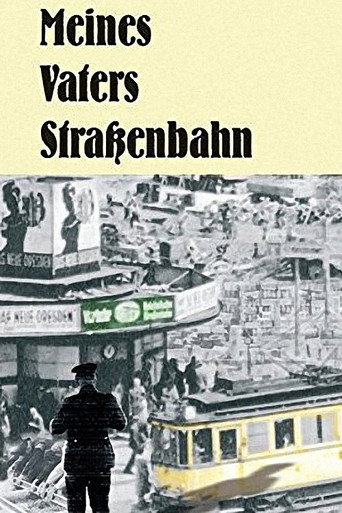
NRRalph grows up in pre-war Dresden as the eldest son of a principled and orderly streetcar conductor. With the rise to power of the Nazis, the war, the collapse and the hesitant new beginning, his firmly established middle-class world is also thrown off course. His father is one of the first to be called up to the front. His mother is left alone with the responsibility for Ralph and his younger brother Achim. In the air-raid shelter, during the nights of bombing and later in the daily struggle against misery and hunger, the mother quickly abandons all moral baggage and develops a pragmatic will to survive, for which she admires Ralph. At the same time, the boy is frightened by his mother's desperate claim to happiness because he perceives her affairs as a betrayal of his father, who has gradually faded into a symbol of a happy, carefree childhood.
Meines Vaters Straßenbahn
1980
Film credits
2020s · 1 titles

1990s · 4 titles
 6.7
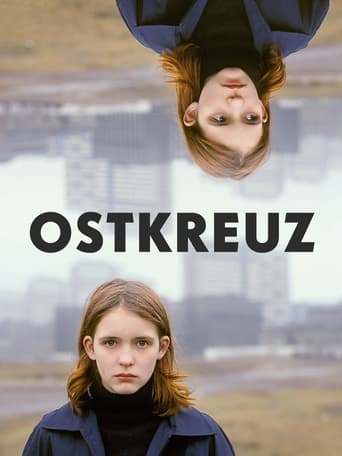
6.715-year-old Elfie literally and metaphorically inhabits a no-man’s-land between the two Germanies shortly after the fall of the Berlin Wall. The film deploys a neorealist aesthetic to reinforce the difficulties confronting the girl, and by inference, Germany.
Eastern Cross
1991
 7.0
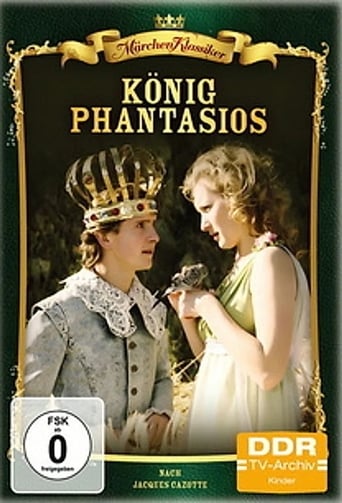
7.0No synopsis available yet.
Imaginative King
1990
He could have had women, he could have climbed the ladder of his accountancy career, and he could have stood on the podium next to the highest in the land. If only he had wanted to! But Farssmann, shaken by divorce and unwilling to better himself, wants to remain what he is: an ordinary bookkeeper like you and me. And so the dollar deal with Mr. Osbar from Utah (USA) is not the first time he comes into conflict with the very palpable unreality of a country called the German Democratic Republic.
Farssmann oder Zu Fuß in die Sackgasse
1991
 5.5
5.5Ena lives on a remote farmstead. One stormy night, hydraulic engineer Sieghart appears at her door after his car gets stuck in the mud. Although Ena falls in love with Sieghart, she decides to marry her fiancé Mathias. She is incapabale of hiding her true feelings from her groom-to-be, and on the night before the wedding, Mathias forces the pair to join him for a carriage ride – with deadly results.
Longing
1990
1980s · 16 titles
 3.5
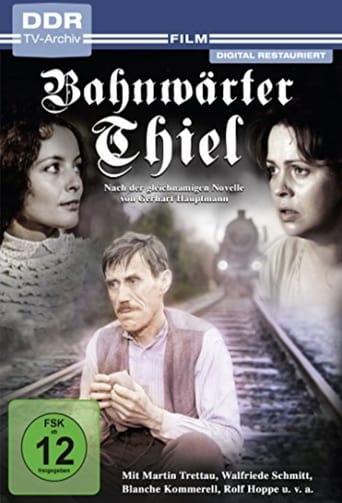
3.5The film tells the tragic fate of railroad guard Thiel at the end of the 19th century. Thiel, who spends his days in the dull, monotonous fulfillment of his duties, has lost his gentle, quiet wife Minna. He remarries out of concern for his young son Tobias. His second wife Lene, with whom he also has a child, is superior to him in vitality and has a rough passion. He discovers that his child from his first marriage is being discriminated against and tormented by her - Thiel withdraws more and more into himself and becomes lonely. When Tobias is killed in an accident, he blames Lene, and disaster is inevitable...
Bahnwärter Thiel
1982
 3.0
3.0In the 22nd Century, antiquities command huge prices. A woman uses a time machine to travel back the the 19th Century in order to buy paintings from Vincent Van Gogh before he was famous. Will she be wealthy upon her return?
Visiting Van Gogh
1985
 7.0
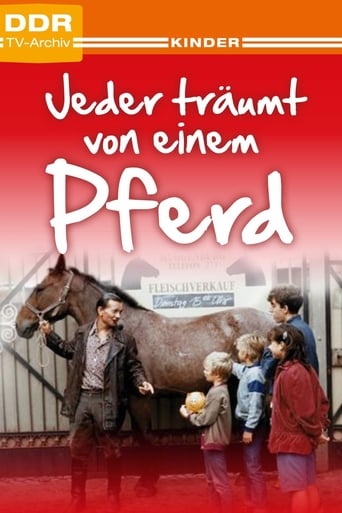
7.0Everyone dreams of a horse - and especially four Kulman family children...
Everyone Dreams of a Horse
1988
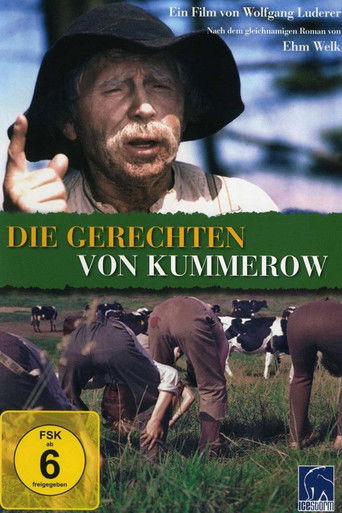 6.7
6.7In a remote Prussian village, the shepherd Krischan with his fantastic stories is the attraction point for the children. One day they experience together how the Müller Düker beats his horse to death and intervene. Düker sues her for body injury at the district court, and because the main accused, Krischan, lives illegally in the village without papers, the village community decides to deport him before the trial. Krischan disappears. The children feel the loss painfully, are outraged by the adults. The boys Martin and John search for Krischan on an adventurous ride and are put by the police. Krischan remains gone.
The Just People of Kummerow
1982
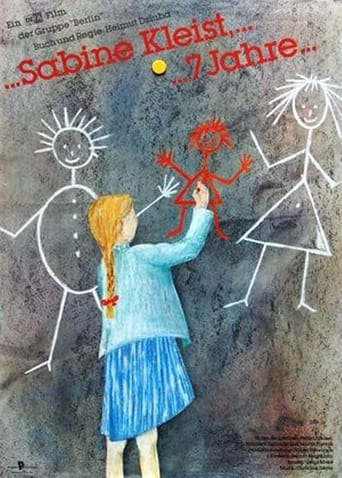 4.9
4.9Little Sabine has spent her childhood in an orphanage after her parents died in a car accident. When one of the women in charge at the orphanage, Edith, leaves to have a baby, Sabine runs away, because Edith was the only adult there she could trust. She then wanders through the city to find someone to take her in. She meets a lot of people on her journey, but she seems out of place everywhere she goes until, at last, she realizes that there is a special place where she belongs.
Sabine Kleist, Aged Seven
1982
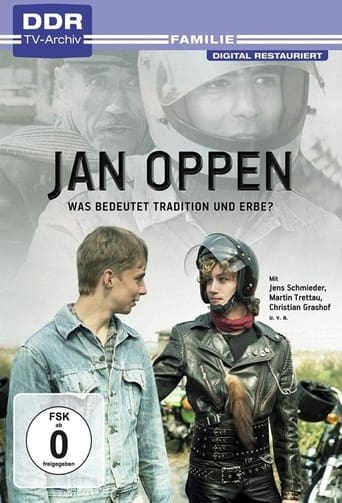 8.0
8.0The Oppen family has lived in Berlin, Griesener Straße, for generations. The first names of the family members are also repeated, so the grandson Jan has the same first name as his grandfather. The Oppens' husbands have maintained a tradition up to now: they were or are all carpenters. But the latter does not yet fall on fertile ground with 16-year-old Jan, whose passion is the moped, his "machine". Of course, he is a newcomer among the motorcycle fans around the black Jonny, but he loves to be in their company to experience adventures, and of course he wants to be able to "keep up" with them. Jan has already developed a strategy for how he can do this.
Jan Oppen
1987
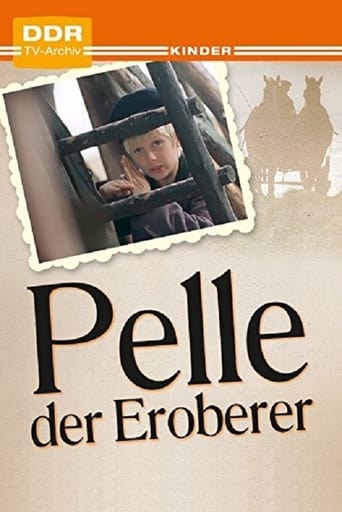 4.8
4.8From Martin Anderson Nexo's novel comes this loved story of a Swedish boy and his elderly father trying to make a better life for themselves in Denmark. A bleak future quickly becomes apparent when the two find employment on a farm full of misery.
Pelle the Conqueror
1986
 10.0
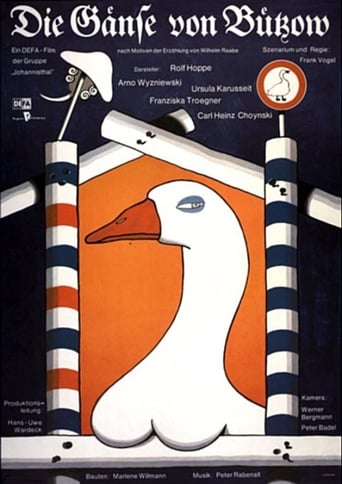
10.0In 1794 Bützow, widow Hornborstel, a top goose breeder, presses Mayor Hane to marry her. Rebuffed, he bans free‐range geese under a “goose edict.” Enraged, she enlists revolutionary‐minded Magister Albus to rally citizens. They rise for goose freedom, the duke deposes Hane, installs a new mayor, and Albus escapes across the border.
Die Gänse von Bützow
1985
 8.1
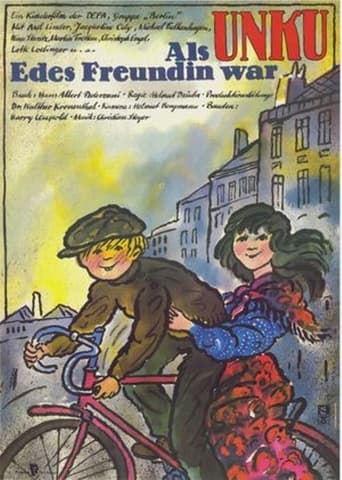
8.1Ede falls in love with Unku, a girl from a travelling circus. Love cannot run smoothly however because Unku is a Gypsy. Various adventures take place before love is finally allowed to run its natural course.
When Unku was Ede's Girlfriend
1981
 9.0
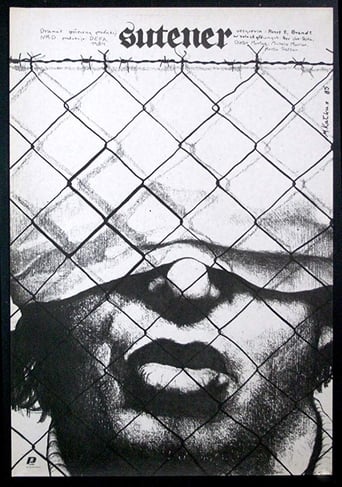
9.0Berlin in the early 1930s. Bello is an unemployed young man who loves the underage Frieda. In order to earn a living for both of them, Frieda goes on the streets. An inspector from the political department takes advantage of this to blackmail Bello into providing informer services. But that's not all. A jealousy murder among pimps, whose victim is a high-ranking Nazi, is blamed on the Communists, and Bello is supposed to be the key witness. He refuses. When the Nazis come to power, they reopen the case to turn the murdered man into a martyr. Bello still refuses. He now believes he is safe because Frieda is now of age. But he pays for his refusal with his life.
Der Lude
1984
No synopsis available yet.
Der entführte Prinz
1982
 3.0
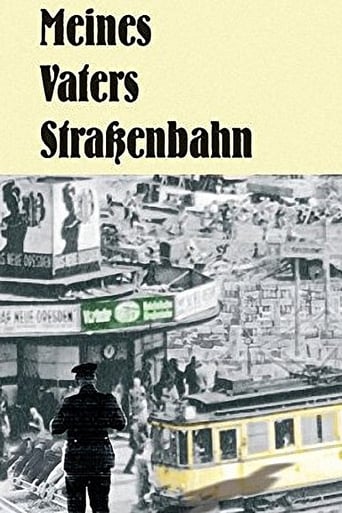
3.0Ralph grows up in pre-war Dresden as the eldest son of a principled and orderly streetcar conductor. With the rise to power of the Nazis, the war, the collapse and the hesitant new beginning, his firmly established middle-class world is also thrown off course. His father is one of the first to be called up to the front. His mother is left alone with the responsibility for Ralph and his younger brother Achim. In the air-raid shelter, during the nights of bombing and later in the daily struggle against misery and hunger, the mother quickly abandons all moral baggage and develops a pragmatic will to survive, for which she admires Ralph. At the same time, the boy is frightened by his mother's desperate claim to happiness because he perceives her affairs as a betrayal of his father, who has gradually faded into a symbol of a happy, carefree childhood.
Meines Vaters Straßenbahn
1980
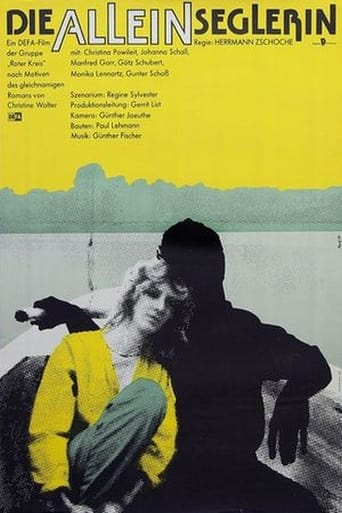 6.0
6.0Christine inherits a sailboat from her father, whom she barely knew. Christine is a divorced single mother and her job at a research insitute leaves her with too much work and too little time to sail. She can't find anyone to buy the boat at full value, so she tries to repair it over the winter in the hopes of being able to get a better price in the spring. Working on the boat become something of an obsession to the detriment of Christine's relationships with her son, boyfriend and collegues. When the boat is finally ready to sell, she isn't sure that she is willing to part with it after all.
The Solo Sailor
1987
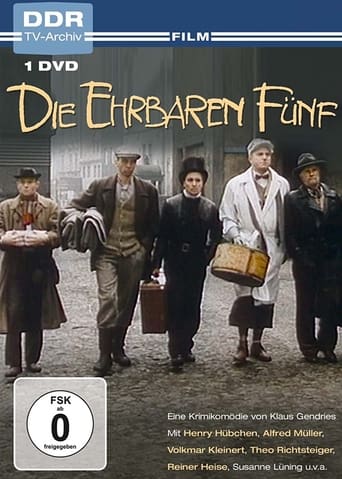 7.0
7.0In a small Saxon town after the Second World War, the former chimney sweep Toni tries to survive on the black market and meets the pusher Ginfizz. Together they initially trade in flour before embarking on a riskier plan: they are to rescue machines from Soviet expropriation for the mill owner Hartmann by transporting them in hidden trucks. In the process, they become entangled in various adventures, from rescuing orphans to transporting pigs, while being constantly pursued by the young policewoman Gisela, who wavers between her professional duty and her attraction to Toni. After Ginfizz is caught and the others remain temporarily free, they help to get the mill up and running again to avert a food shortage.
Die ehrbaren Fünf
1989
Twelve years after graduating from high school, Helmut Hausknecht's former class is planning a class reunion. Hausknecht, still a teacher, has heart problems. His former pupil, Wolfgang Lichtenfeld, now a senior physician and an excellent surgeon, operates on him. On his birthday, not only Wolfgang congratulates his former teacher and patient, but also Uwe Tolls. The two were rivals back then. Their brief encounter shows that nothing has changed.
Zwei leere Stühle
1987
Shortly after the end of World War II, young carpenter Achim is sent to a remote farm to do some repair work. Three women from different generations administer the farm on their own: Daughter, mother, and grandmother. There are no men around since grandmother Hanna has lost her husband in World War I, and mother Gertrud’s husband died in World War II. Although daughter Heidi is old enough to marry, she is neither engaged nor married. Thus, hardworking, yet shy Achim is the only man around.
Weiberwirtschaft
1984
1970s · 18 titles
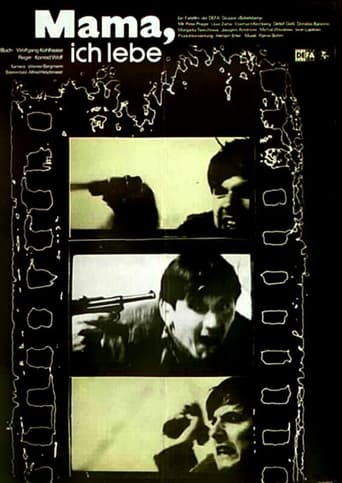 4.0
4.0In a Russian POW camp, four Germans determined to end WWII agree to pose as Red Army soldiers. Are they patriots or traitors, heroes or opportunists? Although they go to the frontlines, their new Russian comrades are initially unsure whether to trust them. Three of them then accept a mission behind German lines, but they are unprepared to fire upon their countrymen and it ends up costing the life of a Russian soldier. In the meantime, the fourth man has fallen in love with Russian radio operator Svetlana. After being criticized by the other Russians, he too agrees to participate in the mission..
Mama, I’m Alive
1977
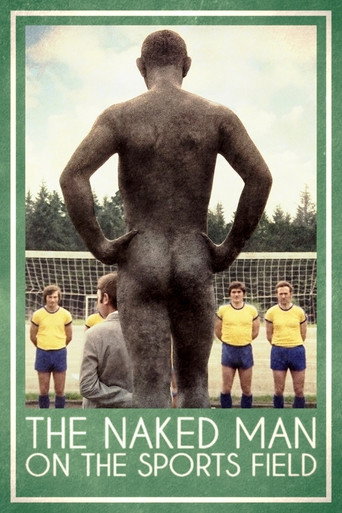 6.4
6.4Kemmel, a sculptor with a troubled nature, wonders, as he approaches his fortieth birthday, whether he has created any truly significant work.
The Naked Man on the Sports Field
1974
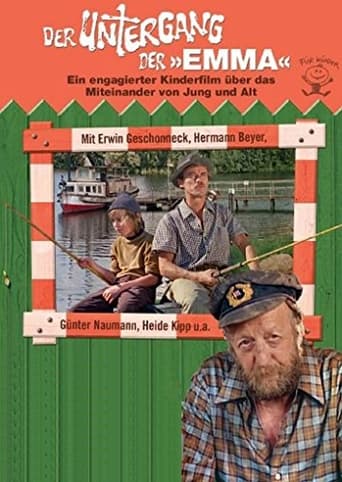 6.4
6.4A funny adventures of a two young boys who are trying to rebuild the ship called "Emma" for their friend - the old captain.
The Sinking of Emma
1974
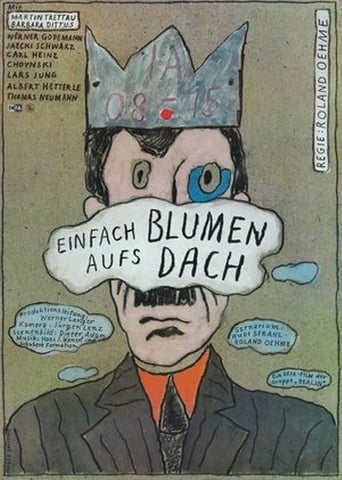 5.4
5.4Mechanic Hannes Blaschke and his wife Maxi, who works as a bus driver, have just become happy parents of twins. Now they have a serious transportation problem: Their Trabant is far too small for the grown family that furthermore includes two sons and a dog. Thanks to the support of a state secretary and of his brigade, Hannes acquires a Tschaika – a limousine that is normally restricted to representational purposes – for a small price. Whereas Maxi views the state carriage only as a useful means of transportation, Hannes enjoys the unusual pre-emption he is receiving for the spectacular car. Hannes, who normally is just a humble guy, starts to grate his colleagues with his new affectations. Thus, they teach him an effective lesson: They decorate the state carriage with flowers and thus bring Hannes back down to earth in a humorous way.
Einfach Blumen aufs Dach
1979
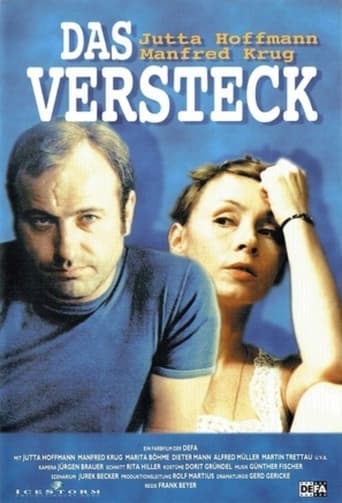 7.0
7.0One year has passed since Max and Wanda got their divorce. Max has come to the realization that he wants his ex-wife back - no matter what the cost! So he concocts a sneaky plan: he asks Wanda to hide him from the police, who are apparently looking for him. At first, Wanda rejects all his attempts to restart their relationship. But she is soon unable to resist Max's convincing promises and even throws her lover out of the house. But then she discovers Max's lie.
Das Versteck
1978
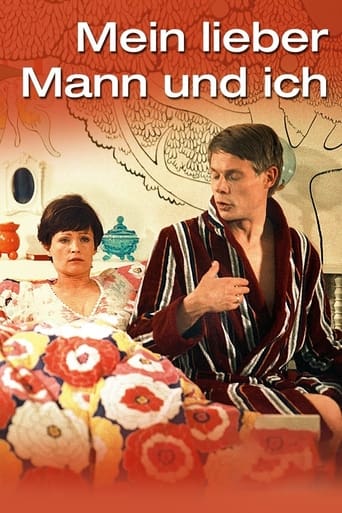 7.0
7.0For her husband, who has become famous as an actor, Angelika is the go-to girl. For years, she stands in his shadow. The only things they do together are premiere parties and receptions. Angelika, who is becoming increasingly frustrated, finally wants a satisfying occupation with which she can gain recognition. But this is where the problems really begin for the couple.
Mein lieber Mann und ich
1975
 9.0
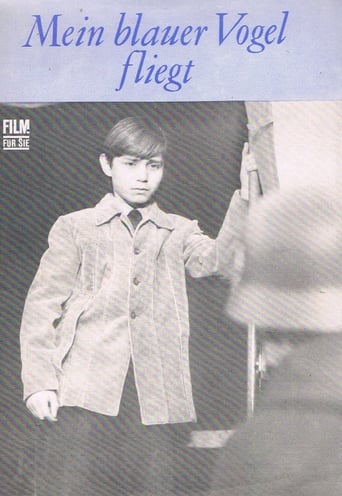
9.0Based upon a true story, the movie centers on the German communist Robert, a "Kapo" in a concentration camp. When some Polish children are brought to the camp, Robert tries to save them from certain death. Due to his efforts they are being trained as masons and become part of his construction gang. Nevertheless, the boys, and mainly the clever Janusz, are very suspicious of Robert. They have already experienced too much evil and do not want to trust anybody – least of all a German.
Mein blauer Vogel fliegt
1975
 7.2
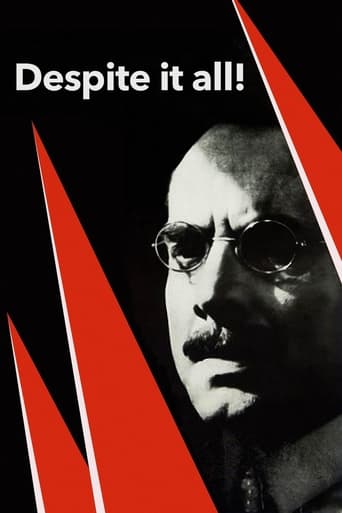
7.2October 1918: Karl Liebknecht is released from prison and Berlin workers celebrate his release. Although WWI is almost over, the German Kaiserreich in vain sends its last reserves to the slaughter. The working class is in a rebellious mood; the uprising of Kiel’s sailors against war and militarism sets off a call for revolution led by Liebknecht. On November 9, Liebknecht declares the Free Socialist Republic of Germany. But pro-Kaiser military and right wing Social Democrats oppose him.
Despite It All!
1972
 10.0
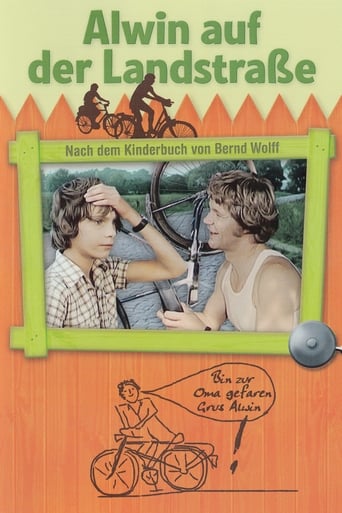
10.0Ironically, at the beginning of the summer holidays, Alwins strict father has grounded him to get him to improve his spelling. Alwin feels like a prisoner and decides to run away heading to his grandparents in the Harz mountains nearly 200 kilometers away. On the road Alwin meets many people and with their help Alwin slowly progresses towards his destination.
Alwin auf der Landstraße
1974
 7.0
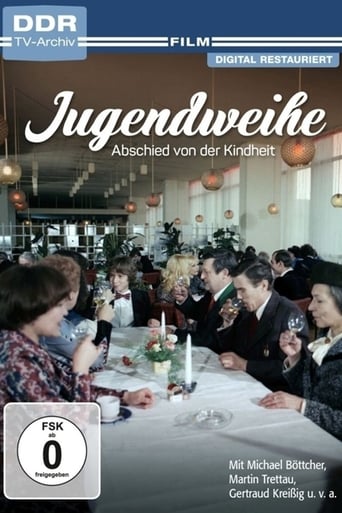
7.0Every year in the spring the pupils of the 8th grade in the GDR receive the 'Jugendweihe' and are admitted to the circle of adults. This year, Tim is ready. For him and his classmates, the day begins with a ceremony in the culture house, then he goes with the whole family in a hotel restaurant, to celebrate the event properly.
Jugendweihe
1978
 8.0
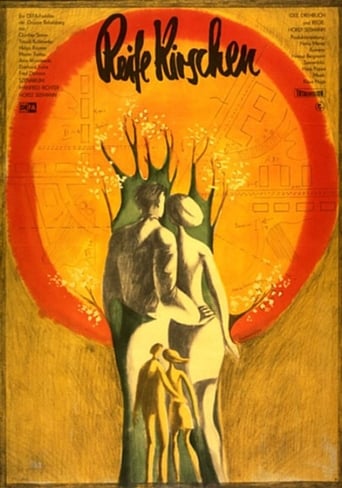
8.0Helmut Kamp, the construction brigade leader, a man no longer young, life immediately confronted several difficult and woeful problems. The birth of a son, the tragic death of his wife, the relationship of his daughter Ingrid with Dr. Beißert coincided with the need to move to an uninhabited area where a nuclear power plant will be built. Kamp, Ingrid and the members of the friendly brigade decide to act as the duty and the feeling of partnership prompts them, and gradually they all become participants in the new construction...
Ripe Cherries
1973
 10.0
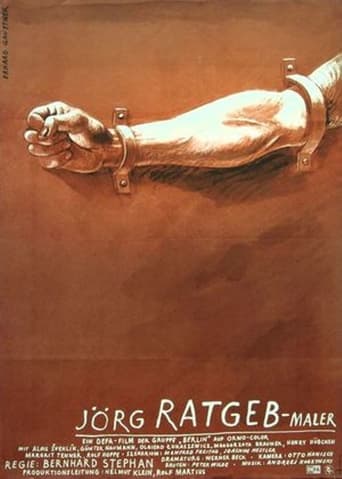
10.0On the eve of the German Peasants' Revolt, painter Joerg Ratgeb is occupied by a crisis of his own: finding a model for a Christ figure. He sets off on a journey to consult with his artistic role model, Albrecht Dürer. Although Ratgeb has always tried to stay out of the political conflict, his journey brings him face-to-face with peasant revolutionaries and the brutality and violence of their daily lives.
Jörg Ratgeb, Painter
1978
 9.0
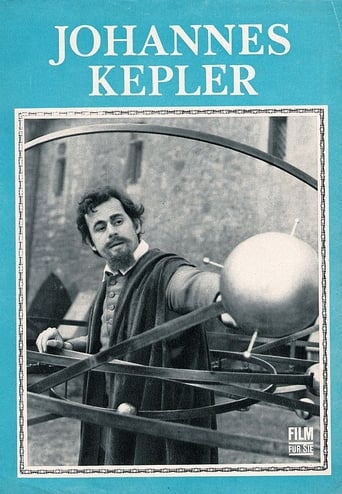
9.0Europe, 1620: The well-known astronomer and mathematician Johannes Kepler, who teaches as a professor in Linz, receives the message that his mother is prosecuted as a witch in Württemberg. The truth behind the allegations is rather simple: His mother has been denunciated by a former friend after an argument with the authorities. Kepler tries desperately to convince the prosecutors of the absurdity of their allegations with rational arguments.
Johannes Kepler
1974
 5.6
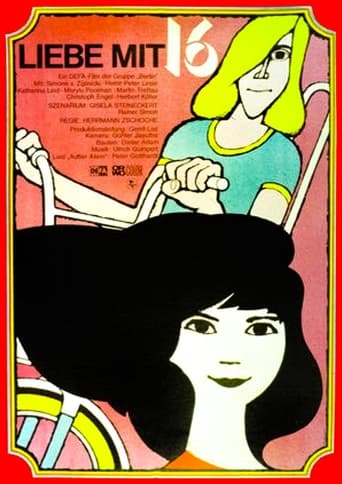
5.6Although at first Ina barely takes any notice of Matti, the two teenagers gradually fall in love at their dance classes and begin their first real relationship. Their parents are upset about this development and try to prevent their children from seeing each other. But Ina and Matti continue to meet in secret and their first sexual experience together brings mixed feelings for Ina.
Love at 16
1974
 10.0
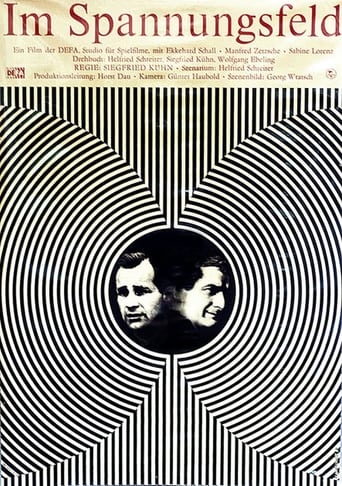
10.0Electronic data processing is an absolute must in the Information Age. Karl Hoppe, the director of a large plant, is aware of this need for modernization and hires mathematician Dr. Jochen Bernhardt to install computerized systems which are supposed to calculate ways in which the plant could be run more effectively. Dr. Bernhardt is so focused on efficiency that he forgets about the human side of work, causing his girlfriend to leave him and several dissatisfied employees to quit their jobs.
Im Spannungsfeld
1970
 9.0
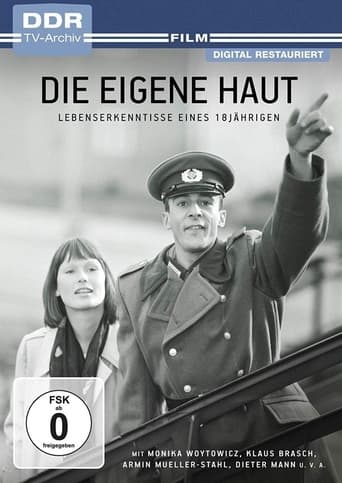
9.0Eighteen-year-old Wolfgang has just passed his A-levels and still has a few months to go before he has to start his military service. Instead of sitting around lazily, he wants to experience something during this time before the serious side of life begins. Wolfgang decides to hitchhike to Poland. There he makes friends with a group of young mountaineers, and Wolfgang's last period of complete freedom begins.
Die eigene Haut
1975
 4.9
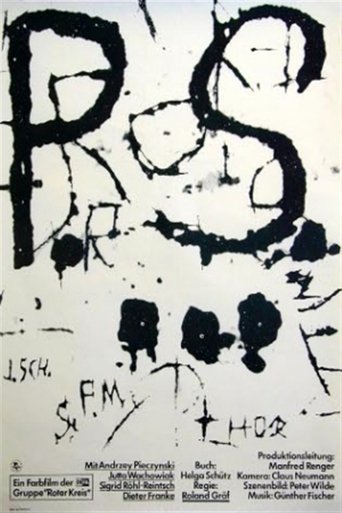
4.9When he reaches age 18, Peter is released from the children's home where he grew up, but this does not mean he is truly ready for adult life.
P.S.
1979
 8.0
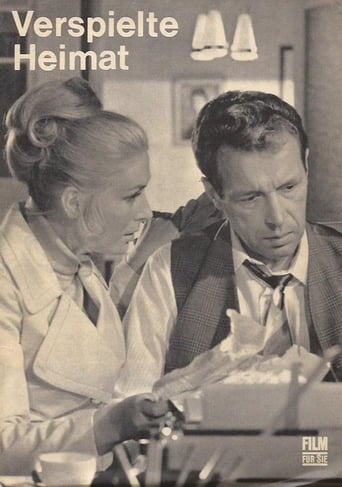
8.0The deputy editor-in-chief of an SPD newspaper in West Germany, Karl Waldner, recognizes the former Henlein leader Meißner, who is guilty of the murder of his father, at a meeting of Sudeten Germans. He wants to open the case and hand Meißner over to the courts. But he encounters resistance, even in the SPD, whose right-wing leaders do not want any conflict with the CDU, in which Meißner has an influential position. Waldner, who has been in the party for thirty years, has to rethink his own position. Discussions with his childhood friend Sepp Lukas and memories of their joint attempts to unite the Young Communists and Young Socialists against the Henlein Youth help him to do so. He realized where the failure of social democracy had already led back then.
Verspielte Heimat
1971
Series credits
6.2Polizeiruf 110 is a long-running German language detective television series. The first episode was broadcast 27 June 1971 in the German Democratic Republic, and after the dissolution of Fernsehen der DDR the series was picked up by ARD. It was originally created as a counterpart to the West German series Tatort, and quickly became a public favorite.
Polizeiruf 110
1971
6.2Polizeiruf 110 is a long-running German language detective television series. The first episode was broadcast 27 June 1971 in the German Democratic Republic, and after the dissolution of Fernsehen der DDR the series was picked up by ARD. It was originally created as a counterpart to the West German series Tatort, and quickly became a public favorite.
Polizeiruf 110
1971
6.2Polizeiruf 110 is a long-running German language detective television series. The first episode was broadcast 27 June 1971 in the German Democratic Republic, and after the dissolution of Fernsehen der DDR the series was picked up by ARD. It was originally created as a counterpart to the West German series Tatort, and quickly became a public favorite.
Polizeiruf 110
1971
No synopsis available yet.
Sankt Urban
1969
9.5Das große Abenteuer des Kaspar Schmeck is a German television series.
Das große Abenteuer des Kaspar Schmeck
1982
NRShe is called Dona Juanita: the attractive young architect Anita Nachtigall, who manages a department on a large construction site with great success. She is said to have had many affairs and, so it is said, the death of a certain Sawallish. The evil afterspeech puts Anita so that she announces her place. But a young safety inspector on the job site doesn't want her to leave. He cares what really happened...
Die sieben Affären der Dona Juanita
1973
8.0The movie begins by showing how Schneller takes up the profession of a teacher out of love for the children. When the First World War begins, he becomes a 'volunteer officer' and slowly the political situation begins to shape him. He develops into a revolutionary fighter.
Ernst Schneller
1977
NRRalph grows up in pre-war Dresden as the eldest son of a principled and orderly streetcar conductor. With the rise to power of the Nazis, the war, the collapse and the hesitant new beginning, his firmly established middle-class world is also thrown off course. His father is one of the first to be called up to the front. His mother is left alone with the responsibility for Ralph and his younger brother Achim. In the air-raid shelter, during the nights of bombing and later in the daily struggle against misery and hunger, the mother quickly abandons all moral baggage and develops a pragmatic will to survive, for which she admires Ralph. At the same time, the boy is frightened by his mother's desperate claim to happiness because he perceives her affairs as a betrayal of his father, who has gradually faded into a symbol of a happy, carefree childhood.
Meines Vaters Straßenbahn
1980