
Directing
Hans-Joachim Kasprzik
Born — Died
1928-08-14 — 1997-10-10
Place of birth
Bytom, Poland
Known for
Directing
Credits
8 titles
Hans-Joachim Kasprzik was a German film and television director and screenwriter, recognized for his work with DEFA and Deutscher Fernsehfunk in East Germany. He began his career in the 1950s as an assistant director, collaborating with notable filmmakers such as Kurt Maetzig and Konrad Wolf. Kasprzik's directorial works include Hände hoch oder ich schieße (1966), Gewissen in Aufruhr (1961), and Wolf unter Wölfen (1964). His films often explored social and political themes, reflecting the complexities of East German society. Kasprzik passed away in Berlin in 1997.
Known for
 3.5
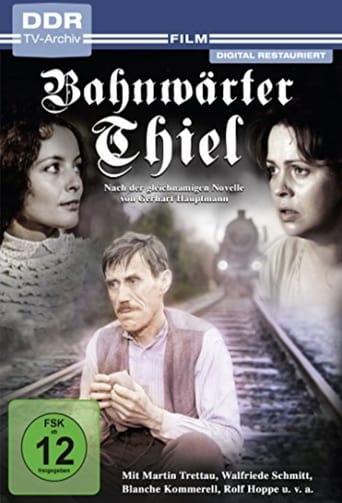
3.5The film tells the tragic fate of railroad guard Thiel at the end of the 19th century. Thiel, who spends his days in the dull, monotonous fulfillment of his duties, has lost his gentle, quiet wife Minna. He remarries out of concern for his young son Tobias. His second wife Lene, with whom he also has a child, is superior to him in vitality and has a rough passion. He discovers that his child from his first marriage is being discriminated against and tormented by her - Thiel withdraws more and more into himself and becomes lonely. When Tobias is killed in an accident, he blames Lene, and disaster is inevitable...
Bahnwärter Thiel
1982
 6.8
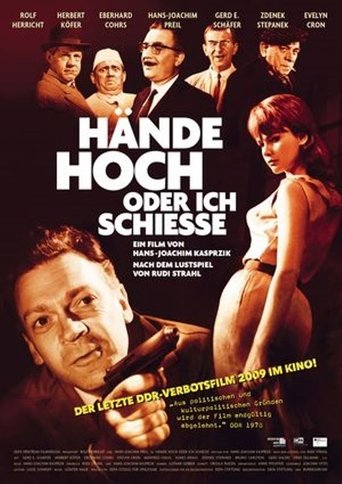
6.8Small town policeman Holms suffers from a rather unusual problem: Because of the low crime rate, there is simply not enough to do for him. Deadly bored, he sinks into the depths of depression and requests the help of a psychiatrist. But his imagination is far more effective: In his dreams, he chases gangsters in London. Finally, some small-time crooks find a way to help "their" policeman out of his emotional misery: They steal a memorial from the market square and thus help Holms to a spectacular case.
Hände hoch oder ich schieße
1966
 NR
NRChildren are introduced to the magical world of cinema in a cheerful and fantastic way; embedded in a turbulent story, they learn about the film professions. A young author, Alice, has written a story and travels to the DEFA feature film studio where this story is to be realized. On the way there, she meets characters she has already invented. The doorman, who is later recognized as one of the actors, wants to refuse them entry. Now begins a cheerful plot to realize the story, which is based on a well-known fairy tale, combined with the chase of the gatekeeper, prince and princess. Alice stands up for her charges, who occasionally slip away from her, and tries to move the plot forward, which involves various film professions. In the end, the real and the fictional merge in a fairytale meadow.
Film-Salabim
1984
 7.0
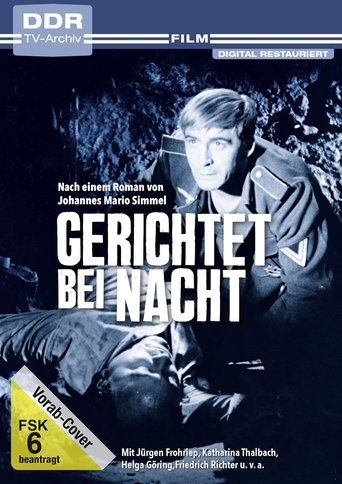
7.0Vienna in March 1945: seven people - three women, three men and a child - are spilled in a basement after a bomb attack. First, the emergency situation welds people together as you depend on each other. But through the question of who is responsible for this misfortune, it comes to hatred and enmity. A deserted soldier shoots a physicist convinced by the ideas of fascism when he wants to blow up the cellar...
Gerichtet bei Nacht
1960
 10.0
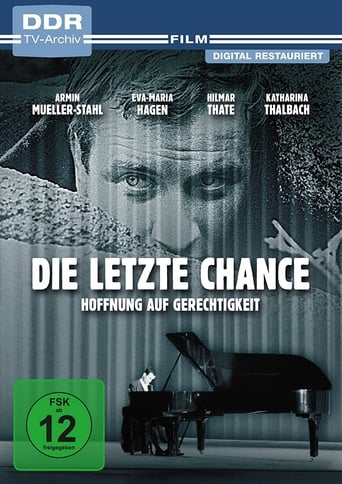
10.0It is a fateful moment: during one of his concerts, Jewish pianist Klaus Seiser discovers Gestapo officer Dr. Becker in the audience. He had imprisoned and harassed the young Seiser in 1943 because of a leaflet. Although the musician had managed to escape from prison at the time, he was caught at the Swiss border and Becker had him sent to Dachau concentration camp. Now, years after the end of the Nazi regime, Seiser denounces the Gestapo man and hopes for justice.
Die letzte Chance
1962
Film credits
Behind the camera
3.5The film tells the tragic fate of railroad guard Thiel at the end of the 19th century. Thiel, who spends his days in the dull, monotonous fulfillment of his duties, has lost his gentle, quiet wife Minna. He remarries out of concern for his young son Tobias. His second wife Lene, with whom he also has a child, is superior to him in vitality and has a rough passion. He discovers that his child from his first marriage is being discriminated against and tormented by her - Thiel withdraws more and more into himself and becomes lonely. When Tobias is killed in an accident, he blames Lene, and disaster is inevitable...
Bahnwärter Thiel
1982
3.5The film tells the tragic fate of railroad guard Thiel at the end of the 19th century. Thiel, who spends his days in the dull, monotonous fulfillment of his duties, has lost his gentle, quiet wife Minna. He remarries out of concern for his young son Tobias. His second wife Lene, with whom he also has a child, is superior to him in vitality and has a rough passion. He discovers that his child from his first marriage is being discriminated against and tormented by her - Thiel withdraws more and more into himself and becomes lonely. When Tobias is killed in an accident, he blames Lene, and disaster is inevitable...
Bahnwärter Thiel
1982
6.8Small town policeman Holms suffers from a rather unusual problem: Because of the low crime rate, there is simply not enough to do for him. Deadly bored, he sinks into the depths of depression and requests the help of a psychiatrist. But his imagination is far more effective: In his dreams, he chases gangsters in London. Finally, some small-time crooks find a way to help "their" policeman out of his emotional misery: They steal a memorial from the market square and thus help Holms to a spectacular case.
Hände hoch oder ich schieße
1966
6.8Small town policeman Holms suffers from a rather unusual problem: Because of the low crime rate, there is simply not enough to do for him. Deadly bored, he sinks into the depths of depression and requests the help of a psychiatrist. But his imagination is far more effective: In his dreams, he chases gangsters in London. Finally, some small-time crooks find a way to help "their" policeman out of his emotional misery: They steal a memorial from the market square and thus help Holms to a spectacular case.
Hände hoch oder ich schieße
1966
7.0Vienna in March 1945: seven people - three women, three men and a child - are spilled in a basement after a bomb attack. First, the emergency situation welds people together as you depend on each other. But through the question of who is responsible for this misfortune, it comes to hatred and enmity. A deserted soldier shoots a physicist convinced by the ideas of fascism when he wants to blow up the cellar...
Gerichtet bei Nacht
1960
10.0It is a fateful moment: during one of his concerts, Jewish pianist Klaus Seiser discovers Gestapo officer Dr. Becker in the audience. He had imprisoned and harassed the young Seiser in 1943 because of a leaflet. Although the musician had managed to escape from prison at the time, he was caught at the Swiss border and Becker had him sent to Dachau concentration camp. Now, years after the end of the Nazi regime, Seiser denounces the Gestapo man and hopes for justice.
Die letzte Chance
1962
10.0It is a fateful moment: during one of his concerts, Jewish pianist Klaus Seiser discovers Gestapo officer Dr. Becker in the audience. He had imprisoned and harassed the young Seiser in 1943 because of a leaflet. Although the musician had managed to escape from prison at the time, he was caught at the Swiss border and Becker had him sent to Dachau concentration camp. Now, years after the end of the Nazi regime, Seiser denounces the Gestapo man and hopes for justice.
Die letzte Chance
1962