Acting
Tame Iti
Rotorua, North Island, New Zealand
Tāme Wairere Iti is a New Zealand Māori activist, artist, actor and social worker. Of Ngāi Tūhoe descent, Iti rose to prominence as a member of the protest group Ngā Tamatoa in 1970s Auckland, becoming a key figure of the Māori protest movement and the Māori renaissance.
Acting credits
 6.4
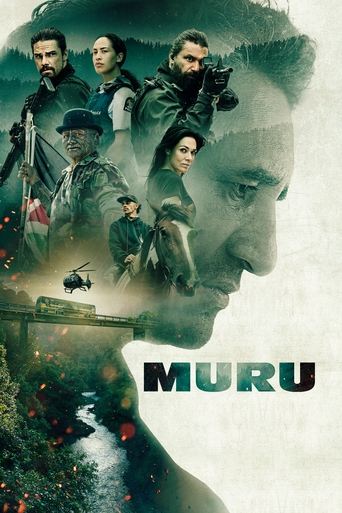
6.4Inspired by actual events, MURU is the story of a local Police Sergeant ‘Taffy’ Tāwharau, who must choose between duty to his badge or his people, when the Government invoke antiterrorism powers to launch an armed raid on Taffy’s remote Urewera community, on a school day. This gripping action drama is not a re-creation, but a response to the 2007 Tūhoe raids. MURU is a Māori concept for 'forgiveness’.
The Raid
2022
 NR
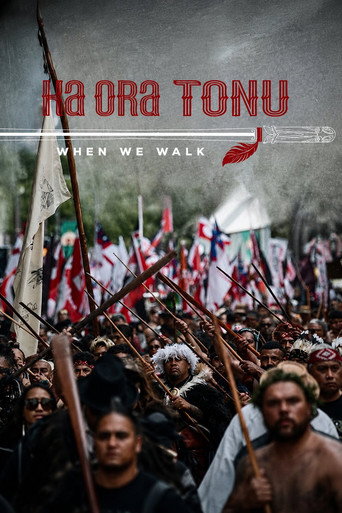
NRTake a ground-level view of 2024's Hīkoi mō Te Tiriti, one of the largest movements of people in Aotearoa’s recent history; reflecting on identity, unity, and the enduring significance of Te Tiriti o Waitangi for Māori today.
When We Walk
2026
 7.5
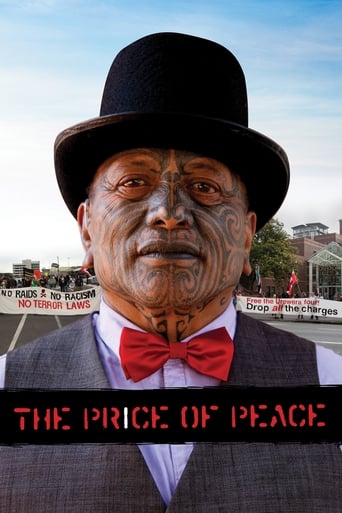
7.5Kim Webby’s background in investigative journalism is put to riveting use in this documentary about Tame Iti and the Urewera Four, taking a criminal case of national interest to explore a greater social issue.
The Price of Peace
2015
 NR
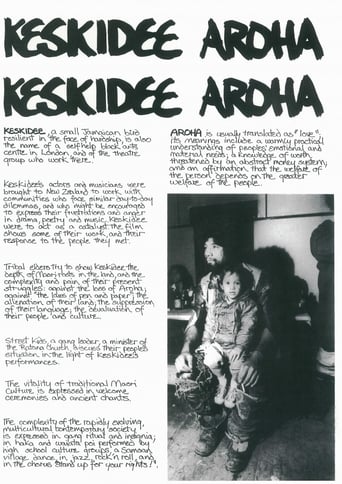
NRKeskidee, a small Jamaican bird resilient in the face of hardship, is also the name of a self-help black arts centre in London, and the theatre group who work there. Keskidee's actors and musicians were brought to New Zealand to work with communities who face similar day-to-day dilemmas and who might be encouraged to express their frustrations and anger in drama, poetry and music. Keskidee were to act as a catalyst. the film shows some of their work and their response to the people they met. Tribal elders try to show keskidee the depth of Maori roots in the land, and the complexity and pain of their present struggles: against the loss of Aroha; against the laws of pen and paper; the alienation of their land; the suppression of their language; the devaluation of their people and culture.
Keskidee Aroha
1979
 NR
NRActor Rawiri Paratene was 16 years old when he joined Māori activist group Ngā Tamatoa (Young Warriors) in the early 1970s. "Those years helped shape the rest of my life," says Paratene in this 2012 Māori TV documentary, directed by Kim Webby. The programme is richly woven with news archive from the 1970s, showing protests about land rights and the Treaty of Waitangi, and a campaign for te reo to be taught in schools. Several ex Ngā Tamatoa members — including Hone Harawira, Tame Iti and Larry Parr— are interviewed by Paratene, who also presents the documentary.
Ngā Tamatoa: 40 Years On
2012