
Writing
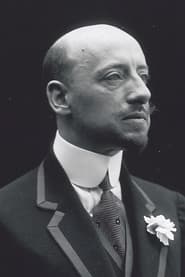
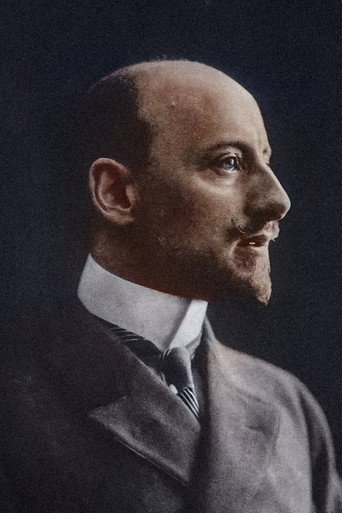
Gabriele D'Annunzio
Born — Died
1863-03-12 — 1938-03-01
Place of birth
Pescara, Abruzzo, Italy
Known for
Writing
Credits
14 titles
Gabriele D'Annunzio (1863-1938), born Gaetano Rapagnetto d'Annunzio, was an Italian poet, playwright, orator, journalist, aristocrat, and army officer during World War I. He occupied a prominent place in Italian literature and political life. He was often referred to under the epithets Il Vate ("the Poet") or Il Profeta ("the Prophet"). He is best known for his novels Il Piacere (1889), L'Innocente (1892), poetry collection Alcyone (1903) and his contribution to silent film epic Cabiria (1914), for which he wrote all of the intertitles, named the characters and the movie itself.
Known for
 7.2
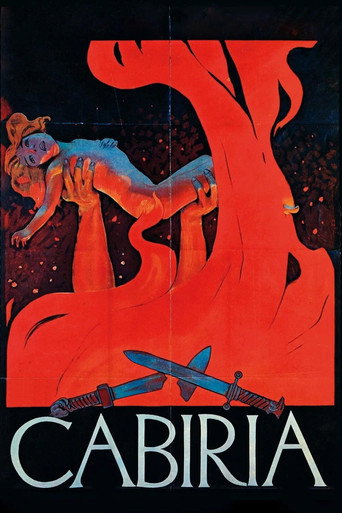
7.2Young Cabiria is kidnapped by pirates and sold as a slave in Carthage. Just as she's to be sacrificed to Moloch, Cabiria is rescued by Fulvius Axilla, a good-hearted Roman spy, and his powerful slave, Maciste. The trio are broken up as Cabiria is entrusted to a woman of noble birth. With Cabiria's fate unknown, Maciste punished for his heroism, and Fulvius sent away to fight for Rome, is there any hope of our heroes reuniting?
Cabiria
1914
 5.0
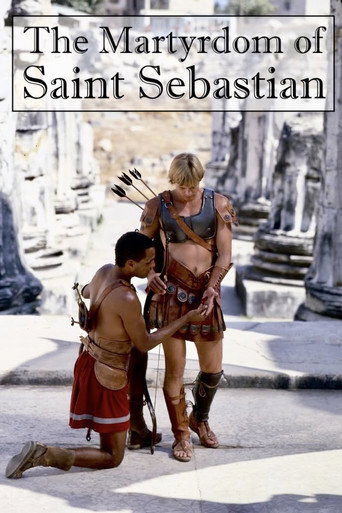
5.0Sebastian, Chief Archer in the Roman Army, converts to Christianity. A favorite of Emperor Augustus, Sebastian's devotion to Christ eventually drives him to reject the Emperor's love, causing the Emperor to angrily order Sebastian to be shot with arrows by his fellow archers. The film retells this mystery play with a definite 'art-house' approach: an almost poetical use of language, singing, dancing, some homoerotic themes, and some special effects.
The Martyrdom of St. Sebastian
1984
 NR
NRGabriele D'Annunzio - poet, novelist, playwright, journalist, soldier and politician - shaped Italian artistic, political and military life either side of 1900. Filmed entirely at the Vittoriale degli Italiani, the hillside citadel above Lake Garda where he spent his final years, the documentary moves through the house, the archive, the park, the amphitheatre and the mausoleum. Giordano Bruno Guerri, president of the Vittoriale foundation, leads a chaptered account of D'Annunzio's writing, his affairs, his politics and his military exploits, closing on his uneasy relationship with Mussolini, who admired and feared him in equal measure.
L'amante guerriero - Storia e vita di Gabriele D'Annunzio
2013
 NR
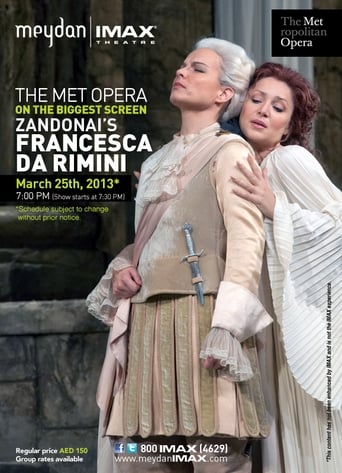
NREva-Maria Westbroek stars in the title role of Zandonai’s sensuous drama, opposite Marcello Giordani as Paolo. Piero Faggioni’s lush production provides the perfect setting for one of the all-time great tales of tragic passion, adapted from an episode in Dante’s Inferno. Mark Delavan co-stars as Giovanni, the husband and brother of the star-crossed lovers, whose jealousy leads him to kill them both. Robert Brubaker is Malatestino and Marco Armiliato conducts.
The Metropolitan Opera: Francesca da Rimini
2013
 6.4
6.4No synopsis available yet.
Benito Mussolini: Anatomy of a Dictator
1962
 8.1
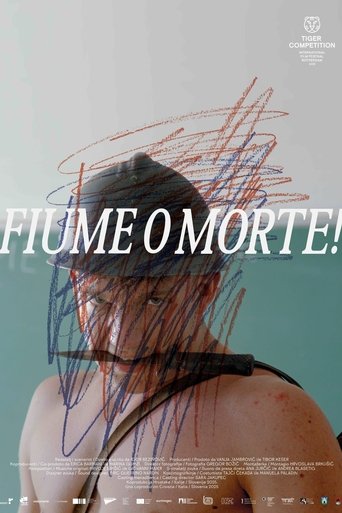
8.1Through dramatic reconstruction and documentary asides, the spirit of Italian poet, playwright, journalist, aristocrat and army officer Gabriele D’Annunzio is captured, presenting the nascent fascism in his attempts to forge a new state in the aftermath of the First World War.
Fiume o morte!
2025
Film credits
2020s · 2 titles
8.1Through dramatic reconstruction and documentary asides, the spirit of Italian poet, playwright, journalist, aristocrat and army officer Gabriele D’Annunzio is captured, presenting the nascent fascism in his attempts to forge a new state in the aftermath of the First World War.
Fiume o morte!
2025
 6.5
6.5The fascinating story of the rise to power of dictator Benito Mussolini (1883-1945) in Italy in 1922 and how fascism marked the fate of the entire world in the dark years to come.
The March on Rome
2022

1960s · 2 titles
6.4No synopsis available yet.
Benito Mussolini: Anatomy of a Dictator
1962
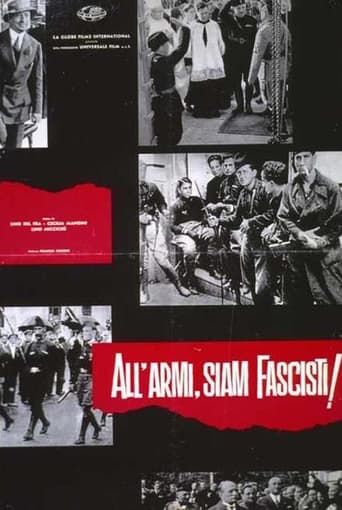 7.0
7.0Documentary compiled from archives and accompanied by a poet's commentary, shows the sweep of modern Italian history from 1911 to 1961, centering on the conditions leading to Fascism and the post-WWII reaction to the Fascist experience.
To Arms, We Are Fascists!
1962
Behind the camera
7.2Young Cabiria is kidnapped by pirates and sold as a slave in Carthage. Just as she's to be sacrificed to Moloch, Cabiria is rescued by Fulvius Axilla, a good-hearted Roman spy, and his powerful slave, Maciste. The trio are broken up as Cabiria is entrusted to a woman of noble birth. With Cabiria's fate unknown, Maciste punished for his heroism, and Fulvius sent away to fight for Rome, is there any hope of our heroes reuniting?
Cabiria
1914
5.0Sebastian, Chief Archer in the Roman Army, converts to Christianity. A favorite of Emperor Augustus, Sebastian's devotion to Christ eventually drives him to reject the Emperor's love, causing the Emperor to angrily order Sebastian to be shot with arrows by his fellow archers. The film retells this mystery play with a definite 'art-house' approach: an almost poetical use of language, singing, dancing, some homoerotic themes, and some special effects.
The Martyrdom of St. Sebastian
1984
NREva-Maria Westbroek stars in the title role of Zandonai’s sensuous drama, opposite Marcello Giordani as Paolo. Piero Faggioni’s lush production provides the perfect setting for one of the all-time great tales of tragic passion, adapted from an episode in Dante’s Inferno. Mark Delavan co-stars as Giovanni, the husband and brother of the star-crossed lovers, whose jealousy leads him to kill them both. Robert Brubaker is Malatestino and Marco Armiliato conducts.
The Metropolitan Opera: Francesca da Rimini
2013
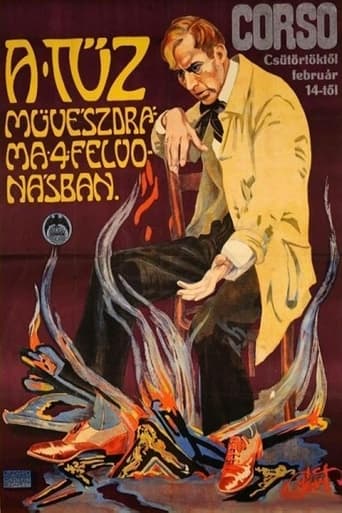 7.0
7.0No synopsis available yet.
The Fire
1918
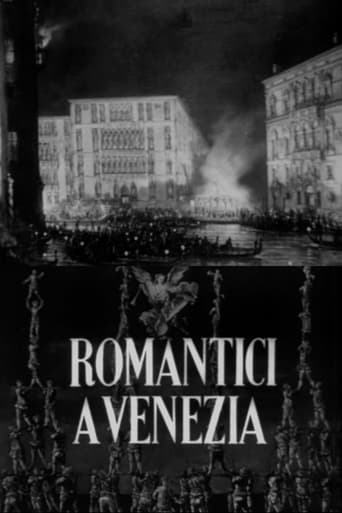 7.3
7.3This is a documentary film on the romantic and decadent atmosphere of Venice at the end of the 18th century. A vigorous comment by Jean Cocteau tells us of the sick souls and the sorrows of literary characters and musicians who lived the dream of this city. It is the Venice of Lord Byron, Alfred de Musset, George Sand, d'Annunzio; a Venice made of precious images, palaces reflected in the water, mysterious moonlights, little squares where unhappy lovers wander under the music of Richard Wagner.
Romantici a Venezia
1948
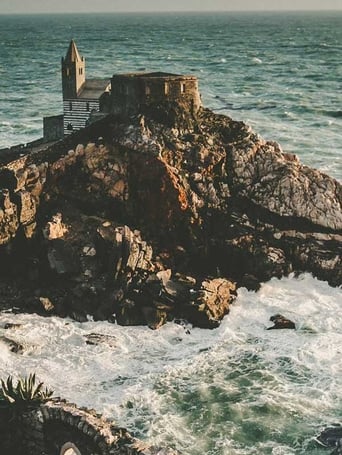 6.8
6.8Visual illustration of D'Annunzio's poem of the same name read by Giorgio Albertazzi.
L'onda
1955