
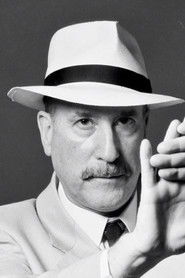
Camera
Néstor Almendros
Born — Died
1930-10-30 — 1992-03-04
Place of birth
Barcelona, Barcelona, Catalonia, Spain
Known for
Camera
Credits
14 titles
Néstor Almendros Cuyás (30 October 1930 – 4 March 1992) was a Spanish cinematographer. One of the most highly appraised contemporary cinematographers, "Almendros was an artist of deep integrity, who believed the most beautiful light was natural light...he will always be remembered as a cinematographer of absolute truth...a true master of light". Néstor Almendros Cuyás was born in Barcelona, Spain, but at 18 moved to Cuba to join his exiled anti-Francisco Franco father. In Havana, he wrote film reviews. Then he went on to study in Rome at the Centro Sperimentale di Cinematografia. He directed six shorts in Cuba and two in New York City. After the 1959 Cuban Revolution, he returned and made …
Known for
 8.0
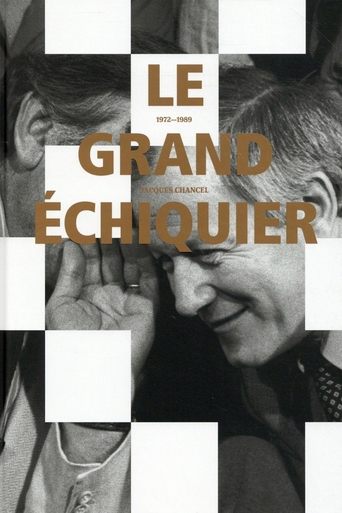
8.0Le Grand Échiquier is a French variety television program created and presented by Jacques Chancel. It aired at 8:30 pm on the first channel of the ORTF from January 12, 1972 to July 12, 1972, then on the second color channel of the ORTF from September 1972 to December 1974, and finally on Antenne 2 from January 1975 to December 21, 1989. The program returned to France 2 on December 20, 2018 and is hosted by Anne-Sophie Lapix.
Le Grand Échiquier
1972
 5.0
5.0No synopsis available yet.
Ciné regards
1978
 6.9
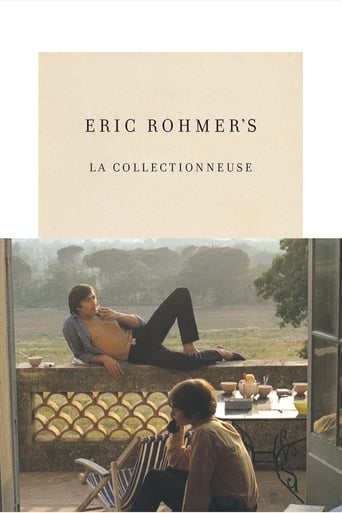
6.9Bombastic, womanising art dealer Adrien and his painter friend Daniel go on holiday at a 17th-century villa on the Riviera. But their idyll is disturbed by the presence of the bohemian Haydée, accused of being a 'collector' of men.
La Collectionneuse
1967
 6.7
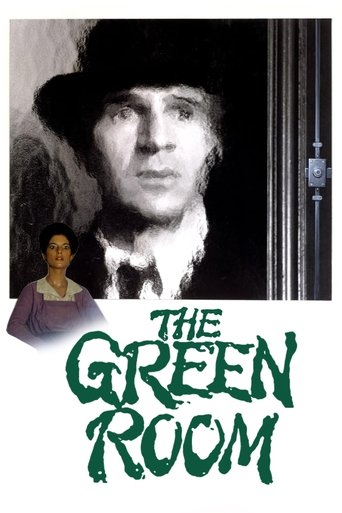
6.7A widower maintains a memorial room filled with his late wife's belongings. When fire destroys it, he transforms a chapel into a new shrine to preserve her memory.
The Green Room
1978
 5.1
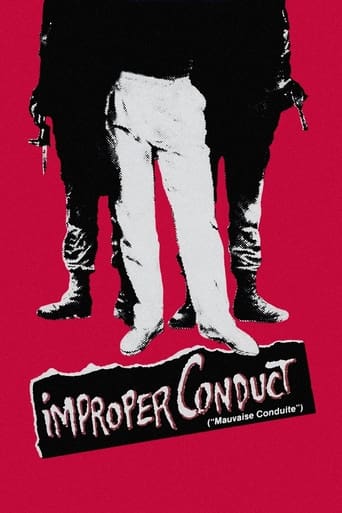
5.1The story of the persecution of homosexuals and intellectuals in Cuba under Fidel Castro's dictatorship, from the beginning of the Cuban Revolution (1953-59) until the early 1980s. Interviews with relevant personalities of Cuban culture who suffered persecution demonstrate that concentration camps for gays existed in Cuba.
Improper Conduct
1984
 7.0
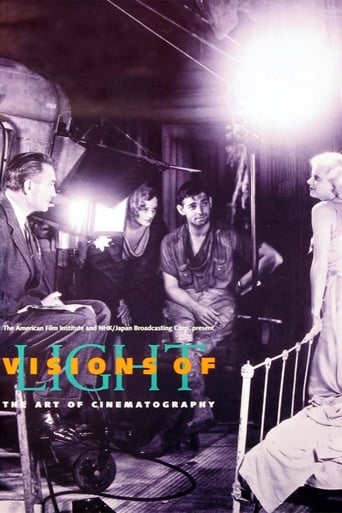
7.0Cameramen and women discuss the craft and art of cinematography and of the "DP" (the director of photography), illustrating their points with clips from 100 films, from Birth of a Nation to Do the Right Thing. Themes: the DP tells people where to look; changes in movies (the arrival of sound, color, and wide screens) required creative responses from DPs; and, these artisans constantly invent new equipment and try new things, with wonderful results. The narration takes us through the identifiable studio styles of the 30s, the emergence of noir, the New York look, and the impact of Europeans. Citizen Kane, The Conformist, and Gordon Willis get special attention.
Visions of Light
1992
Film credits
1990s · 2 titles
7.0Cameramen and women discuss the craft and art of cinematography and of the "DP" (the director of photography), illustrating their points with clips from 100 films, from Birth of a Nation to Do the Right Thing. Themes: the DP tells people where to look; changes in movies (the arrival of sound, color, and wide screens) required creative responses from DPs; and, these artisans constantly invent new equipment and try new things, with wonderful results. The narration takes us through the identifiable studio styles of the 30s, the emergence of noir, the New York look, and the impact of Europeans. Citizen Kane, The Conformist, and Gordon Willis get special attention.
Visions of Light
1992
 6.0
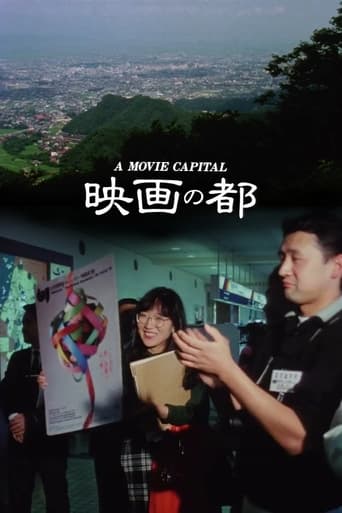
6.0This film is a record of the first Yamagata International Documentary Film Festival. It reflects the various ways the festival was given shape by nascent global changes embodied by Perestroika, the Tiananmen Square massacre, and many other contemporaneous events.
A Movie Capital
1991
1970s · 2 titles
6.7A widower maintains a memorial room filled with his late wife's belongings. When fire destroys it, he transforms a chapel into a new shrine to preserve her memory.
The Green Room
1978
Eric Rohmer and his actors prepare and rehearse "Perceval le Gallois".
En répétant Perceval
1978
Series credits
8.0Le Grand Échiquier is a French variety television program created and presented by Jacques Chancel. It aired at 8:30 pm on the first channel of the ORTF from January 12, 1972 to July 12, 1972, then on the second color channel of the ORTF from September 1972 to December 1974, and finally on Antenne 2 from January 1975 to December 21, 1989. The program returned to France 2 on December 20, 2018 and is hosted by Anne-Sophie Lapix.
Le Grand Échiquier
1972
5.0No synopsis available yet.
Ciné regards
1978
Behind the camera
5.1The story of the persecution of homosexuals and intellectuals in Cuba under Fidel Castro's dictatorship, from the beginning of the Cuban Revolution (1953-59) until the early 1980s. Interviews with relevant personalities of Cuban culture who suffered persecution demonstrate that concentration camps for gays existed in Cuba.
Improper Conduct
1984
5.1The story of the persecution of homosexuals and intellectuals in Cuba under Fidel Castro's dictatorship, from the beginning of the Cuban Revolution (1953-59) until the early 1980s. Interviews with relevant personalities of Cuban culture who suffered persecution demonstrate that concentration camps for gays existed in Cuba.
Improper Conduct
1984
A documentary about the Cuban Revolution's transition into an authoritarian dictatorship, including repression, imprisonment, torture, and execution of political dissidents, while the rest of the world turned a blind eye.
Nobody Listened
1987
"...it had no plot. The film was more a study of people's behavior, shot in 16mm with a hand-held camera, which was hidden most of the time. In its execution it was like my New York film 58-59, except that it was filmed in sunlight almost the whole time, on a public beach, and in the cafes nearby. There was no spoken commentary, only the actual sounds and typical Cuban jukebox music." - Nestor Almendros, A Man With a Camera
People at the Beach
1960
 8.0
8.0A short film based on a story by Franz Kafka. Two men meet to resolve an issue, but are unable to do so due to a series of adverse circumstances.
A Daily Mix-up
1950