
Directing
Michael Gregor
Known for
Directing
Credits
6 titles
Known for
 10.0
Modern forgery or sensational artifact? This film seeks to answer the age-old debate surrounding the authenticity of the 4,000-year-old Phaistos Disc.
The Secrets at Phaistos – Facts, Finds and Forgery
2016
 7.0
The Chachapoya people, who perished centuries ago, left behind hidden necropolises in the headwaters of the Amazon and Kuelap, the largest fortress in the Americas. After extensive research, a German professor now believes he has solved the mystery of the Chachapoya's origins. Similarities between religious symbols and images of gods as well as identical stone slingshots and holes in the skullcaps lead him to believe that survivors from destroyed Carthage reached Peru together with Celtic warriors from the Mediterranean region more than 2,000 years ago.
Karthagos vergessene Krieger
2013
 8.0
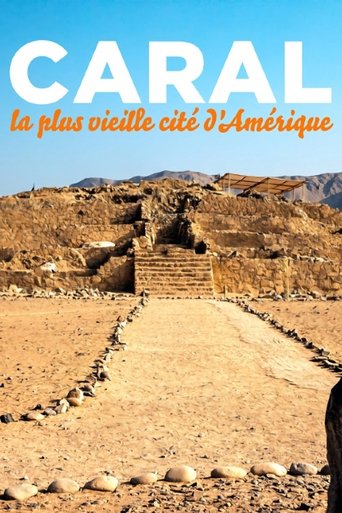
The Sacred City of Caral or Caral-Supe is the capital of the Norte Chico Civilization of Supe located in the Supe Valley, 200 km (124 miles) north of Lima. The Sacred City of Caral is the earliest known civilization in the Americas, it dates to the Late Archaic period. Radiocarbon analysis performed by the Caral-Supe Special Archaeological Project (PEACS) dates its development between 3000 to 1800 B.C.. It is believed that this civilization started by the merging of small villages based on trade of agricultural and fishing products. Its importance rests on the success of techniques of domestication of cotton, beans, potatoes, chilis, squash among other products. Success in agriculture was due to the development of water canals, reservoirs and terraces. They used guano, bird excrement, and anchovies as fertilizer.
Caral: Sacred City of the Andes
2020
 7.7
Heading into the lost empires of Turkmenistan.
The Lost Empires of Turkmenistan
2020
 NR
No synopsis available yet.
Zertört Karthago!
2003
Film credits
Behind the camera
7.0The Chachapoya people, who perished centuries ago, left behind hidden necropolises in the headwaters of the Amazon and Kuelap, the largest fortress in the Americas. After extensive research, a German professor now believes he has solved the mystery of the Chachapoya's origins. Similarities between religious symbols and images of gods as well as identical stone slingshots and holes in the skullcaps lead him to believe that survivors from destroyed Carthage reached Peru together with Celtic warriors from the Mediterranean region more than 2,000 years ago.
Karthagos vergessene Krieger
2013
8.0The Sacred City of Caral or Caral-Supe is the capital of the Norte Chico Civilization of Supe located in the Supe Valley, 200 km (124 miles) north of Lima. The Sacred City of Caral is the earliest known civilization in the Americas, it dates to the Late Archaic period. Radiocarbon analysis performed by the Caral-Supe Special Archaeological Project (PEACS) dates its development between 3000 to 1800 B.C.. It is believed that this civilization started by the merging of small villages based on trade of agricultural and fishing products. Its importance rests on the success of techniques of domestication of cotton, beans, potatoes, chilis, squash among other products. Success in agriculture was due to the development of water canals, reservoirs and terraces. They used guano, bird excrement, and anchovies as fertilizer.
Caral: Sacred City of the Andes
2020
7.7Heading into the lost empires of Turkmenistan.
The Lost Empires of Turkmenistan
2020
NRNo synopsis available yet.
Zertört Karthago!
2003