

Directing
María Esther Palant
Place of birth
Buenos Aires, Argentina
Known for
Directing
Credits
24 titles
María Esther Palant was born in Buenos Aires, Argentina, in 1932. The daughter of a surgeon and stenographer for the Argentine Congress, she studied sculpture and painting in her country. In 1962, the young plastic artist undertook the making of a 35mm short film about the great Argentine sculptor Agustín Riganelli, marking her in the cinema, and supported by the Argentine Film Fund. Maria Esther launched into filming with the concern of creating a method so that the sculptures could rotate on a base. She considered that photography and lighting would be vital to achieve a poetic climate in the image, which she undoubtedly achieved. The short film “AGUSTÍN RIGANELLI” received several awards…
Known for
About the religious stained glass work "Apocalypse" by the painter Adolfo Winternitz (1906-1993).
Apocalipsis
1985
A family of artisans in the manufacture of firework castles.
La Pólvora
1981
 NR
This documentary shows painter José Milner Cajahuaringa (1932-2017) at the Temple of the Moon in Pachacamac with the porticos that inspired his work. Cajahuaringa's work stands out for its play with complementary colors, trapezoidal images, and geometric shapes that characterized the architecture of ancient Tahuantinsuyo. His art was inspired by the spiritual grandeur of Peru's artistic past.
Milner Cajahuaringa
1987
 NR
The review and study of the pictorial work of José Sabogal (1888-1956), father of Peruvian Indigenism, continues.
José Sabogal
1978
Chucuito, city of the Royal Boxes described by an important authority of that town in Puno.
Chucuito
1976
Short film.
Mates Burilados
1974
Behind the camera
About the religious stained glass work "Apocalypse" by the painter Adolfo Winternitz (1906-1993).
Apocalipsis
1985
A family of artisans in the manufacture of firework castles.
La Pólvora
1981
NRThis documentary shows painter José Milner Cajahuaringa (1932-2017) at the Temple of the Moon in Pachacamac with the porticos that inspired his work. Cajahuaringa's work stands out for its play with complementary colors, trapezoidal images, and geometric shapes that characterized the architecture of ancient Tahuantinsuyo. His art was inspired by the spiritual grandeur of Peru's artistic past.
Milner Cajahuaringa
1987
NRThe review and study of the pictorial work of José Sabogal (1888-1956), father of Peruvian Indigenism, continues.
José Sabogal
1978
Chucuito, city of the Royal Boxes described by an important authority of that town in Puno.
Chucuito
1976
Short film.
Mates Burilados
1974
 NR
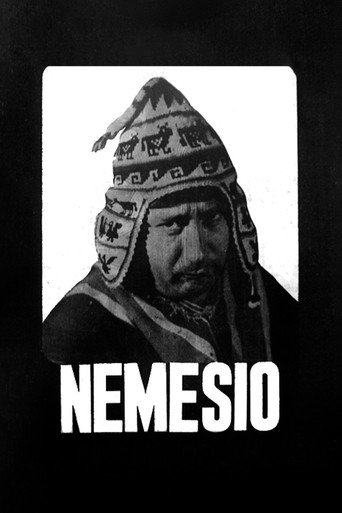
Nernesío Chupaca, born in Abancay, arrives in Lima to reclaim some family properties. To do so, he must find some lost property titles, because otherwise, his grandmother risks being dispossessed of her land. In the capital, he becomes acquainted with a Lima family and becomes involved in a romantic relationship with a flight attendant. The titles are found, leading to a colorful ending that celebrates the triumph of the provincial in Lima.
Nemesio
1969
 NR
Documentary of the life and work of the notable Peruvian writer and the recreation of an afternoon with the visit of his grandchildren in his mansion in Miraflores in 1919. “Palma is not only the extraordinary writer that we all know he is, if not, a notable model of Peruvianness. “He embodies the spirit of Peru, but not only in his vast and multiform work, but in himself and in his hectic and laborious life.”
Ricardo Palma
1974
Stained glass windows by the artist Adolfo Winternitz (1906-1993) in various locations throughout Peru. The painter is seen working in his studio.
Cántico de Color y Luz
1977
 NR
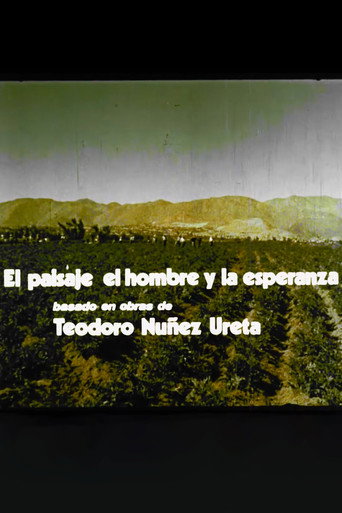
A report on the life and work of the painter Teodoro Núñez Ureta (1912-1988). The artist is seen creating a watercolor in the Arequipa countryside and in a Lima market.
El paisaje, el hombre y la esperanza
1976
Short film.
Combate Dos de Mayo
1973
 NR
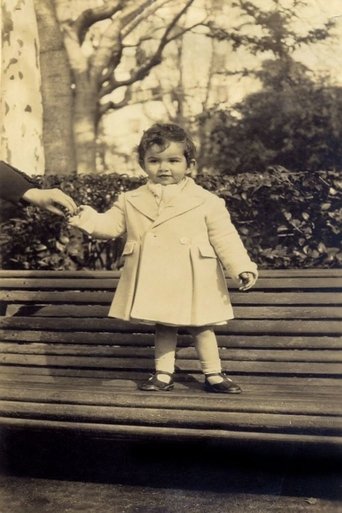
María Esther Palant is one of the greatest Peruvian filmmakers. His legacy contains an extensive filmography that portrays painting, sculpture, and art in Peru. This sample consists of 9 restored short films, where we will be able to learn about his record in the Lima cultural world of the time, as well as delve into his enriching creative eye.
20 years of plastic art, María Esther Palant
1992
Describe the architecture of the city of Lima from its founding to the present day.
Lima de ayer y hoy
1984
 NR
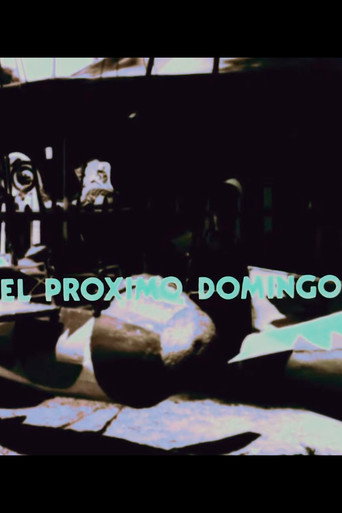
A 1978 short fiction film that presents the conflicted relationship of a mother who must work to support her family and her teenage son. It stars Lucía Irurita, Carlos Tolentino, Félix Oliva (son) and Gabriela Faura.
El Próximo Domingo
1978
The polychrome ceramic mural integrated into the architecture of the Banco del Sur in Peru, by the Bolivian artist Lorgio Vaca (Santa Cruz, 1930) and its relationship with the Arequipa landscape.
Arequipa en relieve
1984
 NR
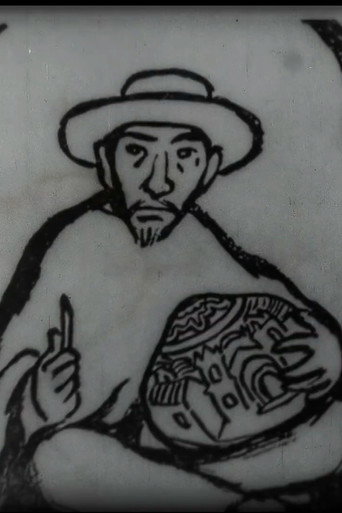
This documentary showcases the woodcut work of the artist José Sabogal (1888-1956), who started the Indigenist School of Peru.
José Sabogal, Grabador
1974
A young university student studying archaeology takes advantage of his summer vacation to travel through northern Peru. During this journey, he gains a deeper understanding of the country and its society, and meets the great love of his life.
Estación de Amor
1974
About the artistic creation of a family of painters, from the father Don Teodoro Núñez Ureta and his five children who continue the plastic tradition of their father.
Herencia de arte
1984
Bolivian artist Marina Núñez del Prado, based in Peru, shows and talks about her stone works.
Marina Núñez del Prado
1987
 NR
Voice and presence of the visual artist Cristina Gálvez (1916-1982) in front of her work.
Cristina Gálvez: Escultora
1978
Poetic evocation of the Arequipa bard Mariano Melgar (1791-1815), with texts by the poet Alejandro Romualdo.
Evocación a Mariano Melgar
1976
 NR
Life and work of the painter Enrique Camino Brent (1909-1960).
Enrique Camino Brent
1976
 NR
The work of one of the first Peruvian women painters and the most prolific and vigorous writer of children’s literature is appreciated. During his life he published more than one hundred children’s stories and ten books. In addition to teaching, journalism and her work as an artist, she obtained numerous awards as a poet, musical composer and playwright.
Cota y los Niños
1986
 NR
The work of the visual artist Félix Oliva based on his own testimony.
Félix Oliva, Ceramista
1975