
Acting
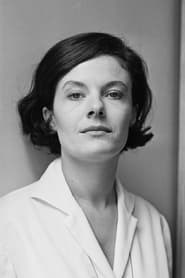
Delphine Seyrig
Born — Died
1932-04-10 — 1990-10-15
Place of birth
Beirut, Lebanon
Known for
Acting
Credits
78 titles
Delphine Claire Beltiane Seyrig (April 10, 1932 – October 15, 1990) was a Lebanese-born French actress and film director. She became active in the feminist movement in the 1970s along with filmmakers Chantal Akerman, Marguerite Duras, and Ulrike Ottinger. In 1975, Seyrig joined forces with Carole Roussopoulos and Ioana Wieder to form the collective Les Insoumuses (The Resistant Muses) and produced videos that became an emancipatory tool and medium of political activism.
Known for
 5.2
5.2A BBC television anthology series featuring productions of classic and contemporary stage plays usually broadcast on BBC1. Each production featured a different work, often using prominent British stage actors in the leading roles. The series was transmitted from October 1965 to September 1983.
BBC Play of the Month
1965
 6.0
6.0A talk show presented by Michel Drucker
Les Rendez-vous du dimanche
1975
 6.2
6.2No synopsis available yet.
30 millions d'amis
1976
 6.2
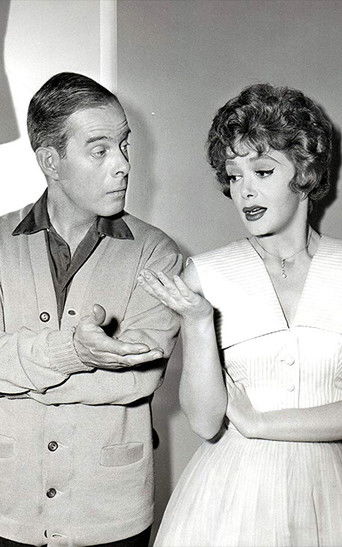
6.2Pete and Gladys is an American situation comedy television series starring Harry Morgan and Cara Williams that aired on CBS on Mondays at 8:00 p.m. Eastern and Pacific time for two seasons, beginning on September 19, 1960. The last episode was broadcast on September 10, 1962.
Pete and Gladys
1960
 7.4
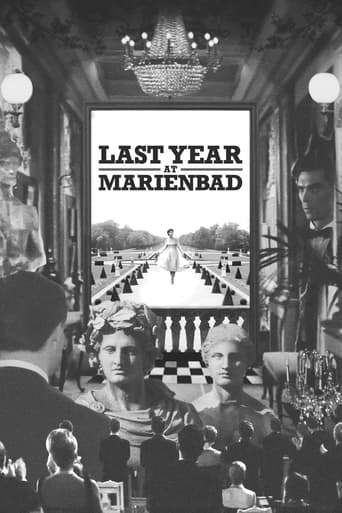
7.4At a weekend gathering, a man tells a woman that they had spent time there together a year prior. But, the woman has no recollection whatsoever and is convinced that he is simply fabricating the encounter. The more he speaks about their activities the previous year however, the more compelling he becomes. The question remains however – did they meet previously or not?
Last Year at Marienbad
1961
 7.2
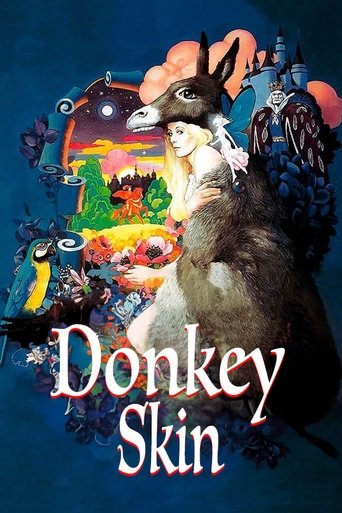
7.2A fairy godmother helps a princess disguise herself so she won't have to marry her father.
Donkey Skin
1970
Film credits
2020s · 4 titles
 2.0
2.0We thought we'd seen, read, and heard everything there was to see about the Cannes Film Festival, from the glitz and gossip to the scandals and censorship. And yet, Emmanuel Barnault's "Morceaux de Cannes" (Pieces of Cannes), by this leading expert on Italian and French cinema, convinces us otherwise. The third largest event in the world (after the Olympic Games and the FIFA World Cup) reveals its secrets only sparingly, as this film attests. The result of passionate research in the INA archives, these 52 minutes, without interviews or voice-over narration, string together rare and sometimes previously unseen footage. Taken together, they tell a surprising, original, and heartwarming story of the Festival. On the beach, on a street corner, in a restaurant, or in the privacy of a hotel room, these forgotten archives summon the greatest filmmakers, actors, and actresses of the last seventy years, from Jean Cocteau to David Lynch, for an anthology of the Festival's history.
Morceaux de Cannes
2021
 6.4
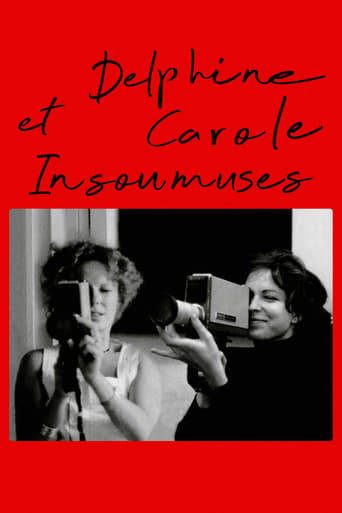
6.4In the 70s, actress Delphine Seyrig and director Carole Roussopoulos, both militant feminists, were the pioneers of video activism in France. They documented the demonstrations of French feminists and used the new technologies to counter the poor representation of women in the public media.
Delphine and Carole
2020
 7.4
7.4If Jean Rochefort remains so dear to our hearts, it is because this extraordinary actor alone embodies a cinema and a France imbued with freedom and carelessness. Through his films, archives and the testimony of those close to him, we discover a complex man, a sad clown saved by his taste for words and for fun.
Jean Rochefort, l'irrésistible
2020
 NR
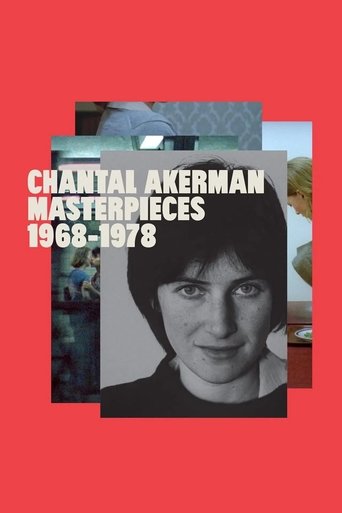
NRThis visual essay, produced in 2023, builds upon rare radio interviews that Chantal Akerman gave in 1975 and 1977, in which she reflects on her films and her ascendance to critical success.
In Her Own Words
2024
2010s · 2 titles
 7.5
7.5A film where anything can happen - the hero and the heroine changes their faces, age, look, names, and so on. The only same thing: The love between man and woman... in an archetypical love story cut from 500 classics from all around the world.
Final Cut: Ladies and Gentlemen
2012
 10.0
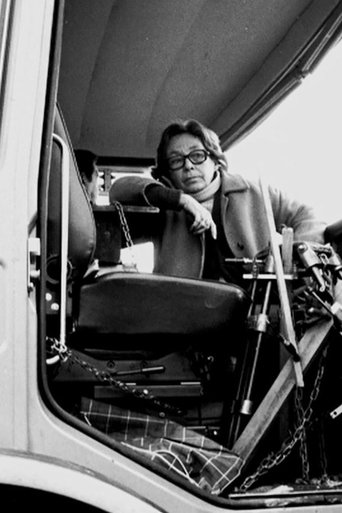
10.0Documentary on famous writer Marguerite Duras and her paradoxical relation to the seventh art by her former film editor.
Duras and Cinema
2014
1980s · 16 titles
 6.5
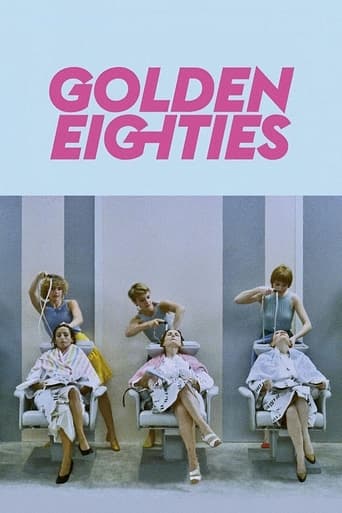
6.5In a lively shopping center, proprietors and customers are bustling, including three women vying for a man's heart with song and dance.
Golden Eighties
1986
 6.0
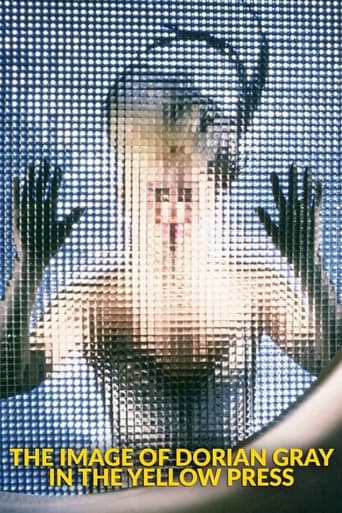
6.0The final installment in Ulrike Ottinger’s Berlin Trilogy (following TICKET OF NO RETURN and FREAK ORLANDO) casts Delphine Seyrig as the nefarious Fritz Lang supervillain Dr. Mabuse, here the head of a powerful media empire that seeks to create headlines by manufacturing (and then publicly destroying) its own celebrity: the wealthy, handsome playboy Dorian Gray.
Dorian Gray in the Mirror of the Yellow Press
1984
 5.4
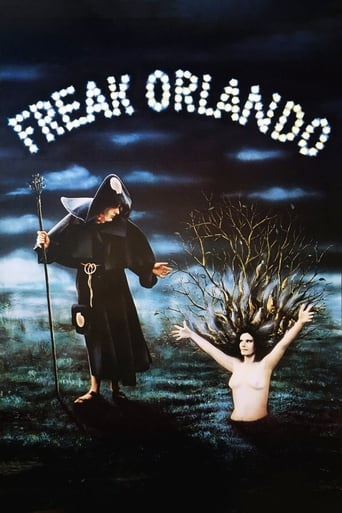
5.4Five more-or-less distinct sections, all featuring "Freak" Orlando, a woman played by the late Magdalena Montezuma, who appears in various guises and deformities throughout.
Freak Orlando
1981
 6.6
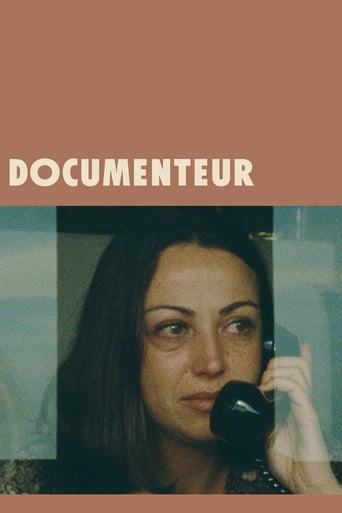
6.6After separating from the father of her son, a young French woman tries to find lodging and a fresh start in L.A. for herself and her son.
Documenteur
1982
 6.2
6.2The film is a series of interviews with various well-known film actresses, including Jenny Agutter, Maria Schneider, and Jane Fonda. The title, which is borrowed from a 1958 film with the same name by Marc Allegret, refers to the sense the actresses have of what is expected of them by the film industry.
Be Pretty and Shut Up!
1981
 6.7
6.7A group of cosmopolitan women passengers aboard the Trans-Siberian/Mongolian Railway are taken prisoner by Ulan Iga, a warrior princess.
Johanna d’Arc of Mongolia
1989
 5.5
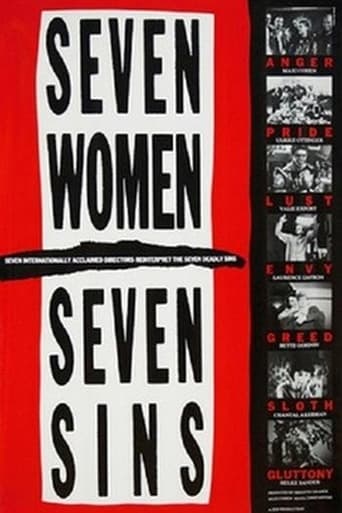
5.5Seven Women, Seven Sins (1986) represents a quintessential moment in film history. The women filmmakers invited to direct for the seven sins were amongst the world's most renown: Helke Sander (Gluttony), Bette Gordon (Greed), Maxi Cohen (Anger), Chantal Akerman (Sloth), Valie Export (Lust), Laurence Gavron (Envy), and Ulrike Ottinger (Pride). Each filmmaker had the liberty of choosing a sin to interpret as they wished. The final film reflected this diversity, including traditional narrative fiction, experimental video, a musical, a radical documentary, and was delivered in multiple formats from 16, super 16, video and 35mm.
Seven Women, Seven Sins
1986
 7.1
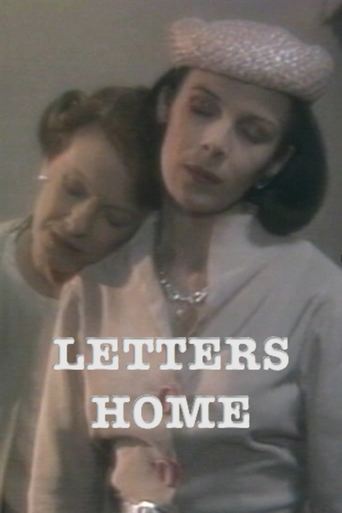
7.1A filmed adaptation of Rose Leiman Goldemberg’s play, based on Sylvia Plath’s intense correspondence with her mother Aurelia, from the time the poet was in university until her suicide. Delphine Seyrig and her niece Coralie Seyrig recite Sylvia and Aurelia’s letters to the audience directly.
Letters Home
1986
 NR
NRTwo worlds are involved. The internal world, closed, virtually isolated, with just one tenuous, uncertain link with the other world - the telephone. The other, external world exists only to pass from one sealed-off place to another. Call each other? - you lose your voice before you get an answer: your head spins with non-existent voices. Telephone and answering machines are scheming devices. Just waiting in vain.
Voix off
1989
This short film about the links between the experience of madness ans pictorial expression, comprises a conversation between the actress Delphine Seyrig and Mary Barnes, painter and co-author of Mary Barnes, "Two Accounts of a Journey through Madness."
The Colors of Madness
1987
 6.5
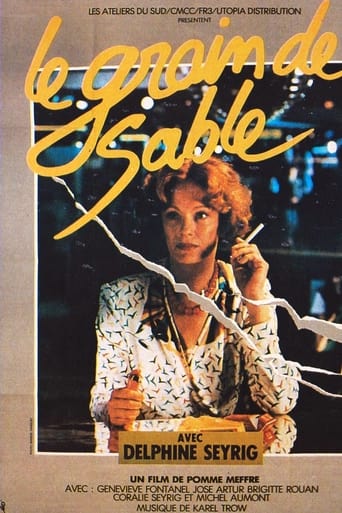
6.5Delphine Seyrig plays a middle-aged woman coping with an ungovernable present and holding out hopes of escaping to a more pleasant past. She leaves her current residence to retreat to her provincial French hometown. Here she dreams of locating and rekindling an old love. Seyrig is less inscrutable here than in her debut feature-film appearance Last Year in Marienbad (61), though the character is just as complex and difficult to please. Grain of Sand was released in France in 1983 as Le Grain de Sable.
Grain of Sand
1983
 NR
NROne of Shaw's "pleasant plays", The Man of Destiny is a one-act lighthearted comedy of egos and social hypocrisy. Set in 1796 in northern Italy, it features a battle of wits between Napoleon Bonaparte and a mysterious, daring woman who has stolen his documents. Can she really challenge the strategic mind of a general still celebrating a famous victory?
The Man of Destiny
1981
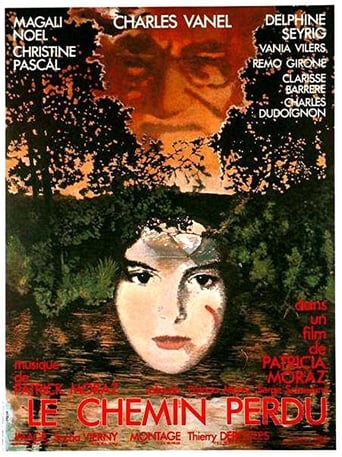 10.0
10.0While the Easter holidays are over, a young woman named Cécile and her brother Pierre return to the family home. There they meet their grandfather Léon, an old communist militant who has shaken Lenin's hand.
The Lost Way
1980
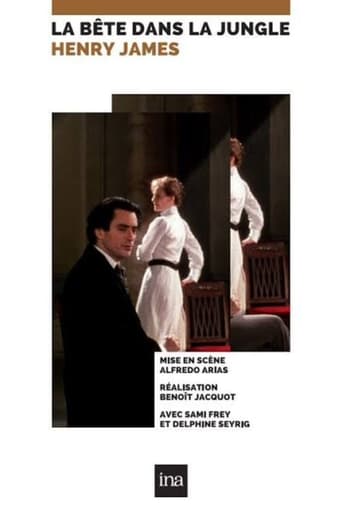 7.0
7.0Ten years after their first meeting, John Marcher and May Bartram meet again in the magnificent Weatherend estate, but, as the first time, John's certainty of being doomed to a tragic fate hinders the feelings they have for each other.
La bête dans la jungle
1981
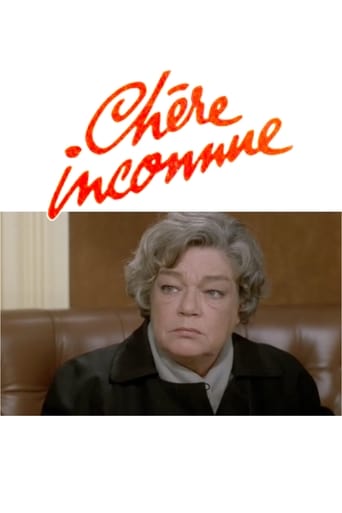 6.4
6.4A middle-aged disabled man unknowingly begins a lonely hearts correspondence with his own unmarried sister, who takes care of him. As he writes more and more to her, he begins to fall in love, and she, knowing that it is her brother who is writing, discovers a new, tender side to him. But trouble looms when he asks to meet her in person.
I Sent a Letter to My Love
1980
 NR
NROf Doubt and Grace: A spell-binding reading by Delphine SEYRIG of extracts of Carole NAGGAR's text "Cité du Sang". An adaptation filmed in Benares and Calcutta; the body structured in gestures and time. When reality becomes fiction... or the reverse.
De doute et de grâce
1989
1970s · 25 titles
7.2A fairy godmother helps a princess disguise herself so she won't have to marry her father.
Donkey Skin
1970
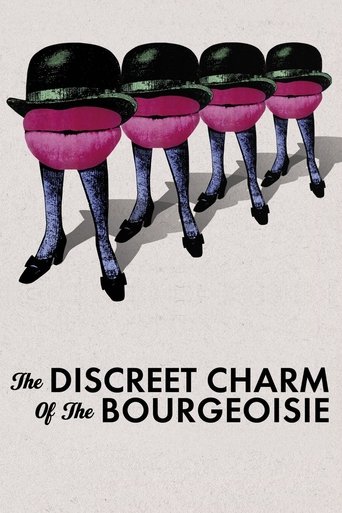 7.4
7.4In Luis Buñuel’s deliciously satiric masterpiece, an upper-class sextet sits down to dinner but never eats, their attempts continually thwarted by a vaudevillian mixture of events both actual and imagined.
The Discreet Charm of the Bourgeoisie
1972
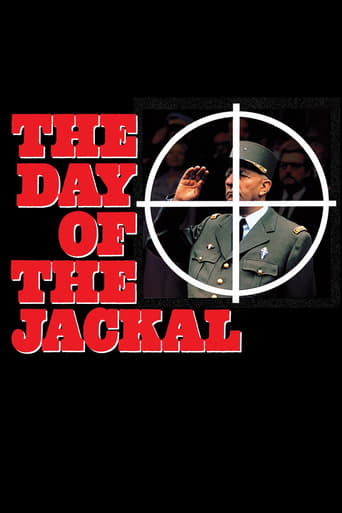 7.5
7.5An international assassin known as ‘The Jackal’ is employed by disgruntled French generals to kill President Charles de Gaulle, with a dedicated gendarme on the assassin’s trail.
The Day of the Jackal
1973
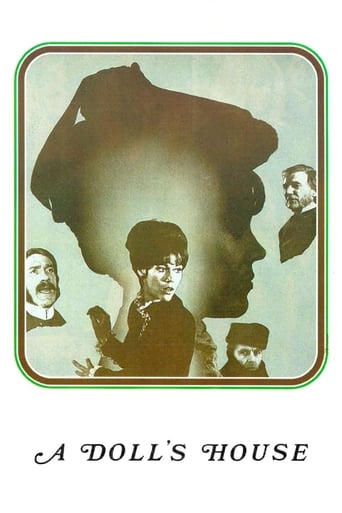 4.9
4.9Nora Helmer lives a quiet life with her husband, Torvald, in a small Norwegian town. While he works diligently at a bank, she looks after their children. But Torvald doesn't know that several years ago, when he was very ill and she was desperate for money, Nora forged a loan document and has been secretly working to pay the money back ever since. The arrival of her friend Kristine prompts Nora to re-evaluate her life and confront Torvald.
A Doll's House
1973
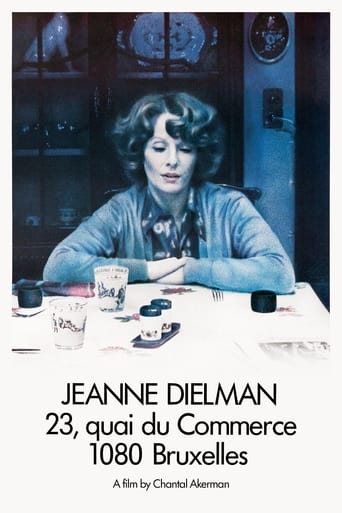 7.4
7.4A lonely young widow lives with her son following an immutable order: while the boy is in school, she cares for their apartment, does chores, and receives clients in the afternoon.
Jeanne Dielman, 23, quai du Commerce, 1080 Bruxelles
1976
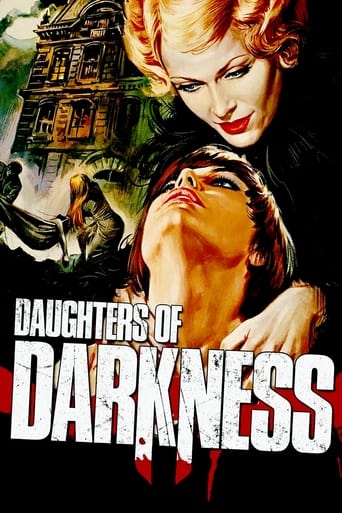 6.2
6.2Ostend, Belgium. In a decadent seaside hotel, Stefan and Valerie, a newlywed couple, meet the mysterious Countess Báthory and Ilona, her secretary.
Daughters of Darkness
1971
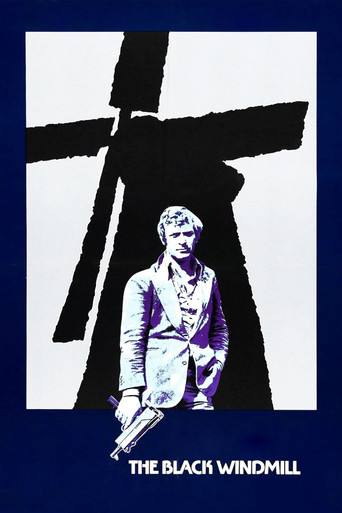 6.3
6.3A British agent's son is kidnapped and held for a ransom of diamonds. The agent finds out that he can't even count on the people he thought were on his side to help him, so he decides to track down the kidnappers himself.
The Black Windmill
1974
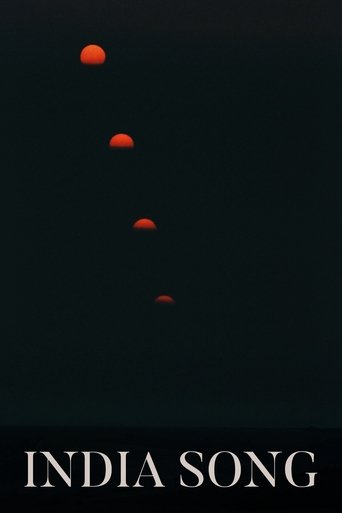 6.3
6.3Anne-Marie Stretter, the wife of a French diplomat in 1930s India, takes many lovers to relieve the boredom in her life.
India Song
1975
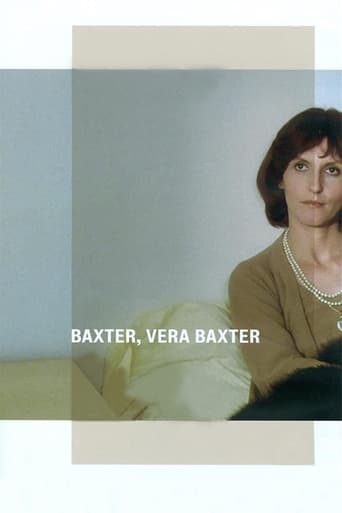 5.6
5.6In an empty villa, Vera Baxter sits and contemplates her life, as she recounts to a woman who was drawn to the villa when she heard the name Vera Baxter pronounced. Vera tells her about her no-good husband, who has been using her to keep his failing business afloat, up to her present love affair.
Baxter, Vera Baxter
1977
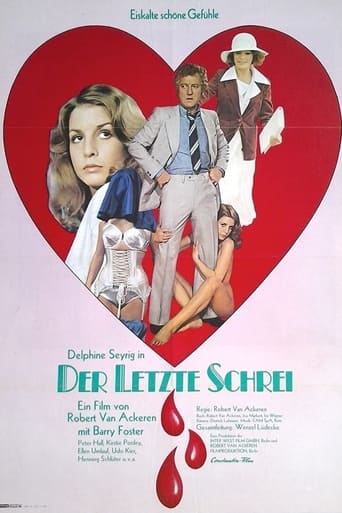 4.7
4.7Leo, the owner of the stocking product "Discrete", has driven his company into the wall; the company is virtually bankrupt.
The Last Word
1975
 6.2
6.2Aloise creates a series of haunting drawings while she is incarcerated in an institution for the insane in turn-of-the-century Switzerland. She endures torments as a musically gifted girl and later as a young woman; her developing madness and the barbaric treatments of the time are shown.
Aloïse
1975
 3.0
3.0Alexandre, a young man from a wealthy family, suffers a serious fall. One leg is finally amputated, leaving the other paralyzed. Desperate, the boy tries to come to terms with his new existence. He quickly adopts a cruel attitude towards those closest to him, blackmailing the house gardener and his mother, who has a lover. Obsessed with sex, he is unable to have an affair with a girl and ends up committing suicide.
Cry of the Heart
1974
 5.4
5.4The year 1975 is declared “year of the woman”. On this occasion Bernard Pivot invited Françoise Giroud on television, then Secretary of State for Women. Faced with statements, a group of women filmmakers parody the issues in a provocative way.
Maso and Miso Go Boating
1976
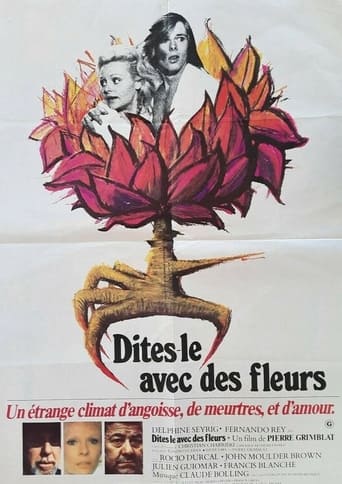 5.7
5.7The action begins in black and white, like a memory. Klaus is a Nazi military who has just failed an attempt on Hitler. Desperate, Klaus shoots and kills his children and then shoots at his pregnant wife and leaves her badly injured. Finally, attempts suicide, but at the last moment does not have the courage to pull the trigger, and flees on a motorcycle, having an accident ... The action continues in France. Jean-Claude is a handsome young man self-conscious about a malformation in his face. Jean-Claude lives with his parents, Jacques Bergé, an amnesiac man, self-enclosed and obsessed with Egyptian art, and Concepcion, a woman also closed in herself and obsessed with flowers from her garden, and apparently , suffering from paranoia.
Say it with Flowers
1974
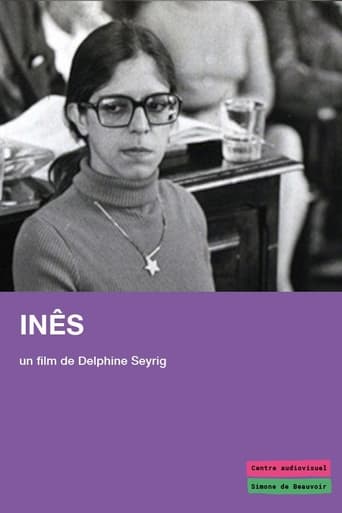 2.0
2.0Inês Etienne Romeu was an opponent to the Brazilian's dictatorship. She was kidnapped, tortured and raped in jail, where she stayed for almost 100 days. She was later sentenced to life imprisonment. She stayed ten years in prison, from 1971 to 1979. Delphine Seyrig directed this film in 1974, when Inês was still in prison, protesting against this imprisonment and in support to Inês.
Inês
1974
 7.2
7.2The full soundtrack to Marguerite Duras' 1975 film India Song, about a French ambassador's wife in 1930s India, is here repurposed with all new cinematography. As we hear all the dialogue of a bygone movie, we travel visually through images of absence and decay, bereft of life. It's the ghost of a film, and a further commentary on colonialism.
Son nom de Venise dans Calcutta désert
1976
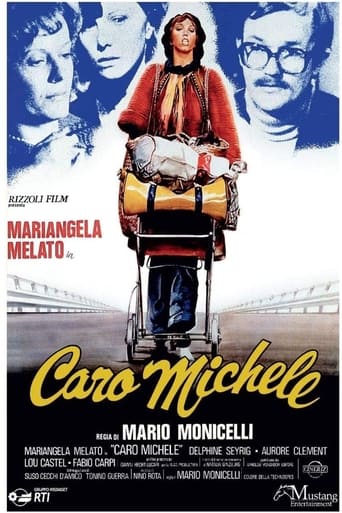 5.4
5.4Michael is the younger son of a middle-class family, a strong-willed and free-thinking fellow, who is off in some distant country fighting for a revolutionary cause. Everyone in the family writes to him, describing the events of their lives, as they drift into a kind of conventionality which would perhaps have horrified them earlier. Only Michael’s girlfriend Mara, the mother of his child, retains her independence, even though it is through the help of Michael’s increasingly conventional friends and family that she survives.
Dear Michele
1976
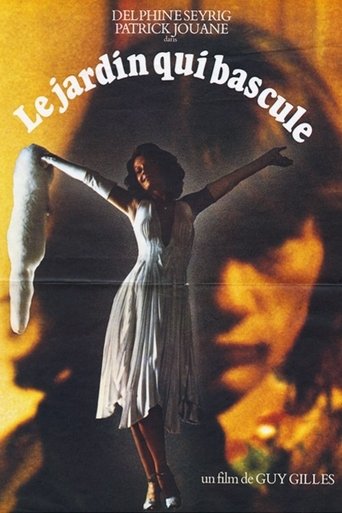 6.7
6.7Karl, a young killer is to kill Kate, an adventurous lady living in a mansion by a lake. He approaches her but fails to kill her. Instead, he falls in love and becomes her lover ...
The Garden That Tilts
1975
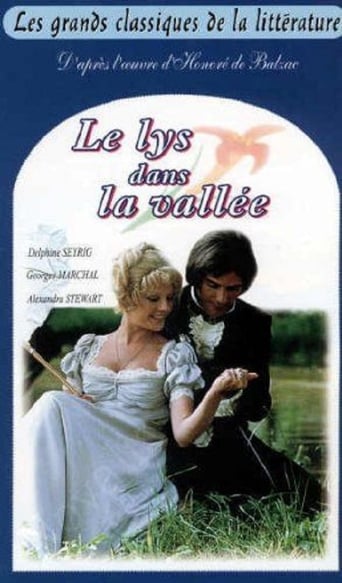 7.2
7.2Félix de Vandenesse's youthful love for the beautiful, inaccessible Madame de Mortsauf, who devotes her life to a half-mad husband and two fragile children. Madame de Mortsauf maintains a friendly, tender relationship. But when she learns of the young man's affair with an Englishwoman, she dies of jealousy and regret.
Le Lys dans la vallée
1970
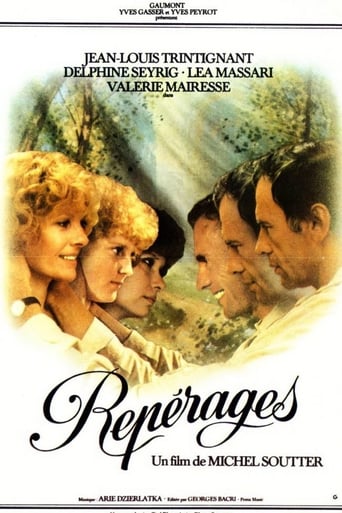 6.1
6.1After 10 years separation from his wife, a film director (Jean-Louis Trintignant), imagines he can make up with her by giving her a part in his next film, an adaptation of Tshekov's "Three Sisters". He goes location scouting and stays in Bex, a Spa near Lake Leman, together with the three actresses : Julie, his ex-wife (Delphine Seyrig), the mysterious Cecilia, that his producer wants him to take (Lea Massari), and Esther (Valérie Mairesse), a teenager. They all stay in an old decaying hotel. In this isolated mansion the four of them will fight but also discover each other.
Faces of Love
1977
 6.3
6.3On a Mediterranean cruise, a young man hired as a tour guide is intrigued by the beauty of a female interpreter hiding behind her sunglasses. He makes advances to her by venturing into a series of strange stories.
Diary of a Suicide
1973
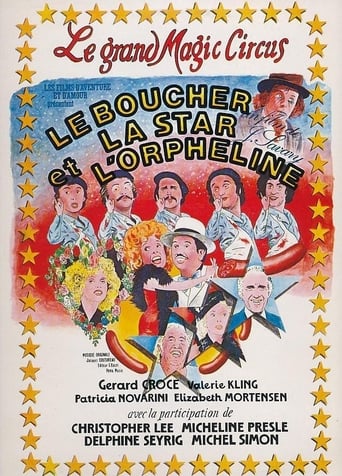 5.0
5.0A butcher dreams of becoming a famous director. He hires stars that he begins to kill.
The Butcher, the Star and the Orphan
1975
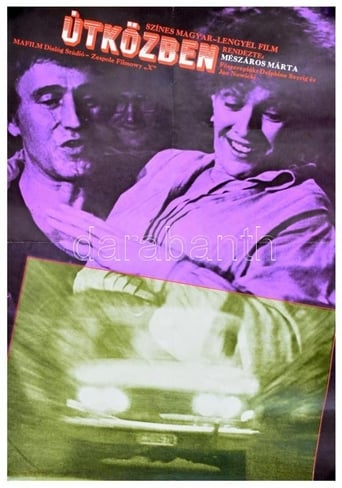 5.0
5.0Barbara is a forty-year-old woman of Polish origin living in Budapest. She is a biologist, a wife and a mother. The death of her woman friend opens her eyes to the fact that she is lonely, unable to find her place.
On the Move
1979
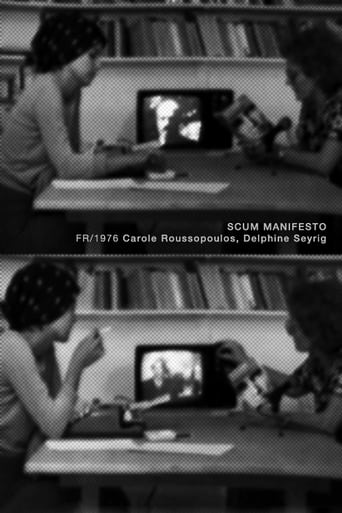 5.2
5.2Delphine Seyrig reads passages from a Valerie Solanas’s SCUM manifesto.
Scum Manifesto
1976
 6.0
6.0Her whole childhood, Marguerite Duras spent her time moving. Her house in Neauphle-le-Château is the one she has lived in the most, and the one she says: “All the women in my books have lived in this house. All ... ” Duras tells about her house and her garden closely linked to his work, remembers the forest of her childhood and evokes her fear of music.
The Places of Marguerite Duras
1976
1960s · 11 titles
7.4At a weekend gathering, a man tells a woman that they had spent time there together a year prior. But, the woman has no recollection whatsoever and is convinced that he is simply fabricating the encounter. The more he speaks about their activities the previous year however, the more compelling he becomes. The question remains however – did they meet previously or not?
Last Year at Marienbad
1961
 7.3
7.3The third in a series of films featuring François Truffaut's alter-ego, Antoine Doinel, the story resumes with Antoine being discharged from military service. His sweetheart Christine's father lands Antoine a job as a security guard, which he promptly loses. Stumbling into a position assisting a private detective, Antoine falls for his employers' seductive wife, Fabienne, and finds that he must choose between the older woman and Christine.
Stolen Kisses
1968
 6.9
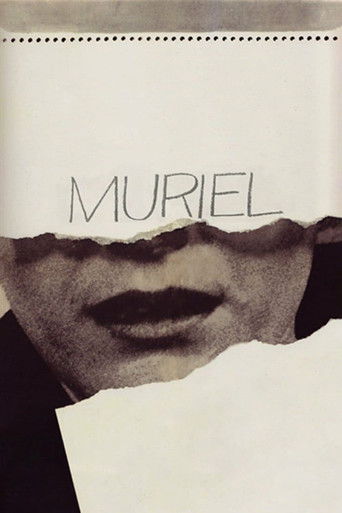
6.9In the seacoast town of Boulogne, antique furniture saleswoman Hélène lives with her stepson, Bernard, who's back from military duty in Algiers. An old lover of Hélène's comes to visit, Alphonse, with his niece Françoise; he too is back from Algiers, where he ran a café. Bernard speaks of his fiancée, Muriel, whom Hélène has not met. The past is obscured by guilt, misperceptions, and missed possibilities. Appearances deceive, things change. As Hélène and Alphonse try to sort out a renewal, everyone seems off-kilter just enough to hint that all cannot end well.
Muriel, or the Time of Return
1963
 7.1
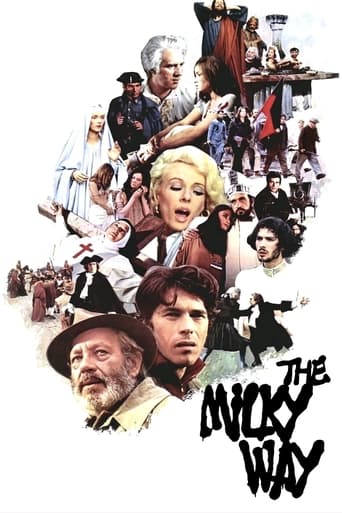
7.1Two men, part tramp, part pilgrim, are on their way from France to Santiago de Compostela in Spain. On their way, they meet a vast assortment of characters—some truculent, some violent, and some bizarre; they experience many adventures—some mysterious, some erotic, some even supernatural.
The Milky Way
1969
 6.5
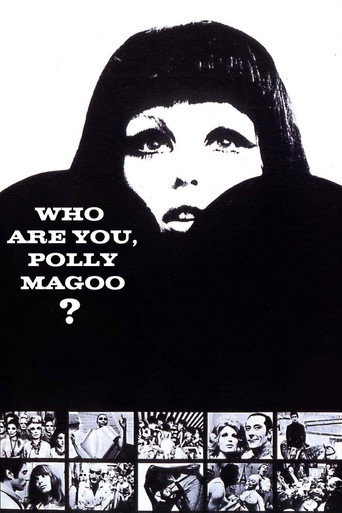
6.5A model tells a television crew about her dreams of a life with prince charming all while fending off the lecherous advances of a horde of men.
Who Are You, Polly Maggoo?
1966
 6.4
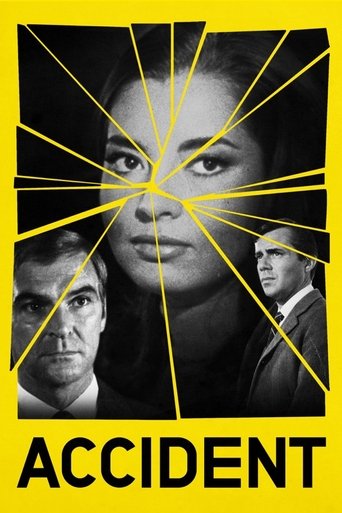
6.4Stephen is a professor at Oxford University who is caught in a rut and feels trapped by his life in both academia and marriage. One of his students, William, is engaged to the beautiful Anna, and Stephen becomes enamored of the younger woman. These three people become linked together by a horrible car crash, with flashbacks providing details into the lives of each person and their connection to the others in this brooding English drama.
Accident
1967
 5.2
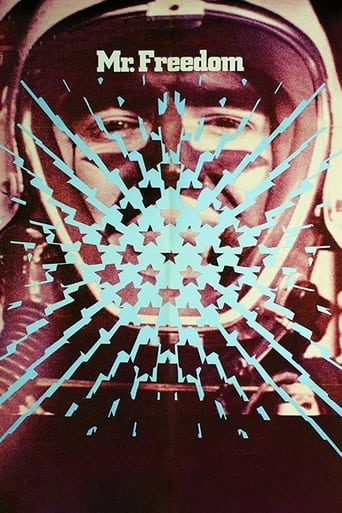
5.2Mr. Freedom, a bellowing good-ol'-boy superhero decked out in copious football padding, jets to France to cut off a Commie invasion from Switzerland. A destructive, arrogant patriot in tight pants, Freedom joins forces with Marie Madeleine to combat lefty freethinkers, as well as the insidious evildoers Moujik Man and inflatable Red China Man, culminating in a star-spangled showdown.
Mr. Freedom
1969
 5.1
5.1Chick fell in love with Alise because of a shared passion for writer Jean-Sol Partre who gradually devoured their relationship. Soon after, Colin, the main character, also falls in love with a young girl, Chloe, but after their marriage she soon suffers from a strange illness: a water lily grows in her lungs.
Spray of the Days
1968
 NR
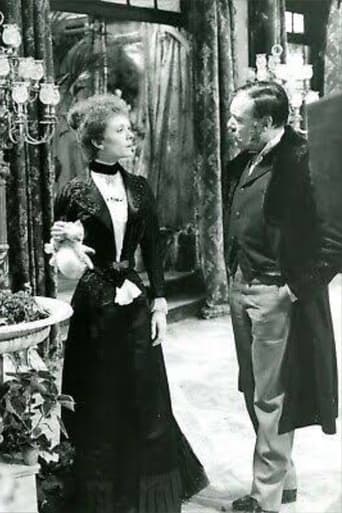
NRHedda and Tesman have just returned from their honeymoon and the relationship is already in trouble. Trapped but determined, Hedda tries to control those around her, only to see her own world unravel.
Hedda Gabler
1967
 NR
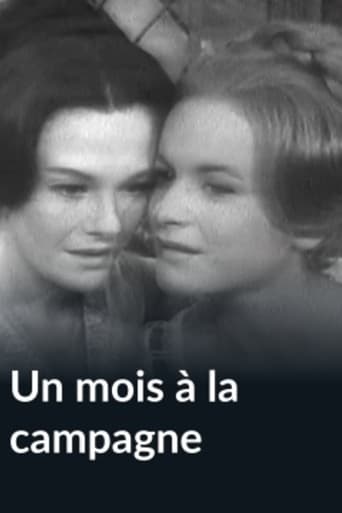
NR1840. The arrival of a young tutor in a wealthy Russian family will stir the hearts of two women. The mother, Natalia Petrovna, and her 17-year-old ward, Vera, fall in love with the frustrated boy... Adaptation of Ivan Tourgueniev's most famous play, starring Delphine Seyrig as Natalia Petrovna.
Un mois à la campagne
1966
Delphine Seyrig is Catherine Miller, an internationally renowned pianist. Married and mother of a little boy, she leads a hectic life. Following a recital, she accepts a dinner with the music critic Gilles Bollème. This seemingly innocuous encounter gradually confronts Catherine with her own demons.
Le Troisième Concerto
1963

Series credits
5.2A BBC television anthology series featuring productions of classic and contemporary stage plays usually broadcast on BBC1. Each production featured a different work, often using prominent British stage actors in the leading roles. The series was transmitted from October 1965 to September 1983.
BBC Play of the Month
1965
6.0A talk show presented by Michel Drucker
Les Rendez-vous du dimanche
1975
6.2No synopsis available yet.
30 millions d'amis
1976
6.2Pete and Gladys is an American situation comedy television series starring Harry Morgan and Cara Williams that aired on CBS on Mondays at 8:00 p.m. Eastern and Pacific time for two seasons, beginning on September 19, 1960. The last episode was broadcast on September 10, 1962.
Pete and Gladys
1960
 8.0
8.0No synopsis available yet.
Dim Dam Dom
1965
 7.2
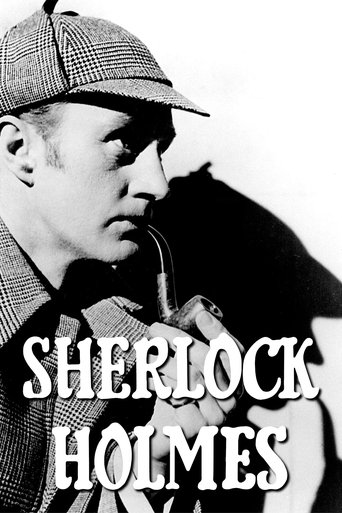
7.2The first American television series of Sherlock Holmes adventures aired in syndication in the fall of 1954. The 39 half-hour mostly original stories were produced by Sheldon Reynolds and filmed in France by Guild Films, starring Ronald Howard as Holmes and Howard Marion Crawford as Watson. Archie Duncan appeared in many episodes as Inspector Lestrade. Richard Larke, billed as Kenneth Richards, played Sgt. Wilkins in about fifteen episodes. The series' associate producer, Nicole Milinaire, was one of the first women to attain a senior production role in a television series.
Sherlock Holmes
1954
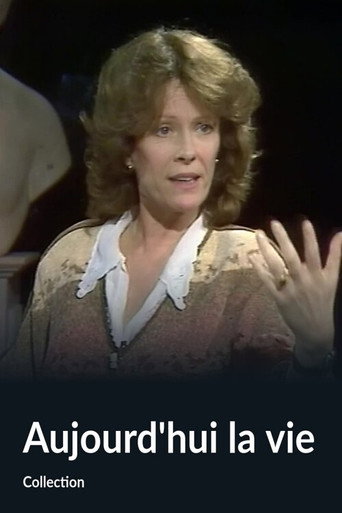 NR
NRNo synopsis available yet.
Aujourd'hui la vie
1982
Behind the camera
6.2The film is a series of interviews with various well-known film actresses, including Jenny Agutter, Maria Schneider, and Jane Fonda. The title, which is borrowed from a 1958 film with the same name by Marc Allegret, refers to the sense the actresses have of what is expected of them by the film industry.
Be Pretty and Shut Up!
1981
6.2The film is a series of interviews with various well-known film actresses, including Jenny Agutter, Maria Schneider, and Jane Fonda. The title, which is borrowed from a 1958 film with the same name by Marc Allegret, refers to the sense the actresses have of what is expected of them by the film industry.
Be Pretty and Shut Up!
1981
7.1A filmed adaptation of Rose Leiman Goldemberg’s play, based on Sylvia Plath’s intense correspondence with her mother Aurelia, from the time the poet was in university until her suicide. Delphine Seyrig and her niece Coralie Seyrig recite Sylvia and Aurelia’s letters to the audience directly.
Letters Home
1986
5.4The year 1975 is declared “year of the woman”. On this occasion Bernard Pivot invited Françoise Giroud on television, then Secretary of State for Women. Faced with statements, a group of women filmmakers parody the issues in a provocative way.
Maso and Miso Go Boating
1976
2.0Inês Etienne Romeu was an opponent to the Brazilian's dictatorship. She was kidnapped, tortured and raped in jail, where she stayed for almost 100 days. She was later sentenced to life imprisonment. She stayed ten years in prison, from 1971 to 1979. Delphine Seyrig directed this film in 1974, when Inês was still in prison, protesting against this imprisonment and in support to Inês.
Inês
1974
2.0Inês Etienne Romeu was an opponent to the Brazilian's dictatorship. She was kidnapped, tortured and raped in jail, where she stayed for almost 100 days. She was later sentenced to life imprisonment. She stayed ten years in prison, from 1971 to 1979. Delphine Seyrig directed this film in 1974, when Inês was still in prison, protesting against this imprisonment and in support to Inês.
Inês
1974
5.2Delphine Seyrig reads passages from a Valerie Solanas’s SCUM manifesto.
Scum Manifesto
1976
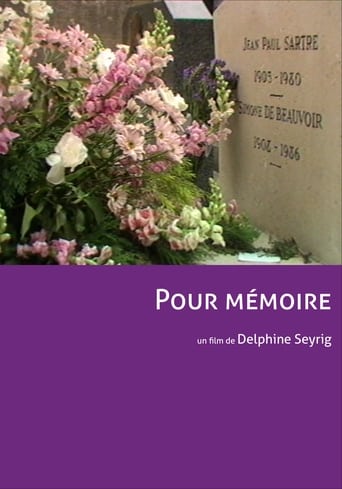 NR
NROne year after the death of Simone de Beauvoir (14 april 1986) Delphine Seyrig pays homage by visiting her grave. which she finds still covered with flowers and letters from all over the world.
In Memory
1987
In two parts, it documents the litigation of Brigitte Fontaine, Monique Piton, Mireille and Erin Pizzey with Éditions de femmes in 1976 and those of Catherine Leguay and Brigitte Fontaine in 1977.
Il ne fait pas chaud
1977
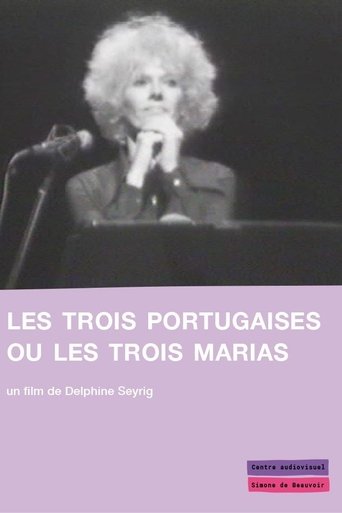 NR
NRImages from “La nuit des femmes”, an evening in support of the three Portuguese writers, Maria Isabel Barreno, Maria Teresa Horta and Maria Velho da Costa, who, for having published in 1972 the “Novas Cartas Portuguesas”, a collective work bringing together texts denouncing the alienating and patriarchal Portuguese society, were brought to justice and risked 2 to 5 years in prison for insulting good morals.
Les trois portugaises
1974
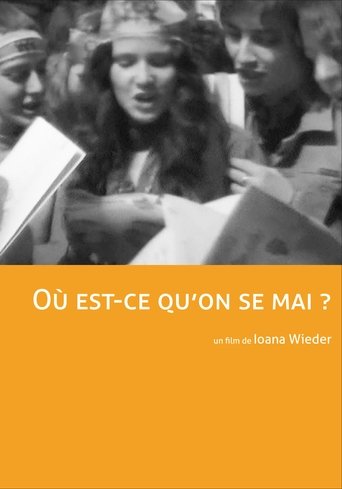 NR
NRDocumentary about feminist protests on the 1st of May of 1976
Où est-ce qu'on se "Mai"?
1976