
Writing
Gunwantrai Acharya
Known for
Writing
Credits
6 titles
Known for
1938 Hindi language film
Gorakh Aya
1938
 10.0
Using the moon’s rays, Professor Harnam invents a potion that turns man into a murderous beast. His brother Professor Vaman, realizing the dangers of this invention, realizes the urgent need of producing an antidote to avoid disaster. However, it is too late as Harnam’s daughter drinks the potion during a quarrel with her lover Detective Kishore and the city begins to witness a murder spree amongst its elite and wealthy citizens.
Professor Vaman M.Sc
1938
 9.0
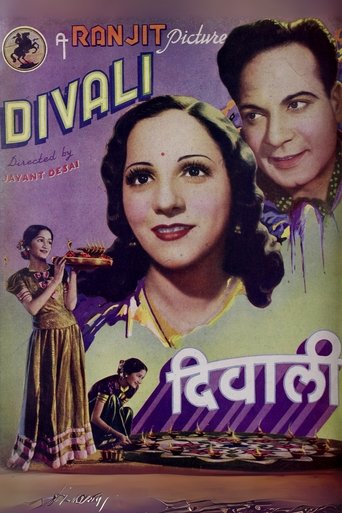
Dhanna and his young daughter Tulsi struggle in poverty until Tulsi, trying to help her sick father, is arrested for theft and sent to jail. She later comes under the care of Dr. Kailash, whose household is held together by Rekha, the prosecuting attorney’s daughter in love with him. As Tulsi’s presence stirs tensions between Rekha and Kailash, the story weaves through themes of love, money, and morality, moving from hardship and conflict toward reconciliation and harmony.
Divali
1940
 10.0
Two identical women, city-bred Chandni and village teacher Devi, swap clothes on a train, leading to their husbands mistakenly taking home the wrong wife. As chaotic domestic lives unfold, their interwoven fates unravel through illness, mistaken affections, and a final public revelation of their switched identities.
Chandni
1942
 7.0
The educated Harbala battles the oppressive traditionalism of her husband, Seth Gopaldas. Desperate for her children, Somnath and Neelam, to live freely, her frustration leads to a tragic act. Haunted by guilt, her children ultimately follow. The film, aptly titled "The Unfinished Tale," suggests hope for a more liberated future.
Adhuri Kahani
1939
 9.0
Kadu Makrani is a 1960 Gujarati historical fantasy film directed by Manhar Raskapur from India. The film tells the story of the historical figure Kadu Makrani, a bandit, fighting the British. The lead role was played by Arvind Pandya. The music was composed by Avinash Vyas. It was a commercial success.
Kadu Makrani
1960
Behind the camera
1938 Hindi language film
Gorakh Aya
1938
10.0Using the moon’s rays, Professor Harnam invents a potion that turns man into a murderous beast. His brother Professor Vaman, realizing the dangers of this invention, realizes the urgent need of producing an antidote to avoid disaster. However, it is too late as Harnam’s daughter drinks the potion during a quarrel with her lover Detective Kishore and the city begins to witness a murder spree amongst its elite and wealthy citizens.
Professor Vaman M.Sc
1938
9.0Dhanna and his young daughter Tulsi struggle in poverty until Tulsi, trying to help her sick father, is arrested for theft and sent to jail. She later comes under the care of Dr. Kailash, whose household is held together by Rekha, the prosecuting attorney’s daughter in love with him. As Tulsi’s presence stirs tensions between Rekha and Kailash, the story weaves through themes of love, money, and morality, moving from hardship and conflict toward reconciliation and harmony.
Divali
1940
10.0Two identical women, city-bred Chandni and village teacher Devi, swap clothes on a train, leading to their husbands mistakenly taking home the wrong wife. As chaotic domestic lives unfold, their interwoven fates unravel through illness, mistaken affections, and a final public revelation of their switched identities.
Chandni
1942
7.0The educated Harbala battles the oppressive traditionalism of her husband, Seth Gopaldas. Desperate for her children, Somnath and Neelam, to live freely, her frustration leads to a tragic act. Haunted by guilt, her children ultimately follow. The film, aptly titled "The Unfinished Tale," suggests hope for a more liberated future.
Adhuri Kahani
1939
9.0Kadu Makrani is a 1960 Gujarati historical fantasy film directed by Manhar Raskapur from India. The film tells the story of the historical figure Kadu Makrani, a bandit, fighting the British. The lead role was played by Arvind Pandya. The music was composed by Avinash Vyas. It was a commercial success.
Kadu Makrani
1960