
Writing
Joseph Schull
Born — Died
1906-02-06 — 1980-05-19
Place of birth
Watertown, South Dakota, USA
Known for
Writing
Credits
4 titles
Known for
 9.0
No synopsis available yet.
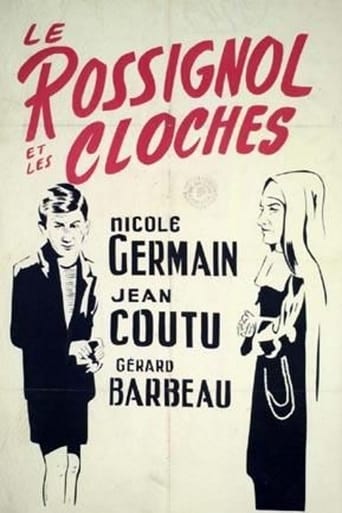
Le Rossignol et les cloches
1952
 NR
Ann, a woman who is preparing to attend a concert. As she gets ready, she reflects on her past and the relationships that have shaped her life. The narrative unfolds through a series of flashbacks and introspective moments, revealing tensions within her family and her romantic entanglements. The concert itself becomes a metaphor for resolution and emotional clarity.
The Concert
1955
 10.0
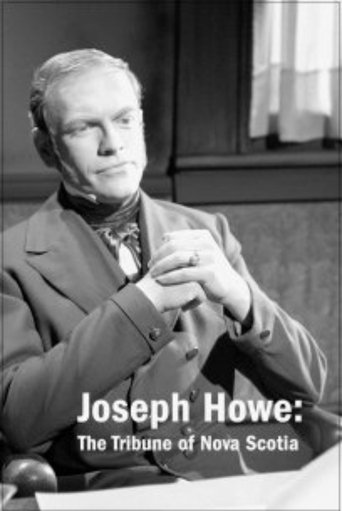
This short drama is a portrait of Nova Scotian journalist and politician Joseph Howe (1804-1873) and his battle for freedom of press. When, in 1835, Howe was accused of seditious libel, no lawyer dared defend him. Choosing to defend himself, he addressed the jury for over 6 hours, urging jurors to leave an unshackled press as a legacy to their children. Though the judge instructed the jury to find Howe guilty, jurors took only 10 minutes to acquit him - a landmark event in the evolution of press freedom in Canada.
Joseph Howe: The Tribune of Nova Scotia
1961
Behind the camera
9.0No synopsis available yet.
Le Rossignol et les cloches
1952
NRAnn, a woman who is preparing to attend a concert. As she gets ready, she reflects on her past and the relationships that have shaped her life. The narrative unfolds through a series of flashbacks and introspective moments, revealing tensions within her family and her romantic entanglements. The concert itself becomes a metaphor for resolution and emotional clarity.
The Concert
1955
10.0This short drama is a portrait of Nova Scotian journalist and politician Joseph Howe (1804-1873) and his battle for freedom of press. When, in 1835, Howe was accused of seditious libel, no lawyer dared defend him. Choosing to defend himself, he addressed the jury for over 6 hours, urging jurors to leave an unshackled press as a legacy to their children. Though the judge instructed the jury to find Howe guilty, jurors took only 10 minutes to acquit him - a landmark event in the evolution of press freedom in Canada.
Joseph Howe: The Tribune of Nova Scotia
1961