
Writing
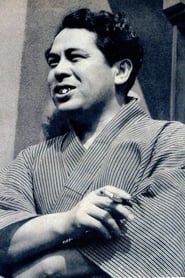
Ryuzo Kikushima
Born — Died
1914-01-28 — 1989-03-18
Place of birth
Kofu, Yamanashi Prefecture, Japan
Known for
Writing
Credits
40 titles
Japanese screenwriter and film producer who is best known for co-writing the screenplays for several Akira Kurosawa films, including Throne of Blood, The Hidden Fortress, Yojimbo and High and Low. He also produced several of Kurosawa's early 1960s films. In addition to his work with Kurosawa, screenplays he wrote or co-wrote include Tora! Tora! Tora!, Hiroshi Inagaki's Arashi and The Birth of Japan, and Mikio Naruse's When a Woman Ascends the Stairs, on which he also served as producer.
Known for
 8.4
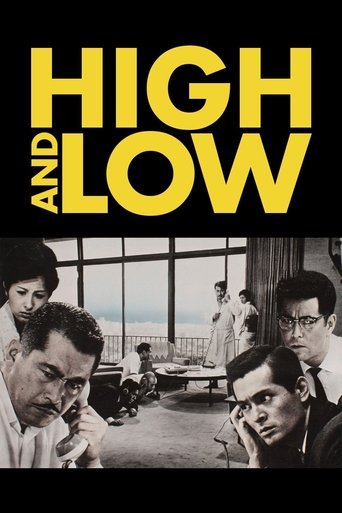
8.4A Yokohama shoe executive faces a wrenching choice when kidnappers mistakenly seize his chauffeur’s son but demand the ransom anyway.
High and Low
1963
 8.2
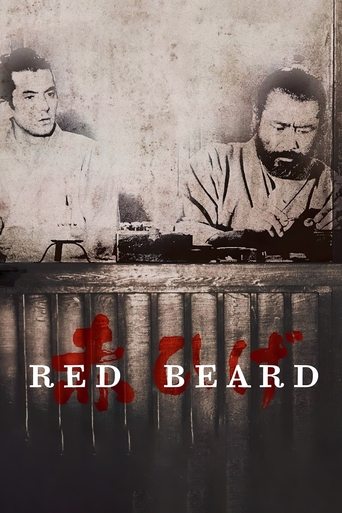
8.2Aspiring to an easy job as personal physician to a wealthy family, Noboru Yasumoto is disappointed when his first post after medical school takes him to a small country clinic under the gruff doctor Red Beard. Yasumoto rebels in numerous ways, but Red Beard proves a wise and patient teacher. He gradually introduces his student to the unglamorous side of the profession, ultimately assigning him to care for a prostitute rescued from a local brothel.
Red Beard
1965
 7.2
7.2In the summer of 1941, the United States and Japan seem on the brink of war after constant embargos and failed diplomacy come to no end. "Tora! Tora! Tora!", named after the code words used by the lead Japanese pilot to indicate they had surprised the Americans, covers the days leading up to the attack on Pearl Harbor, which plunged America into the Second World War.
Tora! Tora! Tora!
1970
 7.9
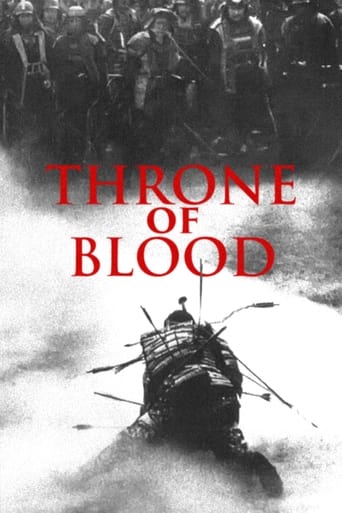
7.9Returning to their lord's castle, samurai warriors Washizu and Miki are waylaid by a spirit who predicts their futures. When the first part of the spirit's prophecy comes true, Washizu's scheming wife, Asaji, presses him to speed up the rest of the spirit's prophecy by murdering his lord and usurping his place. Director Akira Kurosawa's resetting of William Shakespeare's "Macbeth" in feudal Japan is one of his most acclaimed films.
Throne of Blood
1957
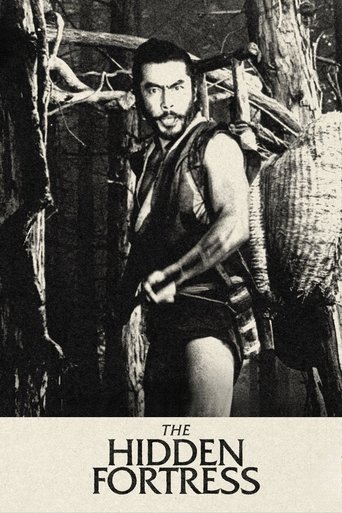 8.0
8.0In feudal Japan, during a bloody war between clans, two cowardly and greedy peasants, soldiers of a defeated army, stumble upon a mysterious man who guides them to a fortress hidden in the mountains.
The Hidden Fortress
1958
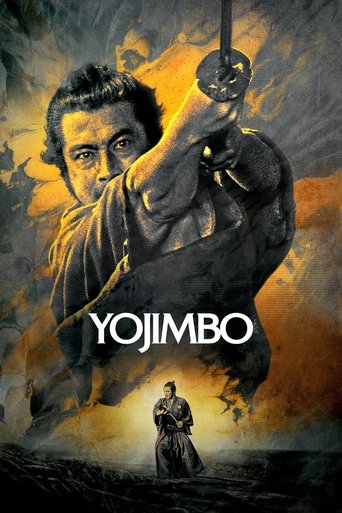 8.1
8.1A nameless ronin, or samurai with no master, enters a small village in feudal Japan where two rival businessmen are struggling for control of the local gambling trade. Taking the name Sanjuro Kuwabatake, the ronin convinces both silk merchant Tazaemon and sake merchant Tokuemon to hire him as a personal bodyguard, then artfully sets in motion a full-scale gang war between the two ambitious and unscrupulous men.
Yojimbo
1961
Behind the camera
8.4A Yokohama shoe executive faces a wrenching choice when kidnappers mistakenly seize his chauffeur’s son but demand the ransom anyway.
High and Low
1963
8.4A Yokohama shoe executive faces a wrenching choice when kidnappers mistakenly seize his chauffeur’s son but demand the ransom anyway.
High and Low
1963
8.2Aspiring to an easy job as personal physician to a wealthy family, Noboru Yasumoto is disappointed when his first post after medical school takes him to a small country clinic under the gruff doctor Red Beard. Yasumoto rebels in numerous ways, but Red Beard proves a wise and patient teacher. He gradually introduces his student to the unglamorous side of the profession, ultimately assigning him to care for a prostitute rescued from a local brothel.
Red Beard
1965
8.2Aspiring to an easy job as personal physician to a wealthy family, Noboru Yasumoto is disappointed when his first post after medical school takes him to a small country clinic under the gruff doctor Red Beard. Yasumoto rebels in numerous ways, but Red Beard proves a wise and patient teacher. He gradually introduces his student to the unglamorous side of the profession, ultimately assigning him to care for a prostitute rescued from a local brothel.
Red Beard
1965
7.2In the summer of 1941, the United States and Japan seem on the brink of war after constant embargos and failed diplomacy come to no end. "Tora! Tora! Tora!", named after the code words used by the lead Japanese pilot to indicate they had surprised the Americans, covers the days leading up to the attack on Pearl Harbor, which plunged America into the Second World War.
Tora! Tora! Tora!
1970
7.9Returning to their lord's castle, samurai warriors Washizu and Miki are waylaid by a spirit who predicts their futures. When the first part of the spirit's prophecy comes true, Washizu's scheming wife, Asaji, presses him to speed up the rest of the spirit's prophecy by murdering his lord and usurping his place. Director Akira Kurosawa's resetting of William Shakespeare's "Macbeth" in feudal Japan is one of his most acclaimed films.
Throne of Blood
1957
8.0In feudal Japan, during a bloody war between clans, two cowardly and greedy peasants, soldiers of a defeated army, stumble upon a mysterious man who guides them to a fortress hidden in the mountains.
The Hidden Fortress
1958
8.1A nameless ronin, or samurai with no master, enters a small village in feudal Japan where two rival businessmen are struggling for control of the local gambling trade. Taking the name Sanjuro Kuwabatake, the ronin convinces both silk merchant Tazaemon and sake merchant Tokuemon to hire him as a personal bodyguard, then artfully sets in motion a full-scale gang war between the two ambitious and unscrupulous men.
Yojimbo
1961
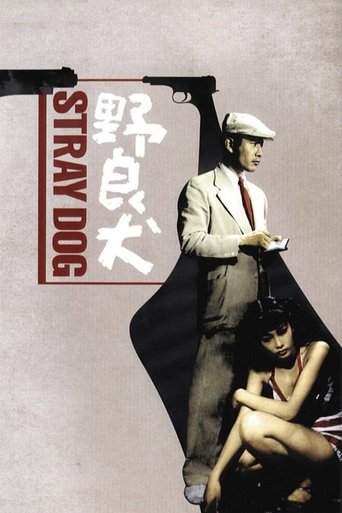 7.6
7.6A bad day gets worse for young detective Murakami when a pickpocket steals his gun on a hot, crowded bus. Desperate to right the wrong, he goes undercover, scavenging Tokyo’s sweltering streets for the stray dog whose desperation has led him to a life of crime. With each step, cop and criminal’s lives become more intertwined and the investigation becomes an examination of Murakami’s own dark side.
Stray Dog
1949
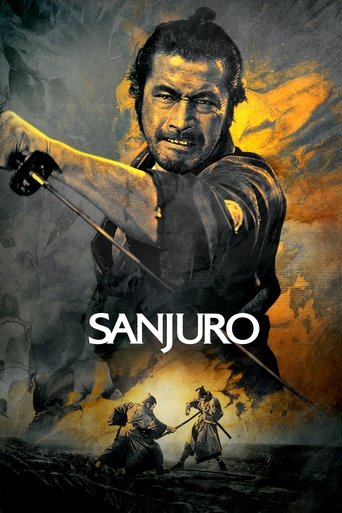 7.9
7.9In this companion piece and sequel to "Yojimbo," jaded samurai Sanjuro helps an idealistic group of young warriors weed out their clan's evil influences, and in the process turns their image of a proper samurai on its ear.
Sanjuro
1962
7.9In this companion piece and sequel to "Yojimbo," jaded samurai Sanjuro helps an idealistic group of young warriors weed out their clan's evil influences, and in the process turns their image of a proper samurai on its ear.
Sanjuro
1962
 7.7
7.7In this loose adaptation of "Hamlet," illegitimate son Kôichi Nishi climbs to a high position within a Japanese corporation and marries the crippled daughter of company vice president Iwabuchi. At the reception, the wedding cake is a replica of their corporate headquarters, but an aspect of the design reminds the party of the hushed-up death of Nishi's father. It is then that Nishi unleashes his plan to avenge his father's death.
The Bad Sleep Well
1960
 8.0
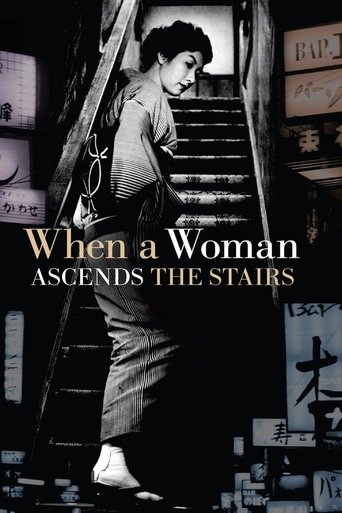
8.0Keiko, whom everyone calls Mama, narrates her story: she's a hostess on the Ginza, 30, a widow. She describes life's vicious cycle: acting cheerful around drunks, dressing and living well to convey confidence, needing money for these expenses and for her demanding mother and brother, and knowing she's growing older.
When a Woman Ascends the Stairs
1960
8.0Keiko, whom everyone calls Mama, narrates her story: she's a hostess on the Ginza, 30, a widow. She describes life's vicious cycle: acting cheerful around drunks, dressing and living well to convey confidence, needing money for these expenses and for her demanding mother and brother, and knowing she's growing older.
When a Woman Ascends the Stairs
1960
 6.4
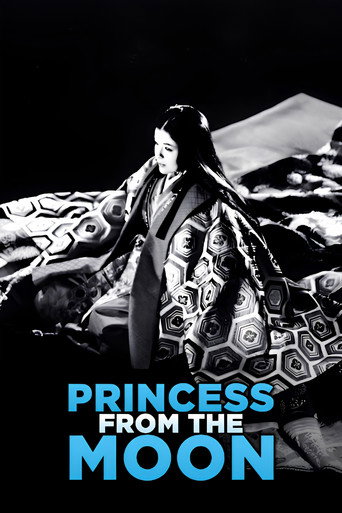
6.4Two poor, married farmers have recently lost their only child; after a freak visitation, they pry open an alien cocoon to greet their new daughter.
Princess from the Moon
1987
 7.0
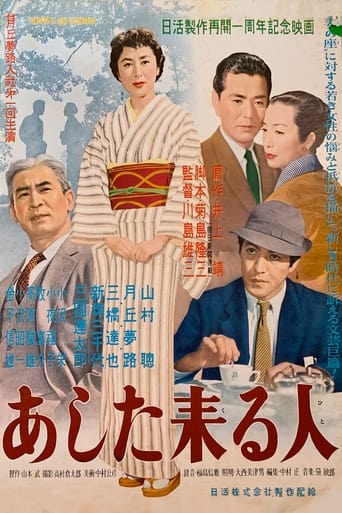
7.0Jiro Sone sacrifices all comfort to devote himself to research. Young housewife Yachiyo is disappointed with her husband Kappei, who is more attracted to mountain climbing and another girl. When Yachiyo’s father is introduced to Jiro, all of their lives become intertwined...
Till We Meet Again
1955
 6.9
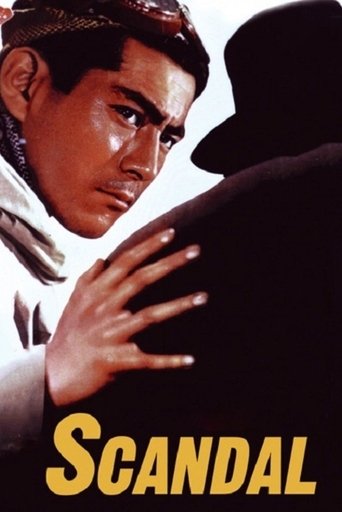
6.9A celebrity photograph sparks a court case as a tabloid magazine spins a scandalous yarn over a painter and a famous singer.
Scandal
1950
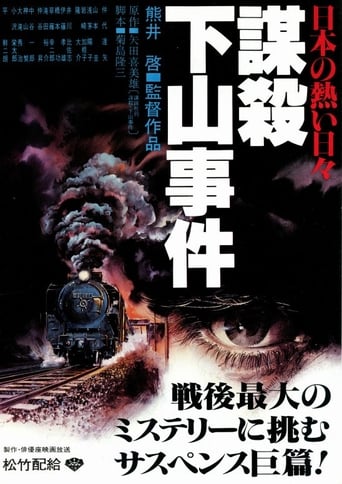 8.0
8.0The president of the Japanese National Railways is found dead during a period in which train service is plagued by numerous layoffs, strikes and shutdowns. The government says that the president was murdered; the police claim it was a suicide. A quizzical reporter follows the case for years, but the basic question remains unanswered: was the victim killed by members of the burgeoning Communist movement in Japan, or was the death stage-managed by the authorities in hopes of discrediting the Communists?
Willful Murder
1981
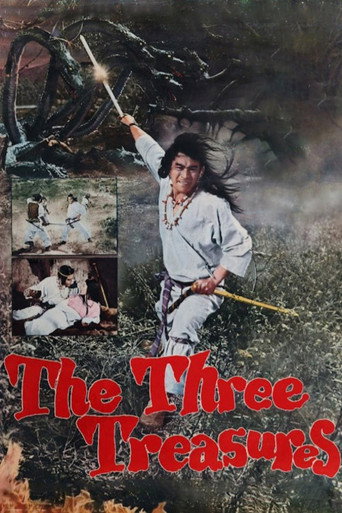 5.5
5.5The legend of the birth of Shintoism. In Fourth Century Japan, the Emperor's son Ouso expects to succeed his father on the throne, but Otomo, the Emperor's vassal, prefers Ouso's stepbrother, and conspires to have Ouso die on a dangerous mission he has contrived. But Ouso prevails in the mission and returns to his father's castle under a new name, Prince Yamato Takeru. Otomo plots to have the Prince sent into even greater danger, but Otomo is unaware that the gods have favored the Prince and the outcome is far from what any of them expected.
The Three Treasures
1959
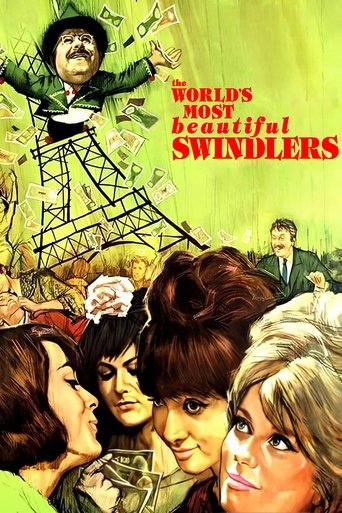 5.4
5.4Five swindle stories, taking place in five international cities: Tokyo, Japan ("Fumiko's Five Benefactors" by Hiromichi Horikawa); Amsterdam, The Netherlands ("A River of Diamonds" by Roman Polanski); Naples, Italy ("The Road Map" by Ugo Gregoretti); Paris, France ("The Man Who Sold the Eiffel Tower" by Claude Chabrol); and Marrakesh, Morocco ("The Confidence Man" by Jean-Luc Godard). Godard's segment was not included in the original French cinema release, and Polanski's segment was not included on the 2016 home disc release.
The World's Most Beautiful Swindlers
1964
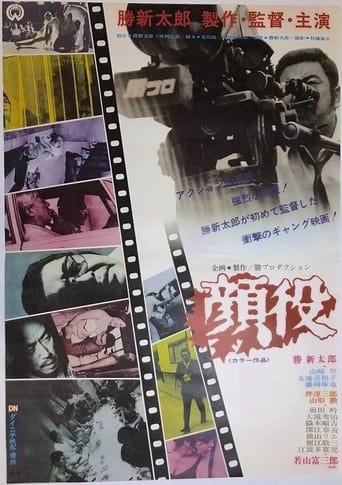 6.0
6.0A detective is charged with investigating a bank corruption scandal.
Kaoyaku
1971
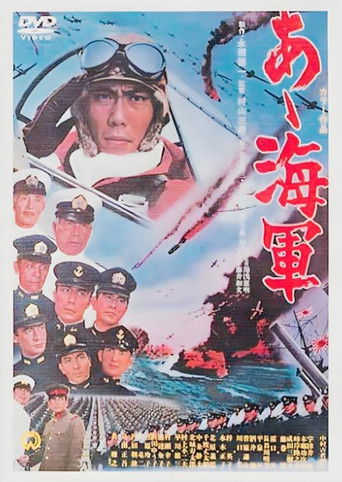 8.3
8.3A young man leaves his widowed mother on her improverished farm and makes his career in the Japanese navy.
Gateway to Glory
1969
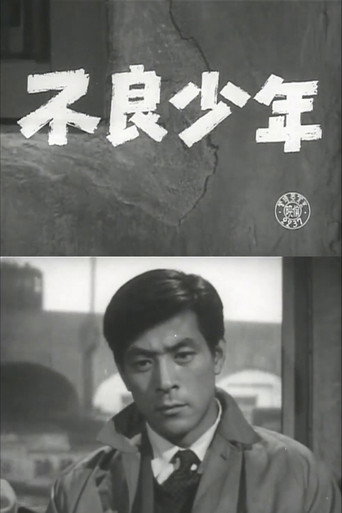 NR
NRNo synopsis available yet.
The Wicked Boy
1956
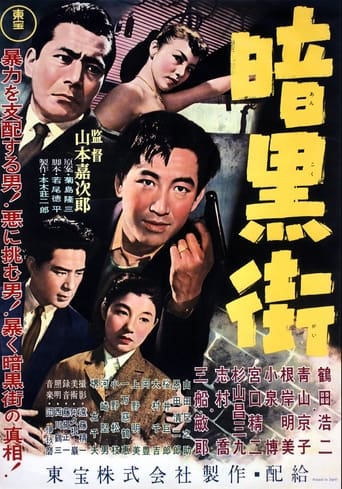 7.0
7.0Yakuza boss Furuya leans more and more on his protege Takao Shoji, though Shoji has become romantically involved with Furuya's mistress, Natsue. Furuya himself has fallen in love, with a nurse after his recent hospital stay. As the gang grows more jealous of the favoritism Furuya shows Shoji, they decide to reveal Shoji's relationship with Natsue. But Furuya's affection for Shoji cannot be easily destroyed, even in the gang war that erupts.
The Underworld
1956
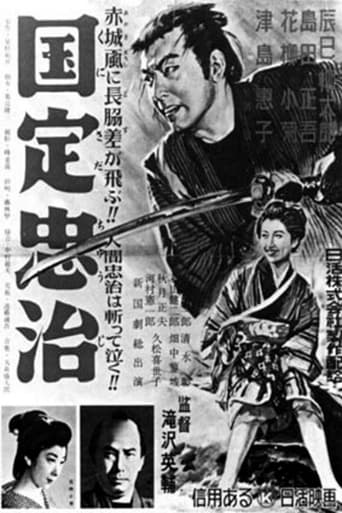 9.0
9.0Kunisada Tadaharu, a peasant of Kunisada Village in Joshu Sai County, could not stand the bad government and poor harvest of Takebe Genhan, the governor of the time. entered the world of As he played more and more games at the gambling hall, he became feared as "Chuji the gambling robber", and became a boss who had a share of Inui such as Nikko's Enzo and Shimizu's Kentetsu. However, due to a disagreement, he killed his benefactor Isaburo Boss, and was abandoned by Yasugoro and was chased. However, Chuji cleverly took advantage of the peasant uprising, shut himself up on Mt. Akagi, opened a gambling hall, and was touted as the greatest boss in the Kanto region. The magistrate, who learned of the close relationship between the peasants and Chuji, finally arranged for Chuji to go on a trip. Chuji, who doesn't know that he was weighed, gleefully descends the mountain, but...
Kunisada Chūji
1954
 6.0
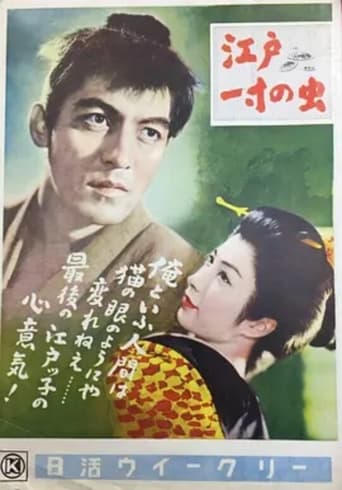
6.0This historical film depicts the life of a man who was at the mercy of the waves during transition from the end of the Edo period to the Meiji Restoration, and therefore, shows audience the dynamic change from Edo to Meiji. Before the war, the director, Eisuke Takizawa, together with the writers, formed a scenario writer group "Narutaki-gumi and they shot many historical masterpieces.
The Samurai of Edo
1955
 6.3
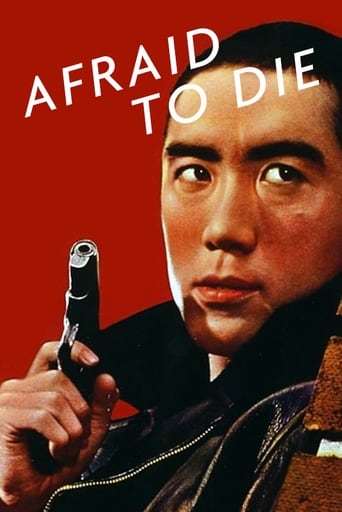
6.3On his release from prison a young yakuza, along with his brother, decides to turn his back on criminal life instead of taking over the position of his recently deceased father, boss of the Asahina clan. But their exit proves more difficult than planned when their rival clan steps in to exact revenge.
Afraid to Die
1960
 6.9
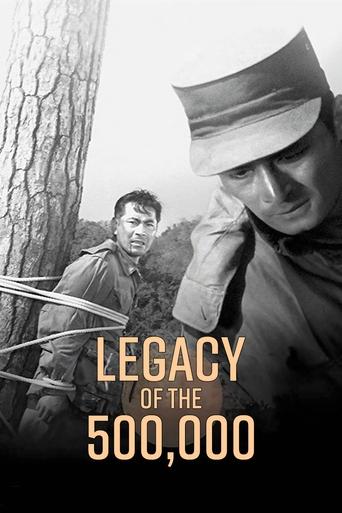
6.9During World War II, Japan sends gold to the Phillipines. After the war, the gold is lost in the bay of Manille. Former soldier Takeichi Matsuo is now working as a business executive. He meets Mintsura Gunji, the boss of a large company, who offers him to go to the Philippines and bring back the gold.
Legacy of the 500,000
1963
 NR
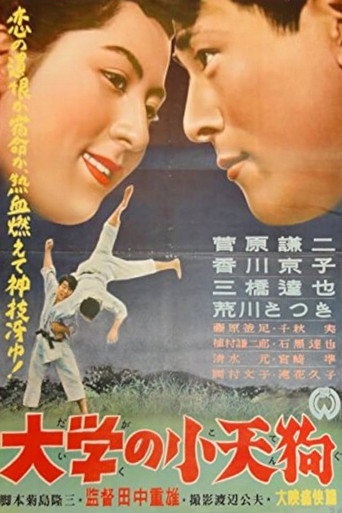
NRWith his mother’s wishes and a young woman’s prayers in his heart, a spirited young man fights to uphold the honor of college judo.
Daigaku no kotengu
1952
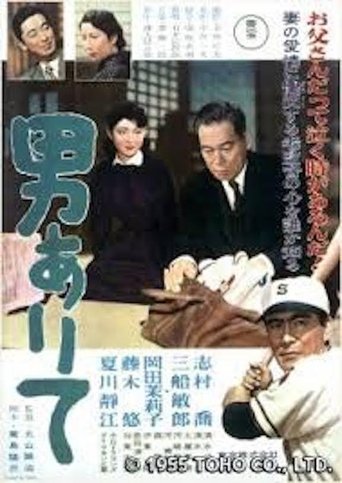 9.0
9.0Coach Shimamura of the hapless Sparrows baseball team is pleased to obtain a hot new pitcher named Onishi. But when Onishi begins a romantic relationship with the coach's daughter Michiko, Shimamura becomes angry with the young man, lashing out at him when he disobeys instructions during a game. In turn, Michiko becomes angry with her father, who becomes increasingly depressed. When a tragedy strikes the family, Coach Shimamura begins losing control of his life, just when his family and his team need him most.
No Time for Tears
1955
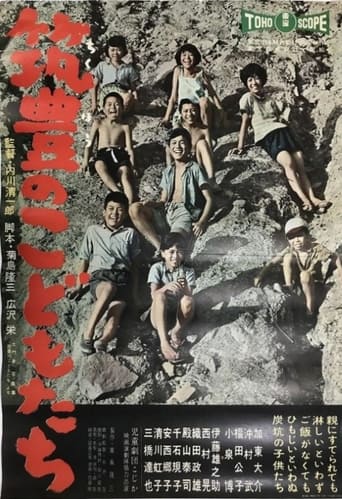 NR
NRA drama film based on Ken Domon's photography of the children around the Chikuho coal mines.
Chikuhō no kodomotachi
1960
NRA drama film based on Ken Domon's photography of the children around the Chikuho coal mines.
Chikuhō no kodomotachi
1960
 NR
NRNo synopsis available yet.
Gendai no yokubô
1956
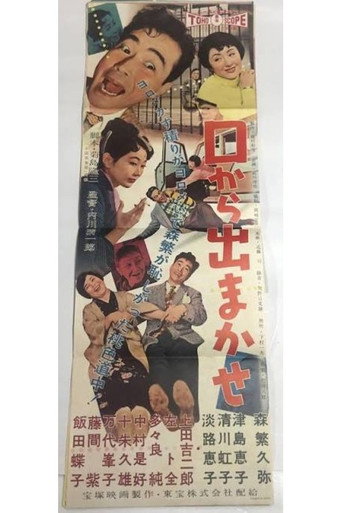 NR
NRComedy about a car salesman delivering a late model station wagon from Tokyo to Izumo to a representative of the Japanese Diet, who plans to use the car in a bribe.
Fancy Talker
1958
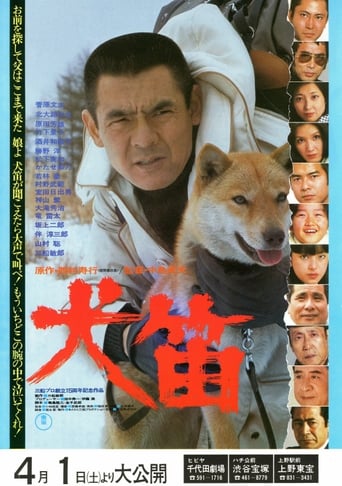 7.5
7.5Shiro Akitsu goes on a relentless search for his abducted 7-year-old daughter, with the aid of an Ainu dog summoned by a whistle she gave him.
Shag
1978
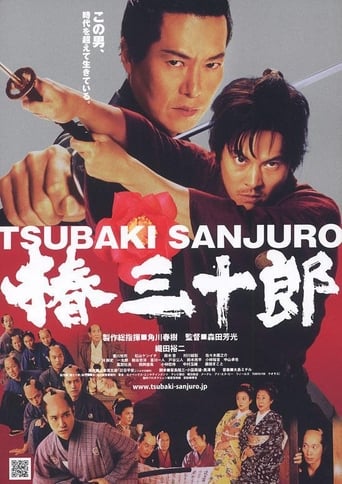 6.3
6.3"Tsubaki Sanjuro" is a remake of Sanjuro (1962) by Akira Kurosawa. Sanjuro returns with sharper, faster, subtler sword, talking and perception. He uses them to settle the trouble and uses them good!
Tsubaki Sanjuro
2007
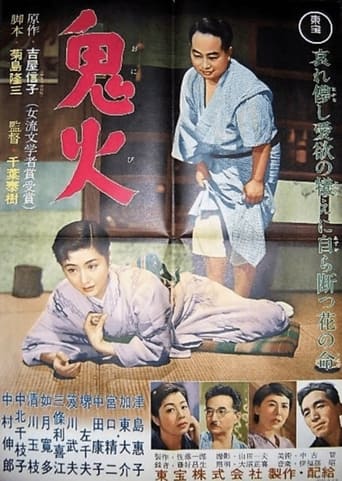 9.0
9.0No synopsis available yet.
Will-o'-the-Wisp
1956
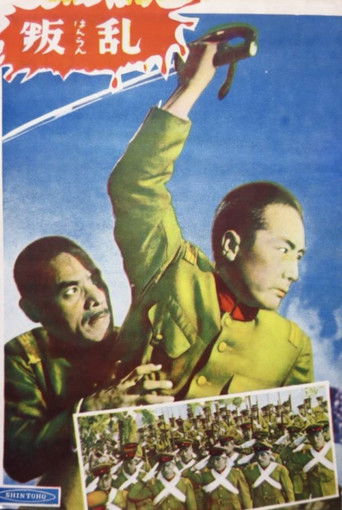 NR
NRNo synopsis available yet.
Hanran
1954
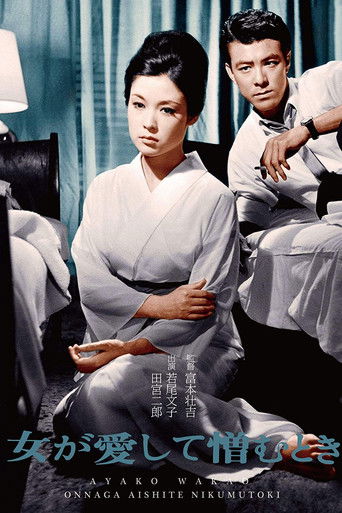 9.0
9.0Toshiko is the madam of a bar in Osaka who tries to keep her private life private and claims not to have a lover. However, she is in fact having a secret affair.
She Came For Love
1963
 10.0
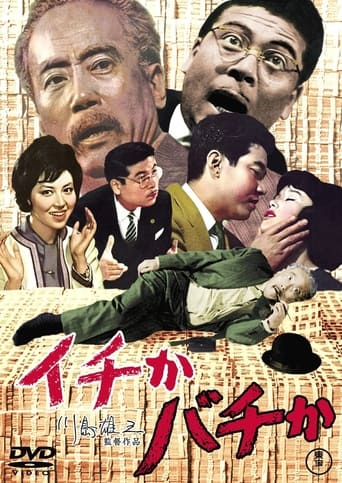
10.0The final film by Yuzo Kawashima.
Fifty-Fifty
1963