
Acting
Pierre Derome
Known for
Acting
Credits
5 titles
Known for
 7.0
No synopsis available yet.
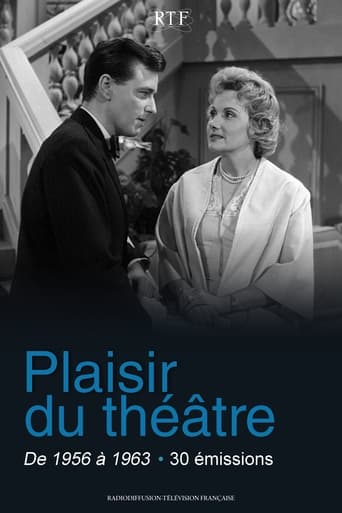
Plaisir du théâtre
1956
 9.5
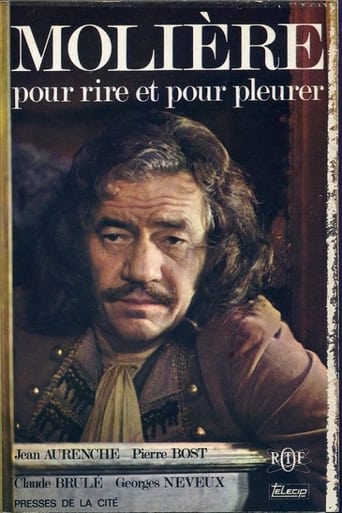
Molière pour rire et pour pleurer recounts the life of Jean‑Baptiste Poquelin, from his childhood in an artisan family to his rise as Molière, a central figure of French theatre. The series shows his difficult decision to abandon the family trade and join Madeleine Béjart to found L’Illustre Théâtre, marked by debts and repeated setbacks. While touring the provinces, he shapes his style and discovers the power of comedy. Back in Paris, he makes a name for himself with Les Précieuses ridicules, but his sharp satires provoke fierce opposition, especially during the Tartuffe scandal. Supported by Louis XIV, he continues despite attacks, literary rivalries, and tensions within his troupe, particularly with Armande Béjart. The miniseries also follows his growing exhaustion, his determination to perform at any cost, and his final breath after Le Malade imaginaire, the ultimate symbol of an artist who lived — and died — for the stage.
Molière pour rire et pour pleurer
1973
 5.6
The old Valmorin died 200 years ago. The notary tells the family about the inheritance: the one who is terminally ill will receive the money. They all try their luck with getting ill before the other so one family member pretends to be deaf, another pretends to have a terrible back ache and so on...
Some Like It... Cold
1960
 7.0
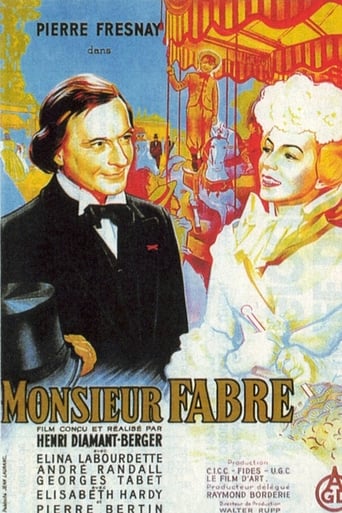
It centres on the life of the entomologist Jean-Henri Fabre and his total devotion to studying insect behavior, travelling from Avignon to Paris, from Paris to his death in Sérignan. He is honoured by the French president Raymond Poincaré and his patience, obstinacy and knowledge are also recognised by Napoleon III, the publisher Charles Delagrave and the philosopher John Stuart Mill. They reach their climax in his book, Souvenirs entomologiques.
Amazing Monsieur Fabre
1951
Film credits
Series credits
7.0No synopsis available yet.
Plaisir du théâtre
1956
9.5Molière pour rire et pour pleurer recounts the life of Jean‑Baptiste Poquelin, from his childhood in an artisan family to his rise as Molière, a central figure of French theatre. The series shows his difficult decision to abandon the family trade and join Madeleine Béjart to found L’Illustre Théâtre, marked by debts and repeated setbacks. While touring the provinces, he shapes his style and discovers the power of comedy. Back in Paris, he makes a name for himself with Les Précieuses ridicules, but his sharp satires provoke fierce opposition, especially during the Tartuffe scandal. Supported by Louis XIV, he continues despite attacks, literary rivalries, and tensions within his troupe, particularly with Armande Béjart. The miniseries also follows his growing exhaustion, his determination to perform at any cost, and his final breath after Le Malade imaginaire, the ultimate symbol of an artist who lived — and died — for the stage.
Molière pour rire et pour pleurer
1973