
Directing
Hiroyuki Sekine
Tokyo, Tokyo Prefecture, Japan
Born in 1957 in Tokyo, graduated from the Film Department of Tama Art Academy in 1981. Studied the possibilities of producing and screening individual films with Akira Hoshino and others at the school. His first film was Etude (1978), which was selected for the Pia Film Festival in 1982, and from around 1987 he began finding abandoned buildings in Tokyo and turning them into films. His works include Tokyo Sanpo vol. 1 (1987), The Ruins of Igi (1989), Sanno Hotel (1990), Shibuya Hermit (1991), U-O (1992) and The Ruins of Roppongi (1992). Collaboration - Eclipse - L'eclipse vol.1 (1997), with art by Kazuyuki Uno, poetry by Taishi Hirose and video by Hiroyuki Sekine. All works are in 8 mm.
Acting credits
 NR
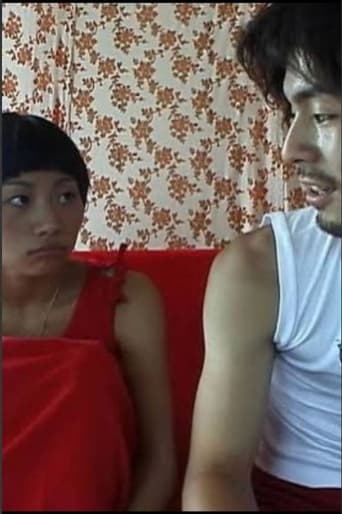
NRA pair of men are picking and repeatedly enter houses here and there to steal. One day, while ransacking the house they have been picking, they find the girl who lives in the house collapsed in the bathroom. She is a college student who has been hurt by a love like a game that is about to end. When she gets up and sees the two thieves, she says, "You came to save me, didn't you? Will you stay with me forever?" For some reason, she interprets this favorably and trusts them. From that point on, a strange interaction between the three begins.
A New Feeling of Something Happening
2002
 NR
NRNo synopsis available yet.
The Boys' Dream
1982
Behind the camera
 NR
NRExperimental film by Hiroyuki Sekine.
AKIHABARA
1991
 NR
NRA film about Maya Kanko Hotel [摩耶観光ホテル] in Kobe, known as one of the three most ruins in Japan. In this film, Sekine depict the building, which was built with a boat motif, as an “abandoned ship sinking into a mountain”.
MAYA
2001
 NR
NRA diary film shot during the artist's honeymoon in Italy. While touring famous sightseeing spots, Sekine directed his gaze at sights, bugs, and buildings that are unfamiliar in Japan, but also creative not to show any people on the screen.
Platorino
—
 NR
NRExperimental film by Hiroyuki Sekine.
U・O
1992
 NR
NRExperimental film by Hiroyuki Sekine.
MAYA 2
2002
 NR
NROne of the hidden works of Hiroyuki Sekine. A quiet requiem for his alma mater “Tama Art School” [多摩芸術学園], which was closed down. This film was shown only once at a private screening, and was never shown to the public again.
Quiet window
1999
 NR
NRExperimental film by Hiroyuki Sekine.
Ruins of Ōkubo
1990
 NR
NRExperimental film by Hiroyuki Sekine.
Eat a lot of Cabbage
1981
 NR
NRExperimental film by Hiroyuki Sekine.
The Doll Village
1983
NRNo synopsis available yet.
The Boys' Dream
1982
 NR
NRExperimental film by Hiroyuki Sekine.
Wildflower
1982
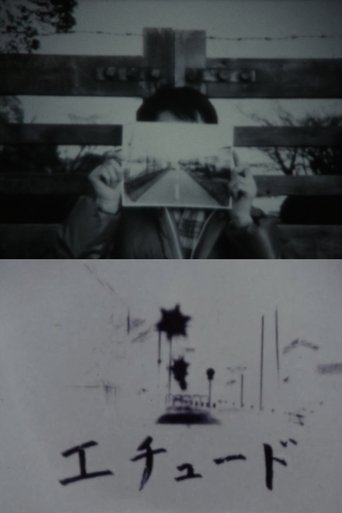 NR
NRExperimental film by Hiroyuki Sekine.
ETUDE
1978
 NR
NRExperimental film by Hiroyuki Sekine.
U・O 4
1993
 NR
NRThis film was shot in an ruined house that once stood in Shibuya Udagawa-cho, Tokyo. The block where the house located was a redevelopment area. Shibuya, known as one of Tokyo's most popular bustling street, has an area where old building are still clustered together, and the surrounding area has become like a ghost town. "Plants retreat when people set foot in the area, on the other hand, they multiply as soon as people are gone." (Hiroyuki Sekine)
Shibuya Hermit
1991
 NR
NRExperimental film by Hiroyuki Sekine.
Ruins of Logi
1989
 NR
NRAn experimental film about the abandoned mansion that once stood in Roppongi. The mansion was originally built as the private residence of the businessman named “Ryoji Oda” [小田良治], but after his death, it was used as the Philippine Embassy. In this film, Sekine focuses his camera on the rotting furniture and a mummified cat, and uses 16mm found footage (the content of which is a documentary of traditional Philippine culture) discovered in the basement.
Ruins of Roppongi
1992
 NR
NRExperimental film by Hiroyuki Sekine.
June Woods • July Swamp
1981
 NR
NRExperimental film by Hiroyuki Sekine.
Fade
1982
 NR
NRHiroyuki Sekine (1990, 8mm, color, 16 min)
Bachelor Apartment
1990
 NR
NRIn this work, Sekine steps into a deep forest in Tama Lake and shoots a strange copse he finds there in single frames. Through camerawork that moves in all directions (it could be called "body action to the camera"), he attempts to existentially observe the invisible vibrations and rhythms of life itself.
Forest Dance
1989
 NR
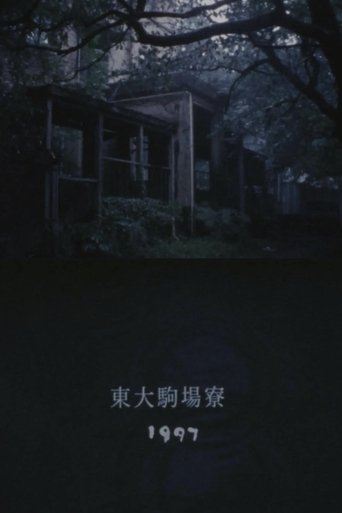
NRA cinepoetry about the demolition of University of Tokyo’s student residence (known as “Komaba-ryo” [駒場寮]) after it was closed down. In this film, Sekine metaphorically depicts the record of the demolition as “passage of time” through some images (many of which evoke “stream”) and the phantom. As a side note, the phantom is played by experimental filmmaker Erice Matsui [松井エリセ]. She ran an art gallery in the place and held independent screenings called “Theatre Moon” [テアトル・ムーン].
The Drop of Stone
1997
 NR
NRExperimental film by Hiroyuki Sekine.
U・O 2
1993
 NR
NRExperimental film by Hiroyuki Sekine.
Hôtel Sannō
1990
 NR
NRThe third film in a series of diaries of Tokyo scenery.
Tokyo Sanpo Vol.3
1990