

Acting
Rachid Ksentini
Born — Died
1887-11-11 — 1944-08-04
Place of birth
Algiers, Algeria
Known for
Acting
Credits
2 titles
Rachid Ksentini (رشيد قسنطيني) real name Rachid Belakhdar, Algerian singer and theater man, born November 11, 1887 in the Casbah of Algiers and died July 4, 1944 in Algiers. He left school very early to work as an apprentice cabinetmaker with his father in Bab El Oued until 1914, originally from Constantine. On the eve of the First World War, he enlisted as a sailor in the merchant navy and left for France. The boat he boarded was torpedoed by German naval forces. The survivors were fished out by the English navy which then transferred them to Marseille. Through his profession as a sailor, he experienced Europe, North America, China and India. He returned to Algeria but for a brief stay. H…
Known for
 7.0
In Algiers, Cesar Sarati who grudges the dockers, is, without realizing it, in love with his niece. But Rose loves Gilbert, a former gambler and debauchee who, out of love for her, changes his life. On the wedding day, Sarati commits suicide.
Sarati the Terrible
1937
 10.0
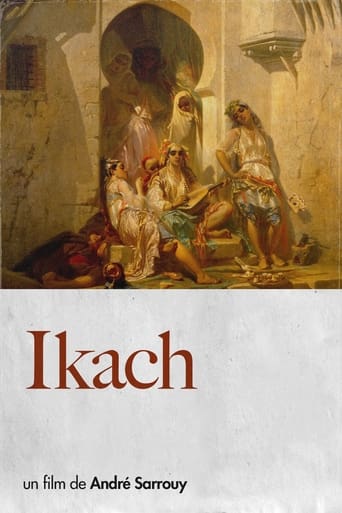
Ikach, is a farce in two acts in popular Arabic, written by André Sarrouy and adapted and directed by himself. A critique of marriage in colonial Algeria at a time when women were little taken into account. Cunning of women and stupidity of husbands, on an original soundtrack composed by Mohamed Iguerbouchène.
Ikach
1937
Film credits
1930s · 2 titles
7.0In Algiers, Cesar Sarati who grudges the dockers, is, without realizing it, in love with his niece. But Rose loves Gilbert, a former gambler and debauchee who, out of love for her, changes his life. On the wedding day, Sarati commits suicide.
Sarati the Terrible
1937
10.0Ikach, is a farce in two acts in popular Arabic, written by André Sarrouy and adapted and directed by himself. A critique of marriage in colonial Algeria at a time when women were little taken into account. Cunning of women and stupidity of husbands, on an original soundtrack composed by Mohamed Iguerbouchène.
Ikach
1937