Acting
Yūzō Kayama
Born
1937-04-11 (89)
Place of birth
Yokohama, Kanagawa, Japan
Known for
Acting
Credits
64 titles
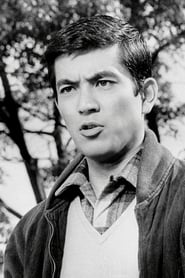
From Wikipedia, the free encyclopedia. Yūzō Kayama (加山 雄三 Kayama Yūzō) is a Japanese popular musician and film star, born on 11 April 1937. His father, Ken Uehara, was a film star during the 1930s. Yuzo Kayama became a big star in the 1960s in the Wakadaishō (Young Guy) film series. He showed his ability for drama when Akira Kurosawa cast him for his 1965 film, Red Beard, starring Toshirō Mifune. Kayama reported that he found the two years spent making this film the most difficult, but proudest work of his life. As a guitarist, he took inspiration from the American instrumental group The Ventures, and performed a form of psychedelic surf music in the 1960s with his Mosrite guitar. One of …
Known for
 8.2
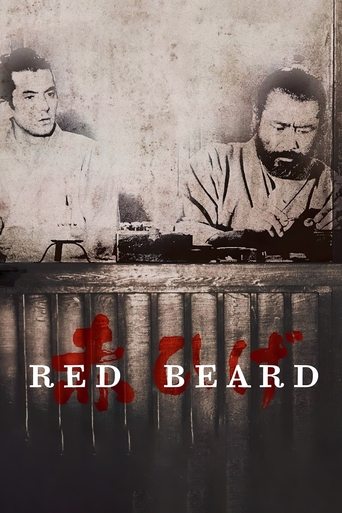
8.2Aspiring to an easy job as personal physician to a wealthy family, Noboru Yasumoto is disappointed when his first post after medical school takes him to a small country clinic under the gruff doctor Red Beard. Yasumoto rebels in numerous ways, but Red Beard proves a wise and patient teacher. He gradually introduces his student to the unglamorous side of the profession, ultimately assigning him to care for a prostitute rescued from a local brothel.
Red Beard
1965
 6.5
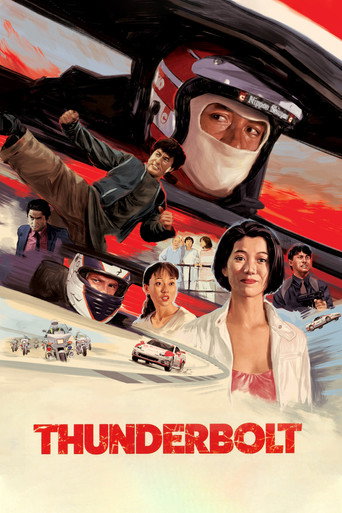
6.5In order to release his kidnapped sister, sports car mechanic, Chan Foh To, has to defeat a super-criminal street racer.
Thunderbolt
1995
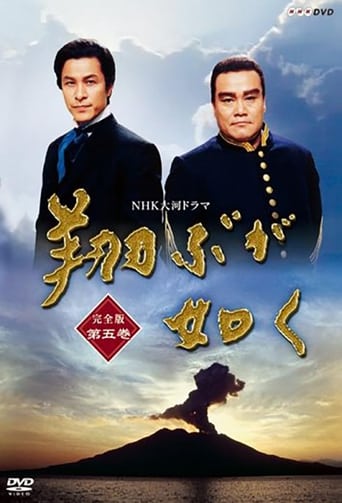 6.0
6.0Historical drama about the life of Saigō Takamori and his involvement with the Meiji Restoration.
As If In Flight
1990
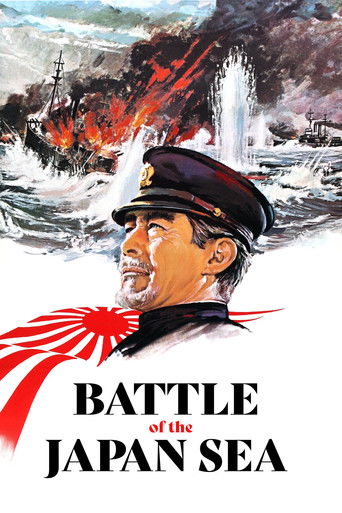 6.4
6.4Japan and Russia clash in what comes to be known as the Russo-Japanese War. An attempt by the Japanese fleet and army to take Port Arthur fails, and a Russian fleet bears down on the Sea of Japan. Admiral Heihachiro Togo sends his fleet to confront the Russians, with results which stun both nations. Meanwhile, Major Genjiro Akashi makes secret negotiations with the Bolshevik revolutionaries in Russia, negotiations that have repercussions far beyond the conflict at hand.
Battle of the Japan Sea
1969
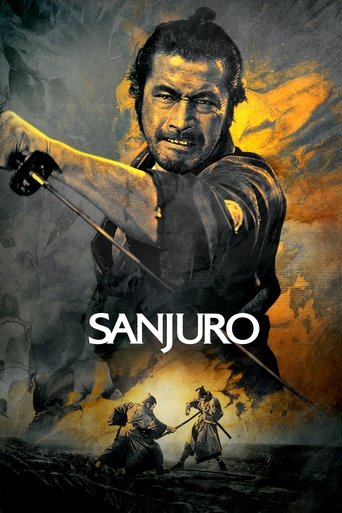 7.9
7.9In this companion piece and sequel to "Yojimbo," jaded samurai Sanjuro helps an idealistic group of young warriors weed out their clan's evil influences, and in the process turns their image of a proper samurai on its ear.
Sanjuro
1962
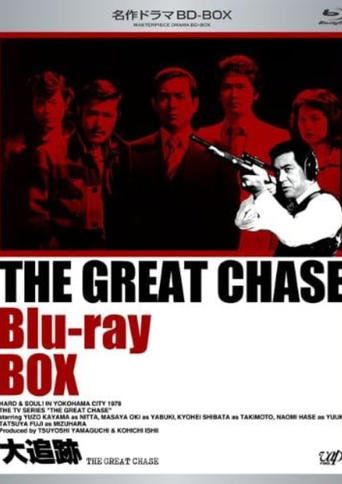 NR
NRNo synopsis available yet.
The Great Chase
1978
Film credits
2000s · 2 titles
 6.9
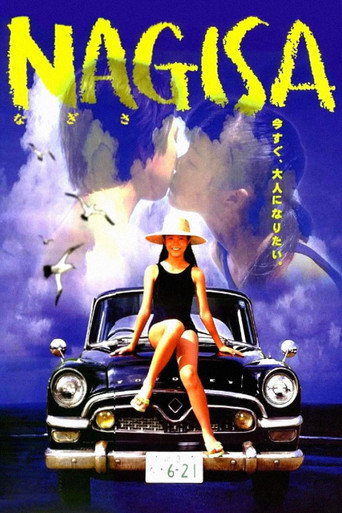
6.9Set in the late 60s in a small seaside town, this coming of age drama centres on a young girl named Nagisa. She spends her summer holidays working in a local seaside bar, searching for her lost cat, dancing to rock’n’roll and discovering first love.
Nagisa
2000
 5.0
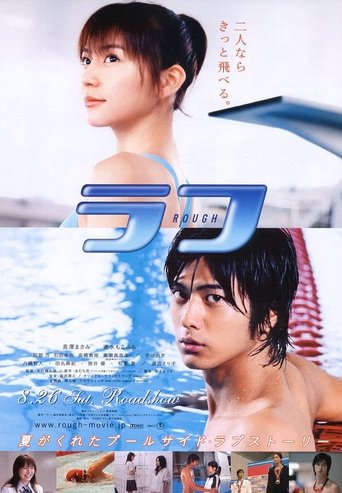
5.0A diver on the university team must decide which of her two childhood friends she loves, and they're both on the swim team. High school diver Ami and swimmer Keisuke don't exactly get along. Their parents run rival sweets shops and Ami is long-time friends, and maybe more, with Keisuke's freestyle rival Hiroki. Over time, however, hostile words give way to hesitant attraction, leaving Ami torn between Keisuke and Hiroki. With the national championship coming up, the young swimmers are competing for more than the title, but also their hearts.
Rough
2006
1990s · 2 titles
6.5In order to release his kidnapped sister, sports car mechanic, Chan Foh To, has to defeat a super-criminal street racer.
Thunderbolt
1995
 6.5
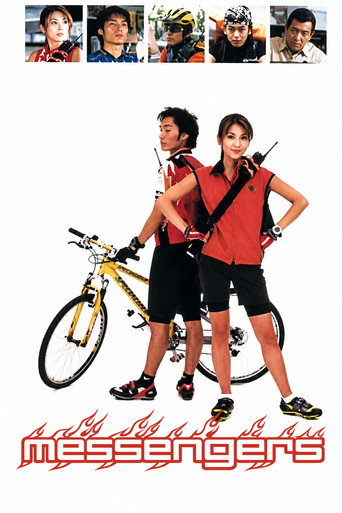
6.5Naomi Shimizu is a young career woman working for Enrico Dandolo, an Italian fashion house. That is until one day the company declares bankruptcy. Accustomed to living in luxury she tries to make a run for it with the last remaining company asset, a red Alpha Romeo sports car.
Messengers
1999
1980s · 3 titles
 6.1
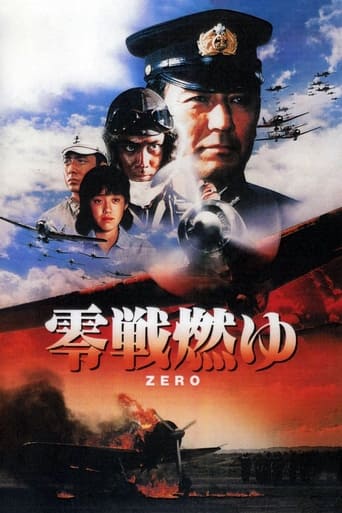
6.1Two young men are recruited into the Japanese air force just before outbreak of WW2 by the test pilot of Japans new super fighter - the Zero. The movie is told in reverse from the point of one of the young men who don't qualify for the pilot training and instead joins the ground crew. It chronicles the entire history of the famous fighter from the first prototype test flights all through the war.
Zero
1984
 10.0
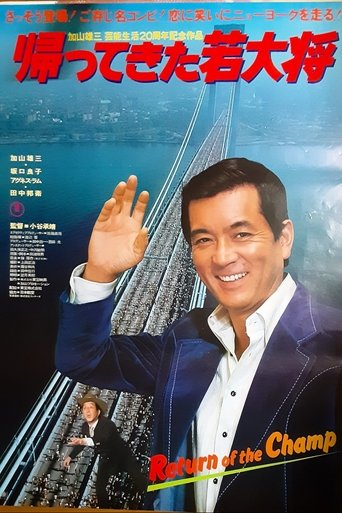
10.0A not-so-young "Young Guy" (Kayama) returns in this reunion feature, which takes Yuichi and Ishiyama to New York, where the former runs in the New York Marathon and romances TV producer Minagawa. A delightful throwback to Toho's '60s style filmmaking.
Return of the Champ
1981
 NR
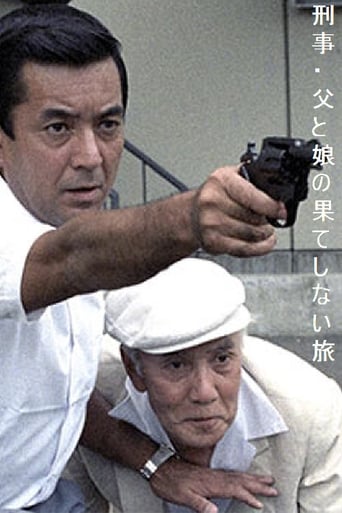
NRDetective Muramatsu's wife, Fusae, is killed by a drug addict. After the criminal climbs to the roof of the house with a hostage, Muramatsu shoots him dead in order to rescue the hostage, but the public denounces his actions as stemming from the personal grudge of a detective whose wife was just murdered, and he is demoted.
The Detective
1984
1970s · 10 titles
 6.6
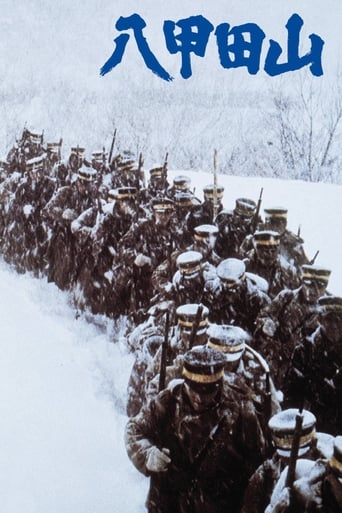
6.6Two infantry regiments of the Imperial Japanese Army—210 men overall—tackled Mt. Hakkoda in the winter of 1902 to prepare for war with Russia.
Mount Hakkoda
1977
 7.8
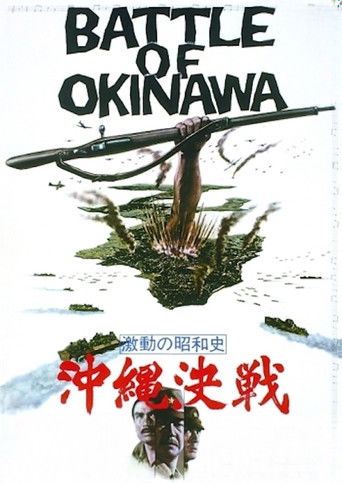
7.8The Americans are swiftly closing on Okinawa, an island just south of the Japanese mainland. The Imperial command sends top generals and several army divisions to defend it at all costs. The mission quickly degenerates as vital resources and troops are diverted to other islands. After a civilian evacuation ends in tragedy most of non-combatants are forced to remain on the island. Many convert to soldier status. Tokyo sends mixed messages that squander time and resources, as when they order the defenders to build an airstrip for aircraft that never come. The truth soon becomes obvious: the high command decides that the island cannot be held and effectively abandons the Okinawan defenders. When the Americans land many troops are deployed in the wrong places. As the slaughter mounts, a suicidal attitude takes hold. Okinawa becomes a death trap, for civilian volunteers and non-combatants as well.
The Battle of Okinawa
1971
 5.4
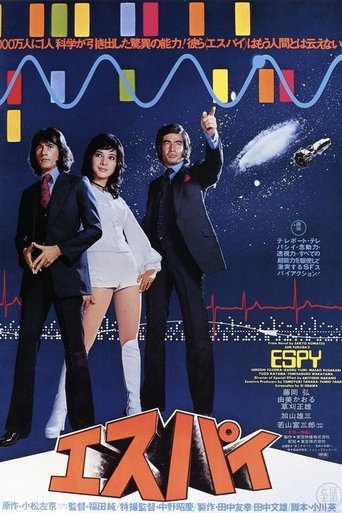
5.4Two Japanese spies with extrasensory powers go to Istanbul to stop a global agenda of assassinations.
ESPY
1974
 7.5
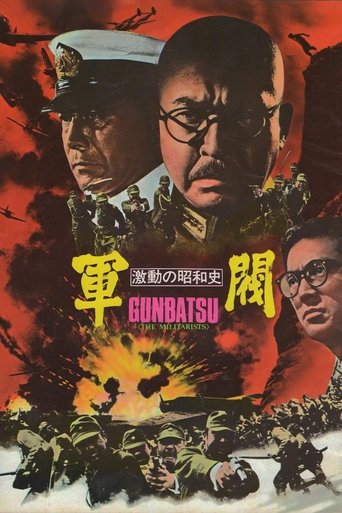
7.5The second film in Toho's series on the military history of the Showa era, Hiromichi Horikawa's war drama offers a look at the career of controversial politician Hideki Tojo and the strained relationships between Japan's government, military, and the media.
The Militarists
1970
 7.5
7.5A top police-guard, charged with protecting a visiting politician and ruthless dictator, contends with an assassin set to kill the man.
The Creature Called Man
1970
 7.0
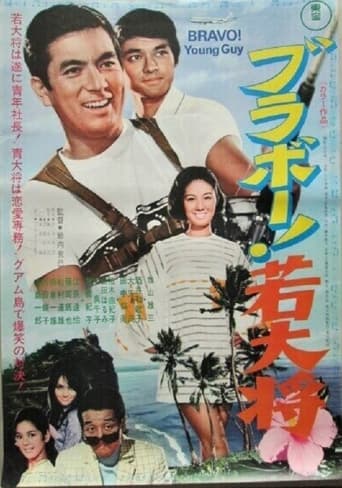
7.0A film by Katsumi Iwauchi.
Bravo, Young Guy
1970
 NR
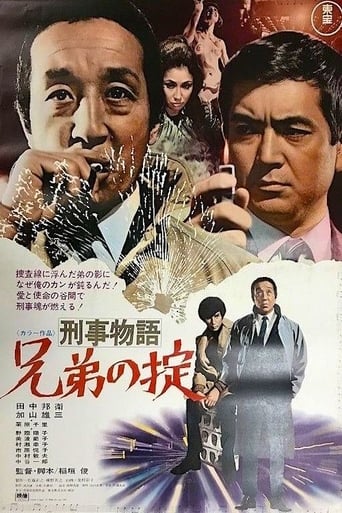
NRIwabuchi of the Metropolitan Police Department's Investigation Division cooperates with Kubo of the Foreign Affairs Division in re-investigating the case of a foreign drug addict's death at the request of Kubo.
Detective Story: A Brother's Rule
1971
 5.8
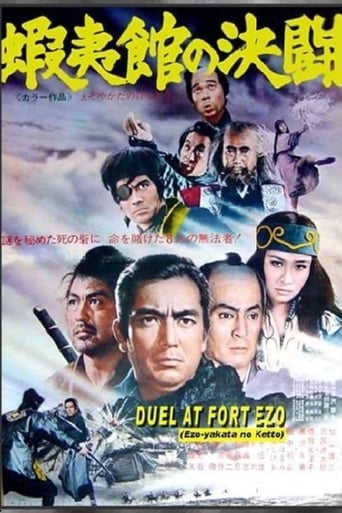
5.81864. Samurai Shinbei is sent in a secret mission to Ezo, in the North of Japan, to stop riots of villagers commanded by Jirozaemon. A Russian count's daughter, the village leader's daughter and a secret treasure add up to the adventure.
Duel at Fort Ezo
1970
 6.0
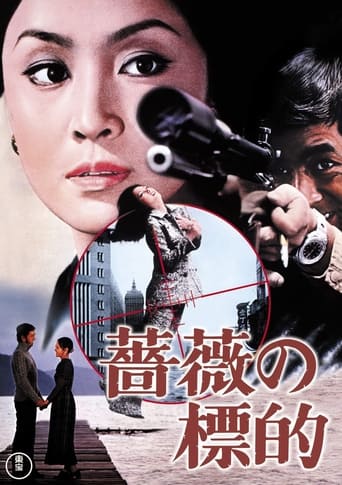
6.0A gunslinger is hired to kill a news photographer. The young ward of the shot photographer discovers the set-up behind the killing - that a laboratory is being set up by a Nazi organization to capture and train talented youth and that the photographer was about to expose it.
Red Target
1972
 NR
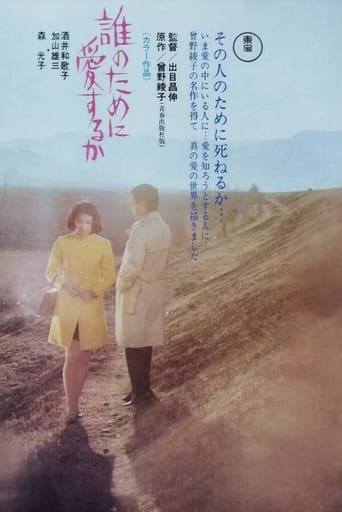
NRThe story is about Tomoko and her relationships with three men.
Love Forsaken
1971
1960s · 42 titles
8.2Aspiring to an easy job as personal physician to a wealthy family, Noboru Yasumoto is disappointed when his first post after medical school takes him to a small country clinic under the gruff doctor Red Beard. Yasumoto rebels in numerous ways, but Red Beard proves a wise and patient teacher. He gradually introduces his student to the unglamorous side of the profession, ultimately assigning him to care for a prostitute rescued from a local brothel.
Red Beard
1965
6.4Japan and Russia clash in what comes to be known as the Russo-Japanese War. An attempt by the Japanese fleet and army to take Port Arthur fails, and a Russian fleet bears down on the Sea of Japan. Admiral Heihachiro Togo sends his fleet to confront the Russians, with results which stun both nations. Meanwhile, Major Genjiro Akashi makes secret negotiations with the Bolshevik revolutionaries in Russia, negotiations that have repercussions far beyond the conflict at hand.
Battle of the Japan Sea
1969
7.9In this companion piece and sequel to "Yojimbo," jaded samurai Sanjuro helps an idealistic group of young warriors weed out their clan's evil influences, and in the process turns their image of a proper samurai on its ear.
Sanjuro
1962
 7.8
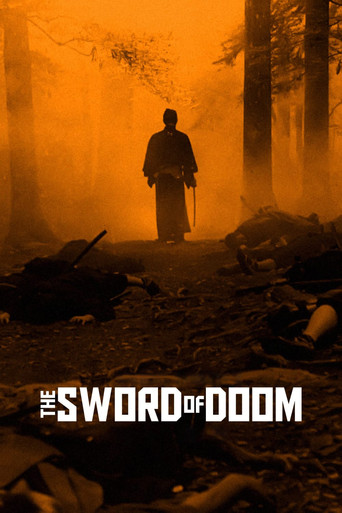
7.8Ryunosuke, a gifted swordsman plying his trade during the turbulent final days of Shogunate rule, has no moral code and kills without remorse. It’s a way of life that leads to madness.
The Sword of Doom
1966
 7.8
7.8A man is involved in a fatal car accident, and though he is blameless, his company transfers him to a remote branch in a small town. Before he leaves, he gives the man's widow a large sum of money that she uses to move back to her hometown.
Two in the Shadow
1967
 7.1
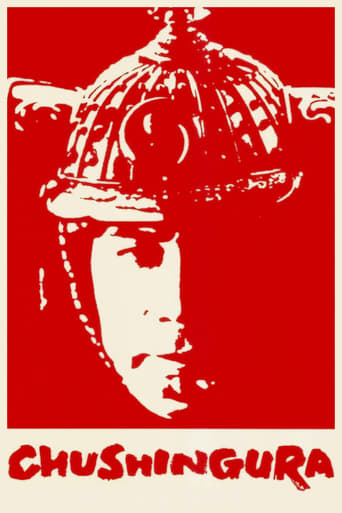
7.1After their lord is tricked into committing ritual suicide, forty-seven samurai warriors await the chance to avenge their master and reclaim their honor.
Chûshingura
1962
 7.3
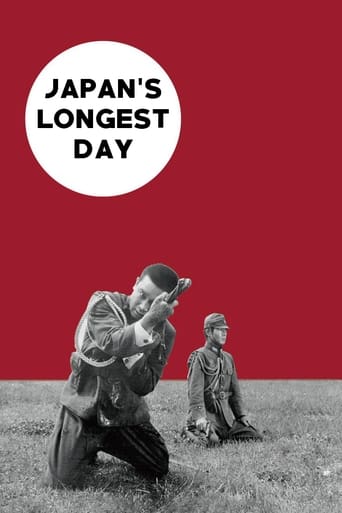
7.3A dramatisation of the 24-hour period in which the Japanese government was deadlocked over the decision to accept or reject the Allies' demand for an unconditional surrender following the bombings of Hiroshima and Nagasaki.
Japan's Longest Day
1967
 9.0
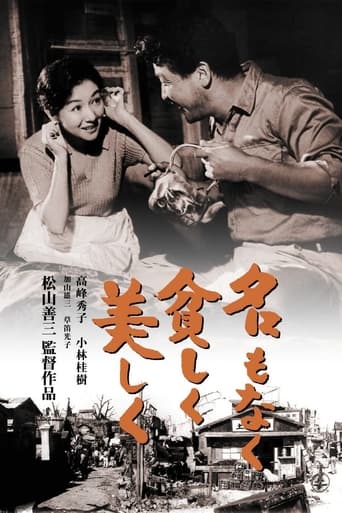
9.0The story is of two people. One is deaf, the other deaf and mute. They marry after meeting at a school reunion, and the film follows their trials and tribulations ... and joys.
Happiness of Us Alone
1961
 8.1
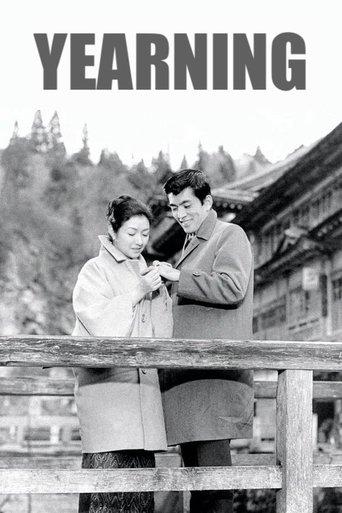
8.1War widow Reiko rebuilds and runs the grocery shop in the house of her husband's family. Many years later, their business is threatened by a newly built supermarket and Reiko's in-laws plan to convert their small shop into a supermarket, to her detriment.
Yearning
1964
 6.4
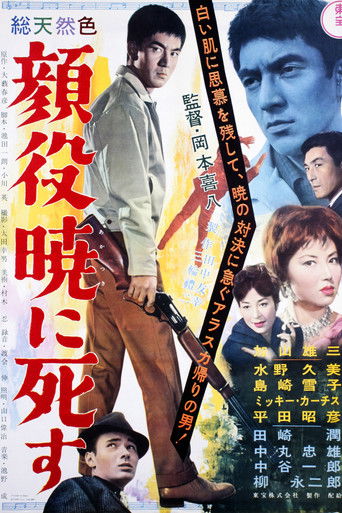
6.4Grown up son arrives home to learn his father, the newly elected mayor, has been assassinated. So he journeys down a path to find the assassin and gets involved with two opposing yakuza gangs.
Big Shots Die at Dawn
1961
 10.0
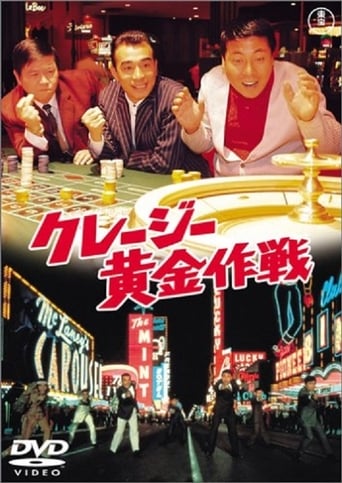
10.0The Crazy Cats, a Japanese musical-comedy group, were showcased a series of comic adventures throughout the 1960s. Las Vegas Free-For-All, one of their most popular movies, featured scenes filmed on location in Las Vegas, Los Angeles, and Hawaii. Appearing with the seven Cats were the lovely Mie Hama and such Japanese musical artists as The Peanuts, The Johnnys, The Drifters, and Jackie Yoshikawa & the Blue Comets.
Las Vegas Free-For-All
1967
 8.5
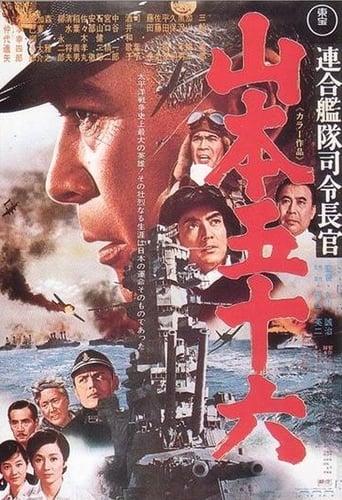
8.5As Japan joins in a political pact with Nazi Germany and fascist Italy, Admiral Isoroku Yamamoto is appointed supreme commander of the Japanese fleet. With Japan headed inexorably toward war, Yamamoto, despite his misgivings, believes the only possible victory lies in destroying the American fleet by surprise at Pearl Harbor. The attack succeeds, but fails to sink the American carrier fleet. Thus Yamamoto must lead the Japanese navy into war with ever-diminishing likelihood of success.
Admiral Yamamoto
1968
 6.7
6.7A brave, highly principled warrior resigns his post as a bodyguard to the head of a powerful clan after he learns that his employers have been smuggling arms to the enemy. The remaining samurai try in vain to coerce him back, but their efforts are thwarted by crooked warriors who launch an attack.
Warring Clans
1963
 8.0
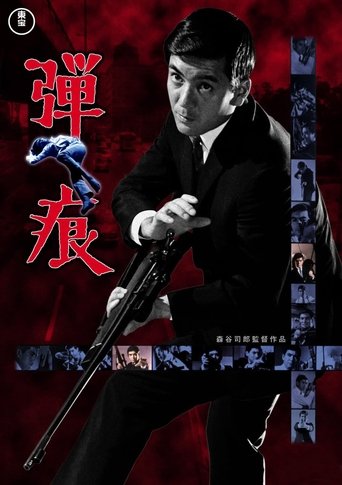
8.0Yuzo Kayama is an American-Japanese operative working for the US to uncover an arms deal between an American seller and Chinese communists, and to take out both parties. After almost getting assassinated himself, he takes a wounded civilian with him despite living in a world where no one can be trusted.
Bullet Wound
1969
 6.4
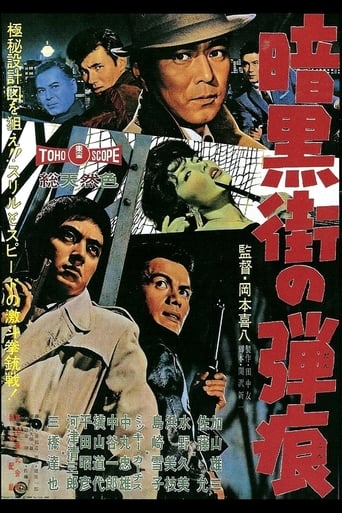
6.4Yuzo Kayama plays the protagonist, a whale-hunting cannon manufactuing supervisor, whose brother is an automobile tester for Komatsu Motors which has a fatal accident. As his brother investigates the "Accident" with his old college friend (makoto Sato), now a reporter... They stumble across murder, espionage and cover-ups. High-class night club, femme fatale, and a "Blueprint of Murder" all adds up to a bigger plot then first expected.
Blueprint of Murder
1961
 7.1
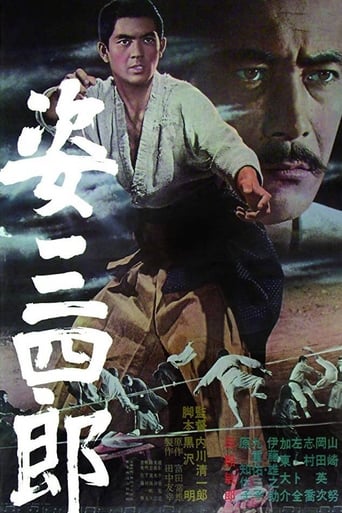
7.1Remake of Akira Kurosawa's films "Sanshiro Sugata and "Sanshiro Sugata Part II". A young man, Sanshiro Sugata, troubled by personal problems, takes up judo. His teacher, Shogoro Yano, is a devout man who has aroused the enmity of the local practitioners of jujitsu, the older and more accepted of the two sports. Sugata uses his newly learned prowess to gain a measure of respect from others; however, Shogoro insists that the sport has a spiritual side, a lesson Sugata has yet to learn. Eventually, in hand-to-hand combat with the father of a young woman he loves, he comes to understand the true meaning of judo.
Sanshiro Sugata
1965
 7.5
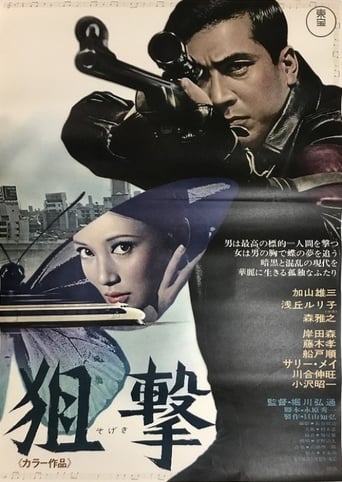
7.5Suspense drama about an assassin charged with breaking up a gold smuggling ring, and the contract subsequently purchased against him and his employer.
Sun Above, Death Below
1968
 7.0
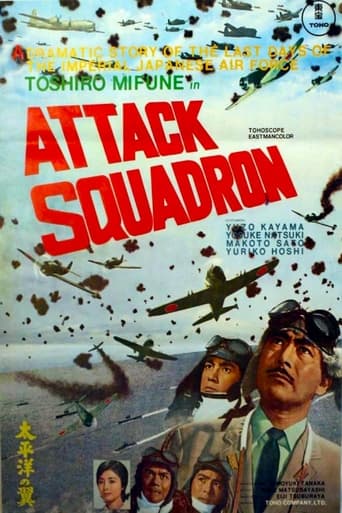
7.0Lt. Col. Senda resists the idea of sending Japanese fighter pilots on suicide missions. He believes that what is really necessary for Japan to regain momentum in the war is for the air force to gather its most brilliant pilots into an elite squadron and use the unit to pinpoint attacks on the Americans. Disrespected by the kamikaze pilots who think the "non-suicidal" pilots are afraid, the unit redeems itself by stunning victories. But success leads the military leaders to expect too much of the unit, and new orders portend disaster.
Attack Squadron
1963
 6.1
6.1In this patriotic WW II drama, the Japanese army demonstrates its courage and willingness to do anything to win as they endeavor to sneak into Communist China to bring back the flag of a defeated enemy regiment.
Westward Desperado
1960
 NR
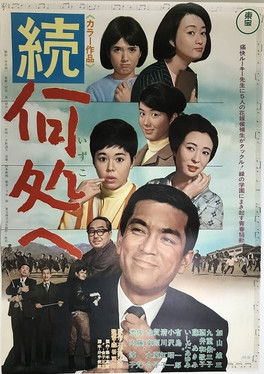
NRSequel to "何処へ" (1966). A coming-of-age drama adapted from the novel by Yojiro Ishizaka.
Zoku izuko e
1967
 7.0
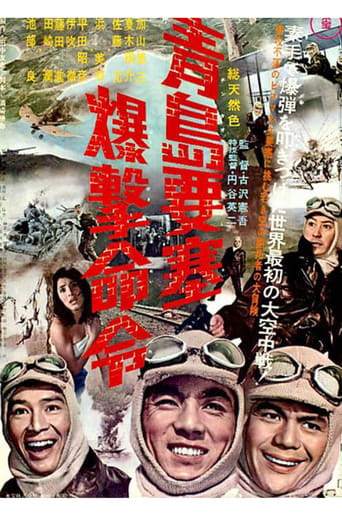
7.0No synopsis available yet.
Siege of Fort Bismarck
1963
 8.0
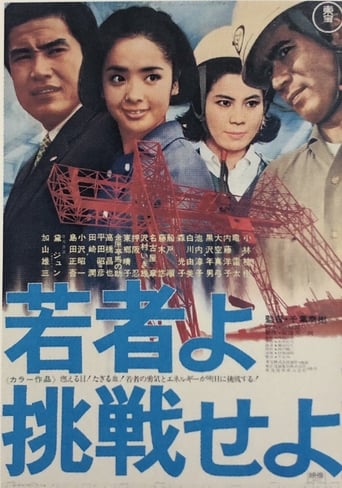
8.0A story depicting the challenges faced by today's youth in working to build a better tomorrow, based on the theme of Toshiba's progress as one of Japan's leading manufacturers of electronic and electric goods.
Young Challengers
1968
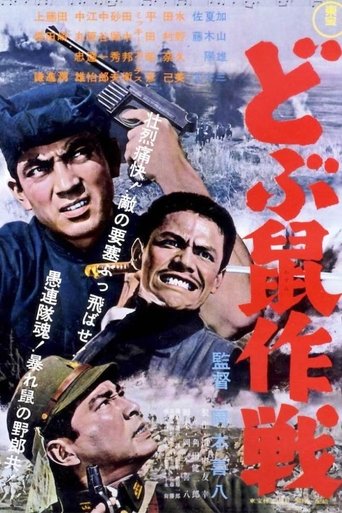 7.0
7.0Towards the end of World War II, five men are tasked with freeing the son of a general from Chinese captivity.
Operation Sewer Rats
1962
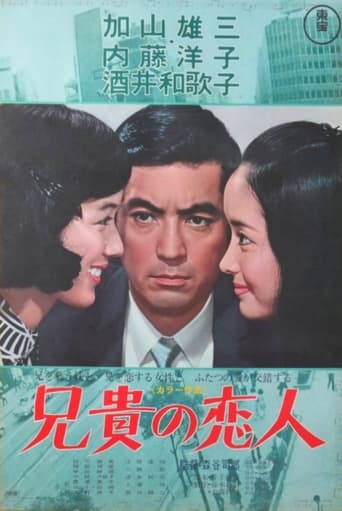 10.0
10.0No synopsis available yet.
My Brother, My Love
1968
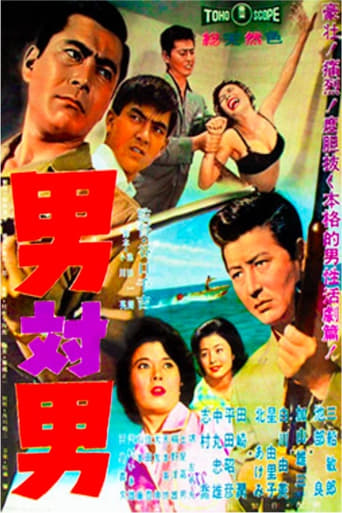 7.0
7.0Kikumori runs a cabaret on the docks, while his friend Kaji operates transport boats. When a gang of drug dealers tries to force the pair to cooperate in a smuggling scheme, conflict arises between the two friends. Falsely blamed for murder, Kikumori is blackmailed into an attempt to sabotage Kaji's boats and kill him. But the friendship between the two men proves an obstacle to the gangleader's plans.
Man Against Man
1960
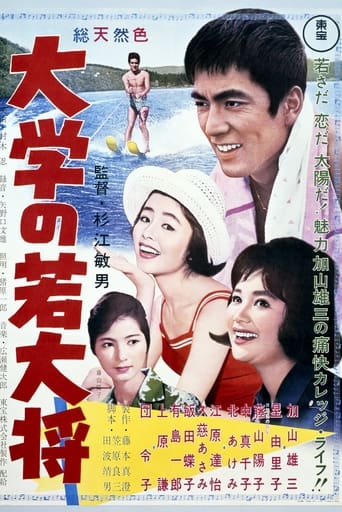 7.0
7.0The first instalment in Toho's popular Wakadaishō (Young Guy) series.
Sir Galahad in Campus
1961
 7.0
7.01961 Japanese movie
Lovers of Ginza
1961
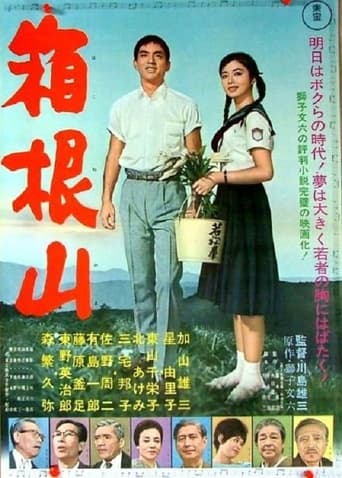 7.0
7.0Japanese drama.
Mount Hakone
1962
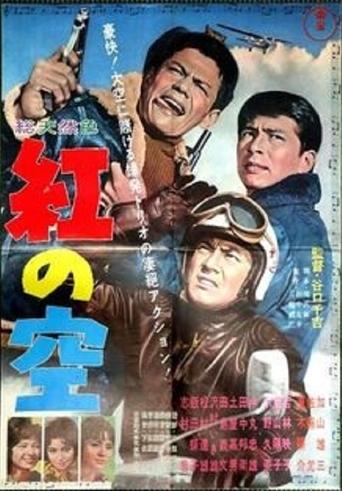 9.0
9.01962 Japanese movie
The Crimson Sky
1962
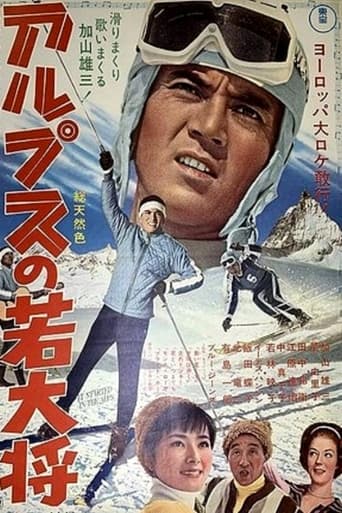 8.0
8.0Seventh movie of the Wakadaishō series directed by Kengo Furusawa.
It Started In The Alps
1966
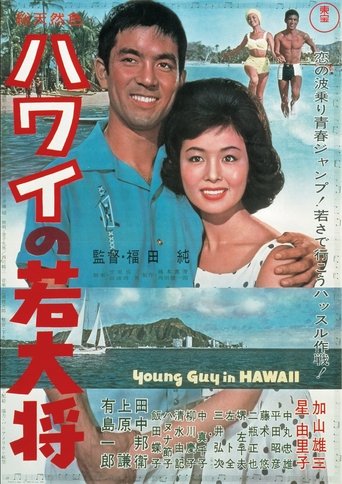 6.5
6.5Fourth entry in Toho's Wakadaishō series directed by Jun Fukuda and released on a simultaneous screening with Matango. Filmed on location in Hawaii.
Young Guy in Hawaii
1963
 7.0
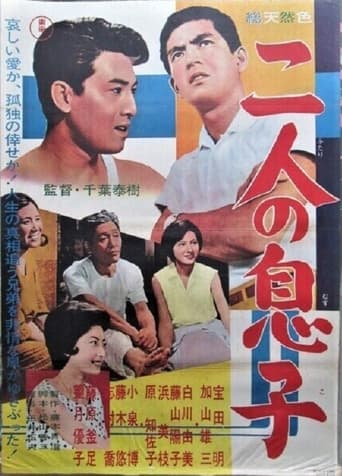
7.0In the middle of the period of high economic growth in Japan, a family is thrown into disarray over work, money, and romance. Their father's sudden unemployment later in life causes friction among the siblings of the Akagi family. Kensuke, a salaryman at a top company, refuses to support his parents while his brother, Shoji, determines to care for them despite only working as a taxi driver. The concern over money affects Noriko's own love life as she courts a wealthy salaryman to the chagrin of her mechanic boyfriend.
Different Sons
1961
 8.3
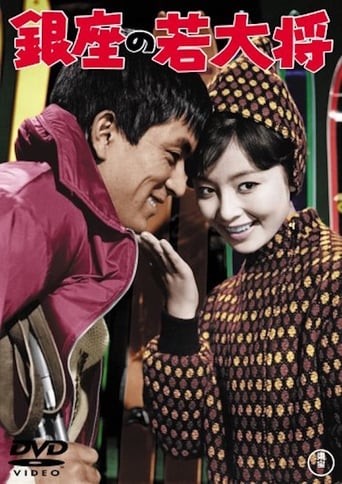
8.3Young Yuichi (Kayama) romances Sumiko (Hoshi) while helping out at his family's restaurant, singing in a band, and preparing for an important boxing tournament.
Pride of the Campus
1962
 9.0
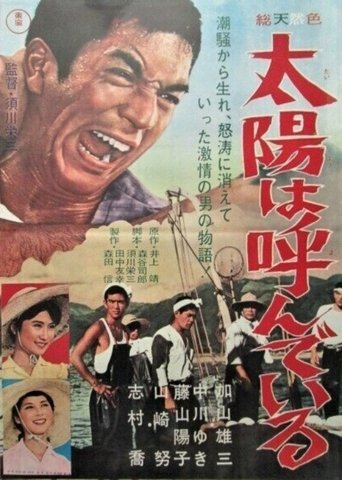
9.0A man with a dark past comes from Tokyo to the fishing port of Izu, and tries to begin a new life as a fisherman.
The Sun is Calling You
1963
 10.0
10.0No synopsis available yet.
Zero Fighter
1966
 8.0
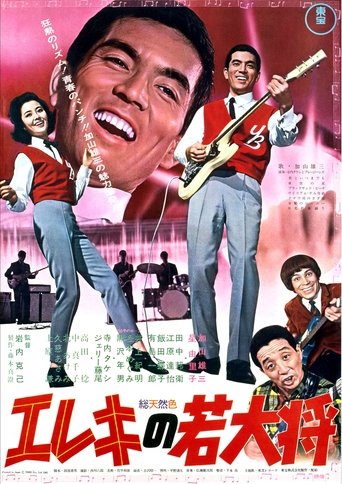
8.0Young Guy (Kayama) competes in an electric guitar competition and plays American-style football.
Campus A Go-Go
1965
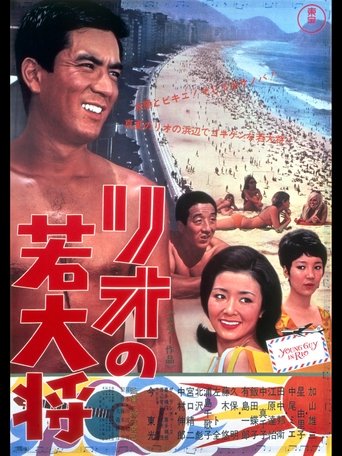 6.0
6.0Yuzo Kayama is captain of the Fencing team and visits Brazil to work in the shipyards with his professor. There he meets his beautiful daughter (Mie Nakao) and a tour guide (Yuriko Hoshi), but his work and his band, The Ranchers, keep him busy.
Young Guy in Rio
1968
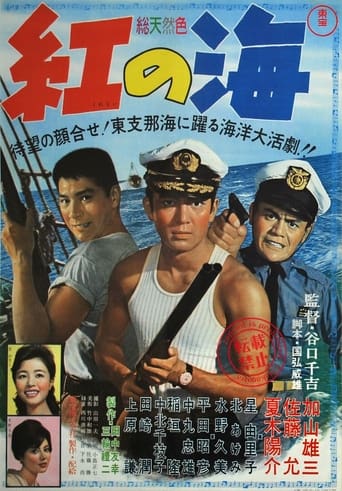 NR
NRFour fishermen friends are caught up in a piracy plot.
Blood on the Sea
1961
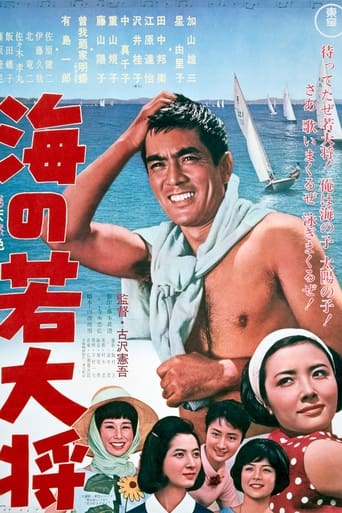 7.5
7.5Eternal young guy, Yuzo Kayama stars in this fifth installment of the Young Guy series. Young Guy returns to the swim team from the first movie, boards his rival Blue Guy's boat, and meets a young woman on a small island.
Young Guy at Sea
1965
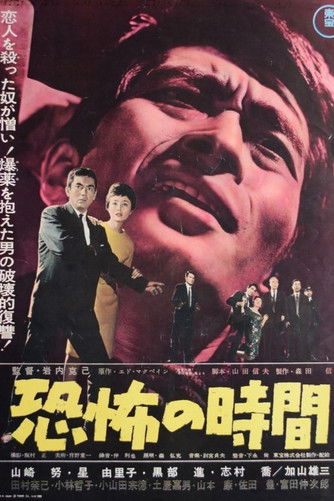 NR
NRA grieving factory worker storms a Tokyo police station, holding a department chief at gunpoint, convinced he killed his girlfriend. When he learns it’s the wrong Yamamoto, he still refuses to leave and threatens everyone with nitroglycerin. Tension peaks when the real detective’s wife arrives, but a quick intervention stops disaster, leaving the worker broken by loss.
Fright Time
1964
 9.0
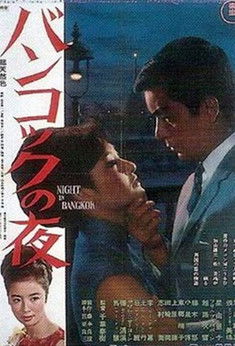
9.0Shuichi, a young doctor working at a hospital in Bangkok, falls in love with the daughter of a wealthy Chinese trader.
Night in Bangkok
1966
 7.5
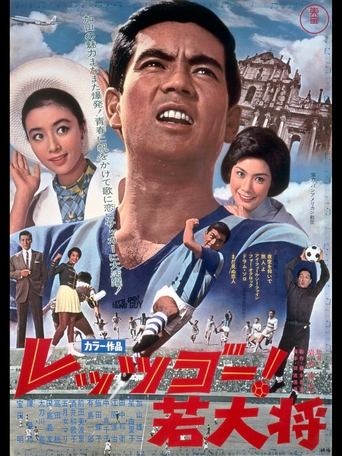
7.5College student Yuichi Tanuma is fired up for Nationals where his university Kyonan will face off against their rivals, Seihoku. Yuichi has his sights set on winning football gold, but his father, who wants him to take over his sukiyaki restaurant, isn't too keen on this. Set in Kyoto, Hong Kong, and Macau, we follow Yuichi as he falls in love and chases after his dreams.
Let's Go! Young Guy
1967