Acting
Kei Satō
Born — Died
1928-12-21 — 2010-05-02
Place of birth
Aizuwakamatsu, Fukushima, Japan
Known for
Acting
Credits
92 titles
Kei Satō (佐藤 慶, Satō Kei; born December 21, 1928 in Aizuwakamatsu – May 2, 2010) was a Japanese character actor and narrator. He is known for his work with Japanese New Wave director Nagisa Oshima, and for several films with Kaneto Shindo, such as Onibaba and Kuroneko. He won the best actor award from Kinema Junpo for the films The Ceremony and Nihon no akuryō. He also worked as a narrator for many documentaries, both on television and film.
Known for
 8.0
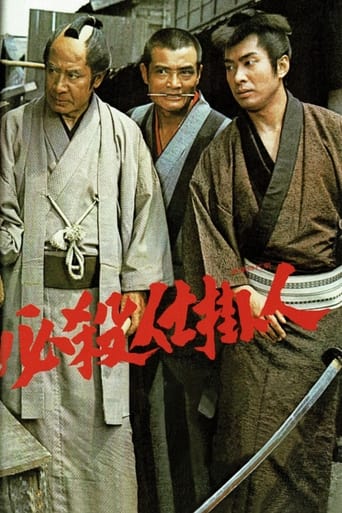
8.0A shikakenin was an under-the-cover trade that undertook killing in Edo. Hanemon of Otowa, an agency that introduced laborers and maids, was also one of these. Katsugoro Iseya was a timber dealer who had come in as a client. His target was the constructions magistrate Hanno, and the Tatsumiya who sipped on the benefits. Hanemon who had a stong code towards killing, where he would only kill those who do no good to be in the world, accepts this request. Baian Fujieda, a needle doctor would carry out the killing. However, the professional killer Baian fails to bring down Tatsumiya. Hanemon then looks to another shikakenin, the ronin Sanai Nishimura for the role. Although Sanai's ability with the sword is good, he lives poorly in a tenement, and accepts this commission on the condition that it is kept a secret from his wife and child. Here, they close in on Hanno and Tatsumiya again...
Professional Killers
1972
 7.0
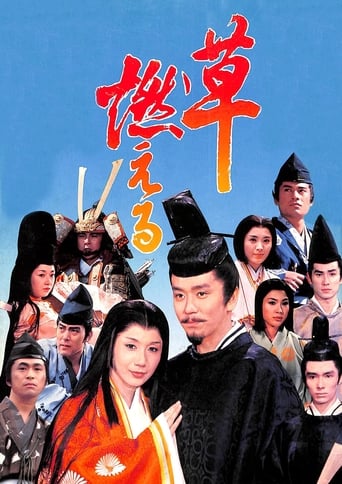
7.0The story chronicles the life of Hōjō Masako during the Kamakura Period.
Kusa Moeru
1979
 8.5
8.5Down-on-his-luck veteran Tsugumo Hanshirō enters the courtyard of the prosperous House of Iyi. Unemployed, and with no family, he hopes to find a place to commit seppuku—and a worthy second to deliver the coup de grâce in his suicide ritual. The senior counselor for the Iyi clan questions the ronin’s resolve and integrity, suspecting Hanshirō of seeking charity rather than an honorable end. What follows is a pair of interlocking stories which lay bare the difference between honor and respect, and promises to examine the legendary foundations of the Samurai code.
Harakiri
1962
 NR
NRNo synopsis available yet.
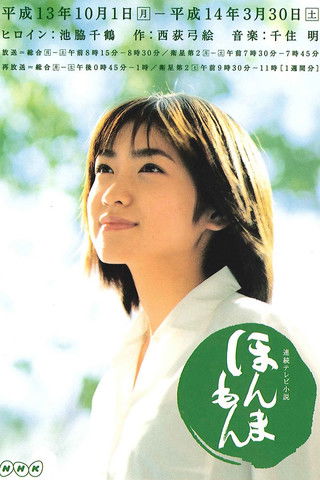
Honmamon
2001
 NR
NRNo synopsis available yet.
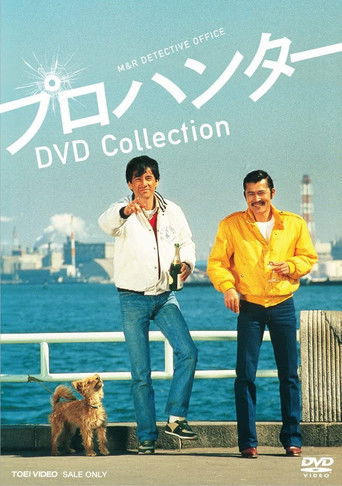
Pro Hunter
1981
 NR
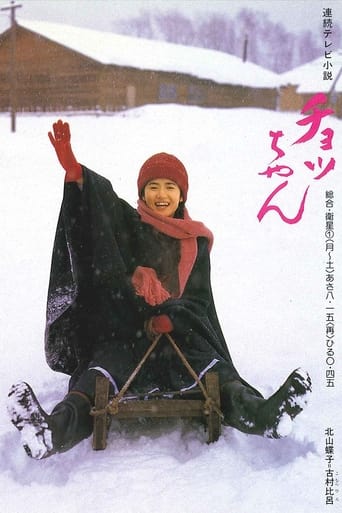
NRThe 38th NHK Asadora. Based on the autobiography of Tetsuko Kuroyanagi's mother.
Chotchan
1987
Film credits
2000s · 2 titles
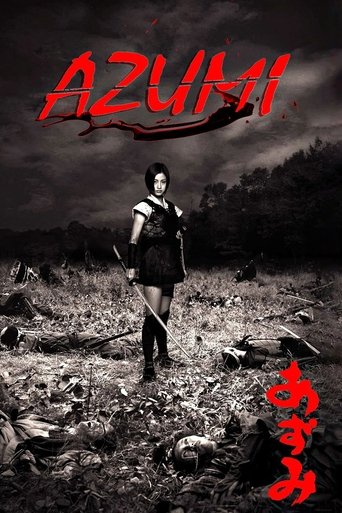 6.9
6.9In war-torn Japan, the Tokugawa Shogun, desperate to restore peace to his people, orders the assassination of the hostile warlords. A beautiful young woman is raised from birth with nine other orphans, to become an assassin. Her name is Azumi, the ultimate assassin.
Azumi
2003
 6.8
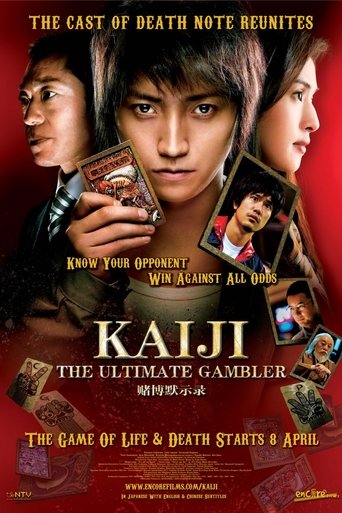
6.8Kaiji Ito moves to Japan after graduating from high school. Unable to find a job and frustrated with society at large, Kaiji spends his days gambling, vandalizing cars, and drinking booze. Two years later and his life is no better. A debt collector named Endo arrives to collect money owed. The debt collector offers two choices to Kaiji: spend 10 years paying off his loan or board a gambling boat for one night to repay his debt & possibly make a boat load of money. Could the debt collector Endo actually be setting up Kaiji? One way or another, for Kaiji it's going to be the night of his life.
Kaiji: The Ultimate Gambler
2009
1990s · 6 titles
 6.6
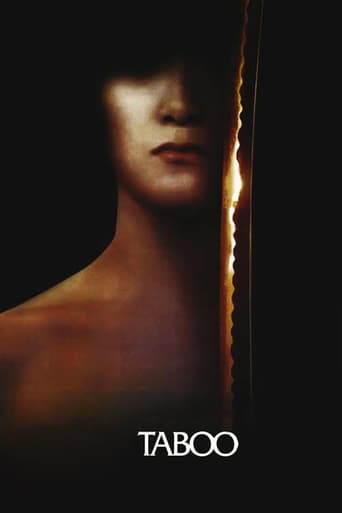
6.6Set during Japan's Shogun era, this film looks at life in a samurai compound where young warriors are trained in swordfighting. A number of interpersonal conflicts are brewing in the training room, all centering on a handsome young samurai named Sozaburo Kano. The school's stern master can choose to intervene, or to let Kano decide his own path.
Taboo
1999
 5.4
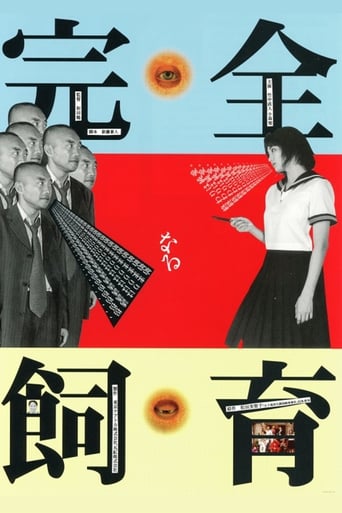
5.4Schoolgirl Kuniko is kidnapped by a middle-aged man Iwazono when she is jogging. He tells her that he had a failed marriage which leaves him a deep and everlasting scar in his mind. He kidnaps her in search of a perfect marriage and intends to lock her in the room and 'educate' her to perform perfect sex where body and soul are united.
The Perfect Education
1999
 7.2
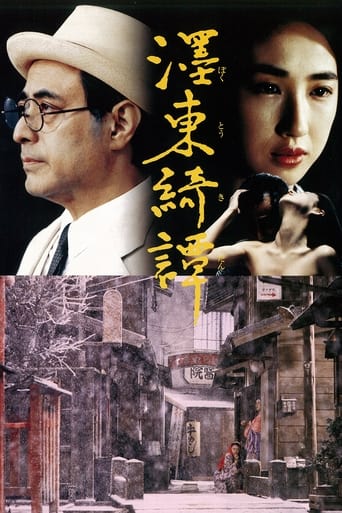
7.2A story of Japanese writer Kafu Nagai (1879-1959), a man about sixty with a huge reputation of seducer who falls madly in love for a young geisha named Oyuki. Meticulous and smartly dressed, Nagai patiently wrote in his diary his thoughts during many years. A melancholy reflection on the passage of time and a brilliant interpretive exercise.
The Strange Tale of Oyuki
1992
 6.2
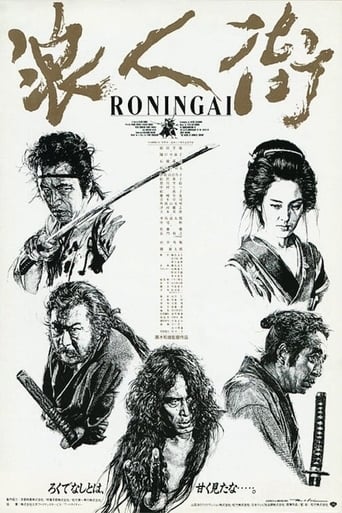
6.2Near the end of Japanese civil war, several disgraced ronin living in Edo's red light district attempt to regain their honor by defending a brothel from a hostile militia bent on wiping out local prostitutes.
Ronin-gai
1990
 6.3
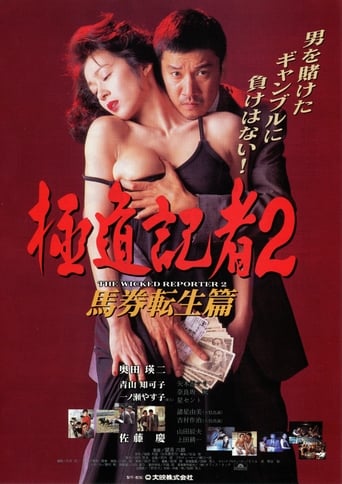
6.3The continuing adventures of Matsuzaki, a racing tipster for a sports paper. Matsuzaki befriends a mysterious old track bettor named Tokudaiji. The man turns out to be a well-connected millionaire and invites Matsuzaki to his home.
The Wicked Reporter 2: The Rebirth of Horserace Betting
1994
 4.6
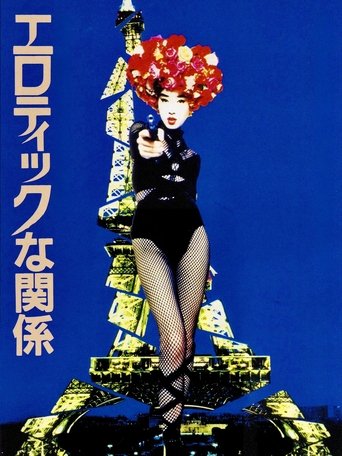
4.6A low-key private detective agency in Paris is run by Rie and her partner Kishin, two ex-pats who tick along between cases by giving guided tours of the city to busloads of Japanese tourists.
Erotic Liaisons
1992
1980s · 12 titles
 6.8
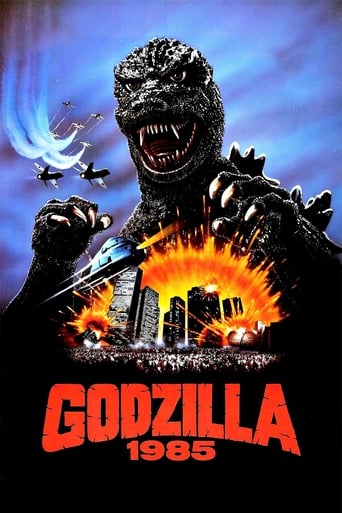
6.8Originally released in Japan as "The Return of Godzilla" in 1984, this is the heavily re-edited, re-titled "Godzilla 1985". Adding in new footage of Raymond Burr, this 16th Godzilla film ignores all previous sequels and serves as a direct follow-up to the 1956 "Godzilla King of the Monsters", which also featured scenes with Burr edited into 1954's "Godzilla". This film restores the darker tone of the original, as we witness the nuclear destruction of giant lizard terrorizing Japan.
Godzilla 1985
1985
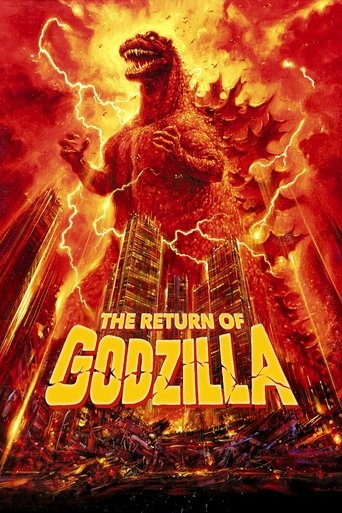 7.2
7.2After a fishing boat is attacked, the sole surviving crew member realizes it is none other than a resurrected Godzilla. However, efforts to bring the story to light are suppressed by the Japanese government amid growing political tensions between the United States and the Soviet Union, who are both willing to bomb Japan to stop the monster.
The Return of Godzilla
1984
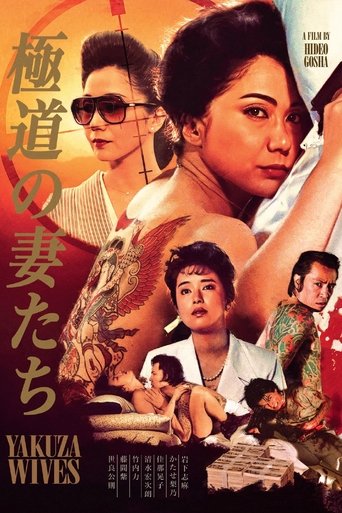 5.5
5.5When her crime boss husband is sent to prison, a woman assumes control of one of the most powerful gangs in Japan.
Yakuza Ladies
1986
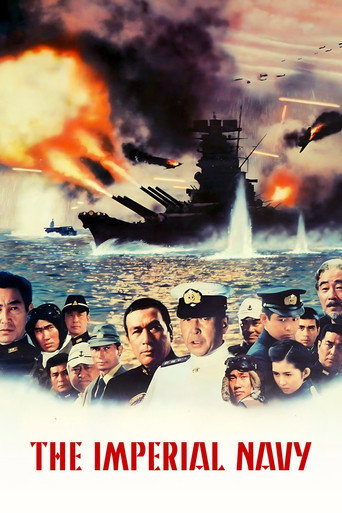 6.6
6.6A lavish retelling of the true story of the final voyage and ultimate destruction and sinking of the battleship Yamato, Japan's greatest flagship during the Second World War.
The Imperial Navy
1981
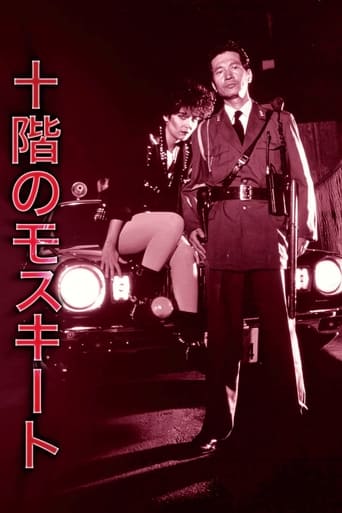 6.6
6.6A lower-middle-class policeman lives decadently, chasing cheap beer and girls at the same time he's running from loan sharks and his personal expectations.
The Mosquito on the Tenth Floor
1983
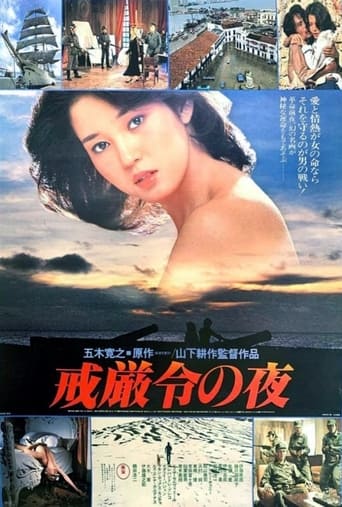 NR
NRNo synopsis available yet.
The Night of Martial Law
1980
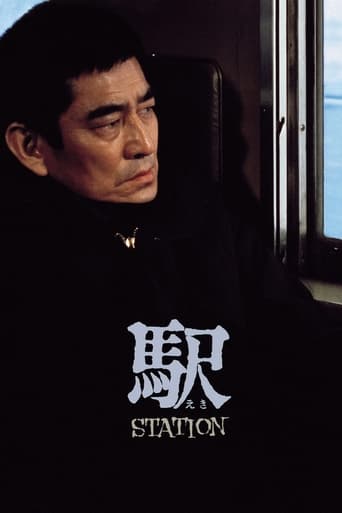 6.2
6.2A detective goes out of his way to crack the case of a serial killer who specialises in murdering police officers.
Station
1981
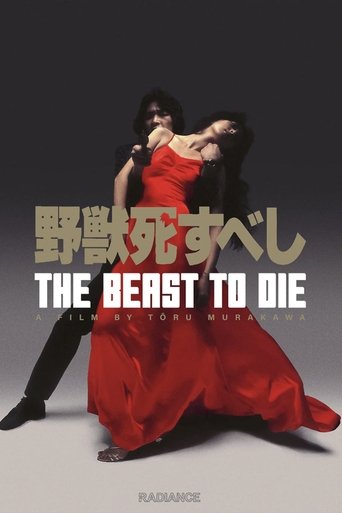 5.8
5.8A Nietzschean journalist who covered the Vietnam War, Lebanese Civil War and other conflicts becomes mentally unstable and goes on a spree of robbery and murder.
The Beast to Die
1980
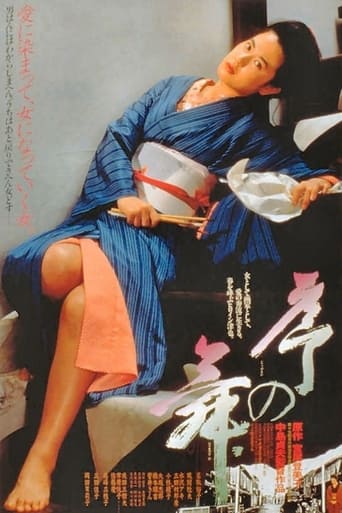 6.3
6.3This story is based on the novel "Jo no mai" by Tomiko Miyao which is based on the life of painter Shōen Uemura (1875–1949), the first woman to be awarded the Order of Culture. The title refers to the masterpiece bijinga ("picture of a beautiful woman") that Uemura painted at the age of 61. The main character, Tsuya Shimamura, is born in Kyoto as the second daughter of a tea trader who dies before her birth. Tsuya, who loves painting more than anything and is hopeless at housework, attends art school and at age 15 receives the name Shōsui (from the characters for "pine" and "green") from her teacher. The crown prince of England purchases one of her works, propelling her to fame overnight. The novel portrays the remainder of her stormy life, during which she is impregnated by her teacher and raises a fatherless child; through it all she devotes herself to her painting, undaunted.
Appassionata
1984
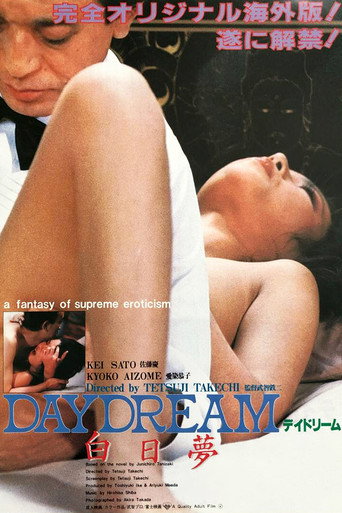 4.8
4.8While under anesthesia during a tooth extraction, a young man hallucinates a series of darkly sexual fantasies involving an attractive fellow patient and their sinister dentist.
Day Dream
1981
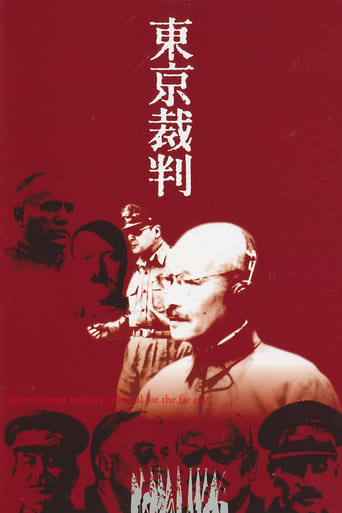 7.0
7.0A look at the trial of Japanese militarists accused of war crimes; from the proceedings of the International Military Tribunal (May 1946–November 1948). It took two days to read the charges against the 100 alleged war criminals in the docket (only 28 top officials are actually in the small courtroom), and the final judgment took one week to read.
Tokyo Trial
1983
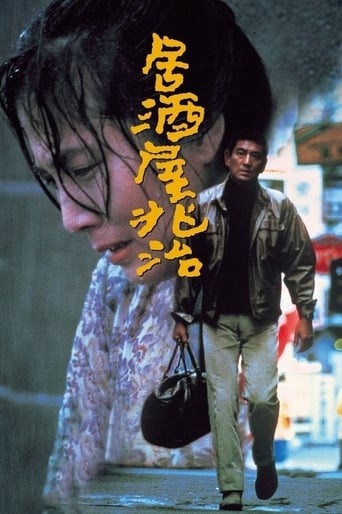 7.2
7.2Eiji lives a quiet life running a small Izakaya with his wife. He spends his days cooking for and serving the lively residents of his small hometown.
Choji Snack Bar
1983
1970s · 15 titles
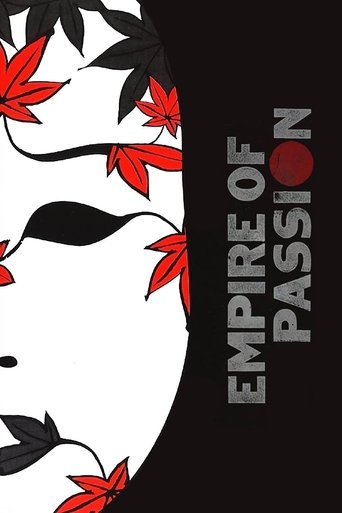 6.8
6.8A married woman and her lover murder her husband and dump his body into a well, but his ghost returns to haunt them as the local gossip intensifies.
Empire of Passion
1978
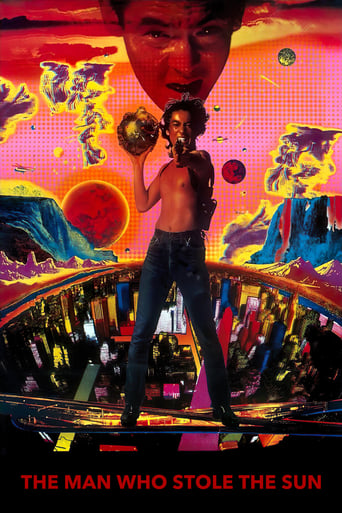 7.4
7.4A high school science teacher is the butt of all his students' jokes, until their bus is hijacked on a school trip. But something more sinister lurks beneath the surface: he's building an atomic bomb in his apartment.
The Man Who Stole the Sun
1979
 6.3
6.3In feudal Japan, when any commerce with the rest of the world is strictly prohibited, an idealist appears at an isolated inn, headquarters of smugglers with stolen money intended to ransom his loved one forced to work in a brothel.
Inn of Evil
1971
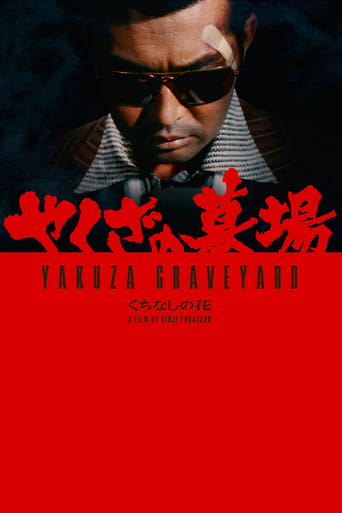 6.6
6.6A police investigator cracks down on yakuza business, but once he realizes the police are in negotiations with certain factions, he sides with his own syndicate of choice.
Yakuza Graveyard
1976
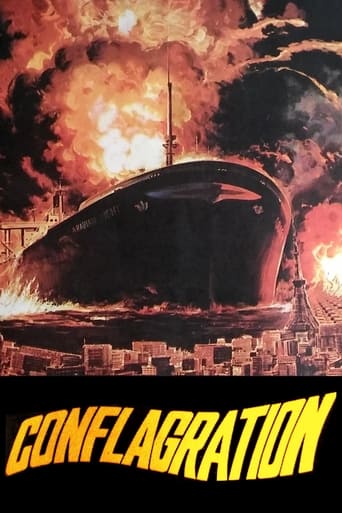 7.0
7.0Global South guerrillas hijack the Japanese oil tanker Arabian Light, threatening to blow it up in Tokyo Bay, unless the Cabinet complies with an economically devastating ultimatum.
Conflagration
1975
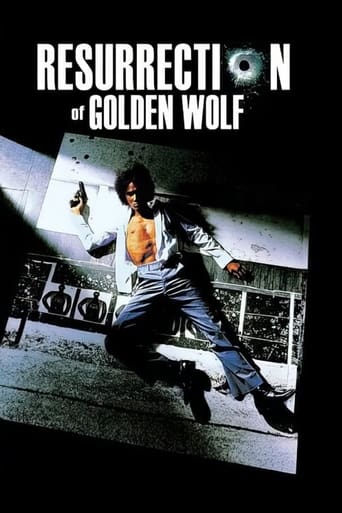 6.3
6.3A seemingly run-of-the-mill corporate salaryman leads a double life as a vicious criminal by night. In a delicious scheme of payback, he seeks to dominate the corporation that employs him by day.
The Resurrection of the Golden Wolf
1979
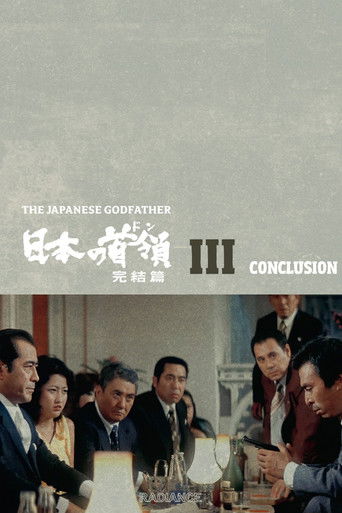 7.2
7.2The three-film saga comes to a conclusion as three leaders of the underworld battle it out to determine who will become Don of Japan.
Japanese Godfather: Conclusion
1978
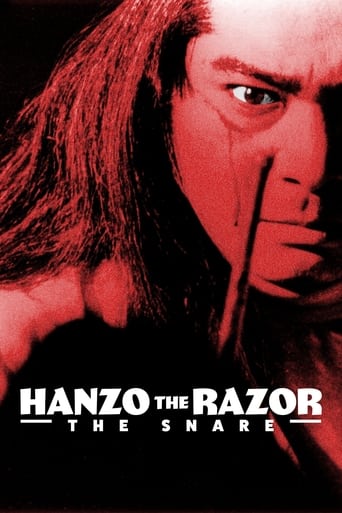 6.2
6.2Against the backdrop of the Edo treasury devaluing currency and driving many into poverty, Hanzo Itami enforces the law without regard to status. He shows inadequate respect to the treasurer, who wants him dead.
Hanzo the Razor: The Snare
1973
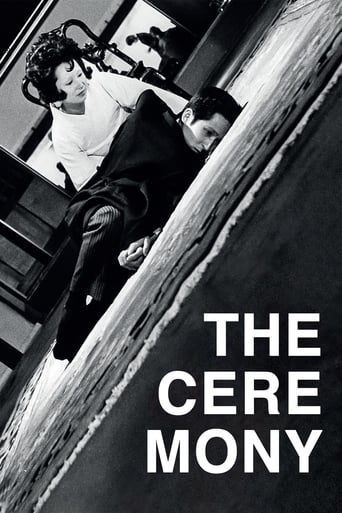 6.8
6.8Oshima’s magisterial epic, centering on the ambivalent surviving heir of the Sakurada clan, uses ritual and the microcosm of the traditional family to trace the rise and fall of militaristic Japan across several decades.
The Ceremony
1971
 7.0
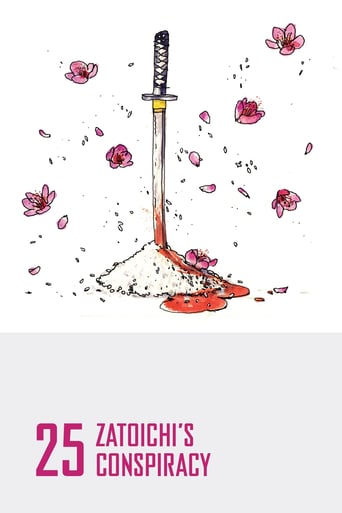
7.0Zatoichi, the famed blind swordsman, returns to his home village for the first time in many years. He is befriended by Omiyo, who had the same wet-nurse as Zatoichi. He also encounters a boyhood friend, Shinbei, who is now wealthy and appears not to remember Zatoichi. Shinbei seems to be interested in repaying the villagers' debts, but is, in reality, manipulating the ownership of a now valuable rock quarry. Zatoichi learns of the subterfuge and confronts his old friend, who has a score of yakuza swordsmen backing his play.
Zatoichi's Conspiracy
1973
 10.0
10.0Terrorists hijack an oil tanker and threaten to blow it up unless Japan meets their demands.
High Seas Hijack
1977
 6.2
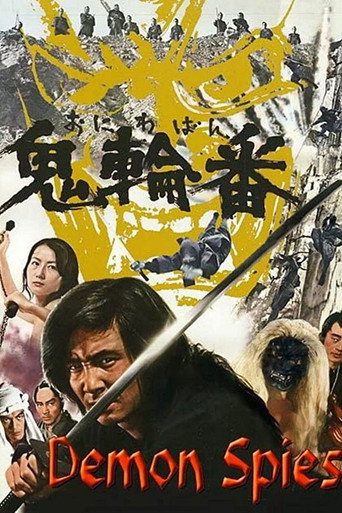
6.2Deep in the mountains of feudal Japan, a group of children endure cruel and unorthodox training in order to become the Shogunate's most secret and deadly weapons - the Demon Spies! Their true identities are hidden - even from each other. Behind their demon masks, they are educated in the deadly arts of infiltration, espionage, assassination - and seduction! If they survive to become strong enough to kill their teachers, they will become - the Demon Spies! Sent on a suicide mission to uncover a deadly conspiracy, five inexperienced Demon Spies must infiltrate a powerful fief, discover the location of its secret arsenal, and destroy it. But Lord Shogen, the Demon Hunter, plans to brutally interrogate, ingeniously torture, and cruelly execute - the Demon Spies!
Demon Spies
1974
 5.2
5.214-year-old Sunaoko travels from Tokyo to Naha, Okinawa, with her father’s young fiancée Momoko in search of her half-brother whom she has never met. Their guide, a beer-guzzling ex-soldier, takes them to the locale’s tourist attractions, quickly delving into the underlying scars of the island’s wartime history.
Dear Summer Sister
1972
 7.6
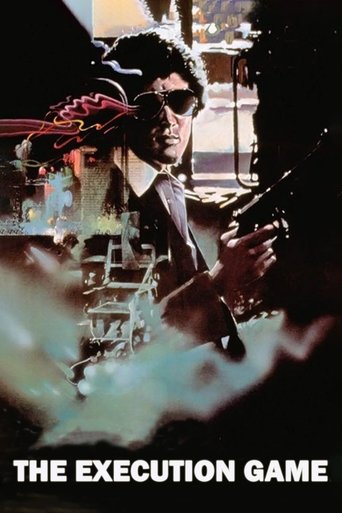
7.6The third movie in Tōru Murakawa's Game trilogy about a hitman. Narumi is set up by a mysterious woman. Abducted and tortured, Narumi is forced to take on a difficult job. The target is a veteran killer as good as him.
The Execution Game
1979
 7.7
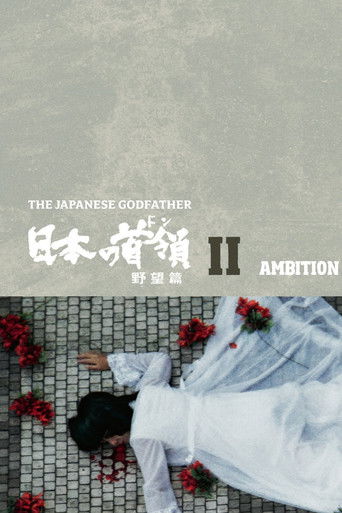
7.7An ambitious Kansai yakuza don moves in on Tokyo using financial and political tactics, sparking conflict with a local criminal association.
Japanese Godfather: Ambition
1977
1960s · 24 titles
8.5Down-on-his-luck veteran Tsugumo Hanshirō enters the courtyard of the prosperous House of Iyi. Unemployed, and with no family, he hopes to find a place to commit seppuku—and a worthy second to deliver the coup de grâce in his suicide ritual. The senior counselor for the Iyi clan questions the ronin’s resolve and integrity, suspecting Hanshirō of seeking charity rather than an honorable end. What follows is a pair of interlocking stories which lay bare the difference between honor and respect, and promises to examine the legendary foundations of the Samurai code.
Harakiri
1962
 7.7
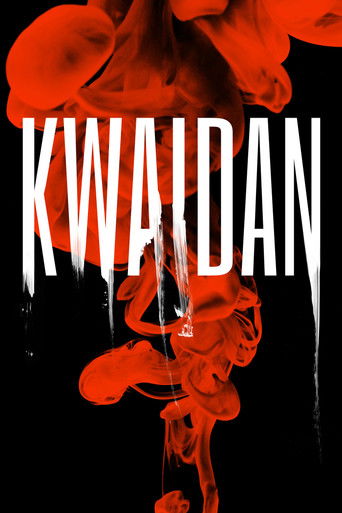
7.7Taking its title from an archaic Japanese word meaning "ghost story," this anthology adapts four folk tales. A penniless samurai marries for money with tragic results. A man stranded in a blizzard is saved by Yuki the Snow Maiden, but his rescue comes at a cost. Blind musician Hoichi is forced to perform for an audience of ghosts. An author relates the story of a samurai who sees another warrior's reflection in his teacup.
Kwaidan
1965
 7.4
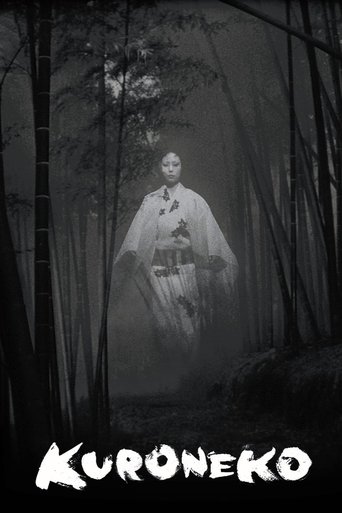
7.4In the Sengoku period, a woman and her daughter are raped and murdered by soldiers during a time of civil war. Afterwards, a series of samurai returning from the war through that area are found mysteriously dead with their throats torn out. The governor calls in a wild and fierce young hero to quell what is evidently an Onryō ghost.
Kuroneko
1968
 7.5
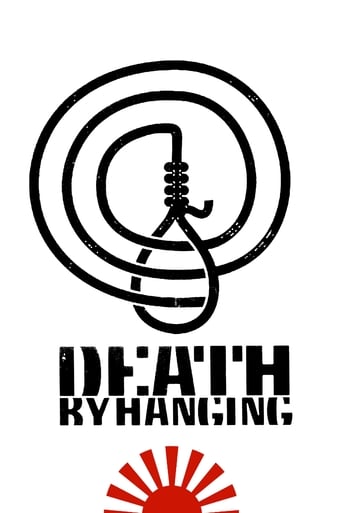
7.5A Korean man is sentenced to death in Japan but somehow survives his execution, sending the authorities into a panic about what to do next.
Death by Hanging
1968
 7.7
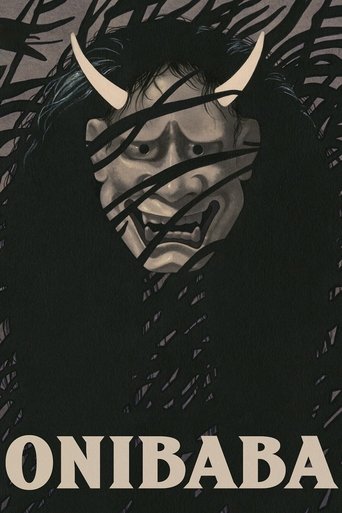
7.7While her son, Kichi, is away at war, a woman and her daughter-in-law survive by killing samurai who stray into their swamp, then selling whatever valuables they find. Both are devastated when they learn that Kichi has died, but his wife soon begins an affair with a neighbor who survived the war, Hachi. The mother disapproves and, when she can't steal Hachi for herself, tries to scare her daughter-in-law with a mysterious mask from a dead samurai.
Onibaba
1964
 7.3
7.3A man wanders into a seemingly deserted town with his young son in search of work. But after a bit of bad luck, he joins the town's population of lost souls.
Pitfall
1962
 6.3
6.3Hanpei is a gentle young samurai that loves flowers. One day, he witnesses an old man's quick draw of the sword. He is so impressed that he becomes the old man's pupil. Soon, Hanpei's skill of sword comes to attention of his lord. The lord orders him to assassinate a man...
Sword Devil
1965
 7.8
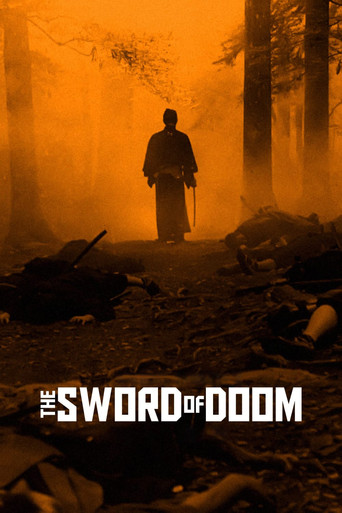
7.8Ryunosuke, a gifted swordsman plying his trade during the turbulent final days of Shogunate rule, has no moral code and kills without remorse. It’s a way of life that leads to madness.
The Sword of Doom
1966
 5.8
5.8After committing murder, businessman Atsushi is blackmailed into keeping a suitcase of embezzled money. What follows is a descent into lustful, reckless actions and regret.
Pleasures of the Flesh
1965
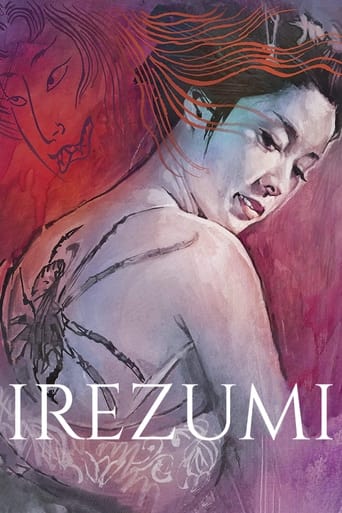 6.8
6.8Otsuya, the daughter of a rich merchant, elopes with her lover Shinsuke, an employee of her father's. During their flight, Otsuya's beauty attracts the gaze of Seikichi, a mysterious master tattooist who sees her pristine white skin as the perfect canvas for his art. The image of the large demonic spider that he emblazons across Otsuya's back marks her as the property of another man, radically altering her relationships with all around her as her personality seems to transform under its influence.
Irezumi
1966
 4.8
4.8In Tokyo's Shinjuku district, the lives of a young man prone to theft, a young woman he meets at a bookstore, and a kabuki actor intersect.
Diary of a Shinjuku Thief
1969
 6.4
6.4Years of warfare end in a Japan unified under the Tokugawa shogunate, and samurai spy Sasuke Sarutobi, tired of conflict, longs for peace. When a high-ranking spy named Tatewaki Koriyama defects from the shogun to a rival clan, however, the world of swordsmen is thrown into turmoil. After Sasuke is unwittingly drawn into the conflict, he tracks Tatewaki, while a mysterious, white-hooded figure seems to hunt them both. By tale’s end, no one is who they seemed to be, and the truth is far more personal than anyone suspected. Director Masahiro Shinoda’s Samurai Spy, filled with clan intrigue, ninja spies, and multiple double crosses, marks a bold stylistic departure from swordplay film convention.
Samurai Spy
1965
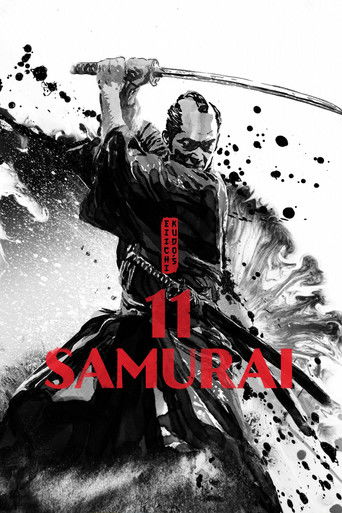 7.5
7.5The lord of the Oshi fief is killed by his trespassing neighbour, the cruel and despotic Nariatsu, son of the former Shogun. After an investigation, the Oshi clan is blamed for what happened and sentenced to be disbanded. Eleven of the best samurai of the clan refuse the sentence and are willing to give their life for justice.
Eleven Samurai
1967
 6.6
6.6A harsh young man seduces a freeloading young woman and eventually takes advantage of her knack for hitchhiking to rob middle-class men.
Cruel Story of Youth
1960
 7.1
7.1In the fourth installment, Musashi's potentially greatest opponent Kojiro jumps in and out of the story at the oddest and most coincidental moments. As his great love Otsu has succumbed to madness. Musashi then sets off to beat the functionaries of a treacherous clan in an arranged duel. 73 against one. Boastful Kojiro watches, secure in the knowledge that only he is a worthy opponent.
Miyamoto Musashi IV: The Duel at Ichijo-ji Temple
1964
 6.2
6.2Two young women must come to terms with the fact that a man they're deeply linked to is a murdering rapist.
Violence at Noon
1966
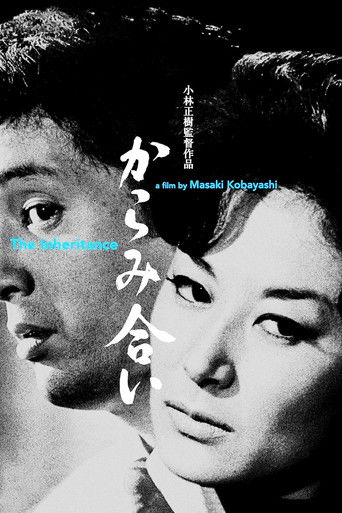 7.3
7.3A dying businessman intends to will ¥200 million to his three illegitimate children, but his associates scheme to take advantage of the situation.
The Inheritance
1962
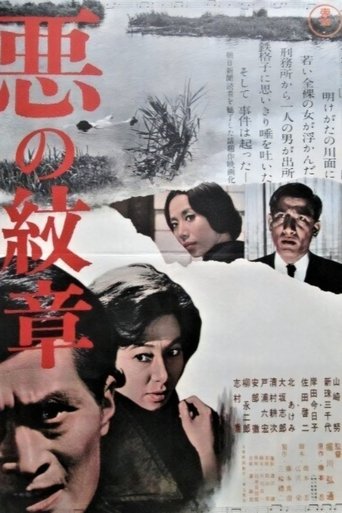 7.7
7.7A Jonan Station detective, Kikuchi, is framed for smuggling drugs and sent to prison. When he is paroled, he joins a private detective agency, where he is asked to investigate Mitsue Takazawa, the wife of a local trading firm president. While secretly conducting his own research, he finds out that Takazawa's husband is the one, responsible for Kikuchi's imprisonment, who also have set sights on Setsuko, a woman Kikuchi becomes romantically involved with.
Brand of Evil
1964
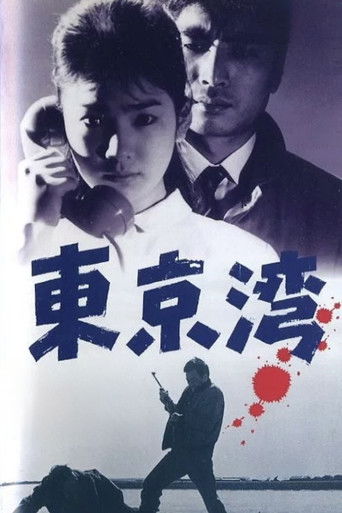 7.0
7.0An investigation into a drug smuggler who is assassinated in front of an insurance building sets two detectives, Sumikawa and Akine, into a sprawling investigation through Tokyo's underworld.
Tokyo Bay
1962
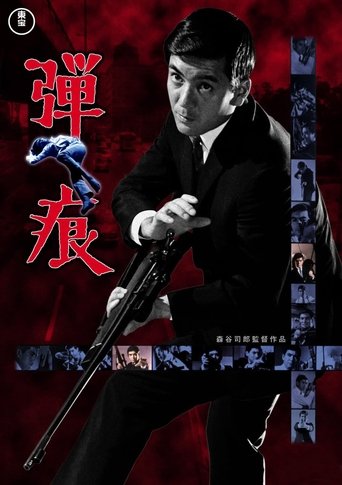 8.0
8.0Yuzo Kayama is an American-Japanese operative working for the US to uncover an arms deal between an American seller and Chinese communists, and to take out both parties. After almost getting assassinated himself, he takes a wounded civilian with him despite living in a world where no one can be trusted.
Bullet Wound
1969
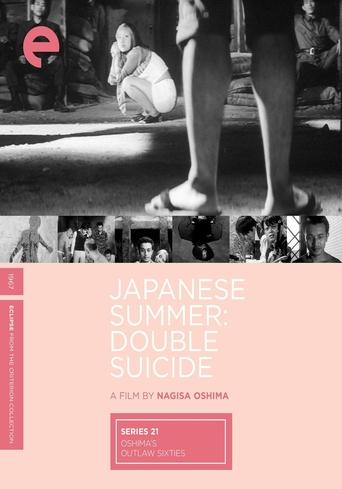 5.7
5.7A sex-obsessed woman, a suicidal man she meets on the street, and a gun-crazy wannabe gangster become trapped in an underground hideaway.
Japanese Summer: Double Suicide
1967
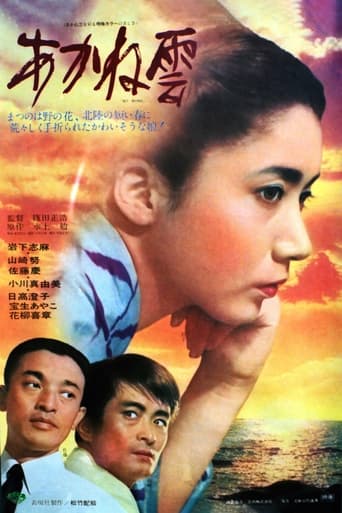 6.0
6.0A Japanese soldier deserts his position and travels to a small town on the Sea of Japan to start over. When a young maid falls for him, he talks her into sleeping with an older man for money.
Clouds at Sunset
1967
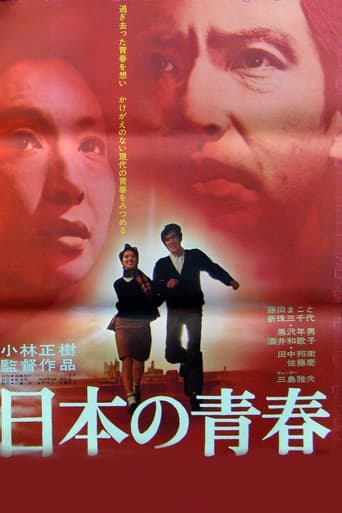 8.2
8.2During WWII, Zensaku, middle-aged and deaf in one ear, learns that his son has fallen for the daughter of a war officer responsible for the maiming.
Hymn to a Tired Man
1968
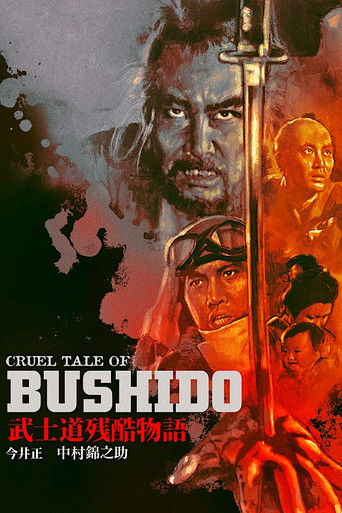 6.7
6.7After a salary-man's fiancée attempts suicide, he recounts his gruesome family history which saw generations of his ancestors suffer and sacrifice themselves for the sake of their cruel lords.
Bushido: The Cruel Code of the Samurai
1963
Series credits
8.0A shikakenin was an under-the-cover trade that undertook killing in Edo. Hanemon of Otowa, an agency that introduced laborers and maids, was also one of these. Katsugoro Iseya was a timber dealer who had come in as a client. His target was the constructions magistrate Hanno, and the Tatsumiya who sipped on the benefits. Hanemon who had a stong code towards killing, where he would only kill those who do no good to be in the world, accepts this request. Baian Fujieda, a needle doctor would carry out the killing. However, the professional killer Baian fails to bring down Tatsumiya. Hanemon then looks to another shikakenin, the ronin Sanai Nishimura for the role. Although Sanai's ability with the sword is good, he lives poorly in a tenement, and accepts this commission on the condition that it is kept a secret from his wife and child. Here, they close in on Hanno and Tatsumiya again...
Professional Killers
1972
7.0The story chronicles the life of Hōjō Masako during the Kamakura Period.
Kusa Moeru
1979
NRNo synopsis available yet.
Honmamon
2001
NRNo synopsis available yet.
Pro Hunter
1981
NRThe 38th NHK Asadora. Based on the autobiography of Tetsuko Kuroyanagi's mother.
Chotchan
1987
 NR
NRBased on the life of Hideyoshi Toyotomi (February 2, 1537 – September 18, 1598) a Sengoku period daimyo who unified Japan.
Taikouki
1965
 NR
NRDaisuke dropped out of high school, and his motorcycle was the only thing that helped him cope with his loneliness. His parents find a new high school where he can ride his motorcycle to school, but he is forced to live in a dormitory. The students in the dormitory are all young people with bitter memories of dropping out of high school. The prefect of the dormitory is a teacher who is passionate about their physical education. The drama depicts the fierce clash between a nineteen-year-old rebellious high school student, who is torn between being an adult and a child, and the adults around him. This is Oda Yuji's first lead role in a TV drama.
Jūkyūsai
1989
 8.1
8.1Ogami Itto is a master swordsman who holds a position of high power in the Tokugawa Shogunate. Highly trusted by the Shogun, he serves as the official decapitator, assisting lords and samurai who have been ordered by the Shogun to commit seppuku. One day, Itto’s wife and members of his household are brutally murdered by a clan seeking to avenge their lord’s execution, which had been carried out by Itto. In the wake of the attack, two items are left in Itto’s home: his unhurt infant son, Daigoro, and a symbol meant to signify Itto’s betrayal of the Shogun. Disgraced by the false symbol, Itto is labeled a traitor and forced to forfeit his position. He becomes a ronin, wandering the country with his son, searching for the men who killed his wife, seeking to clear his name and avenge her death.
Lone Wolf and Cub
1973
 10.0
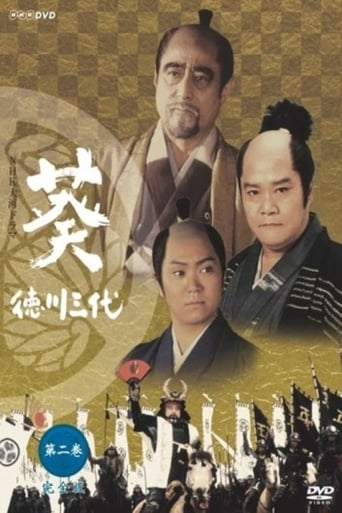
10.0The 39th NHK Taiga Drama is Aoi Tokugawa Sandai. It is James Miki's dynamic and colorful tale of three generations of the Tokugawa dynasty--from its founder Ieyasu to Iemitsu, the third Shogun who solidified the Tokugawa power base.
Aoi: Tokugawa Three Generations
2000
 9.0
9.0No synopsis available yet.
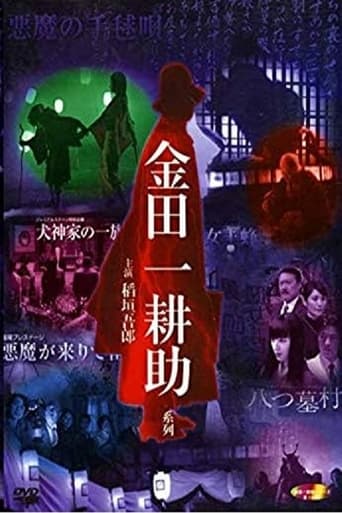
稲垣吾郎の金田一耕助シリーズ
2004
 NR
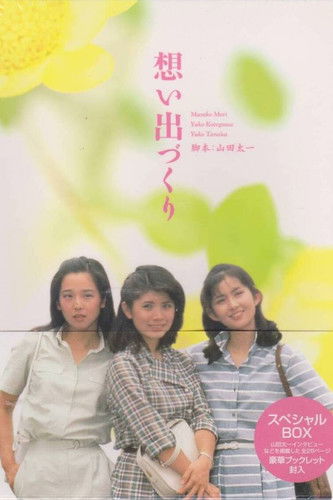
NRIn a red-light district, Nemoto Norio (Shibata Kyohei) is indiscriminately soliciting passersby. "Would you mind taking part in a survey? As a thank you, I'll give you a camera. Take this voucher and come to my office at Shinjuku West Exit later." "No way," replies Yoshikawa Kumiko (Furukawa Yuko). "That would be a problem," replies Saeki Nobuko (Mori Masako). "A camera?" asks Iketani Kaori (Tanaka Yuko), suspicious. The survey is about overseas travel. The three of them gather in a room in Shinjuku. This is how they get to know each other, and they gradually become good friends. Their desire is to find a youth they can be truly proud of. The drama depicts the daily lives of three women of the marriageable age who are desperately trying to make some memories before they get married.
Precious Moments
1981
 7.9
7.9The Water Margin is a Japanese television series based on Water Margin, one of the Four Great Classical Novels of Chinese literature. The novel details the trials and tribulations of 108 outlaws during the Song Dynasty. This adaptation follows Lin Chung and his clashes with the local government official Kao Chiu. The Water Margin is famous for its, sometimes obscure, but memorable philosophical quotes, such as "Do not despise the snake for having no horns,for who is to say it will not become a dragon?""
The Water Margin
1973
 NR
NR“Monday Drama Special” (Getsuyou Drama Special) is a long-running drama that aired on TBS every Monday from 21:00 to 22:54 (JST) from October 2, 1989 to March 19 , 2001 . program.
水曜ドラマスペシャル
1984
 NR
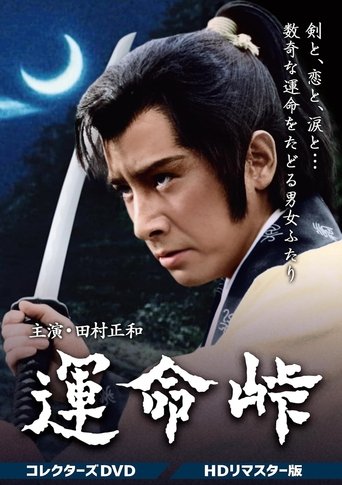
NRAkizuki Rokurōta was born as a child of Tokugawa Ieyasu, but since he is a twin with Tokugawa Iemitsu he is not allowed an official place within the Tokugawa family. Sent away as an adopted son, he continues his wandering journey. One day, he accidentally encounters Toyotomi Hideyori's son Toyotomi Hideya, his mother Katsura-no-miya Renko and their maidservant Sasaka, survivors of the Shogunate attack on Osaka Castle years before who are now fleeing from their refuge in Kyoto. The Tokugawa Shogunate and Yagyū clan are trying to capture or kill them, while on the other hand villains want to use them. Akizuki Rokurōta decides to protect them from both sides.
Fateful Mountain Pass
1974
 NR
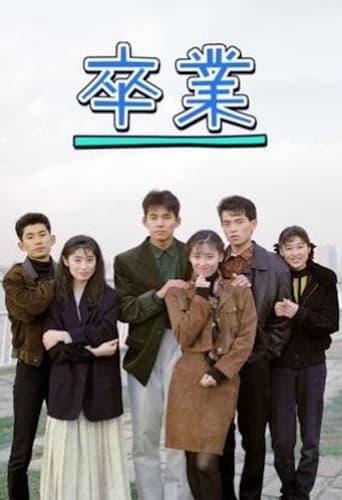
NRKinoshita Kaori (Nakayama Miho), a native of Nagano, was allowed to live alone in Tokyo for two years during her junior college years. Now, with employment still unsettled, her parents are pressuring her to return to Nagano. Her friend Noriko (Sendo Atsuko) had good grades in junior college and had received a job offer from a major company, but the offer was rescinded due to her living alone. Meanwhile, Tomoko (Kawai Michiko), who dreams of becoming a reporter while job hunting, is also struggling to balance her dreams and reality. One day, Kaori visits a small company with her resume in hand, where she meets the company president, Yoshizawa (Oda Yuji). Yoshizawa accepts Kaori without even a proper interview, and despite her misgivings about the company, she soon finds herself drawn to Yoshizawa.
Graduation
1990
 NR
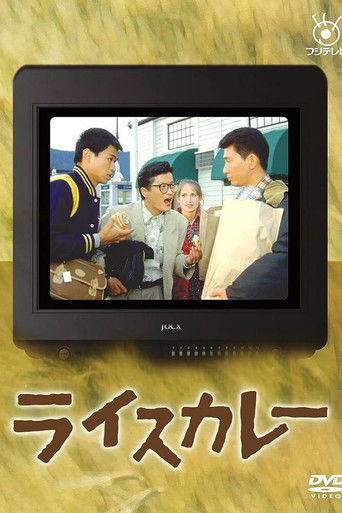
NRSet in the majestic Canadian wilderness, the drama depicts the adolescence and love of three young men who were on a high school baseball team together.
Rice Curry
1986
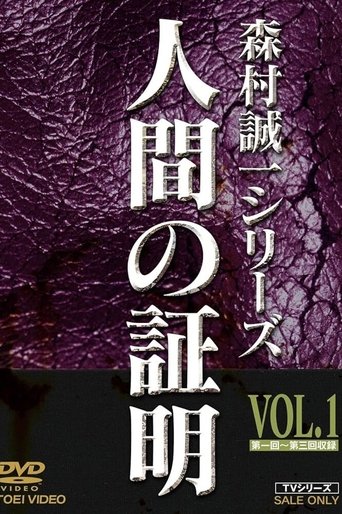 NR
NRTV series produced by MBS and TOEI, based on the best-selling novel of the same name by Seiichi Morimura.
Ningen no Shōmei
1978
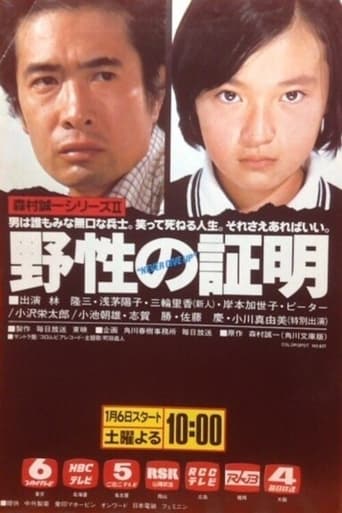 NR
NRA girl survives a massacre of villagers by Japanese soldiers in a remote mountain village, and a member of the Self-Defense Force who stumbled upon the scene of the massacre during training - this suspenseful drama depicts a huge conspiracy in the Tohoku region centered on these two people.
Yasei no Shōmei
1979
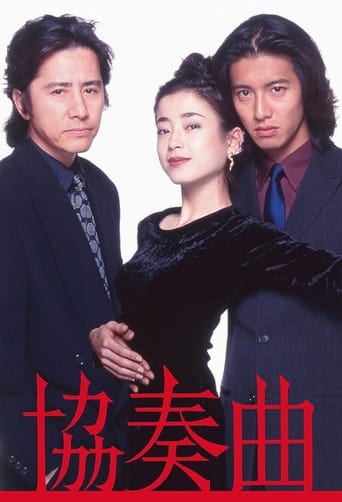 4.0
4.0Love and ambition collide when two brilliant architects compete for the same woman and the glory of success in their highly competitive field. Kakeru, a young dreamer just entering the professional world, starts out with the goal of building a magnificent church. The story unfolds when a world-famous architect, whom Kakeru idolizes but has never seen, collapses in front of him on the beach. The skillful portrayal of the intertwined loves and professional trials of these characters makes for a suspenseful and inspiring drama.
Concerto
1996
 NR
NRStarting out in Edo, as Kyoshiro travels west toward Kyoto, he encounters some of the most dangerous obstacles in his career. Signs that the Tokugawa shogunate was vulnerable began to appear during the reign of 12th Shogun Ieyoshi. The Satsuma and the 13 Western non-Tokugawa lords began to act in suspicious ways. Minister Takebe, under orders from shogunate councilor Mizuno, attempted to quash this unrest. Nemuri Kyoshiro, a loner headed west, unwittingly becomes involved in the struggle.
Nemuri Kyoshiro
1982
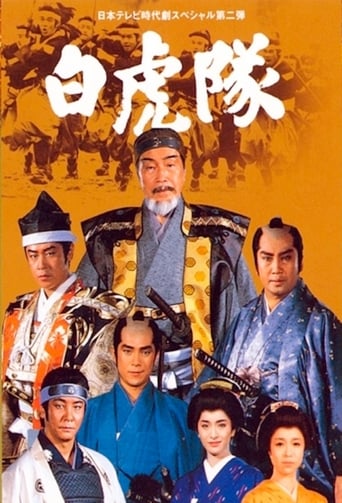 NR
NRByakkotai was part of Aizu's four-unit military, set up in the domain's drive to finalize its military modernization, in the wake of the Battle of Toba-Fushimi. The other three units were Genbutai, Seiryūtai, and Suzakutai. Each of the four was named after the protecting gods of compass directions. Byakkotai was meant to be a reserve unit, as it was composed of the young teenage 16 to 17 year old sons of Aizu samurai in a group around 350, who fought in the Boshin War (1868–1869)
Byakkotai
1986
 10.0
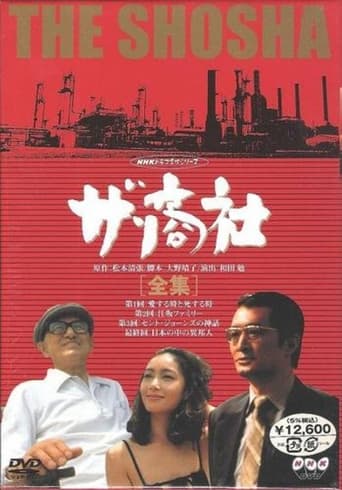
10.0An economic drama depicting the struggle and collapse of a Japanese general trading company. The US branch president of a trading company challenges Japan's internal power struggle and the North American oil market.
The Trading Company
1980
 NR
NRA unique drama that contrasts the lives of a family of elite salarymen in Tokyo and a family of landowners in Tokorozawa, Saitama, while exploring the timeless themes of drama such as human happiness, love and marriage in their everyday lives, told in a straightforward narrative style.
The Autumn in Tokyo
1985
 NR
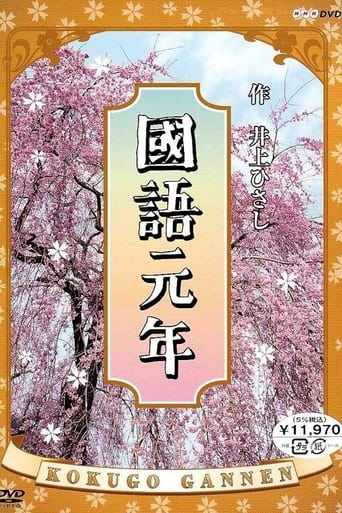
NRSet in 1874 at the residence of an official of the Ministry of Education of Japan who was ordered with establishing a common national spoken language, this humorous drama focuses on how the national language used today was created.
Kokugo Gannen
1985
 NR
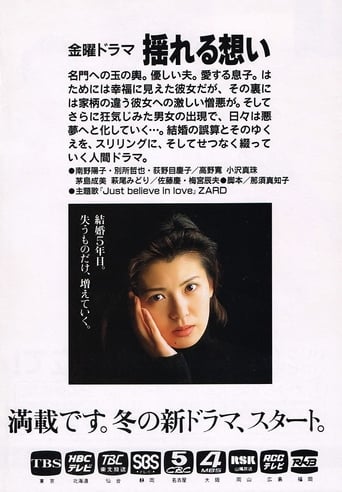
NRThe wife of a lawyer and her twice-divorced sister-in-law scheme to break up her brother's marriage in this hard-edged drama of misdirected passion. The quirky characters who fill out the cast include a youthful entrepreneur and the heroine's father, a police officer who would do anything to make his daughter happy.
Wave in Mind
1995
 8.0
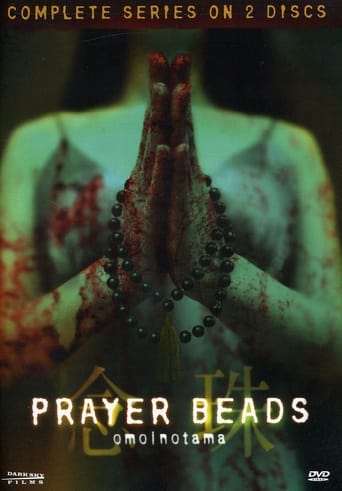
8.0Prayer Beads, also called "omoinotama" or "nunju" in Japanese, are the small wooden beads strung on a loop used in Buddhist worship. The number of beads is typically 108, corresponding to the 108 earthly desires or sins that the beads have the power to extinguish. "Prayer Beads" is a series of 9 episodes of 30-minute dramas strung together, with the characters in each episode designing one thread of fate. The short independent episodes are skillfully linked together to become one story. The protagonists' dreams and fears and feelings about this life are all taken up and spun around to reach a dramatic conclusion in the final story.
Prayer Beads
2004
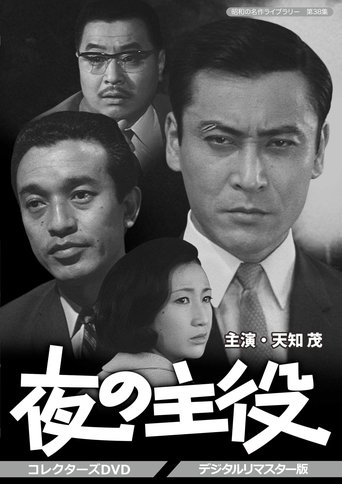 NR
NRNo synopsis available yet.
Star of the Night
1968
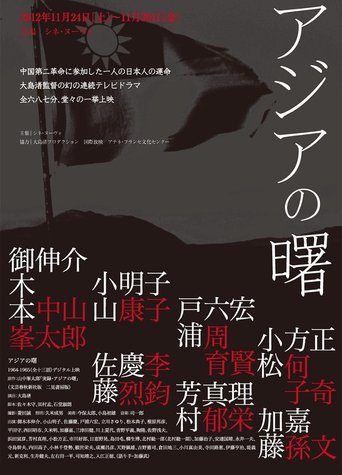 9.0
9.0A TV drama consisting of thirteen episodes about the trans-China/Japan collaboration of revolutionaries in the early twentieth century. It was Nagisa Oshima’s rare attempt to direct a TV drama in a social atmosphere in which Japan was embracing postwar prosperity as well as the effects of permeating mass media. Making an effort to reach out to the mass audience through a seemingly conventional method of filmic representation, Dawn of Asia takes up the epic of trans-Asiatic solidarity while challenging nationalism on both sides.
The Dawn of Asia
1964
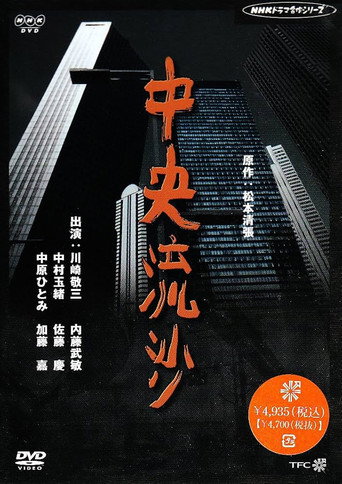 NR
NRNo synopsis available yet.
松本清張シリーズ・中央流沙
1975
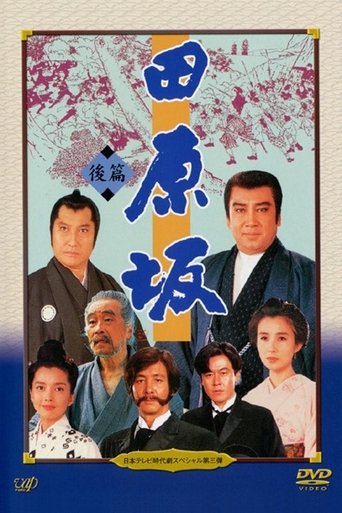 NR
NRKnown as the ”Last Samurai” Saigo Takamori was a stout giant of a man with a huge head and a neck like a bear. As the leader of Satsuma’s anti-Western faction, he was instumental in establishing the Sat-Cho Alliance dreamed of by Sakamoto Ryoma. After the fall of the Tokugawa, Saigo rose to major prominence before falling in disfavor. In 1876 Saigo Takamori resigned from his government post and went back to Kagoshima. He founded a local military school and dissatisfied samurai gathered around him in large numbers. In late 1876 it came to an open conflict when samurai rebels raided and occupied ammunition and weapon depots of the central government. The samurai rebels urged and proclaimed Saigo Takamori as their leader.
Tabaruzaka
1987
No synopsis available yet.
藤田宜永サスペンス「異端の夏」
2003