
Acting
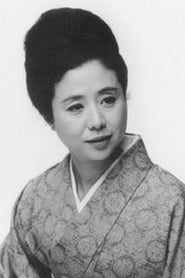
Nobuko Otowa
Born — Died
1925-10-01 — 1994-12-22
Place of birth
Yonago, Tottori Prefecture, Japan
Known for
Acting
Credits
69 titles
From Wikipedia, the free encyclopedia. Nobuko Otowa (1 October 1925 – 22 December 1994) was a Japanese film actress. She appeared in 134 films between 1950 and 1994. She was married to film director Kaneto Shindō. She posthumously won the award for best supporting actress at the 19th Japan Academy Prize for A Last Note, having been diagnosed with terminal liver cancer during its production. Description above from the Wikipedia article Nobuko Otowa, licensed under CC-BY-SA, full list of contributors on Wikipedia
Known for
 8.2
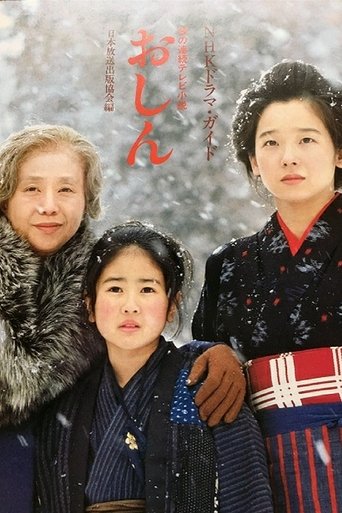
8.2Oshin is a Japanese serialized morning television drama, which aired on broadcaster NHK from April 4, 1983 to March 31, 1984. The series follows the life of Shin Tanokura during the Meiji period up to the early 1980s. Shin was called "Oshin", which is an archaic Japanese cognomen.
Oshin
1983
 NR
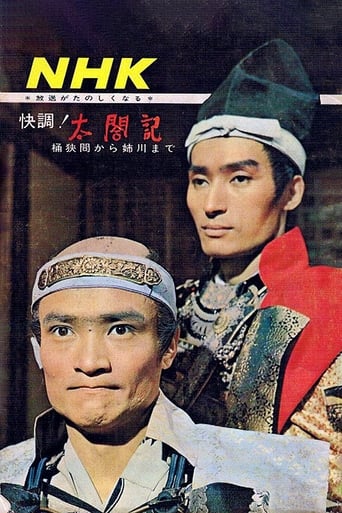
NRBased on the life of Hideyoshi Toyotomi (February 2, 1537 – September 18, 1598) a Sengoku period daimyo who unified Japan.
Taikouki
1965
 NR
NRNo synopsis available yet.
ありがとう
1970
 NR
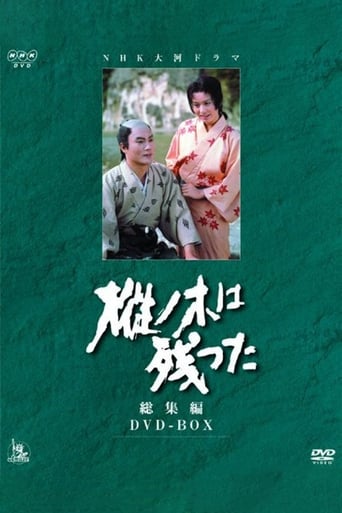
NRDepicting Date clan’s internal strife that occurred during a peaceful Edo period governed by the 4th Tokugawa shogun.
Mominoki wa Nokotta
1970
 7.4
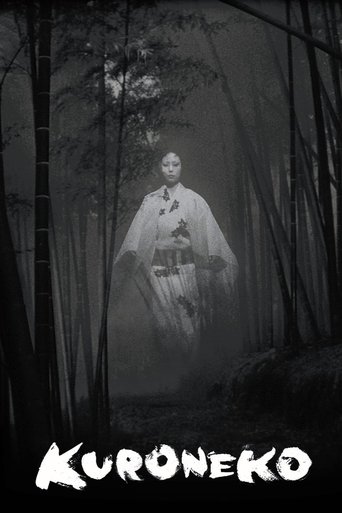
7.4In the Sengoku period, a woman and her daughter are raped and murdered by soldiers during a time of civil war. Afterwards, a series of samurai returning from the war through that area are found mysteriously dead with their throats torn out. The governor calls in a wild and fierce young hero to quell what is evidently an Onryō ghost.
Kuroneko
1968
 7.7
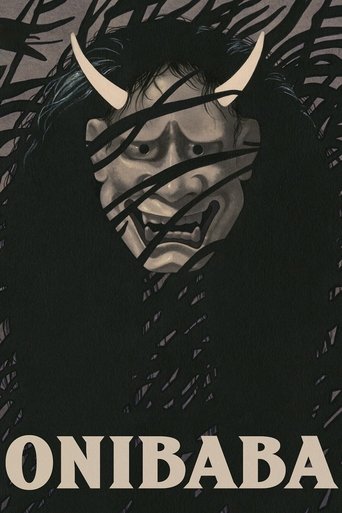
7.7While her son, Kichi, is away at war, a woman and her daughter-in-law survive by killing samurai who stray into their swamp, then selling whatever valuables they find. Both are devastated when they learn that Kichi has died, but his wife soon begins an affair with a neighbor who survived the war, Hachi. The mother disapproves and, when she can't steal Hachi for herself, tries to scare her daughter-in-law with a mysterious mask from a dead samurai.
Onibaba
1964
Film credits
1990s · 2 titles
 7.2
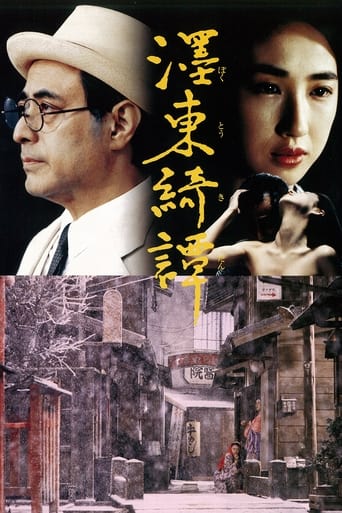
7.2A story of Japanese writer Kafu Nagai (1879-1959), a man about sixty with a huge reputation of seducer who falls madly in love for a young geisha named Oyuki. Meticulous and smartly dressed, Nagai patiently wrote in his diary his thoughts during many years. A melancholy reflection on the passage of time and a brilliant interpretive exercise.
The Strange Tale of Oyuki
1992
 7.1
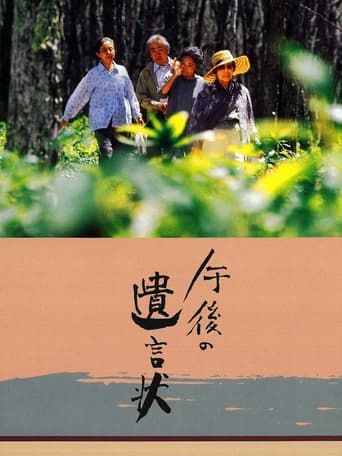
7.1A retired actress whose husband has recently died visits her summer home. There she has encounters with old friends and acquaintances who bring various stories and news of death and the past
A Last Note
1995
1980s · 10 titles
 5.9
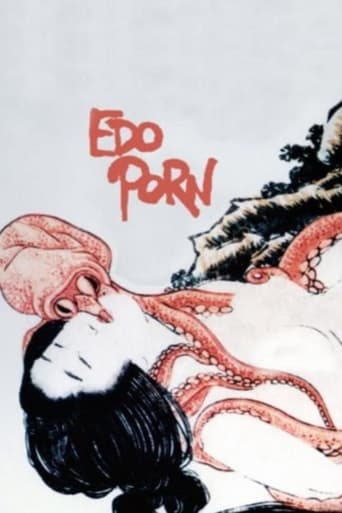
5.9The world-famous woodblock artist Hokusai (1760-1849), a widower in need of a steady income, lives with his daughter Oei in the house of his friend Bakin.
Edo Porn
1981
 6.6
6.6Ten years before the outbreak of the Second World War in Asia, a Japanese Go master and his Chinese rival meet in China to play a game of Go (loosely described as an Asian version of chess). It soon becomes evident that the Chinese master's son is the most talented player that the Japanese master has ever encountered, and he convinces the boy's father to let him bring the child back to Japan to train him as a professional Go player. Years pass, and as the young Chinese master grows to maturity in Japan, the Japanese invasion of China forces him to choose between his triumphant career and his loyalty to his native country. His decision is complicated by his marriage to the daughter of the Japanese master, with whom he has produced a child. His choice will profoundly alter the lives of two families. Their saga serves as a reflection of the tragic relations between their two great countries, and the possibility of reconciliation and healing.
The Go Masters
1982
 5.8
5.8The classic tale of the shogun's illegitimate son Aoi Shingo is told in three parts as he strives to become the greatest fencer in Japan, while his father Shogun Tokugawa Yoshimune seeks to reunite with his lost son. Part 1 sets up the story and introduces the characters. When the secrets of Shingo's birth are revealed to him, it sets off a series of events that bring him to cross swords with members of the shogun's inner circle.
Ten Duels of Young Shingo: Chapter 1
1981
 8.0
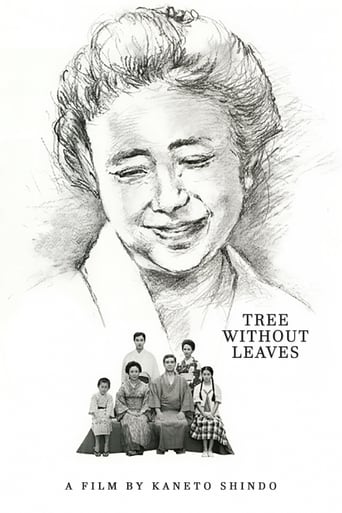
8.0Haru, an aging scriptwriter, has isolated himself somewhere in the woods of Nagano to work on his first novel. As the last surviving member of his kin, he intends to chronicle the family he grew up in.
Tree Without Leaves
1986
 6.5
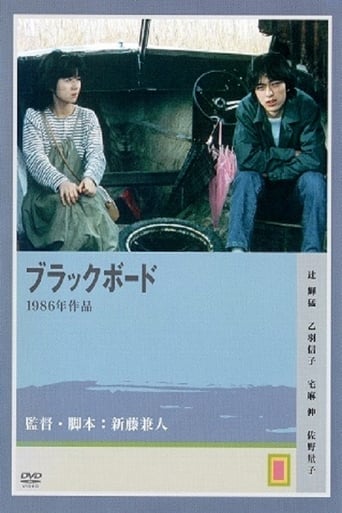
6.5Takeshi Yasui, a junior high school student is found dead in a river. The police investigate it as a murder related to bullying. The dead boy turns out to have been murdered by two of his schoolmates, who he had been bullying.
Black Board
1986
 6.4
6.4A Japanese teenager travels to New Caledonia in search of the fabled "island closest to heaven" that her late father had told her about.
The Island Closest to Heaven
1984
 7.6
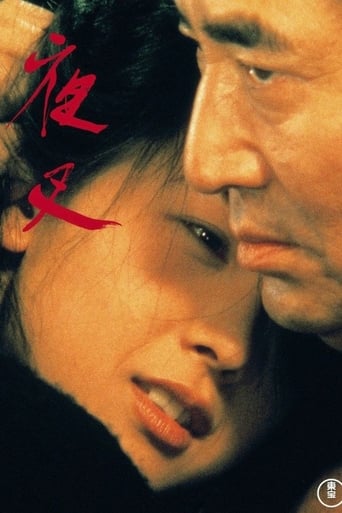
7.6Shuji was once a feared member of the Yakuza crime syndicate, but he's reformed his ways, abandoned his old life and left the city for a small coastal fishing town where he's become an honest fisherman.
Demon
1985
 8.5
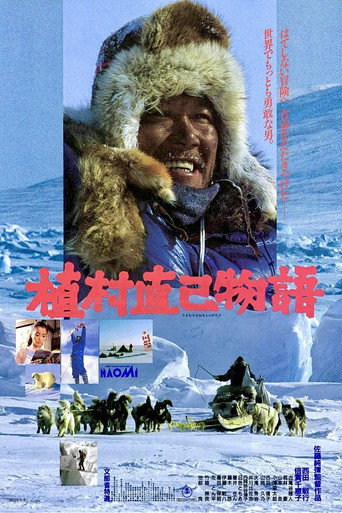
8.5The life and travels of adventurer Naomi Uemura, who disappeared in Alaska in 1984. A member of the first Japanese expedition to reach the summit of Mt Everest in 1970, Uemura also accomplished several "firsts". He was the first man to reach the North Pole solo, climb Denali solo, and float down the Amazon river solo. In the film, Uemura returns to Tokyo after a stint in Siorapaluk in Northern Greenland. In Tokyo, he reconnects with an old friend and, over coffee, shares his life story - from his days as a college dropout to his successful expedition to the top of Everest.
Lost in the Wilderness
1986
 10.0
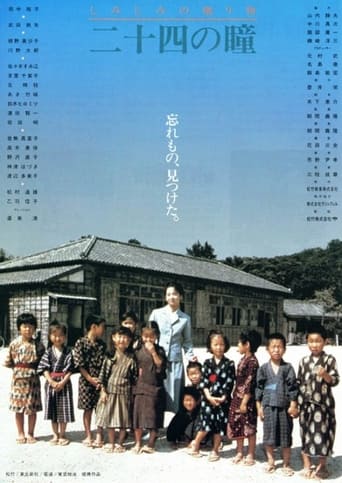
10.0The story of a teacher who comes to a village on the Inland Sea and the relationship that develops between her and her 12 pupils.
Children on the Island
1987
 10.0
10.0Brings Shingo face to face against Yagyu Tajima, the Shogun’s fencing instructor in a match that could save a domain near Osaka. Meanwhile Shogun Yoshimune must face a painful decision whether or not he can finally see his son for the first time.
Ten Duels of Young Shingo: Chapter 2
1982
1970s · 11 titles
 6.8
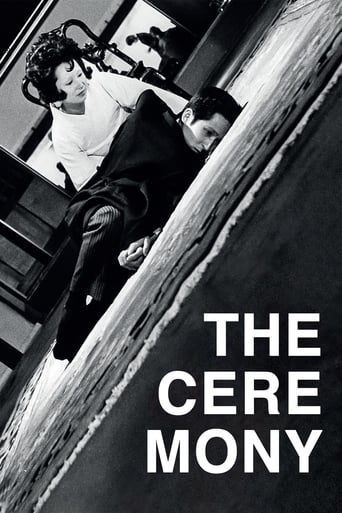
6.8Oshima’s magisterial epic, centering on the ambivalent surviving heir of the Sakurada clan, uses ritual and the microcosm of the traditional family to trace the rise and fall of militaristic Japan across several decades.
The Ceremony
1971
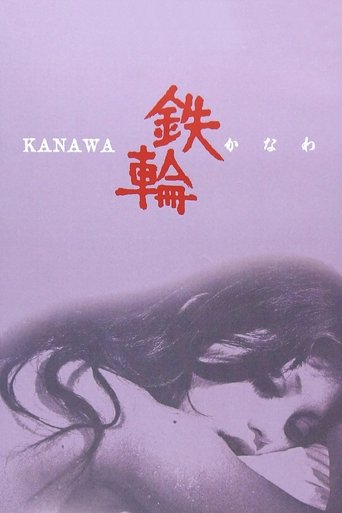 6.0
6.0A woman takes revenge on her husband after he leaves her for a younger woman by harassing the couple with unwanted phone calls at night.
Kanawa
1972
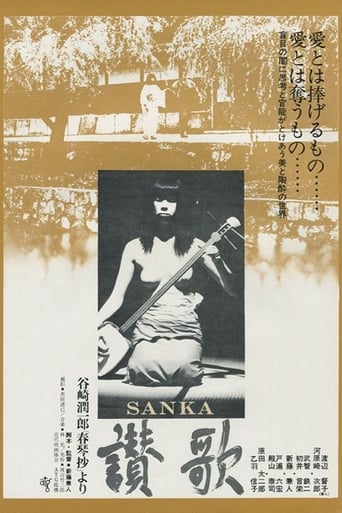 6.6
6.6The story tells of the adoration of Sasuke for his mistress, the blind samisen-teacher Shunkin, who treats him imperiously and subjects him to cruel beatings.
Hymn
1972
 8.2
8.2After over 50 years of wandering up and down Japan, finally in the 1970s, the rough-hewn blind shamisen player and folk-song collector named Takahashi Chikuzan became a musical sensation. This biographical drama chronicles his wanderings and his life, with a particular focus on his humble beginnings as a peasant on a remote and arid island.
The Life of Chikuzan
1977
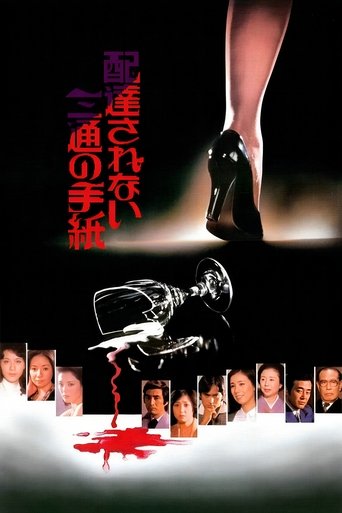 6.0
6.0A young Japanese-American man arrives at his grandmother's old hometown in Yamaguchi, begins to stay at her family's elite but dysfunctional household, and gets entangled in a sinister plot of murder.
The Three Undelivered Letters
1979
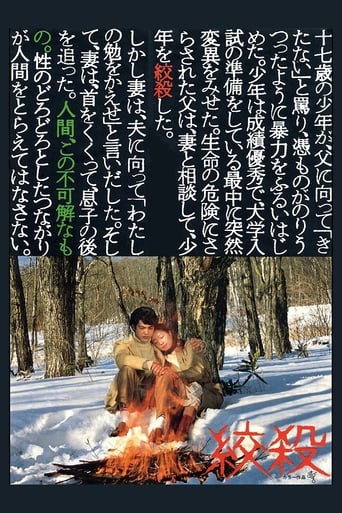 4.8
4.8The men who surround and torment the young protagonist (demanding teacher, owner of the company that rapes his own daughter, despotic and uncompromising father) are opposed to women (victims of men) as embodiment of salvation.
The Strangling
1979
 6.0
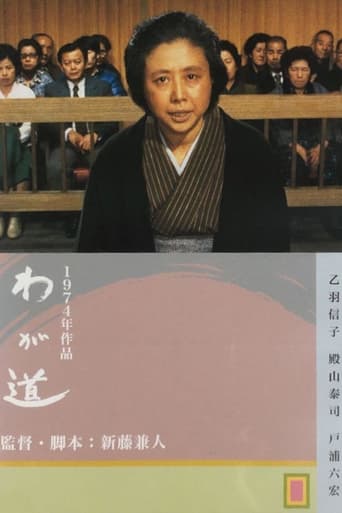
6.0Based on a true story, an elderly woman resiliently spends nine months attempting to retrieve her husband's dead body, fighting government bureaucracy and indifference all along the way.
My Way
1974
 7.2
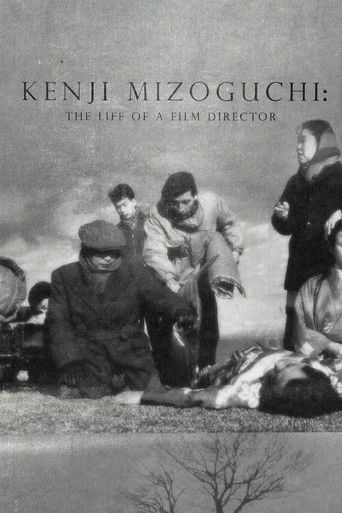
7.2In 39 interviews with actors and actresses, writers, producers and staff members, interspersed with film excerpts and stills, Shindō recounts the life and career of his friend and mentor Mizoguchi.
Kenji Mizoguchi: The Life of a Film Director
1975
 7.2
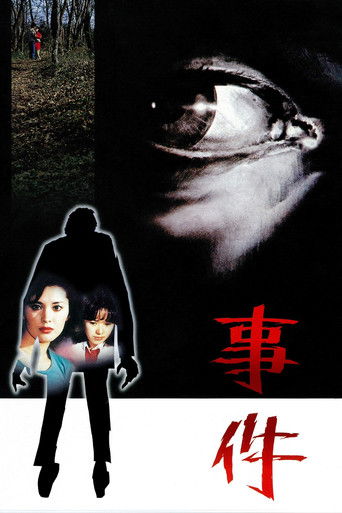
7.2The body of Sakai Hatsuko, a woman of 23 who has been slain with a knife, has been found in a forest. Some days later, Ueda Hiroshi, a 19-year-old shipyard worker, is arrested and charged with the murder. At Ueda's trial, a complex story unfolds.
The Incident
1978
 8.2
8.2The relationship between a rich young student and his lower class friend changes when they start to live both at a guest house. Both will be attracted towards Iko, the beautiful daughter of their landlady.
The Heart
1973
 7.5
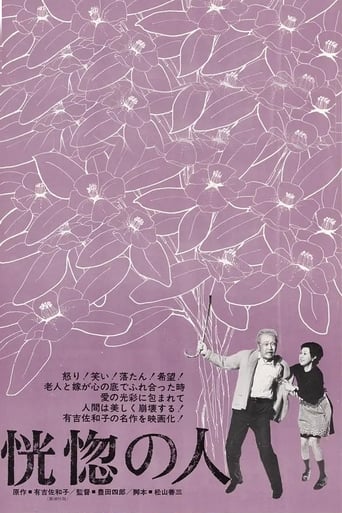
7.5A woman looks after her father in law.
The Twilight Years
1973
1960s · 21 titles
7.4In the Sengoku period, a woman and her daughter are raped and murdered by soldiers during a time of civil war. Afterwards, a series of samurai returning from the war through that area are found mysteriously dead with their throats torn out. The governor calls in a wild and fierce young hero to quell what is evidently an Onryō ghost.
Kuroneko
1968
7.7While her son, Kichi, is away at war, a woman and her daughter-in-law survive by killing samurai who stray into their swamp, then selling whatever valuables they find. Both are devastated when they learn that Kichi has died, but his wife soon begins an affair with a neighbor who survived the war, Hachi. The mother disapproves and, when she can't steal Hachi for herself, tries to scare her daughter-in-law with a mysterious mask from a dead samurai.
Onibaba
1964
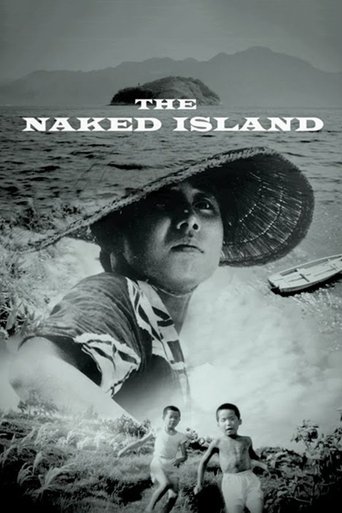 8.0
8.0A family of four are the sole inhabitants of a small island, where they struggle each day to irrigate their crops.
The Naked Island
1960
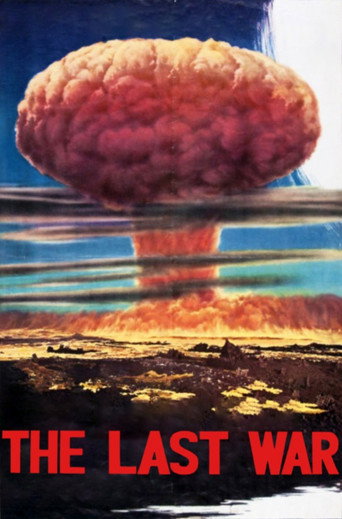 6.8
6.8A Japanese family is torn apart by the tensions of an avoidable nuclear world war between the superpowers.
The Last War
1961
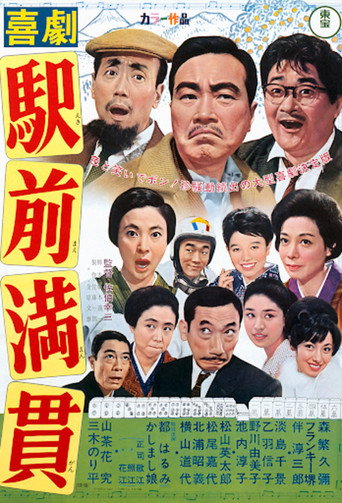 NR
NRThe 18th "Ekimae" feature.
Mahjong Madness
1967
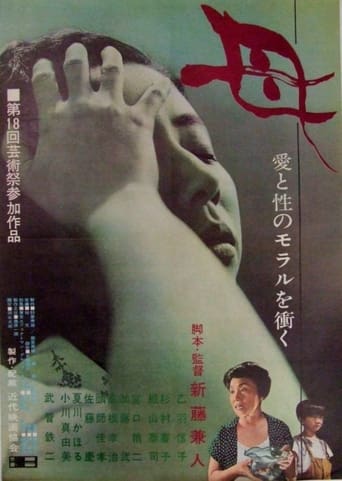 6.8
6.8A divorced woman enters a marriage arranged by her mother in exchange for money to save the life of her seriously ill son.
Mother
1963
 8.0
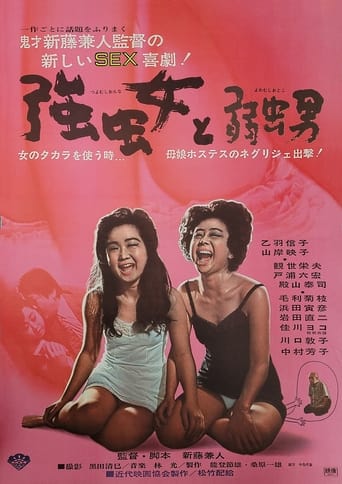
8.0After the closure of a coal mine leaves her husband unemployed, Fumiko travels from Kyushu to Kyoto with her daughter Kimiko, and they become hostesses at a cabaret.
Strong Women, Weak Men
1968
 NR
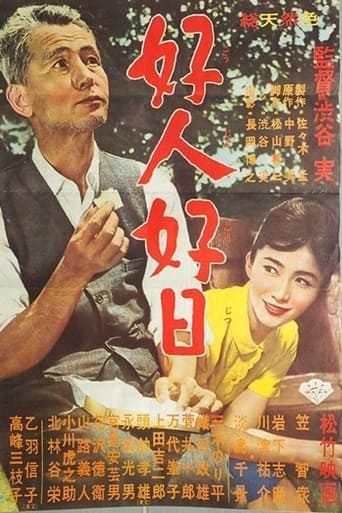
NRThe university professor Ozeki Hitoshi (Ryu Chishu) is regarded as an eccentric by people in his surroundings. When his daughter Tokiko is asked to marry a colleague, she and her mother are overjoyed, but Hitoshi is not satisfied with the situation.
A Good Man, A Good Day
1961
 7.0
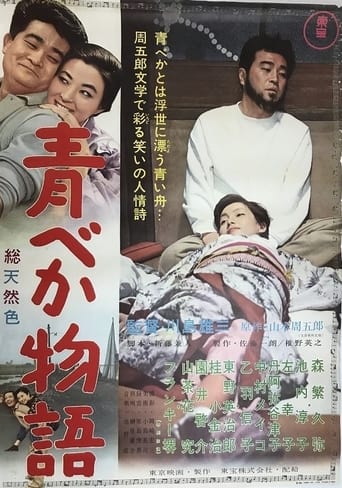
7.0No synopsis available yet.
This Madding Crowd
1962
 7.2
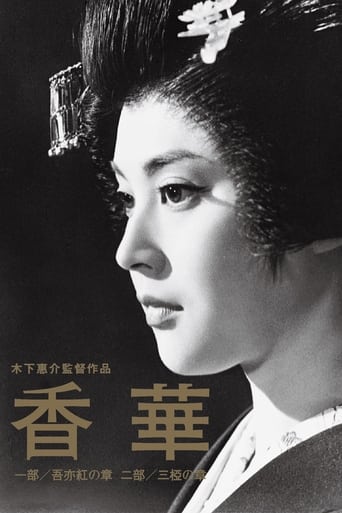
7.2After her mother runs away from home, Tomoko is raised to be a geisha. One day Tomoko meets her mother in a red-light district in Tokyo and her life deeply gets in trouble.
The Scent of Incense
1964
 9.0
9.0One day a company executive learns that his younger brother, whom he recommended, embezzled company funds. To save the situation he withdraws his life savings and gives money to his younger brother. He then suddenly disappears…
The Radish and the Carrot
1965
 6.5
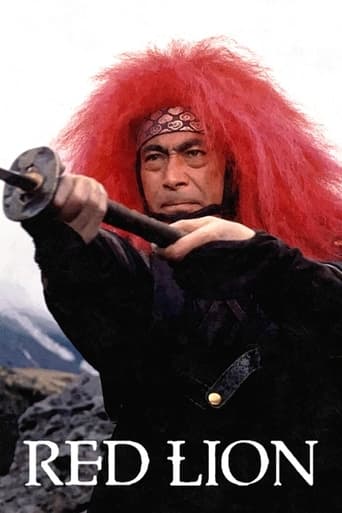
6.5Japan, February 1868. As the Tokugawa shogunate declines and the power of Emperor Meiji grows, Gonzo, a soldier of the Restoration Army, returns to Sawando, his hometown, to announce the end of tyranny.
Red Lion
1969
 NR
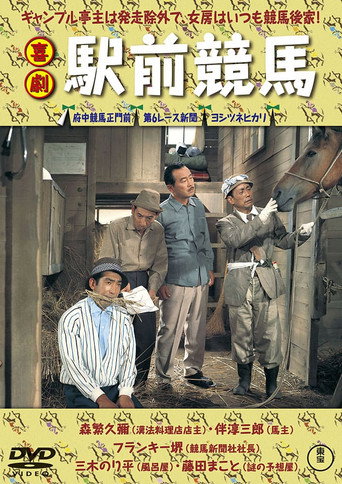
NRThe 17th "Ekimae" feature.
How to Win a Race
1966
 8.5
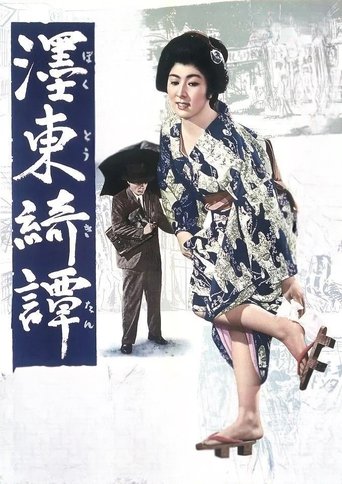
8.5In this Japanese drama, a village girl goes to Tokyo and becomes a sex worker to support her ailing mother. While there she meets a teacher and falls in love.
The Twilight Story
1960
 7.5
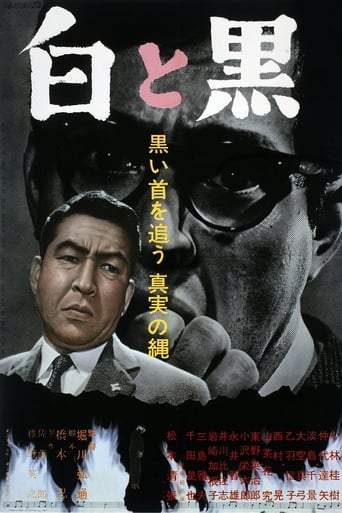
7.5A seasoned prosecutor uncovers the perfect crime committed by a young lawyer.
Pressure of Guilt
1963
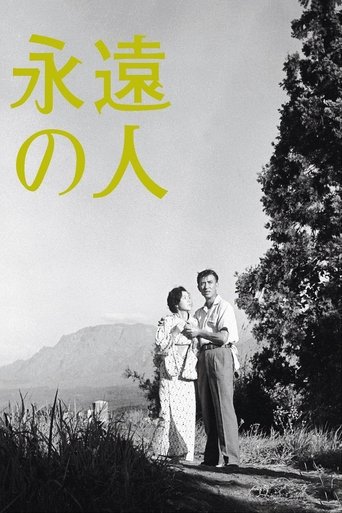 7.4
7.4A young woman is forced by circumstance into a loveless marriage while still in love with another. This episodic tale follows their story through three decades of bitter conflict which engulfs their children and those around them.
Immortal Love
1961
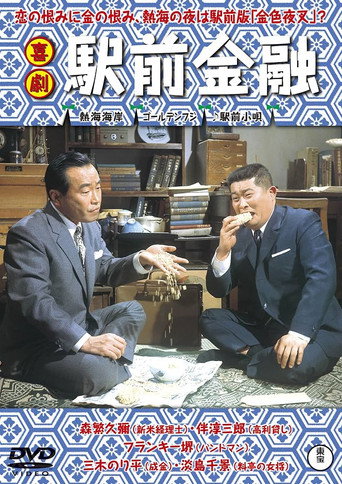 NR
NRThe 12th "Ekimae" feature.
Finances in Front of the Train Station
1965
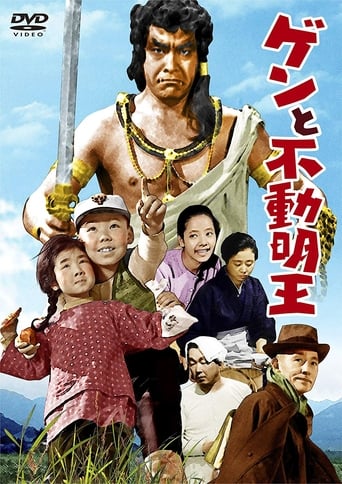 9.0
9.0Gen is a lonely orphan boy. His sole sense of companionship comes from an imaginary friend, the god Prince Fudo-Myo. Prince Fudo-Myo comes to the boy's rescue in times of difficulty.
The Youth and His Amulet
1961
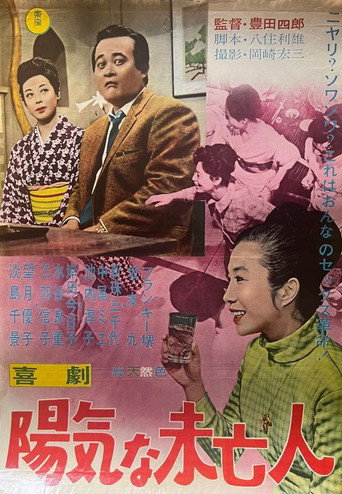 NR
NRNo synopsis available yet.
Comedy: Cheerful Widow
1964
 7.0
7.0A single mother from the country raising a 6th grade boy comes to Tokyo, leaves the boy to live with his uncle's family, runs a struggling grocery store, and works a local inn. The boy befriends a girl, the daughter of the innkeeper.
The Approach of Autumn
1960
 10.0
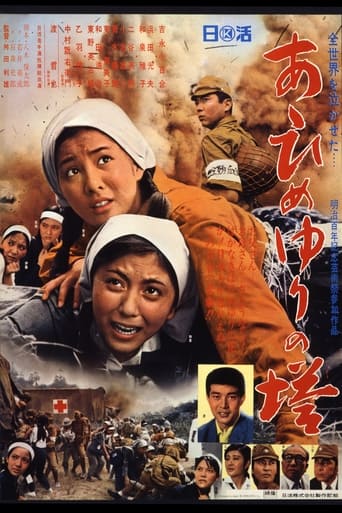
10.0In 1943, critical developments in the Pacific War have placed Japan at a disadvantage, although the fiery breaths of war hadn't yet reached Okinawa Normal School for women. Nothing seemed the least bit out of the ordinary, as Kazuko and her friends enjoyed a day of sports. A year later the war takes a devastating turn, as US forces plan an amphibious attack known as "Operation Iceberg" on the Ryukyu island.
Monument to the Girl's Corps
1968
1950s · 16 titles
 7.2
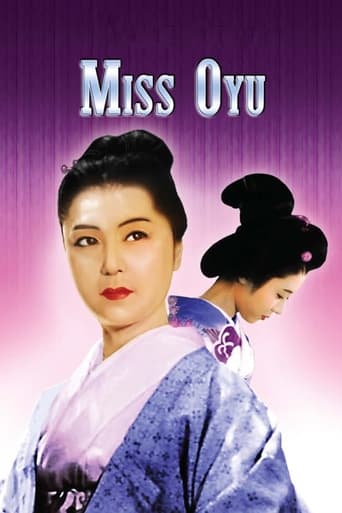
7.2Shinnosuke is introduced to Shizu as a prospective marriage partner, but he falls in love with her widowed sister Oyu. Convention forbids Oyu to marry because she has to raise her son as the head of her husband's family. Oyu convinces Shinnosuke and Shizu to marry so that she can remain close to Shinnosuke.
Miss Oyu
1951
 5.5
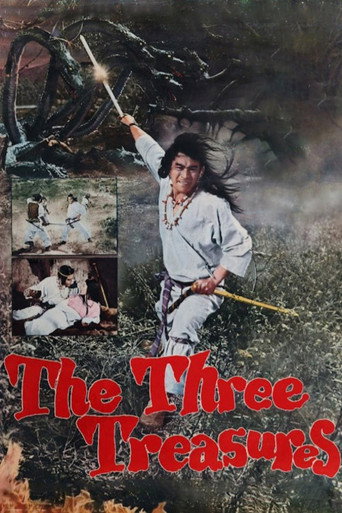
5.5The legend of the birth of Shintoism. In Fourth Century Japan, the Emperor's son Ouso expects to succeed his father on the throne, but Otomo, the Emperor's vassal, prefers Ouso's stepbrother, and conspires to have Ouso die on a dangerous mission he has contrived. But Ouso prevails in the mission and returns to his father's castle under a new name, Prince Yamato Takeru. Otomo plots to have the Prince sent into even greater danger, but Otomo is unaware that the gods have favored the Prince and the outcome is far from what any of them expected.
The Three Treasures
1959
 9.0
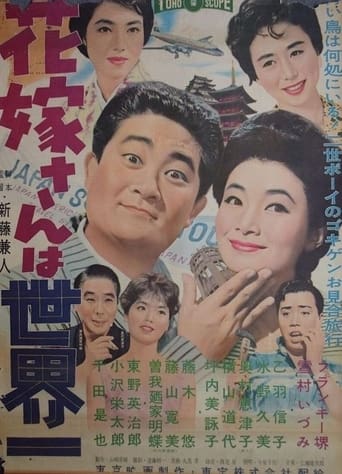
9.0A young Japanese-American comes from California looking for a bride, going on blind dates with three candidates from Osaka, Hiroshima and Nagoya.
The Bride from Japan
1959
 NR
NRNo synopsis available yet.
The Bell of Love
1959
 6.6
6.6A jewelry store president begins to fall for the doctor treating her husband's illness.
Wedding Ring
1950
 6.0
6.0Genji, the illegitimate offspring of a Japanese potentate, goes by the philosophy of "love 'em and leave 'em" as a matter of course. Only when his heart is broken by Awaji does Genji realizes how much pain he himself has caused.
The Tale of Genji
1951
 7.1
7.1Shows the devastation caused by the atomic bomb, and by use of a fictional storyline, portrays the struggle of the ordinary Japanese people in dealing with the aftermath.
Children of Hiroshima
1952
 10.0
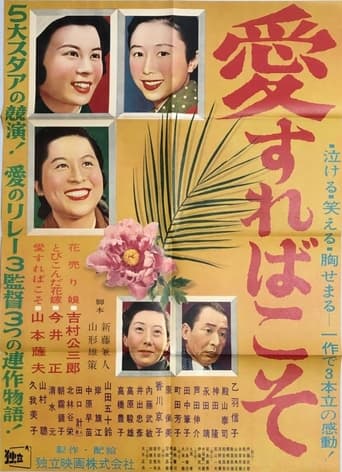
10.0The film consists of three short stories. Tomiko, the heroine of the first story, "The Flower Girl" (dir. Kozaburo Yoshimura), is a little girl who bears the unbearable burden of caring for her family. Tomiko's father has been unable to find work for a long time, and her older sister is terminally ill—it is unlikely that she will ever recover. To feed her family, Tomiko runs around the city from morning until late at night selling flowers... The second novella (dir. Tadashi Imai) also depicts the lives of the poor. An unfamiliar girl brings young Kavano a letter from his mother. It turns out that the girl's name is Kuniko, she is very hardworking, but her family is dying of hunger. Therefore, her mother decided to send Kuniko to her son so that he would marry her. The short story is called "The Unexpected Bride." The third short story, which gave the film its title, is particularly interesting: "When You Love" (dir. Satsuo Yamamoto). It shows the family of a young peace activist.
If Indeed One Loves
1955
 9.0
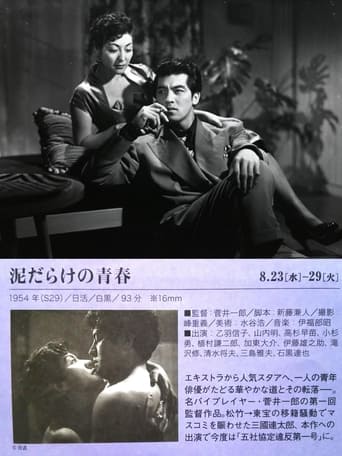
9.0Shigeki Kachi, Tosuke Satomura, and Nanako, who belong to the theater company Vuanbert around Dosa, withdrew at the indignation of the chairman Hayashi and seeked their own careers in the film industry.
Turbid Youth
1954
 9.0
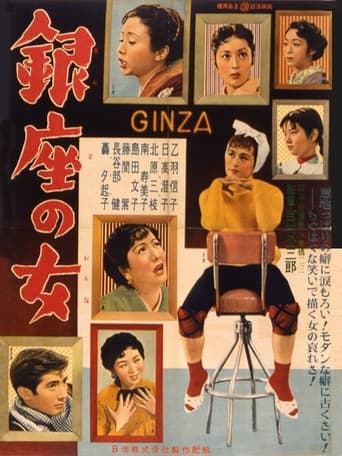
9.0At Shizumoto, a geisha shop not far from Ginza, a group of geisha are going about their day, putting up a modest resistance to the tragedies of life. The proprietress, Ikuyo, is a ridiculously good-natured woman who gives money to a poor but brilliant young man, Eisaku Yanoguchi, to attend college on the condition that he will take care of her in the future.
Women of Ginza
1955
 6.9
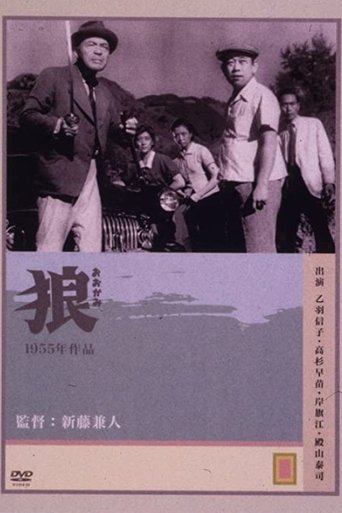
6.9A group of five rookie insurance salespersons, driven to desperation by the impossibility of their work in Japan's failing postwar economy, form a plan to rob a cash delivery truck in order to provide for their families.
The Wolves
1955
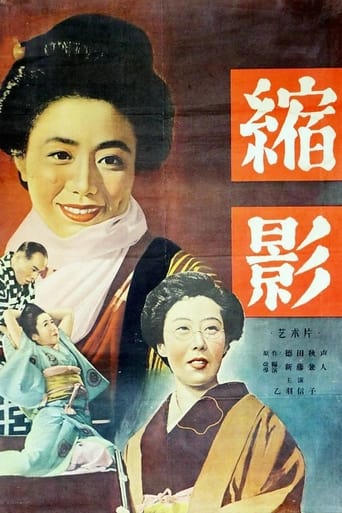 7.8
7.8Ginko, a poor cobbler's daughter, becomes a geisha to support her family. She passes from one geisha house to the next, trying to find love and hope in the process. No matter how hard she tries, she just can't escape her sad fate.
Miniature
1953
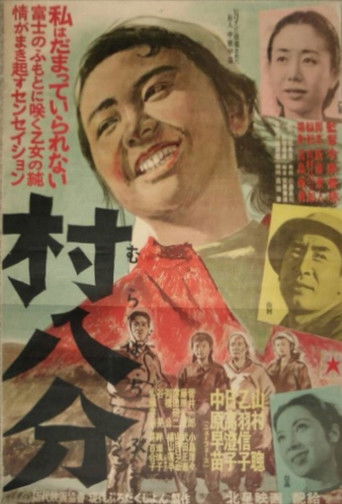 NR
NRA villager's family is ostracized after he makes an accusation of rigged elections
Murahachibu
1953
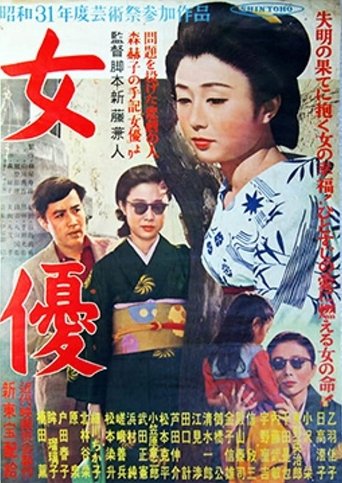 8.0
8.0Based on Kakuko Mori's autobiography, about her life and retirement from acting due to her increasing blindness.
Actress
1956
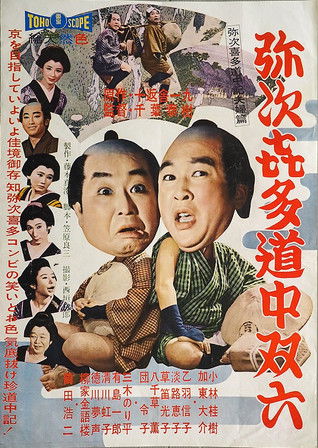 8.0
8.01958 Japanese movie
Yajikita dōchū sugoroku
1958
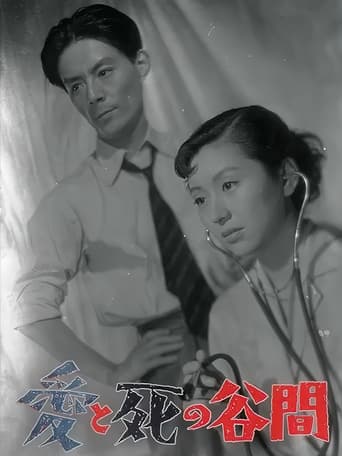 8.0
8.0A great ambition to portray with sharp satire and humor the course of modern anxiety and love that is about to be driven to despair.
The Valley Between Love and Death
1954
Series credits
8.2Oshin is a Japanese serialized morning television drama, which aired on broadcaster NHK from April 4, 1983 to March 31, 1984. The series follows the life of Shin Tanokura during the Meiji period up to the early 1980s. Shin was called "Oshin", which is an archaic Japanese cognomen.
Oshin
1983
NRBased on the life of Hideyoshi Toyotomi (February 2, 1537 – September 18, 1598) a Sengoku period daimyo who unified Japan.
Taikouki
1965
NRNo synopsis available yet.
ありがとう
1970
NRDepicting Date clan’s internal strife that occurred during a peaceful Edo period governed by the 4th Tokugawa shogun.
Mominoki wa Nokotta
1970
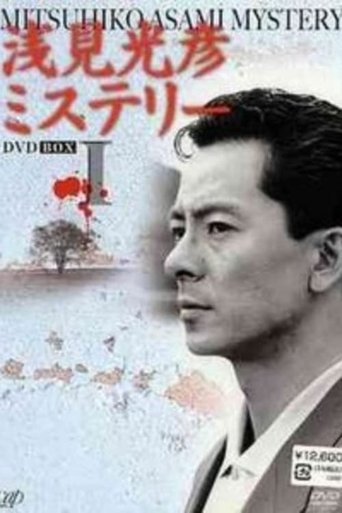 NR
NRCrime mysteries from 1987 to 1990 based on Yasuo Uchida's novels starring Yutaka Mizutani.
Asami Mitsuhiko Mysteries
1987
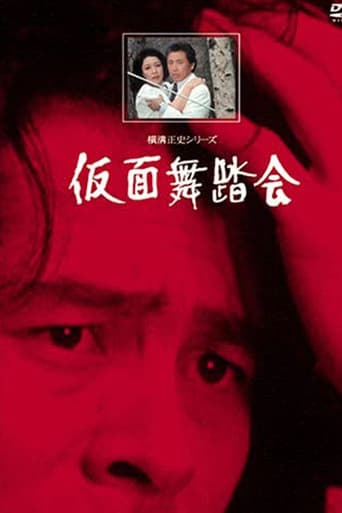 NR
NRKindaichi becomes involved in the case of an actress whose husbands keep dying mysteriously — and her new fiancé has just received a threatening letter.
Seishi Yokomizo Series II Masquerada
1978
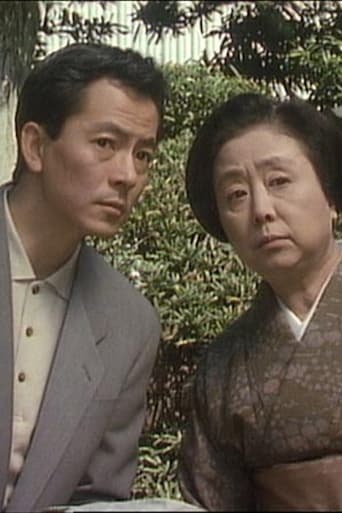 NR
NRNo synopsis available yet.
朝比奈周平ミステリー
1991
No synopsis available yet.
女の夏
1975
No synopsis available yet.
地唄
1984