
Directing
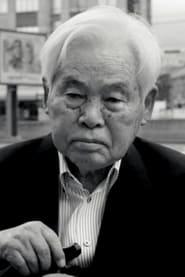
Kaneto Shindō
Born — Died
1912-04-22 — 2012-05-29
Place of birth
Hiroshima, Japan
Known for
Directing
Credits
48 titles
Kaneto Shindo (新藤 兼人, Shindō Kaneto, April 22, 1912 – May 29, 2012) was a Japanese film director, screenwriter, film producer, and author. He was married to actress Nobuko Otowa (1925–1994), who appeared in several of his films. He directed 48 films and wrote scripts for 238. His best known films as a director include Children of Hiroshima, The Naked Island, Onibaba, Kuroneko and A Last Note. His scripts were filmed by such directors as Kon Ichikawa, Keisuke Kinoshita, Fumio Kamei and Tadashi Imai. He won the 1996 Japan Academy Prize for Director of the Year for A Last Note. Shindo was born in Hiroshima Prefecture, and he made several films about Hiroshima and the atomic bomb. Like his earl…
Known for
 7.8
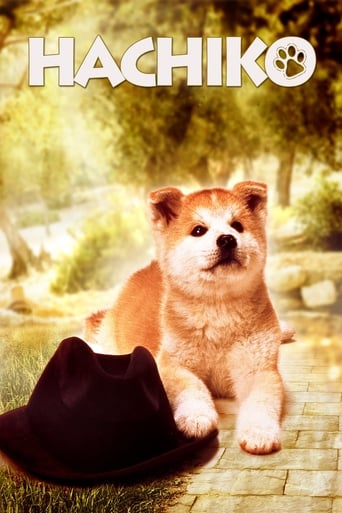
7.8The tragic, true story about Hachikō, an Akita dog who was loyal to his master, Professor Ueno, even after Ueno's death.
Hachiko
1987
 7.6
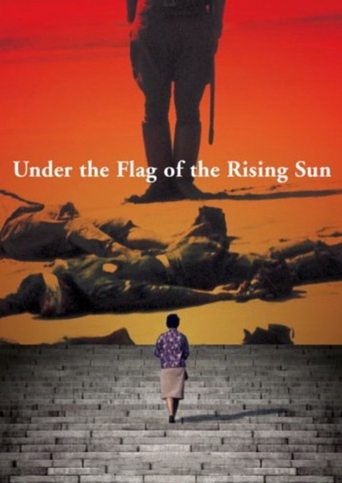
7.6A war widow determined to clear the name of her disgraced husband, who was court-martialed for desertion and executed. Official records have been destroyed, and the ministry that distributes benefits continues to deny her a pension. Twenty-six years after the war, she seeks out four survivors of her husband's garrison. Each tells a dramatically different story about her husband's conduct, but she is determined to learn the truth.
Under the Flag of the Rising Sun
1972
 7.7
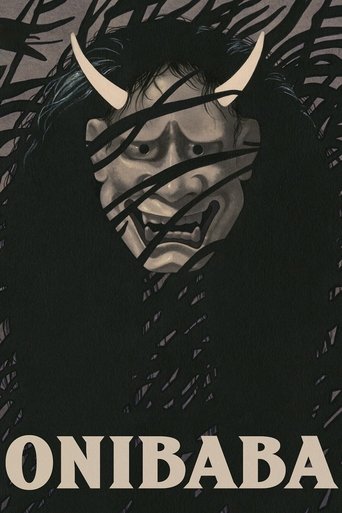
7.7While her son, Kichi, is away at war, a woman and her daughter-in-law survive by killing samurai who stray into their swamp, then selling whatever valuables they find. Both are devastated when they learn that Kichi has died, but his wife soon begins an affair with a neighbor who survived the war, Hachi. The mother disapproves and, when she can't steal Hachi for herself, tries to scare her daughter-in-law with a mysterious mask from a dead samurai.
Onibaba
1964
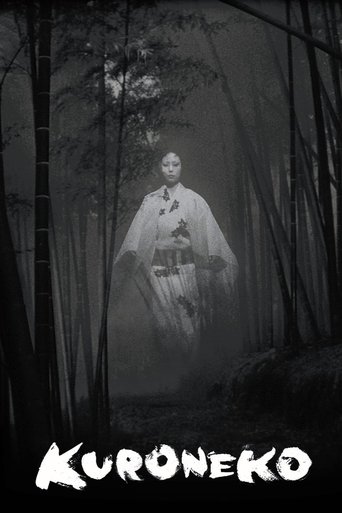 7.4
7.4In the Sengoku period, a woman and her daughter are raped and murdered by soldiers during a time of civil war. Afterwards, a series of samurai returning from the war through that area are found mysteriously dead with their throats torn out. The governor calls in a wild and fierce young hero to quell what is evidently an Onryō ghost.
Kuroneko
1968
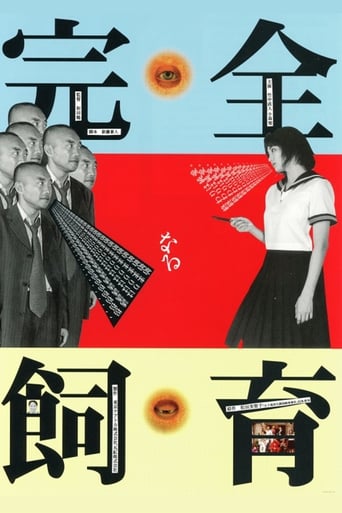 5.4
5.4Schoolgirl Kuniko is kidnapped by a middle-aged man Iwazono when she is jogging. He tells her that he had a failed marriage which leaves him a deep and everlasting scar in his mind. He kidnaps her in search of a perfect marriage and intends to lock her in the room and 'educate' her to perform perfect sex where body and soul are united.
The Perfect Education
1999
 5.9
5.9The world-famous woodblock artist Hokusai (1760-1849), a widower in need of a steady income, lives with his daughter Oei in the house of his friend Bakin.
Edo Porn
1981
Film credits
2010s · 1 titles

2000s · 3 titles
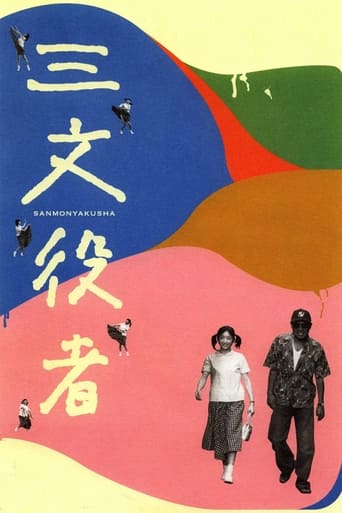 8.5
8.5The film is a series of vignettes from Taiji Tonoyama's life and film clips, interspersed with a dialogue to camera by Nobuko Otowa, addressing the camera as if she is addressing Tonoyama himself, recollecting events in his life. The film focuses on Tonoyama's alcohol dependence and his various sexual relationships, as well as his film work with Shindo.
By Player
2000
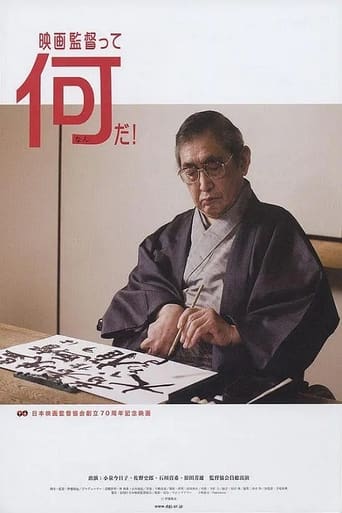 NR
NRWorks commemorating the 70th anniversary of the founding of Japan mapping Supervision Association
What's a Director?
2006
 5.3
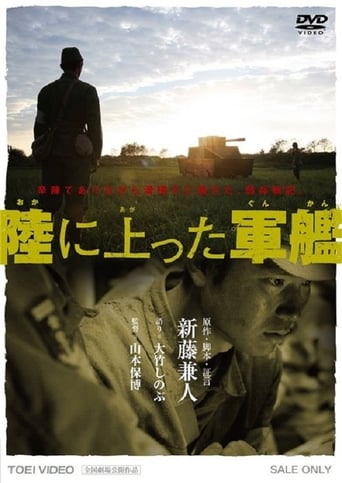
5.3Writer/Director Kaneto Shindô recounts his time spent in the Japanese Navy in WWII. He tells about the harsh training, grueling conditions, and tragic losses which are reenacted in black & white sequences.
The Battleship on the Ground
2007
1970s · 2 titles
 6.6
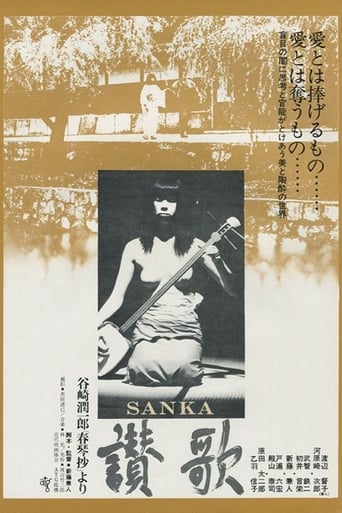
6.6The story tells of the adoration of Sasuke for his mistress, the blind samisen-teacher Shunkin, who treats him imperiously and subjects him to cruel beatings.
Hymn
1972
 7.2
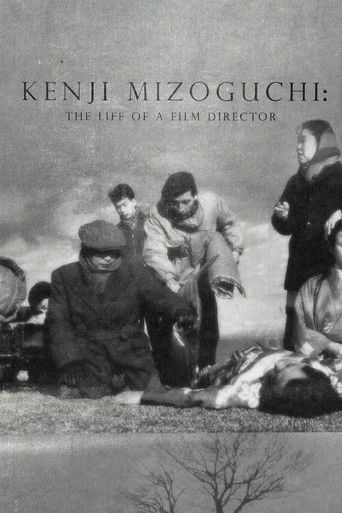
7.2In 39 interviews with actors and actresses, writers, producers and staff members, interspersed with film excerpts and stills, Shindō recounts the life and career of his friend and mentor Mizoguchi.
Kenji Mizoguchi: The Life of a Film Director
1975
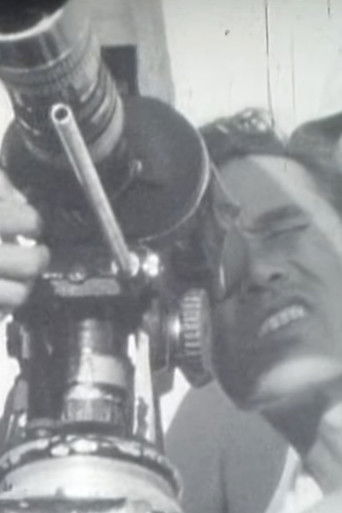
Behind the camera
7.8The tragic, true story about Hachikō, an Akita dog who was loyal to his master, Professor Ueno, even after Ueno's death.
Hachiko
1987
7.6A war widow determined to clear the name of her disgraced husband, who was court-martialed for desertion and executed. Official records have been destroyed, and the ministry that distributes benefits continues to deny her a pension. Twenty-six years after the war, she seeks out four survivors of her husband's garrison. Each tells a dramatically different story about her husband's conduct, but she is determined to learn the truth.
Under the Flag of the Rising Sun
1972
7.7While her son, Kichi, is away at war, a woman and her daughter-in-law survive by killing samurai who stray into their swamp, then selling whatever valuables they find. Both are devastated when they learn that Kichi has died, but his wife soon begins an affair with a neighbor who survived the war, Hachi. The mother disapproves and, when she can't steal Hachi for herself, tries to scare her daughter-in-law with a mysterious mask from a dead samurai.
Onibaba
1964
7.7While her son, Kichi, is away at war, a woman and her daughter-in-law survive by killing samurai who stray into their swamp, then selling whatever valuables they find. Both are devastated when they learn that Kichi has died, but his wife soon begins an affair with a neighbor who survived the war, Hachi. The mother disapproves and, when she can't steal Hachi for herself, tries to scare her daughter-in-law with a mysterious mask from a dead samurai.
Onibaba
1964
7.4In the Sengoku period, a woman and her daughter are raped and murdered by soldiers during a time of civil war. Afterwards, a series of samurai returning from the war through that area are found mysteriously dead with their throats torn out. The governor calls in a wild and fierce young hero to quell what is evidently an Onryō ghost.
Kuroneko
1968
7.4In the Sengoku period, a woman and her daughter are raped and murdered by soldiers during a time of civil war. Afterwards, a series of samurai returning from the war through that area are found mysteriously dead with their throats torn out. The governor calls in a wild and fierce young hero to quell what is evidently an Onryō ghost.
Kuroneko
1968
5.4Schoolgirl Kuniko is kidnapped by a middle-aged man Iwazono when she is jogging. He tells her that he had a failed marriage which leaves him a deep and everlasting scar in his mind. He kidnaps her in search of a perfect marriage and intends to lock her in the room and 'educate' her to perform perfect sex where body and soul are united.
The Perfect Education
1999
5.9The world-famous woodblock artist Hokusai (1760-1849), a widower in need of a steady income, lives with his daughter Oei in the house of his friend Bakin.
Edo Porn
1981
5.9The world-famous woodblock artist Hokusai (1760-1849), a widower in need of a steady income, lives with his daughter Oei in the house of his friend Bakin.
Edo Porn
1981
 7.1
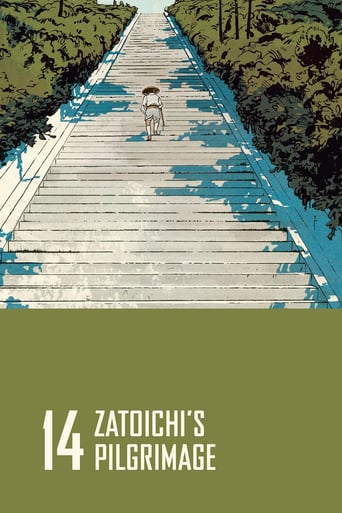
7.1Zatoichi's trek through 88 temples to atone for his violent past is interrupted as he stumbles into a village terrorized by a violent yakuza boss.
Zatoichi's Pilgrimage
1966
 7.2
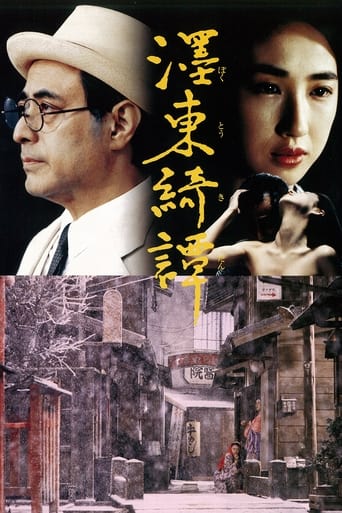
7.2A story of Japanese writer Kafu Nagai (1879-1959), a man about sixty with a huge reputation of seducer who falls madly in love for a young geisha named Oyuki. Meticulous and smartly dressed, Nagai patiently wrote in his diary his thoughts during many years. A melancholy reflection on the passage of time and a brilliant interpretive exercise.
The Strange Tale of Oyuki
1992
7.2A story of Japanese writer Kafu Nagai (1879-1959), a man about sixty with a huge reputation of seducer who falls madly in love for a young geisha named Oyuki. Meticulous and smartly dressed, Nagai patiently wrote in his diary his thoughts during many years. A melancholy reflection on the passage of time and a brilliant interpretive exercise.
The Strange Tale of Oyuki
1992
 8.0
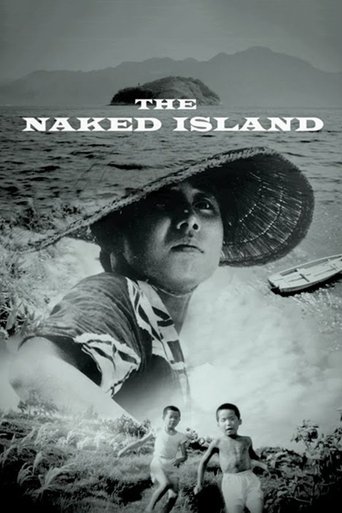
8.0A family of four are the sole inhabitants of a small island, where they struggle each day to irrigate their crops.
The Naked Island
1960
8.0A family of four are the sole inhabitants of a small island, where they struggle each day to irrigate their crops.
The Naked Island
1960
8.0A family of four are the sole inhabitants of a small island, where they struggle each day to irrigate their crops.
The Naked Island
1960
 7.0
7.0A detective wonders that his sister is a murder suspect.
The Perennial Weed
1975
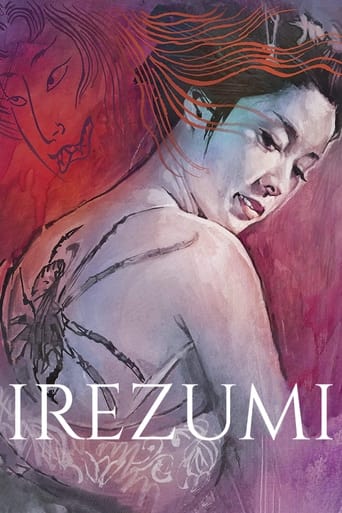 6.8
6.8Otsuya, the daughter of a rich merchant, elopes with her lover Shinsuke, an employee of her father's. During their flight, Otsuya's beauty attracts the gaze of Seikichi, a mysterious master tattooist who sees her pristine white skin as the perfect canvas for his art. The image of the large demonic spider that he emblazons across Otsuya's back marks her as the property of another man, radically altering her relationships with all around her as her personality seems to transform under its influence.
Irezumi
1966
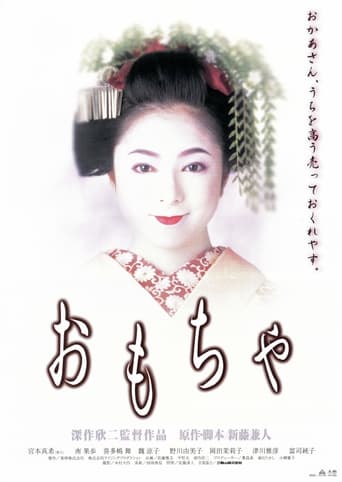 7.7
7.7Set in a Kyoto geisha house during the post-WWII era, the young Omocha begins her rigorous apprenticeship within the traditional community of geiko and maiko. She must navigate complex internal rivalries and a strict social hierarchy while the house struggles to maintain its customs. As modern society shifts around them, the residents face the increasing pressure of Japan's changing cultural identity.
The Geisha House
1999
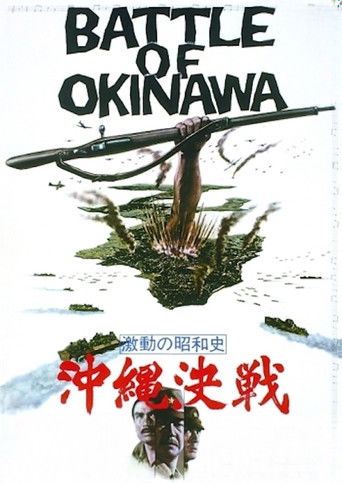 7.8
7.8The Americans are swiftly closing on Okinawa, an island just south of the Japanese mainland. The Imperial command sends top generals and several army divisions to defend it at all costs. The mission quickly degenerates as vital resources and troops are diverted to other islands. After a civilian evacuation ends in tragedy most of non-combatants are forced to remain on the island. Many convert to soldier status. Tokyo sends mixed messages that squander time and resources, as when they order the defenders to build an airstrip for aircraft that never come. The truth soon becomes obvious: the high command decides that the island cannot be held and effectively abandons the Okinawan defenders. When the Americans land many troops are deployed in the wrong places. As the slaughter mounts, a suicidal attitude takes hold. Okinawa becomes a death trap, for civilian volunteers and non-combatants as well.
The Battle of Okinawa
1971
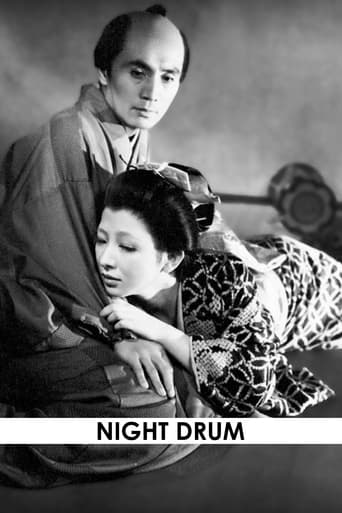 5.9
5.9Following a yearlong attendance upon his shogun in Edo, samurai Hikokuro makes a long-awaited return to his home and doting wife, Dane. Initially greeted by the effusive welcome of his family, spiteful whispers also reach his ear about an adulterous affair carried on, in his long absence, between his wife and a famous drummer. With Hikokuro’s honor imperiled by rumor, his family insists on a formal investigation into the veracity of the gossip. Through the combined testimony of many witnesses, a tale unwinds around the visits of a traveling musician hired to tutor the family heir, the spurned attentions of the man who started the rumor, and the ultimate truth behind the accusations. The conclusion of events prove as much an indictment of bushidō as it is of the reluctant parties involved. Adapted from a 1706 play by Chikamatsu Monzaemon and based on a true case.
Night Drum
1958
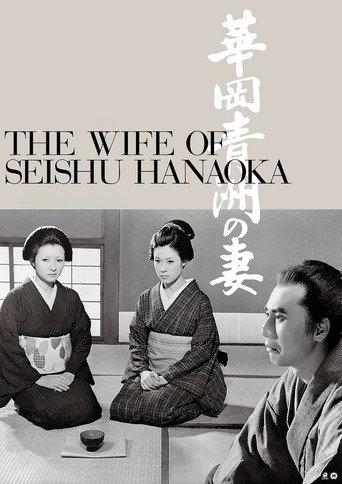 6.6
6.6The disturbing story of a physician who conducted the first operation with general anaesthetic, and the women in his life who are both so determined to win his love that they volunteer as subjects for his experiments
The Wife of Seishu Hanaoka
1967
 7.3
7.3After a random encounter at a bar, two couples collide. Two men, two women, embroiled in a love-and-hate drama that threatens to engulf them. The sexual anxiety between the interwoven couples tautens right up to the nearly unbearable tension of the climax...
Two Wives
1967
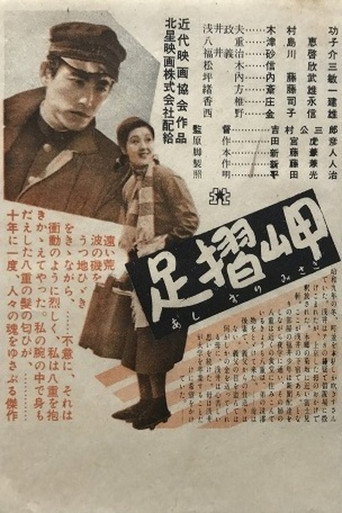 9.0
9.0Among Yoshimura’s complex and political works, this episodic film, set in the early 1930s, follows the life of a young left-wing student activist disenchanted by the increasingly hawkish state of Japanese society.
Cape Ashizuri
1954
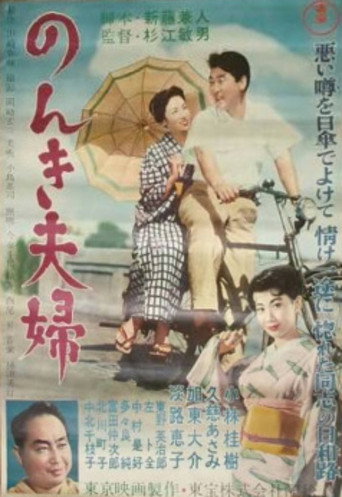 NR
NRNo synopsis available yet.
Easy-Going Married Couple
1956
 10.0
10.0A conflict between parents and their delinquent daughter.
Tsumiki kuzushi
1983
 8.2
8.2After over 50 years of wandering up and down Japan, finally in the 1970s, the rough-hewn blind shamisen player and folk-song collector named Takahashi Chikuzan became a musical sensation. This biographical drama chronicles his wanderings and his life, with a particular focus on his humble beginnings as a peasant on a remote and arid island.
The Life of Chikuzan
1977
8.2After over 50 years of wandering up and down Japan, finally in the 1970s, the rough-hewn blind shamisen player and folk-song collector named Takahashi Chikuzan became a musical sensation. This biographical drama chronicles his wanderings and his life, with a particular focus on his humble beginnings as a peasant on a remote and arid island.
The Life of Chikuzan
1977
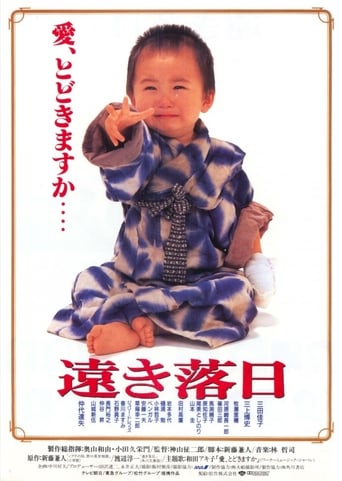 10.0
10.0Faraway Sunset tells the story of the famed bacteriologist who is known to have discovered the agent that cause syphilis, and for his relentless search for a cure to yellow fever. As a toddler, his mother's neglect had caused an accident to his left hand, fusing together all the fingers in a bizarre twist of fate. Naturally extremely remorseful for being the cause of her son's handicap, she does everything she could to ensure that he gets to lead a normal life, despite having to fend off bullies and unfair prejudices.
Faraway Sunset
1992
 6.5
6.5The four principals in a love affair collide when jealousy, blackmail and suicide enter the picture.
Manji
1964
 9.0
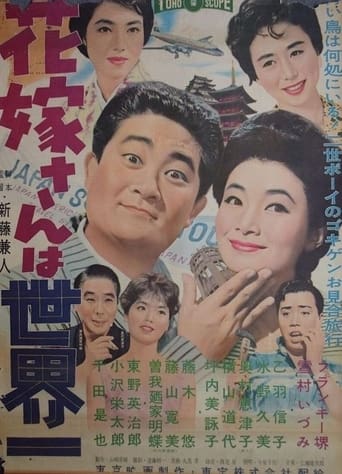
9.0A young Japanese-American comes from California looking for a bride, going on blind dates with three candidates from Osaka, Hiroshima and Nagoya.
The Bride from Japan
1959
9.0A young Japanese-American comes from California looking for a bride, going on blind dates with three candidates from Osaka, Hiroshima and Nagoya.
The Bride from Japan
1959
 7.1
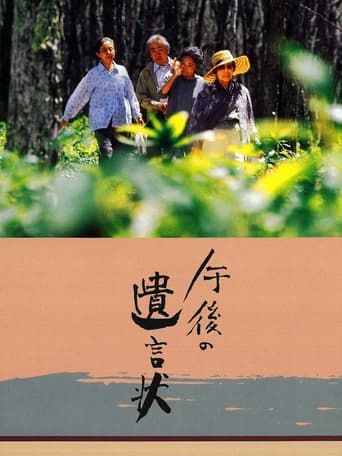
7.1A retired actress whose husband has recently died visits her summer home. There she has encounters with old friends and acquaintances who bring various stories and news of death and the past
A Last Note
1995
7.1A retired actress whose husband has recently died visits her summer home. There she has encounters with old friends and acquaintances who bring various stories and news of death and the past
A Last Note
1995
 7.0
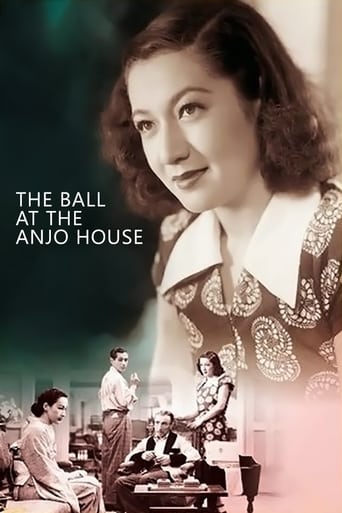
7.0After Japan's defeat in the war, the Anjo family lose their peerage and wealth. Since their mansion is due to pass into the hands of a creditor, the family holds one last ball before leaving.
The Ball at the Anjo House
1947
 NR
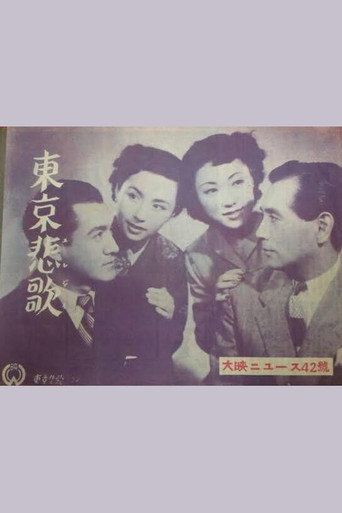
NRIn 1945, in a Shanghai filled with a palpable sense of unease as the war was still raging, Atsuko Kijima and Ryuji Kudo fell in love and exchanged promises of marriage. Ryuji was deployed shortly thereafter, and after the war ended, he was taken to Siberia as a prisoner of war. Atsuko, who had returned to Tokyo, clung to the promise she had made with Ryuji—that if he were safe, he would “come to the garden of St. Nicholas Cathedral at noon on Christmas Day.” Relying on that promise, she went to St. Nicholas Cathedral at noon on Christmas Day in both 1946 and 1947, but Ryuji never appeared.
Tokyo Elegy
1951
6.6The story tells of the adoration of Sasuke for his mistress, the blind samisen-teacher Shunkin, who treats him imperiously and subjects him to cruel beatings.
Hymn
1972
6.6The story tells of the adoration of Sasuke for his mistress, the blind samisen-teacher Shunkin, who treats him imperiously and subjects him to cruel beatings.
Hymn
1972
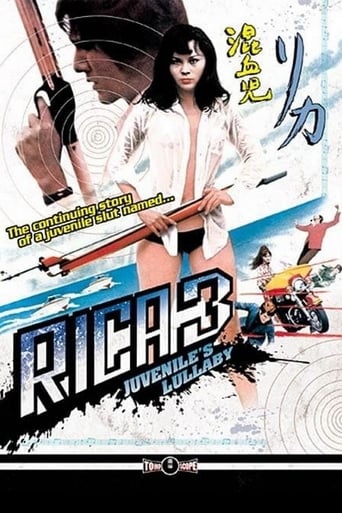 6.0
6.0Reform schools are a way of protecting society by ridding it of lawless juvenile delinquents. But who's protecting the juvenile delinquents from corrupt reform schools? Rica could be considered a bit of an expert on reform schools, having spent most of her early life in and out of them. When Rica is dragged back once again, she gets a severe beating and is finally sent off to a mental hospital with the intention of selling her and her pals into a slave trade. A trader takes Rica's friend Jun to a mountain cottage where she's pegged for the lead in his clandestine porno film operation. Once again, it's up to tough-as-nails Rica to bust up this corrupt racket once and for all!
Rika 3: Juvenile's Lullaby
1973
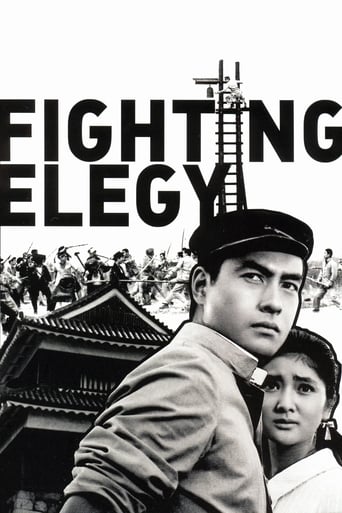 7.0
7.0Kiroku boards with a Roman Catholic family and falls for the daughter Michiko. He ignores his feelings, joins a gang, gets in fights and, eventually, becomes involved with the radical Kita Ikki group.
Fighting Elegy
1966
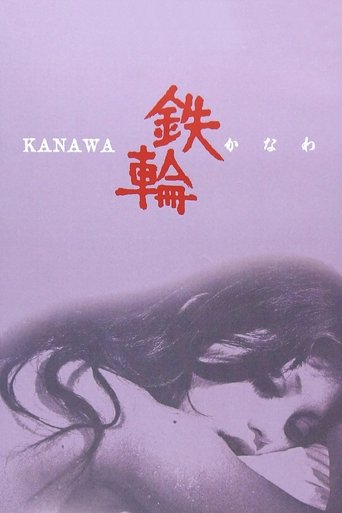 6.0
6.0A woman takes revenge on her husband after he leaves her for a younger woman by harassing the couple with unwanted phone calls at night.
Kanawa
1972