

Acting
Joan Fontaine
Born — Died
1917-10-22 — 2013-12-15
Place of birth
Tokyo, Japan
Known for
Acting
Credits
85 titles
Joan de Beauvoir de Havilland (October 22, 1917 – December 15, 2013), known professionally as Joan Fontaine, was an English-American actress who is best known for her starring roles in Hollywood films during the "Golden Age". She was born in Tokyo, Japan, in what was known as the International Settlement. Her father was a British patent attorney with a lucrative practice in Japan, but due to Joan and older sister Olivia de Havilland's recurring ailments the family moved to California in the hopes of improving their health. Mrs. de Havilland and the two girls settled in Saratoga while their father went back to his practice in Japan. Joan's parents did not get along well and divorced soon afte…
Known for
 5.8
5.8The Mike Douglas Show is an American daytime television talk show hosted by Mike Douglas that originally aired only in the Cleveland area during much of its first two years on the air. It then went into syndication in 1963 and remained on television until 1982. It was distributed by Westinghouse Broadcasting and for much of its run, originated from studios of two of the company's TV stations in Cleveland and Philadelphia.
The Mike Douglas Show
1961
 6.2
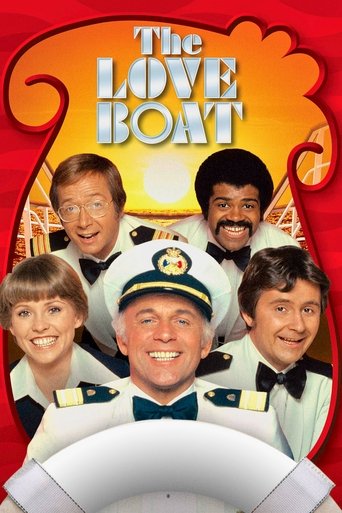
6.2Passengers who search for romantic nights aboard a beautiful ship travelling to tropical or mysterious countries, decide to pass their vacation aboard the "Love Boat", where Gopher, Dr. Bricker, Isaac, Julie, and Captain Stubing try their best to please them, and sometimes help them fall in love. Things are not always so easy, but in the end, love wins.
The Love Boat
1977
 7.0
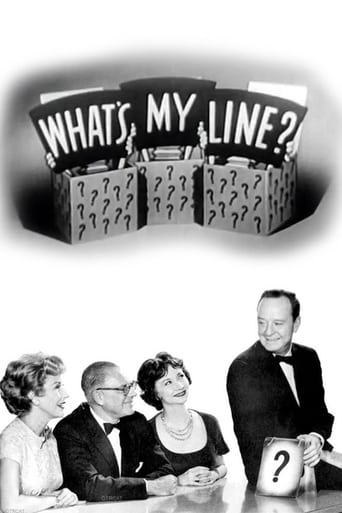
7.0Four panelists must determine guests' occupations - and, in the case of famous guests, while blindfolded, their identity - by asking only "yes" or "no" questions.
What's My Line?
1950
 7.9
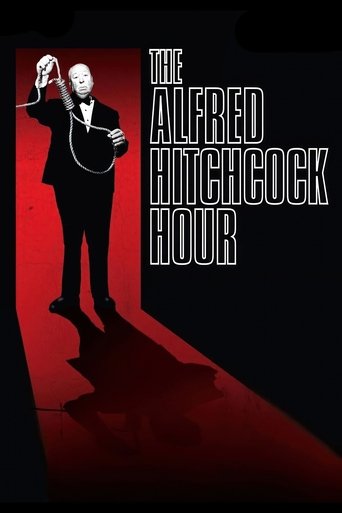
7.9A continuation of the anthology series “Alfred Hitchcock Presents”, hosted by the master of suspense and featuring thrillers and mysteries.
The Alfred Hitchcock Hour
1962
 NR
NRThe Antoinette Perry Award for Excellence in Theatre, more commonly known as a Tony Award, recognizes achievement in live Broadway theatre. The awards are presented by the American Theatre Wing and The Broadway League at an annual ceremony in New York City. The awards are given for Broadway productions and performances, and an award is given for regional theatre.
Tony Awards
1956
 6.8
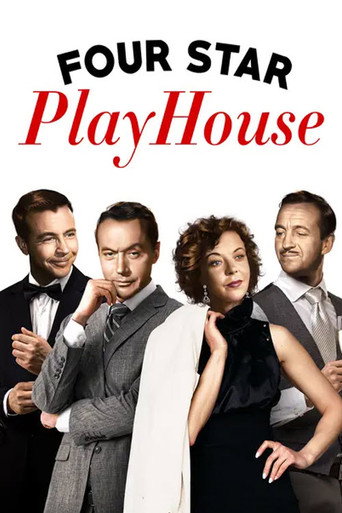
6.8Four Star Playhouse is an American television anthology series that ran from 1952 to 1956, sponsored in its first bi-weekly season by The Singer Company; Bristol-Myers became an alternate sponsor when it became a weekly series in the fall of 1953. The original premise was that Charles Boyer, Ida Lupino, David Niven, and Dick Powell would take turns starring in episodes. However, several other performers took the lead from time to time, including Ronald Colman and Joan Fontaine. Blake Edwards was among the writers and directors who contributed to the series. Edwards created the recurring character of illegal gambling house operator Willie Dante for Dick Powell to play on this series. The character was later revamped and spun off in his own series starring Howard Duff, then-husband of Lupino. The pilot for Meet McGraw, starring Frank Lovejoy, aired here, as did another episode in which Lovejoy recreated his role of Chicago newspaper reporter Randy Stone, from the radio drama Nightbeat.
Four Star Playhouse
1952
Film credits
2010s · 2 titles
 6.6
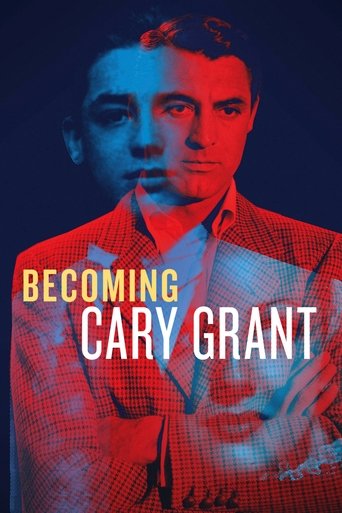
6.6For the first time one of Hollywood's greatest stars tells his own story, in his own words. From a childhood of poverty to global fame, Cary Grant, the ultimate self-made star, explores his own screen image and what it took to create it.
Becoming Cary Grant
2017
 7.0
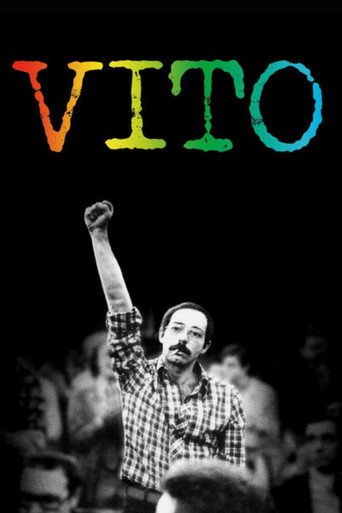
7.0In the aftermath of Stonewall, a newly politicized Vito Russo found his voice as a gay activist and critic of LGBTQ+ representation in the media. He went on to write "The Celluloid Closet", the first book to critique Hollywood's portrayals of gays on screen. During the AIDS crisis in the 1980s, Vito became a passionate advocate for justice via the newly formed ACT UP, before his death in 1990.
Vito
2011
2000s · 3 titles
 NR
NRDocumentary on Alfred Hitchcock's 1941 film "Rebecca" and the working relationship of Hitchcock and producer David O. Selznick.
The Making of 'Rebecca'
2008
 8.5
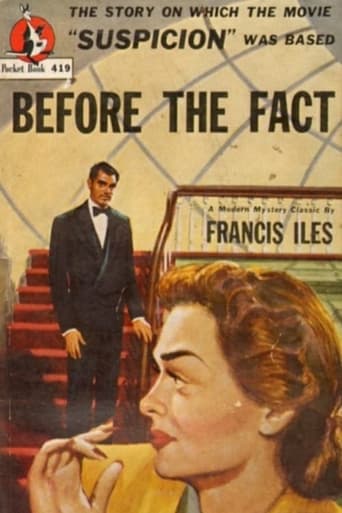
8.5A documentary on Alfred Hitchcock's 1941 film, "Suspicion".
Before the Fact: Suspicious Hitchcock
2004
 9.0
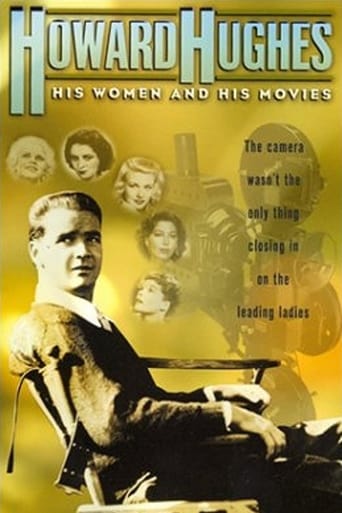
9.0A reclusive millionaire who owed his fortune to his father, Howard Hughes staked his fame on many things, including his credits as a producer, director and aviator. But he is perhaps best known for his skills as a Casanova, reportedly romancing Jean Harlow, Ginger Rogers, Lana Turner, Rita Hayworth and Bette Davis. Actor Billy Zane narrates this documentary, which offers a glimpse of the man behind the glamour.
Howard Hughes: His Women and His Movies
2000
1990s · 2 titles
 4.4
4.4Based upon the true story that inpired the Christmas carol about a young king's care for his people.
Good King Wenceslas
1994
Paying homage to two of Hollywood's central icons, the film creates an unparalleled portrait of two very different personalities amidst the demise of the studio system.
Hitchcock, Selznick and the End of Hollywood
1999
1980s · 2 titles
 7.0
7.0Documentary profile of singer-actress Eartha Kitt.
All by Myself: The Eartha Kitt Story
1982
 7.0
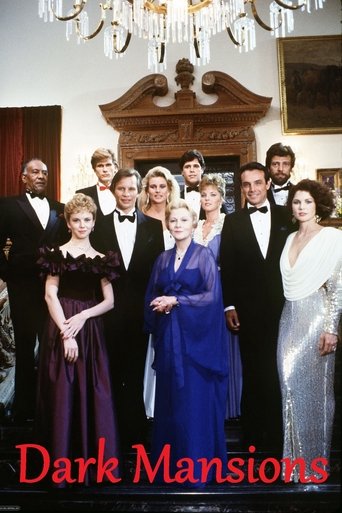
7.0A woman hired to write the history of a wealthy family stays at the family's estate in Oregon. She discovers that she strongly resembles a long-dead ancestor in the family, and finds things happening to her that happened to--and led to the death of--that woman.
Dark Mansions
1986
1970s · 2 titles
 4.0
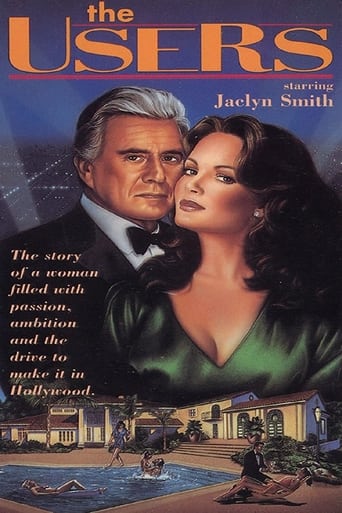
4.0A beautiful girl from a small town with dreams of making it in Hollywood marries an actor whose career is fading, then schemes to get him back into the big time - and her with him.
The Users
1978
 6.8
6.8A particular reading of the hard years of famine, repression and censorship after the massacre of the Spanish Civil War (1936-39), through popular culture: songs, newspapers and magazines, movies and newsreels.
Songs for After a War
1976
1960s · 4 titles
 5.7
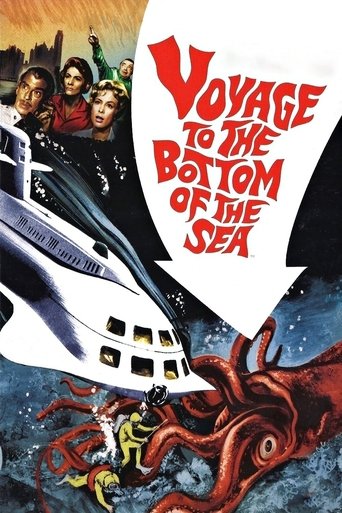
5.7The crew of an atomic submarine battle to save the world from global destruction.
Voyage to the Bottom of the Sea
1961
 5.7
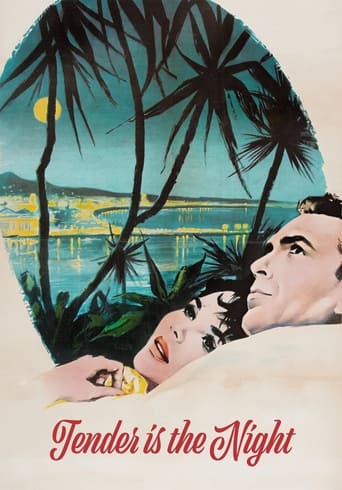
5.71920s, the French Riviera: wealthy expatriate Nicole Warren's mental illness strains her marriage to psychiatrist Dick. A young American actress named Rosemary Hoyt arrives and is drawn into their circle, becoming romantically involved with the older, married Dick and disrupting the fragile balance of the group. The thought of Dick possibly being attracted to another sends Nicole on an emotional downward spiral that threatens to consume them all.
Tender Is the Night
1962
 4.4
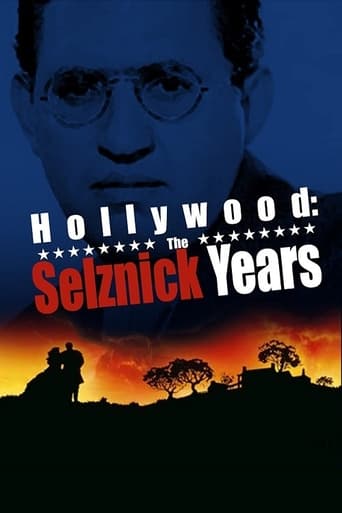
4.4Henry Fonda hosts this retrospective on the career and films of iconic filmmaker David O. Selznick, who epitomized the era of the auteur producer in the 30s and 40s.
Hollywood: The Selznick Years
1961
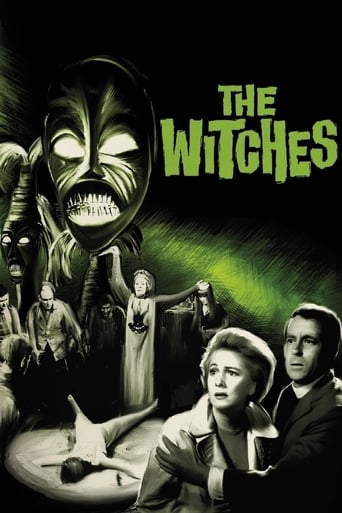 6.0
6.0Following a nervous breakdown, Gwen takes up the job of head teacher in the small village of Haddaby. There she can benefit from the tranquillity and peace, enabling her to recover fully. But under the facade of idyllic country life she slowly unearths the frightening reality of village life in which the inhabitants are followers of a menacing satanic cult with the power to inflict indiscriminate evil and death if crossed.
The Witches
1966
1950s · 15 titles
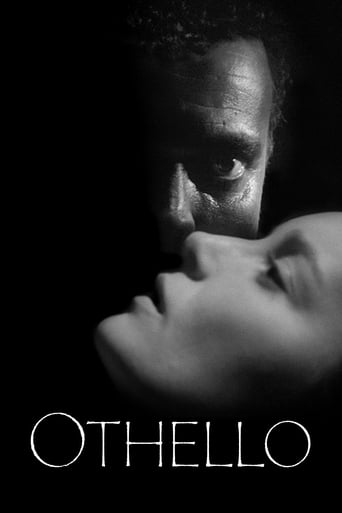 7.4
7.4Manipulated by his jealous ensign Iago, the Moorish general Othello is driven to believe that his new wife Desdemona is unfaithful, setting in motion a chain of deception, jealousy, and violence that leads to tragedy.
Othello
1951
 6.8
6.8A newspaper publisher, wanting to prove a point about the insufficiency of circumstantial evidence, talks his possible son-in-law Tom into a hoax in an attempt to expose ineptitude of the city's hard-line district attorney. The plan is to have Tom plant clues leading to his arrest for killing a female nightclub dancer. Once Tom is found guilty, he is to reveal the setup and humiliate the DA.
Beyond a Reasonable Doubt
1956
 6.8
6.8Sir Walter Scott's classic story of the chivalrous Ivanhoe who joins with Robin of Locksley in the fight against Prince John and for the return of King Richard the Lionheart.
Ivanhoe
1952
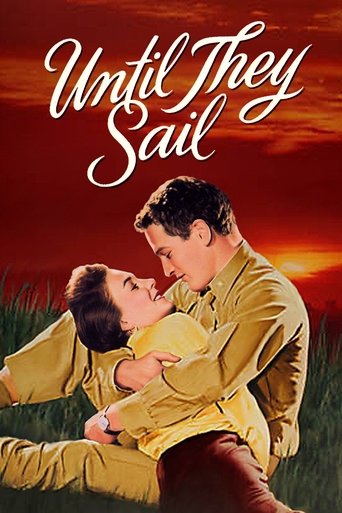 6.3
6.3Four sisters in New Zealand fall for soldiers en route to the Pacific theater in WWII.
Until They Sail
1957
 6.4
6.4San Francisco businessman Harry Graham and his wife and business partner, Eve, are in the process of adopting a child. When private investigator Mr. Jordan uncovers the fact that Graham has another wife, Phyllis, and a small child in Los Angeles, he confesses everything.
The Bigamist
1953
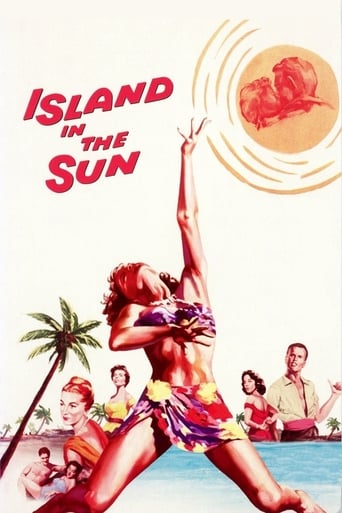 6.5
6.5A scandalous tale of politics, social inequality, interracial romance, and murder set on a fictitious British-owned Caribbean island.
Island in the Sun
1957
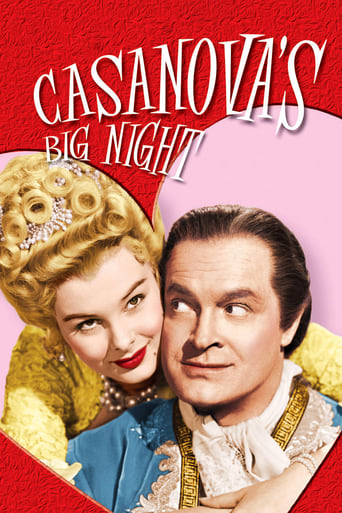 6.1
6.1Italy 1757, Pippo Popolino, a lowly tailor, disguises himself as the great Casanova in order to romance the attractive widow Francesca. He little suspects what awaits him... Locked into the incongruous role by the desperation of the real Casanova's creditors, Pippo must journey to Venice on a delicate mission far beyond his capabilities.
Casanova's Big Night
1954
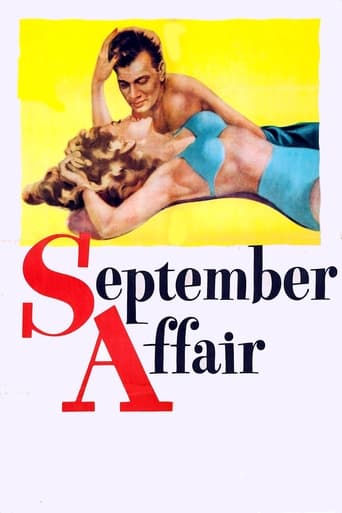 5.8
5.8An industrialist and a pianist meet on a trip and fall in love. Through a quirk of fate, they're reported dead in a crash though they weren't on the plane. This gives them the opportunity to live together free from their previous lives. Unfortunately, this artificial arrangement leads to increasing stress.
September Affair
1950
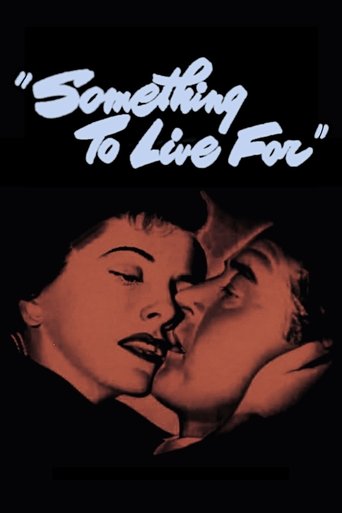 6.9
6.9Advertising executive Alan Miller, a recovered alcoholic who now does interventions on behalf of Alcoholics Anonymous, is called to help Broadway actress Jenny Carey whose developing career is threatened by an increasing dependence on alcohol. Alan's growing interest in Jenny strains his marriage to Edna, with whom he has two children.
Something to Live For
1952
 5.6
5.6A wealthy woman discovers a vineyard worker with a beautiful operatic singing voice. She helps make him a star but then breaks his heart. He flees in misery to Mexico where he meets a sweet farm girl.
Serenade
1956
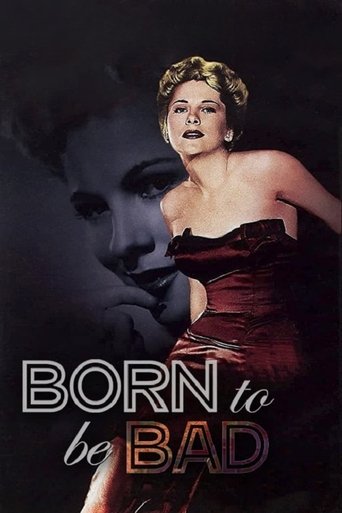 6.0
6.0Christabel Caine has the face of angel and the heart of a swamp rat. She'll step on anyone to get what she wants, including her own family. A master of manipulation, she covertly breaks off the engagement of her trusting cousin, Donna, to her fabulously wealthy beau, Curtis Carey. Once married to Curtis herself, Christabel continues her affair with novelist Nick Bradley, who knows she's evil, but loves her anyway.
Born to Be Bad
1950
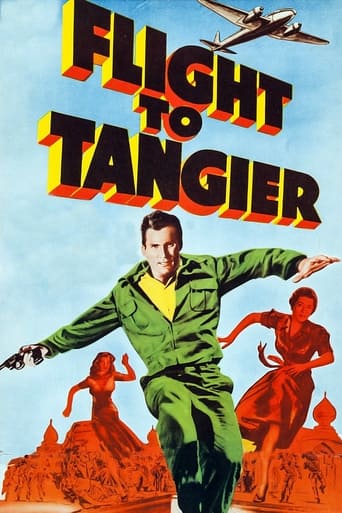 6.2
6.2At the Tangier airport, a group of people await the arrival of a mysterious plane from behind the Iron Curtain. The reception committee includes Susan, an American; Gil Walker, a free-booting pilot; Danzer, a black market operator; and Danzer's girlfriend, Nicki. The plane crashes and burns. No survivors are found, nor are any corpses. Soon the search begins for a missing courier worth $3 million.
Flight to Tangier
1953
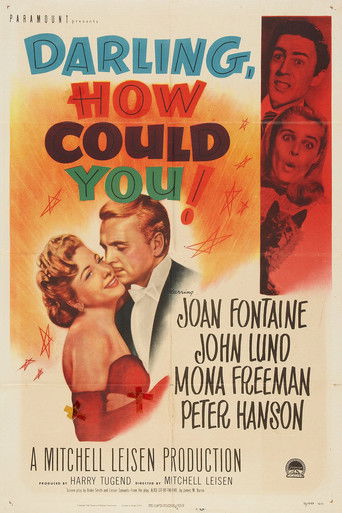 7.2
7.2Two absentee American parents get to know their three children again after spending five years in Panama.
Darling, How Could You!
1951
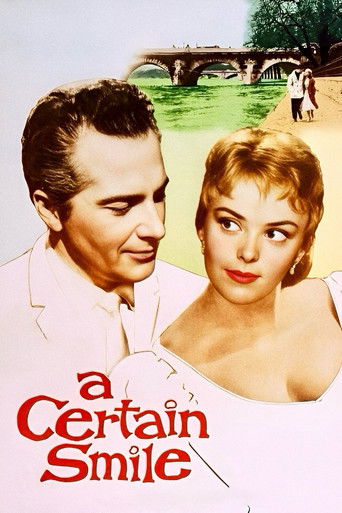 6.3
6.3A pretty Parisian law student falls in love with her boyfriend's uncle.
A Certain Smile
1958
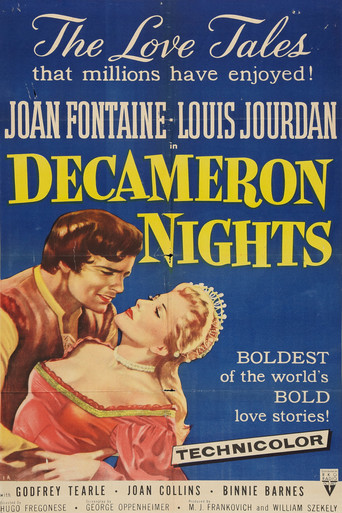 5.0
5.0Italian poet Boccaccio (Louis Jourdan) hides in the court of Fiammetta (Joan Fontaine) and tells three tales of love and lust.
Decameron Nights
1953
1940s · 15 titles
 7.1
7.1A sheltered heiress falls for a charming playboy and elopes with him, but soon discovers his gambling vice and mounting debts. As his lies deepen and those around them meet mysterious ends, she begins to suspect that her husband’s affection may conceal a deadly motive—and that she could be his next victim.
Suspicion
1941
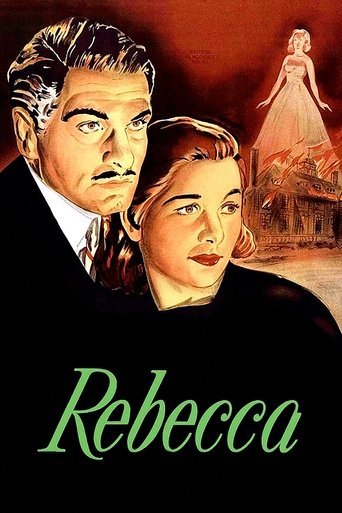 7.9
7.9Story of a young woman who marries a fascinating widower only to find out that she must live in the shadow of his former wife, Rebecca, who died mysteriously several years earlier. The young wife must come to grips with the terrible secret of her handsome, cold husband, Max De Winter. She must also deal with the jealous, obsessed Mrs. Danvers, the housekeeper, who will not accept her as the mistress of the house.
Rebecca
1940
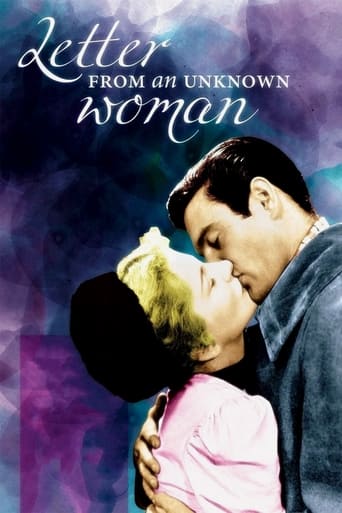 7.8
7.8A pianist about to flee from a duel receives a letter from a woman he cannot remember. As she tells the story of her lifelong love for him, he is forced to reinterpret his own past.
Letter from an Unknown Woman
1948
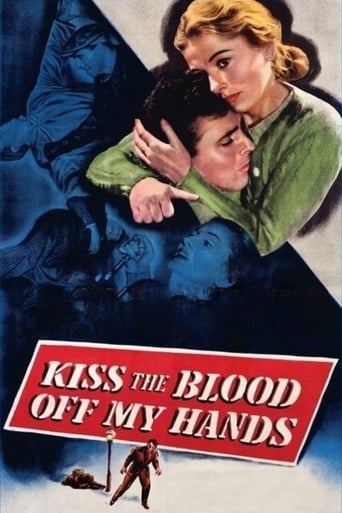 6.7
6.7Bill Saunders, a former prisoner of war living in England, whose experiences have left him unstable and violent, gets into a bar fight in which he kills a man and then flees. He hides out with the assistance of a nurse, Jane Wharton, who believes his story that the killing was an accident.
Kiss the Blood Off My Hands
1948
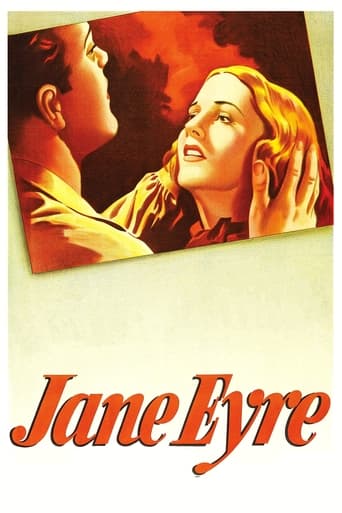 6.9
6.9After a bleak childhood, Jane Eyre goes out into the world to become a governess. As she lives happily in her new position at Thornfield Hall, she meets the dark, cold, and abrupt master of the house, Edward Rochester. Jane and her employer grow close in friendship and she soon finds herself falling in love with him. Happiness seems to have found Jane at last, but could Rochester's terrible secret be about to destroy it forever?
Jane Eyre
1943
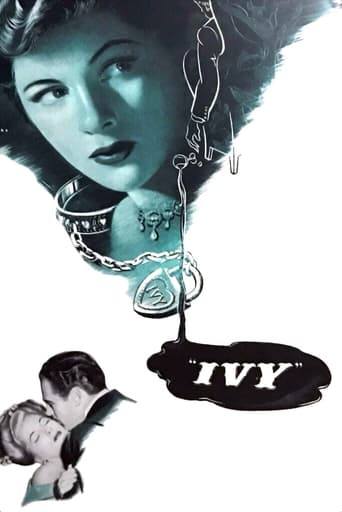 6.6
6.6When Ivy, an Edwardian belle, begins to like Miles, a wealthy gentleman, she is unsure of what to do with her husband, Jervis, or her lover, Dr. Roger. She then hatches a plan to get rid of them both.
Ivy
1947
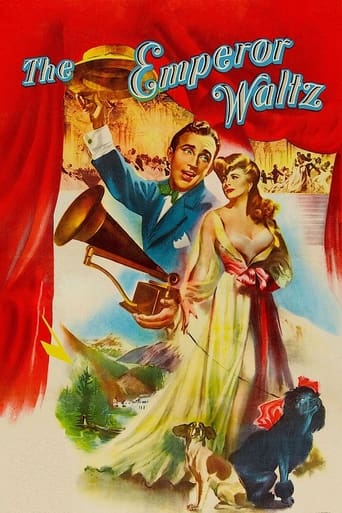 6.2
6.2A brash American gramophone salesman tries to get Emperor Franz Joseph's endorsement in turn-of-the-century Austria.
The Emperor Waltz
1948
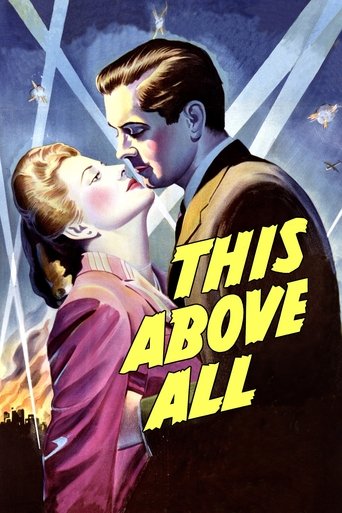 6.8
6.8In 1940 England, aristocratic Prudence Cathaway alarms her snobbish parents by joining the WAF service branch. She soon meets and falls in love with the brooding Clive Briggs, despite his prejudice against the upper classes, and agrees to spend a week with him at a Dover hotel. When Clive's soldier friend, Monty, arrives to retrieve him, Prudence learns that Clive went AWOL after Dunkirk, and urges him to recall why England must fight the war.
This Above All
1942
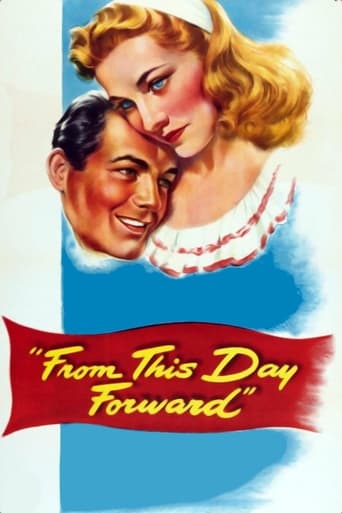 5.4
5.4A young American soldier, with an honorable discharge, returns home from World War II to his bride, whom he married after a short courtship and has not seen for several years. The two come together with many trials and tribulations in trying to preserve their marriage in the post-war years.
From This Day Forward
1946
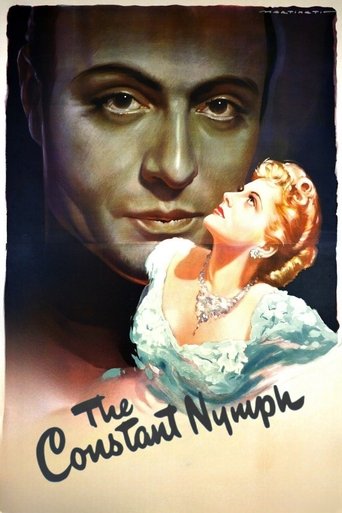 6.3
6.3The daughter of a musical mentor adores a promising composer, who is quite fond of the adolescent. When her father dies, an uncle arrives with his own grown daughter, who begins a romance with the composer which culminates in marriage but creates an emotional rivalry that affects the three.
The Constant Nymph
1943
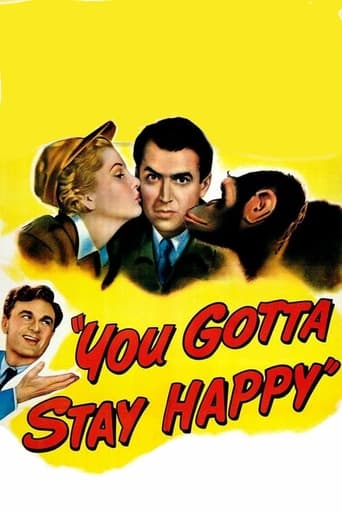 6.8
6.8Indecisive heiress Dee Dee Dillwood is pushed into marrying her sixth fiancée, but unable to face the wedding night, she flees into the adjacent hotel room of commercial pilot Marvin Payne, who just wants to sleep. She then persuades him to take her to California.
You Gotta Stay Happy
1948
 6.0
6.0Flubs and bloopers that occurred on the set of some of the major Warner Bros. pictures of 1942.
Breakdowns of 1942
1942
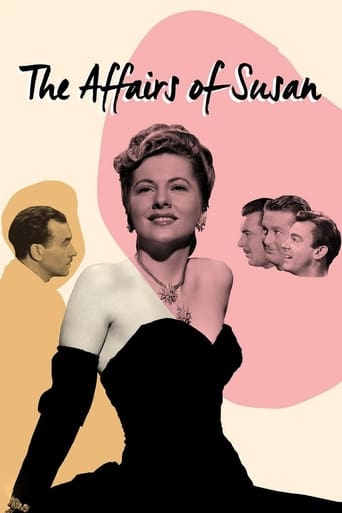 6.5
6.5Susan is about to be married, but the wedding may get called off after her fiancé summons three former beaus. Each reveals a different portrait of Susan: one describes her as a naive country girl who reluctantly becomes an actress, another paints a picture of a gay party girl and and the third describes a serious intellectual.
The Affairs of Susan
1945
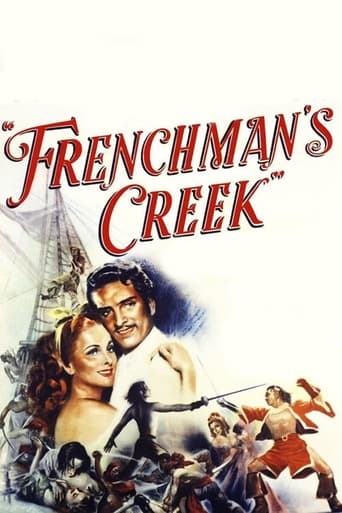 5.8
5.8An English lady falls in love with a French pirate after he kidnaps her from her ancestral home on the coast of Cornwall and sweeps her off her feet into a world of adventure.
Frenchman's Creek
1944
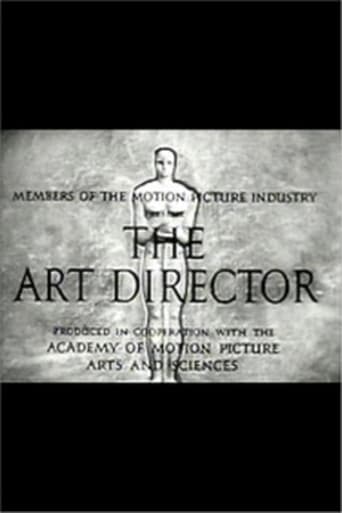 6.7
6.7A film's art director is in charge of the set, from conception to construction to furnishing. This short film walks the viewer through art directors' responsibilities and the demands on their talents. They read a script carefully and design a set to capture the time and place, the social strata, and the mood. They must be scholars of the history of architecture, furnishings, and fashion. They choose the colors on a set in anticipation of the lighting and the mood. Their work also sets styles, from Art Deco in the 20's to 30s modernism. Then it's on to the next project. Preserved by the Academy Film Archive in 2012.
The Art Director
1949
1930s · 15 titles
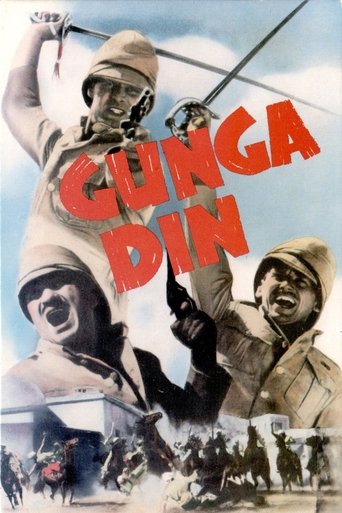 6.5
6.5British army sergeants Ballantine, Cutter and MacChesney serve in India during the 1880s, along with their native water-bearer, Gunga Din. While completing a dangerous telegraph-repair mission, they unearth evidence of the suppressed Thuggee cult. When Gunga Din tells the sergeants about a secret temple made of gold, the fortune-hunting Cutter is captured by the Thuggees, and it's up to his friends to rescue him.
Gunga Din
1939
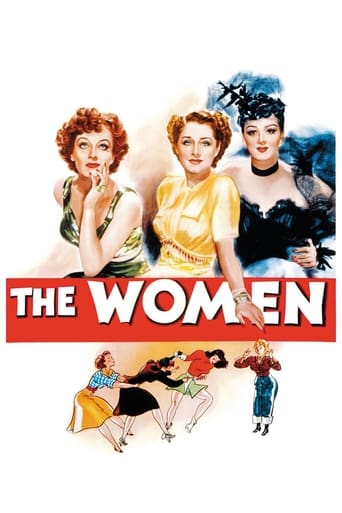 7.2
7.2A happily married woman lets her catty friends talk her into divorce when her husband strays.
The Women
1939
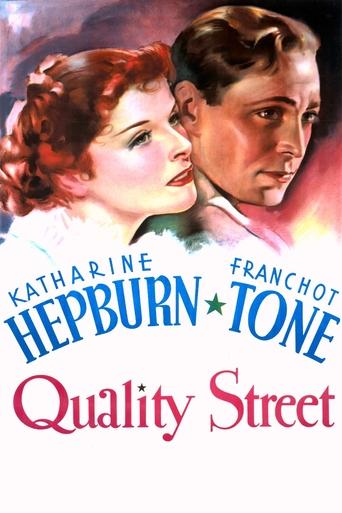 5.8
5.8In the 1810s, an old maid poses as her own niece in order to teach her onetime beau a lesson.
Quality Street
1937
 6.5
6.5Lady Alyce Marshmorton must marry soon, and the staff of Tottney Castle have laid bets on who she'll choose, with young Albert wagering on 'Mr. X'. After Alyce goes to London to meet a beau she is restricted to the castle to curb her scandalous behavior. Albert then summons Jerry to Alyce's aid in order to 'protect his investment'.
A Damsel in Distress
1937
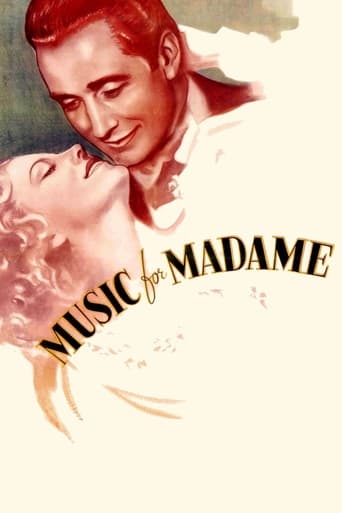 6.3
6.3An Italian immigrant singer, Nino, hoping to succeed in Hollywood, falls in with a gang of crooks who use his talent to distract everyone at a party while they steal the jewels.
Music for Madame
1937
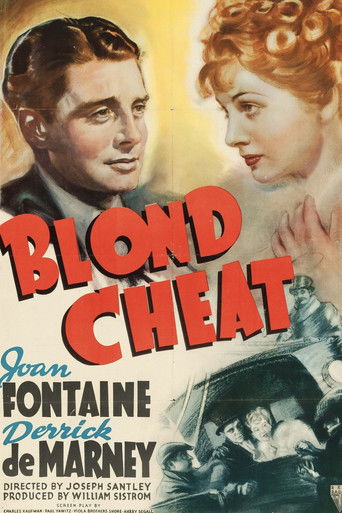 7.3
7.3Socially prominent Michael Ashburn, chief assistant for a London loan broker makes a large loan during a closing time to a man for a pair of earrings. He is unaware that the collateral can not be removed from the ears in which they reside, so then Julie becomes part of the collateral.
Blond Cheat
1938
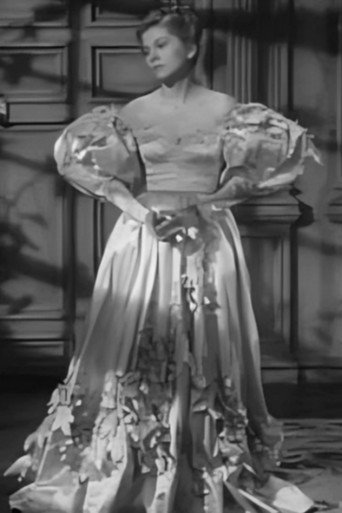 NR
NRJoan Fontaine models costumes in these wardrobe tests to determine the style of gown the nameless heroine would wear to the ill-fated Manderley costume ball. Costumes from Marie Antoinette (1938), Gone With the Wind (1939), Camille (1936), and Romeo and Juliet (1936) are among the six dresses featured.
Joan Fontaine Wardrobe Test
1939
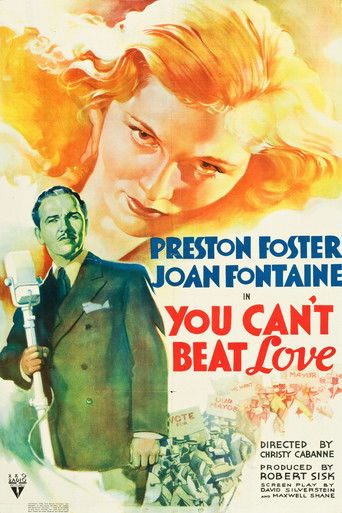 6.7
6.7The film begins with a knuckle-head playboy (Preston Foster) working on a road crew dressed in a tux in order to win a bet. Apparently, this guy will take on any bet or act on a whim. This becomes very apparent when he disrupts a food giveaway hosted by the mayor’s daughter and as a result of this, he announces he’s running for mayor–though he seems very much apolitical and has no interest in the job. Later, when he once again meets up with the mayor’s daughter (Joan Fontaine) they supposedly fall in love–although there seemed to be little chemistry between them and it made very little sense for Fontaine to suddenly love a guy she so quickly hated at the beginning of the film. Plus, she really had plenty of reason to dislike the guy.
You Can't Beat Love
1937
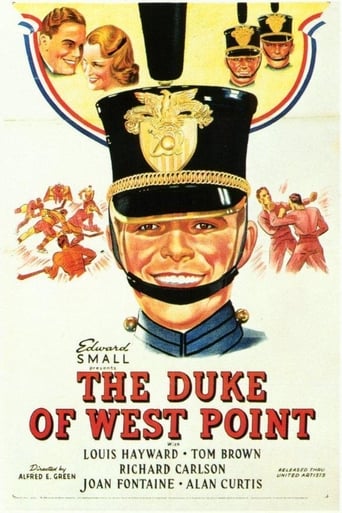 5.0
5.0A cocky new West Point cadet from Cambridge is given the cold shoulder by his classmates because of his rule-breaking antics.
The Duke of West Point
1938
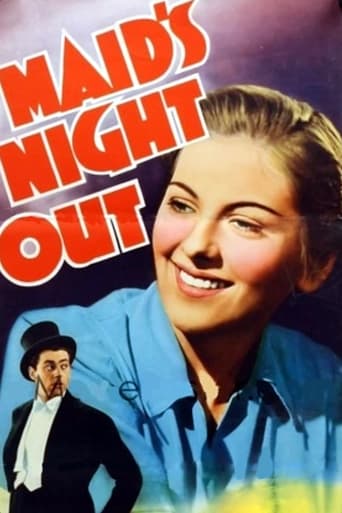 5.9
5.9A millionaire's son works as a milkman for a month to win a bet with his father. While delivering milk he falls in love with a young debutante whom he mistakes for a maid.
Maid's Night Out
1938
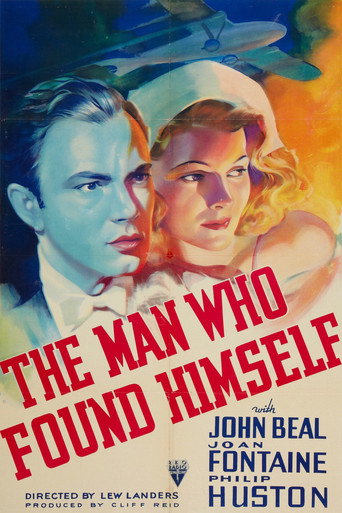 8.5
8.5Young Jim Stanton is a conscientious surgeon, but spends too many off-duty hours pursuing his passion for aviation to suit his stuffy father. When it is discovered that a passenger killed in a plane that Jim crashes was a married woman, the resulting scandal prompts the hospital to put Jim on probation. His pride wounded, Jim takes to the open road and enjoys the simpler life of a vagabond. In Los Angeles--where he is arrested for vagrancy and put to work on a road crew--Jim runs into old pal Dick Miller, who gets him a job as a mechanic for Roberts Aviation. But maintaining his anonymity becomes more difficult, particularly when a pretty nurse, Doris King, decides to make Jim's redemption her personal crusade.
The Man Who Found Himself
1937
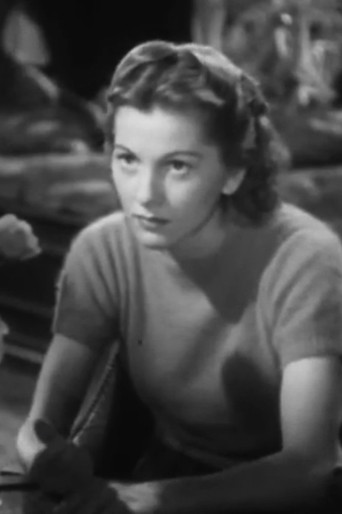 NR
NRJoan Fontaine's screen test for Alfred Hitchcock's "Rebecca" (1940).
Joan Fontaine, "Rebecca" Screen Test
1939
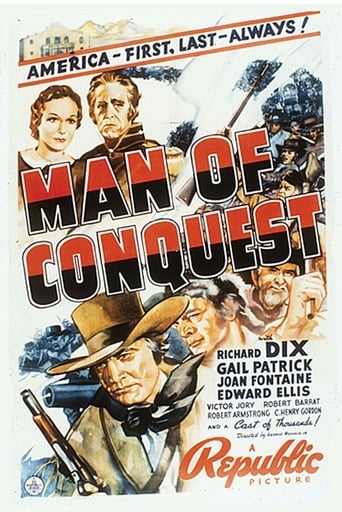 5.6
5.6The story of Sam Houston, hero of the Texas revolution, statesman, and first president of the Republic of Texas.
Man of Conquest
1939
 5.0
5.0The son of a disgraced Olympic decathlete prepares to become a star in his own right. His quest is complicated by a beautiful girl and a bitter rival.
A Million to One
1936
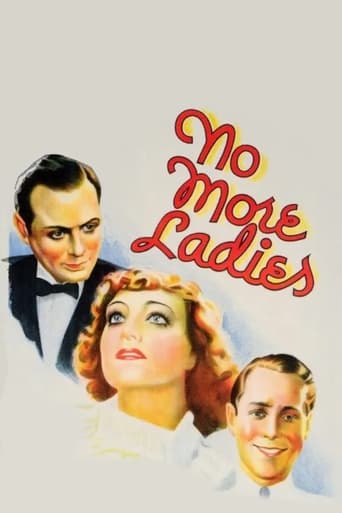 5.0
5.0A society girl tries to reform her playboy husband by making him jealous.
No More Ladies
1935
Series credits
5.8The Mike Douglas Show is an American daytime television talk show hosted by Mike Douglas that originally aired only in the Cleveland area during much of its first two years on the air. It then went into syndication in 1963 and remained on television until 1982. It was distributed by Westinghouse Broadcasting and for much of its run, originated from studios of two of the company's TV stations in Cleveland and Philadelphia.
The Mike Douglas Show
1961
6.2Passengers who search for romantic nights aboard a beautiful ship travelling to tropical or mysterious countries, decide to pass their vacation aboard the "Love Boat", where Gopher, Dr. Bricker, Isaac, Julie, and Captain Stubing try their best to please them, and sometimes help them fall in love. Things are not always so easy, but in the end, love wins.
The Love Boat
1977
7.0Four panelists must determine guests' occupations - and, in the case of famous guests, while blindfolded, their identity - by asking only "yes" or "no" questions.
What's My Line?
1950
7.9A continuation of the anthology series “Alfred Hitchcock Presents”, hosted by the master of suspense and featuring thrillers and mysteries.
The Alfred Hitchcock Hour
1962
NRThe Antoinette Perry Award for Excellence in Theatre, more commonly known as a Tony Award, recognizes achievement in live Broadway theatre. The awards are presented by the American Theatre Wing and The Broadway League at an annual ceremony in New York City. The awards are given for Broadway productions and performances, and an award is given for regional theatre.
Tony Awards
1956
6.8Four Star Playhouse is an American television anthology series that ran from 1952 to 1956, sponsored in its first bi-weekly season by The Singer Company; Bristol-Myers became an alternate sponsor when it became a weekly series in the fall of 1953. The original premise was that Charles Boyer, Ida Lupino, David Niven, and Dick Powell would take turns starring in episodes. However, several other performers took the lead from time to time, including Ronald Colman and Joan Fontaine. Blake Edwards was among the writers and directors who contributed to the series. Edwards created the recurring character of illegal gambling house operator Willie Dante for Dick Powell to play on this series. The character was later revamped and spun off in his own series starring Howard Duff, then-husband of Lupino. The pilot for Meet McGraw, starring Frank Lovejoy, aired here, as did another episode in which Lovejoy recreated his role of Chicago newspaper reporter Randy Stone, from the radio drama Nightbeat.
Four Star Playhouse
1952
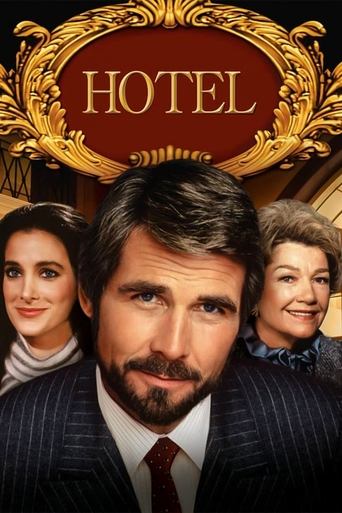 6.8
6.8Hotel is an American prime time drama series which aired on ABC from September 21, 1983 to May 5, 1988 in the timeslot following Dynasty. Based on Arthur Hailey's 1965 novel of the same name, the series was produced by Aaron Spelling and set in the elegant and fictitious St. Gregory Hotel in San Francisco. Establishing shots of the hotel were filmed in front of The Fairmont San Francisco atop the Nob Hill neighborhood. Episodes followed the activities of passing guests, as well as the personal and professional lives of the hotel staff.
Hotel
1982
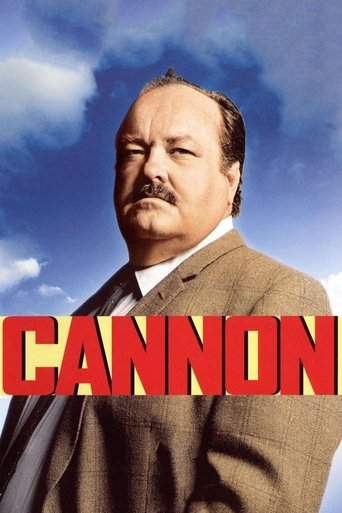 6.7
6.7Cannon is a CBS detective television series produced by Quinn Martin which aired from March 26, 1971 to March 3, 1976. The primary protagonist is the title character, private detective Frank Cannon, played by William Conrad. He also appeared on two episodes of Barnaby Jones. Cannon is the first Quinn Martin-produced series to be aired on a network other than ABC. A "revival" television film, The Return of Frank Cannon, was aired on November 1, 1980. In total, there were 124 episodes.
Cannon
1971
 7.1
7.1An annual American awards ceremony honoring cinematic achievements in the film industry. The various category winners are awarded a copy of a statuette, officially the Academy Award of Merit, that is better known by its nickname Oscar.
The Oscars
1953
The BBC's flagship cinema review TV program featuring reviews of new releases, news items and interviews. The title of the program changes each year to incorporate the year of broadcast.
Film '72
1971
 5.7
5.7Alcoa Presents: One Step Beyond is an American anthology series that dramatized purportedly real-life supernatural and paranormal experiences. The series was hosted by John Newland and ran for three seasons on ABC from January 1959 to July 1961.
One Step Beyond
1959
 6.0
6.0The 20th Century Fox Hour is an American drama anthology series televised in the United States on CBS from 1955 to 1957. Some of the shows in this series were restored, remastered and shown on the Fox Movie Channel in 2002 under the title Hour of Stars. The season one episode Overnight Haul, starring Richard Conte and Lizabeth Scott, was released in Australia as a feature film.
The 20th Century Fox Hour
1955
 6.3
6.3Westinghouse Desilu Playhouse is an American television anthology series produced by Desilu Productions. The show ran on CBS television between 1958 and 1960. Two of its 48 episodes served as pilots for the 1950s television series The Twilight Zone and The Untouchables.
Westinghouse Desilu Playhouse
1958
 6.8
6.8Startime, an anthology of drama, comedy and variety, was one of the first American television shows broadcast in color.
Startime
1959
 6.8
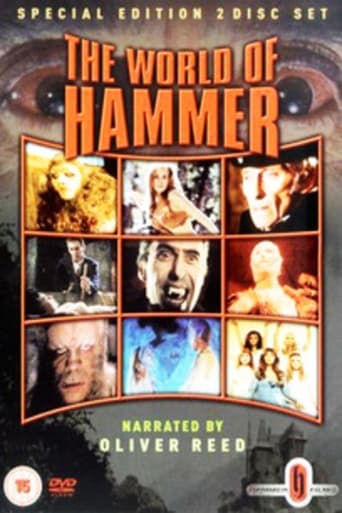
6.8The World of Hammer is a thirteen-part British documentary series created and written by Robert and Ashley Sidaway for Channel 4. Initially broadcast from 12 August to 4 November 1994, the series is narrated by English actor and frequent Hammer collaborator Oliver Reed.
The World of Hammer
1994
 6.2
6.2A look back at television appearances by legends of the silver screen, using archive footage to tell the story of their lives and careers.
Talking Pictures
2013
 6.6
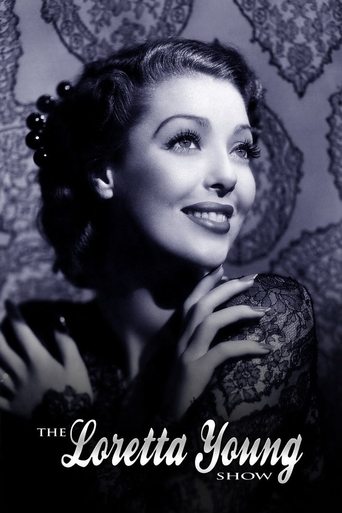
6.6Letter to Loretta is an American anthology drama series telecast on NBC from September 1953 to June 1961 for a total of 165 episodes. The filmed show was hosted by Loretta Young who also played the lead in various episodes. Letter to Loretta was sponsored by Procter & Gamble from 1953 through 1960. The final season's sponsor was Warner-Lambert's Listerine.
Letter to Loretta
1953
 6.0
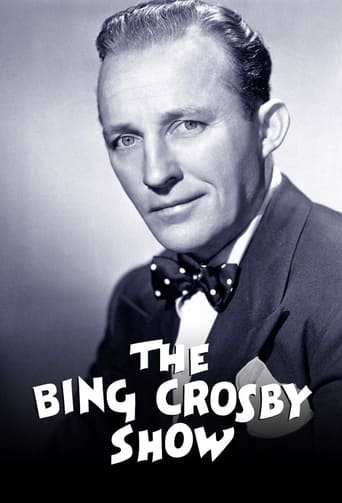
6.0The Bing Crosby Show is a 28-episode situation comedy television program starring crooner, film star, iconic phenomenon, and businessman Bing Crosby and actress Beverly Garland as a middle-aged couple, Bing and Ellie Collins, rearing two teenaged daughters during the early 1960s. In the format, Crosby portrayed a former entertainer turned architectural designer with a penchant for singing, and each episode usually contained at least one song. Produced by Crosby's own company, affiliated with Desilu Studios and subsequently CBS Paramount Television, the series aired on ABC from September 14, 1964, to April 19, 1965. Rebroadcasts continued until June 14. The roles of the daughters Janice and Joyce Collins were played by Carol Faylen and Diane Sherry, respectively. Top Warner Bros. character actor Frank McHugh appeared as Willie Walters, the Collins's live-in handyman. Christopher Riordan and Pamela Austin appeared twice on the program, Riordan as an unnamed "Neighbor" and Austin as Clarissa Roberts. Guest stars included Herbert Anderson, Frankie Avalon, Jack Benny, Jimmy Boyd, Macdonald Carey, Vikki Carr, Dennis Day, Roger Ewing, Glenda Farrell, Joan Fontaine, Kathy Garver, George Gobel, Kathryn Grant, Pat Harrington, Jr., Phil Harris, Charles Lane, Nobu McCarthy, Gary Morton, Ken Murray, Lloyd Nolan, Ruth Roman, and James Shigeta.
The Bing Crosby Show
1964
 7.0
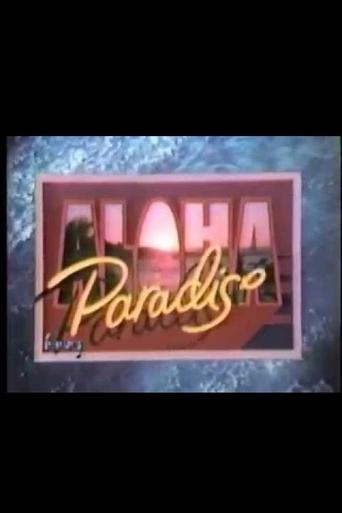
7.0Aloha Paradise is an American comedy series that aired on ABC on Wednesday night from February 25, 1981 to April 22, 1981. Aloha Paradise follows Sydney Chase, general manager of the Kona village resort in Hawaii where people meet and fall in love under the swaying palm trees and omnipresent sun. There's an assortment of assistants to direct traffic and play cupid— Sydney's bumbling file clerk Curtis, her perky social director Fran, he-guy lifeguard Richard and economy-sized bartender Evelyn. Aloha Paradise was executive produced by Douglas S. Cramer and Aaron Spelling, the same team that produced The Love Boat which the series bore a resemblance to.
Aloha Paradise
1981
 6.8
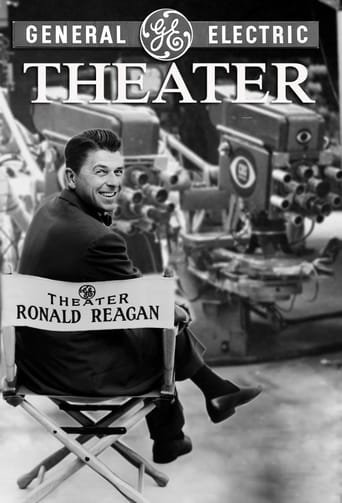
6.8General Electric Theater is an American anthology series hosted by Ronald Reagan that was broadcast on CBS radio and television. The series was sponsored by General Electric's Department of Public Relations.
General Electric Theater
1953
6.8General Electric Theater is an American anthology series hosted by Ronald Reagan that was broadcast on CBS radio and television. The series was sponsored by General Electric's Department of Public Relations.
General Electric Theater
1953
6.8General Electric Theater is an American anthology series hosted by Ronald Reagan that was broadcast on CBS radio and television. The series was sponsored by General Electric's Department of Public Relations.
General Electric Theater
1953
6.8General Electric Theater is an American anthology series hosted by Ronald Reagan that was broadcast on CBS radio and television. The series was sponsored by General Electric's Department of Public Relations.
General Electric Theater
1953
6.8General Electric Theater is an American anthology series hosted by Ronald Reagan that was broadcast on CBS radio and television. The series was sponsored by General Electric's Department of Public Relations.
General Electric Theater
1953
 4.7
4.7Despite rumors of impending war, the majestic ship Normandie makes its transatlantic voyage from Washington D.C., to France. Aboard is beautiful, American-born Liane De Villiers, devoted to her much-older husband, the French ambassador to the United States, and her two daughters. She meets Nick Burnham, an American steel magnate, a kind man trapped in a loveless marriage. Their passion remains unacknowledged. But when the outbreak of World War II forces Liane to flee Paris, she and Nick meet again–and pledge a love that can no longer be denied.
Crossings
1986