
Acting
H.B. Warner
Born — Died
1876-10-25 — 1958-12-21
Place of birth
London, England, UK
Known for
Acting
Credits
60 titles
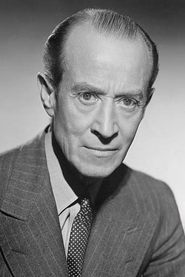
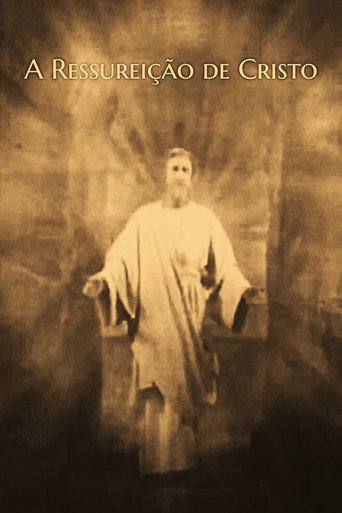
Henry Byron Warner (often credited as H.B. Warner) was an English actor. He was the definitive cinematic Jesus Christ in Cecil B. DeMille's The King of Kings (1927). He was born into a prominent theatrical family on October 26, 1875 in London. His father was Charles Warner, and his grandfather was James Warner, both prominent English actors. He replaced J.B. Warner as Jesus in The King of Kings (1927) when J.B. died of tuberculosis at age 29. (J.B. was not Henry's brother. J.B. had taken the professional last name "Warner" because Henry's family took him in.) Henry Warner's family wanted him to become a doctor, and he graduated from London University but eventually gave up his medic…
Known for
 8.3
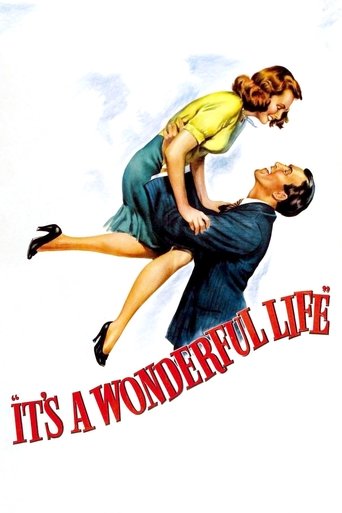
8.3George Bailey has spent his entire life giving to the people of Bedford Falls. All that prevents rich skinflint Mr. Potter from taking over the entire town is George's modest building and loan company. But on Christmas Eve the business's $8,000 is lost and George's troubles begin.
It's a Wonderful Life
1946
 8.3
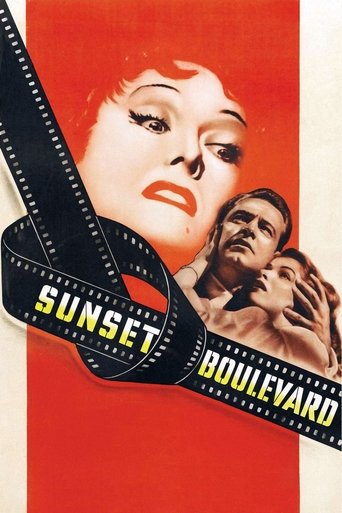
8.3A hack screenwriter writes a screenplay for a former silent film star who has faded into Hollywood obscurity.
Sunset Boulevard
1950
 7.8
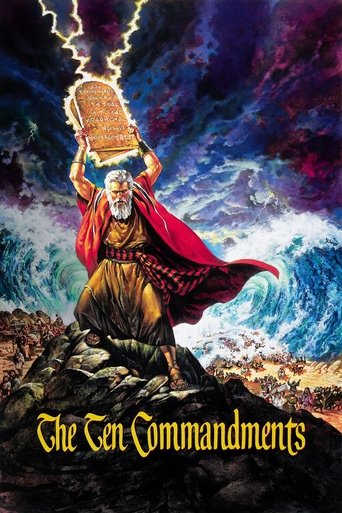
7.8Escaping death, a Hebrew infant is raised in a royal household to become a prince. Upon discovery of his true heritage, Moses embarks on a personal quest to reclaim his destiny as the leader and liberator of the Hebrew people.
The Ten Commandments
1956
 7.8
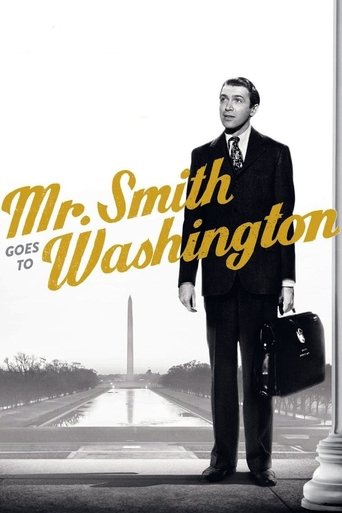
7.8After the death of a United States Senator, the idealistic Jefferson Smith is appointed as his replacement in Washington. The naive and earnest new senator soon finds himself battling political corruption.
Mr. Smith Goes to Washington
1939
 6.4
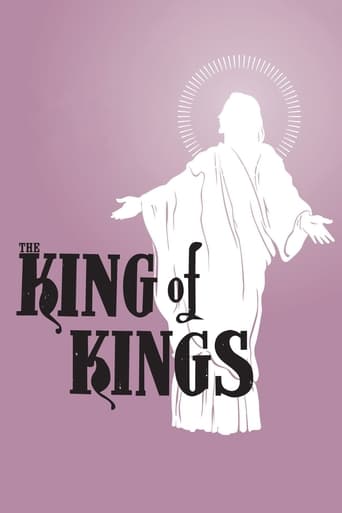
6.4The King of Kings is the Greatest Story Ever Told as only Cecil B. DeMille could tell it. In 1927, working with one of the biggest budgets in Hollywood history, DeMille spun the life and Passion of Christ into a silent-era blockbuster. Featuring text drawn directly from the Bible, a cast of thousands, and the great showman’s singular cinematic bag of tricks, The King of Kings is at once spectacular and deeply reverent—part Gospel, part Technicolor epic.
The King of Kings
1927
 6.1
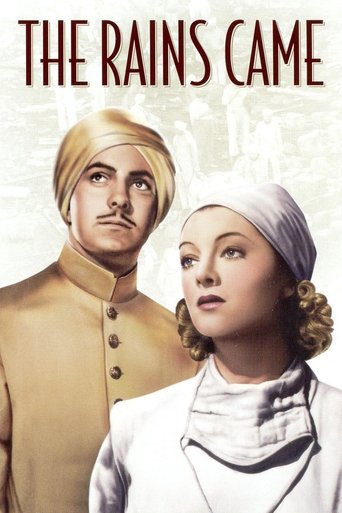
6.1Indian aristocrat Rama Safti returns from medical training in the U.S. to give his life to the poor folk of Ranchipur. Lady Edwina and her drunken artist ex-lover Tom Ransome get in the way, but everyone shapes up when faced by earthquake, flooding, and plague.
The Rains Came
1939
Film credits
1980s · 1 titles
1950s · 5 titles
8.3A hack screenwriter writes a screenplay for a former silent film star who has faded into Hollywood obscurity.
Sunset Boulevard
1950
7.8Escaping death, a Hebrew infant is raised in a royal household to become a prince. Upon discovery of his true heritage, Moses embarks on a personal quest to reclaim his destiny as the leader and liberator of the Hebrew people.
The Ten Commandments
1956
 5.4
5.4Foreign correspondent Pete Garvey has 5 days to win back his former fiancée, or he'll lose the orphans he adopted.
Here Comes the Groom
1951
 7.4
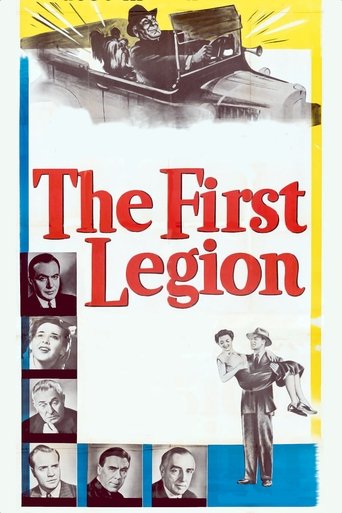
7.4A Catholic priest fights against his colleagues' immediate acceptance of an ambiguous “miracle”.
The First Legion
1951
 6.5
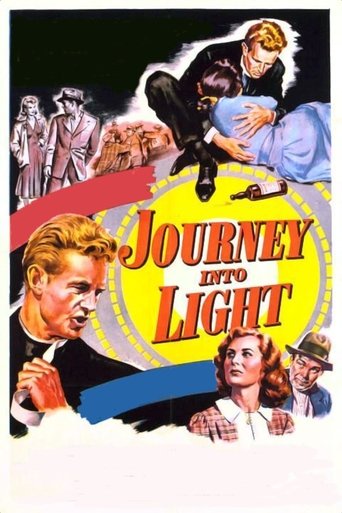
6.5John Burrows, an ordained minister from a small village in the East, envisions himself with a larger congregation. He is mortified when his wife drunkenly interrupts a sermon, then despondent after her suicide. Burrows travels to Los Angeles for a fresh start, but takes to the bottle himself and ends up arrested for public intoxication. A skid-row con man, Gandy, finds him a bed at a flop house, while a street preacher, Doc Thorssen, and daughter Christine take him to a local mission. Christine is blind. She falls in love with Burrows, enjoying his discussions of the spirit and the soul but knowing little of his past. One day she is struck by a streetcar and knocked unconscious, causing Burrows to once again question his faith. He ultimately accepts the Lord's will and is offered a better place to live and preach. Burrows decides he is better suited to the mission, with Christine by his side.
Journey Into Light
1951
1940s · 16 titles
8.3George Bailey has spent his entire life giving to the people of Bedford Falls. All that prevents rich skinflint Mr. Potter from taking over the entire town is George's modest building and loan company. But on Christmas Eve the business's $8,000 is lost and George's troubles begin.
It's a Wonderful Life
1946
 6.5
6.5Topper is once again tormented by a fun-loving spirit. This time, it's Gail Richards, accidentally murdered while vacationing at the home of her wealthy friend, Ann Carrington, the intended victim. With Topper's help, Gail sets out to find her killer with the expected zany results.
Topper Returns
1941
 7.0
7.0Farmer Jabez Stone, about to lose his land, agrees to sell his soul to the devil, known as Mr. Scratch, who gives Jabez seven years to enjoy the fruits of his sale before he collects. Over that time, Jabez pays off his debts and helps many neighboring farmers, then becomes an advocate for the upstanding Sen. Daniel Webster. When Jabez's contract with Mr. Scratch concludes, he desperately turns to Webster to represent him in a trial for his soul.
All That Money Can Buy
1941
 7.0
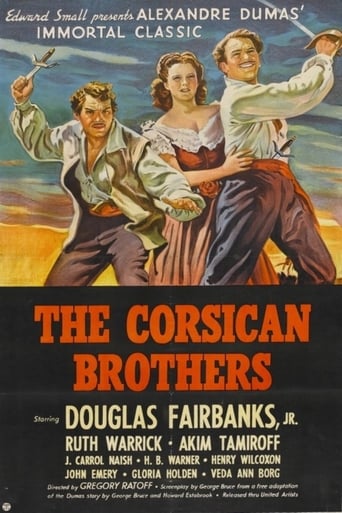
7.0Cultured Mario and outlaw Lucien, twins separated at birth, join forces to avenge their parents' death at the hands of evil Colonna. Because each feels all the same sensations experienced by the other, swordplay is difficult for them. Worse yet, raised very differently, they struggle to find common ground between their conflicting personalities. But to defeat their enemy, the two will have to overcome the obstacles and work as a team.
The Corsican Brothers
1942
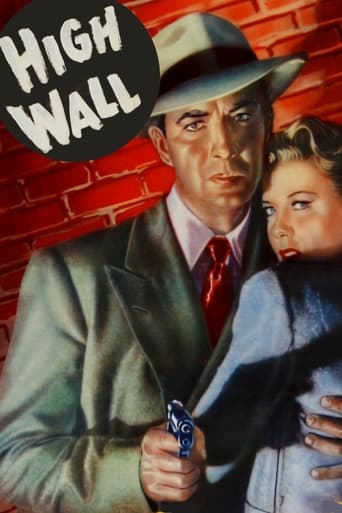 6.4
6.4Steven Kenet, suffering from a recurring brain injury, appears to have strangled his wife. Having confessed, he's committed to an understaffed county asylum full of pathetic inmates. There, Dr. Ann Lorrison is initially skeptical about Kenet's story and reluctance to undergo treatment. But against her better judgement, she begins to doubt his guilt.
High Wall
1947
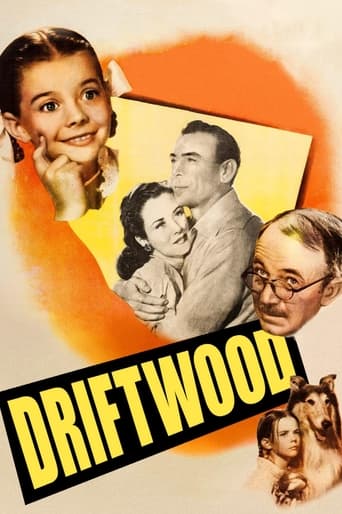 6.8
6.8An orphan helps a doctor fight an epidemic in a small western town, in one of Allan Dwan’s closely observed studies in Americana.
Driftwood
1947
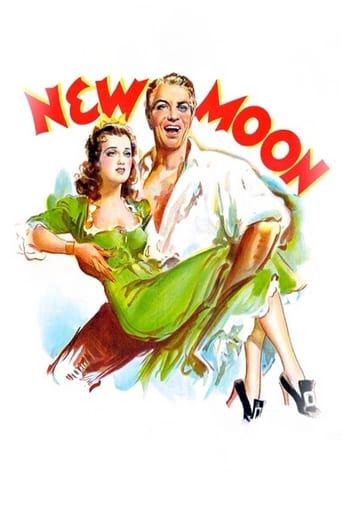 6.9
6.9A revolutionary leader romances a French aristocrat in Louisiana.
New Moon
1940
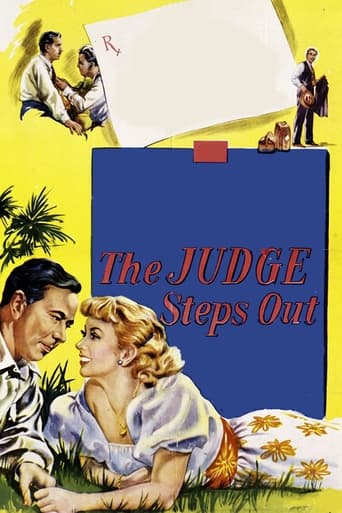 6.8
6.8A judge flees the pressures of professional and family life for a job as a short-order cook.
The Judge Steps Out
1947
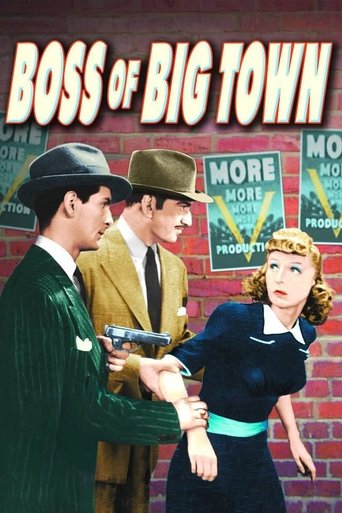 6.2
6.2Quality was seldom a consideration in the low-budget films of PRC Studios; still, the company was a welcome harbor for character actors who aspired to occasional leading roles. In Boss of Big Town, veteran supporting player John Litel is top-billed as crusading city market official Michael Lynn. When a criminal gang muscles in on the local food distribution markets, Lynn vows to throw the rascals out. First, however, he pretends to join the villains as a paid government stooge, the better to find out the identity of the "Mister Big" behind the distribution racket. The exposure of the "mystery villain" will come as a shock to fans of the 1927 Cecil B. DeMille epic The King of Kings--but not to dyed-in-the-wool movie buffs.
The Boss of Big Town
1942
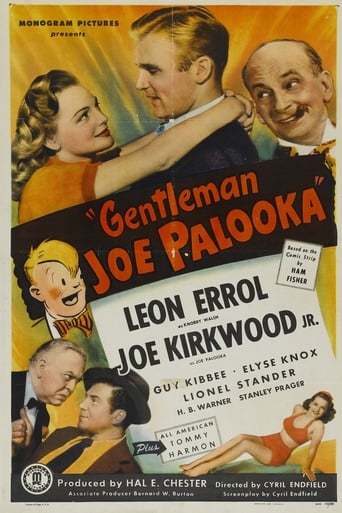 NR
NRIn the second film of Monogram's Joe Palooka series, Joe is 'used', by two state senators scheming to obtain oil-rich lands, in a publicity campaign to get the land transferred to the state, supposedly for a park. When Joe learns that he has been used as a dupe he becomes disillusioned and leaves the prize=fighting profession. But, his manager, sparring partners, and fiancée manage to expose the land-grab scheme, clear Joe's name and discredit the crooked politicians.
Gentleman Joe Palooka
1946
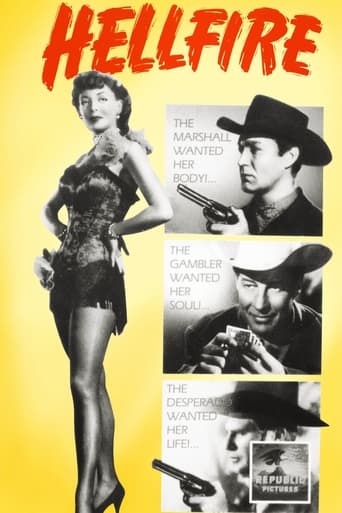 6.4
6.4Zeb Smith is a gambler with a larcenous streak, but when an itinerant preacher takes a bullet meant for him, Zeb vows to fulfill the preacher's mission of building a church. Frustrated in his attempts to get donations, Zeb attempts to capture fugitive Doll Brown in order to obtain the reward. But he finds that there's more to Doll than meets the eye. When his old friend Bucky McLean shows up gunning for Doll, Zeb sees a chance to redeem them all... one way or another.
Hellfire
1949
 6.0
6.0Ex-confederate officer Clay Fletcher jumps at the chance to reunite with his once lady-friend, Susan Jeffers, when his father, Judge Fletcher, sends him on an errand to El Paso, Texas to get the signature of Susan's father, Judge Jeffers, on a legal document. Once there he finds the judge has become a drunk and a laughing stock, doing the bidding of local magnate Bert Donner and his running dog, Sheriff La Farge. Just as Clay starts straightening out the town's problems, events occur which force him to abandon the legal system and instead adopt the murderous tactics of a vigilante.
El Paso
1949
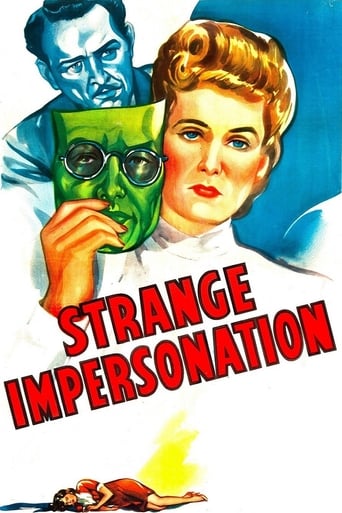 6.1
6.1A female research scientist conducting experiments on a new anesthetic has a very bad week. Her scheming assistant intentionally scars her face, her almost-fiancee appears to have deserted her and she finds herself being blackmailed by a women she accidentally knocked down with her car.
Strange Impersonation
1946
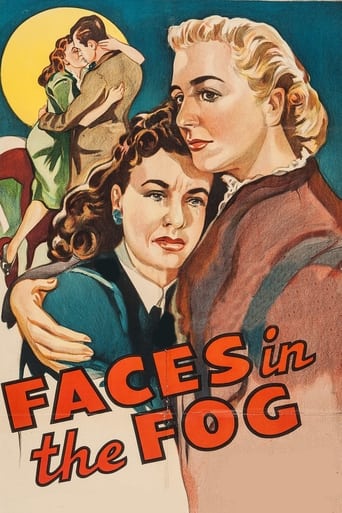 4.3
4.3Tom and Cora Elliott love their active social life so much that they neglect their daughter Mary and son Les. Fred Mason, Tom's neighbor and the doctor at the defense plant employing Tom, worries about the effect that Tom and Cora's drinking and socializing have on the children....
Faces in the Fog
1944
 5.8
5.8Several days after one of his company's dams burst, ruining the life savings of several investors, a shady power company president is found stabbed to death. Ellery Queen gets to the bottom of the mystery.
Ellery Queen and the Perfect Crime
1941
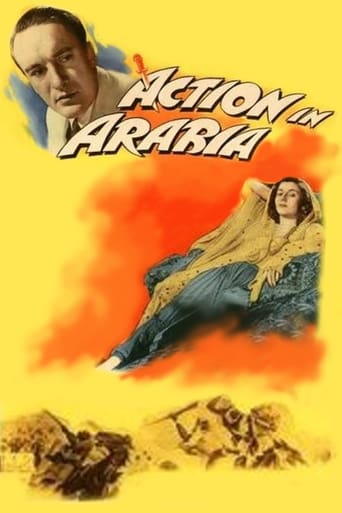 6.0
6.0Reporter Michael Gordon uncovers intrigue in Damascus, where the Allies and Nazis struggle for control of Arab sympathies.
Action in Arabia
1944
1930s · 28 titles
7.8After the death of a United States Senator, the idealistic Jefferson Smith is appointed as his replacement in Washington. The naive and earnest new senator soon finds himself battling political corruption.
Mr. Smith Goes to Washington
1939
6.1Indian aristocrat Rama Safti returns from medical training in the U.S. to give his life to the poor folk of Ranchipur. Lady Edwina and her drunken artist ex-lover Tom Ransome get in the way, but everyone shapes up when faced by earthquake, flooding, and plague.
The Rains Came
1939
 7.5
7.5Longfellow Deeds lives in a small town, leading a small town kind of life. When a relative dies and leaves Deeds a fortune, Longfellow moves to the big city where he becomes an instant target for everyone. Deeds outwits them all until Babe Bennett comes along. When small-town boy meets big-city girl anything can, and does, happen.
Mr. Deeds Goes to Town
1936
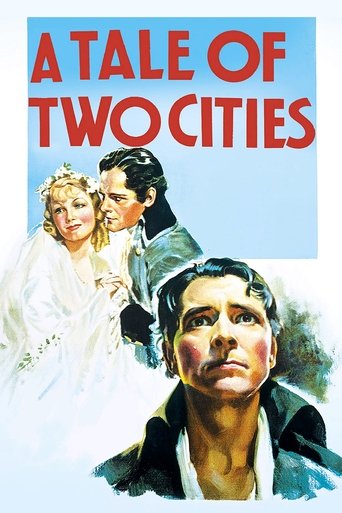 6.9
6.9Set against the conditions leading up to the French Revolution and the Reign of Terror, French doctor Alexandre Manette serves an 18-year imprisonment in the Bastille in Paris, followed by his release to live in London with the daughter he has never met.
A Tale of Two Cities
1935
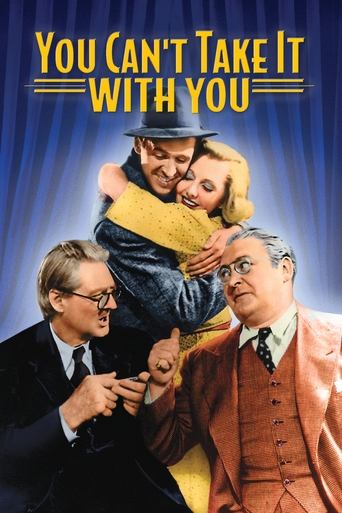 7.5
7.5Alice, the only relatively normal member of the eccentric Sycamore family, falls in love with Tony Kirby, but his wealthy banker father and snobbish mother strongly disapprove of the match. When the Kirbys are invited to dinner to become better acquainted with their future in-laws, things don't turn out the way Alice had hoped.
You Can't Take It with You
1938
 6.2
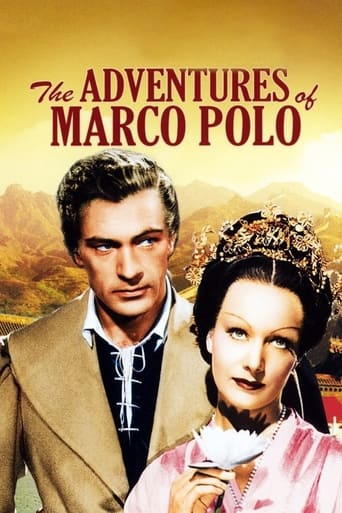
6.2The Venetian traveler Marco Polo meets Kublai Khan and foils a plotter with fireworks in medieval China.
The Adventures of Marco Polo
1938
 6.9
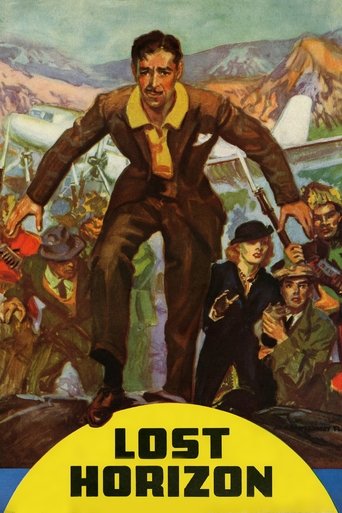
6.9British diplomat Robert Conway and a small group of civilians crash-land in the Himalayas, where they are rescued by the inhabitants of the hidden, idyllic valley of Shangri-La. Protected by the mountains from the world outside, where the clouds of World War II are gathering, Shangri-La provides a seductive escape for the world-weary Conway.
Lost Horizon
1937
 6.5
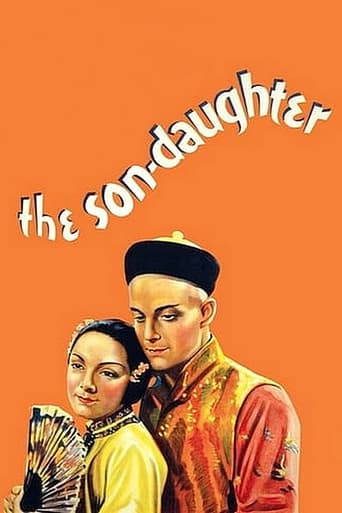
6.5Young Asians in San Francisco find their love thwarted by clan warfare.
The Son-Daughter
1932
 6.1
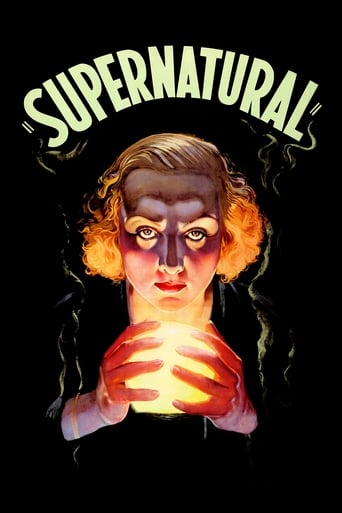
6.1After her brother's death, Roma Courtney becomes the heiress to his fortune. When a fake psychic claims to have a message from her dead brother, he coaxes her into participating in a séance. While her fiancé first believes the séance is nothing more than a scam, he eventually realizes that the vengeful spirit of an executed murderer has possessed Roma's body.
Supernatural
1933
 4.8
4.8An escaped lunatic, a mysterious swami, and various lovers all have designs on a famous opera singer.
Moonlight Murder
1936
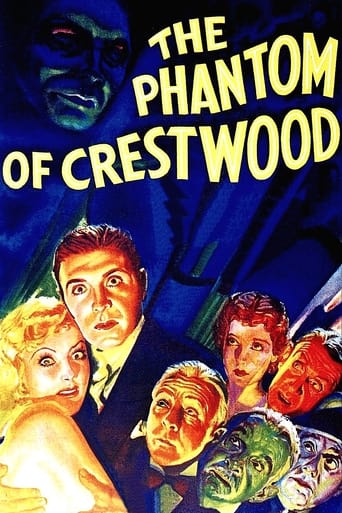 5.9
5.9Five men have to prove their innocence when a blackmailer is murdered.
The Phantom of Crestwood
1932
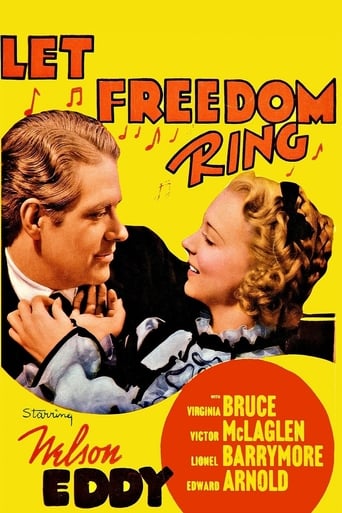 6.8
6.8A Harvard man fights a railroad baron with a disguise and the power of the press.
Let Freedom Ring
1939
 8.0
8.0After Michael Carter's fiancée commits suicide, Michael vows to seek revenge on his wealthy family, who sabotaged their marriage. He drives across the country angrily, and lands up at a saloon, where he is shot by an Indian, Pete. Pete's girlfriend, Tonita nurses Michael's wound and falls in love with him. Michael realizes this, proposes marriage to Tonita - a perfect revenge for his prejudice family. They marry and he takes her to New York, in full Indian dress hoping to embarrass the family.
Behold My Wife!
1934
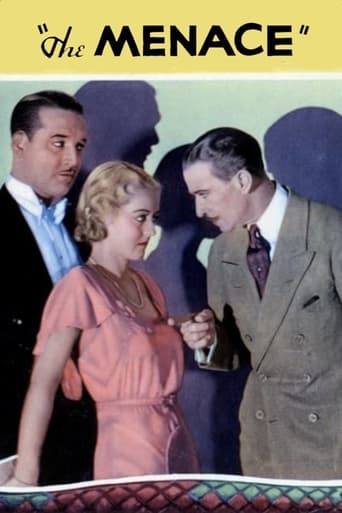 5.6
5.6A man framed for murder escapes from prison in order to prove his innocence.
The Menace
1932
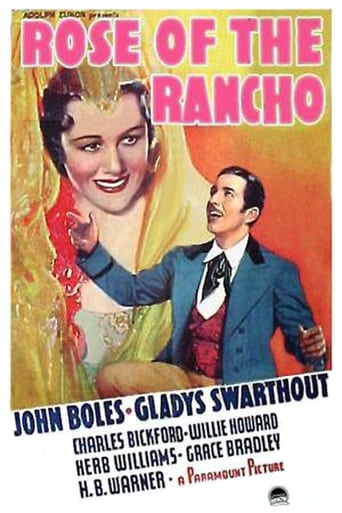 7.0
7.0It is California in 1852 that only recently being surrendered by Mexico to the United States and admitted into the union. Most of the land-owners of California were the descendants of the Dons who had colonized it a hundred years before and whose title deeds bore the signature and seal of a long-dead Spanish king. But, by a loop-hole in the law, the title-deeds of the Dons could not be recognized, and this opened the door of organized gangs of land-grabbers, such as the one led by Joe Kincaid, to operate with a prime excuse for legitimate plunder and robbery. In most cases the law was unable to cope with the situation. Then Rosita Castro, the daughter of Don Pasqual Castro, masked and disguised as a man, organized a band of vigilantes to fight against the tyranny of the outlaws, aided by an undercover federal agent, Jim Kearney.
Rose of the Rancho
1936
 5.0
5.0A Southern belle finds herself torn between two suitors.
The Toy Wife
1938
 6.0
6.0Robert Louis Stevenson's hero David Balfour joins rebel Alan Breck Stewart in 18th-century Scotland.
Kidnapped
1938
 6.2
6.2It is 1915 in Vienna and the Great War has caused many casualties. Elsa, a beautiful prostitute, wants to help the war effort, but is rejected as a nurse, but a government official thinks that she will make an excellent spy.
A Woman of Experience
1931
 7.3
7.3Charlie is the intended murder victim here, and he avoids death only by chance. To find the murderer (since, of course, murder does occur), Charlie must outguess Scotland Yard and New York City police.
Charlie Chan's Chance
1932
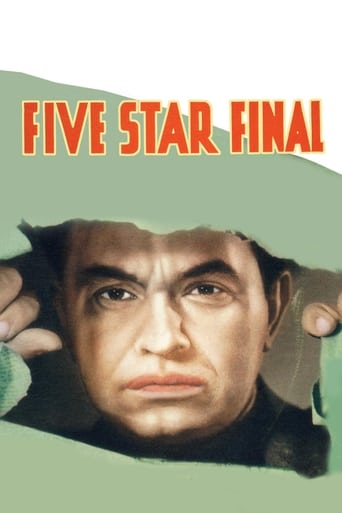 6.6
6.6Searching for headlines at any cost, an unscrupulous newspaper owner forces his editor to print a serial based on a past murder, tormenting a woman involved.
Five Star Final
1931
 5.8
5.8Drummond has to leave for Morocco on his wedding day with his fiancee and trusted friends to rescue his friend Nielsen who is kidnapped by an international criminal.
Bulldog Drummond in Africa
1938
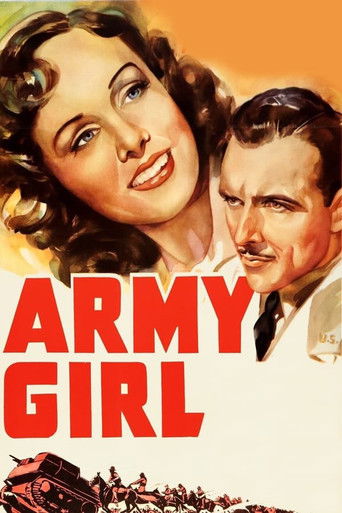 6.8
6.8A young captain hoping to replace the U.S. Army's horses with mechanized vehicles faces court-martial after his commanding officer, who's opposed to modern changes, is killed.
Army Girl
1938
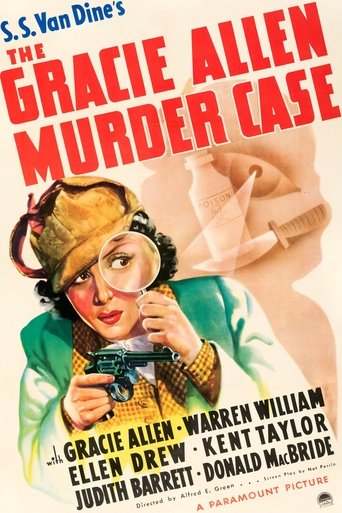 6.3
6.3Super-sleuth Philo Vance faces the zaniest case of his career when Gracie Allen "helps" him try to solve the murder of an escaped convict. As she attempts to clear the name of a friend accused of the killing, her wacky, scatterbrained ways constantly impede the investigation.
The Gracie Allen Murder Case
1939
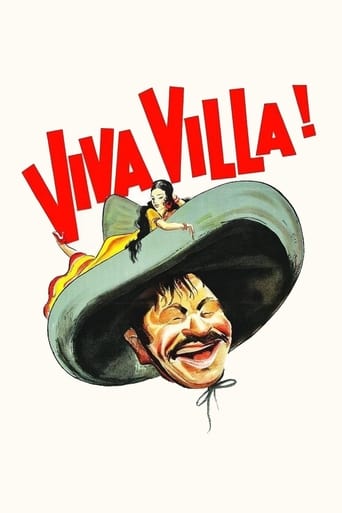 6.2
6.2In this fictionalized biography, young Pancho Villa takes to the hills after killing an overseer in revenge for his father's death.
Viva Villa!
1934
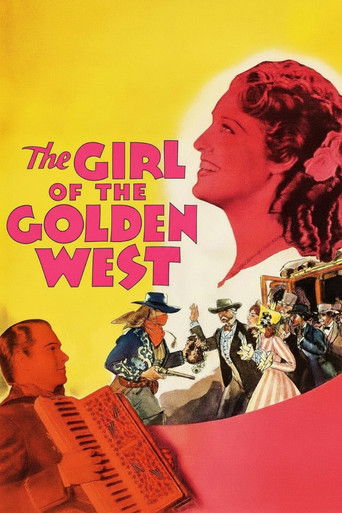 5.3
5.3A bandit disguises himself as an officer in an attempt to woo a saloon singer.
The Girl of the Golden West
1938
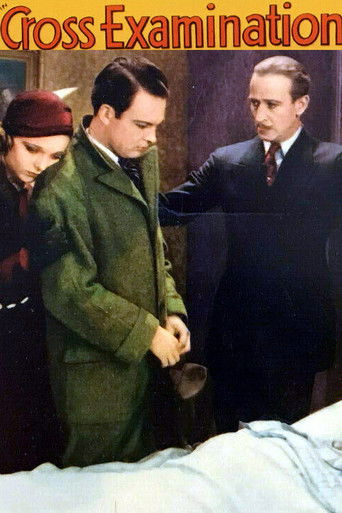 5.1
5.1Defense Atorney Gerald Waring uses great skill and ingenuity in his efforts to save the life of a young man charged with the murder of his father. Witness after witness piles up damaging evidence against the accused youth, but expert cross-examination by Waring digs out the startling truth behind the killing and subsequently reveals the identity of the real killer in a surprise-twist ending.
Cross-Examination
1932
 5.7
5.7Two people with ties to rich murdered socialite Lowe Hammle die from unusual suicides—but Vance suspects foul play.
The Garden Murder Case
1936
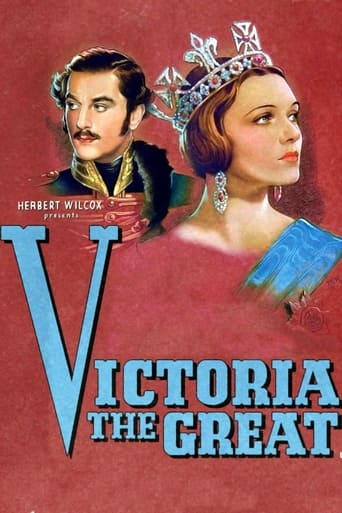 5.6
5.6The film biography of Queen Victoria focusing initially on the early years of her reign with her marriage to Prince Albert and her subsequent rule after Albert's death in 1861.
Victoria the Great
1937
1920s · 7 titles
6.4The King of Kings is the Greatest Story Ever Told as only Cecil B. DeMille could tell it. In 1927, working with one of the biggest budgets in Hollywood history, DeMille spun the life and Passion of Christ into a silent-era blockbuster. Featuring text drawn directly from the Bible, a cast of thousands, and the great showman’s singular cinematic bag of tricks, The King of Kings is at once spectacular and deeply reverent—part Gospel, part Technicolor epic.
The King of Kings
1927
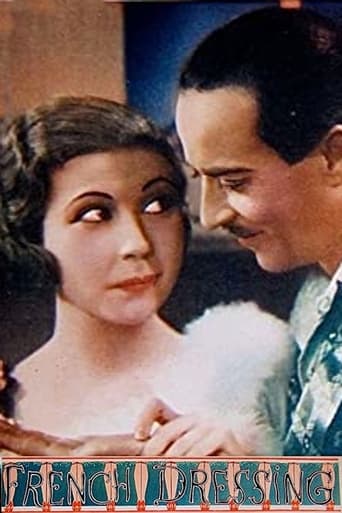 3.7
3.7Philip and Cynthia Grey are a pair of recently-wed Bostonians, and Cynthia is properly back-bay no-action quiet and dowdy, and Philip resigns himself to the quietness (no action) regularity of their home. But then along comes a blonde, Peggy Nash, who adds some action and outside-regularity to Philip's life. Cynthia is somewhat upset at this turn of events, and decides to go to Paris - the Wickedest City in the World - and get a quiet divorce. Cynthia soon finds out that Paris is a really gay city, especially after Henri de Briac, shows up and offers to be her guide to the delights of Paris (primarily him). Cynthia quickly sheds some of her dowdy ways and dowdy clothes, and is having herself what was once quaintly described as a gay old time. Philip then shows up in Paris, deciding he wants Cynthia back as his wife, and Peggy shows up right behind him and, soon, it is up to Henri to make the pairing-arrangements for the foursome.
French Dressing
1927
 6.6
6.6Now hear this. The studio that gave the cinema its voice offered 1929 audiences a chance to see and hear multiple silent-screen favorites for the first time in a gaudy, grandiose music-comedy-novelty revue that also included Talkie stars, Broadway luminaries and of course, Rin-Tin-Tin. Frank Fay hosts a jamboree that, among its 70+ stars, features bicyclers, boxing champ Georges Carpentier, chorines in terpsichore kickery, sister acts, Myrna Loy in two-strip Technicolor as an exotic Far East beauty, John Barrymore in a Shakespearean soliloquy (adding an on-screen voice to his legendary profile for the first time) and Winnie Lightner famously warbling the joys of Singing in the Bathtub. Watch, rinse, repeat!
The Show of Shows
1929
 6.3
6.3Zaza is an actress and the favorite at an open-air theater in a small French town. When diplomat Bernard Dufresne comes to the village, he stays away for fear he will fall for her. But during one performance, while Zaza is singing on a swing, her rival cuts the rope and she falls. Zaza is badly injured and she makes Dufresne's acquaintance. A romance quickly springs up and he installs her in a villa. Their happiness is marred, however, when his wife appears.
Zaza
1923
 9.0
9.0A father-and-son team of cons gamble their firm’s assets. The son is caught investing money that doesn't belong to him and is indicted on a swindling charge. The plot gets spicy when the District Attorney handling the case is his former sweetheart's husband. This situation gives the DA an opportunity to prosecute his romantic rival.
The Gamblers
1929
 9.0
9.0Railroad foreman Murray Sinclair is dismissed by George McCloud, division superintendent, for ransacking wrecks. Sinclair along with his henchmen, retire to his ranch and forays against the railroad. "Whispering Smith," engaged by the railroad to restore order, is hesitant in dealing with Sinclair when he falls in love with Marion, Sinclair's wife, who is separated from her husband and operates a small shop in Medicine Bend. Dicksie, McCloud's sweetheart, overhears Sinclair threaten McCloud, and she rides through a storm to warn him; Smith, with the aid of Bill Dancing, tracks down Sinclair and his men, and Bill kills the villain. Dicksie and McCloud marry and take Marion under their protection.
Whispering Smith
1926
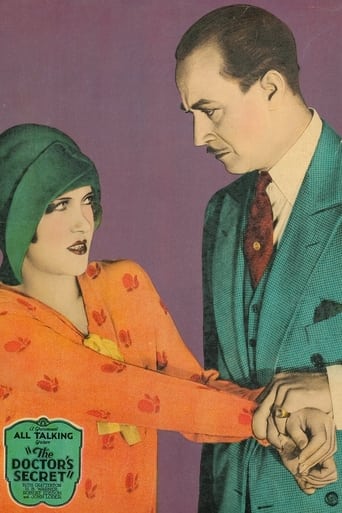 7.0
7.0Young Englishwoman Lillian Garson is unhappy with her marriage and decides to elope with another man. However he is killed in a car accident and she returns home to her husband and tries to carry on as if nothing had happened. Only the doctor who shows up at their house for dinner that night, and who dealt with the crash, knows the truth. A lost film.
The Doctor's Secret
1929
1910s · 2 titles
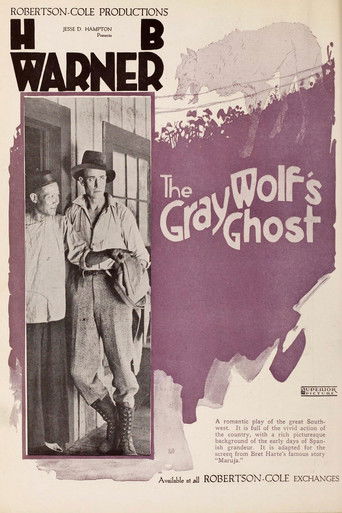 10.0
10.0The unscrupulous attempts by speculators Dr. West and Jim Prince to have a railroad pass through lower California are met with opposition by Spanish landowners led by Dona Maria Saltonstall, who tries flirting with West to restore their property. Pereo, a religious fanatic who works for Dona Maria, believes in the curse of the Gray Wolf's Ghost: if a member of Dona Maria's family mates with an alien, fortune and life will be lost. Meanwhile, West's son Harry, whom he deserted years before, comes to avenge the wrong done to his mother.
The Gray Wolf's Ghost
1919
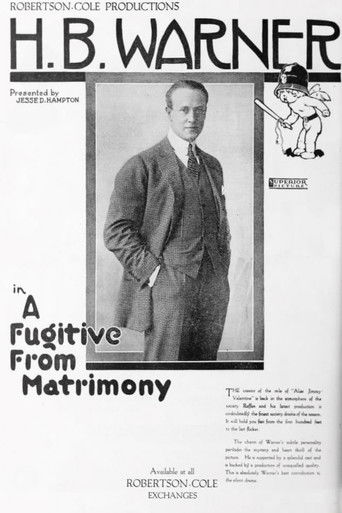 9.0
9.0The Riggs family, newly wealthy from Oklahoma oil, move to an estate in Ossining, New York, adjoining that of eligible bachelor Stephen Van Courtlandt, who wants to avoid marriage. Mrs. Riggs, anxious to break into society, wants her daughter Barbara to marry Stephen.
A Fugitive from Matrimony
1919