
Acting
Linda Clifford
Born 1948-06-14 · New York City, New York
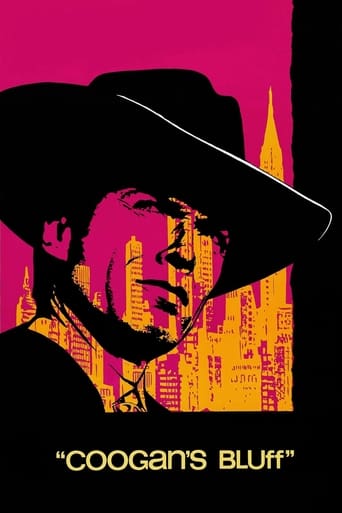
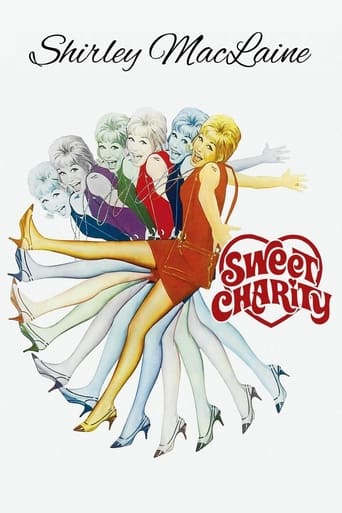
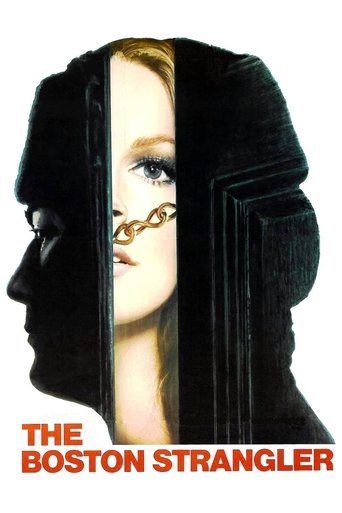
Linda Clifford (born June 14, 1948) is an American R&B, disco and house music singer who scored hits from the 1970s to the 1980s, most notably "If My Friends Could See Me Now", "Bridge over Troubled Water", "Runaway Love" and "Red Light" Clifford is a former Miss New York State, and fronted a jazz music trio before switching to R&B. After winning her title, Clifford worked as an actress, playing minor roles in films such as The Boston Strangler with Tony Curtis and Henry Fonda, Coogan's Bluff with Clint Eastwood and Sweet Charity with Shirley MacLaine. Unsatisfied with her roles, Clifford decided to concentrate on her singing career, performing for a year in Miami-area night clubs with the Jericho Jazz Singers, before forming her own group Linda & the Trade Winds.
Acting credits
 6.3
6.3Coogan, an Arizona deputy sheriff goes to New York to pick up a prisoner. While escorting the prisoner to the airport, he escapes and Coogan heads into the city to recapture him.
Coogan's Bluff
1968
 6.9
6.9Taxi dancer Charity continues to have faith in the human race despite apparently endless disappointments at its hands, and hope that she will finally meet the nice young man to romance her away from her sleazy life. Maybe, just maybe, handsome Oscar will be the one to do it.
Sweet Charity
1969
 6.6
6.6Boston is being terrorized by a series of seemingly random murders of women. Based on the true story, the film follows the investigators path through several leads before introducing the Strangler as a character. It is seen almost exclusively from the point of view of the investigators who have very few clues to build a case upon.
The Boston Strangler
1968
 5.8
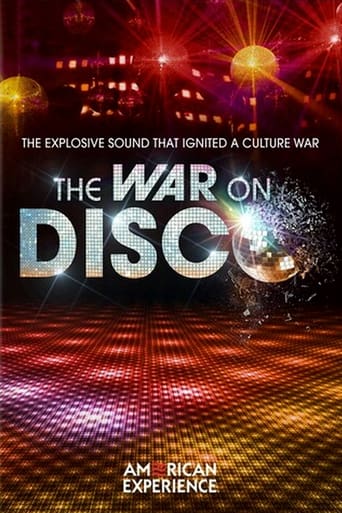
5.8The War on Disco explores the culture war that erupted over the spectacular rise of disco music. Originating in underground Black and gay clubs, disco had unseated rock as America’s most popular music by the late 1970s. But many diehard rock fans viewed disco, with its repetitive beat and culture that emphasized pleasure, as shallow and superficial. A story that’s about much more than music, The War on Disco explores how the powerful anti-disco backlash revealed a cultural divide that to some seemed to be driven by racism and homophobia. The hostility came to a head on July 12, 1979, when a riot broke out at “Disco Demolition Night” during a baseball game in Chicago.
The War on Disco
2023