
Directing
Tang Han
Known for
Directing
Credits
5 titles
Known for
A giant ginger mountain landscape that five cooks spent a week to make: Once magnificent culinary works of art were created in Chinese restaurants. Food was associated with a wealth of money and time. The world today is short-lived, customers have become few and far between. Chefs talk about the connection between food culture and socio-economic change in China.
Shape of Appetite
2017
 NR
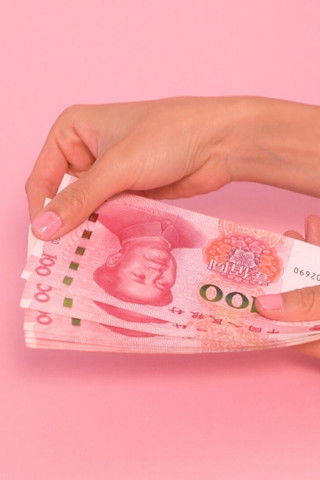
NRWhy do we see certain colours even when they aren’t there? Chinese director Tang Han meticulously analyses the 100 Yuan bill, which carries a portrait of Mao Zedong, and finds that – despite official representations and general perception – the note is pink rather than red. In a serious tone and colourful, merry images she also casually upsets any number of other entrenched notions about digitalization, globalization, capitalism and gender.
Pink Mao
2020
 NR
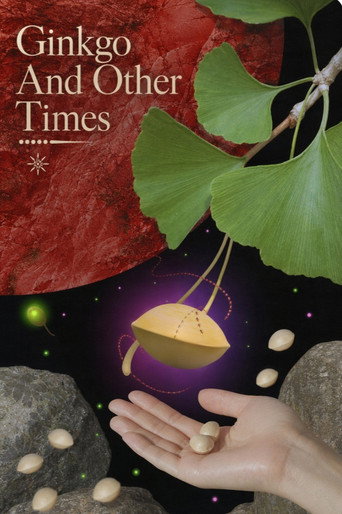
NRThrough the exploration of the ginkgo tree and inspiration from ecological ethics in nature writing and Ancient Chinese folk tales, Ginkgo And Other Times critically examines shifting human greed, the interconnectedness between humans and nonhumans, and contemplates the continuity of life and the temporality of the ginkgo in relation to that of other existences. Trees act as witnesses, conveying different dimensions of the story through the different cycles of life.
Ginkgo And Other Times
—
 2.0
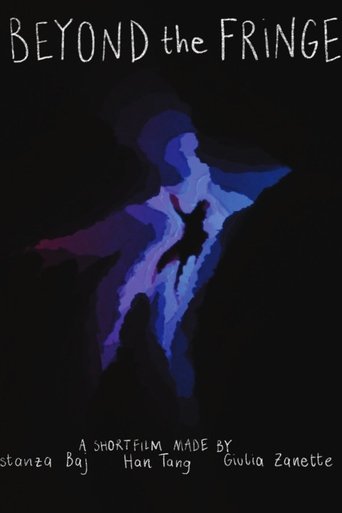
2.0A story about a little paper figure’s journey of finding the strength to leave its home, the notebook where it was born, to explore the great world beyond.
Beyond The Fringe
2023
Ginkgo trees are separated by sex; only the female trees bear fruit. Once highly esteemed as natural sources of health, city dwellers today object to their pungent smell and, as gardeners, prefer the less complicated, more fragrant “fruitless” male plants. Tang Han explains with infographics, apt short sound comments and sympathetic objectivity.
Miss Ginkgo (Chapter 1)
2021
Behind the camera
A giant ginger mountain landscape that five cooks spent a week to make: Once magnificent culinary works of art were created in Chinese restaurants. Food was associated with a wealth of money and time. The world today is short-lived, customers have become few and far between. Chefs talk about the connection between food culture and socio-economic change in China.
Shape of Appetite
2017
NRWhy do we see certain colours even when they aren’t there? Chinese director Tang Han meticulously analyses the 100 Yuan bill, which carries a portrait of Mao Zedong, and finds that – despite official representations and general perception – the note is pink rather than red. In a serious tone and colourful, merry images she also casually upsets any number of other entrenched notions about digitalization, globalization, capitalism and gender.
Pink Mao
2020
NRThrough the exploration of the ginkgo tree and inspiration from ecological ethics in nature writing and Ancient Chinese folk tales, Ginkgo And Other Times critically examines shifting human greed, the interconnectedness between humans and nonhumans, and contemplates the continuity of life and the temporality of the ginkgo in relation to that of other existences. Trees act as witnesses, conveying different dimensions of the story through the different cycles of life.
Ginkgo And Other Times
—
2.0A story about a little paper figure’s journey of finding the strength to leave its home, the notebook where it was born, to explore the great world beyond.
Beyond The Fringe
2023
Ginkgo trees are separated by sex; only the female trees bear fruit. Once highly esteemed as natural sources of health, city dwellers today object to their pungent smell and, as gardeners, prefer the less complicated, more fragrant “fruitless” male plants. Tang Han explains with infographics, apt short sound comments and sympathetic objectivity.
Miss Ginkgo (Chapter 1)
2021