
Directing
Grupo Liberación Sin Rodeos
Known for
Directing
Credits
15 titles
Composed of Marcela Robles, Carlos Ferrand, Raúl Gallegos, and Pedro Neira, the Liberación sin Rodeos (Liberation Without Limits) film group began its cinematic activities in 1972. During the Velasco regime, they produced a series of short films for the Agrarian Reform and SINAMOS (National System of Social Welfare). Some of these include Casa de Madera (Wooden House), Niños-Cusco (Children-Cusco), María, Una película sobre Javier Heraud (A Film About Javier Heraud), Somos más de lo que se piensa-No Alineados (We Are More Than You Think-Non-Aligned), and Visión de la Selva (Vision of the Jungle). At that time, they sought to express the social reality of the country. When corruption returned…
Known for
 NR
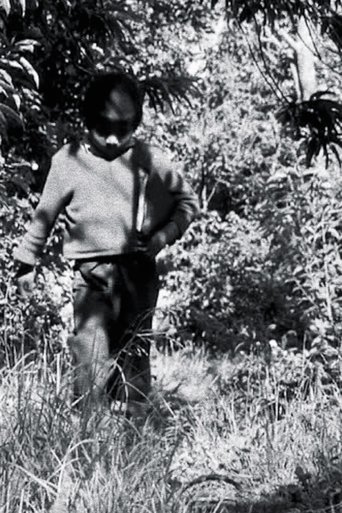
After the Agrarian Reform enacted in 1969 by the government led by Juan Velasco Alvarado, the Andean communities recovered their land, obtained fundamental rights such as access to public education and the possibility of working for themselves. From then on, life alternatives opened up for the children of the Andes who, unlike their predecessors, could attend school, although they still had to face many scarcities. This film looks at the lives of these children, who, together with their communities, are trying to move forward.
Niños
1974
 NR
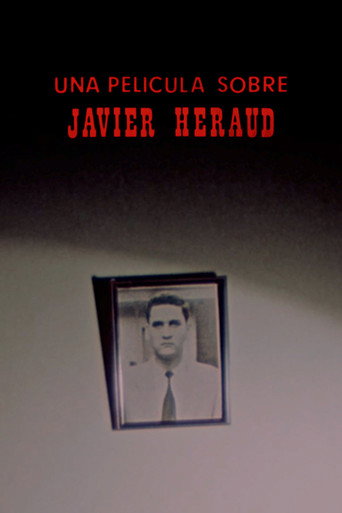
Documentary that collects with a mixture of lightness and thunderous passages from the life and death of the Peruvian poet, who from a very young age was already the best version of himself and the promise of his generation. A kind of tribute through the testimonies of the people who loved him, contextualized with images of the political and social moment of the time, which contribute to the rescue of his memory and his poetic word, which was expressed hand in hand with his unfailing commitment to freedom. Javier Heraud, the guerrilla poet, was murdered in the Madre de Dios River in Puerto Maldonado in 1963. He was 21 years old.
Una película sobre Javier Heraud
1975
 NR
No synopsis available yet.
Visión de la selva
1973
Short film.
Trabajo Voluntario
1971
Short film.
Voto del Analfabeto
1971
Short film.
Casa de Madera
1973
Behind the camera
NRAfter the Agrarian Reform enacted in 1969 by the government led by Juan Velasco Alvarado, the Andean communities recovered their land, obtained fundamental rights such as access to public education and the possibility of working for themselves. From then on, life alternatives opened up for the children of the Andes who, unlike their predecessors, could attend school, although they still had to face many scarcities. This film looks at the lives of these children, who, together with their communities, are trying to move forward.
Niños
1974
NRDocumentary that collects with a mixture of lightness and thunderous passages from the life and death of the Peruvian poet, who from a very young age was already the best version of himself and the promise of his generation. A kind of tribute through the testimonies of the people who loved him, contextualized with images of the political and social moment of the time, which contribute to the rescue of his memory and his poetic word, which was expressed hand in hand with his unfailing commitment to freedom. Javier Heraud, the guerrilla poet, was murdered in the Madre de Dios River in Puerto Maldonado in 1963. He was 21 years old.
Una película sobre Javier Heraud
1975
NRNo synopsis available yet.
Visión de la selva
1973
Short film.
Trabajo Voluntario
1971
Short film.
Voto del Analfabeto
1971
Short film.
Casa de Madera
1973
Short film.
La Máquina de los Sueños
—
Short film.
Con la Reforma Agraria
1973
Short film.
No Alineados
1975
Short film.
Somos más de lo que se piensa
1975
Short film.
Todo Está Bajo Control
—
Short film.
Racrachacra
1976
A tour that accompanies the artist Carlos Delfín
Delfín
1973
Short film.
La Carta de Diego
—
In an environment of extreme poverty that generates violence, Hilacha witnesses an armed struggle. The teenager moves on the margins of a hardened city. He fights to survive and take care of his little brother without falling into crime or hatred, as he questions the violence that has claimed the lives of his parents.
Hilacha
1988