

Acting
Paul Amiot
Born — Died
1886-03-29 — 1979-01-26
Place of birth
Paris, France
Known for
Acting
Credits
60 titles
Paul Amiot (29 March 1886 – 26 January 1979) was a French film actor. His career spanned some 63 years and he appeared in nearly 100 films between 1910 and 1973. In 1920 he appeared in Robert Péguy's Être aimé pour soi-même. He was noted for his consistent roles as a figures of authority. He regularly played police inspectors or detectives, lawyers and physicians. He starred in some 100 films between 1908 and 1930. On his death in 1979 he donated his body to scientific research. Source: Article "Paul Amiot" from Wikipedia in English, licensed under CC-BY-SA 3.0.
Known for
 7.6
7.6When French criminal Corey gets released from prison, he resolves to never return. He is quickly pulled back into the underworld, however, after a chance encounter with escaped murderer Vogel. Along with former policeman and current alcoholic Jansen, they plot an intricate jewel heist. All the while, quirky Police Commissioner Mattei, who was the one to lose custody of Vogel, is determined to find him.
Le Cercle Rouge
1970
 7.7
7.7A famous poet in postwar Paris, scorned by the Left Bank youth, is in love with both his wife Eurydice and a mysterious princess. Seeking inspiration, the poet becomes obsessed and follows the princess from the world of the living to the land of the dead.
Orpheus
1950
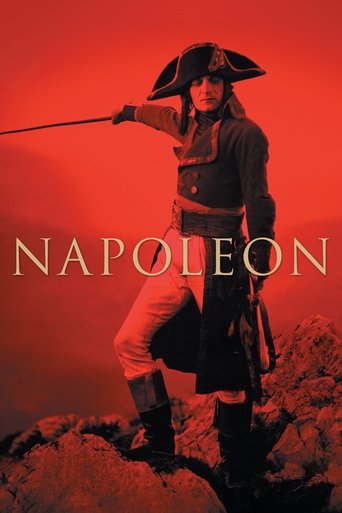 7.9
7.9A biopic of former Emperor of France, Napoleon Bonaparte, tracing the Corsican's career from his schooldays (where a snowball fight is staged like a military campaign) to his flight from Corsica, through the French Revolution (where a real storm is intercut with a political storm) and the Terror, culminating in his triumphant 1797 invasion of Italy.
Napoleon
1927
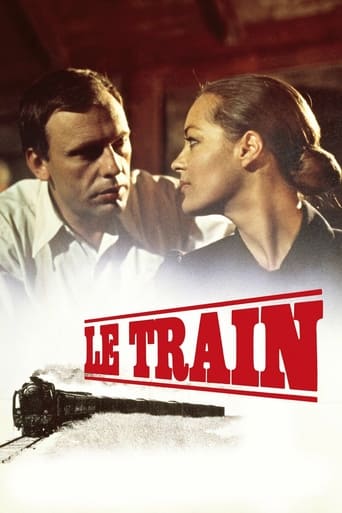 6.6
6.6Two people, a Frenchman and a Jewish German woman, meet on a train while escaping the German army entering France.
The Last Train
1973
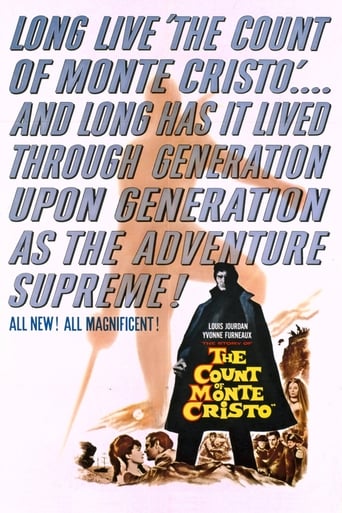 7.1
7.1Young sailor Edmond Dantès is wrongfully imprisoned, escapes, finds treasure, and reinvents himself as the wealthy Count of Monte Cristo to exact revenge on those who betrayed him.
The Count of Monte Cristo
1961
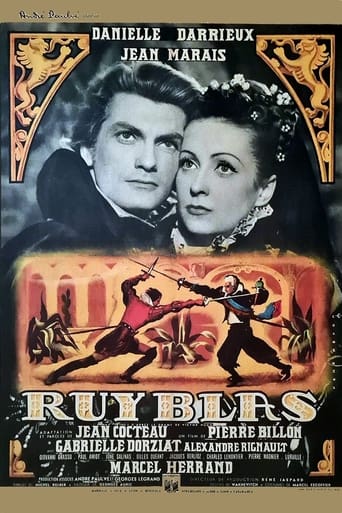 6.8
6.8Exiled from the court of Spain, Don Salluste, the chief of police, wants to take revenge on the Queen. One day he meets Ruy Blas, a young student who happens to be a lookalike of Don Cesar, his nephew. Salluste disguises Ruy Blas and presents him as Don Cesar. It doesn't take long before Ruy Blas, intelligent, virtuous and generous as he is becomes popular and the Queen, who has fallen in love with him, appoints him Prime Minister. All seems for the best in the best of worlds but Salluste has not forgotten his revenge, far from that ...
The Queen's Lover
1948
Film credits
1970s · 5 titles
7.6When French criminal Corey gets released from prison, he resolves to never return. He is quickly pulled back into the underworld, however, after a chance encounter with escaped murderer Vogel. Along with former policeman and current alcoholic Jansen, they plot an intricate jewel heist. All the while, quirky Police Commissioner Mattei, who was the one to lose custody of Vogel, is determined to find him.
Le Cercle Rouge
1970
6.6Two people, a Frenchman and a Jewish German woman, meet on a train while escaping the German army entering France.
The Last Train
1973
 6.4
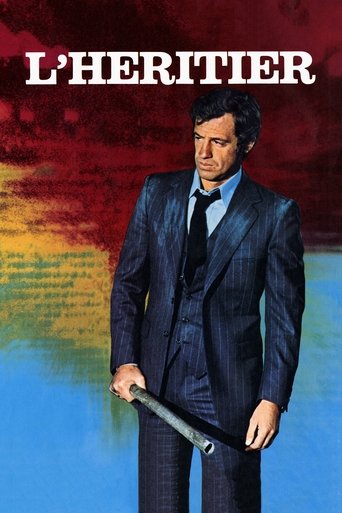
6.4After his father is killed in a plane crash, Bart Cordell returns back home to France to claim his inheritance: to lead the industrial empire his father built. But when a prostitute tries to set him up for a drug smuggling charge, he is forced to accept that his father may have been assassinated and that the killers are out to get him as well...
The Inheritor
1973
 6.4
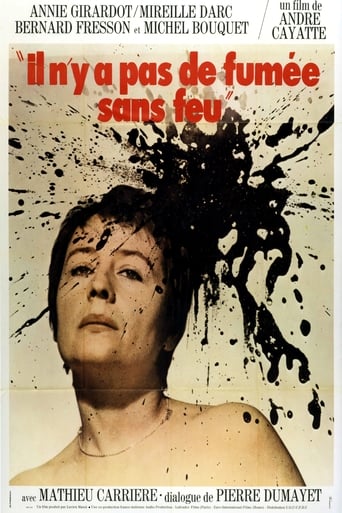
6.4An election campaign becomes more interesting when anonymously published photographs depict the wife of a candidate, Dr. Peyrac, attending a sex party. Are the photographs fake or genuine ?
Where There's Smoke
1973
 5.5
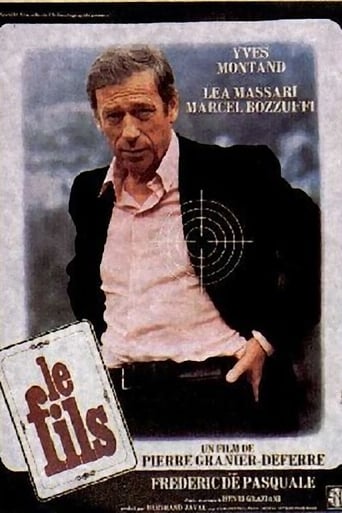
5.5Ange leaves New York to fly to his native Corsica. His mother is dying and Ange, who was not present when his father died, wishes to be present at her death. In Corsica Ange finds his brother Baptiste who married Maria, the woman he loved. He finds out that his father was killed, but nobody wants to tell him the name of the killer. And finally he finds two killers expecting him.
The Son
1973
1960s · 5 titles
7.1Young sailor Edmond Dantès is wrongfully imprisoned, escapes, finds treasure, and reinvents himself as the wealthy Count of Monte Cristo to exact revenge on those who betrayed him.
The Count of Monte Cristo
1961
 4.4
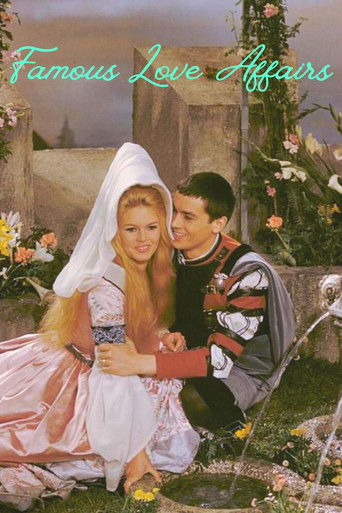
4.4An anthology of four historical love affairs: at Versailles, Louis XIV shares his mistress with one of his subjects; a courtesan tries to disfigure her lover with acid; a medieval wife faces the wrath of her husband's father, who has her condemned to death; and a stage actress provides advice on life and love to her young colleague.
Famous Love Affairs
1961
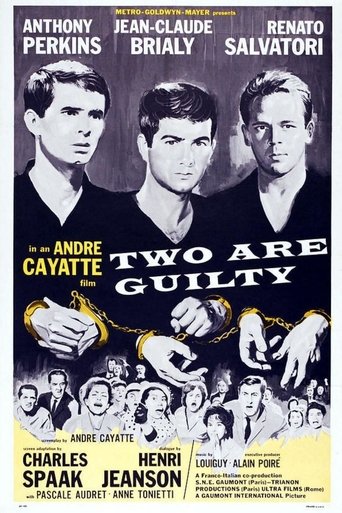 7.7
7.7Three young men are suspected of kidnapping and murdering a little boy. Most likely, two of them are really involved, but one is not. All of their pasts are questionable, riddled with violence and controversy. Neither the police nor the court can decide how to solve that puzzle.
The Sword and the Balance
1963
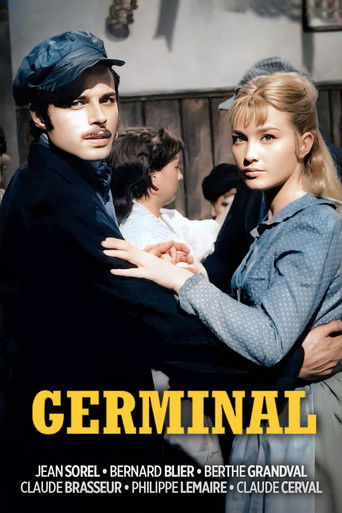 7.8
7.8Dismissed from the railroads in 1863 for his union activities, Etienne Lantier found a job at the Voreux coal mine. But work was hard, wages were low and safety left much to be desired. Lantier tried to organize the miners into a union. When mine manager Hennebeau refused to negotiate, the workers launched a general strike, which ended with the intervention of the troops.
Germinal
1963
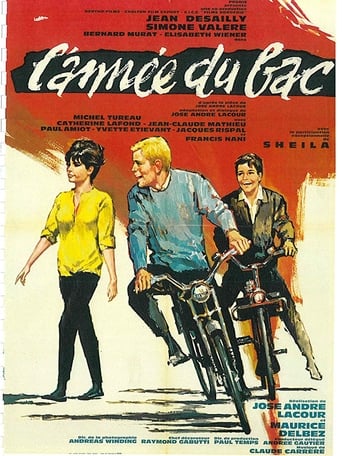 8.5
8.5In a small provincial town, students meet at a party organized by one of them, and share their thoughts on the difficult year they are leaving : the preparation of high school diploma.
Graduation Year
1964
1950s · 5 titles
7.7A famous poet in postwar Paris, scorned by the Left Bank youth, is in love with both his wife Eurydice and a mysterious princess. Seeking inspiration, the poet becomes obsessed and follows the princess from the world of the living to the land of the dead.
Orpheus
1950
 4.2
4.2In this romance, a jilted lawyer joins the French Foreign Legion to help him forget his faithless love. While in the desert he espies a village beauty who is the exact double of his true-love.
Flesh and the Woman
1954
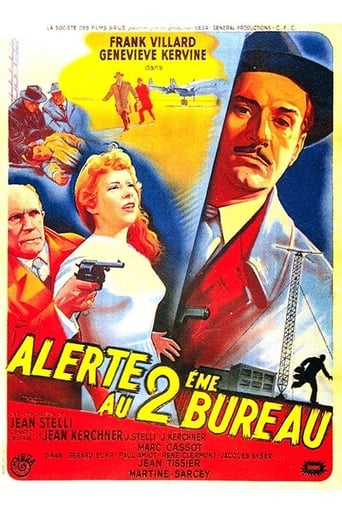 9.0
9.0The mysterious death of a well-known criminal sparks an investigation into national security.
Nest of Spies
1956
 6.0
6.0Modest fifty-something, Mr. Perle, is a baker in a small provincial town. He lives there with an authoritarian woman and her cousin, a parasite who poisons his existence. A Parisian notary writes to the hero to ask him to come and take possession of an inheritance. In Paris, Perle meets a pretty adventuress.
Run Away Mr. Perle
1952
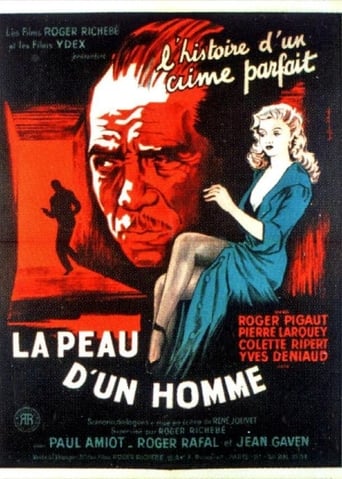 10.0
10.0Simone's friend is murdered and the young woman is implicated. A journalist, Bernard Landry, succeeds in proving her innocence before being himself unmasked by an investigator.
La Peau d’un homme
1951
1940s · 9 titles
6.8Exiled from the court of Spain, Don Salluste, the chief of police, wants to take revenge on the Queen. One day he meets Ruy Blas, a young student who happens to be a lookalike of Don Cesar, his nephew. Salluste disguises Ruy Blas and presents him as Don Cesar. It doesn't take long before Ruy Blas, intelligent, virtuous and generous as he is becomes popular and the Queen, who has fallen in love with him, appoints him Prime Minister. All seems for the best in the best of worlds but Salluste has not forgotten his revenge, far from that ...
The Queen's Lover
1948
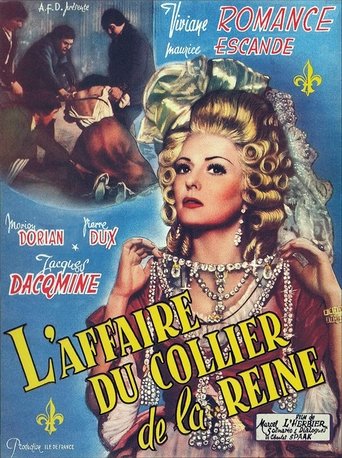 4.0
4.0The adventurer Jeanne de Valois-Saint-Rémy, descendant (by the left hand) of the king of France Henri II, and who claims to be "Countess de la Motte", imagines a tortuous plan to steal a magnificent diamond necklace that the queen Marie-Antoinette refused to buy from the jewelers Boehmer and Bassange.
Queen's Necklace
1946
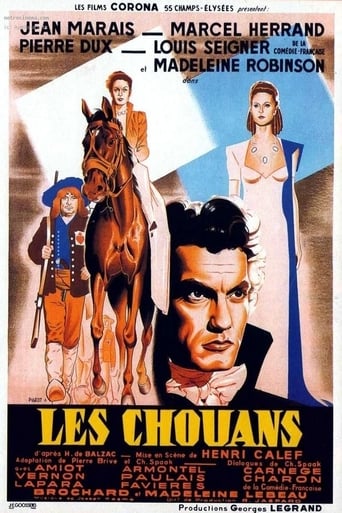 7.2
7.2The Marquis de Montauran was appointed to command the Chouans whose first two revolts were crushed. An aristocrat, Marie-Nathalie de Verneuil, is sent by Joseph Fouché to seduce and capture him.
The Royalists
1947
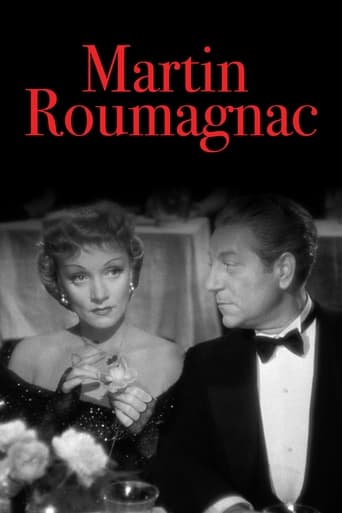 6.8
6.8The local building-contractor Martin Roumagnac is fascinated by the fashionable Blanche Ferrand. To impress Blache, Martin presents her with a villa. However, this ruins him financially. Despite Martin's many efforts for the now femme-fatal Blanche, she is not able to chose between him and the rich consul De Laubry.
Martin Roumagnac
1946
 5.6
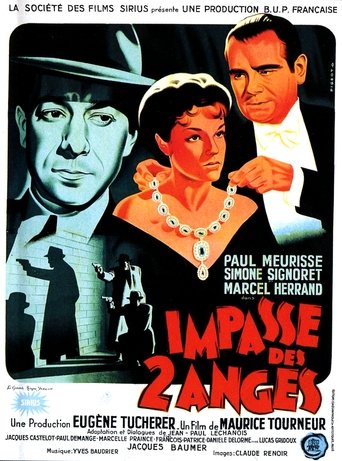
5.6Stage actress Marianne has decided to give up her career to marry wealthy nobleman Marquis Antoine de Fontaines. As a wedding present, Antoine gives his future wife a precious diamond necklace, which is coveted by a gang of crooks. Jean, one of them, is given the mission to approach Marianne and steal the necklace from her. The only trouble is that when he meets her, she recognizes him as the man she once loved.
Impasse of Two Angels
1948
 5.4
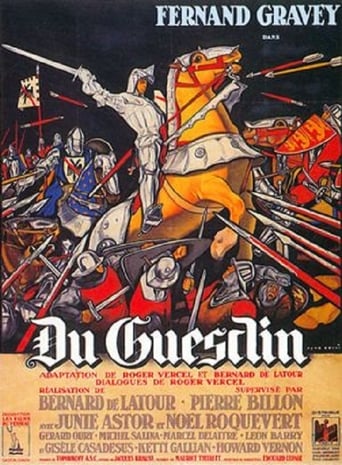
5.4A chronicle of the life of Bertrand du Guesclin, grand officer of the French army in the 14th century.
Du Guesclin
1949
 5.8
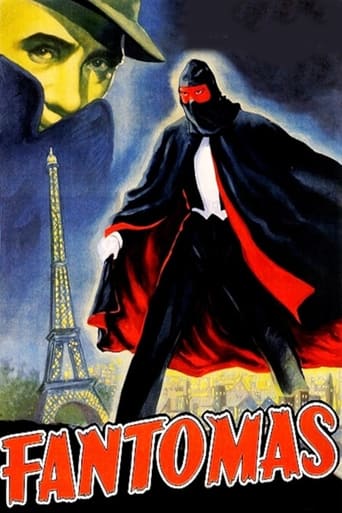
5.8The invincible bandit faces his daughter, courageous and honest, who wants to end his criminal activities. With a young journalist, her fiancé, she discovers his hideout.
Fantômas
1947
 7.1
7.1Portrait of a two-faced man. By day he is rich, brilliant and respectable financial officer Lussac; at night, he becomes "Mirror", a ruthless gang leader in Marseilles.
Mirror
1947
 6.2
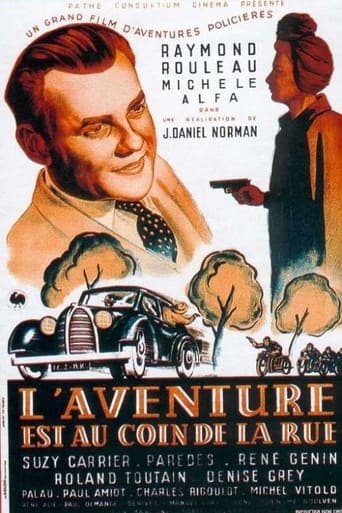
6.2A rich young man, Pierre Trévoux, has a desire for adventure and boasts of his courage. While he is staying with friends in the countryside, his hosts, to play a trick on him, organize a fake burglary, but he discovers the hoax. When he returns home, he finds his house broken into. Convinced that the game continues, he does not understand that he is dealing with real gangsters. His recklessness allows him to rout the criminals.
L'aventure est au coin de la rue
1944
1930s · 26 titles
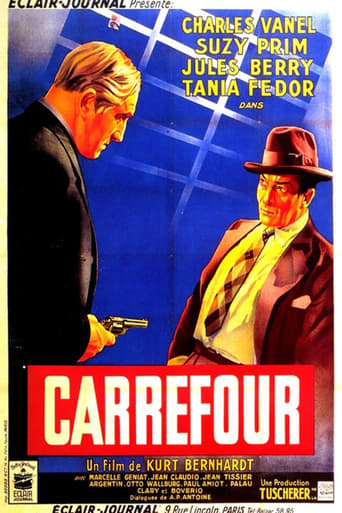 5.8
5.8A wealthy industrialist, Roger de Vetheuil, married, feels assured of aging in peace. Then appears a blackmailer who accuses him of being a usurper, actually called Jean Pelletier, a mobster well known to police. Vetheuil, judging himself slandered, refuses to listen to his tormentor and goes to the police. The man speaks. The scandal is public soon ...
Crossroads
1938
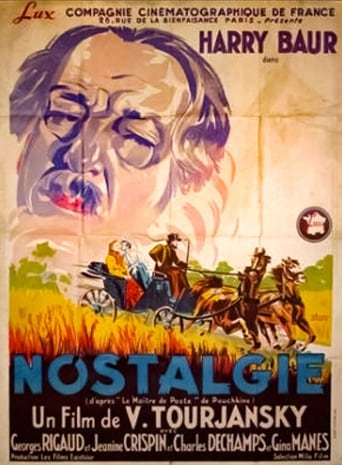 7.0
7.0A small town postal official allows a military officer to sweep his lovely daughter away to St. Petersburg, assuming the man will do the right thing and marry her.Instead, a future of scandal and tragedy awaits her.
The Postmaster's Daughter
1938
7.0A small town postal official allows a military officer to sweep his lovely daughter away to St. Petersburg, assuming the man will do the right thing and marry her.Instead, a future of scandal and tragedy awaits her.
The Postmaster's Daughter
1938
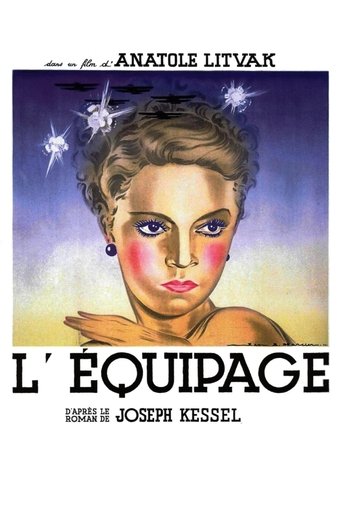 6.2
6.2During the First World War, before joining a squadron at the front in 1918, Herbillon (Jean-Pierre Aumont) has a liaison with Helene (Annabella), a married woman. The young man discovers that his mistress is none other than the wife of Maury (Charles Vanel), an aviator friend.
Flight Into Darkness
1935
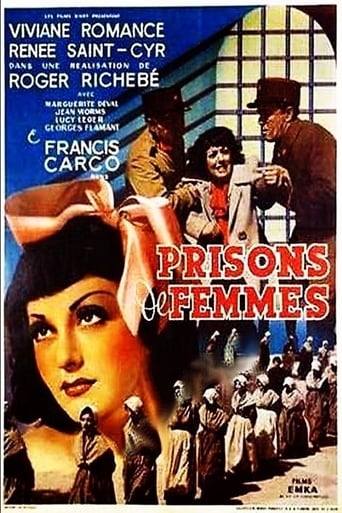 5.8
5.8Juliette, an innocent woman, is wrongly sentenced to prison for attempted murder. After her release, she married an industrialist to whom she did not speak of her tumultuous past. But, victim of a rampant blackmail, she cannot continue to hide her prison past and the scandal breaks out.
Marked Girls
1938
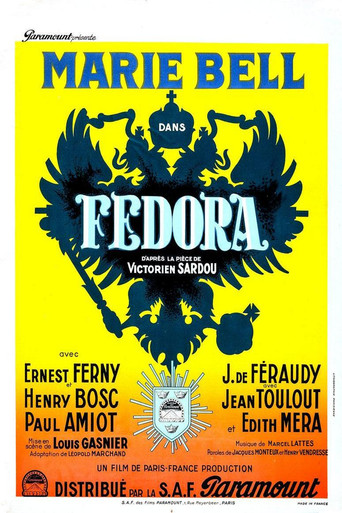 6.0
6.0Fedora swears to avenge the death of her fiancé, Prince Yarischkine, killed by Ipanoff who fled to Paris. She finds Ipanoff whom she falls in love with and he confesses to having killed her fiancé because Yarischkine was his wife's lover. But learning that her brother was executed because of Fedora, Ipanoff leaves her. Fedora commits suicide.
Fedora
1934
A traumatic nightmare for a glove salesman who falls asleep on his counter at night and the wax models begin to come to life...
Mannequins
1933
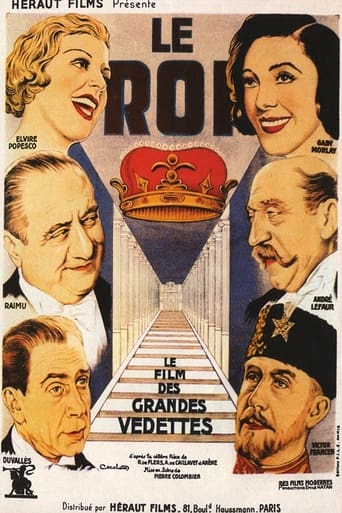 8.0
8.0King John IV of Cerdania, who knows monarchs are a vanishing race but who plays his royalty role in state council or boudoir to the hilt, is in Paris to sign a treaty, and becomes enmeshed in intrigue with an actress, Therese Mannix and involved in a bit of cuckoldry with YouYou Bourdier, the ex-seamstress wife of a French senator, who is un-awed by money, power or the King's kisses. For his part, her husband, Senator Bourdier, is glad to use his wealth, wife and collectivist ideals for social position, in spite of his democratic posing.
The King
1936
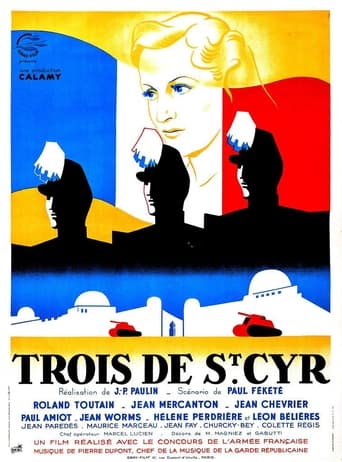 5.9
5.9Three students from Saint-Cyr are sent to Syria to fight the rebels in the desert.
Three from St. Cyr
1939
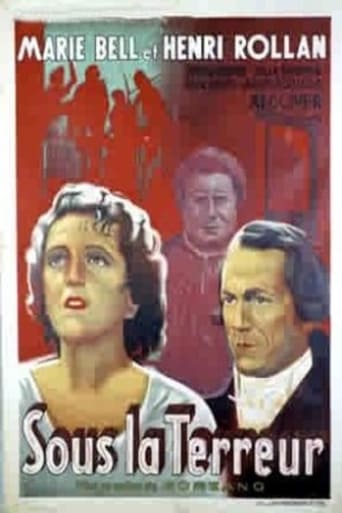 10.0
10.0During the French Revolution in 1793, a member of the Convention, seduced by the Comtesse de Beaulieu, helps her to discover the truth about the relationship between Agnès de Fitz-James and the count who was guillotined.
Sous la Terreur
1936
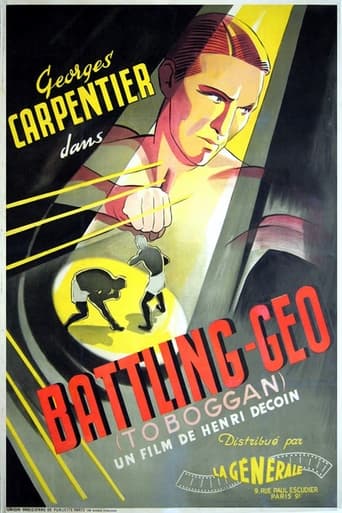 9.0
9.0Toboggan, the 1934 Henri Decoin French boxing sports romantic love triangle melodrama (about a washed up boxer who makes a comeback for a sexy dancer, but she is two-timing him, and she brings her boyfriend into the arena during the climactic boxing match) starring Georges Carpentier (real life heavyweight boxing champion), Arlette Marchal, Paul Amiot, John Anderson, and Raymond Cordy. Note that because Carpentier was a real life boxer, he naturally was able to do his own boxing scenes, and the producer of the movie interwove footage of Carpentier from his actual matches into the film.
Toboggan
1934
A woman steals to have enough money to please her husband. Her nephew, madly in love with her, reports this to a detective who catches her red handed.
Le Voleur
1933
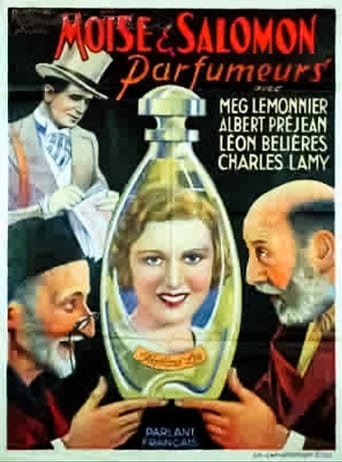 7.0
7.0Brothers Moïse and Salomon run a modest bazaar near the Butte Montmartre, under the sign of "everything for nothing". There are office items, perfumes and leather goods. Their niece, the beautiful Lia, twenty years old, a graduate in synthetic chemistry, lives under their roof. She is less close to her pennies than the old grigous, and willingly visits the store "Aux femmes françaises", administered by the very Christian Valois family, where she hopes to place products. of its creation; perfumes, make-up and ointments of all kinds.
Moïse et Salomon parfumeurs
1935
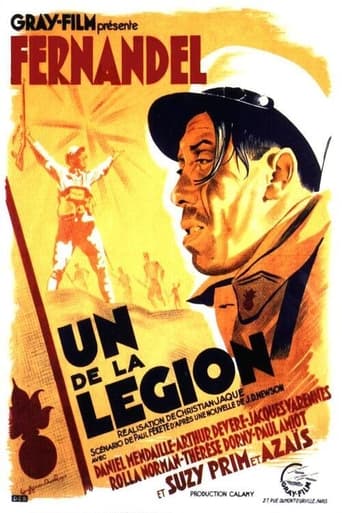 5.0
5.0Fernand Espitalion is miserable as totally whipped husband of a dragon 'passed on' -like cloths- by his late cousin. She often leaves him waiting outside like a dog when she does business. While she sees a notary about an inheritance, he's seduced to a bar by a shady man. The rogue gets Fernand drunk, knocks him out and switches costumes and papers. He's now Robert Durand, a voluntary Foreign legion recruit. After failed attempts to explain, he tastes military life and finds it less disciplined and more enjoyable then, marriage. But will that last when his wife tracks him and his unit is sent to action in tribal Algeria?
One of the Legion
1936
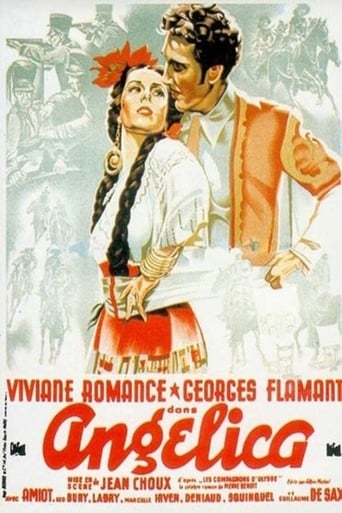 10.0
10.0No synopsis available yet.
Blood Red Rose
1939
 6.0
6.0The film depicts events between the Fashoda crisis in 1898 and the 1904 signing of the Entente Cordiale creating an alliance between Britain and France and ending their historic rivalry. It was based on the book King Edward VII and His Times by André Maurois. It was made with an eye to its propaganda value, following the Munich Agreement of September 1938 and in anticipation of the outbreak of a Second World War which would test the bonds between Britain and France in a conflict with Nazi Germany.
Cordial Agreement
1939
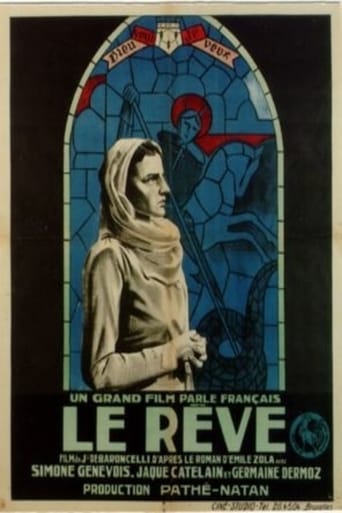 10.0
10.0In the snow as bells toll, a hooded figure makes its way through the streets to a church.
The Dream
1931
 7.2
7.2Banker Jules Taffard, a true financier, is a shrewd money-handler. Imprisoned for an alleged swindle, his trial seems to be upsetting those in the government, who may not be so far removed from Taffard's affairs (Affaire Alexandre Stavisky). He escapes from La Santé prison without any difficulty, and the authorities don't seem to be doing anything to find him... Under the false name of Gédéon, he becomes a modest handyman in a corset shop run by Madame Génissier, whose morality is as pious as it is legendary. Her son, Hector Génissier, is a foolish young man with no ambition, much to the regret of his young wife, Fernande Génissier. But it won't be long before Gédéon shows his skills in expanding the modest family business. How far can Gédéon's ascent go before Taffard's voice resounds through Gédon?
Ces messieurs de la Santé
1934
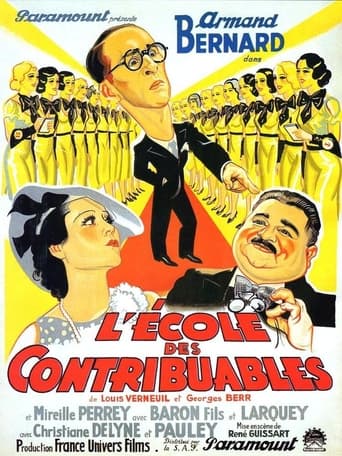 8.5
8.5A bureaucrat, tax assessor, specialized in tax return and fraud, complains about his son-in-law's inactivity. He'd rather have thought twice before urging him to work...
L'École des contribuables
1934
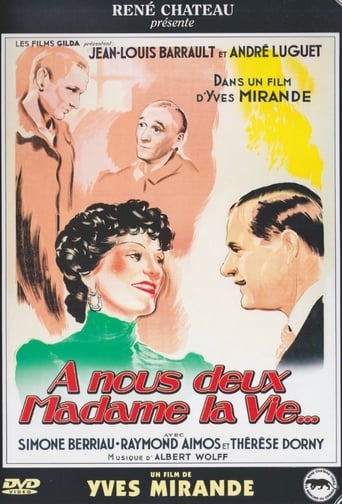 9.5
9.5Two bank employees like Lucie, their colleague. They steal money from the cash register to gamble. Jean wins and Paul ends up in prison for five years. When he leaves, he discovers that Jean has become a businessman and that he has married Lucie.
À nous deux, madame la vie
1937
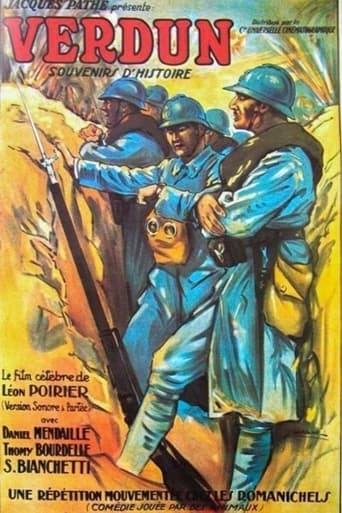 7.0
7.0A visitor from the western front tells young children, in a sober commentary, about the battle of Verdun.
Verdun, memories of history
1931
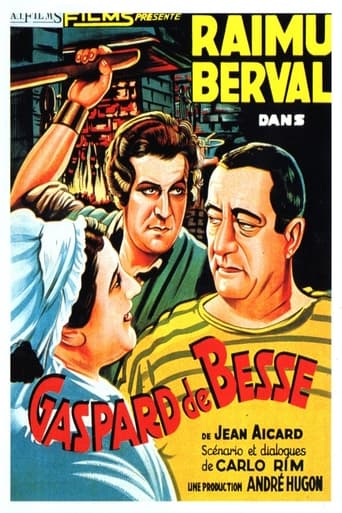 7.2
7.2The gratuitous murder of his father and the misery of the people, aggravated by a succession of bad harvests, lead Gaspard, a great admirer of Mandrin and blacksmith by profession, to revolt. With his companion Samplan, he finds himself at the head of a handful of soldiers dissatisfied with their fate and a band of brigands. They steal money from the rich to give it to the poor, like highwaymen, vindicators with a big heart. In their eyes, things cannot go on like this, in this country which seems given over to the decadence of the nobility and the whims of an indolent king. Gaspard and his troupe are responsible for making it known.
Dawn Over France
1935
 6.5
6.5After serving in the trenches of World War I, Jean Diaz recoils with such horror that he renounces love and personal pleasure to immerse himself in scientific research, seeking a machine to prevent war. He thinks he has succeeded, but the government subverts his discovery, and Europe slides with seeming inevitability toward World War II. In desperation, Diaz summons the ghosts of the war dead from the graves and fields of France to give silent, accusing protest.
J'Accuse
1938
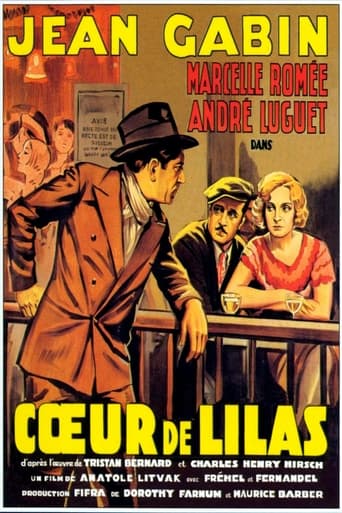 5.9
5.9Also known as Lilac, this early Anatole Litvak-directed talkie was based on a play by Tristan Bernard and Charles Henry Hirsch. The story bears traces of the Bertold Brecht-Weill piece The Threepenny Opera, with heroine Lilac (Marcelle Romeo) consorting with the criminal scum of Paris. Lilac falls in love with a handsome detective (Andre Luguet), but he doesn't let his emotions stand in the way of his duty, and in the end he reluctantly turns her over to the authorities. At $120,000, Coeur de Lilas was one of the most expensive movies to come out of France in 1931, but it more than made back its cost at the box-office.
Lilac
1932
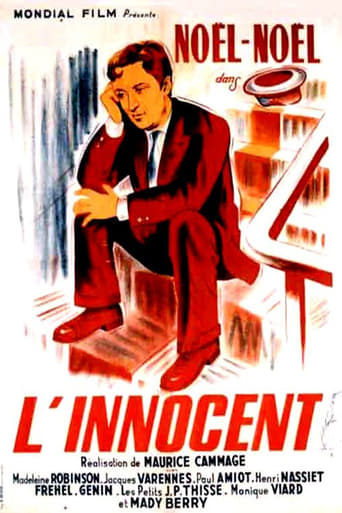 9.0
9.0A florist in a nightclub in Montmartre, a good, naive man is manipulated by a gang of gangsters who use him to smuggle drugs.
Bouquets from Nicholas
1938
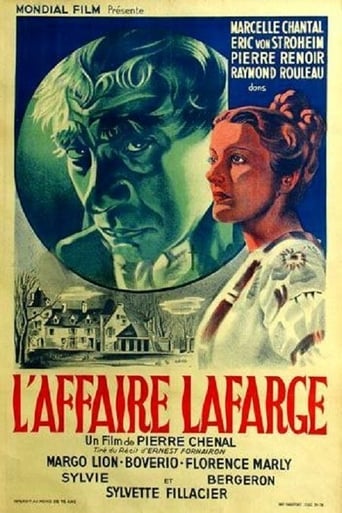 6.5
6.5Based on true facts, a news item which was widely talked about in the nineteenth century, this is the story of a wife who might have poisoned her husband .
The Lafarge Case
1938
1920s · 7 titles
7.9A biopic of former Emperor of France, Napoleon Bonaparte, tracing the Corsican's career from his schooldays (where a snowball fight is staged like a military campaign) to his flight from Corsica, through the French Revolution (where a real storm is intercut with a political storm) and the Terror, culminating in his triumphant 1797 invasion of Italy.
Napoleon
1927
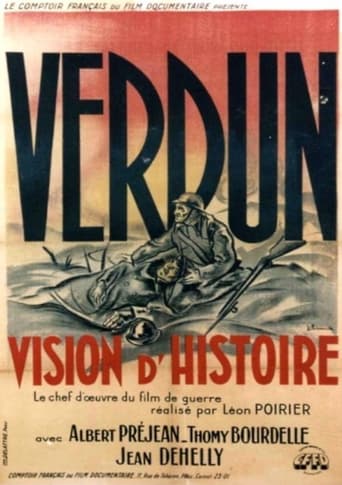 7.8
7.8A dramatized re-enactment and documentary of the Battle of Verdun as seen by both French and German soldiers, shot on site of the actual battle.
Verdun: Visions of History
1928
 7.0
7.0No synopsis available yet.
The Hunted Beast
1923
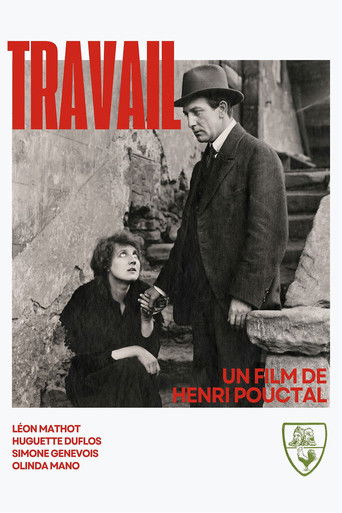 10.0
10.0Luc Froment, a reform-minded engineer, starts working at a steel mill in a small town. There he founds small groups of workers (and their families) under miserable conditions. Under the influence of Fourier's ideas, Froment tries to turn the mill into a workers' co-operative.
Work
1920
Widow Simone d'Argentières lives in Neuilly with her son Jean and her friend Hélène Castillon, whose brother Georges wants to marry Simone. Both the chauffeur Pistol and the servant Malar are in love with the maid Prunette. Georges makes a deal with businessman Paramine in the hope of ending his financial troubles while Albert D'Amentières proposes to his sister-in-law Simone who declines arguing that she does not wish to give Jean a step-father. Hélène overhears this and repeats it to Georges who says in front of the servants: "What a shame she has a son'. Little Jean leaves for a vacation with old father Pailloux at the country. Gypsies settle near by and their leader Luigi meets Paramine who is here under the assumed name of Simon and gives him money. The next day, little Jean disappears.
Rapax
1922
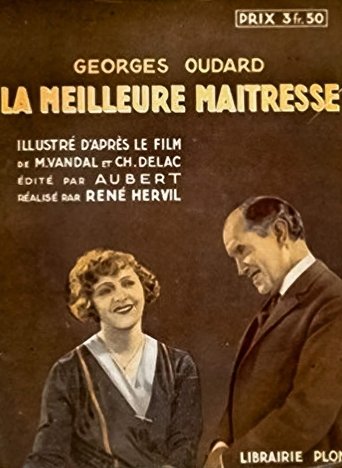 7.0
7.0No synopsis available yet.
The best mistress
1929
No synopsis available yet.
Les parias de l'amour
1922
1910s · 3 titles
The story takes place in the Parisian "High Society" of the time. Two long-time friends become enemies because of a beautiful girl.
Will
1917
 NR
NRHistorical film set during the Hundred Year War.
The Siege of Calais
1911
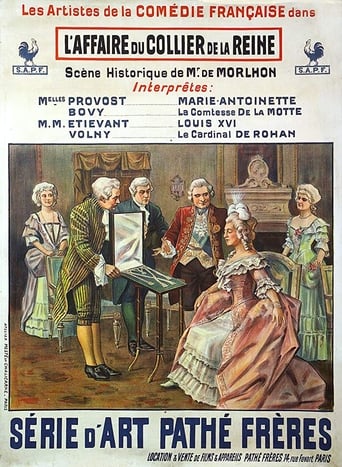 10.0
10.0Based on the novel by Alexandre Dumas.
The Queen's Necklace
1912