

Directing
Atsuko Sakai
Known for
Directing
Credits
5 titles
Known for
 5.0
No synopsis available yet.
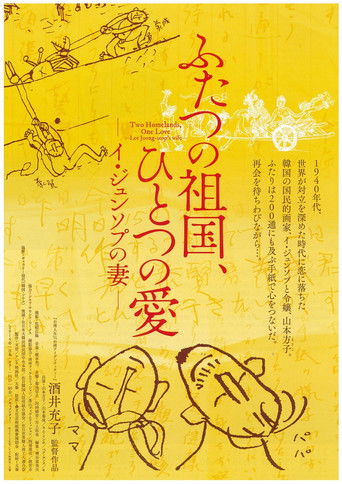
Two Homelands, One Love - Lee Joong-Seup's wife
2014
 NR
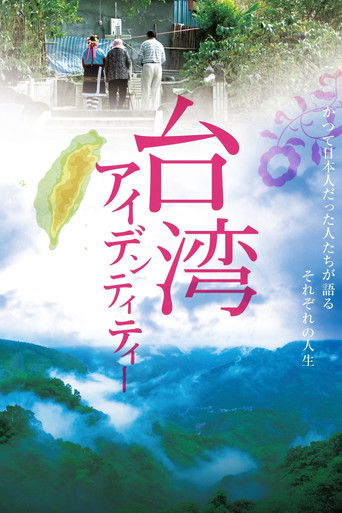
At the time of the 2011 earthquake, Japan received from Taiwan, which has a population of less than 2.4 million people, more than 20 billion yen in relief donation. The following year, in 2012, the number of Japanese tourists to Taiwan reached a record high. Many Japanese people who visit Taiwan say they see traces of Japan on this island. If the colonial history isn't even a century old, many people tend to forget the complexity of the past and what links countries, lands, peoples, times, what brought us to the present we live in. This film is Atsuko Sakai's second documentary work collecting voices of the "Japanese generation" in Taiwan.
Taiwan Identity
2013
 NR
Journalist and director Atsuko Sakai meets the japanese-speaking generation of Taiwan. Their testimonies reveal the history that weaves the mesh of their existence, as people who've known Taiwan at the time of the Japanese colonial empire, and who've experienced the White Terror, being part of the many demographic and historical layers that make up today's Taiwan. The sound of their voices echoes in an evermoving present to be convey history to young people in Taiwan and Japan.
Taiwan Life
2009
 NR
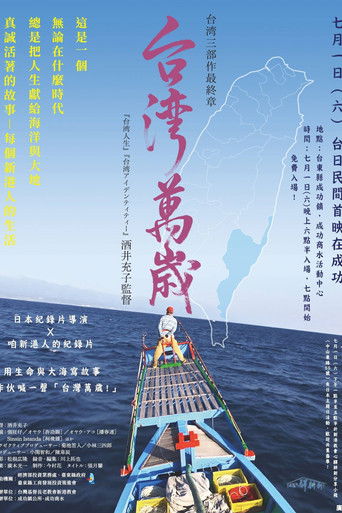
Chenggong Town (Taitung County) has a population of approximately 15,000 people. This area, located in the southeastern part of Taiwan and surrounded by the Pacific Ocean and mountain ranges, has been home to many Japanese and Han Chinese people since the completion of the fishing port in 1932, creating a fishing and agricultural town. Japanese immigrants brought swordfish fishing with a stick, and this fishing method is still used today. Atsuko Sakai depicts the people who have lived facing the sea and the land even as times have changed, living their lives honestly, placing "prayer", "gratitude for life" and "family" at the center of them. The final chapter of Sakai's Taiwanese trilogy.
Taiwan Banzai
2017
Behind the camera
5.0No synopsis available yet.
Two Homelands, One Love - Lee Joong-Seup's wife
2014
5.0No synopsis available yet.
Two Homelands, One Love - Lee Joong-Seup's wife
2014
NRAt the time of the 2011 earthquake, Japan received from Taiwan, which has a population of less than 2.4 million people, more than 20 billion yen in relief donation. The following year, in 2012, the number of Japanese tourists to Taiwan reached a record high. Many Japanese people who visit Taiwan say they see traces of Japan on this island. If the colonial history isn't even a century old, many people tend to forget the complexity of the past and what links countries, lands, peoples, times, what brought us to the present we live in. This film is Atsuko Sakai's second documentary work collecting voices of the "Japanese generation" in Taiwan.
Taiwan Identity
2013
NRJournalist and director Atsuko Sakai meets the japanese-speaking generation of Taiwan. Their testimonies reveal the history that weaves the mesh of their existence, as people who've known Taiwan at the time of the Japanese colonial empire, and who've experienced the White Terror, being part of the many demographic and historical layers that make up today's Taiwan. The sound of their voices echoes in an evermoving present to be convey history to young people in Taiwan and Japan.
Taiwan Life
2009
NRChenggong Town (Taitung County) has a population of approximately 15,000 people. This area, located in the southeastern part of Taiwan and surrounded by the Pacific Ocean and mountain ranges, has been home to many Japanese and Han Chinese people since the completion of the fishing port in 1932, creating a fishing and agricultural town. Japanese immigrants brought swordfish fishing with a stick, and this fishing method is still used today. Atsuko Sakai depicts the people who have lived facing the sea and the land even as times have changed, living their lives honestly, placing "prayer", "gratitude for life" and "family" at the center of them. The final chapter of Sakai's Taiwanese trilogy.
Taiwan Banzai
2017