

Acting
Columba Domínguez
Born — Died
1929-03-04 — 2014-08-13
Place of birth
Guaymas, Sonora, Mexico
Known for
Acting
Credits
57 titles
Columba Domínguez Adalid (March 4, 1929 – August 13, 2014) was a Mexican film actress. Considered a crucial figure in the Golden Age of Mexican cinema. Considered one of the muses of the film director Emilio Fernández, who, moreover, was romantically linked for several years. She is remembered particularly for her performance in the film Pueblerina (1949), considered one of the jewels of the Mexican Cinema. Columba Domínguez Adalid born on March 4, 1929 in Guaymas, Sonora, Mexico, reaching very young with her family to the Mexico City. When she went to a party with one of her sisters, was discovered by the Mexican film director Emilio Fernández, who was amazed by her beauty with very marked…
Known for
 6.0
6.0Popular telenovela produced in Mexico in 1979, starring Verónica Castro, Rogelio Guerra and Rocío Banquells. Castro also sang the theme Aprendí a Llorar, a song written by Lolita de la Colina. The telenovela was produced by Chilean Valentín Pimstein and Carlos Romero, it was directed by Rafael Banquells. The story was written by Inés Rodena and adapted by Valeria Philips.
Los ricos también lloran
1979
No synopsis available yet.
Aprendiendo a amar
1980
 7.9
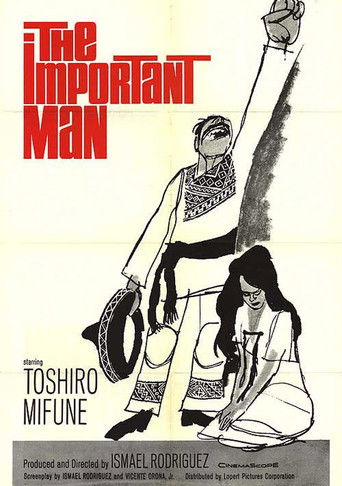
7.9Animas Trujano is a colorful but irresponsible Indian in a small Mexican village. He hopes above all things someday to be chosen mayordomio of his village, a place of great honor usually conferred upon the wealthiest and most respected citizens. Animas has a loyal wife, but cheats on her and gambles away every cent they raise. Chances arise for Animas to turn over a new leaf and even hope realistically for the honor of mayordomio.
The Important Man
1961
 6.3
6.3Determined to postpone his own wedding, a former marshal leaves his bride-to-be and participates in an international music festival in Spain, where he falls for a young dancer.
Bread, Love and Andalucia
1958
 6.2
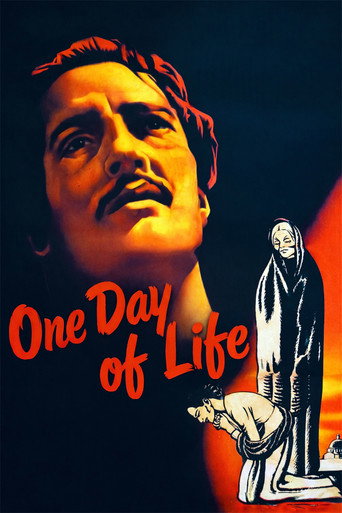
6.2A story about two men caught in the Mexican revolution: close friends before, but now on the opposite sides. One of them is military officer, while the other one expects capital punishment. The prisoner's mother comes to visit his son, unaware that his former best friend is now his enemy.
One Day of Life
1950
 6.3
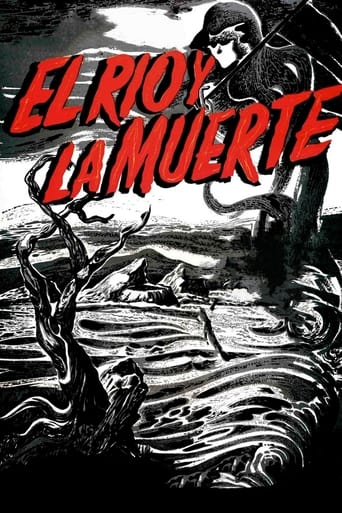
6.3A useless and bloody vendetta has been going on for ages between two families in this Mexican village. Men, sons, have killed each other for generations, for a so-called conception of honor in a revenge that never ends since it is also triggered by people of the village. Now, today, there are only two sons left, one in each family. One has become a doctor in the big city and his culture is modern. The other last one - of the other family - hasn't left the village and is waiting for the doctor to come "home" as he plans to kill him, to settle this war on this matter of honor once and for all. And the people of the village want blood.
The River and Death
1954
Film credits
2010s · 3 titles
 7.4
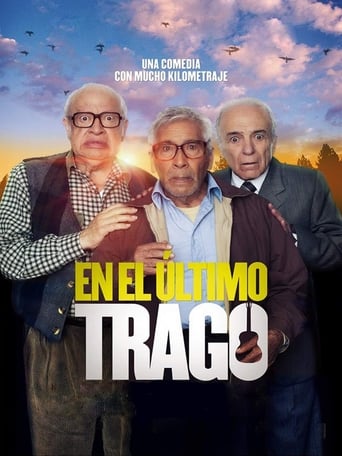
7.4Three octogenarians set out on a trip in order to fulfill the dying wish of a lifelong friend, in spite of the disapproval of their families and the limitations of their advanced age. Along the way, they find themselves embroiled in a series of comedic misadventures and meet a cast of colorful characters. Their journey fundamentally alters each characters' sense of self and their place in the world. There is, indeed, life after 80.
One for the Road
2015
 6.3
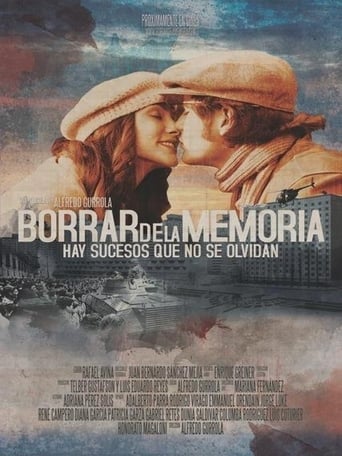
6.3A love story turned assassination against the backdrop of the 1968 student massacre whose unresolved status is finally resolved in tense life threatening conditions. The story of a stubborn journalist who undertakes the clarification and bringing to justice of the heinous murder of one student forty years later represents a dedicated effort to force a country from denial to reconciliation and closure of tragic social and political events in a country´s history. A nation cannot allow official cover-ups that seek to delete and erase from the collective memory events that prevent a nation´s march towards social justice.
Borrar de la Memoria
2010
 5.5
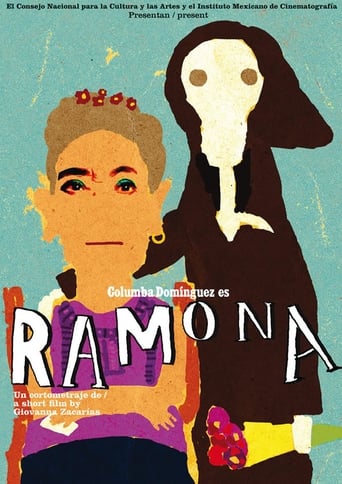
5.5Ramona is 84, and she has announced that she is ready to die. While her family is making the preparations, however, she changes her mind.
Ramona
2014
2000s · 1 titles
1980s · 3 titles
 5.5
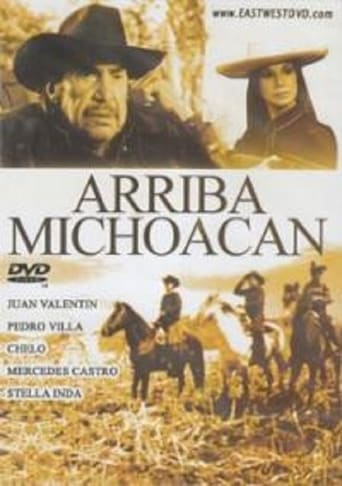
5.5The two largest ranches in a small town are operated entirely by women, because their menfolk have all emigrated. Seceral of the younger women have boyfriend troubles, and all the women band together to vote their own representative into City Hall as Mayor.
Arriba Michoacán
1987
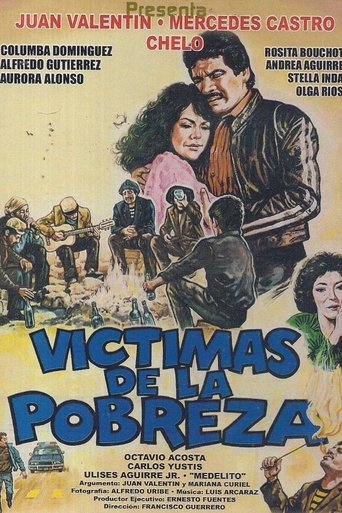 6.7
6.7No synopsis available yet.
Victimas de la pobreza
1986
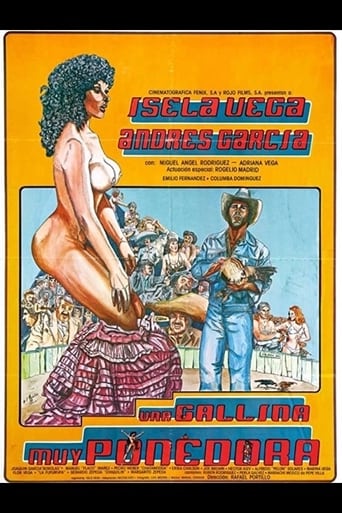 4.7
4.7A beautiful woman discovers the rooster fighting world and in the process fall in love with a handsome boy.
Una gallina muy ponedora
1982
1970s · 2 titles
1960s · 21 titles
7.9Animas Trujano is a colorful but irresponsible Indian in a small Mexican village. He hopes above all things someday to be chosen mayordomio of his village, a place of great honor usually conferred upon the wealthiest and most respected citizens. Animas has a loyal wife, but cheats on her and gambles away every cent they raise. Chances arise for Animas to turn over a new leaf and even hope realistically for the honor of mayordomio.
The Important Man
1961
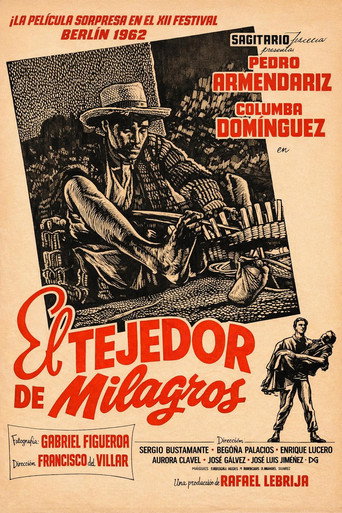 6.0
6.0Arnulfo is a man weaving baskets. Remedios has given birth in front of the house of a woman and her aid, but the village is spread the word that the child born as a child God and an atheist would think exploit to their advantage the "miracle ".
Miracles Weaver
1962
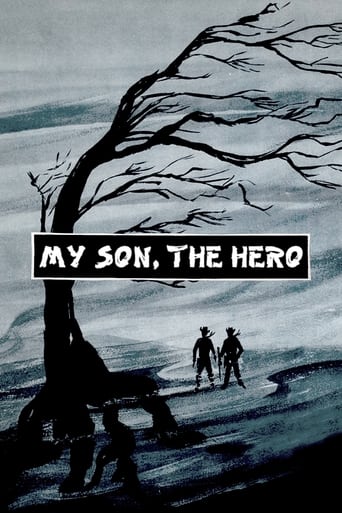 8.0
8.0Northern Mexico, early 20th century. Reynaldo del Hierro is murdered while riding with his sons Reynaldo and Martín, whose mother instills in them the need for revenge.
My Son, the Hero
1961
 5.6
5.6Dying woman refuses to surrender to her unnamed movie disease until she can help her children through the big, big problems each one is facing.
La sombra de los hijos
1964
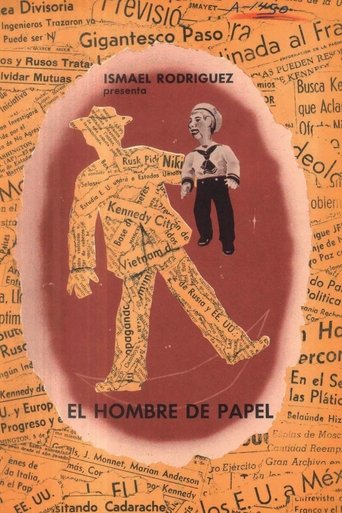 6.9
6.9A deaf and mute vagabond finds a large denomination bill in a Mexico City dump, and while he tries to buy something with it, others try to con him into giving it away.
The Paper Man
1963
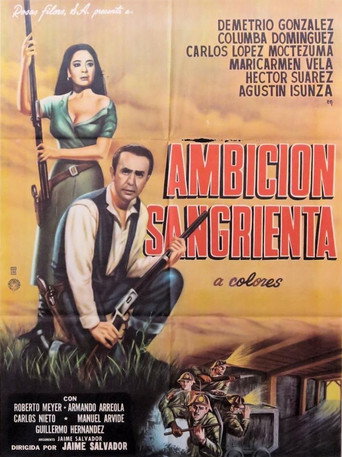 6.0
6.0A lawman and two sidekicks clear up a series of crimes related to mining rights.
Ambición sangrienta
1968
 5.7
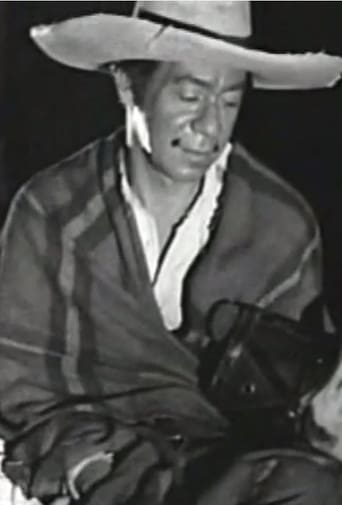
5.7The story revolves around a farmer who is tried for stealing a military rifle and is sentenced to death.
Llanto por Juan Indio
1965
 6.3
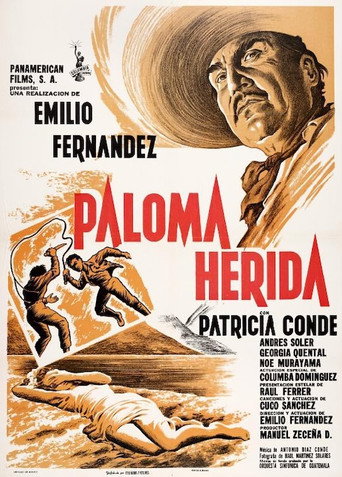
6.3Paloma is a young blonde indigenous woman who arrives in a coastal town and goes to the local cantina to murder Danilo Zeta in cold blood. But the young woman is captured and, upon being tried in the public square of Puerto San José, she refuses to speak. In prison, after giving birth to a child, Judge Justo and her wife Amalia encourage her to tell them her past.
Paloma herida
1963
 5.5
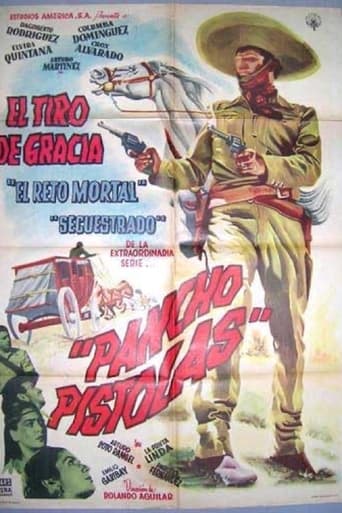
5.5No synopsis available yet.
El tiro de gracia
1961
 6.0
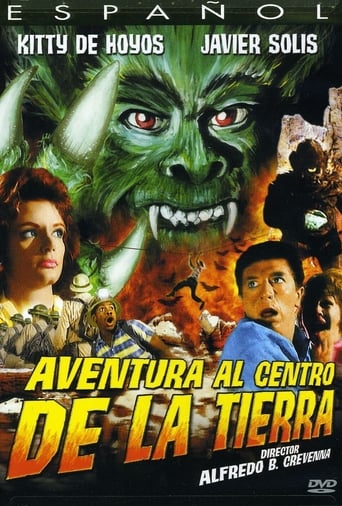
6.0After a young man is killed in an unexplored subterranean cavern and his girlfriend driven mad by something she saw there, a track found at the scene cannot be identified with any known animal and thus a scientific expedition is launched to find out just what it is that is living there.
Adventure at the Center of the Earth
1965
 5.8
5.8Four expert marksmen compete in a target shooting competition. Each has a back-story that explains why he really really really needs the prize money.
Duelo de pistoleros
1966
 5.7
5.7No synopsis available yet.
Mundo, demonio y carne
1960
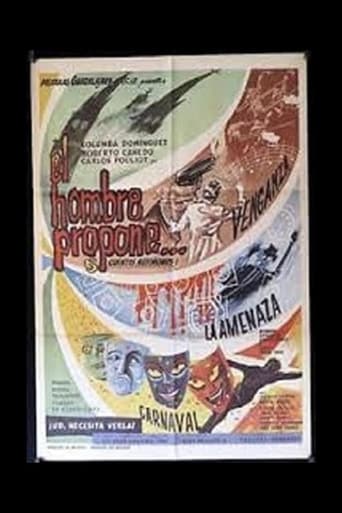 5.4
5.4Anthology film, four stories set in Guadalajara and environs.
El hombre propone...
1965
No synopsis available yet.
Furia en el Edén
1964
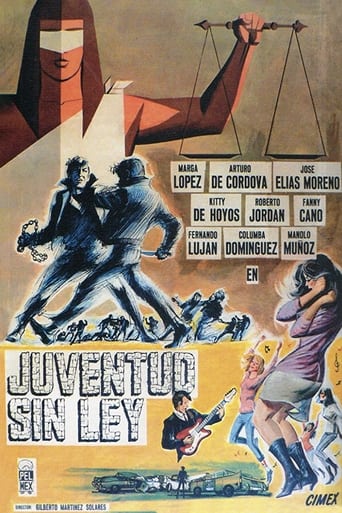 6.0
6.0Jorge is arrested and brought to trial, where it is known that he chose crime due to the abandonment of his father.
Lawless Youth
1965
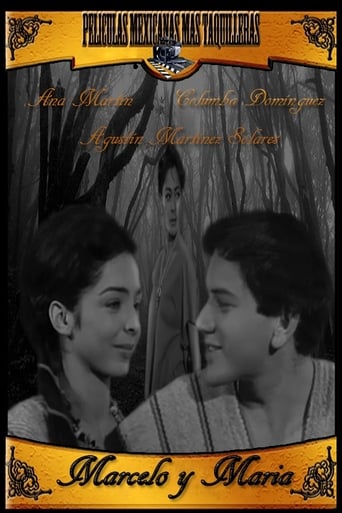 5.6
5.6Late 16th century: two Azteca teens are very much in love, but older folks have designs on each of them. This can't end well...
Marcelo y María
1966
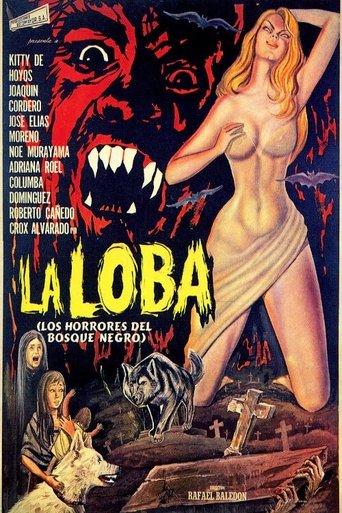 6.0
6.0Professor Fernandez is studying the metamorphosis in living organisms to cure his daughter of a strange disease that occurs in full moon nights.
The She-Wolf
1965
 6.7
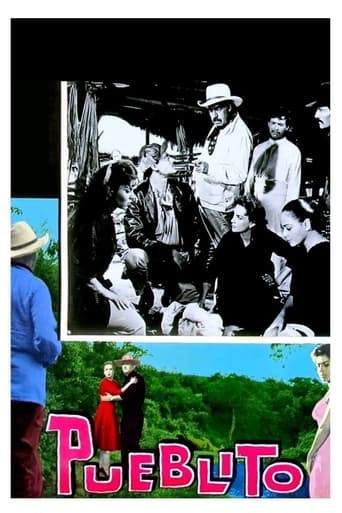
6.7Reactionary local "Big Daddy" tries to prevent a school being built in his district.
Little Town
1962
 5.4
5.4A cabal of bad-hats is conspiring to dispossess the local Indians of their hereditary lands, but Pancho fights to defend them... while a messenger is securing copies of some needed legal documents. Etc. Second film of four in the series "Pancho Pistolas."
Duelo indio
1961
 5.0
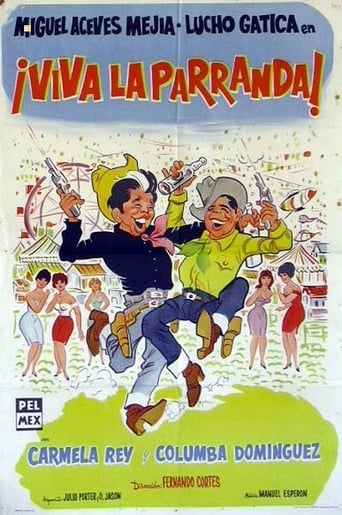
5.0Three con-artists chase after the absconded girlfriend of one and butt heads with two female swindlers working the same marks.
Viva la parranda
1960
 5.6
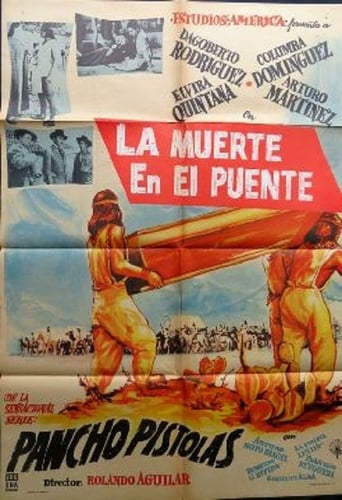
5.6Final four episodes of Pancho Pistolas serial, reedited into feature format. PP finally thwarts the Four Bad Brothers in their plan to take over the lands belonging to local indigenous tribe and in getting that territory restored to tribal governance.
Enterrado vivo
1961
1950s · 18 titles
6.3Determined to postpone his own wedding, a former marshal leaves his bride-to-be and participates in an international music festival in Spain, where he falls for a young dancer.
Bread, Love and Andalucia
1958
6.2A story about two men caught in the Mexican revolution: close friends before, but now on the opposite sides. One of them is military officer, while the other one expects capital punishment. The prisoner's mother comes to visit his son, unaware that his former best friend is now his enemy.
One Day of Life
1950
6.3A useless and bloody vendetta has been going on for ages between two families in this Mexican village. Men, sons, have killed each other for generations, for a so-called conception of honor in a revenge that never ends since it is also triggered by people of the village. Now, today, there are only two sons left, one in each family. One has become a doctor in the big city and his culture is modern. The other last one - of the other family - hasn't left the village and is waiting for the doctor to come "home" as he plans to kill him, to settle this war on this matter of honor once and for all. And the people of the village want blood.
The River and Death
1954
 6.3
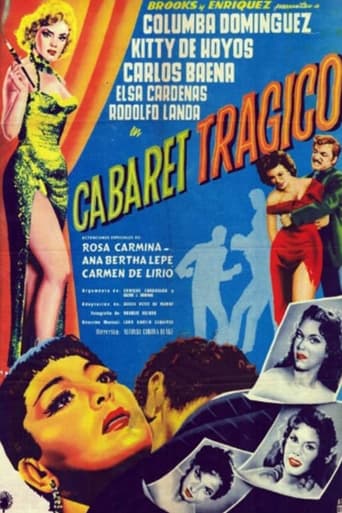
6.3A bar-girl's job becomes inescapable after her involvement in a murder. The bar owner deals with relationship troubles from her cheating boyfriend and her adopted daughter's ambitions.
Tragic Cabaret
1958
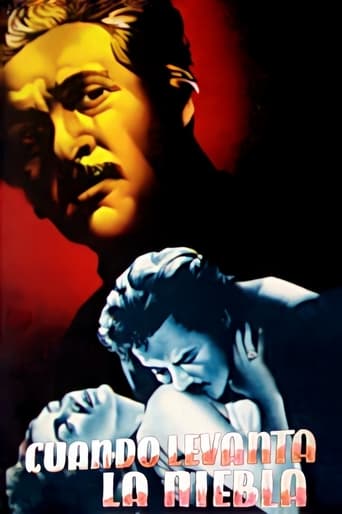 6.8
6.8One mental patient usurps the identity of another and starts a new life, passing himself off as a long-lost relative of a rich family.
When the Fog Lifts
1952
 6.4
6.4A man long thought dead returns to his fishing village home to find the love he left married to the village’s top power broker, a man who control’s the fish production with an iron fist.
The Sea and You
1952
 5.9
5.9A detective and his cowboy friend team up to stop a mad scientist who is stealing the bodies of murdered wrestlers, and bringing them back to life while electronically replacing their minds with those of animals to make them stronger and live longer. Posing as a successful masked wrestler, the cowboy quickly attracts the attention of the scientist and his henchmen as their next experimental subject...
The Body Snatcher
1957
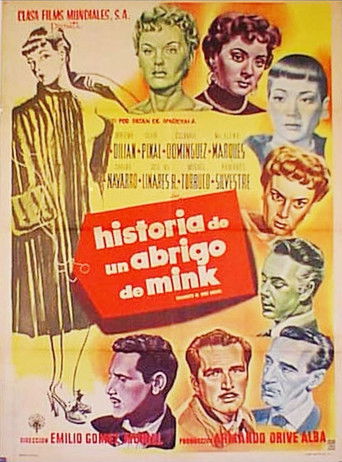 4.6
4.6Four anecdotes involving a mink coat in display in a shop window.
Historia de un abrigo de mink
1955
 5.8
5.8Unethical industrialist gets taken down by a combination of forces including labor activists and a kill-crazy tribal Indian.
La fuerza de los humildes
1955
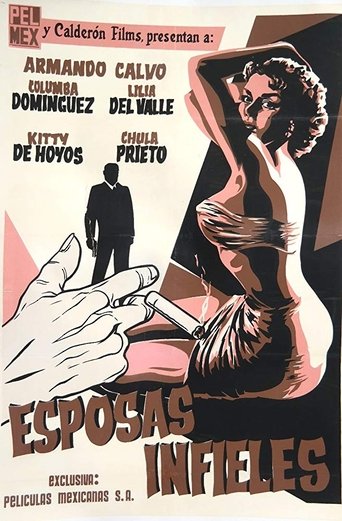 5.0
5.0A bunch of stories where wives are unfaithful for different reasons: money, revenge or pleasure.
Unfaithful Wives
1956
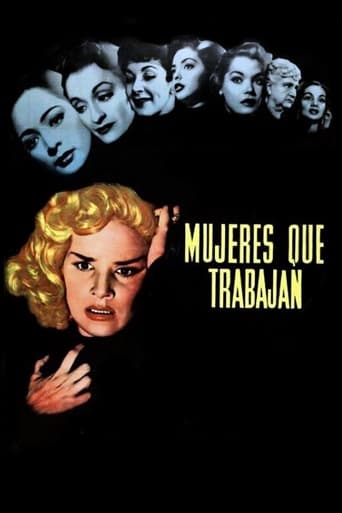 6.1
6.1Women connected with a female-run employment agency and a women-only boarding house bond together in mutual support.
Mujeres que trabajan
1953
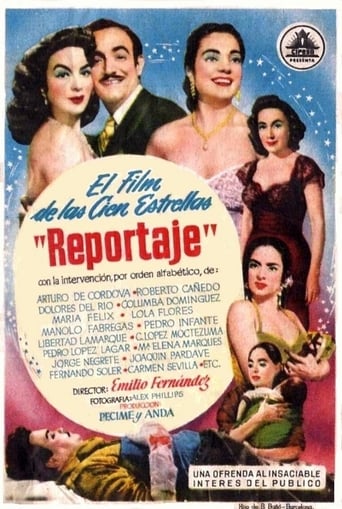 7.3
7.3Reporters compete for cash prize awarded for biggest scoop on New Year's Eve.
Reportaje
1953
 7.5
7.5In Sardinia, at the beginning of the twentieth century, the once powerful aristocratic Decherchi family is going through difficult times and is threatened with eviction. To be able to pay his debts, Don Paulu, the son, needs help. He seeks aid from Uncle Zua, an old miser, who rejects him bluntly. Upset by Paulu's misfortunes, Annesa, the servant girl adopted by the family and Paulu's lover, decides to kill Zua so that the Decherchis inherit from him...
Devotion
1950
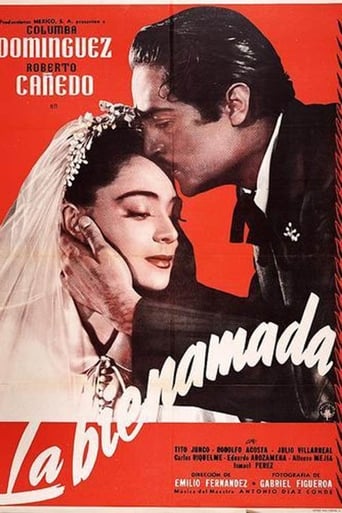 6.2
6.2Civic-minded elementary-school teacher marries and sets up home with wife and her little brother. The-e-n...
La bienamada
1951
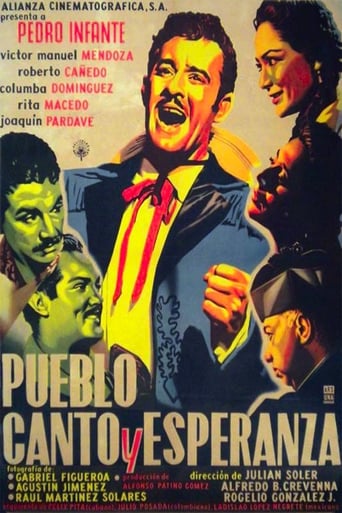 6.4
6.4Anthology-movie with episodes set in Cuba, Mexico and Colombia.
People, Song and Hope
1956
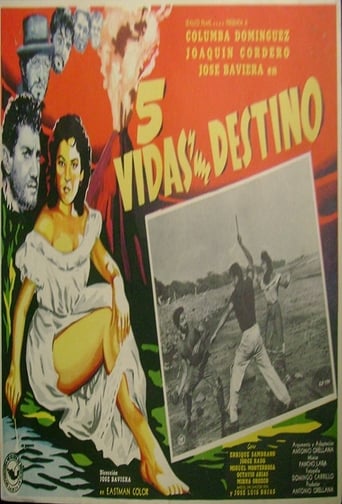 6.0
6.0Jailbreak! Five death-row inmates run for the border.
Five lives and one destiny
1957
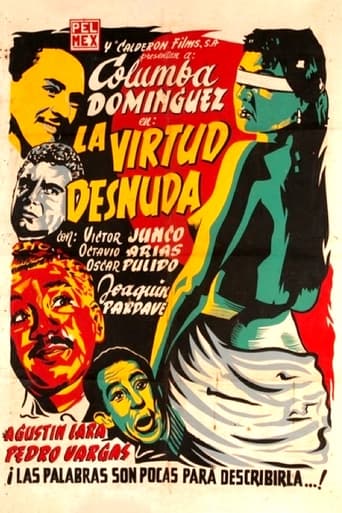 6.7
6.7A certain young woman won't allow her virtuous reputation to be compromised... until her suitors agree to the price she sets on it. Twist ending.
La virtud desnuda
1957
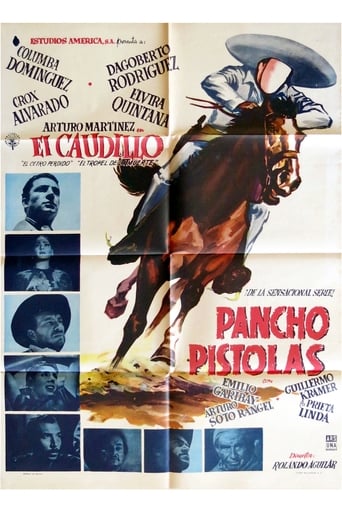 5.6
5.6Bad-hat townsfolk want to dispossess local Indians of their tribal lands; priestess and white ally fight back. One of four in a series.
El caudillo
1957
1940s · 6 titles
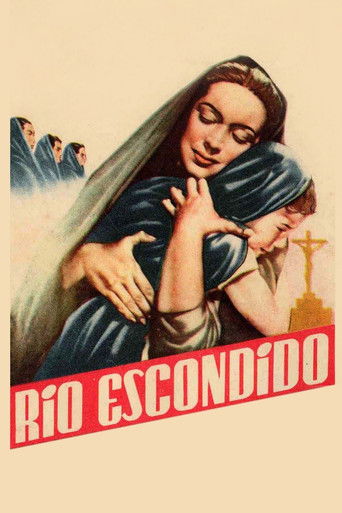 6.2
6.2Called by the Mexican President himself, a rural teacher goes to work in a village that is dominated by a malevolent chieftain.
Hidden River
1948
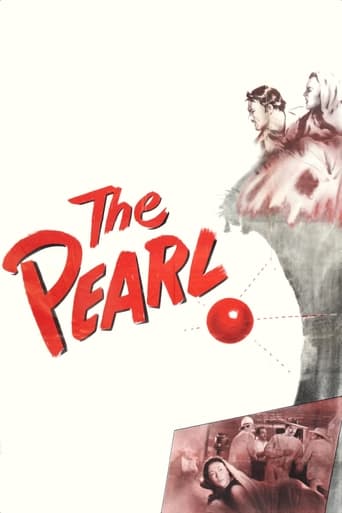 7.2
7.2Fisherman Quino and his wife Juana are very poor and desperate because the town's foreign doctor refuses to treat their son Coyotito, who has been bitten by a scorpion. When Quino unexpectedly finds a magnificent pearl in the sea, Juana senses that the discovery will only bring them misfortune and tries to convince her husband to return it to the sea.
The Pearl
1947
 6.8
6.8On a small Mexican island dwells a group of Indians who live in the traditional manner and who disdain outsiders. The beautiful Maclovia and the poverty-stricken Jose Maria are in love, but her father refuses to allow their marriage, or even any communication between them, due to Jose Maria's lack of means.
Maclovia
1948
Emilio Fernandez directs Dolores Del Rio and Pedro Armendariz in a classic tale of family and obsession. Raimunda's daughter Acacia hates her stepfather Esteban, and in order to escape her suffocating home life she's accepted a marriage proposal from a man she doesn't even love. But Esteban has become obsessed with Acacia, and in order to ensure that she doesn't leave he's plotting to murder the girl's unsuspecting fiancée. As Esteban's true nature emerges, mother and daughter must band together to support one another and make sure that their family bond remains strong even in the darkest of times.
The Unloved Woman
1949
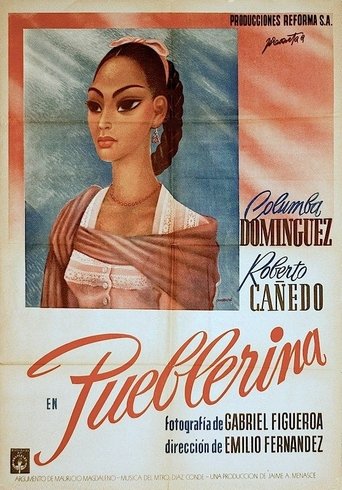 7.2
7.2Aurelio Rodríguez is released from jail, and tries to start a new life by marrying Paloma and working his land. But the local landowners, the brothers González, interfere with his plans.
Pueblerina
1949
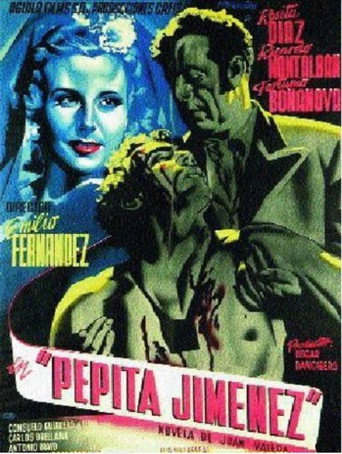 5.9
5.9On March 22, four days after returning to his home in Andalusia, Luis de Vargas writes the first of his letters to his uncle and favorite professor at the seminary. He reports that his father intends to fatten him up during his vacation, to have him ready to return in the fall to finish his training for the priesthood. He mentions in passing that his father is courting a twenty-year-old, attractive widow, Pepita Jiménez; his father is fifty-five years old. Pepita had been married for only a short time to an eighty-year-old moneylender named Gumersindo. Luis is not eager to see his father marry again, but he promises his uncle not to judge Pepita before he knows her.
Pepita Jiménez
1946
Undated · 1 titles
Series credits
6.0Popular telenovela produced in Mexico in 1979, starring Verónica Castro, Rogelio Guerra and Rocío Banquells. Castro also sang the theme Aprendí a Llorar, a song written by Lolita de la Colina. The telenovela was produced by Chilean Valentín Pimstein and Carlos Romero, it was directed by Rafael Banquells. The story was written by Inés Rodena and adapted by Valeria Philips.
Los ricos también lloran
1979
No synopsis available yet.
Aprendiendo a amar
1980