
Directing
Wolfgang Richter
Born
1947-02-01 (79)
Place of birth
Kronberg im Taunus, Germany
Known for
Directing
Credits
11 titles
Wolfgang Richter is a German documentary filmmaker.
Known for
 7.2
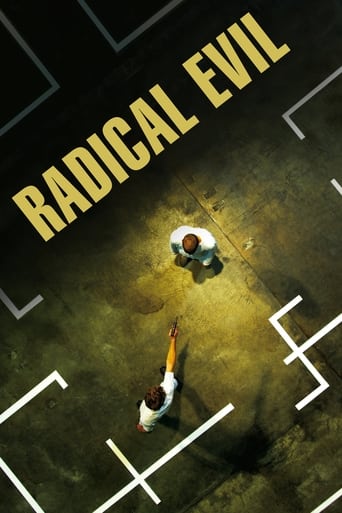
Das radikal Böse is a German-Austrian documentary that attempted to explore psychological processes and individual decision latitude "normal young men" in the German Einsatzgruppen of the Security Police and SD, which in 1941 during the Second World War as part of the Holocaust two million Jewish civilians shot dead in Eastern Europe.
Radical Evil
2014
Documentary about the American radio station AFN (American Forces Network), which was founded in 1943 to accompany the American troops in Western Central Europe. In the post-war period, it stood for the American way of life like almost no other station, wherever it could be received.
Radio Star - Die AFN-Story
1995
 NR
Harvard professor and psychiatrist Robert Jay Lifton explores the question: how do doctors, sworn to heal, become murderers?
When Doctors Kill
2009
 7.0
Documentary film about the extraordinary life story of the Protestant theologian Martin Niemöller. The film links Niemöller's biography with the development of Germany during the 20th century.
Martin Niemöller: "Was würde Jesus dazu sagen?"
1985
When it became known in Neckarsulm in 1975 that the VW Group wanted to shut down its Neckarsulm plant, which would have meant unemployment for more than 20,000 people, the workers took up arms. The documentary depicts the workers' struggle to keep their jobs from a trade union perspective.
Grüße aus Neckarsulm
1976
Behind the camera
7.2Das radikal Böse is a German-Austrian documentary that attempted to explore psychological processes and individual decision latitude "normal young men" in the German Einsatzgruppen of the Security Police and SD, which in 1941 during the Second World War as part of the Holocaust two million Jewish civilians shot dead in Eastern Europe.
Radical Evil
2014
Documentary about the American radio station AFN (American Forces Network), which was founded in 1943 to accompany the American troops in Western Central Europe. In the post-war period, it stood for the American way of life like almost no other station, wherever it could be received.
Radio Star - Die AFN-Story
1995
NRHarvard professor and psychiatrist Robert Jay Lifton explores the question: how do doctors, sworn to heal, become murderers?
When Doctors Kill
2009
7.0Documentary film about the extraordinary life story of the Protestant theologian Martin Niemöller. The film links Niemöller's biography with the development of Germany during the 20th century.
Martin Niemöller: "Was würde Jesus dazu sagen?"
1985
7.0Documentary film about the extraordinary life story of the Protestant theologian Martin Niemöller. The film links Niemöller's biography with the development of Germany during the 20th century.
Martin Niemöller: "Was würde Jesus dazu sagen?"
1985
7.0Documentary film about the extraordinary life story of the Protestant theologian Martin Niemöller. The film links Niemöller's biography with the development of Germany during the 20th century.
Martin Niemöller: "Was würde Jesus dazu sagen?"
1985
When it became known in Neckarsulm in 1975 that the VW Group wanted to shut down its Neckarsulm plant, which would have meant unemployment for more than 20,000 people, the workers took up arms. The documentary depicts the workers' struggle to keep their jobs from a trade union perspective.
Grüße aus Neckarsulm
1976