
Acting
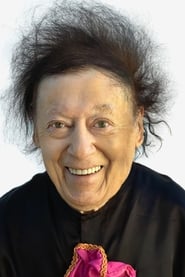
Marty Allen
Born — Died
1922-03-23 — 2018-02-12
Place of birth
Pittsburgh, Pennsylvania, USA
Known for
Acting
Credits
43 titles
Known for
 7.6
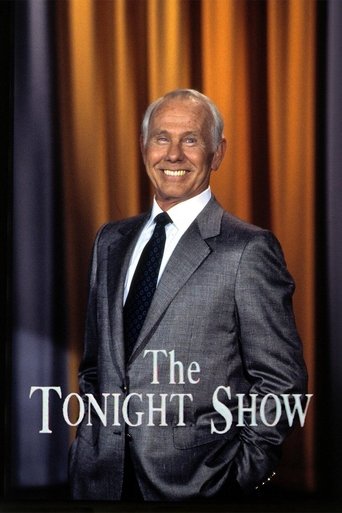
7.6The Tonight Show Starring Johnny Carson is a talk show hosted by Johnny Carson under The Tonight Show franchise from 1962 to 1992. It originally aired during late-night. For its first ten years, Carson's Tonight Show was based in New York City with occasional trips to Burbank, California; in May 1972, the show moved permanently to Burbank, California. In 2002, The Tonight Show Starring Johnny Carson was ranked #12 on TV Guide's 50 Greatest TV Shows of All Time.
The Tonight Show Starring Johnny Carson
1962
 5.8
5.8The Mike Douglas Show is an American daytime television talk show hosted by Mike Douglas that originally aired only in the Cleveland area during much of its first two years on the air. It then went into syndication in 1963 and remained on television until 1982. It was distributed by Westinghouse Broadcasting and for much of its run, originated from studios of two of the company's TV stations in Cleveland and Philadelphia.
The Mike Douglas Show
1961
 6.8
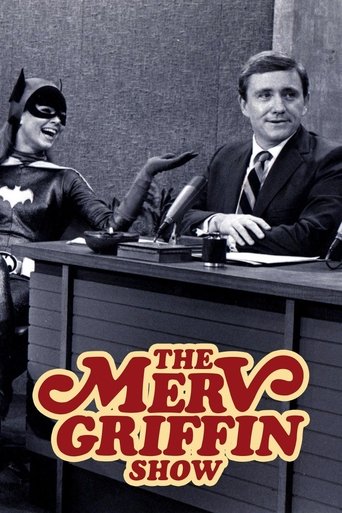
6.8No synopsis available yet.
The Merv Griffin Show
1962
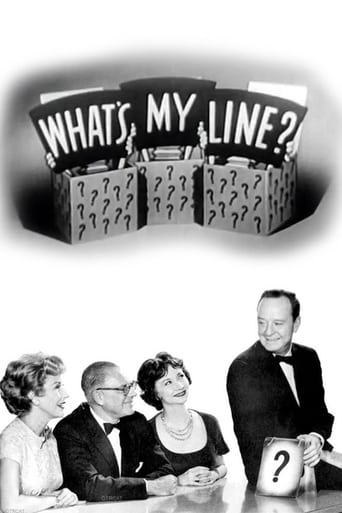 7.0
7.0Four panelists must determine guests' occupations - and, in the case of famous guests, while blindfolded, their identity - by asking only "yes" or "no" questions.
What's My Line?
1950
 6.2
6.2An anthology comedy series featuring a line up of different celebrity guest stars appearing in anywhere from one, two, three, and four short stories or vignettes within an hour about versions of love and romance.
Love, American Style
1969
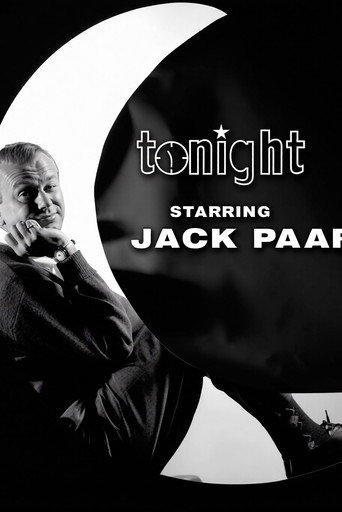 7.5
7.5Tonight Starring Jack Paar is an American talk show hosted by Jack Paar under The Tonight Show franchise from 1957 to 1962. It originally aired during late-night. During most of its run it was broadcast from Studio 6B inside the RCA Building. The same studio would also host early episodes of The Tonight Show Starring Johnny Carson, and Late Night with Jimmy Fallon. Its theme song was an instrumental version of "Everything's Coming Up Roses", and the closing theme was "So Until I See You" by Al Lerner.
Tonight Starring Jack Paar
1957
Film credits

1980s · 4 titles
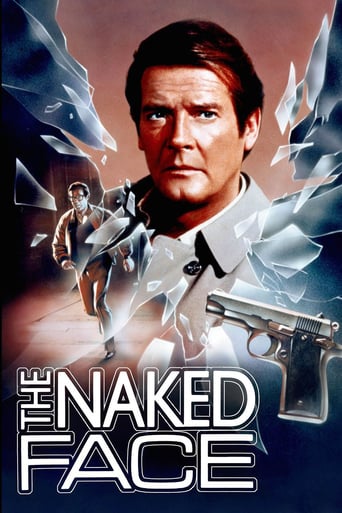 5.6
5.6Chicago psychiatrist Judd Stevens is suspected of murdering one of his patients when the man turns up stabbed to death in the middle of the city. After repeated attempts to convince the cops of his innocence, Dr. Stevens is forced to go after the real villains himself.
The Naked Face
1984
 NR
NRA private eye spoof that sends up assorted TV detectives from Ironside, Columbo and Kojak to Baretta, McCloud and Starsky and Hutch, as eight bumbling super-sleuths band together in a battle of wits against the devilishly clever Master Criminal.
Murder Can Hurt You!
1980
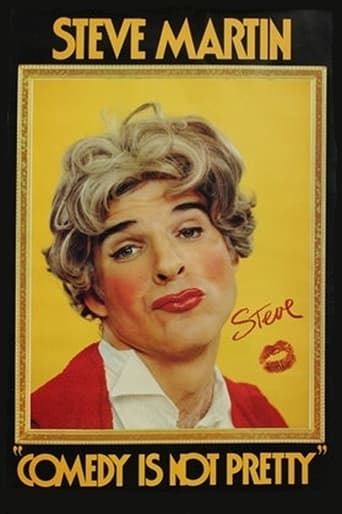 7.0
7.0Steve Martin's second NBC special was made up entirely of sketches. Highlights include: Marty Robbins' "El Paso" with monkeys; "The Death Of Socrates"; and "Bizarre Oddities Of The World."
Steve Martin: Comedy Is Not Pretty
1980
 NR
NREarly home video relic from International Home Entertainment, Inc. Hosted by Marty Allen, this compilation also features stand-up by George Burns, Frank Gorshin, and Pat Henry.
Funnymen
1981
1970s · 10 titles
 NR
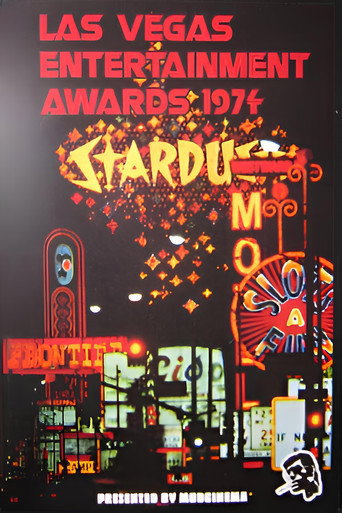
NRIt's the 1974 Las Vegas Entertainment Awards, featuring appearances by Marty Allen, Paul Anka, Ann-Margret, Foster Brooks, Carol Channing, Charo, Roy Clark, Sammy Davis Jr., Zsa Zsa Gabor, Mitzi Gaynor, Bobbie Gentry, Robert Goulet, Shecky Greene, Bob Hope, Rich Little, Liza Minnelli, Wayne Newton, Juliet Prowse, Raquel Welch, & Alan King.
The 1974 Annual Las Vegas Entertainment Awards
1974
 4.8
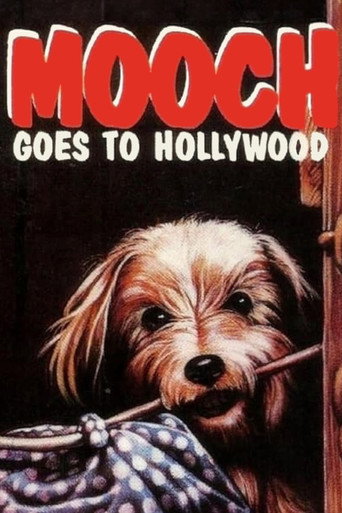
4.8A dog tries to become a canine star with the help of Zsa Zsa Gabor.
Mooch Goes to Hollywood
1971
 6.0
6.0Over fifty of the greatest living comedians are called to a party at Bob Hope's house, where each of them is systematically killed (and their bodies thrown in Hope's pool!). Hope and the rapidly shrinking cast try to discover who is the mysterious killer known only as "Joys."
Joys
1976
 7.0
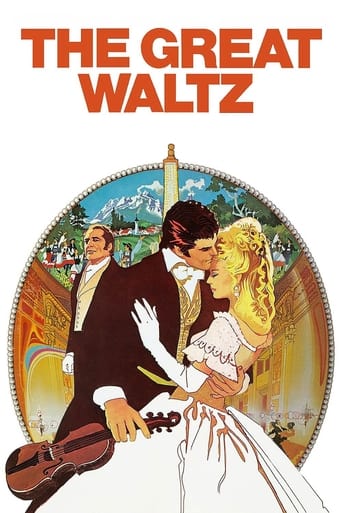
7.0A musical based on the life and music of Johann Strauss, Jr.
The Great Waltz
1972
 8.0
8.0Two undercover cops find their avocation -- a musical act -- helpful in tapping informants on the Las Vegas Strip regarding the alleged kidnapping of a top entertainer in this pilot for a series that never materialized.
Benny & Barney: Las Vegas Undercover
1977
 2.0
2.0Mitzi Gaynor in a song and dance hour with an all-male, star-studded ensemble featuring her main guests Michael Landon (Little House on the Prairie) and Jack Albertson (Chico and the Man), plus 28 celebrities as her "Million Dollar Chorus." Songs performed include: "I Got the Music in Me," "The Most Beautiful Guy in the World," and "You Are the Sunshine of My Life."
Mitzi & 100 Guys
1975
 4.8
4.8Young Joey wants to be an animal trainer so badly that he sneaks into off-limits areas of Marineland.
A Whale of a Tale
1976
 7.0
7.0An emotionally touching story of a man who's life was in seeming disrepair, yet God turned it into one of redemption and atonement.
The Ballad of Billie Blue
1972
 7.0
7.0Con man Dudley Jerico sets out to rob corrupt millionaire Victor Rosso of his legendary Gemini diamond, but there's another operator in town who is out to con the con.
Mister Jerico
1970
 10.0
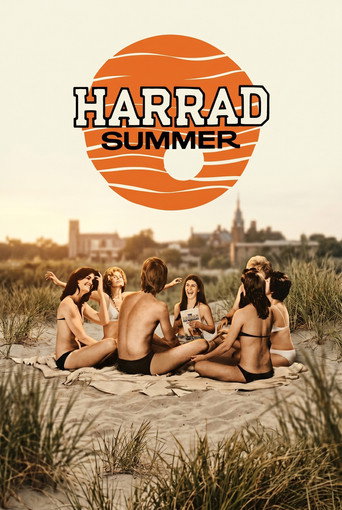
10.0Stanley, Harry, Sheila and Beth, four students from the 'free sex' Harrad College, spend the summer together to meet their families.
Harrad Summer
1974
Series credits
7.6The Tonight Show Starring Johnny Carson is a talk show hosted by Johnny Carson under The Tonight Show franchise from 1962 to 1992. It originally aired during late-night. For its first ten years, Carson's Tonight Show was based in New York City with occasional trips to Burbank, California; in May 1972, the show moved permanently to Burbank, California. In 2002, The Tonight Show Starring Johnny Carson was ranked #12 on TV Guide's 50 Greatest TV Shows of All Time.
The Tonight Show Starring Johnny Carson
1962
5.8The Mike Douglas Show is an American daytime television talk show hosted by Mike Douglas that originally aired only in the Cleveland area during much of its first two years on the air. It then went into syndication in 1963 and remained on television until 1982. It was distributed by Westinghouse Broadcasting and for much of its run, originated from studios of two of the company's TV stations in Cleveland and Philadelphia.
The Mike Douglas Show
1961
5.8The Mike Douglas Show is an American daytime television talk show hosted by Mike Douglas that originally aired only in the Cleveland area during much of its first two years on the air. It then went into syndication in 1963 and remained on television until 1982. It was distributed by Westinghouse Broadcasting and for much of its run, originated from studios of two of the company's TV stations in Cleveland and Philadelphia.
The Mike Douglas Show
1961
6.8No synopsis available yet.
The Merv Griffin Show
1962
7.0Four panelists must determine guests' occupations - and, in the case of famous guests, while blindfolded, their identity - by asking only "yes" or "no" questions.
What's My Line?
1950
6.2An anthology comedy series featuring a line up of different celebrity guest stars appearing in anywhere from one, two, three, and four short stories or vignettes within an hour about versions of love and romance.
Love, American Style
1969
7.5Tonight Starring Jack Paar is an American talk show hosted by Jack Paar under The Tonight Show franchise from 1957 to 1962. It originally aired during late-night. During most of its run it was broadcast from Studio 6B inside the RCA Building. The same studio would also host early episodes of The Tonight Show Starring Johnny Carson, and Late Night with Jimmy Fallon. Its theme song was an instrumental version of "Everything's Coming Up Roses", and the closing theme was "So Until I See You" by Al Lerner.
Tonight Starring Jack Paar
1957
 6.2
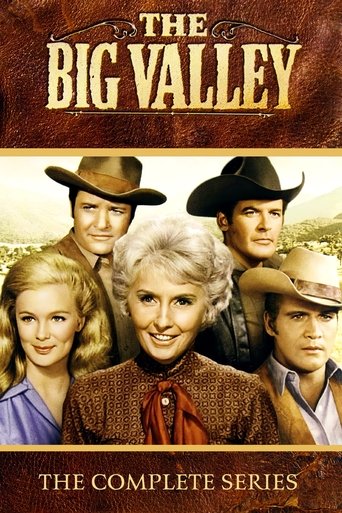
6.2The Big Valley is an American western television series which ran on ABC from September 15, 1965, to May 19, 1969. The show stars Barbara Stanwyck, as the widow of a wealthy nineteenth century California rancher. It was created by A.I. Bezzerides and Louis F. Edelman, and produced by Levy-Gardner-Laven for Four Star Television.
The Big Valley
1965
 7.0
7.0The Bob Hope Show hosted by Bob Hope, debuted on April 9, 1950. During the 1952-1953 season, NBC rotated with other variety shows in a Sunday night block known as "The Colgate Comedy Hour" (Sept. 1950 to Dec. 1955). Also known as, "The Chevy Show with Bob Hope." When the first special debuted in October of 1950 it was the most expensive television program made up to that point - costing an astronomical $1,500 a minute to produce. Bob Hope had his own television show and radio show at the same time. For the next three seasons, The Bob Hope Show was broadcast once a month on Tuesday nights, giving Milton Berle a week off. Bob ended his radio show in April, 1956. Bob Hope also had another show by a similar name, "The Bob Hope Show (All Star Revue)". In addition, he performed in "Specials" for many years. It is the longest running variety program in television's history with a record of 45 years of televised entertainment.
The Bob Hope Show
1950
 7.0
7.0Dinah's show premiered 9 September 1974 and continued through to 4 September 1981. She started out the 70's with Dinah's Place which usually featured one guest and was more of a home oriented show about cooking, crafts and occasionally music. This format lasted until May of 1974. When the show came back in October of 1974 the format had changed drastically to a variety talk show which was called Dinah. and went on until 1981. This show was also known as "Dinah and Friends" during the summer of 1976.
Dinah!
1974
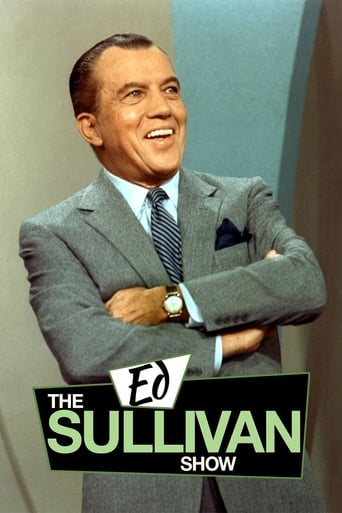 6.8
6.8The Ed Sullivan Show is an American TV variety show that originally ran on CBS from Sunday June 20, 1948 to Sunday June 6, 1971, and was hosted by New York entertainment columnist Ed Sullivan. It was replaced in September 1971 by the CBS Sunday Night Movie, which ran only one season and was eventually replaced by other shows. In 2002, The Ed Sullivan Show was ranked #15 on TV Guide's 50 Greatest TV Shows of All Time.
The Ed Sullivan Show
1948
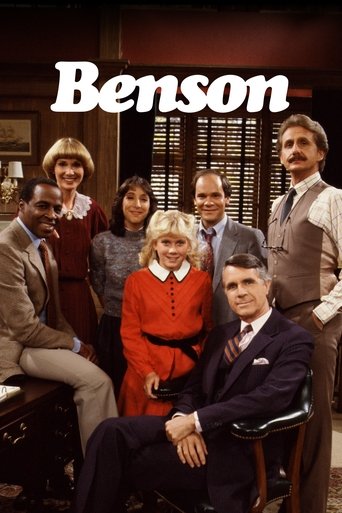 7.1
7.1A butler deals with life at the governor's mansion.
Benson
1979
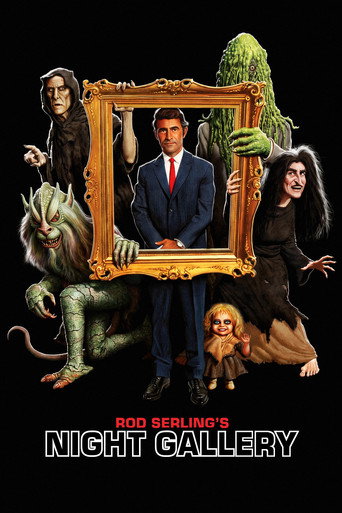 7.8
7.8Rod Serling narrates an anthology of fantasy, horror and sci-fi stories from a set resembling a macabre museum. A chilling work of art serves as the connective link between the stories.
Night Gallery
1970
 5.4
5.4Kraft Music Hall is an umbrella title for several television series aired by NBC in the United States from the 1950s to the 1970s in the musical variety genre, sponsored by Kraft Foods, the producers of a well-known line of cheeses and related dairy products. Their commercials were usually announced by "The Voice of Kraft", Ed Herlihy.
Kraft Music Hall
1958
 7.1
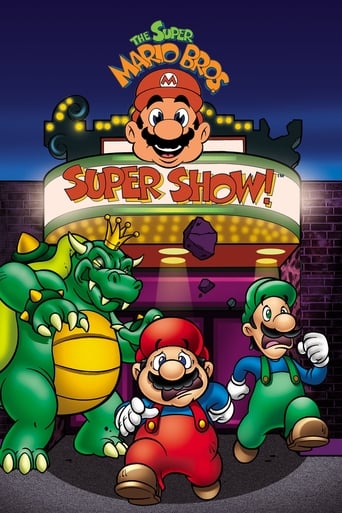
7.1In 1989 the two most famous plumbers from Brooklyn burst out of the Nintendo game world and onto television screens across America. The Super Mario Bros. Super Show! aired weekday afternoons and brought Mario, Luigi, Princess Toadstool and King Koopa more thrilling adventures as cartoon characters. And if that weren't enough, each episode also contained live-action segments featuring Mario and Luigi running their Brooklyn plumbing shop - all before they were flushed down a drainpipe into the Mushroom World.
The Super Mario Bros. Super Show!
1989
 7.5
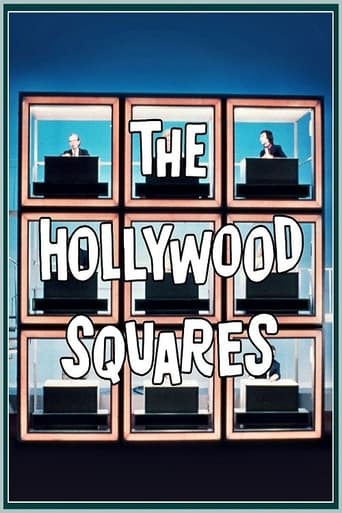
7.5Hollywood Squares is an American panel game show, in which two contestants play tic-tac-toe to win cash and prizes. The "board" for the game is a 3 × 3 vertical stack of open-faced cubes, each occupied by a celebrity seated at a desk and facing the contestants. The stars are asked questions by the host, or "Square-Master", and the contestants judge the veracity of their answers in order to win the game. Although Hollywood Squares was a legitimate game show, the game largely acted as the background for the show's comedy in the form of joke answers, often given by the stars prior to their "real" answer. The show's writers usually supplied the jokes. In addition, the stars were given question subjects and plausible incorrect answers prior to the show. The show was scripted in this sense, but the gameplay was not. In any case, as host Peter Marshall, the best-known "Square-Master" and the man in whose honor the show's first announcer, Kenny Williams, actually "coined" the term, would explain at the beginning of the Secret Square game, the celebrities were briefed prior to show to help them with bluff answers, but they otherwise heard the actual questions for the first time as they were asked on air.
Hollywood Squares
1966
7.5Hollywood Squares is an American panel game show, in which two contestants play tic-tac-toe to win cash and prizes. The "board" for the game is a 3 × 3 vertical stack of open-faced cubes, each occupied by a celebrity seated at a desk and facing the contestants. The stars are asked questions by the host, or "Square-Master", and the contestants judge the veracity of their answers in order to win the game. Although Hollywood Squares was a legitimate game show, the game largely acted as the background for the show's comedy in the form of joke answers, often given by the stars prior to their "real" answer. The show's writers usually supplied the jokes. In addition, the stars were given question subjects and plausible incorrect answers prior to the show. The show was scripted in this sense, but the gameplay was not. In any case, as host Peter Marshall, the best-known "Square-Master" and the man in whose honor the show's first announcer, Kenny Williams, actually "coined" the term, would explain at the beginning of the Secret Square game, the celebrities were briefed prior to show to help them with bluff answers, but they otherwise heard the actual questions for the first time as they were asked on air.
Hollywood Squares
1966
 7.1
7.1Garry Shandling stars as himself, a neurotic, sardonic stand-up comedian who just happens to be aware he is a sitcom character. Garry spends just as much time interacting with the studio audience as he does the regular cast members, performing monologues and show-closing summations of the episode's events. However, everyone knows they're on TV, not just Garry; and the audience (itself a character) is often involved in the storyline.
It's Garry Shandling's Show
1986
 7.9
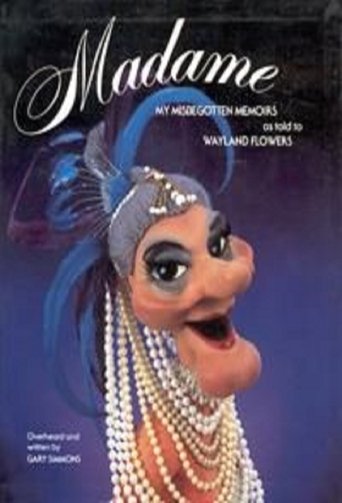
7.9Madame's Place is an American sitcom that featured the misadventures of Madame, a puppet in the form of a bawdy old movie star with a naughty sense of humor.
Madame's Place
1982
 5.0
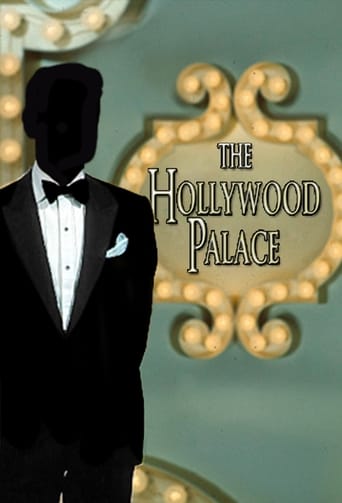
5.0The Hollywood Palace is an hour-long American television variety show that was broadcast weekly on ABC from January 4, 1964 to February 7, 1970. Originally titled The Saturday Night Hollywood Palace, it began as a mid-season replacement for The Jerry Lewis Show, another variety show which had lasted only three months. It was staged in Hollywood at the former Hollywood Playhouse on Vine Street, which was renamed The Hollywood Palace during the show's duration and is today known as Avalon Hollywood. A little-known starlet named Raquel Welch was cast during the first season as the "Billboard Girl", who placed the names of the acts on a placard.
The Hollywood Palace
1964
 6.3
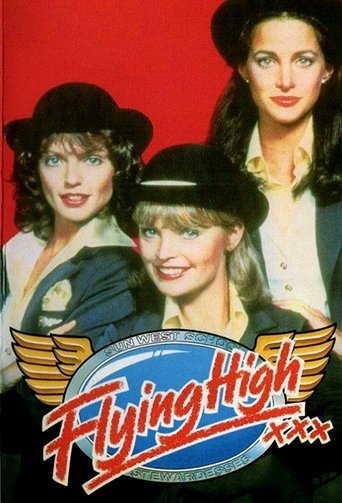
6.3Flying High is an American comedy-drama series that aired on CBS from August 28, 1978 until January 23, 1979. Created by Dawn Aldredge and Martin Cohan, the series stars Connie Sellecca, Pat Klous, and Kathryn Witt.
Flying High
1978
 6.0
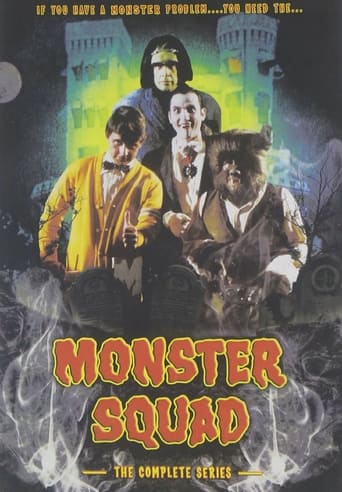
6.0Monster Squad is a television series that aired Saturday mornings on NBC from 1976-1977 that is unrelated to the later movie of the same name. The series stars Fred Grandy as Walt, a criminology student working as a night watchman at "Fred's Wax Museum". To pass the time, Walt built a prototype "Crime Computer" hidden in a large stone sarcophagus near an exhibit of legendary monsters. When Walt plugged in his computer, "oscillating vibrations" brought to life the wax statues of Dracula, the Wolfman who here was named "Bruce W. Wolf", and Frankenstein's Monster who was referred to as "Frank N. Stein" in the credits. The monsters, wanting to make up for the misdeeds of their pasts, became superhero crimefighters who used their unique abilities to challenge and defeat various supervillains. In most episodes, Walt would send the monsters out to investigate crimes and fight the villains while monitoring the activities from the wax museum via the Crime Computer, presumably because his job required him to be at the wax museum at all times. However, Walt would sometimes join the climactic battle with his comrades in some episodes and come to the rescue when needed.
Monster Squad
1976
 NR
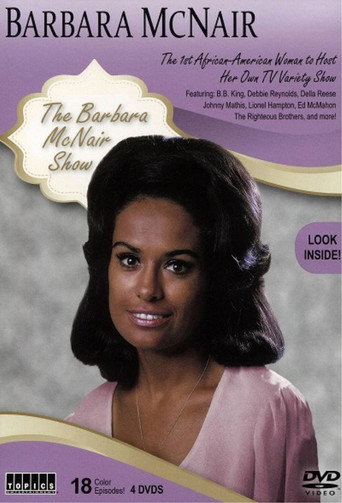
NRNo synopsis available yet.
The Barbara McNair Show
1969
No synopsis available yet.
Summer Playhouse
1954
No synopsis available yet.
Honeymoon Suite
1972